
After SHTF – Your Survival Handbook
by Natural Born Prepper (2026-05-15)
TABLE OF CONTENTS |
|
PART I — IMMEDIATE SAFETY & INFORMATION (Chapters 5-17) |
|
5. “What Is Happening Right Now?”
One of the first reactions people have during a major emergency is the urgent need to understand what is actually happening. Human beings instinctively seek information during uncertainty because information helps restore a sense of control, orientation, and safety.
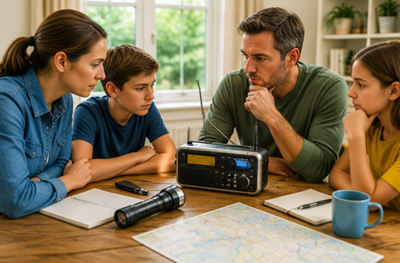 The moment normal systems begin failing, people immediately start asking questions:
- Is this local or widespread?
- Is this temporary or long-term?
- Is infrastructure failing?
- Is there danger nearby?
- Are communications still functioning?
- What should I do next?
Modern society became deeply dependent on instant digital information. Most people rely heavily on smartphones, internet searches, social media, livestreams, and news apps to understand the world around them. During ordinary life, information flows continuously and almost effortlessly.
Emergencies expose how fragile this system can become.
One important preparedness lesson is that informational uncertainty often creates panic faster than the physical emergency itself. Human beings generally tolerate hardship better when they understand:
- what is happening
- how serious conditions are
- whether danger is spreading
- what actions are recommended
When reliable information disappears, fear and confusion increase rapidly.
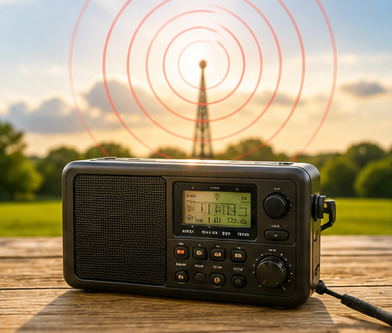 Prepared individuals frequently recognize that communication and information systems become some of the most important survival resources during the early stages of instability.
Historically, communities relied on layered communication systems involving:
- radio broadcasts
- local coordination
- emergency announcements
- neighborhood awareness
- community leadership
- decentralized information sharing
Modern populations centralized enormous dependence into internet-connected digital infrastructure.
Preparedness today increasingly means rebuilding information resilience outside those fragile systems.
One important reality about emergencies is that official information may become delayed, incomplete, conflicting, or inaccessible. Infrastructure damage, communication overload, cyber attacks, or power outages may affect normal information channels very quickly.
Prepared individuals often focus on maintaining multiple independent ways of gathering information rather than depending entirely on one platform or system.
This is another reason offline preparedness matters so much.
A system like Prepper Offline may help preserve emergency preparedness knowledge independently from internet access. During communication outages or infrastructure instability, individuals may still retain access to:
- emergency planning guides
- communication preparedness information
- offline survival references
- emergency radio knowledge
- practical preparedness strategies
- local preparedness resources
stored locally across offline devices.
Likewise, preparedness communities may become extremely valuable during periods of uncertainty and disrupted communication.
A platform like Prepping Communities may help preparedness-minded individuals connect with local groups discussing:
- emergency communication
- preparedness coordination
- local awareness
- community resilience
- mutual assistance
- practical emergency planning
before emergencies occur.
Preparedness ultimately means reducing uncertainty by increasing access to reliable information and practical communication systems before infrastructure becomes unstable.
5.1 Emergency Radio Broadcasts
Emergency radio broadcasts have remained one of the most reliable forms of public communication during disasters for decades. Even in a world dominated by smartphones and internet-based systems, radio continues providing an important layer of resilience because it can function independently from many modern digital platforms.
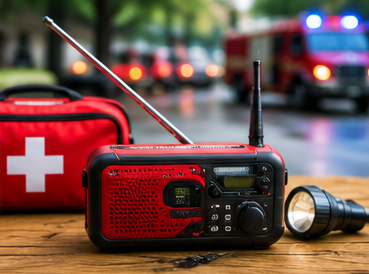 Prepared individuals frequently recognize that radio communication matters because it often remains operational when:
- internet systems fail
- cellular networks overload
- power outages spread
- digital infrastructure becomes unstable
Historically, emergency radio broadcasts played critical roles during hurricanes, wildfires, floods, wartime conditions, blackouts, and infrastructure failures. Governments and emergency agencies relied heavily on radio because it allowed information to reach large populations quickly even during unstable conditions.
One important preparedness lesson is that receiving reliable information during uncertainty may dramatically improve emotional stability and decision-making.
People experiencing emergencies naturally want to know:
- where danger exists
- whether evacuations are occurring
- what roads remain open
- whether infrastructure is recovering
- what actions authorities recommend
Radio broadcasts may provide continuity when many other communication systems become unreliable.
Prepared individuals often recognize that battery-powered or hand-crank radios remain valuable precisely because they operate independently from internet connectivity. In many situations, simply being able to hear reliable updates may reduce panic and improve situational awareness significantly.
Preparedness increasingly involves maintaining multiple independent communication methods rather than relying entirely on smartphones alone.
5.2 NOAA Weather Radio
NOAA Weather Radio represents one of the most important emergency broadcast systems available in North America for weather-related and public safety emergencies.
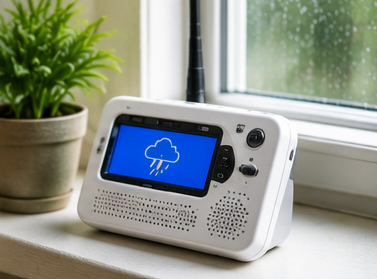 Many people associate NOAA broadcasts only with weather forecasts, but these systems may also provide alerts involving:
- severe storms
- floods
- wildfires
- hazardous conditions
- civil emergencies
- evacuation notices
- infrastructure threats
Prepared individuals frequently recognize that weather-related disasters often trigger cascading infrastructure problems affecting:
- transportation
- communication systems
- electrical grids
- water systems
- emergency response capability
One important preparedness lesson is that weather information becomes far more important during emergencies because environmental conditions may dramatically affect survival decisions.
Historically, severe weather has repeatedly disrupted civilizations, transportation systems, agriculture, and communication infrastructure. Modern forecasting improved warning capability tremendously, but populations still depend heavily on communication systems to receive those warnings.
Prepared individuals often maintain weather radios because they provide direct access to emergency broadcasts without requiring internet access or cellular service.
This creates an important layer of communication resilience during situations where digital systems may become unreliable.
Preparedness ultimately involves understanding that environmental threats often become infrastructure threats very quickly.
5.3 HAM Radio Operators
HAM radio operators have historically played an important role during emergencies because they provide decentralized communication capability independent from many commercial systems.
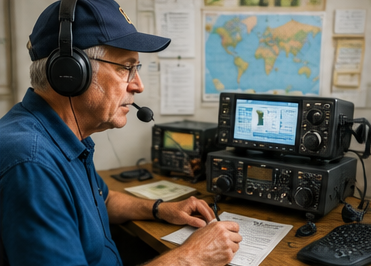 Prepared individuals frequently recognize that HAM radio communities often become valuable during:
- disasters
- power outages
- communication failures
- remote emergencies
- severe weather events
- infrastructure instability
One important preparedness lesson is that decentralized communication systems may remain functional even when centralized systems become overloaded or damaged.
Historically, HAM radio operators assisted communities during hurricanes, earthquakes, wildfires, blackouts, and other disasters by helping relay information when normal communication systems failed.
Modern civilization became heavily dependent on smartphones and internet infrastructure. HAM radio represents a reminder that communication can still exist outside those systems.
Prepared individuals often appreciate HAM radio not only because of the technology itself, but because of the local knowledge and communication culture surrounding it.
HAM operators frequently develop:
- practical communication skills
- emergency coordination experience
- regional awareness
- technical knowledge
- community relationships
Preparedness increasingly means rebuilding communication resilience through layered systems and local capability rather than depending entirely on centralized infrastructure.
5.4 Police and Fire Scanner Traffic
During emergencies, many people seek information directly from police, fire, and emergency service activity because official public updates may be delayed or incomplete during rapidly changing situations.
Prepared individuals frequently recognize that scanner traffic sometimes provides early awareness involving:
- road closures
- fires
- accidents
- evacuations
- infrastructure damage
- hazardous conditions
- emergency response activity
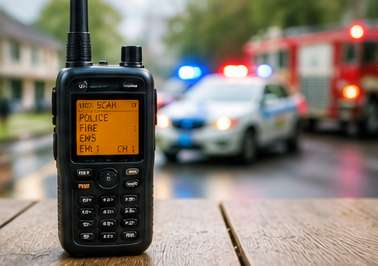 One important preparedness lesson is that situational awareness becomes critically important during uncertainty.
Historically, local awareness often determined how effectively communities adapted during emergencies. People who understood nearby conditions generally made better decisions involving evacuation, shelter, transportation, and safety.
Modern populations became heavily dependent on centralized digital updates, but emergencies may create delays between events occurring and official public communication reaching the population.
Prepared individuals often focus on maintaining multiple independent information sources rather than depending entirely on one platform or authority.
At the same time, responsible preparedness also recognizes that scanner traffic may sometimes involve incomplete or rapidly evolving information. Emotional overreaction to partial information may create unnecessary panic.
Preparedness therefore increasingly involves calm observation, verification, and disciplined decision-making rather than reacting impulsively to every report or rumor.
5.5 Community Information Networks
Historically, local communities survived instability partly because information flowed through trusted local relationships.
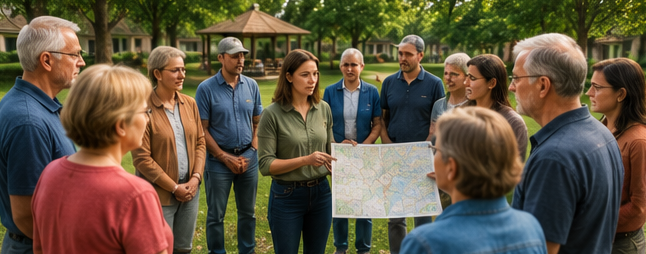 Neighbors shared updates. Communities coordinated resources. Local leaders communicated conditions. Families relied on direct awareness rather than distant digital systems alone.
Modern civilization weakened many of these local communication networks because smartphones and internet systems replaced much of the need for face-to-face coordination.
Emergencies often reveal how important local information still remains.
Prepared individuals frequently recognize that community information networks may become extremely valuable during:
- communication outages
- severe weather
- infrastructure failures
- supply disruptions
- transportation problems
- local emergencies
One important preparedness lesson is that local awareness often matters more than national headlines during real emergencies.
People need practical answers involving:
- nearby conditions
- local safety
- resource availability
- transportation access
- community support
- neighborhood coordination
Preparedness communities help strengthen these local relationships before emergencies occur.
A platform like Prepping Communities may help preparedness-minded individuals connect with local groups, regional preparedness discussions, emergency planning communities, and mutual assistance networks before systems become unstable.
Preparedness ultimately strengthens resilience by reducing isolation and rebuilding local communication capability.
5.6 Offline News Sources
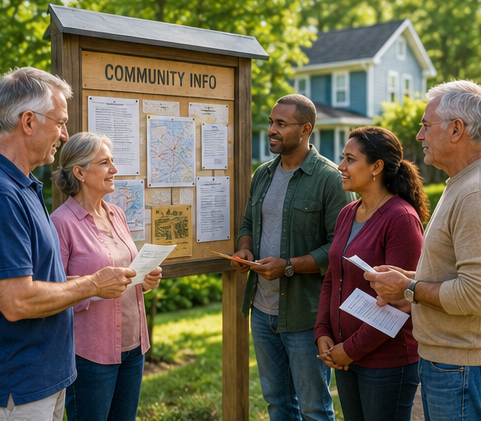 One of the biggest vulnerabilities modern society faces is dependence on live internet systems for nearly all information access.
Most people no longer maintain:
- printed maps
- physical references
- offline guides
- emergency manuals
- local contact lists
- alternate information systems
During ordinary life, this dependence feels normal because digital access appears constant.
Emergencies expose how fragile that assumption can become.
Prepared individuals frequently recognize that information access may become severely limited during:
- internet outages
- cyber attacks
- power failures
- communication overload
- infrastructure disruption
One important preparedness lesson is that preparedness knowledge is only valuable if it remains accessible during emergencies.
Historically, societies maintained physical books, manuals, local records, maps, and decentralized information because knowledge had to remain accessible independently from centralized systems.
Preparedness increasingly means rebuilding offline knowledge resilience.
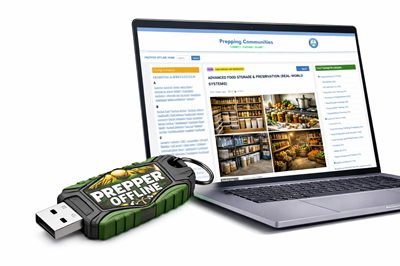 This is one reason systems like Prepper Offline may become extremely valuable during emergencies. By storing preparedness information locally across offline devices, individuals may continue accessing:
- emergency planning information
- preparedness guides
- survival references
- medical knowledge
- food preservation strategies
- communication preparedness resources
even if internet systems become unavailable.
Preparedness ultimately means ensuring access to knowledge does not disappear simply because connectivity disappears.
5.7 Battery and Solar Radio Preparedness
One important preparedness reality is that communication systems are only useful if they still have power.
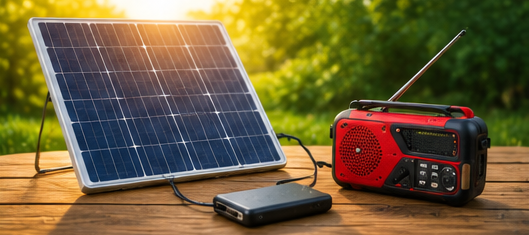 Modern populations became heavily dependent on rechargeable digital devices requiring stable electrical infrastructure. During prolonged outages, people often discover that smartphones, tablets, and battery systems may become difficult to recharge consistently.
Prepared individuals frequently recognize that low-power communication tools become extremely valuable during long-duration emergencies.
Battery-powered radios, hand-crank radios, and solar charging systems provide important resilience because they allow individuals to continue receiving information independently from the electrical grid.
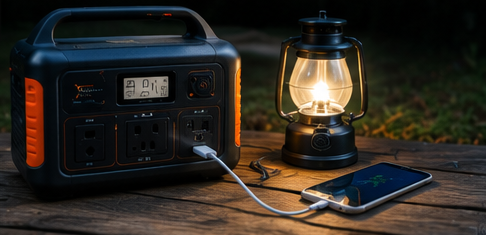 Historically, communication systems often operated with far lower power requirements than modern digital infrastructure. Preparedness increasingly means recognizing the value of simple, durable, low-power systems during instability.
One important preparedness lesson is that maintaining situational awareness may become one of the most important survival advantages during prolonged emergencies.
Even limited access to:
- weather alerts
- emergency broadcasts
- local information
- evacuation notices
- infrastructure updates
may dramatically improve decision-making.
Prepared individuals often think in terms of layered communication resilience involving:
- backup radios
- spare batteries
- solar charging
- offline information
- local communication systems
- decentralized preparedness knowledge
rather than total dependence on one fragile technology platform.
Preparedness ultimately means preserving the ability to receive reliable information even when ordinary infrastructure becomes unstable or unavailable.
6. “Is This Nationwide?”
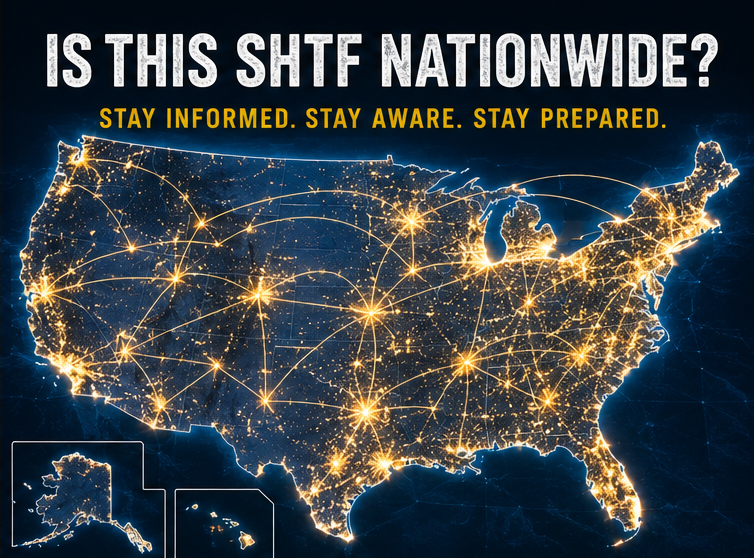 One of the first questions people begin asking during a major emergency is whether the situation is local, regional, or nationwide. Human beings instinctively try to understand the scale of danger because scale determines how people respond psychologically and practically.
A local power outage feels very different from a national infrastructure failure.
A temporary storm disruption feels different from a widespread communications collapse.
The moment people suspect that multiple regions are experiencing similar problems simultaneously, fear and uncertainty often increase dramatically.
Modern society depends heavily on interconnected infrastructure systems operating continuously across enormous geographic areas. Communication systems, transportation networks, banking infrastructure, supply chains, electrical grids, fuel systems, and internet services are all deeply connected. This means disruptions in one region may sometimes create cascading effects elsewhere very quickly.
 Prepared individuals frequently recognize that understanding scale is critically important during emergencies because it affects:
- evacuation decisions
- resource management
- communication planning
- fuel conservation
- financial decisions
- long-term preparedness strategy
One important preparedness lesson is that official information may initially lag behind real-world conditions during rapidly evolving emergencies. Governments, news agencies, and infrastructure providers sometimes require time to confirm the scope of unfolding events. During that delay, people naturally begin searching for independent ways to determine whether problems are isolated or widespread.
Historically, populations experiencing wars, disasters, blackouts, economic collapse, or infrastructure failures often relied heavily on decentralized communication systems to understand broader conditions outside their immediate area.
Modern populations became deeply dependent on centralized digital communication systems for this awareness.
Preparedness increasingly means rebuilding alternate ways of gathering information independently from fragile infrastructure.
Prepared individuals often focus on:
- radio monitoring
- local communication
- regional awareness
- supply chain observation
- infrastructure pattern recognition
- decentralized information gathering
rather than relying entirely on one official source of information.
This is another reason offline preparedness matters so much.
A system like Prepper Offline may help preserve preparedness knowledge independently from internet access during large-scale emergencies. Individuals may still retain access to communication preparedness information, emergency planning guides, offline references, survival strategies, and infrastructure preparedness knowledge even during widespread outages.
Likewise, preparedness communities may become extremely valuable during periods of uncertainty and communication disruption.
A platform like Prepping Communities may help preparedness-minded individuals connect with local groups discussing infrastructure conditions, emergency preparedness, regional coordination, communication systems, and mutual assistance before emergencies occur.
Preparedness ultimately means increasing awareness and reducing uncertainty before systems become unstable.
6.1 Shortwave Radio Monitoring
Shortwave radio has historically played an important role during international crises, wars, disasters, and infrastructure failures because it allows people to receive broadcasts across very large distances.
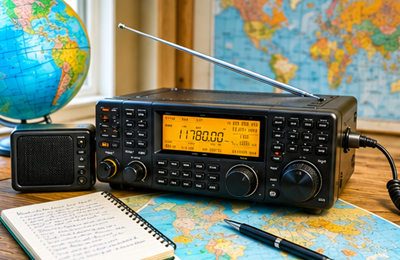 Prepared individuals frequently recognize that shortwave radio may provide valuable insight during widespread emergencies because it operates independently from internet systems and local cellular infrastructure.
One important preparedness lesson is that shortwave monitoring may help individuals understand whether disruptions are isolated locally or affecting broader regions.
Historically, people relied heavily on shortwave broadcasts during:
- wartime communication
- political instability
- international crises
- major disasters
- infrastructure collapse
because broadcasts from distant locations could still be received even when local systems failed.
Modern populations became heavily dependent on internet-based news and digital communication. Emergencies reveal how vulnerable this dependency may become if internet systems experience instability or censorship.
Prepared individuals often appreciate shortwave radio because it provides decentralized access to information from multiple regions and sources rather than depending entirely on local digital infrastructure.
Preparedness increasingly means maintaining multiple independent pathways for receiving information during uncertainty.
6.2 Regional HAM Repeaters
HAM radio repeaters often become extremely valuable during emergencies because they help extend communication across larger regions even when normal communication systems weaken.
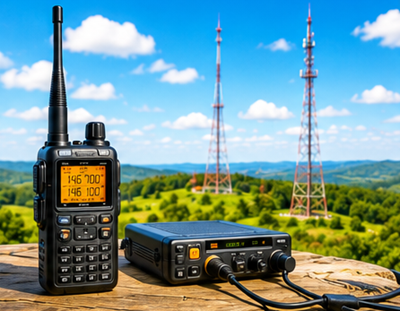 Prepared individuals frequently recognize that regional HAM networks may provide important insight into:
- infrastructure conditions
- weather impacts
- transportation problems
- communication outages
- regional emergency activity
One important preparedness lesson is that decentralized communication systems often remain functional even when centralized infrastructure becomes overloaded or unstable.
Historically, HAM radio operators assisted heavily during hurricanes, wildfires, blackouts, floods, and communication failures because they could relay local information across regions when ordinary systems stopped functioning reliably.
Modern populations became highly dependent on smartphones and internet communication. HAM radio communities represent one of the remaining large-scale decentralized communication cultures still operating independently from commercial communication infrastructure.
Prepared individuals often recognize that local HAM operators frequently possess:
- technical knowledge
- regional awareness
- emergency coordination experience
- communication resilience
- practical preparedness skills
Preparedness increasingly means rebuilding local communication capability before emergencies occur.
6.3 CB Radio Truck Traffic
One of the more overlooked information sources during emergencies is commercial transportation communication.
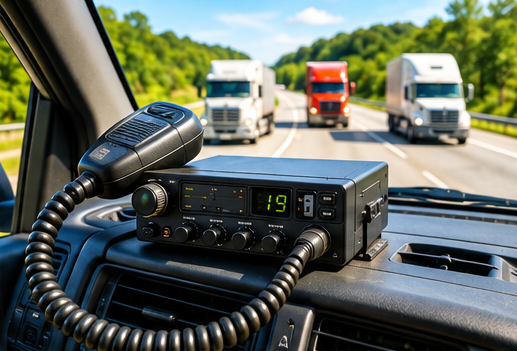 Truck drivers move through enormous portions of national infrastructure daily and often become aware of:
- fuel shortages
- road closures
- distribution delays
- supply chain problems
- weather impacts
- regional disruptions
very early.
Prepared individuals frequently recognize that CB radio traffic may provide important clues about broader infrastructure conditions because transportation systems are deeply connected to nearly every major supply network in modern society.
Historically, transportation networks often served as informal information systems during periods of instability because drivers, rail operators, and logistics workers observed conditions across large geographic areas.
Modern civilization depends heavily on trucking and transportation infrastructure for:
- food delivery
- fuel distribution
- medical supplies
- retail inventory
- industrial logistics
When transportation systems begin experiencing widespread disruption, larger infrastructure problems may follow quickly.
Prepared individuals often focus on watching for patterns rather than isolated incidents.
One important preparedness lesson is that supply chain stress frequently appears first through transportation slowdowns, fuel issues, delayed deliveries, or regional logistics disruption before broader shortages become visible publicly.
Preparedness increasingly means understanding how interconnected transportation and survival systems really are.
6.4 Emergency Broadcast Networks
Emergency broadcast systems exist because governments and emergency agencies recognize that communication becomes critically important during disasters.
 Prepared individuals frequently recognize that official emergency broadcasts may provide valuable information involving:
- evacuations
- infrastructure failures
- severe weather
- hazardous conditions
- transportation closures
- public safety threats
One important preparedness lesson is that emergency communication systems often become most important precisely when ordinary communication infrastructure begins failing.
Historically, emergency broadcasting played major roles during:
- wartime conditions
- hurricanes
- floods
- blackouts
- severe weather
- civil emergencies
because centralized messaging helped reduce confusion and coordinate public response.
At the same time, prepared individuals often recognize that official information may sometimes arrive slowly, remain incomplete, or lag behind rapidly changing local conditions.
Preparedness therefore increasingly involves maintaining multiple information sources rather than relying entirely on one communication pathway.
Reliable situational awareness often comes from combining:
- official information
- local awareness
- radio communication
- regional observation
- practical judgment
rather than reacting emotionally to any single report.
Preparedness ultimately improves resilience by increasing informational flexibility.
6.5 Satellite Internet and Communications
Satellite communication systems attract significant preparedness interest because they operate independently from much of the ground-based infrastructure modern society depends on daily.
 Prepared individuals frequently recognize that satellite systems may continue functioning during:
- regional outages
- damaged cellular infrastructure
- communication overload
- remote emergencies
- transportation disruption
when terrestrial systems weaken.
One important preparedness lesson is that communication redundancy matters enormously during emergencies.
Modern communication infrastructure depends heavily on:
- cell towers
- fiber networks
- electrical grids
- internet routing systems
- data centers
Satellite systems represent an alternate communication layer operating outside portions of that infrastructure.
Historically, communication resilience always depended on layered systems rather than total dependence on one network alone.
Prepared individuals often focus on communication diversification rather than assuming any single technology will remain permanently reliable under all conditions.
Preparedness increasingly means reducing communication vulnerability through multiple independent systems.
6.6 Monitoring Supply Chain Disruptions
One of the earliest signs that an emergency may be expanding beyond local conditions is disruption within supply chains.
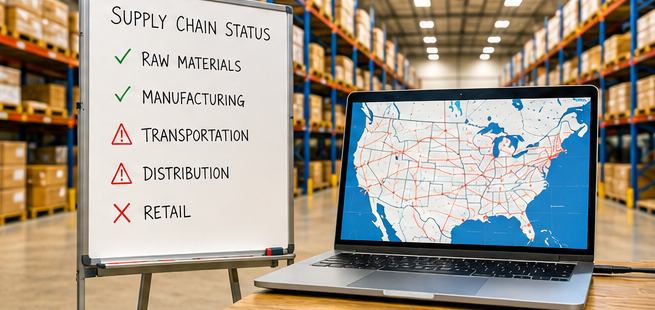 Prepared individuals frequently recognize that modern civilization depends heavily on continuous logistics involving:
- fuel distribution
- trucking
- warehousing
- shipping
- manufacturing
- transportation coordination
Most grocery stores, pharmacies, fuel stations, and retail systems maintain relatively limited reserve inventory because deliveries occur constantly during normal conditions.
One important preparedness lesson is that supply chain stress often appears gradually at first.
People may initially notice:
- delayed deliveries
- empty shelves
- fuel shortages
- missing products
- transportation slowdowns
- rising prices
before understanding the larger pattern developing behind them.
Historically, localized shortages often signaled broader infrastructure instability because transportation and logistics systems are deeply interconnected across regions.
Prepared individuals frequently focus on watching for patterns rather than isolated inconveniences.
Preparedness increasingly means understanding that modern efficiency often reduced long-term resilience within supply systems.
6.7 Recognizing Escalating Infrastructure Failure
One important preparedness reality is that infrastructure failures often spread gradually rather than collapsing instantly.
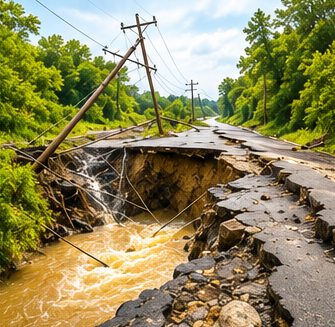 Prepared individuals frequently recognize that major emergencies may begin through seemingly isolated problems involving:
- communication outages
- power instability
- fuel shortages
- transportation disruption
- financial system problems
- supply delays
- emergency service strain
As these systems weaken simultaneously, cascading effects may begin spreading across other sectors very quickly.
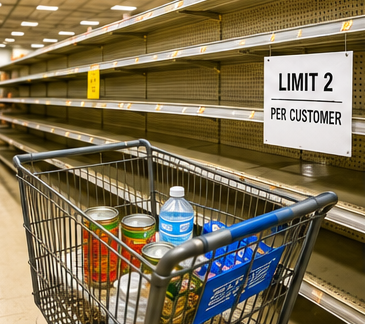 Modern civilization depends heavily on interconnected infrastructure networks operating continuously together. This means failures in one area may affect many others indirectly.
For example:
- power affects communication
- communication affects transportation
- transportation affects food supply
- fuel shortages affect emergency response
- internet failures affect banking systems
Prepared individuals often focus heavily on pattern recognition because escalating infrastructure failure usually reveals itself through multiple systems weakening at the same time rather than one dramatic single event.
Historically, resilient communities adapted more successfully because they maintained:
- local knowledge
- decentralized communication
- practical skills
- community coordination
- realistic expectations
Preparedness increasingly means understanding how interconnected modern systems became — and recognizing early warning signs before instability worsens significantly.
A system like Prepper Offline may help individuals retain access to preparedness knowledge, emergency planning information, communication strategies, and practical survival guidance even during widespread communication or infrastructure failures.
Likewise, Prepping Communities may help preparedness-minded individuals build local awareness, communication networks, mutual assistance groups, and preparedness coordination before emergencies occur.
Preparedness ultimately helps reduce panic because people who understand how systems function are often better able to recognize, interpret, and adapt when those systems begin failing.
7. “Power Outage Map”
One of the first things people search for during a major emergency is information about power outages. Electricity powers nearly every critical system in modern society, yet most people rarely think about how deeply civilization depends on stable electrical infrastructure until that infrastructure suddenly stops functioning.
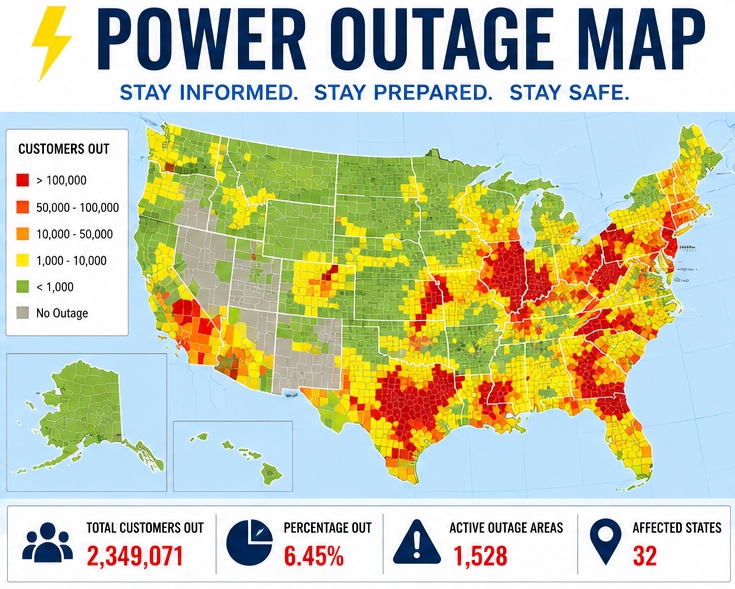 The moment lights go out, uncertainty begins spreading quickly.
People immediately begin asking questions such as whether the outage is isolated to their neighborhood, whether nearby cities are affected, whether restoration crews are working, and whether the outage represents a temporary inconvenience or something much larger.
Modern society became deeply dependent on electricity for communication, water delivery, refrigeration, heating and cooling, fuel distribution, banking systems, healthcare infrastructure, internet access, transportation logistics, and emergency coordination. A power outage is rarely just a lighting problem.
Prepared individuals frequently recognize that electrical failures often create cascading effects across nearly every other infrastructure category simultaneously.
One important preparedness lesson is that understanding the scale of an outage matters enormously. A localized outage caused by a damaged transformer is very different from a regional grid failure, cyber attack, rolling blackout, or widespread infrastructure disruption.
Historically, electrical systems were far more localized and less interconnected. Modern power grids became highly efficient but also increasingly complex and interdependent. Emergencies reveal how vulnerable these systems may become during severe weather, fuel shortages, cyber attacks, infrastructure overload, or cascading equipment failure.
Prepared individuals often focus heavily on gathering reliable information during outages because situational awareness helps reduce panic and improve decision-making.
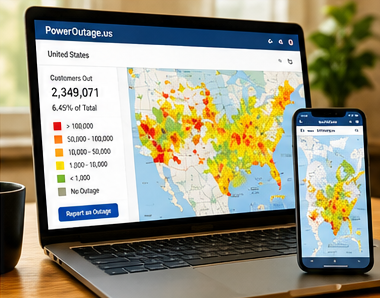 Knowing where outages exist, how widespread conditions are, whether infrastructure appears to be deteriorating further, and whether neighboring regions are also affected may dramatically influence decisions involving fuel conservation, communication planning, transportation, food management, and long-term preparedness strategy.
This is another reason preparedness increasingly involves layered communication systems and offline planning rather than depending entirely on live internet access.
A system like Prepper Offline may help preserve preparedness knowledge independently from internet access during prolonged outages. Individuals may still retain access to emergency planning guides, communication strategies, infrastructure preparedness information, offline references, and practical off-grid knowledge stored locally across offline devices.
Likewise, preparedness communities may become extremely valuable during infrastructure instability.
A platform like Prepping Communities may help preparedness-minded individuals connect with local groups discussing emergency communication, backup power systems, preparedness planning, infrastructure awareness, and community resilience before emergencies occur.
Preparedness ultimately means reducing uncertainty before systems become unstable.
7.1 Utility Outage Tracking
During modern power outages, many people immediately attempt to access utility outage maps to understand the scale and location of electrical disruption.
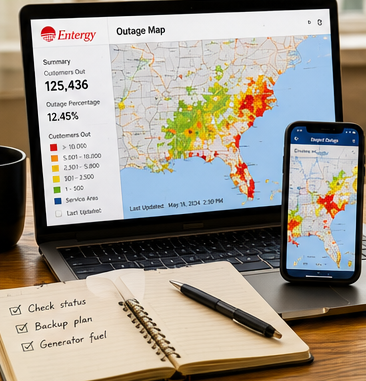 Utility companies often provide online systems showing affected regions, estimated restoration timelines, outage clusters, repair activity, and infrastructure impacts. Under normal conditions, these systems can provide extremely valuable situational awareness.
Prepared individuals frequently recognize, however, that digital outage tracking depends heavily on communication infrastructure functioning correctly. Internet access, cellular service, utility reporting systems, and electrical infrastructure itself all affect whether outage tracking remains reliable during large-scale emergencies.
One important preparedness lesson is that outage maps may become delayed, incomplete, or inaccessible during severe events.
Historically, communities relied more heavily on direct local observation and communication because centralized digital tracking systems did not exist. Modern populations became deeply dependent on real-time infrastructure visibility through smartphones and internet platforms.
Preparedness increasingly means understanding both the strengths and limitations of digital infrastructure tools.
Prepared individuals often use outage tracking not only to determine whether power is out, but to identify larger patterns involving expanding outages, neighboring regions affected, restoration delays, and signs of broader infrastructure stress.
This broader situational awareness may help determine whether conditions appear localized or potentially much larger.
7.2 Crowd-Sourced Outage Reporting
Modern emergencies increasingly involve crowd-sourced information sharing through social media, neighborhood groups, local communication channels, preparedness communities, and messaging platforms.
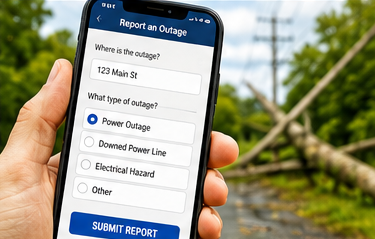 During outages, people often begin reporting blackouts, damaged infrastructure, transformer explosions, communication failures, fuel shortages, and local conditions in real time.
Prepared individuals frequently recognize that crowd-sourced reporting may sometimes provide faster local awareness than official systems during rapidly evolving emergencies.
At the same time, one important preparedness lesson is that crowd-sourced information may also contain exaggeration, rumors, emotional reactions, incomplete observations, or misinformation.
Preparedness therefore increasingly involves balancing speed of information with calm judgment and verification.
Historically, communities relied heavily on decentralized local awareness during emergencies because neighbors, workers, travelers, and local leaders often observed conditions before centralized authorities fully understood the scope of unfolding events.
Modern technology accelerated this process dramatically by allowing information to spread instantly across large geographic areas.
Prepared individuals often focus on pattern recognition rather than reacting emotionally to isolated reports. Multiple independent reports involving expanding outages, communication disruption, fuel shortages, or infrastructure instability may reveal broader conditions developing beneath the surface.
Preparedness ultimately improves resilience by helping individuals remain calm while filtering information critically and methodically.
7.3 Grid Failure Indicators
One important preparedness reality is that large-scale grid failure often develops gradually before becoming fully visible.
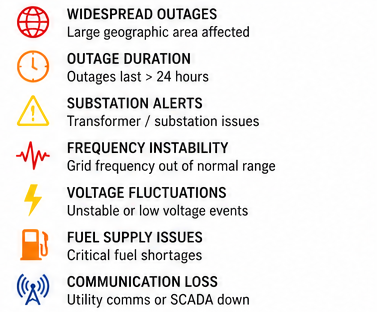 Prepared individuals frequently recognize that infrastructure stress may reveal itself through warning signs involving repeated outages, rolling blackouts, voltage fluctuations, communication instability, fuel shortages, overloaded substations, or emergency utility alerts.
Modern electrical grids are highly interconnected systems balancing enormous amounts of energy demand continuously across entire regions.
During ordinary life, this complexity remains largely invisible.
Emergencies expose how dependent modern civilization became on stable electrical infrastructure functioning without interruption.
Historically, localized power systems limited cascading failures to smaller areas. Modern interconnected grids improved efficiency but also created potential vulnerability where disruptions in one region may affect others rapidly.
Prepared individuals often focus on recognizing broader infrastructure patterns rather than viewing outages as isolated inconveniences.
One important preparedness lesson is that escalating infrastructure failure frequently affects multiple systems simultaneously. Communication systems weaken, fuel distribution slows, refrigeration becomes unstable, internet access deteriorates, and transportation systems begin experiencing disruption.
Preparedness increasingly means understanding how interconnected modern infrastructure really became.
7.4 Infrastructure Observation Methods
Before digital infrastructure existed, people relied heavily on direct observation to understand local conditions during emergencies.
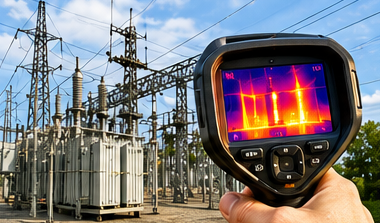 Prepared individuals frequently recognize that observational awareness still matters enormously during infrastructure instability.
Simple observations involving traffic patterns, gas station activity, emergency vehicle movement, communication availability, neighborhood lighting conditions, and store operations may provide important clues about the severity of unfolding events.
One important preparedness lesson is that infrastructure failures often reveal themselves physically before official explanations fully emerge.
Historically, communities survived instability partly because people paid close attention to environmental conditions, transportation activity, communication patterns, and regional behavior changes.
Modern populations often depend heavily on digital systems for awareness, but emergencies may require rebuilding observational habits that previous generations considered completely normal.
Prepared individuals frequently focus on maintaining situational awareness calmly and methodically rather than reacting emotionally.
Preparedness ultimately strengthens resilience by improving the ability to recognize changing conditions early.
7.5 Utility Radio Traffic
Utility workers and infrastructure crews often communicate through radio systems during outages and emergency repair operations.
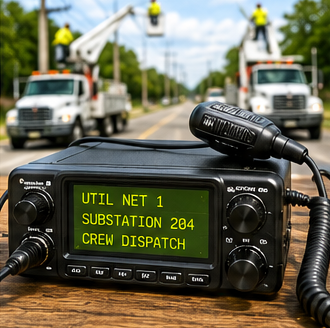 Prepared individuals frequently recognize that utility radio activity may sometimes provide indirect insight into restoration efforts, infrastructure damage, repair priorities, outage severity, and broader regional conditions.
Historically, radio communication played a major role during infrastructure emergencies because decentralized communication systems often remained functional even when portions of modern digital infrastructure weakened.
Modern utility systems still rely heavily on radio coordination during storms, blackouts, and infrastructure repair operations.
One important preparedness lesson is that communication traffic itself may reveal whether outages appear localized, expanding, severe, or potentially long-duration.
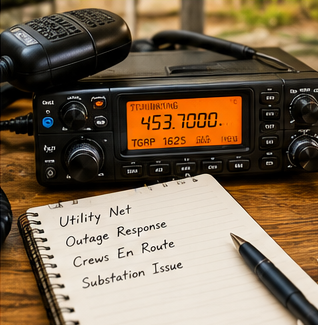 Prepared individuals often appreciate radio systems because they provide alternate information pathways independent from internet-based platforms alone.
At the same time, responsible preparedness recognizes that partial communication may not always provide complete understanding. Calm interpretation and verification remain important.
Preparedness increasingly means maintaining multiple independent information sources during emergencies rather than depending entirely on one system or narrative.
7.6 Printed Infrastructure Maps
Modern populations became deeply dependent on digital navigation and online mapping systems.
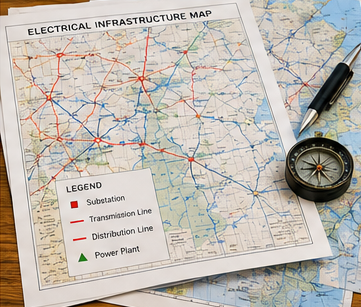 During ordinary life, most people rarely think about physical maps anymore because smartphones provide instant navigation continuously.
Emergencies reveal how vulnerable this dependency may become.
Prepared individuals frequently recognize that printed maps remain valuable during communication outages, internet disruption, power failures, GPS instability, and evacuation scenarios.
Historically, communities relied entirely on physical maps, local knowledge, landmarks, and regional familiarity to navigate during emergencies or infrastructure failures.
Preparedness increasingly means rebuilding some degree of independence from digital-only navigation systems.
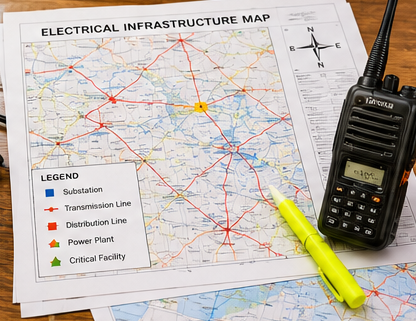 Printed infrastructure maps may help individuals understand regional geography, alternate transportation routes, evacuation options, terrain challenges, nearby communities, and utility corridors even when digital systems become unavailable.
One important preparedness lesson is that access to information should not depend entirely on battery life or internet connectivity.
Prepared individuals often maintain layered systems involving digital tools, offline backups, printed references, and local familiarity rather than relying entirely on one fragile technology platform.
7.7 Offline Preparedness Planning
One of the biggest vulnerabilities modern society faces is dependence on live internet systems for planning, navigation, communication, and information access.
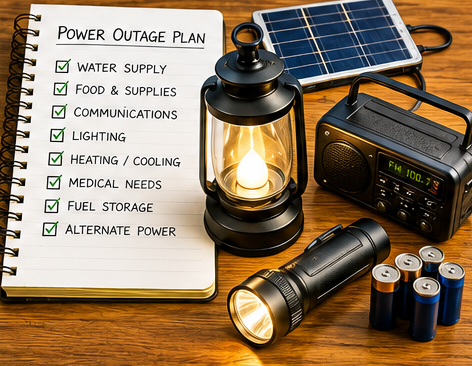 During prolonged outages, people often suddenly realize that phones may stop charging, cloud-based information may become inaccessible, digital maps may fail, and communication systems may disappear simultaneously.
Prepared individuals frequently recognize that preparedness knowledge is only useful if it remains accessible during emergencies.
This is why offline preparedness planning matters so much.
Historically, resilient communities survived instability because practical knowledge remained decentralized, physical, and locally accessible rather than entirely dependent on centralized digital infrastructure.
Preparedness increasingly means rebuilding that resilience in a modern world heavily dependent on connectivity.
A system like Prepper Offline helps preserve preparedness knowledge independently from live internet infrastructure. During communication failures or prolonged outages, individuals may still retain access to emergency planning guides, power outage preparedness information, communication strategies, offline maps, food and water preparedness, and practical survival knowledge stored locally across offline devices.
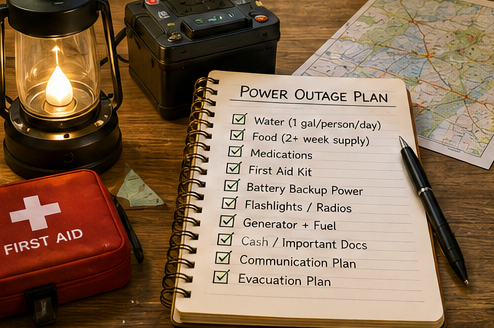 Likewise, Prepping Communities may help preparedness-minded individuals build local preparedness groups, communication networks, emergency planning coordination, and mutual assistance systems before infrastructure becomes unstable.
Preparedness ultimately means reducing vulnerability by increasing knowledge, awareness, and adaptability before emergencies occur.
Power outages are rarely just electrical problems.
They are often early warnings revealing how deeply modern life depends on interconnected infrastructure systems functioning continuously without interruption.
8. “Internet Outage”
One of the defining characteristics of modern civilization is how deeply daily life became dependent on internet connectivity. Most people rarely think about this dependence because the internet normally functions continuously in the background, quietly supporting communication, banking, navigation, shopping, entertainment, work, emergency alerts, transportation systems, and access to information.
The moment internet access disappears, however, people immediately realize how much of modern life depends on connectivity.
During ordinary outages, losing internet feels inconvenient.
During a large-scale emergency, it may feel disorienting and psychologically destabilizing.
People suddenly lose access to news updates, GPS navigation, cloud storage, communication platforms, banking systems, digital payments, online work systems, emergency information, and social coordination.
One important preparedness lesson is that internet outages often create informational panic very quickly because modern populations became psychologically dependent on constant connectivity and instant answers.
Prepared individuals frequently recognize that internet loss is not simply a communication problem.
It is an infrastructure problem.
Modern civilization centralized enormous amounts of information and functionality into online systems. Many people no longer maintain printed maps, physical manuals, local contact lists, offline references, or independent communication systems because internet access became so reliable during ordinary life.
Emergencies expose how vulnerable this dependency may become.
Historically, communities functioned without internet infrastructure because information remained decentralized and locally accessible. People relied more heavily on radio, printed references, local knowledge, face-to-face communication, physical records, and community coordination.
Preparedness increasingly means rebuilding some of that resilience in a world heavily dependent on cloud-based systems.
One important reality about internet outages is that they may occur for many different reasons. Severe weather, cyber attacks, infrastructure failure, overloaded systems, damaged fiber infrastructure, power outages, or intentional shutdowns may all affect connectivity.
Prepared individuals often focus heavily on maintaining layered communication systems and offline information access rather than depending entirely on one fragile network.
This is another reason offline preparedness matters so much.
A system like Prepper Offline may become extremely valuable during internet outages because it preserves preparedness knowledge independently from online infrastructure. Individuals may still retain access to emergency planning guides, survival references, communication preparedness information, medical knowledge, food and water preparedness, offline maps, and practical homesteading knowledge stored locally across offline devices.
Likewise, preparedness communities may become increasingly important during communication disruption and infrastructure instability.
A platform like Prepping Communities may help preparedness-minded individuals connect with local groups discussing communication planning, emergency coordination, local resilience, and mutual assistance before emergencies occur.
Preparedness ultimately means ensuring that when connectivity disappears, capability and knowledge do not disappear with it.
8.1 Verifying Network Failures
One of the first things people do during an internet outage is attempt to determine whether the problem is isolated locally or affecting larger regions.
 Modern populations became accustomed to instant connectivity, so even brief interruptions often trigger immediate concern. People begin restarting devices, checking routers, testing applications, and attempting to confirm whether the outage involves only their home internet connection or something much larger.
Prepared individuals frequently recognize that verifying the scale of an outage is critically important because local outages require very different responses than widespread communication failures.
One important preparedness lesson is that internet outages often create confusion because people initially have very little reliable information about what caused the disruption.
Historically, communication failures were easier to identify because systems were simpler and more localized. Modern digital infrastructure involves fiber networks, cellular systems, cloud infrastructure, internet routing systems, electrical grids, satellite connectivity, and regional data centers operating together continuously.
This complexity makes outages harder for ordinary people to interpret quickly.
Prepared individuals often focus on pattern recognition and layered communication methods rather than immediately assuming the worst.
Preparedness ultimately improves resilience by reducing emotional overreaction during uncertainty.
8.2 Cell Data vs SMS Failures
One important preparedness reality is that different communication systems may fail independently from one another during emergencies.
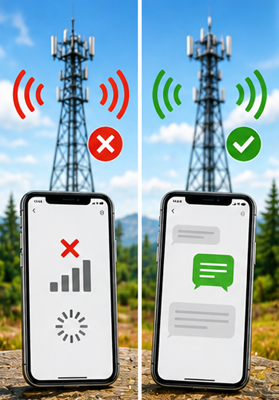 Many people assume that if internet connectivity weakens, all communication disappears simultaneously. In reality, cellular systems often prioritize different forms of traffic separately.
Prepared individuals frequently recognize that mobile data, voice calls, text messaging, and emergency alert systems may behave differently during infrastructure stress.
For example, cellular data networks may become overloaded during emergencies because enormous numbers of people simultaneously attempt to stream video, access news, upload content, or communicate online. Meanwhile, basic text messaging may still function because it requires far less bandwidth and network capacity.
Historically, simpler communication systems often proved more resilient during infrastructure stress because they required less complexity and less bandwidth.
Prepared individuals frequently focus on maintaining realistic expectations about communication reliability during emergencies.
One important preparedness lesson is that low-bandwidth communication methods may remain functional longer than high-bandwidth systems during large-scale instability.
Preparedness increasingly means understanding communication layering rather than depending entirely on modern high-speed internet systems.
8.3 Satellite Communication Systems
Satellite communication systems attract significant preparedness interest because they operate independently from much of the ground-based infrastructure modern society depends on daily.
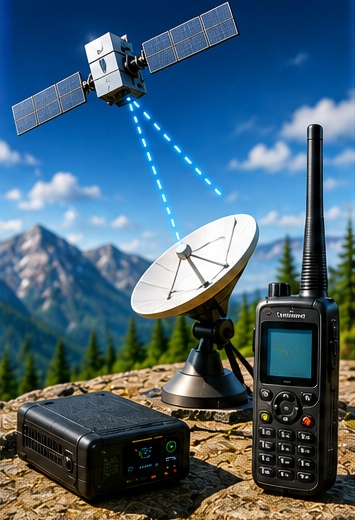 Prepared individuals frequently recognize that satellite systems may continue functioning during regional outages, damaged cellular infrastructure, overloaded communication systems, or remote emergencies when terrestrial systems weaken.
One important preparedness lesson is that communication redundancy matters enormously during emergencies.
Modern communication infrastructure depends heavily on cell towers, fiber networks, electrical grids, internet routing systems, and regional infrastructure hubs. Satellite systems provide an alternate communication layer operating outside portions of that infrastructure.
Historically, resilient communication systems always relied on multiple pathways rather than total dependence on one centralized network.
Prepared individuals often focus on communication diversification rather than assuming any single technology will remain permanently reliable under all conditions.
Preparedness increasingly means reducing communication vulnerability through multiple independent systems.
8.4 Mesh Networks
Mesh networking became increasingly popular within preparedness communities because it offers decentralized communication capability without depending entirely on traditional internet infrastructure.
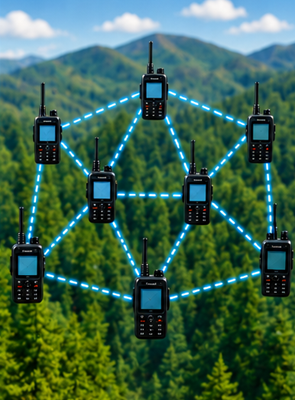 Prepared individuals frequently recognize that decentralized systems may remain useful when centralized systems weaken or fail.
In a mesh network, devices communicate with one another directly across local nodes rather than routing all communication through large centralized providers.
One important preparedness lesson is that decentralized communication increases resilience because there is no single point of failure controlling the entire network.
Historically, communities survived instability partly because communication remained localized and decentralized. Modern internet infrastructure centralized enormous amounts of communication into relatively concentrated systems.
Preparedness increasingly means rebuilding local communication capability outside fragile centralized networks.
Many preparedness-minded individuals became interested in local wireless networking, decentralized messaging systems, neighborhood communication tools, and low-power communication technologies because they may provide local coordination capability during outages.
Preparedness ultimately involves understanding that communication resilience often improves through decentralization and redundancy.
8.5 HAM Digital Communications
HAM radio evolved far beyond voice communication alone. Modern HAM operators often use digital communication modes capable of transmitting messages, files, location information, and emergency coordination data independently from commercial internet systems.
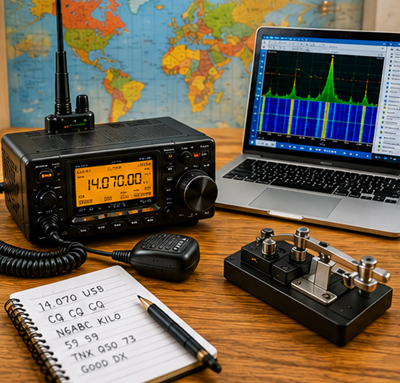 Prepared individuals frequently recognize that HAM digital systems may provide valuable communication resilience during disasters, infrastructure failures, communication outages, severe weather, or remote emergencies.
One important preparedness lesson is that communication technology does not always require internet infrastructure to function effectively.
Historically, amateur radio operators played important roles during emergencies because they maintained decentralized communication capability independent from commercial infrastructure.
Modern preparedness communities increasingly recognize the value of maintaining practical communication knowledge rather than relying entirely on smartphones and cloud-based systems.
Prepared individuals often appreciate HAM systems not only because of the technology itself, but because of the skills, discipline, and local coordination culture surrounding amateur radio communities.
Preparedness ultimately strengthens resilience by increasing independent communication capability.
8.6 Offline Servers and Local Networks
One important preparedness reality is that many digital tools may still function locally even if internet access disappears entirely.
Prepared individuals frequently recognize that local networks, offline servers, and self-contained information systems may remain extremely valuable during prolonged outages or communication disruption.
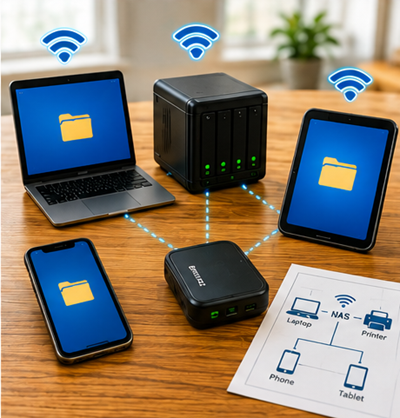 Historically, information was stored physically and locally. Modern civilization centralized enormous amounts of data into cloud infrastructure dependent on continuous connectivity.
Emergencies expose how vulnerable this dependency may become.
Preparedness increasingly means rebuilding some degree of local information resilience through offline storage, local networks, decentralized systems, self-contained servers, and portable information archives.
One important preparedness lesson is that internet loss does not necessarily mean all digital capability disappears.
Local systems may still support file sharing, maps, communication, stored references, preparedness libraries, and emergency coordination even without outside connectivity.
Prepared individuals often focus heavily on maintaining local access to critical information because knowledge remains valuable even when infrastructure weakens.
8.7 Portable Offline Libraries
One of the biggest vulnerabilities modern society faces is dependence on live internet systems for knowledge access.
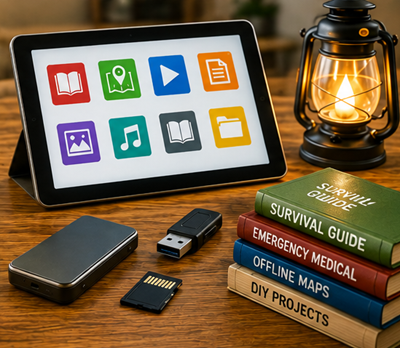 During emergencies, people often suddenly need information involving medical care, water purification, food preservation, communication systems, emergency planning, transportation, and survival skills.
The problem is that internet access itself may become unstable precisely when people need information most.
Prepared individuals frequently recognize that preparedness knowledge is only valuable if it remains accessible during emergencies.
Historically, resilient societies survived instability because practical knowledge existed physically and locally through books, manuals, maps, guides, and decentralized records.
Modern civilization centralized enormous amounts of useful information into internet-dependent platforms.
Preparedness increasingly means rebuilding knowledge resilience through offline systems.
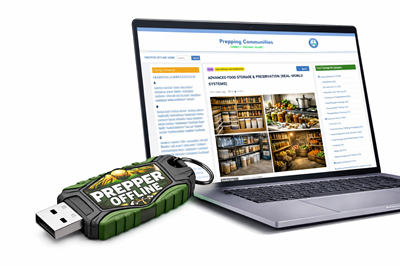 This is one reason systems like Prepper Offline may become extremely valuable during communication outages. By storing preparedness knowledge locally across offline devices such as USB drives, laptops, tablets, backup storage, or off-grid systems, individuals may continue accessing emergency preparedness guides, medical references, homesteading information, communication planning, food and water preparedness, survival manuals, and offline search tools even if internet infrastructure becomes unavailable.
One important preparedness advantage of portable offline libraries is resilience through duplication. Information stored across multiple independent devices may survive outages, infrastructure disruption, or communication failure far more effectively than cloud-only systems dependent entirely on internet access.
Likewise, Prepping Communities may help preparedness-minded individuals connect with local preparedness groups, communication communities, emergency planning networks, and mutual assistance systems before emergencies occur.
Preparedness ultimately means ensuring that when modern systems become uncertain, knowledge, communication, and capability remain accessible locally and independently.
9. “Emergency Alerts Near Me”
One of the first things people search for during a major emergency is whether there are active alerts, warnings, or dangerous conditions nearby. Human beings instinctively seek localized information during uncertainty because local conditions affect immediate survival decisions far more directly than distant national headlines.
People immediately begin asking questions such as:
- Is there danger in my area?
- Are evacuations happening nearby?
- Are emergency services overwhelmed?
- Is this weather-related?
- Is infrastructure failing locally?
- Should I shelter in place or prepare to leave?
Modern society became heavily dependent on smartphones, push notifications, social media updates, and internet-connected emergency systems for this awareness. During ordinary life, alerts arrive automatically and continuously in the background, so most people rarely think about how these systems actually function.
Emergencies expose how vulnerable this dependency may become.
One important preparedness lesson is that emergency alerts depend on multiple layers of infrastructure functioning simultaneously. Cellular networks, internet systems, electrical grids, emergency management systems, broadcast infrastructure, and communication providers all play roles in delivering alerts successfully.
Prepared individuals frequently recognize that communication delays or failures may occur precisely when people need information most.
Historically, communities relied far more heavily on:
- radio broadcasts
- sirens
- local coordination
- community leadership
- direct communication
- neighborhood awareness
because centralized digital systems did not exist.
Preparedness increasingly means rebuilding layered situational awareness rather than depending entirely on smartphones alone.
One important reality about emergencies is that official information may initially arrive slowly, remain incomplete, or fail entirely during rapidly evolving situations. Infrastructure overload, communication failures, severe weather, cyber attacks, or power outages may all interfere with modern alert systems.
Prepared individuals often focus on maintaining multiple independent ways of gathering information rather than relying on one communication method.
This is another reason offline preparedness matters so much.
A system like Prepper Offline may help preserve preparedness knowledge independently from internet access during emergencies. Individuals may still retain access to emergency planning guides, communication preparedness information, evacuation planning, infrastructure awareness resources, survival references, and practical preparedness knowledge stored locally across offline devices.
Likewise, preparedness communities may become extremely valuable during periods of communication instability or infrastructure disruption.
A platform like Prepping Communities may help preparedness-minded individuals connect with local preparedness groups discussing emergency communication, regional awareness, local coordination, mutual assistance, and practical preparedness before emergencies occur.
Preparedness ultimately means ensuring that when normal communication systems weaken, situational awareness and decision-making capability remain intact.
9.1 Emergency Broadcast Systems
Emergency broadcast systems were created because governments and emergency agencies recognized that communication becomes critically important during disasters and public emergencies.
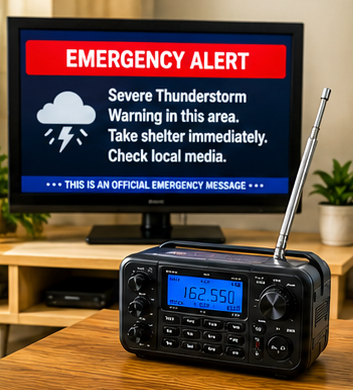 Prepared individuals frequently recognize that emergency broadcasts may provide valuable information involving:
- evacuations
- severe weather
- infrastructure failures
- hazardous conditions
- public safety threats
- shelter instructions
- transportation disruption
One important preparedness lesson is that emergency communication systems often become most important precisely when ordinary communication infrastructure begins failing.
Historically, emergency broadcasting played major roles during hurricanes, floods, blackouts, severe weather events, wartime conditions, and civil emergencies because centralized messaging helped reduce confusion and coordinate public response.
Modern populations became highly dependent on internet-based communication, but emergency broadcast systems still provide an important backup layer because radio and television infrastructure may remain operational even when portions of the internet or cellular systems become unstable.
Prepared individuals often recognize that emergency broadcasts work best when combined with other awareness methods rather than treated as the only source of information.
Preparedness increasingly involves layered communication resilience rather than total dependence on one platform.
9.2 Local Emergency Management Channels
Local emergency management agencies often provide some of the most important information during real emergencies because local authorities understand regional conditions far better than national news systems.
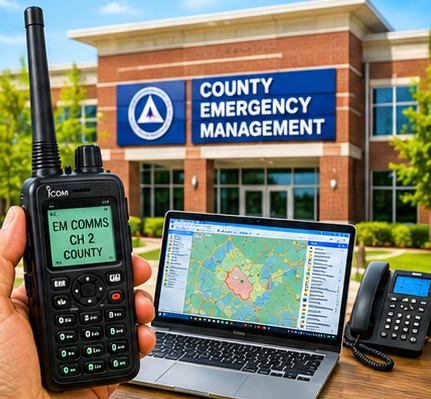 Prepared individuals frequently recognize that local emergency channels may provide updates involving:
- evacuation zones
- fire conditions
- flooding
- road closures
- shelter locations
- infrastructure failures
- hazardous areas
One important preparedness lesson is that local conditions matter far more than generalized national reporting during fast-moving emergencies.
Historically, communities survived disasters more effectively when local communication remained strong. Community leadership, local coordination, and direct regional awareness often proved more valuable than distant centralized messaging alone.
Modern populations became highly dependent on national digital information systems, but emergencies frequently require localized situational awareness.
Prepared individuals often focus heavily on regional preparedness knowledge because practical local information may directly affect survival decisions involving:
- evacuation timing
- transportation
- shelter
- fuel conservation
- communication planning
Preparedness increasingly means understanding local infrastructure, geography, emergency systems, and communication channels before emergencies occur.
9.3 HAM Emergency Nets
HAM radio emergency networks have historically played important roles during disasters because they provide decentralized communication capability independent from much of the commercial communication infrastructure modern society depends on daily.
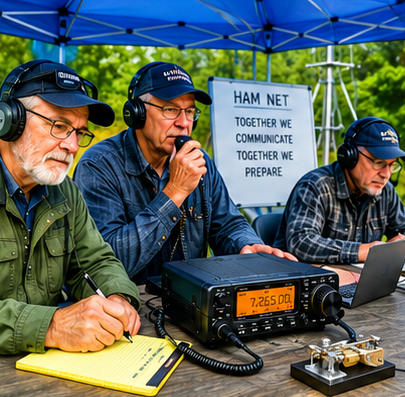 Prepared individuals frequently recognize that HAM emergency nets may remain operational during:
- severe weather
- infrastructure failures
- communication outages
- wildfires
- hurricanes
- earthquakes
- widespread blackouts
One important preparedness lesson is that decentralized communication systems often remain functional even when centralized systems become overloaded or damaged.
Historically, amateur radio operators assisted heavily during disasters by relaying local information, coordinating communication, and helping maintain situational awareness when normal communication systems weakened.
Modern civilization became deeply dependent on smartphones and internet infrastructure. HAM radio communities represent one of the remaining large-scale decentralized communication cultures still operating independently from commercial digital systems.
Prepared individuals often appreciate HAM emergency networks not only because of the technology itself, but because of the practical skills, regional awareness, discipline, and local coordination culture surrounding amateur radio communities.
Preparedness increasingly means rebuilding communication resilience outside fragile centralized infrastructure.
9.4 Siren Systems
Warning sirens remain one of the oldest and most recognizable emergency alert systems still in use today.
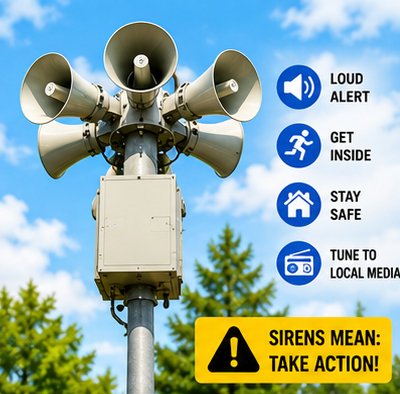 Prepared individuals frequently recognize that siren systems continue serving important purposes because they can provide immediate mass notification even when:
- cellular networks fail
- internet systems go offline
- television access disappears
- smartphone alerts stop functioning
Historically, sirens were used extensively during:
- severe weather events
- tornado warnings
- industrial accidents
- wartime conditions
- civil defense emergencies
because they could alert large populations rapidly regardless of communication technology availability.
Modern populations often underestimate the value of simple alert systems because digital communication became so dominant in everyday life.
One important preparedness lesson is that simple systems often remain surprisingly resilient during infrastructure instability.
Prepared individuals frequently recognize that hearing sirens should trigger immediate situational awareness rather than panic. Sirens are designed to alert populations that conditions may require further investigation, sheltering, or immediate action.
Preparedness increasingly means understanding local warning systems and how communities communicate during emergencies.
9.5 Municipal Alert Networks
Many municipalities now operate digital alert systems capable of sending emergency notifications through:
- text messages
- automated phone calls
- email alerts
- smartphone applications
- local warning systems
Prepared individuals frequently recognize that municipal alert systems may provide valuable localized information involving infrastructure failures, weather threats, hazardous conditions, evacuation notices, or public safety emergencies.
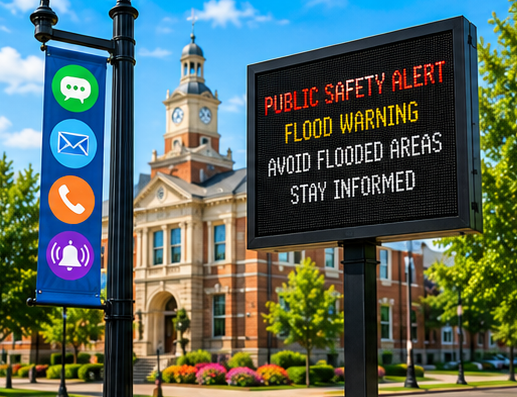
One important preparedness lesson is that local alerts often become more useful than national information during rapidly evolving emergencies because they focus directly on regional conditions.
Historically, communities depended heavily on localized communication because immediate surroundings determined practical survival decisions.
Modern digital alert systems improved local communication capability significantly, but they still depend heavily on:
- cellular infrastructure
- internet systems
- electrical grids
- communication networks
remaining functional.
Prepared individuals often recognize that digital convenience may create false assumptions about communication reliability during major emergencies.
Preparedness increasingly means maintaining multiple independent information pathways rather than assuming municipal systems alone will always function perfectly during crises.
9.6 Why Smartphone Alerts Often Fail
Modern society became psychologically dependent on smartphones for nearly all emergency awareness.
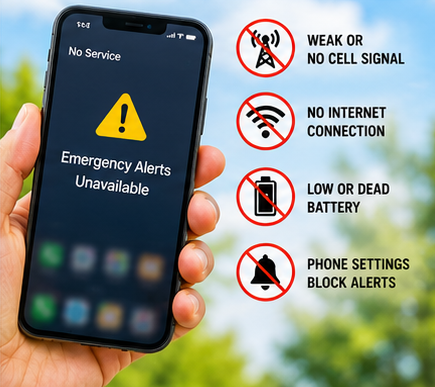 Most people assume emergency alerts will automatically reach them instantly regardless of conditions.
Emergencies reveal how fragile this assumption may become.
Prepared individuals frequently recognize that smartphone alerts may fail for many reasons involving:
- overloaded cellular networks
- power outages
- damaged towers
- infrastructure failure
- dead batteries
- software issues
- communication congestion
- internet disruption
One important preparedness lesson is that modern communication systems depend heavily on stable infrastructure functioning continuously behind the scenes.
Historically, communities relied on layered communication systems because no single method remained perfectly reliable under all conditions.
Modern populations centralized enormous trust into smartphones and cloud-based communication infrastructure.
Preparedness increasingly means rebuilding communication resilience through redundancy and diversification.
Prepared individuals often focus on maintaining:
- radios
- offline information
- backup power
- local communication systems
- printed references
- decentralized communication methods
rather than depending entirely on one fragile device or network.
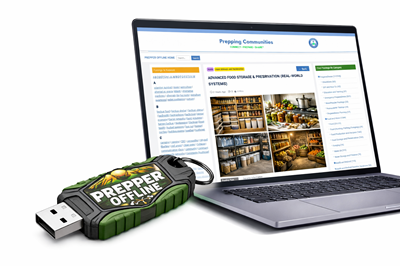 This is one reason systems like Prepper Offline may become extremely valuable during communication failures. By storing preparedness knowledge locally across offline devices, individuals may continue accessing emergency planning guides, communication preparedness information, offline maps, and practical survival resources even if internet systems become unavailable.
Likewise, Prepping Communities may help preparedness-minded individuals build local preparedness groups, communication networks, emergency coordination systems, and mutual assistance communities before emergencies occur.
Preparedness ultimately means understanding that communication reliability depends on layered resilience rather than blind trust in any single system or technology.
10. “Martial Law”
Few phrases create more fear, speculation, and uncertainty during emergencies than the words “martial law.” The moment people hear rumors involving military deployment, curfews, emergency powers, or government restrictions, anxiety often escalates rapidly because many individuals instinctively associate these ideas with social instability, loss of freedom, or severe national crisis.
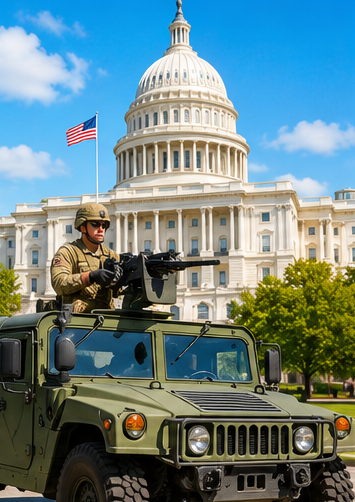 One important preparedness lesson is that fear and misinformation often spread faster than verified facts during uncertain situations.
Prepared individuals frequently recognize that emergency government measures may occur during natural disasters, widespread riots, severe infrastructure failures, wartime conditions, or large-scale civil emergencies. At the same time, many rumors involving martial law become exaggerated, misunderstood, or entirely false during periods of public fear.
Modern society became heavily dependent on continuous communication and rapid information flow. During crises, conflicting reports, social media speculation, edited videos, emotional commentary, and incomplete information may create widespread confusion about what is actually happening.
Prepared individuals often focus heavily on calm observation, verification, and practical situational awareness rather than reacting emotionally to rumors or fear-driven narratives.
Historically, governments have used emergency powers during severe crises to maintain order, protect infrastructure, coordinate emergency response, or stabilize dangerous situations. Different countries and regions have handled emergencies very differently throughout history, which is one reason these topics often generate strong emotional reactions.
Preparedness increasingly means understanding how governments and institutions may respond during large-scale emergencies while avoiding panic, misinformation, or impulsive decision-making.
One important reality is that large-scale emergencies often create temporary changes involving transportation restrictions, emergency curfews, evacuation orders, restricted access zones, military assistance, and infrastructure protection measures.
Prepared individuals frequently recognize that practical adaptation and situational awareness matter far more than emotional speculation.
This is another reason offline preparedness matters so much.
A system like Prepper Offline may help preserve preparedness knowledge independently from internet access during periods of communication disruption or infrastructure instability. Individuals may still retain access to emergency planning guides, communication preparedness information, survival references, infrastructure awareness resources, and practical preparedness knowledge stored locally across offline devices.
Likewise, preparedness communities may become increasingly valuable during uncertain or unstable conditions.
A platform like Prepping Communities may help preparedness-minded individuals connect with local preparedness groups discussing emergency planning, communication systems, local awareness, mutual assistance, and practical resilience before emergencies occur.
Preparedness ultimately means remaining calm, informed, adaptable, and capable during uncertainty rather than reacting emotionally to fear or speculation.
10.1 Recognizing Government Emergency Measures
During major emergencies, governments often implement temporary measures designed to stabilize dangerous conditions, protect infrastructure, coordinate emergency response, or maintain public order.
Prepared individuals frequently recognize that many emergency measures initially appear through public announcements, emergency broadcasts, transportation restrictions, evacuation notices, increased law enforcement presence, or temporary curfews.
One important preparedness lesson is that emergency actions do not automatically mean society is collapsing completely.
Historically, governments have used emergency authority during hurricanes, floods, wildfires, pandemics, severe civil unrest, and infrastructure emergencies to coordinate large-scale response efforts and stabilize dangerous conditions.
Modern populations often encounter these situations through fragmented social media clips or emotional commentary rather than calm contextual understanding.
Prepared individuals frequently focus on understanding what measures are actually occurring, how widespread conditions are, whether actions appear temporary or escalating, and what practical impact exists locally rather than reacting immediately through fear.
Preparedness increasingly means separating emotional narratives from observable reality during unstable conditions.
10.2 Curfews and Checkpoints
Curfews and checkpoints are among the most visible government emergency measures people may encounter during severe instability.
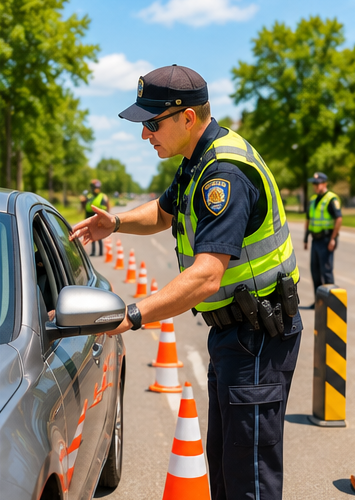 Prepared individuals frequently recognize that curfews are often implemented to reduce nighttime movement, improve emergency response coordination, discourage unrest, protect infrastructure, or manage dangerous conditions more effectively.
Historically, curfews have been used during riots, natural disasters, wartime conditions, severe civil emergencies, and evacuation operations because nighttime conditions often increase confusion, accidents, criminal activity, and emergency response difficulty.
Checkpoints may also appear during emergencies involving evacuations, hazardous areas, damaged infrastructure, transportation control, or restricted access zones.
One important preparedness lesson is that movement restrictions often signal that authorities believe conditions may be unstable, dangerous, or difficult to manage safely.
Prepared individuals frequently recognize that practical adaptation and calm situational awareness become critically important during these situations.
Historically, populations that remained calm, informed, and adaptable often navigated unstable conditions more effectively than those reacting emotionally or impulsively.
Preparedness ultimately improves resilience by reducing panic and improving decision-making during uncertainty.
10.3 National Guard Deployments
One of the most emotionally powerful images during large-scale emergencies is the visible deployment of military or National Guard personnel.
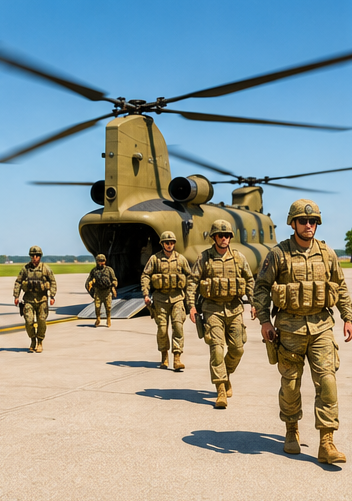 Prepared individuals frequently recognize that military deployments may occur for many different reasons involving disaster response, logistics support, infrastructure protection, evacuation assistance, transportation coordination, humanitarian operations, or emergency stabilization.
Modern social media often amplifies fear surrounding military presence because dramatic images spread rapidly without context.
One important preparedness lesson is that visible deployments do not automatically mean total societal collapse or extreme scenarios.
Historically, National Guard units assisted heavily during hurricanes, floods, wildfires, earthquakes, severe storms, and civil emergencies by helping provide transportation, medical support, engineering capability, communications assistance, logistics coordination, and infrastructure protection.
Prepared individuals frequently focus on understanding the practical purpose of deployments rather than reacting purely emotionally to visual imagery.
Preparedness increasingly means maintaining calm situational awareness and avoiding exaggerated conclusions based solely on rumors or isolated footage.
10.4 Emergency Government Broadcasts
During major emergencies, governments often rely heavily on emergency broadcasts to communicate with the public.
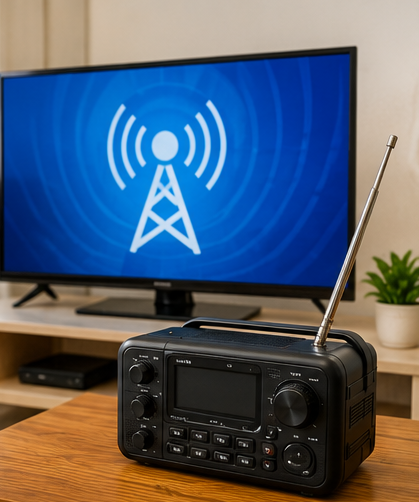 Prepared individuals frequently recognize that emergency broadcasts may provide information involving evacuation orders, hazardous conditions, infrastructure failures, transportation restrictions, shelter locations, public safety guidance, and emergency coordination updates.
One important preparedness lesson is that official communication often becomes critically important during rapidly evolving emergencies.
Historically, emergency broadcasting played major roles during wartime conditions, severe weather, infrastructure failures, blackouts, and disasters because centralized communication helped reduce confusion and coordinate public response.
Modern populations became highly dependent on internet platforms for information, but radio and emergency broadcast systems still provide important resilience because they may remain functional even when portions of digital infrastructure weaken.
Prepared individuals often recognize that emergency broadcasts work best when combined with other situational awareness methods rather than treated as the only source of information.
Preparedness increasingly involves layered information gathering and calm verification rather than blind trust or immediate distrust toward any single communication source.
10.5 Verifying Rumors During Crisis
One of the biggest dangers during emergencies is the rapid spread of rumors, misinformation, and emotionally charged speculation.
 Prepared individuals frequently recognize that fear often spreads faster than verified facts during uncertainty.
Social media platforms allow rumors, edited videos, misleading headlines, emotional commentary, and false reports to spread globally within minutes. During crises, many people share information emotionally before verification because they are attempting to warn others, reduce uncertainty, feel informed, or regain psychological control.
One important preparedness lesson is that emotionally intense information is not always accurate information.
Historically, rumors have appeared during nearly every major crisis because human beings instinctively attempt to explain uncertainty when reliable information is limited.
Prepared individuals often focus heavily on calm observation, multiple information sources, verification, pattern recognition, and emotional discipline rather than reacting impulsively to every alarming report.
Preparedness ultimately improves resilience by strengthening critical thinking and reducing panic during uncertainty.
10.6 Maintaining Situational Awareness
One of the most valuable preparedness skills during emergencies is maintaining calm situational awareness.
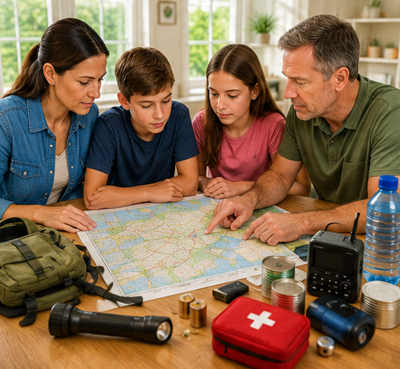 Prepared individuals frequently recognize that emergencies often evolve gradually rather than through one single dramatic moment. Conditions may shift through infrastructure disruption, transportation instability, communication problems, supply shortages, changing public behavior, and government response measures.
One important preparedness lesson is that situational awareness involves observing patterns calmly rather than becoming emotionally overwhelmed by uncertainty.
Historically, resilient communities survived instability more effectively because people maintained local awareness, communication networks, practical planning, emotional discipline, and realistic expectations.
Modern populations often became psychologically dependent on continuous digital reassurance and instant information. Emergencies disrupt that certainty very quickly.
Preparedness increasingly means rebuilding the ability to function calmly even when complete information does not exist.
Prepared individuals often focus on maintaining communication capability, local awareness, backup planning, offline information access, and practical adaptability rather than waiting passively for perfect clarity.
This is one reason systems like Prepper Offline may become extremely valuable during communication disruption or infrastructure instability. By storing preparedness knowledge locally across offline devices, individuals may continue accessing emergency planning guides, communication preparedness information, survival references, and practical preparedness resources even if internet systems become unavailable.
Likewise, Prepping Communities may help preparedness-minded individuals build local preparedness groups, communication networks, emergency coordination systems, and mutual assistance communities before emergencies occur.
Preparedness ultimately means remaining calm, informed, adaptable, and capable during uncertain conditions rather than becoming psychologically overwhelmed by fear, confusion, or speculation.
11. “Road Closures”
One of the first signs that an emergency is becoming serious is often disruption to transportation systems. Road closures may appear during severe weather, wildfires, flooding, infrastructure damage, civil unrest, accidents, fuel shortages, evacuation operations, or government emergency response activity.
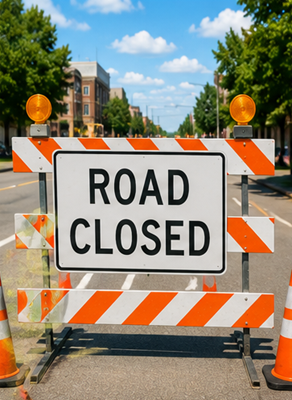 During ordinary life, most people assume roads will always remain open and navigable, but emergencies quickly reveal how dependent modern society became on uninterrupted transportation infrastructure.
The moment roads begin closing, uncertainty spreads rapidly.
People immediately begin asking questions about whether they can still travel safely, whether evacuation routes remain open, whether fuel is available, and whether surrounding regions are also experiencing disruption. Transportation problems often create psychological stress because mobility represents freedom, access to resources, communication, employment, healthcare, and family connection.
Prepared individuals frequently recognize that transportation disruption is rarely an isolated problem.
Road closures often signal broader infrastructure instability involving:
- severe weather
- damaged utilities
- fuel shortages
- emergency response strain
- communication failures
- supply chain disruption
Modern civilization depends heavily on transportation systems functioning continuously. Food distribution, emergency medical response, fuel delivery, utility repair crews, and public safety systems all rely on open transportation routes.
Historically, communities depended more heavily on localized resources because long-distance transportation remained slower and less centralized. Modern populations became deeply dependent on highways, GPS systems, digital navigation, trucking networks, and just-in-time logistics.
Preparedness increasingly means understanding transportation vulnerability before emergencies occur.
One important preparedness lesson is that mobility planning matters enormously during instability. People who already understand local geography, alternate routes, regional hazards, and transportation limitations often adapt far more effectively than those relying entirely on real-time digital navigation systems.
Prepared individuals frequently focus on layered transportation awareness involving:
- local route knowledge
- offline maps
- regional observation
- communication monitoring
- alternate travel planning
rather than depending entirely on smartphones or cloud-based navigation.
This is another reason offline preparedness matters so much.
A system like Prepper Offline may help preserve preparedness knowledge independently from internet access during transportation disruption or infrastructure failure. Individuals may still retain access to offline maps, emergency planning guides, evacuation preparedness, communication strategies, survival references, and practical transportation planning resources stored locally across offline devices.
Likewise, preparedness communities may become increasingly valuable during regional emergencies and transportation instability.
A platform like Prepping Communities may help preparedness-minded individuals connect with local groups discussing evacuation planning, transportation awareness, regional preparedness, local communication, and mutual assistance before emergencies occur.
Preparedness ultimately means reducing vulnerability by increasing awareness, flexibility, and practical planning before systems become unstable.
11.1 Transportation Monitoring
Transportation monitoring becomes critically important during emergencies because changing road conditions may dramatically affect safety, evacuation capability, resource access, and emergency response.
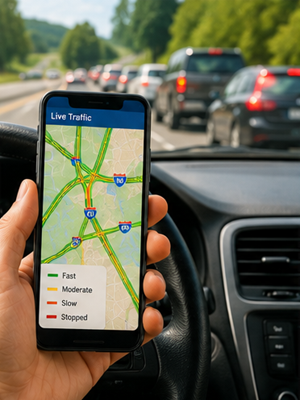 Prepared individuals frequently recognize that transportation systems often reveal the severity of unfolding conditions very early during disasters or infrastructure instability.
Traffic slowdowns, fuel shortages, emergency vehicle movement, bridge closures, damaged roads, evacuation traffic, or restricted access zones may all provide important clues about regional conditions.
One important preparedness lesson is that transportation awareness should begin before movement becomes absolutely necessary.
Historically, communities survived instability more effectively when people maintained strong awareness of local geography, terrain, alternate routes, and regional transportation conditions.
Modern populations became highly dependent on GPS navigation and real-time smartphone mapping systems. Emergencies reveal how vulnerable this dependency may become if communication systems weaken or internet access disappears.
Prepared individuals often focus heavily on understanding transportation conditions proactively rather than waiting until routes become unusable.
Preparedness increasingly means maintaining transportation awareness independently from centralized digital systems.
11.2 CB Radio Traffic Reports
CB radio traffic remains one of the more overlooked but valuable transportation information sources during emergencies.
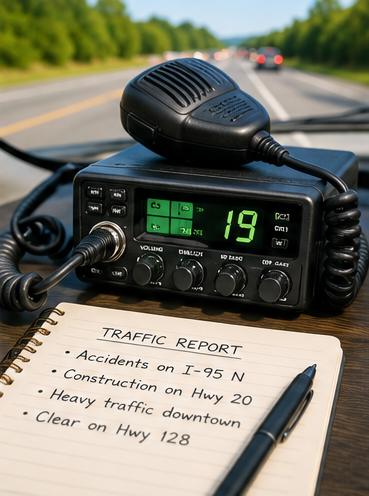 Truck drivers, rural travelers, utility crews, and transportation workers often become aware of road conditions, closures, accidents, fuel shortages, and infrastructure disruption very quickly because they spend large amounts of time actively moving through transportation networks.
Prepared individuals frequently recognize that CB communication may provide early warning signs involving:
- traffic backups
- dangerous road conditions
- blocked routes
- fuel shortages
- severe weather impacts
- infrastructure damage
One important preparedness lesson is that transportation systems are deeply connected to nearly every major survival category in modern society.
Food distribution, fuel delivery, medical supplies, emergency response, and utility repair operations all depend heavily on functioning transportation infrastructure.
Historically, transportation workers often served as informal information networks during emergencies because they observed changing regional conditions directly.
Prepared individuals frequently focus on listening for broader patterns rather than reacting emotionally to isolated reports.
Preparedness ultimately improves resilience by increasing practical situational awareness during uncertainty.
11.3 Police Scanner Information
During emergencies, police and emergency scanner traffic may sometimes provide important situational awareness involving transportation conditions and road closures.
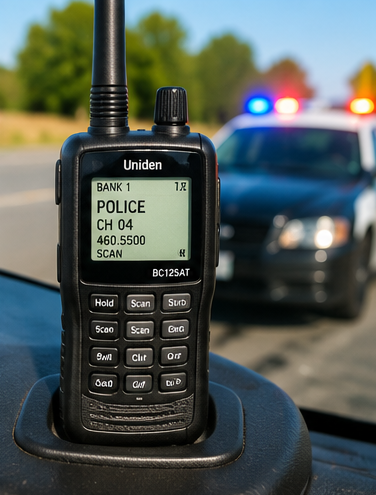 Prepared individuals frequently recognize that scanner activity may reveal information involving:
- accidents
- evacuation activity
- blocked roads
- dangerous areas
- emergency response operations
- infrastructure damage
- restricted access zones
One important preparedness lesson is that official public updates may sometimes lag behind rapidly evolving local conditions.
Historically, local awareness often determined how effectively communities adapted during emergencies. People who understood nearby conditions generally made better decisions involving evacuation, shelter, transportation, and resource management.
Modern populations became heavily dependent on centralized digital updates, but emergencies may create delays between events occurring and official information reaching the public.
Prepared individuals often focus on maintaining multiple independent information sources rather than depending entirely on one communication system or authority.
At the same time, responsible preparedness also recognizes that scanner traffic may involve incomplete or rapidly evolving information. Calm interpretation and verification remain important.
Preparedness increasingly means strengthening observation, verification, and disciplined decision-making during uncertainty.
11.4 State Transportation Channels
State and regional transportation agencies often provide some of the most important information during infrastructure disruption or severe emergencies.
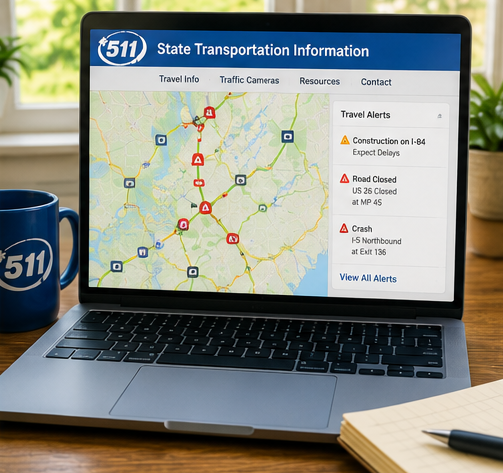 Prepared individuals frequently recognize that transportation channels may provide updates involving:
- highway closures
- weather conditions
- infrastructure damage
- evacuation routes
- construction restrictions
- bridge failures
- emergency transportation changes
One important preparedness lesson is that transportation systems often become critically important during emergencies because movement affects survival decisions involving:
- evacuation
- fuel access
- medical care
- food availability
- shelter
- emergency coordination
Historically, communities relied heavily on regional awareness and transportation planning because travel conditions often determined access to safety and resources.
Modern digital transportation systems improved real-time awareness dramatically, but they still depend heavily on internet access, communication infrastructure, and electrical systems functioning continuously.
Prepared individuals frequently recognize that transportation awareness should never depend entirely on one digital platform.
Preparedness increasingly means combining:
- official updates
- local observation
- offline planning
- communication monitoring
- practical route knowledge
to maintain transportation flexibility during instability.
11.5 Mapping Alternate Routes
One of the most important transportation preparedness skills is understanding alternate routes before emergencies occur.
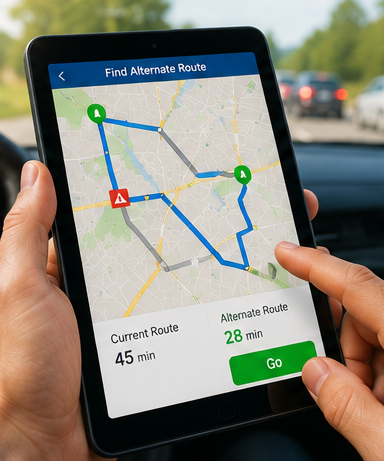 Prepared individuals frequently recognize that major highways and primary evacuation corridors may become congested, restricted, or unusable very quickly during severe emergencies.
Modern populations became highly dependent on GPS navigation systems that automatically calculate routes in real time. Emergencies reveal how vulnerable this dependency may become if communication systems fail or infrastructure conditions change rapidly.
Historically, people relied much more heavily on direct geographic knowledge, physical maps, landmarks, and regional familiarity to navigate during difficult conditions.
Preparedness increasingly means rebuilding some of that practical navigation awareness.
One important preparedness lesson is that route flexibility improves resilience dramatically during uncertainty.
People who already understand:
- alternate roads
- secondary highways
- local terrain
- fuel availability
- regional choke points
- transportation bottlenecks
often adapt more effectively during emergencies than those relying entirely on unfamiliar digital navigation systems.
Prepared individuals frequently maintain printed maps, offline navigation tools, and local route knowledge because transportation systems may become unpredictable during large-scale instability.
Preparedness ultimately strengthens mobility through awareness and flexibility.
11.6 Rural and Backroad Planning
Many preparedness-minded individuals spend time studying rural roads, secondary highways, and backroad transportation options because major population centers often become highly congested during emergencies.
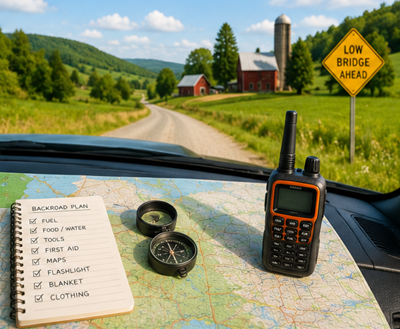 Prepared individuals frequently recognize that rural transportation planning may provide important flexibility during:
- evacuations
- severe traffic congestion
- fuel shortages
- infrastructure disruption
- civil unrest
- communication outages
Historically, rural communities often maintained greater self-sufficiency because they depended less heavily on centralized infrastructure systems and dense transportation corridors.
Modern populations became concentrated around highly interconnected urban transportation networks, which may become vulnerable during severe emergencies.
One important preparedness lesson is that mobility planning should include realistic understanding of:
- terrain
- weather conditions
- fuel limitations
- road quality
- seasonal hazards
- communication coverage
Prepared individuals often focus heavily on familiarity rather than improvisation during emergencies. Knowing local geography ahead of time may dramatically reduce panic and confusion during unstable conditions.
This is another reason offline preparedness systems may become extremely valuable.
A system like Prepper Offline may help individuals retain access to offline maps, transportation planning information, evacuation preparedness resources, survival guides, and practical off-grid knowledge even if internet infrastructure becomes unavailable.
Likewise, Prepping Communities may help preparedness-minded individuals connect with regional groups discussing transportation planning, local terrain awareness, evacuation preparation, rural preparedness, and community resilience before emergencies occur.
Preparedness ultimately means reducing vulnerability by increasing mobility awareness, route flexibility, and local knowledge before transportation systems become unstable.
12. “How Long Will the Outage Last?”
One of the first questions people ask during any major outage is how long conditions will continue.
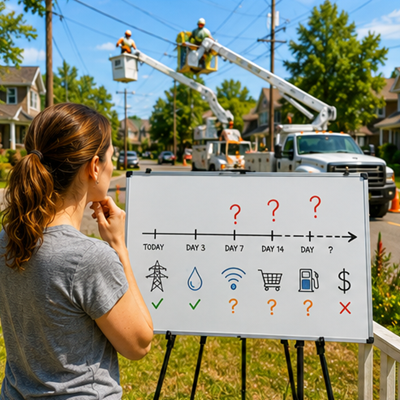 Whether the emergency involves power failure, communication disruption, fuel shortages, internet outages, transportation problems, or water system instability, human beings instinctively seek timelines because timelines create psychological structure during uncertainty.
People naturally want reassurance that normal life will return quickly.
The problem is that during large-scale emergencies, accurate timelines are often extremely difficult to determine.
Modern society became deeply dependent on continuous infrastructure reliability. Most people rarely experience prolonged outages, so even temporary disruptions may create anxiety very quickly. During ordinary life, systems generally recover fast enough that people maintain confidence in rapid restoration.
Large-scale emergencies change that expectation dramatically.
Prepared individuals frequently recognize that uncertainty itself often becomes one of the hardest parts of any crisis.
People can adapt surprisingly well to difficult conditions if they understand:
- what is happening
- how serious conditions are
- what actions should be taken
- how long disruption may continue
When those answers remain unclear, emotional stress increases rapidly.
One important preparedness lesson is that infrastructure recovery depends on many interconnected systems operating together. Electrical grids depend on fuel, transportation, communication systems, repair crews, supply chains, weather conditions, and functional logistics. Communication systems depend on power. Fuel distribution depends on transportation. Water systems depend on electricity.
Modern infrastructure is highly interconnected.
This means recovery is often far more complicated than the public initially realizes.
Prepared individuals frequently recognize that emergency timelines given early in a crisis are often estimates based on incomplete information rather than guaranteed outcomes.
Historically, communities survived difficult periods more effectively when people adapted quickly to uncertainty rather than waiting passively for normalcy to return immediately.
Preparedness increasingly means shifting psychologically from short-term inconvenience thinking toward long-term adaptation thinking.
This is another reason offline preparedness matters so much.
A system like Prepper Offline may help preserve preparedness knowledge independently from internet access during prolonged outages or infrastructure instability. Individuals may still retain access to emergency planning guides, communication preparedness information, food and water planning, survival references, resource management strategies, and practical preparedness knowledge stored locally across offline devices.
Likewise, preparedness communities may become extremely valuable during extended emergencies.
A platform like Prepping Communities may help preparedness-minded individuals connect with local groups discussing emergency planning, resource management, communication systems, community resilience, and mutual assistance before emergencies occur.
Preparedness ultimately means reducing vulnerability by preparing mentally and practically for uncertainty rather than assuming rapid recovery is guaranteed.
12.1 Why Officials Often Don’t Know
One important reality during major emergencies is that officials frequently do not have complete information during the early stages of a crisis.
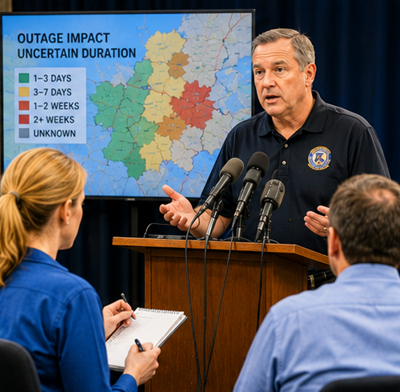 Modern populations often expect immediate answers because everyday life became highly dependent on real-time communication and continuous information flow. During ordinary conditions, people are accustomed to instant updates, precise scheduling, and rapid problem resolution.
Large-scale emergencies disrupt that expectation very quickly.
Prepared individuals frequently recognize that infrastructure failures are often far more complex than they initially appear. Damage assessments may take time because communication systems, transportation networks, weather conditions, and field reporting systems may all be affected simultaneously.
One important preparedness lesson is that uncertainty does not always mean incompetence or deception.
In many emergencies, officials genuinely do not yet understand:
- the full extent of damage
- how many systems are affected
- how long repairs may require
- whether conditions are stabilizing or worsening
Historically, disaster response has always involved incomplete information during the early stages of unfolding events.
Modern digital communication created expectations that authorities should instantly understand every aspect of a crisis in real time. Emergencies often expose how unrealistic that expectation may be.
Prepared individuals frequently focus on maintaining flexibility and practical readiness rather than becoming emotionally dependent on precise restoration predictions.
Preparedness ultimately improves resilience by reducing psychological shock when certainty disappears.
12.2 The False Hope of Restoration Timelines
One of the most common emotional reactions during emergencies is clinging to optimistic restoration estimates.
 People naturally want reassurance that systems will return quickly because normalcy provides psychological comfort and reduces uncertainty.
Prepared individuals frequently recognize, however, that early restoration timelines are often highly unreliable during major infrastructure disruption.
One important preparedness lesson is that initial estimates are frequently based on limited information and may change dramatically as new damage, logistical problems, weather conditions, or cascading failures emerge.
Historically, populations experiencing blackouts, hurricanes, floods, wildfires, or infrastructure collapse often received optimistic recovery estimates early in the crisis only to discover that conditions were more severe than initially understood.
Modern society became accustomed to rapid convenience and highly efficient infrastructure systems. Emergencies reveal how dependent civilization became on systems functioning continuously without interruption.
Prepared individuals often focus on preparing for conditions to last longer than expected rather than assuming rapid recovery.
This mindset reduces panic because people who mentally prepare for extended disruption often adapt far more effectively when timelines shift unexpectedly.
Preparedness increasingly means planning conservatively rather than emotionally.
12.3 Adapting to Long-Term Failure
One of the most important psychological transitions during prolonged emergencies is shifting from short-term survival thinking to long-term adaptation thinking.
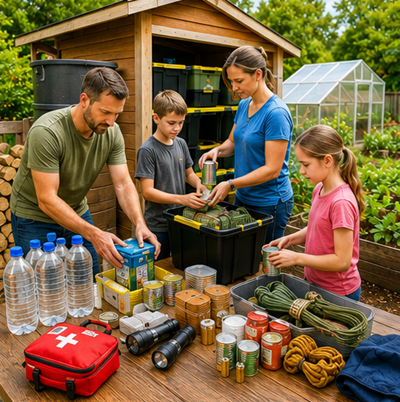 Prepared individuals frequently recognize that many people initially treat outages as temporary inconveniences. During the early stages of a crisis, people often assume conditions will normalize quickly.
As outages continue, however, emotional and logistical strain begins increasing dramatically.
One important preparedness lesson is that adaptation becomes critically important during prolonged instability.
Historically, resilient communities survived difficult periods because they adapted behavior, consumption, communication, and daily routines to changing conditions rather than waiting passively for systems to recover immediately.
Modern populations often struggle psychologically during prolonged outages because daily life became deeply dependent on:
- electricity
- internet access
- refrigeration
- transportation systems
- digital payments
- communication infrastructure
Prepared individuals frequently focus on building practical adaptability before emergencies occur.
Adaptation may involve:
- conserving supplies
- reducing energy consumption
- adjusting routines
- strengthening local cooperation
- improving communication resilience
- reorganizing priorities
Preparedness ultimately improves resilience by helping people transition mentally from panic toward sustainable problem-solving during long-duration emergencies.
12.4 Resource Tracking and Consumption Planning
One important reality during prolonged outages is that resource management becomes critically important very quickly.
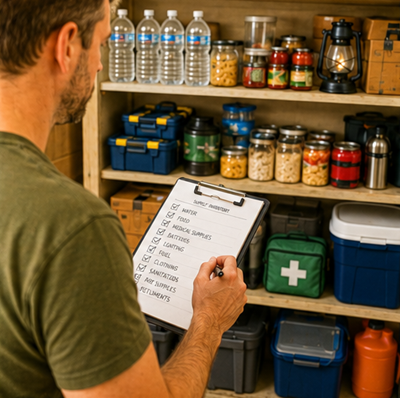 Prepared individuals frequently recognize that uncertainty about restoration timelines makes consumption planning essential.
People who assume outages will end quickly may consume:
- fuel
- food
- batteries
- medical supplies
- water
- backup power
far too rapidly during the early stages of a crisis.
One important preparedness lesson is that conservation often becomes more important than acquisition during extended emergencies.
Historically, resilient communities survived instability because people carefully managed limited resources during uncertain conditions.
Modern society became accustomed to constant resupply through highly efficient transportation and retail systems. Emergencies expose how psychologically difficult rationing and conservation may become for populations used to abundance and convenience.
Prepared individuals often focus heavily on tracking:
- fuel levels
- food usage
- water consumption
- battery reserves
- backup power capability
- medical supplies
because realistic awareness improves long-term planning.
Preparedness increasingly means thinking in terms of sustainability rather than short-term convenience.
12.5 Preparing for Cascading System Failures
One of the most important preparedness concepts is understanding that modern infrastructure systems are deeply interconnected.
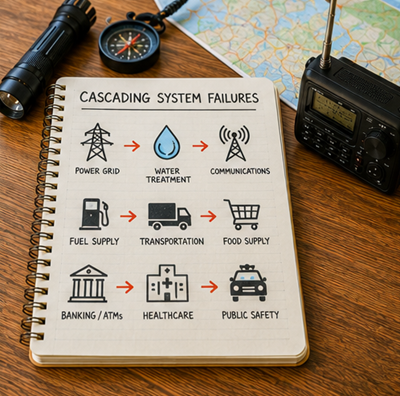 Prepared individuals frequently recognize that large-scale outages rarely remain isolated problems for long.
Electrical failures affect communication systems. Communication outages affect banking systems. Fuel shortages affect transportation. Transportation disruption affects food delivery. Water treatment depends on electricity. Emergency response systems depend on functioning infrastructure.
One important preparedness lesson is that cascading failures often create far greater disruption than the original event itself.
Historically, localized systems limited how widely disruptions could spread. Modern civilization centralized enormous amounts of infrastructure into highly interconnected systems optimized for efficiency.
Emergencies expose how vulnerable these interconnections may become.
Prepared individuals often focus heavily on recognizing patterns of escalation rather than viewing outages as isolated inconveniences.
For example, prolonged power outages may gradually lead to:
- communication instability
- fuel shortages
- refrigeration failure
- supply chain disruption
- transportation problems
- medical system strain
Preparedness increasingly means understanding systems rather than isolated problems.
This is one reason systems like Prepper Offline may become extremely valuable during prolonged emergencies. By storing preparedness knowledge locally across offline devices, individuals may continue accessing emergency planning guides, survival references, food and water preparedness, communication planning, and practical resilience information even if internet infrastructure becomes unavailable.
Likewise, Prepping Communities may help preparedness-minded individuals build local preparedness groups, emergency coordination systems, communication networks, and mutual assistance communities before emergencies occur.
Preparedness ultimately means recognizing that resilience comes not from assuming systems will never fail, but from preparing calmly and realistically for the possibility that recovery may take longer than expected.
13. “Is This a Cyber Attack?”
One of the first conclusions many people jump to during major outages or infrastructure disruption is the possibility of a cyber attack. The moment communication systems fail, banking systems go offline, websites become inaccessible, or power grids experience instability, speculation spreads rapidly across social media and news platforms.
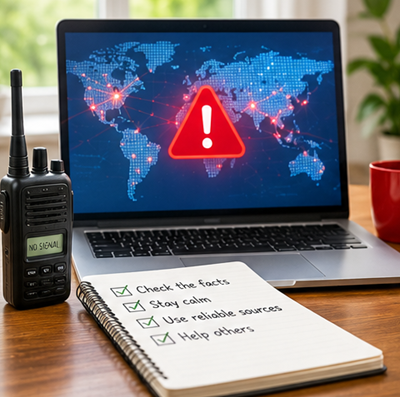 Modern society became deeply dependent on digital infrastructure, yet most people have very little understanding of how interconnected and vulnerable these systems may actually be.
This uncertainty creates fear very quickly.
People naturally begin asking:
- Was this intentional?
- Is this foreign interference?
- Is critical infrastructure under attack?
- Are systems failing everywhere?
- Is this temporary or escalating?
One important preparedness lesson is that cyber attack rumors often spread faster than verified information during emergencies.
Prepared individuals frequently recognize that infrastructure failures may occur for many different reasons involving:
- severe weather
- overloaded systems
- software failure
- human error
- communication breakdown
- power instability
- physical infrastructure damage
- cyber attacks
During the early stages of an emergency, distinguishing between these possibilities is often extremely difficult.
Modern civilization centralized enormous amounts of critical infrastructure into interconnected digital systems involving:
- banking
- utilities
- communication networks
- transportation systems
- logistics
- healthcare
- emergency response coordination
Prepared individuals often recognize that this interconnectedness increases both efficiency and vulnerability.
Historically, infrastructure systems were more localized and less digitally integrated. Modern society became highly dependent on automation, cloud systems, digital control networks, and real-time communication.
Preparedness increasingly means understanding that technological complexity may also create systemic fragility.
One important reality during crises is that fear and uncertainty frequently create informational chaos. Social media speculation, edited videos, emotional commentary, political narratives, and unverified reports may overwhelm accurate information very quickly.
Prepared individuals frequently focus on calm observation, pattern recognition, verification, and practical adaptation rather than reacting emotionally to every alarming headline or rumor.
This is another reason offline preparedness matters so much.
A system like Prepper Offline may help preserve preparedness knowledge independently from internet access during communication disruption or infrastructure instability. Individuals may still retain access to emergency planning guides, communication preparedness information, survival references, infrastructure awareness resources, and practical preparedness knowledge stored locally across offline devices.
Likewise, preparedness communities may become increasingly valuable during periods of uncertainty and digital instability.
A platform like Prepping Communities may help preparedness-minded individuals connect with local preparedness groups discussing infrastructure awareness, communication planning, emergency coordination, local resilience, and mutual assistance before emergencies occur.
Preparedness ultimately means remaining calm, informed, adaptable, and capable during uncertainty rather than becoming psychologically overwhelmed by fear-driven speculation.
13.1 Infrastructure Failure Patterns
One important preparedness reality is that large-scale infrastructure failures often reveal recognizable patterns long before the public fully understands what is happening.
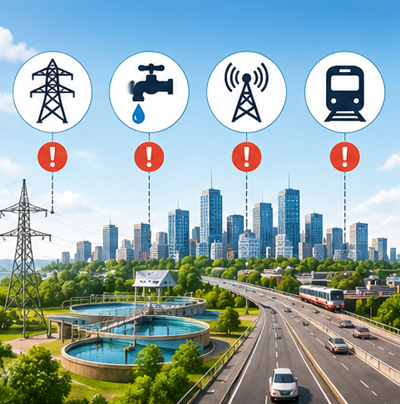 Prepared individuals frequently recognize that communication outages, power instability, banking disruption, transportation slowdowns, and internet failures may sometimes occur simultaneously because modern infrastructure systems are deeply interconnected.
This interconnectedness makes it difficult to determine whether conditions involve:
- accidental failure
- cascading infrastructure stress
- natural disaster impacts
- software malfunction
- intentional cyber activity
One important preparedness lesson is that infrastructure systems rarely operate independently anymore.
Modern civilization depends heavily on digital coordination involving:
- power grids
- financial systems
- communication networks
- transportation logistics
- emergency response systems
- cloud infrastructure
When one system weakens, others may begin experiencing secondary disruption very quickly.
Historically, infrastructure failures were often more localized and physically isolated. Modern systems became more efficient, but also more interconnected and technologically dependent.
Prepared individuals often focus heavily on recognizing broad patterns rather than reacting immediately to isolated incidents.
Preparedness increasingly means understanding systems thinking rather than viewing problems individually.
13.2 Banking and Communication Disruptions
One of the reasons cyber attack fears spread so quickly during emergencies is because banking and communication systems are central to modern daily life.
The moment:
- ATMs stop working
- debit systems fail
- online banking becomes inaccessible
- cellular networks weaken
- websites disappear
- communication apps fail
people immediately begin assuming something catastrophic may be happening.
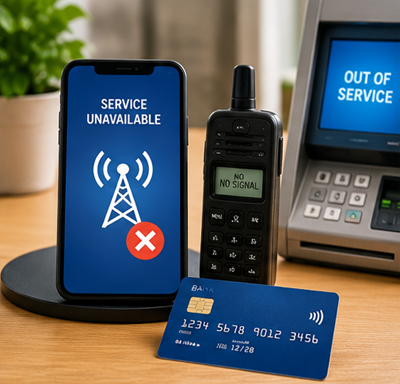 Prepared individuals frequently recognize that modern civilization became psychologically dependent on uninterrupted digital systems functioning continuously.
Historically, communities relied more heavily on:
- physical currency
- local communication
- decentralized systems
- face-to-face coordination
- printed records
Modern society centralized enormous amounts of daily activity into fragile digital infrastructure.
One important preparedness lesson is that even temporary disruption to communication or financial systems may trigger significant public panic because people suddenly realize how dependent they became on systems they barely understand.
Prepared individuals often focus heavily on maintaining:
- backup communication methods
- offline preparedness information
- emergency cash reserves
- practical planning
- local awareness
rather than assuming digital systems will always remain available under all conditions.
Preparedness increasingly means reducing total dependence on continuous connectivity.
13.3 Government Announcements
During major infrastructure disruption, people naturally look toward governments and institutions for explanation and reassurance.
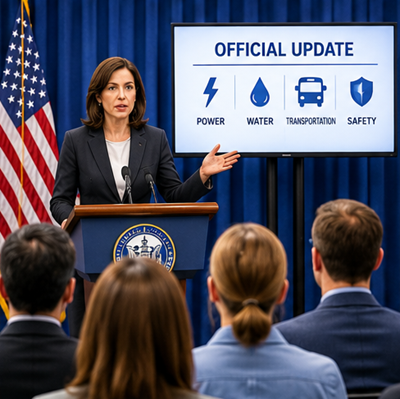 Prepared individuals frequently recognize that official announcements during emergencies may initially be cautious, incomplete, delayed, or evolving because authorities themselves may still be gathering information.
One important preparedness lesson is that modern populations often expect immediate certainty during crises, but real-world emergencies rarely provide clear answers immediately.
Historically, governments responding to disasters, infrastructure failures, wartime conditions, or cyber incidents often required time to:
- assess damage
- confirm causes
- coordinate agencies
- stabilize systems
- avoid spreading misinformation prematurely
Modern digital culture accelerated expectations for instant answers and constant updates.
Prepared individuals frequently recognize that uncertainty does not automatically mean deception or conspiracy. In many situations, authorities genuinely may not yet know:
- the full scale of disruption
- what systems are affected
- whether conditions are stabilizing
- what caused the event
Preparedness increasingly means remaining calm and adaptable even when complete information does not yet exist.
13.4 Distinguishing Rumor from Reality
One of the biggest dangers during emergencies involving possible cyber attacks is the explosion of rumors, emotional speculation, and misinformation.
 Social media platforms allow fear to spread extremely quickly because emotionally charged content receives attention rapidly. Edited videos, dramatic headlines, political commentary, conspiracy theories, and incomplete reports may create enormous confusion during uncertain conditions.
Prepared individuals frequently recognize that rumors often spread faster than verification.
One important preparedness lesson is that emotionally intense information is not always reliable information.
Historically, rumors have appeared during nearly every major crisis because human beings instinctively attempt to explain uncertainty when reliable information is limited.
Modern technology accelerated this dramatically by allowing information to spread globally within minutes regardless of accuracy.
Prepared individuals often focus heavily on:
- multiple information sources
- calm observation
- verification
- pattern recognition
- emotional discipline
rather than reacting impulsively to every alarming claim.
Preparedness ultimately improves resilience by strengthening critical thinking and reducing panic during uncertainty.
13.5 Information Verification During Chaos
One of the most valuable preparedness skills during infrastructure emergencies is the ability to verify information calmly during chaotic conditions.
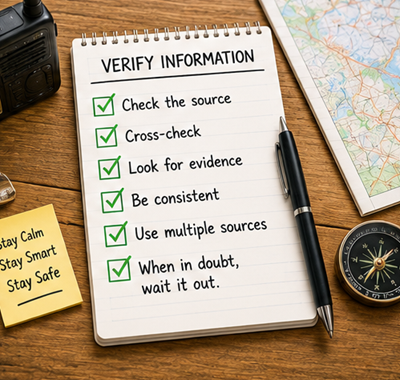 Prepared individuals frequently recognize that confusion often becomes one of the greatest dangers during crises because emotional reactions impair judgment and decision-making.
During emergencies, people naturally search for certainty and reassurance. The problem is that large-scale infrastructure disruption often creates incomplete, conflicting, or rapidly changing information.
One important preparedness lesson is that verification becomes critically important precisely when emotional pressure is highest.
Historically, resilient communities survived instability more effectively because people maintained:
- local awareness
- trusted communication
- practical observation
- emotional discipline
- community coordination
Modern populations became heavily dependent on centralized digital information systems and social media feeds that may become unreliable during major emergencies.
Prepared individuals often focus on comparing multiple independent sources, observing real-world conditions locally, and avoiding impulsive conclusions based solely on rumors or viral content.
This is one reason systems like Prepper Offline may become extremely valuable during communication disruption or internet instability. By storing preparedness knowledge locally across offline devices, individuals may continue accessing emergency planning guides, infrastructure preparedness information, communication strategies, survival references, and practical resilience resources even if online systems become unreliable.
Likewise, Prepping Communities may help preparedness-minded individuals build local preparedness groups, communication networks, emergency coordination systems, and mutual assistance communities before emergencies occur.
Preparedness ultimately means remaining calm, informed, adaptable, and capable during uncertainty rather than becoming psychologically overwhelmed by fear, confusion, or digital chaos.
14. “EMP Attack”
 Few preparedness topics generate more discussion, speculation, and concern than the possibility of an EMP attack. The idea of a large-scale electromagnetic pulse disabling power grids, communication systems, transportation infrastructure, and electronics taps directly into one of modern civilization’s greatest vulnerabilities — extreme dependence on interconnected electrical and digital systems.
Most people rarely think about how deeply everyday life depends on electronics functioning continuously.
Modern society relies on electricity and digital infrastructure for:
- communication
- banking
- transportation
- healthcare
- food distribution
- fuel systems
- emergency response
- water treatment
- navigation
The possibility of sudden widespread electrical failure therefore feels especially frightening because so many systems would potentially be affected simultaneously.
Prepared individuals frequently recognize that EMP discussions often combine legitimate infrastructure concerns with exaggerated speculation and misinformation. One important preparedness lesson is that fear and sensationalism can easily overwhelm practical understanding during discussions involving large-scale disasters.
Historically, civilizations have experienced major infrastructure disruptions from natural disasters, severe storms, blackouts, solar activity, and wartime destruction, even without EMP scenarios. These historical events demonstrate how dependent societies become on stable infrastructure and how quickly disruption may affect daily life.
Preparedness increasingly means focusing less on dramatic theories and more on practical resilience.
One important reality is that any large-scale electrical disruption — whether caused by severe weather, cyber attacks, grid instability, solar storms, infrastructure failure, or theoretical EMP events — would likely create many of the same practical challenges:
- communication disruption
- power outages
- transportation problems
- supply chain instability
- banking interruptions
- fuel shortages
Prepared individuals often focus on preparing for infrastructure instability broadly rather than obsessing over one specific disaster scenario.
This is another reason offline preparedness matters so much.
A system like Prepper Offline may become especially valuable during widespread communication or infrastructure failures because it preserves preparedness knowledge independently from internet access. Since Prepper Offline can be stored across many independent offline devices such as USB drives, laptops, tablets, backup storage devices, and off-grid systems, its chances of surviving localized electrical or infrastructure disruption may be greater than highly centralized or single-device solutions.
Prepared individuals frequently recognize that decentralized duplication improves resilience.
Historically, societies preserved critical knowledge through distributed physical books, records, manuals, and local storage rather than depending entirely on centralized cloud-based infrastructure.
Likewise, preparedness communities may become extremely important during prolonged instability.
A platform like Prepping Communities may help preparedness-minded individuals connect with local groups discussing communication planning, off-grid preparedness, emergency coordination, mutual assistance, and infrastructure resilience before emergencies occur.
Preparedness ultimately means increasing adaptability, communication resilience, practical knowledge, and emotional stability regardless of the exact cause of infrastructure disruption.
14.1 Signs of Electromagnetic Pulse Events
One important preparedness reality is that most people would initially struggle to determine whether widespread electrical failure involved an EMP event, grid collapse, cyber attack, severe weather, or cascading infrastructure failure.
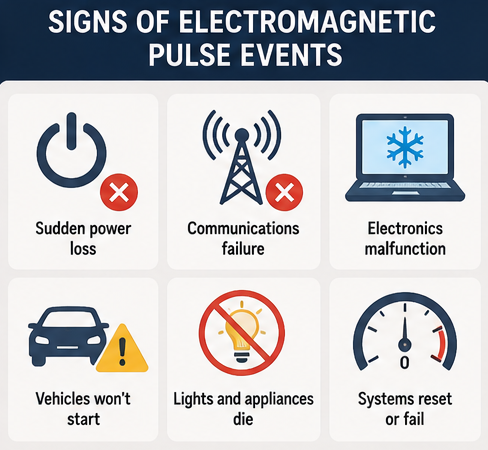 Prepared individuals frequently recognize that large-scale infrastructure disruption may initially appear confusing and chaotic regardless of the cause.
People would likely notice:
- sudden power outages
- communication failures
- internet disruption
- cellular instability
- transportation problems
- emergency response confusion
all occurring simultaneously or rapidly spreading across regions.
One important preparedness lesson is that uncertainty itself often becomes psychologically overwhelming during major infrastructure emergencies.
Historically, populations experiencing blackouts or infrastructure collapse often struggled not only with physical disruption, but with lack of reliable information and inability to understand the scale of unfolding events.
Modern populations became deeply dependent on continuous digital communication and instant updates. The sudden loss of these systems would create significant psychological disorientation for many people.
Prepared individuals frequently focus on maintaining calm situational awareness rather than immediately jumping to conclusions during uncertain conditions.
Preparedness ultimately improves resilience by reducing panic and improving adaptability during confusion.
14.2 Grid Failure Indicators
Large-scale electrical failure often reveals itself through recognizable infrastructure patterns before the public fully understands what is happening.
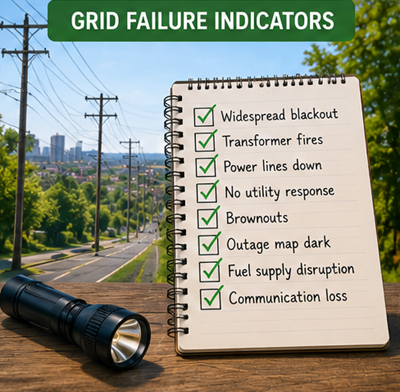 Prepared individuals frequently recognize that widespread grid instability may involve:
- repeated outages
- voltage fluctuations
- communication disruption
- transportation failures
- fuel shortages
- emergency broadcasts
- regional infrastructure instability
Modern electrical grids are highly interconnected systems balancing enormous amounts of energy demand continuously across large geographic regions.
During ordinary life, this complexity remains largely invisible.
Emergencies expose how deeply civilization depends on stable electrical infrastructure functioning continuously.
Historically, localized power systems limited how widely failures could spread. Modern interconnected grids improved efficiency but also increased the possibility of cascading failures across multiple regions.
Prepared individuals often focus on recognizing broader patterns rather than viewing outages as isolated inconveniences.
One important preparedness lesson is that infrastructure failures frequently affect multiple systems simultaneously because modern society interconnected nearly everything through electricity and digital coordination.
Preparedness increasingly means understanding systems thinking rather than isolated event thinking.
14.3 Vehicle and Electronics Failure
One reason EMP scenarios generate so much concern within preparedness communities is because modern civilization became extremely dependent on electronics and computerized systems.
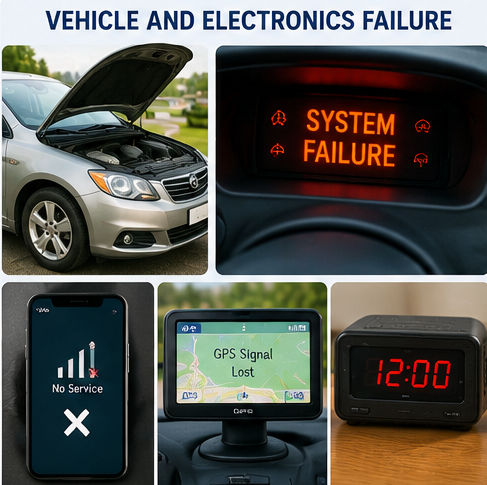 Vehicles, communication devices, banking systems, transportation infrastructure, fuel distribution, industrial equipment, and emergency response systems all rely heavily on electronic components.
Prepared individuals frequently recognize that widespread electronics failure would affect daily life very quickly because modern infrastructure is deeply automated and digitally integrated.
One important preparedness lesson is that technological convenience often creates hidden dependency.
Historically, societies relied far more heavily on:
- mechanical systems
- local production
- simpler technology
- decentralized infrastructure
- manual processes
Modern civilization dramatically increased efficiency through electronics and automation, but also increased vulnerability to infrastructure disruption.
Prepared individuals often focus heavily on practical resilience involving:
- backup communication
- offline information
- alternate transportation planning
- local cooperation
- decentralized preparedness
rather than depending entirely on advanced technology functioning continuously.
Preparedness ultimately improves resilience by reducing total dependence on any single system.
14.4 Shortwave and Emergency Monitoring
During large-scale infrastructure disruption, shortwave radio and emergency monitoring systems may become extremely important because they operate independently from much of the internet infrastructure modern society depends on daily.
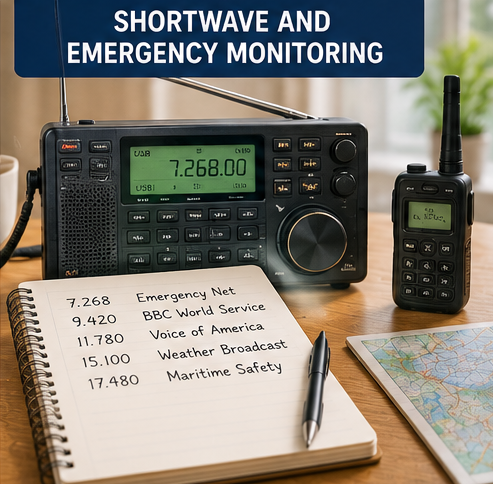 Prepared individuals frequently recognize that radio communication often remains valuable during:
- communication outages
- power failures
- severe weather
- infrastructure instability
- transportation disruption
Historically, radio systems played major roles during disasters, wartime conditions, blackouts, and emergencies because they allowed communication and information flow even when other systems weakened.
Modern populations became heavily dependent on smartphones and internet platforms for nearly all information access. Emergencies reveal how vulnerable this dependency may become.
One important preparedness lesson is that low-power decentralized communication systems often provide important resilience during infrastructure instability.
Prepared individuals frequently maintain:
- battery-powered radios
- emergency communication systems
- backup power
- offline references
- alternate information sources
because situational awareness becomes critically important during uncertain conditions.
Preparedness increasingly means maintaining multiple independent pathways for communication and information access.
14.5 Community Observation Networks
Historically, resilient communities survived instability partly because people maintained strong local awareness and communication networks.
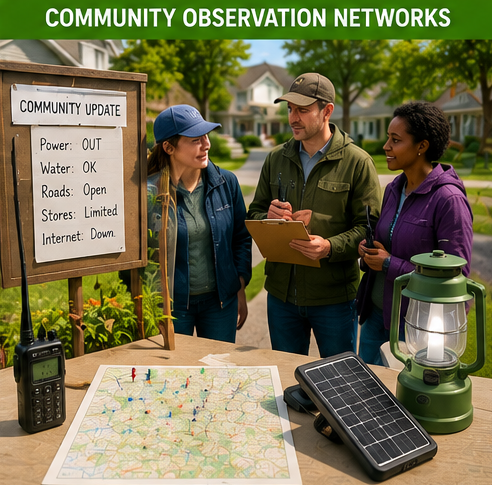 Neighbors shared information. Communities coordinated resources. Local leaders communicated changing conditions. Families relied on direct observation and regional awareness rather than centralized digital systems alone.
Modern society weakened many of these local communication habits because smartphones and internet platforms replaced much of the need for face-to-face coordination.
Prepared individuals frequently recognize that local observation networks may become extremely valuable during prolonged infrastructure disruption.
One important preparedness lesson is that local awareness often matters more than national headlines during real emergencies.
People need practical answers involving:
- nearby conditions
- fuel availability
- transportation access
- communication capability
- local safety
- resource shortages
- infrastructure damage
Preparedness communities help strengthen these local relationships before emergencies occur.
A platform like Prepping Communities may help preparedness-minded individuals connect with local preparedness groups, regional communication networks, mutual assistance communities, and emergency planning discussions before systems become unstable.
Likewise, systems like Prepper Offline may help preserve preparedness knowledge locally across multiple offline devices so individuals retain access to communication planning, emergency preparedness, survival references, and practical off-grid knowledge even during large-scale infrastructure disruption.
Preparedness ultimately means building resilience through decentralization, adaptability, practical knowledge, and strong local awareness rather than total dependence on fragile centralized systems.
15. “War News”
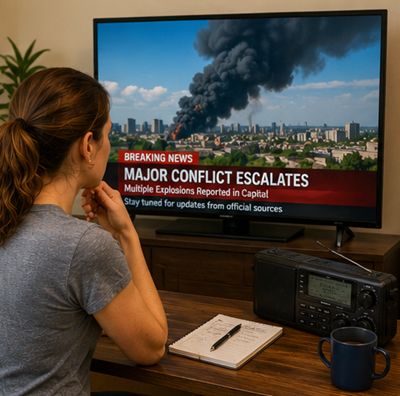 Few events create more uncertainty, fear, and public attention than the possibility of war or major international conflict. The moment news spreads involving military escalation, attacks, troop deployments, cyber warfare, or geopolitical confrontation, people immediately begin searching for information because modern civilization is deeply interconnected economically, technologically, and politically.
Even conflicts occurring thousands of miles away may affect:
- fuel prices
- food availability
- transportation systems
- supply chains
- communication infrastructure
- financial markets
- public stability
Modern society became highly dependent on global systems operating continuously across borders. Emergencies involving war or international instability therefore create anxiety far beyond the immediate conflict zone because people recognize that large-scale disruptions may spread economically and infrastructurally very quickly.
Prepared individuals frequently recognize that fear and misinformation often increase dramatically during wartime conditions or geopolitical crises.
Social media, political commentary, propaganda, edited footage, emotional speculation, and unverified claims may spread faster than reliable information. During uncertainty, many people struggle to distinguish between:
- verified events
- rumors
- propaganda
- emotional reactions
- speculation
- incomplete reporting
One important preparedness lesson is that maintaining calm situational awareness becomes critically important during periods of geopolitical instability.
Historically, populations experiencing war or international crisis often faced uncertainty involving:
- communication disruption
- rationing
- fuel shortages
- transportation instability
- economic pressure
- infrastructure strain
- supply chain interruption
Modern civilization increased efficiency through globalization, but also increased vulnerability to international instability because critical systems became deeply interconnected across nations.
Prepared individuals often focus less on panic and more on practical adaptation.
One important reality is that many wartime effects appear gradually rather than instantly. People may first notice:
- rising prices
- fuel instability
- shortages
- transportation delays
- increased government messaging
- communication concerns
- financial volatility
before understanding the larger geopolitical situation fully.
Preparedness increasingly means understanding how global instability may create local consequences.
This is another reason offline preparedness matters so much.
A system like Prepper Offline may help preserve preparedness knowledge independently from internet access during communication disruption or infrastructure instability. Individuals may still retain access to emergency planning guides, communication preparedness information, food and water preparedness, survival references, transportation planning, and practical resilience knowledge stored locally across offline devices.
Likewise, preparedness communities may become extremely valuable during uncertain geopolitical conditions.
A platform like Prepping Communities may help preparedness-minded individuals connect with local groups discussing emergency planning, communication systems, infrastructure awareness, local resilience, and mutual assistance before emergencies occur.
Preparedness ultimately means remaining calm, informed, adaptable, and practically prepared during uncertainty rather than becoming psychologically overwhelmed by fear-driven headlines or speculation.
15.1 Emergency Information Sources During Conflict
During periods of conflict or geopolitical instability, reliable information becomes one of the most valuable and difficult resources to obtain.
Prepared individuals frequently recognize that wartime conditions often create enormous informational confusion because governments, media organizations, social platforms, and foreign actors may all present events differently.
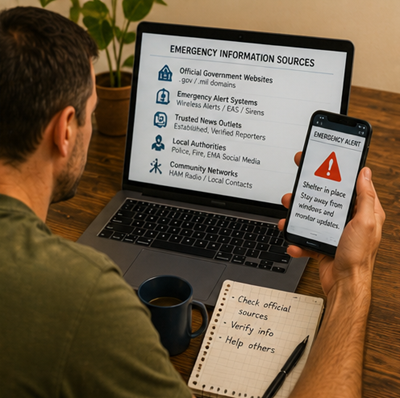 Modern populations became accustomed to constant information flow, but crises reveal how difficult it may become to determine:
- what is verified
- what is propaganda
- what information is delayed
- what events are exaggerated
- what conditions are actually changing
One important preparedness lesson is that emotionally intense information is not always accurate information.
Historically, populations during wartime often relied on:
- radio broadcasts
- local communication
- printed information
- direct observation
- trusted regional sources
because information systems were slower and more decentralized.
Modern technology accelerated communication dramatically, but it also accelerated misinformation, emotional reaction, and information overload.
Prepared individuals frequently focus on:
- multiple independent sources
- calm observation
- pattern recognition
- verification
- emotional discipline
rather than reacting impulsively to every alarming headline or viral video.
Preparedness ultimately improves resilience by strengthening critical thinking during uncertainty.
15.2 International Shortwave Broadcasts
Shortwave radio has historically played an important role during wartime conditions, international crises, and large-scale disasters because it allows broadcasts to travel enormous distances independently from internet infrastructure.
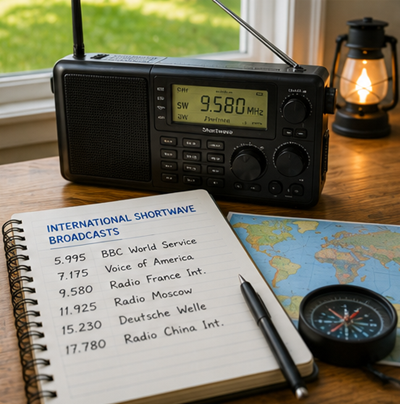 Prepared individuals frequently recognize that shortwave radio may provide valuable perspective during geopolitical instability because broadcasts from multiple countries and regions may still remain accessible even when local systems weaken.
Historically, populations relied heavily on shortwave broadcasts during wars and international crises because they provided alternate viewpoints, emergency information, and awareness outside local communication systems.
Modern populations became highly dependent on internet-based news and centralized digital platforms. Emergencies reveal how vulnerable this dependency may become if internet systems experience disruption, censorship, overload, or infrastructure instability.
One important preparedness lesson is that decentralized communication systems often improve informational resilience during uncertain conditions.
Prepared individuals frequently appreciate shortwave radio because it provides communication diversity and broader regional awareness rather than total dependence on local digital infrastructure alone.
Preparedness increasingly means maintaining multiple independent pathways for receiving information.
15.3 Military Movement Indicators
During periods of international instability, people often become highly attentive to military activity because visible changes in transportation, logistics, infrastructure security, or troop movement may signal escalating conditions.
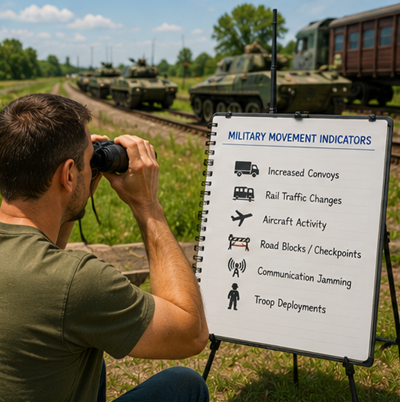 Prepared individuals frequently recognize that military movement may involve:
- transportation mobilization
- infrastructure protection
- disaster response
- logistics operations
- emergency coordination
- training exercises
- humanitarian deployment
Modern social media often amplifies fear surrounding military imagery because dramatic footage spreads rapidly without context.
One important preparedness lesson is that visible military activity does not automatically indicate catastrophic collapse or immediate danger.
Historically, military forces have frequently assisted during:
- natural disasters
- infrastructure emergencies
- transportation disruption
- evacuation operations
- humanitarian response
- civil emergencies
Prepared individuals often focus on understanding broader patterns and context rather than reacting emotionally to isolated imagery or rumors.
Preparedness increasingly means maintaining calm situational awareness and avoiding exaggerated conclusions during uncertain conditions.
15.4 Supply Chain Effects of War
One of the most important realities about modern conflict is that war often affects supply chains far beyond the immediate conflict zone.
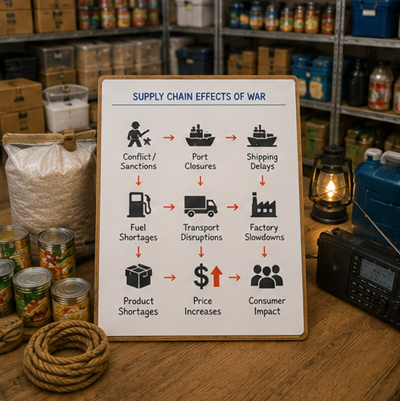 Modern civilization depends heavily on global transportation networks, manufacturing systems, energy infrastructure, shipping routes, and international trade.
Prepared individuals frequently recognize that geopolitical instability may gradually affect:
- food availability
- fuel prices
- transportation costs
- industrial materials
- manufacturing
- shipping
- consumer goods
Historically, wars frequently created shortages, rationing, inflation, and transportation disruption because global logistics became unstable or redirected toward military priorities.
Modern supply chains became highly efficient, but also highly interconnected and vulnerable to disruption.
One important preparedness lesson is that shortages often begin gradually.
People may initially notice:
- delayed deliveries
- rising prices
- reduced inventory
- transportation slowdowns
- fuel instability
before understanding the broader geopolitical causes affecting infrastructure and logistics systems.
Prepared individuals often focus heavily on practical resilience rather than panic buying or emotional reaction.
Preparedness increasingly means understanding that global instability may create local consequences long before direct physical danger reaches a region.
15.5 Fuel, Food, and Banking Disruptions
One of the fastest ways international conflict affects ordinary daily life is through disruption to fuel, food, and financial systems.
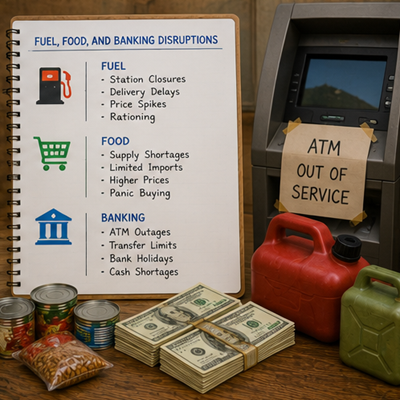 Modern civilization became deeply dependent on continuous global coordination involving:
- energy production
- transportation logistics
- financial systems
- industrial manufacturing
- digital banking
- supply chain infrastructure
Prepared individuals frequently recognize that war or geopolitical instability may quickly affect public confidence because people instinctively worry about:
- access to necessities
- financial security
- transportation capability
- economic stability
- communication systems
One important preparedness lesson is that infrastructure strain often spreads psychologically as well as physically.
Fear itself may trigger:
- panic buying
- bank runs
- fuel shortages
- supply chain stress
- transportation congestion
even before severe physical shortages fully develop.
Historically, resilient communities adapted more effectively because people maintained:
- practical planning
- resource awareness
- local cooperation
- food storage
- transportation flexibility
- communication resilience
Prepared individuals frequently focus on remaining calm, conserving resources, and avoiding emotional overreaction during unstable conditions.
This is one reason systems like Prepper Offline may become extremely valuable during communication disruption, supply instability, or prolonged emergencies. By storing preparedness knowledge locally across offline devices, individuals may continue accessing emergency planning guides, food and water preparedness, transportation planning, communication strategies, and practical resilience information even if internet systems become unavailable.
Likewise, Prepping Communities may help preparedness-minded individuals build local preparedness groups, communication networks, emergency coordination systems, and mutual assistance communities before emergencies occur.
Preparedness ultimately means reducing vulnerability by strengthening local resilience, practical planning, communication capability, and emotional stability before uncertainty escalates into crisis.
16. “Bank Outage”
Few things create public anxiety faster than banking outages or financial system disruption. Modern society became deeply dependent on digital financial systems operating continuously in the background, yet most people rarely think about how much daily life depends on those systems remaining stable.
 The moment debit cards stop processing, ATMs go offline, banking apps fail, or digital payment systems become unavailable, people immediately begin worrying about access to necessities, transportation, fuel, food, and financial security.
Modern civilization moved rapidly toward cashless systems over the last several decades. Many people now rely almost entirely on debit cards, credit cards, mobile payments, online banking, and electronic transfers for nearly every aspect of daily life.
During ordinary conditions, this infrastructure feels nearly invisible because transactions happen instantly and continuously.
Emergencies expose how vulnerable this dependency may become.
Prepared individuals frequently recognize that financial systems depend heavily on communication infrastructure, electrical grids, internet connectivity, data centers, cybersecurity systems, and stable transportation networks functioning continuously together.
When these systems experience instability, even temporary outages may create significant disruption very quickly.
One important preparedness lesson is that banking outages often create psychological panic because people suddenly realize how little direct control they have over digital financial systems during emergencies.
Historically, societies relied far more heavily on physical currency, local trade, paper records, and face-to-face transactions. Modern civilization centralized enormous amounts of financial activity into digital infrastructure dependent on uninterrupted connectivity.
Preparedness increasingly means reducing total dependence on continuous digital access.
One important reality is that banking disruptions may occur for many different reasons involving cyber attacks, communication failures, power outages, software problems, infrastructure overload, severe weather, or broader economic instability.
Prepared individuals frequently focus on practical financial resilience rather than emotional panic.
This is another reason offline preparedness matters so much.
A system like Prepper Offline may help preserve preparedness knowledge independently from internet access during communication or financial system disruption. Individuals may still retain access to emergency planning guides, resource management strategies, communication preparedness information, survival references, and practical resilience knowledge stored locally across offline devices.
Likewise, preparedness communities may become increasingly valuable during periods of economic instability or infrastructure disruption.
A platform like Prepping Communities may help preparedness-minded individuals connect with local groups discussing emergency planning, resource management, communication systems, local resilience, and mutual assistance before emergencies occur.
Preparedness ultimately means increasing adaptability, reducing dependency, and maintaining practical stability during uncertain conditions.
16.1 ATM and Payment Failures
One of the first visible signs of financial system instability is often failure within ATM networks or digital payment processing systems.
 Prepared individuals frequently recognize that modern populations became deeply dependent on electronic transactions for nearly all daily activity involving groceries, fuel, transportation, utilities, emergency supplies, and retail purchases.
The moment payment terminals stop functioning or ATMs become inaccessible, anxiety spreads rapidly because people suddenly realize how dependent they became on systems they rarely think about during ordinary life.
One important preparedness lesson is that even short-term payment disruption may create significant public stress.
Historically, physical cash transactions provided resilience because commerce could continue locally even during communication or infrastructure disruption.
Modern digital systems improved convenience dramatically, but also increased dependence on uninterrupted connectivity and stable financial infrastructure functioning continuously.
Prepared individuals often recognize that payment outages may spread quickly during communication failures, internet outages, banking system overload, cyber incidents, or widespread power failures.
Preparedness increasingly means maintaining some level of financial flexibility outside purely digital systems.
16.2 Banking System Disruptions
Modern banking systems are extraordinarily complex and deeply interconnected with communication networks, cloud systems, cybersecurity infrastructure, financial exchanges, and international payment processing systems.
Prepared individuals frequently recognize that disruptions within one area of the financial system may affect many others very quickly.
 During major outages or instability, people may experience delayed transactions, inaccessible accounts, online banking failures, transfer delays, payment processing disruption, or overloaded customer service systems.
One important preparedness lesson is that modern financial systems rely heavily on public confidence and uninterrupted communication.
Historically, banking disruptions often created public fear because people worried about access to savings, necessities, transportation, and basic survival resources.
Modern populations became psychologically dependent on instant digital access to money, yet most people maintain little direct resilience if those systems temporarily disappear.
Prepared individuals frequently focus on practical adaptation rather than panic.
Preparedness increasingly means understanding that financial systems are infrastructure systems — and infrastructure systems may experience instability during large-scale emergencies.
16.3 Cash-Only Economies
One important preparedness reality is that during communication outages or payment system failures, local economies may temporarily shift back toward cash-based transactions very quickly.
 Prepared individuals frequently recognize that physical currency may remain useful during internet outages, power failures, banking disruption, communication instability, or payment processing outages.
Historically, societies functioned almost entirely through physical exchange systems involving cash, barter, local trade, and face-to-face transactions.
Modern civilization transitioned heavily toward digital systems because they improved efficiency, convenience, and transaction speed.
Emergencies reveal how vulnerable total dependence on cashless systems may become.
One important preparedness lesson is that local commerce often depends on practical flexibility during crises.
Businesses experiencing payment processing outages may temporarily accept only cash or limited manual transactions until communication systems recover.
Prepared individuals frequently recognize that small practical preparations may significantly reduce stress during temporary financial instability.
Preparedness increasingly means maintaining flexibility rather than assuming digital systems will always remain continuously available.
16.4 Emergency Cash Preparedness
One of the simplest but most overlooked preparedness concepts is maintaining emergency cash reserves.
 Prepared individuals frequently recognize that physical currency may become extremely valuable during short-term infrastructure disruption because many systems may continue operating locally even if digital processing systems fail temporarily.
One important preparedness lesson is that emergencies often create delays between infrastructure failure and full restoration.
People who depend entirely on digital payments may suddenly struggle to purchase fuel, food, transportation, lodging, or emergency supplies during communication or banking outages.
Historically, households commonly maintained physical cash reserves because electronic banking systems did not exist.
Modern populations often carry little or no cash because digital systems became so reliable during ordinary life.
Prepared individuals frequently focus on maintaining practical redundancy rather than assuming convenience systems will always function perfectly.
Preparedness ultimately improves resilience by increasing flexibility during uncertainty.
16.5 Offline Financial Records
Modern civilization centralized enormous amounts of financial information into cloud-based systems and online platforms.
 Most people now rely almost entirely on digital access for banking information, account records, payment history, insurance information, identification records, and financial documentation.
Prepared individuals frequently recognize that internet outages, communication failures, cyber incidents, or infrastructure instability may temporarily limit access to important financial information precisely when it may be needed most.
One important preparedness lesson is that information resilience matters just as much as financial resilience.
Historically, societies maintained physical records because important documents needed to remain accessible independently from centralized infrastructure.
Preparedness increasingly means rebuilding some degree of local information resilience through printed records, offline backups, secure local storage, and decentralized access.
Prepared individuals often focus heavily on preserving access to critical information because emergencies may create confusion, displacement, communication disruption, or infrastructure instability unexpectedly.
This is one reason systems like Prepper Offline may become extremely valuable during prolonged outages or communication disruption. By storing preparedness knowledge locally across offline devices, individuals may continue accessing emergency planning guides, resource management strategies, communication preparedness information, survival references, and practical resilience resources even if internet systems become unavailable.
Likewise, Prepping Communities may help preparedness-minded individuals build local preparedness groups, communication networks, emergency coordination systems, and mutual assistance communities before emergencies occur.
Preparedness ultimately means reducing dependency on fragile centralized systems by strengthening practical resilience, local access to knowledge, and adaptability before emergencies occur.
17. “Cell Service Down”
One of the most psychologically disruptive moments during an emergency is when cellular service suddenly disappears. Modern society became deeply dependent on smartphones for communication, navigation, banking, emergency alerts, news updates, transportation, work, and social coordination. Most people carry their phones constantly, rarely considering what would happen if those systems stopped functioning entirely.
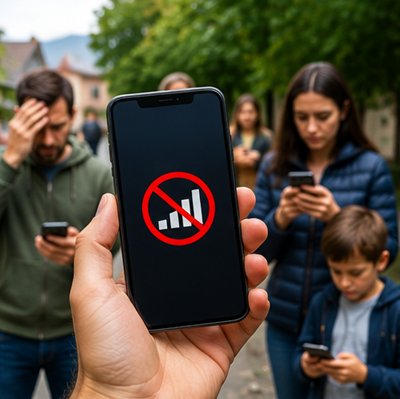 The moment cellular service fails, uncertainty rises very quickly.
People immediately begin attempting to call family members, send messages, search for information, or check emergency updates. When those attempts fail, many individuals experience immediate anxiety because they suddenly realize how dependent modern life became on continuous communication infrastructure.
Prepared individuals frequently recognize that cellular outages are not merely communication problems.
They are infrastructure problems.
Modern cellular systems depend heavily on:
- electrical grids
- fiber infrastructure
- data centers
- tower connectivity
- backup power systems
- internet routing
- cloud infrastructure
When one part of this system weakens, communication problems may spread rapidly across entire regions.
One important preparedness lesson is that modern communication networks are highly efficient, but also highly interconnected and vulnerable to cascading disruption.
Historically, communities communicated through far more decentralized systems involving:
- radio
- landlines
- local coordination
- physical message delivery
- community gathering points
Modern civilization centralized enormous amounts of communication into smartphone-based infrastructure.
Preparedness increasingly means rebuilding communication resilience outside fragile centralized systems.
One important reality is that during large-scale emergencies, cellular systems often fail long before infrastructure collapses completely. Networks may become overloaded because millions of people attempt to communicate simultaneously during fear or uncertainty.
Prepared individuals frequently focus on layered communication capability rather than assuming smartphones will always remain functional.
This is another reason offline preparedness matters so much.
A system like Prepper Offline may help preserve preparedness knowledge independently from internet access during communication outages or infrastructure instability. Individuals may still retain access to emergency planning guides, communication preparedness information, offline maps, survival references, and practical preparedness knowledge stored locally across offline devices.
Likewise, preparedness communities may become increasingly valuable during communication disruption.
A platform like Prepping Communities may help preparedness-minded individuals connect with local preparedness groups discussing communication planning, emergency coordination, regional awareness, mutual assistance, and practical resilience before emergencies occur.
Preparedness ultimately means ensuring that when centralized communication systems weaken, individuals and communities still retain the ability to coordinate, adapt, and remain informed.
17.1 How Cellular Networks Actually Work
Most people use cellular service every day without ever thinking about the enormous infrastructure required to make that communication possible.
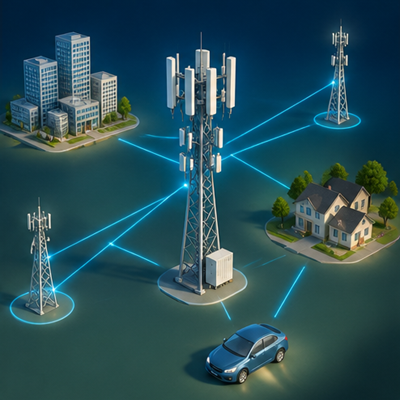 Prepared individuals frequently recognize that cellular systems are far more fragile and infrastructure-dependent than many people realize.
Modern cellular communication depends on a complex network involving:
- cellular towers
- fiber optic infrastructure
- data routing systems
- electrical grids
- switching centers
- cloud systems
- backup power systems
All of these components must function together continuously for smartphones to operate normally.
One important preparedness lesson is that cell towers themselves are only one part of the larger communication system.
Even if towers remain physically intact, outages involving fiber networks, power systems, routing infrastructure, or overloaded communication traffic may still disrupt service completely.
Historically, communication systems were often simpler and more localized. Modern digital communication dramatically improved convenience and speed, but also increased complexity and dependency on interconnected infrastructure.
Prepared individuals frequently focus on understanding how systems work because understanding dependency helps improve preparedness planning.
Preparedness increasingly means recognizing that convenience often hides vulnerability.
17.2 Tower Dependencies and Vulnerabilities
Many people assume cellular towers are highly independent systems capable of operating indefinitely during emergencies.
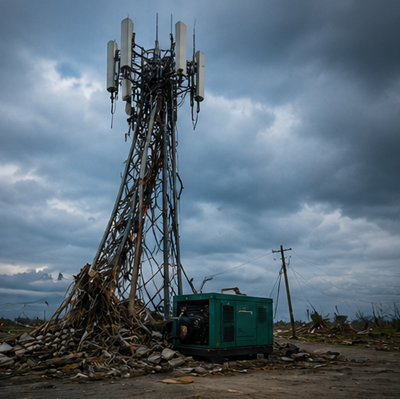 In reality, most towers rely heavily on external infrastructure.
Prepared individuals frequently recognize that towers depend on stable power, network connectivity, maintenance access, and fuel supplies for backup generators.
One important preparedness lesson is that backup systems are often temporary rather than permanent.
During prolonged outages, towers may experience:
- battery depletion
- fuel shortages
- maintenance delays
- network overload
- infrastructure damage
- communication routing failure
Historically, communication resilience depended more heavily on decentralized systems with fewer centralized dependencies.
Modern cellular systems became highly efficient and extremely capable during ordinary conditions, but also more vulnerable to cascading infrastructure disruption.
Prepared individuals often recognize that communication failures may spread gradually rather than instantly.
For example, service may initially weaken through:
- slower connections
- dropped calls
- delayed messages
- overloaded networks
before complete outages occur.
Preparedness increasingly means recognizing early warning signs before communication systems fail entirely.
17.3 GMRS, CB, and HAM Alternatives
One reason preparedness communities remain interested in radio communication is because decentralized systems may continue functioning even when cellular infrastructure becomes unstable.
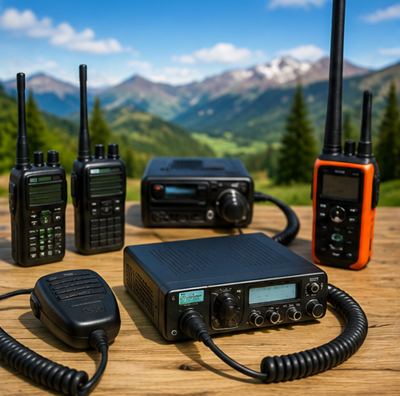 Prepared individuals frequently recognize that systems such as GMRS, CB radio, and HAM radio provide alternate communication capability independent from commercial cellular networks.
Historically, radio communication played major roles during:
- disasters
- severe weather
- blackouts
- infrastructure failures
- transportation disruption
- emergency coordination
because radio systems often remained functional when centralized infrastructure weakened.
One important preparedness lesson is that communication resilience improves through diversification.
Modern populations became psychologically dependent on smartphones because they combine messaging, navigation, internet access, news, and communication into one device.
Emergencies reveal how dangerous total dependence on one communication system may become.
Prepared individuals often focus on layered communication capability involving:
- radios
- local coordination
- offline information
- backup power
- decentralized communication systems
rather than relying entirely on cellular infrastructure.
Preparedness ultimately improves resilience by reducing dependency on any single communication platform.
17.4 Satellite Communication Devices
Satellite communication systems attract significant preparedness interest because they operate independently from much of the ground-based infrastructure modern society depends on daily.
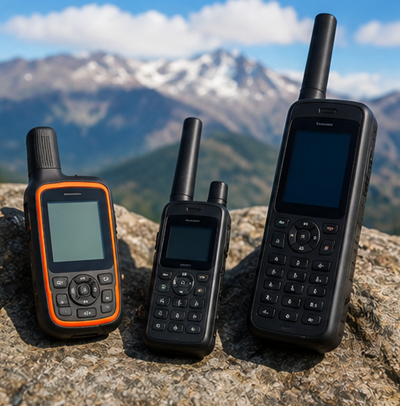 Prepared individuals frequently recognize that satellite systems may continue functioning during regional outages, damaged cellular infrastructure, overloaded communication systems, or remote emergencies when terrestrial systems weaken.
One important preparedness lesson is that communication redundancy matters enormously during emergencies.
Modern communication infrastructure depends heavily on:
- cell towers
- fiber networks
- electrical grids
- routing systems
- regional infrastructure hubs
Satellite systems provide an alternate communication layer operating outside portions of that infrastructure.
Historically, resilient communication systems relied on multiple pathways rather than total dependence on one centralized network.
Prepared individuals often focus on communication diversification rather than assuming any single technology will remain permanently reliable under all conditions.
Preparedness increasingly means reducing communication vulnerability through multiple independent systems.
17.5 Community Relay Systems
Historically, resilient communities survived instability partly because communication remained local, decentralized, and community-based.
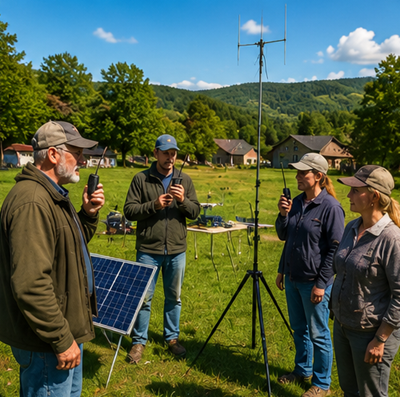 Neighbors shared information directly. Local groups coordinated resources. Communities developed trusted communication channels independent from distant centralized systems.
Modern society weakened many of these local communication habits because smartphones and internet platforms replaced much of the need for face-to-face coordination and decentralized communication.
Prepared individuals frequently recognize that local relay systems may become extremely valuable during communication outages or infrastructure disruption.
One important preparedness lesson is that local awareness often matters more than national headlines during real emergencies.
People need practical information involving:
- nearby conditions
- transportation access
- fuel availability
- local safety
- resource shortages
- infrastructure damage
- communication capability
Preparedness communities help strengthen these local relationships before emergencies occur.
A platform like Prepping Communities may help preparedness-minded individuals connect with local preparedness groups, regional communication networks, emergency planning communities, and mutual assistance systems before infrastructure becomes unstable.
Likewise, systems like Prepper Offline may help preserve preparedness knowledge locally across multiple offline devices so individuals retain access to communication planning, emergency preparedness guides, offline maps, survival references, and practical resilience knowledge even during prolonged communication outages.
Preparedness ultimately means building resilience through decentralization, communication flexibility, local awareness, and practical adaptability rather than total dependence on fragile centralized systems.
© Prepping Communities. This content is for informational purposes only and not professional advice. Use at your own risk.
Terms | Privacy | Guidelines