

A Prepper’s Guide to Off-Grid Communication
by Natural Born Prepper (2026-05-05)
Appendix Diagrams |
|
1. Foundations of Off-Grid Communication
1.1 Principles of Communication Without Infrastructure
Off-grid communication is built on the assumption that centralized systems—cell towers, internet infrastructure, and commercial networks—are unavailable, unreliable, or compromised. This shifts the responsibility of communication from large-scale systems to individuals and small groups. Instead of relying on convenience, communication becomes a deliberate system that must be designed, maintained, and practiced.
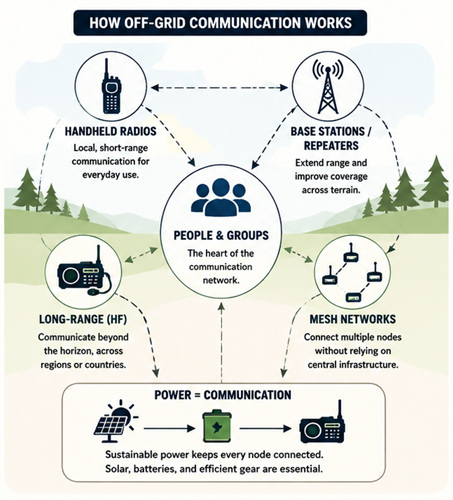 At its core, communication without infrastructure depends on simplicity and reliability. Systems that are overly complex or dependent on fragile components are more likely to fail when conditions deteriorate. The goal is not to replicate modern communication systems, but to establish a resilient alternative that can function under constrained conditions. This often means using proven technologies such as radio, physical messaging, and decentralized networks.
Another key principle is independence. Each communication node—whether a person, household, or group—should be capable of operating without immediate external support. This reduces the risk of cascading failures. When each node can function independently, the overall network becomes more resilient, even if parts of it fail.
1.2 Signal Types and Propagation Basics
Understanding how signals travel is fundamental to effective off-grid communication. Different types of signals behave differently depending on frequency, environment, and atmospheric conditions. These behaviors determine how far a signal can travel and how reliable it will be.
Radio waves are the most common medium for off-grid communication. Lower frequency signals, such as those in the HF (High Frequency) range, can travel long distances by reflecting off the ionosphere. This allows communication beyond the horizon, even across continents. Higher frequency signals, such as VHF and UHF, typically travel in straight lines and are limited by line-of-sight, making them more suitable for local communication.
Propagation is influenced by terrain, weather, and time of day. Mountains can block signals, forests can absorb them, and atmospheric conditions can enhance or degrade transmission. Learning how signals behave in your specific environment allows you to choose the right tools and strategies for reliable communication.
1.3 Analog vs Digital Communication
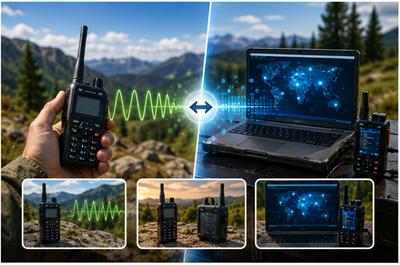 Off-grid communication systems can be broadly categorized into analog and digital methods. Each has strengths and limitations, and understanding these differences is critical when designing a resilient communication system.
Analog communication, such as traditional voice radio, is simple and robust. It requires minimal processing and can function under weak signal conditions. Even when the signal is degraded, some information can still be understood. This makes analog systems highly reliable in unpredictable environments.
Digital communication offers advantages in efficiency and capability. It allows for data transmission, encryption, and error correction. Digital systems can transmit messages, files, and structured data with high accuracy. However, they often require more power, more complex equipment, and stronger signals to function effectively.
In off-grid scenarios, a hybrid approach is often best. Analog systems provide a reliable baseline for communication, while digital systems enhance capability when conditions allow. Balancing these two approaches ensures both reliability and functionality.
1.4 Range, Power, and Reliability Trade-offs
Every communication system involves trade-offs between range, power consumption, and reliability. Increasing transmission power can extend range, but it also increases energy requirements and may introduce additional risks, such as detection or interference.
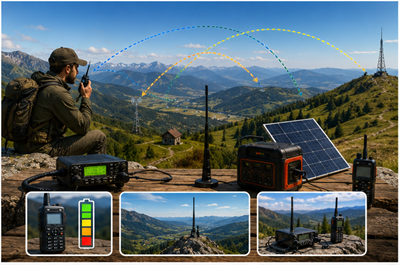 Range is not determined by power alone. Antenna design, elevation, and frequency selection often have a greater impact. A well-placed antenna at higher elevation can significantly outperform a high-power transmitter in a poor location. Understanding these factors allows you to achieve better results with less energy.
Reliability is often more important than maximum range. A shorter-range system that works consistently is more valuable than a long-range system that works intermittently. Designing for reliability means prioritizing stable connections, predictable performance, and redundancy over maximum theoretical capability.
1.5 Environmental Impacts on Signals
The environment plays a major role in how communication systems perform. Terrain, vegetation, weather, and even solar activity can influence signal strength and clarity. Ignoring these factors can lead to unreliable communication when it matters most.
 Mountains and hills can block line-of-sight signals, creating dead zones. Forests can absorb and scatter radio waves, reducing effective range. Urban environments introduce reflections and interference, which can distort signals. Each environment presents unique challenges that must be accounted for in system design.
Weather conditions also affect communication. Rain, snow, and humidity can attenuate signals, particularly at higher frequencies. Solar activity can disrupt HF communication by affecting the ionosphere. Understanding these effects allows you to anticipate disruptions and adapt accordingly.
1.6 Communication Planning Mindset
Effective off-grid communication is not just about equipment—it is about planning and mindset. A well-designed system considers not only how communication will occur, but also when, where, and under what conditions.
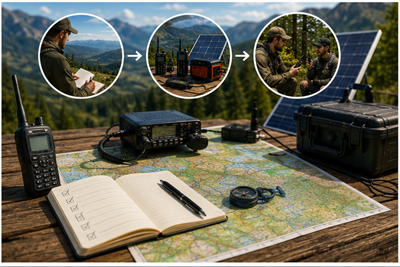 Planning begins with identifying communication needs. Who needs to communicate? Over what distances? Under what scenarios? These questions guide the selection of tools and strategies. Without clear objectives, it is easy to invest in equipment that does not meet actual needs.
A planning mindset also emphasizes redundancy and flexibility. Systems should be designed with backup options and alternative methods. If one approach fails, another should be available. This layered approach reduces the risk of total communication failure.
Finally, communication must be practiced. Equipment that is not used regularly is likely to fail when needed. Regular testing, drills, and real-world use build familiarity and confidence, ensuring that systems perform under pressure.
1.7 Summary
Off-grid communication is built on principles of simplicity, independence, and resilience. Understanding how signals behave, how systems trade off power and range, and how environmental factors influence performance is essential to building a reliable network.
Both analog and digital methods have a role to play, and a balanced approach provides the greatest flexibility. Planning, practice, and adaptability are just as important as the equipment itself. A well-prepared communication system is not defined by its complexity, but by its ability to function when everything else fails.
2. Communication Threat Landscape
2.1 Grid Dependency Risks
 Modern communication systems are deeply dependent on centralized infrastructure. Cell towers, internet service providers, satellite networks, and data centers all form part of a complex, interconnected system. While this system offers convenience and speed, it also introduces a critical vulnerability: when one part fails, the effects can cascade across the entire network.
Grid dependency becomes a significant risk during power outages, infrastructure failures, or large-scale disruptions. Communication systems that rely on continuous power and network connectivity can fail almost immediately when those conditions are interrupted. Even short-term outages can disrupt coordination, delay response, and isolate individuals and groups.
Off-grid communication systems are designed to mitigate this risk by removing reliance on centralized infrastructure. By using decentralized tools such as radios, mesh networks, and offline systems, communication can continue even when the grid is unavailable. The goal is not to eliminate all dependency, but to ensure that critical communication can function independently when needed.
2.2 Infrastructure Failure Scenarios
Infrastructure failures can occur for a variety of reasons, including natural disasters, technical malfunctions, cyberattacks, and human error. These failures often affect multiple systems simultaneously, compounding their impact. For example, a severe storm may damage power lines, disrupt internet service, and disable cell towers all at once.
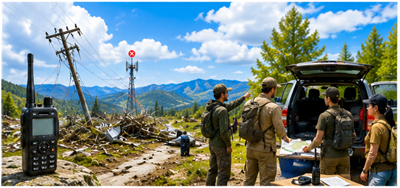 In rural environments, infrastructure is often more fragile and less redundant. Fewer backup systems and longer repair times increase the duration and severity of outages. This makes it especially important to plan for extended periods without conventional communication methods.
Understanding different failure scenarios allows for more effective preparation. A localized outage may require short-term adaptation, while a widespread disruption may demand a complete shift to off-grid communication systems. By anticipating these scenarios, individuals and groups can design systems that remain functional across a range of conditions.
2.3 Signal Interception and Monitoring
Any communication that travels through the air can potentially be intercepted. Radio transmissions, in particular, are inherently open and can be received by anyone with the appropriate equipment. This creates a risk that sensitive information may be exposed to unintended listeners.
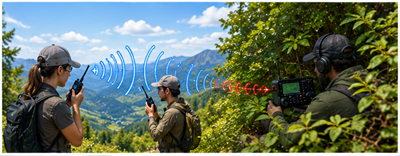 Interception is not always malicious, but in certain situations it can pose a serious threat. During times of instability, individuals or groups may monitor communications to gather information about resources, movement, or intentions. Even casual transmissions can reveal patterns that compromise operational security.
Mitigating this risk requires awareness and discipline. Limiting the amount of sensitive information transmitted, using coded language, and understanding who might be listening are all important practices. While complete security may not be achievable in all systems, reducing exposure can significantly improve overall safety.
2.4 Jamming and Interference Risks
Communication systems can be disrupted intentionally or unintentionally through interference. Jamming involves deliberately transmitting signals to block or overwhelm communication channels. Interference can also occur naturally, through overlapping frequencies, environmental noise, or equipment malfunction.
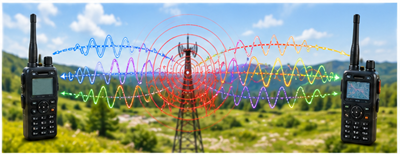 In high-frequency environments, congestion can make it difficult to establish clear communication. Competing signals, electrical noise, and atmospheric conditions can degrade signal quality and reduce reliability. These effects are often unpredictable and can vary based on location and time.
Preparing for interference involves both technical and procedural strategies. Selecting appropriate frequencies, using directional antennas, and maintaining alternative communication channels can help mitigate disruption. Having multiple methods available ensures that communication can continue even when primary systems are compromised.
2.5 Information Control and Censorship
In certain situations, communication may be restricted or controlled by authorities or other entities. This can include limiting access to networks, filtering content, or shutting down communication systems entirely. While these measures may be implemented for various reasons, they can significantly impact the ability to share information.
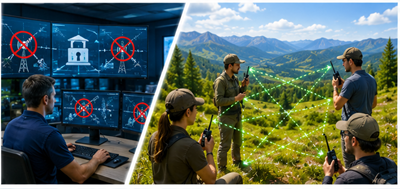 Censorship and control highlight the importance of independent communication systems. When access to information is restricted, the ability to communicate directly becomes critical. Off-grid systems provide a means of bypassing centralized control, allowing information to flow even when traditional channels are unavailable.
Understanding the potential for information control helps shape communication strategies. Planning for restricted access ensures that critical information can still be shared. This may involve using alternative technologies, decentralized networks, or pre-established communication protocols.
2.6 Operational Security (OPSEC) Basics
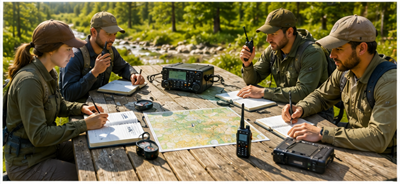 Operational security, or OPSEC, refers to the practices used to protect sensitive information from being exposed. In communication systems, this involves controlling what information is shared, how it is transmitted, and who has access to it.
One of the most important aspects of OPSEC is awareness. Every transmission has the potential to reveal information, whether intentional or not. Details such as location, resources, and movement can be inferred from communication patterns. Even seemingly harmless information can become valuable when combined with other data.
Effective OPSEC involves minimizing unnecessary communication, using clear but controlled messaging, and maintaining discipline across all participants. Training and consistency are key. A well-designed communication system is only as secure as the practices of those who use it.
2.7 Summary
The communication threat landscape is shaped by a combination of dependency, vulnerability, and external risk factors. Centralized systems offer convenience but introduce points of failure. Infrastructure disruptions, signal interception, interference, and information control all pose challenges that must be considered when designing communication systems.
Operational security adds another layer of complexity, requiring careful management of information and disciplined communication practices. By understanding these threats and planning accordingly, it is possible to build systems that remain functional, secure, and reliable even under adverse conditions.
3. Radio Communication Fundamentals
3.1 Frequency Bands Explained (HF, VHF, UHF)
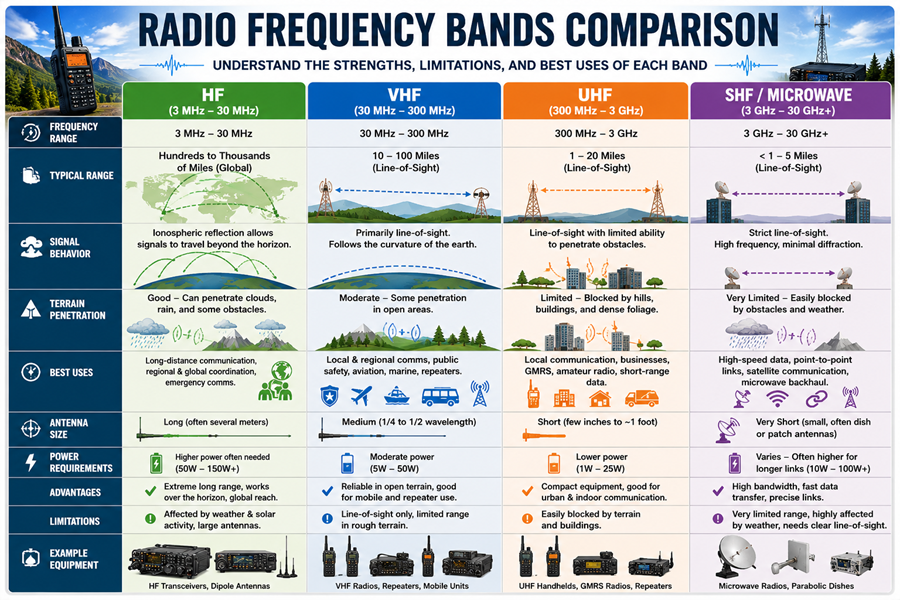
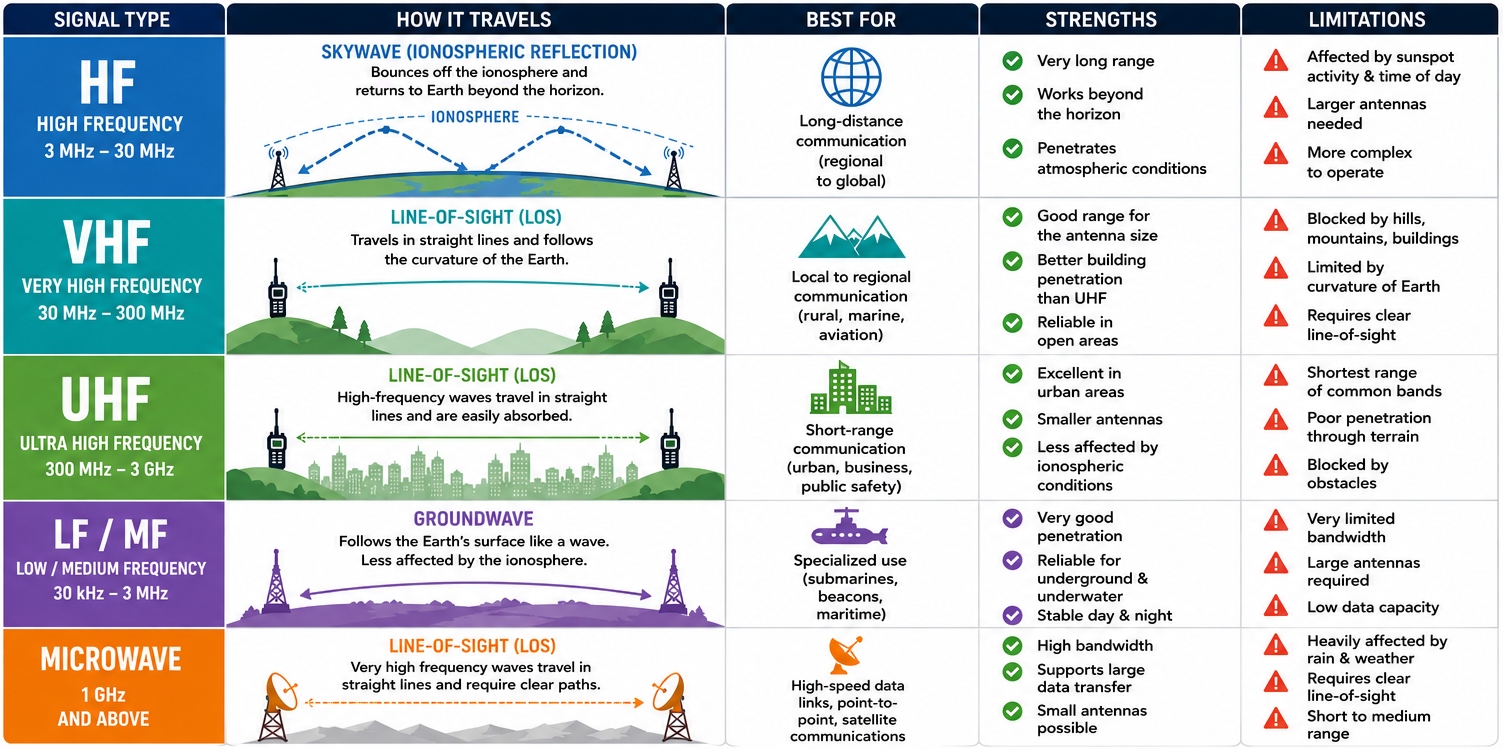 Radio communication is divided into frequency bands, each with unique characteristics that determine how signals travel and what they are best used for. The three most relevant bands for off-grid communication are HF (High Frequency), VHF (Very High Frequency), and UHF (Ultra High Frequency).
HF (3–30 MHz) is used for long-distance communication. Signals in this range can reflect off the ionosphere, allowing them to travel beyond the horizon. This makes HF ideal for regional, national, or even international communication without relying on infrastructure. However, HF systems tend to be more complex, require larger antennas, and are influenced by atmospheric conditions.
VHF (30–300 MHz) is commonly used for local communication. It operates primarily on a line-of-sight basis, meaning signals travel in straight lines and are limited by terrain and obstacles. VHF performs well in open environments such as rural areas, fields, and water, making it a strong choice for community-level communication.
UHF (300 MHz–3 GHz) is also line-of-sight but performs better in environments with obstacles, such as urban areas or dense forests. UHF signals can penetrate buildings and vegetation more effectively than VHF, but they typically have shorter range. Understanding when to use each band allows you to match the tool to the environment and communication goal.
3.2 Line-of-Sight vs Beyond Line-of-Sight
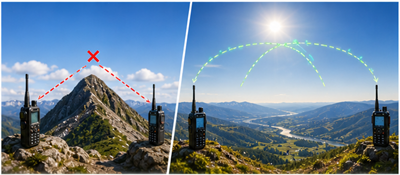 One of the most important concepts in radio communication is the difference between line-of-sight (LOS) and beyond line-of-sight (BLOS) communication. This distinction determines how far your signal can travel and what factors will limit it.
Line-of-sight communication means that the transmitting and receiving antennas must have a clear, unobstructed path between them. VHF and UHF radios rely heavily on this principle. Obstacles such as hills, buildings, and dense vegetation can block or weaken the signal, reducing range and clarity.
Beyond line-of-sight communication occurs when signals travel further than the visual horizon. This is most commonly achieved with HF radio, where signals reflect off the ionosphere and return to Earth at distant locations. Other methods, such as repeaters or relays, can also extend communication beyond direct line-of-sight.
In practical terms, LOS systems are simpler and more predictable, while BLOS systems offer greater reach but require more planning and understanding. Effective communication strategies often combine both approaches to cover different distances and scenarios.
3.3 Antenna Basics and Tuning
The antenna is one of the most critical components of any radio system. While transmitters and receivers often receive the most attention, the antenna has a significant impact on performance, often more than increasing transmission power.
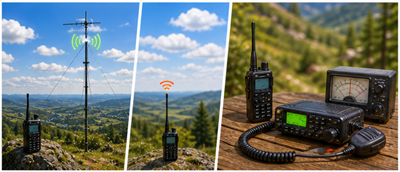 An antenna works by converting electrical signals into radio waves and vice versa. Its size, shape, and placement determine how efficiently it performs. Different types of antennas are designed for different frequencies and purposes, and using the correct antenna for your system is essential.
Tuning an antenna ensures that it operates efficiently at the desired frequency. This is typically measured using Standing Wave Ratio (SWR). A low SWR indicates that most of the transmitted power is being radiated, while a high SWR means that energy is being reflected back into the system, reducing efficiency and potentially damaging equipment.
Proper antenna placement is equally important. Elevation, orientation, and surrounding environment all influence performance. Even a simple antenna, when properly tuned and positioned, can significantly outperform a more powerful system with poor setup.
3.4 Power Output and Efficiency
Transmission power is often misunderstood as the primary factor in communication range. While higher power can extend range, it is not always the most effective or efficient solution. Power must be considered in the context of the entire system.
 Increasing power consumption places greater demand on energy resources, which can be a limiting factor in off-grid scenarios. Batteries, solar systems, and other power sources must be able to support sustained operation. Using more power than necessary can reduce operational time and strain resources.
Efficiency is often more important than raw power. Improvements in antenna design, placement, and frequency selection can yield greater gains than simply increasing wattage. A well-optimized system can achieve reliable communication with relatively low power.
Balancing power and efficiency involves selecting the minimum power required to maintain reliable communication. This approach conserves energy, reduces detection risk, and extends system longevity.
3.5 Modulation Methods (AM, FM, SSB)
Modulation is the process by which information is encoded onto a radio signal. Different modulation methods have different characteristics, affecting clarity, range, and efficiency.
 Amplitude Modulation (AM) varies the strength of the signal to transmit information. It is simple and widely understood but is more susceptible to noise and interference. AM is less commonly used in modern off-grid systems but may still be encountered in certain applications.
Frequency Modulation (FM) varies the frequency of the signal rather than its amplitude. FM provides clearer audio and is more resistant to noise, making it the standard for most VHF and UHF voice communication. It is well-suited for local communication where signal strength is sufficient.
Single Sideband (SSB) is a more efficient form of AM that transmits only one side of the signal, reducing bandwidth and power requirements. SSB is commonly used in HF communication for long-distance transmission. It allows signals to travel further using less power, but it requires more precise tuning and operator skill.
Choosing the appropriate modulation method depends on the communication goal, available equipment, and operating conditions.
3.6 Radio Etiquette and Protocol
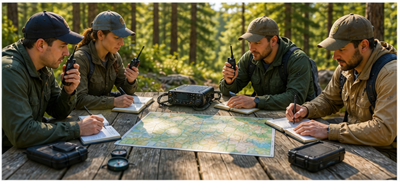 Effective communication is not just about technology—it also depends on how the system is used. Radio etiquette and protocol ensure that communication remains clear, efficient, and organized, especially when multiple users share the same frequency.
Basic etiquette includes listening before transmitting, keeping messages concise, and avoiding unnecessary chatter. Overlapping transmissions can create confusion and reduce the effectiveness of the communication channel. Clear and disciplined communication improves overall system performance.
Protocols provide structure. This includes the use of call signs, standardized message formats, and predefined procedures for different scenarios. In emergency situations, structured communication becomes even more important, allowing information to be transmitted quickly and accurately.
Training and consistency are key. Even the best equipment can be rendered ineffective by poor communication practices. Establishing and practicing clear protocols ensures that the system functions as intended when it is needed most.
3.7 Summary
Radio communication forms the backbone of most off-grid communication systems. Understanding frequency bands, signal behavior, and system components allows for more effective design and operation.
HF, VHF, and UHF each serve different roles, from long-distance communication to local coordination. Line-of-sight and beyond line-of-sight concepts define how signals travel, while antennas and power management determine system efficiency.
Modulation methods influence clarity and range, and proper etiquette ensures that communication remains effective in real-world conditions. By combining technical knowledge with disciplined use, radio systems can provide reliable communication even in the absence of modern infrastructure.
4. Handheld Radios (FRS / GMRS / PMR)
4.1 Capabilities and Limitations
Handheld radios—commonly referred to as walkie-talkies—are one of the most accessible and widely used off-grid communication tools. Systems such as FRS (Family Radio Service), GMRS (General Mobile Radio Service), and PMR (Personal Mobile Radio, used in many countries outside North America) provide simple, short-range communication without reliance on infrastructure.

Their primary strength is ease of use. These radios are typically lightweight, portable, and require minimal setup. They allow immediate voice communication between individuals and small groups, making them ideal for coordination in local environments such as homesteads, neighborhoods, or small teams operating in the field.
However, their limitations must be clearly understood. Range is often much shorter than advertised, especially in environments with obstacles. Most handheld radios operate on UHF frequencies, which are line-of-sight and affected by terrain, buildings, and vegetation. Battery life and limited power output also restrict long-term use without proper planning.
4.2 Range Optimization Techniques
Maximizing the effective range of handheld radios requires more than simply turning them on. While manufacturers may advertise ranges of several kilometers or more, real-world performance is often significantly lower due to environmental factors.
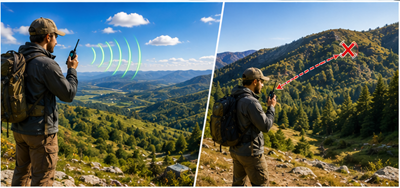 Elevation is one of the most effective ways to improve range. Using a radio from a higher position—such as a hill, rooftop, or elevated structure—can dramatically increase line-of-sight and extend communication distance. Even small increases in elevation can have noticeable effects.
Antenna positioning also matters. Keeping the radio upright and unobstructed helps maintain signal strength. Avoiding physical barriers such as walls, vehicles, and dense vegetation can reduce signal loss. In some cases, external or upgraded antennas (where permitted) can further improve performance.
Consistency is key. Identifying reliable communication points—locations where signals are known to be strong—allows for more predictable operation. Mapping these points in advance can significantly improve communication reliability during real-world use.
4.3 Channel Planning and Usage
 Handheld radios operate on shared channels, which means that multiple users may be transmitting on the same frequency. Without proper planning, this can lead to interference, confusion, and reduced effectiveness.
Channel planning involves assigning specific channels to specific purposes. For example, one channel may be designated for general communication, another for emergency use, and another for coordination between specific teams. This structure helps reduce congestion and ensures that critical messages are not lost.
Privacy codes (CTCSS or DCS) can be used to filter incoming transmissions, reducing background noise from other users. However, it is important to understand that these codes do not provide true privacy—they only limit what is heard on the receiving radio. Other users can still monitor the same channel.
Clear communication protocols should accompany channel planning. Everyone in the group should understand which channels to use, when to use them, and how to switch between them. This coordination improves efficiency and reduces confusion during critical situations.
4.4 Battery Management in the Field
Power management is a critical aspect of handheld radio use, especially in off-grid scenarios where recharging options may be limited. Most handheld radios rely on rechargeable battery packs, though some can also use standard batteries as a backup.
 Battery life varies depending on usage. Continuous transmission consumes significantly more power than listening. Managing transmission time—keeping messages brief and avoiding unnecessary chatter—can extend operational time.
Backup power options are essential. Carrying spare batteries, using solar chargers, or integrating radios into a broader off-grid power system can ensure continued operation. In long-term scenarios, having multiple charging methods increases resilience.
Monitoring battery levels and planning usage accordingly prevents unexpected failure. A radio that runs out of power at a critical moment can compromise communication and coordination. Proper management ensures that systems remain available when needed.
4.5 Group Communication Strategies
 Handheld radios are most effective when used as part of a coordinated group communication strategy. Without structure, multiple users can create confusion and overlap, reducing the effectiveness of the system.
Assigning roles helps maintain order. A designated communicator or coordinator can manage traffic, ensuring that messages are clear and prioritized. In larger groups, dividing users into smaller teams with assigned channels can reduce congestion.
Message discipline is essential. Keeping transmissions short, clear, and purposeful improves overall communication efficiency. Using simple, consistent language reduces misunderstandings and speeds up information exchange.
Establishing check-in procedures and regular communication intervals ensures that all members remain connected. This is especially important in dynamic environments where movement and changing conditions can disrupt communication.
4.6 Practical Deployment Scenarios
 Handheld radios are highly versatile and can be deployed in a variety of real-world scenarios. On a homestead, they can be used for coordination between different areas of the property, such as the house, garden, and livestock areas. This reduces the need for physical movement and improves efficiency.
In group settings, such as community preparedness or field operations, handheld radios enable coordination between team members. They are particularly useful in situations where visibility is limited or where quick communication is required.
During emergencies, handheld radios provide an immediate communication solution when other systems fail. Whether responding to a medical situation, managing a security concern, or coordinating evacuation, their simplicity and reliability make them invaluable.
Understanding how and where to deploy these radios allows for more effective use. Practicing in realistic scenarios builds familiarity and confidence, ensuring that the system performs under pressure.
4.7 Summary
Handheld radios are a practical and accessible foundation for off-grid communication. Their simplicity, portability, and ease of use make them an essential tool for local coordination and short-range communication.
While they have limitations in range and power, these can be mitigated through proper planning, positioning, and usage. Channel management, battery planning, and disciplined communication practices all contribute to system effectiveness.
When integrated into a broader communication strategy, handheld radios provide a reliable first layer of communication. They are often the most immediate and dependable option when other systems are unavailable, making them a critical component of any off-grid communication plan.
5. Amateur (Ham) Radio Systems
5.1 Licensing and Legal Considerations
 Amateur (ham) radio operates within a regulated framework in most countries. Licensing requirements vary by region, but they generally involve demonstrating a basic understanding of radio theory, operating practices, and regulations. While licensing may seem like a barrier, it provides access to a broader range of frequencies, higher power levels, and more advanced capabilities than unlicensed systems.
Operating within legal guidelines offers several advantages. Licensed operators gain access to established networks, repeaters, and community resources. These networks often become critical during emergencies, as experienced operators coordinate communication efforts and share information.
It is important to understand both the benefits and limitations of licensing. While it enables more advanced communication, it also imposes rules regarding frequency use, identification, and transmission content. In non-emergency situations, compliance is expected. In true emergency scenarios, regulations may allow greater flexibility, but this varies by jurisdiction.
5.2 Equipment Selection and Setup
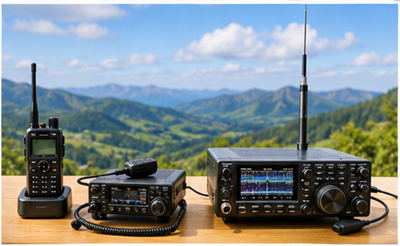 Ham radio equipment ranges from simple handheld units to complex base stations capable of global communication. Selecting the right equipment depends on communication goals, available power, and level of experience.
Entry-level setups often include a handheld VHF/UHF radio, which provides local communication and access to repeaters. Mobile radios, typically installed in vehicles, offer higher power output and improved range. Base stations provide the most capability, supporting multiple bands and advanced features for long-distance communication.
Proper setup is essential for performance. This includes selecting appropriate antennas, ensuring proper grounding, and minimizing interference. Even high-quality equipment will underperform if not installed correctly. A well-configured system balances capability with reliability and ease of use.
5.3 Repeaters and Network Extension
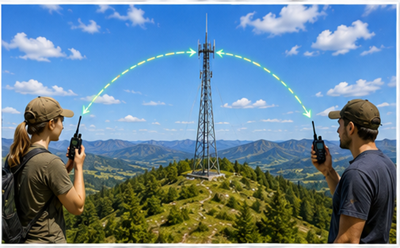 Repeaters are a key feature of amateur radio systems, allowing signals to be extended beyond normal line-of-sight limitations. A repeater receives a signal on one frequency and retransmits it on another, typically from an elevated location such as a hilltop or tower.
This capability can significantly increase communication range, especially in areas with challenging terrain. In rural environments, where direct line-of-sight may be limited, repeaters can bridge gaps and connect distant users.
However, repeaters are still part of infrastructure. They require power, maintenance, and operational management. In off-grid or long-term disruption scenarios, reliance on repeaters may be limited. For this reason, they should be viewed as a valuable tool, but not the sole method of communication.
5.4 HF Communication for Long Distance
 One of the most powerful aspects of amateur radio is the ability to communicate over long distances using HF (High Frequency) bands. Unlike VHF and UHF, HF signals can travel beyond the horizon by reflecting off the ionosphere.
This allows communication across regions, countries, and even continents without relying on external infrastructure. For off-grid scenarios, this capability is unmatched. It enables information exchange far beyond the local area, providing situational awareness and coordination on a much larger scale.
HF communication requires more skill and planning. Factors such as frequency selection, time of day, and atmospheric conditions all influence performance. Operators must learn to adapt to changing conditions, selecting the appropriate band and adjusting their setup accordingly.
5.5 Emergency Communication Nets
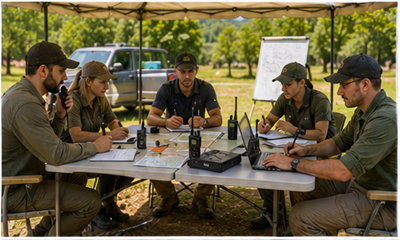 Amateur radio operators often participate in organized communication networks known as nets. These nets provide structured communication channels for sharing information, coordinating activities, and maintaining situational awareness.
During emergencies, these networks become especially valuable. Operators relay information about conditions, resource needs, and coordination efforts. Nets provide a framework for efficient communication, reducing confusion and ensuring that critical information is transmitted effectively.
Participating in nets builds experience and familiarity with structured communication. It also connects operators with a broader community, which can be an important resource during times of need. Even in non-emergency situations, regular participation strengthens communication skills and readiness.
5.6 Digital Modes in Ham Radio
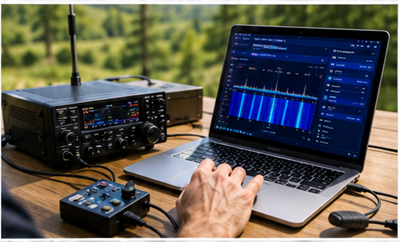 Modern amateur radio systems support a variety of digital communication modes, expanding capability beyond voice transmission. These modes allow for text messaging, data transfer, and even limited email functionality without internet access.
Digital modes are often more efficient than voice communication, allowing signals to be transmitted over longer distances with less power. They can also include error correction, improving reliability in weak signal conditions.
However, digital systems introduce additional complexity. They require compatible equipment, software, and configuration. Power consumption may also be higher, depending on the setup. As with other aspects of communication, a balance must be maintained between capability and simplicity.
5.7 Portable and Field Operations
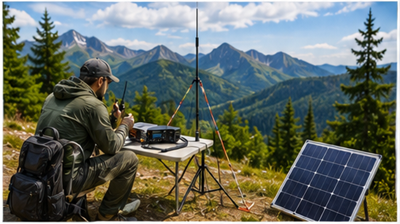 One of the strengths of amateur radio is its flexibility in field deployment. Portable setups allow operators to establish communication systems outside of fixed locations, making them ideal for off-grid and mobile scenarios.
Field operations often involve compact radios, portable antennas, and independent power sources such as batteries or solar systems. These setups can be deployed quickly and adapted to different environments. The ability to operate from remote locations adds significant resilience to communication capabilities.
Planning for portability includes selecting equipment that is durable, efficient, and easy to deploy. Practicing setup and operation in real-world conditions ensures that systems can be used effectively when needed. Mobility extends the reach of communication and allows systems to adapt to changing conditions.
5.8 Antenna Systems for Ham Radio
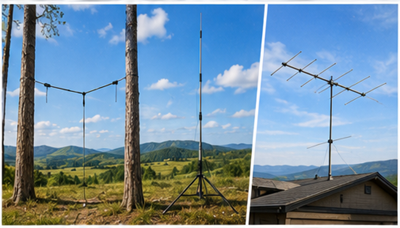 While antennas were introduced earlier, their importance in ham radio warrants additional emphasis. The antenna often determines the success or failure of a communication attempt, particularly in HF operation.
Different bands require different antenna designs. A properly tuned dipole, vertical antenna, or directional antenna can dramatically improve signal strength and clarity. Portable antenna solutions, such as wire antennas supported by trees or lightweight masts, allow for flexible deployment in the field.
Experimentation is often necessary. Adjusting antenna length, height, and orientation can yield significant improvements. Understanding how to adapt antenna systems to the environment is a key skill for effective ham radio operation.
5.9 Power Management for Ham Systems
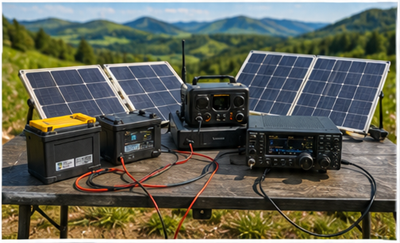 Ham radio systems, especially those operating on HF or higher power levels, require careful power management. Unlike small handheld radios, these systems can consume significant energy, making power planning essential in off-grid scenarios.
Efficient operation involves selecting appropriate power levels, minimizing unnecessary transmission, and using energy-efficient equipment. Integrating radios into a broader off-grid power system—such as solar with battery storage—provides sustained operation.
Backup power options are critical. Redundancy in power sources ensures that communication can continue even if one system fails. Managing energy effectively extends operational capability and supports long-term resilience.
5.10 Summary
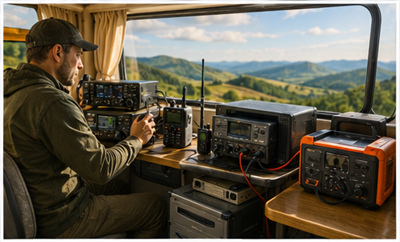 Amateur radio systems provide a significant step up in capability from basic handheld radios. They enable extended range, access to established networks, and the ability to communicate over long distances without relying on centralized infrastructure.
From repeaters and local networks to HF global communication and digital modes, ham radio offers a versatile and powerful communication platform. However, this capability comes with increased complexity, requiring knowledge, planning, and practice.
By combining proper equipment selection, antenna optimization, power management, and disciplined operation, amateur radio becomes a cornerstone of any advanced off-grid communication system. It bridges the gap between local coordination and long-range communication, making it an essential component of a resilient communication strategy.
6. High Frequency (HF) Communication
6.1 Ionospheric Propagation
 HF communication relies on a unique property of the Earth’s atmosphere: the ionosphere. This layer, located roughly 60 to 400 kilometers above the Earth’s surface, is ionized by solar radiation. Under the right conditions, it can reflect radio signals back toward the ground, allowing them to travel far beyond the horizon.
This process, often referred to as “skywave propagation,” enables communication over hundreds or even thousands of kilometers without any physical infrastructure. Unlike VHF and UHF systems, which are limited to line-of-sight, HF can connect distant regions using only a transmitter, antenna, and power source.
However, ionospheric propagation is not constant. It changes based on solar activity, time of day, season, and geographic location. These variations can enhance or degrade communication. Understanding how the ionosphere behaves allows operators to select appropriate frequencies and improve reliability.
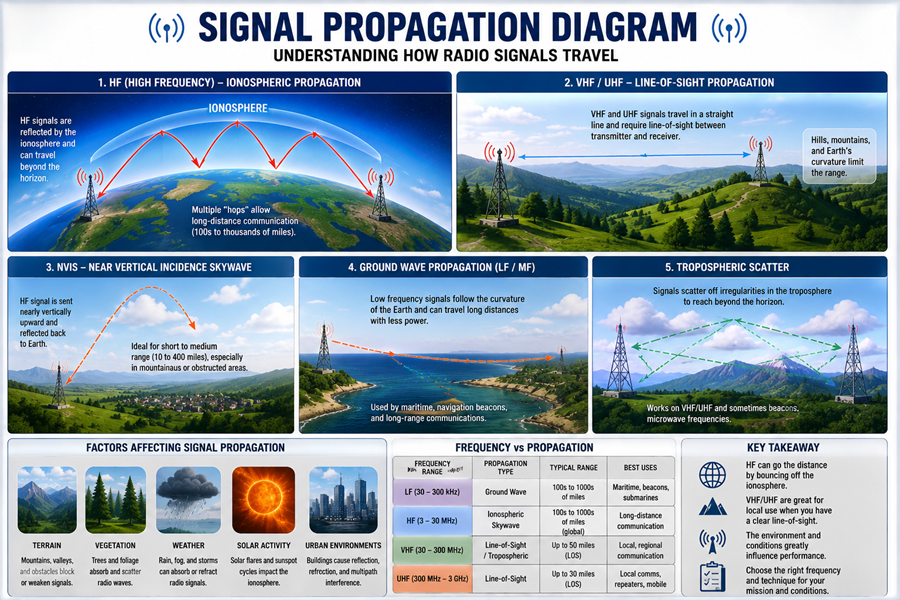
6.2 NVIS (Near Vertical Incidence Skywave)
 NVIS is a specialized HF communication technique designed for regional coverage. Instead of transmitting signals at low angles for long-distance communication, NVIS sends signals nearly straight up into the ionosphere. These signals are then reflected back down over a relatively short range, typically within a few hundred kilometers.
This method is particularly useful in environments where terrain limits line-of-sight communication. Mountains, forests, and valleys can block VHF and UHF signals, but NVIS can provide consistent coverage across these obstacles. It effectively fills the gap between local and long-distance communication.
NVIS requires specific antenna configurations, typically low-height horizontal antennas such as dipoles placed relatively close to the ground. Proper setup is critical to achieving the desired propagation pattern. When implemented correctly, NVIS provides reliable regional communication without reliance on repeaters or infrastructure.
6.3 Long-Range Communication Techniques
 For communication over greater distances, HF systems use low-angle radiation to send signals that travel long distances via the ionosphere. These signals may reflect multiple times between the ionosphere and the Earth’s surface, allowing them to reach far beyond the original transmission point.
Long-range communication requires careful selection of frequency. Lower frequencies tend to perform better at night, while higher frequencies are more effective during the day. Operators must adapt to changing conditions, selecting bands that match current propagation characteristics.
Techniques such as adjusting antenna orientation, selecting appropriate power levels, and timing transmissions can significantly improve long-range performance. Experience plays a major role in success, as operators learn to interpret conditions and adapt their approach accordingly.
6.4 Time-of-Day and Seasonal Effects
 HF propagation is highly influenced by time of day and seasonal changes. During the day, increased solar radiation enhances ionization in the ionosphere, allowing higher frequency bands to be used effectively. At night, ionization decreases, and lower frequencies become more reliable.
Seasonal variations also affect propagation. Longer daylight hours in summer can extend the usability of higher frequencies, while winter conditions may favor lower frequency bands. Solar cycles, which occur over approximately 11-year periods, can further influence overall propagation conditions.
Understanding these patterns allows operators to plan communication windows. Rather than attempting to transmit at any time, selecting optimal periods increases the likelihood of successful communication. This planning becomes especially important in critical situations where reliability is essential.
6.5 Antenna Design for HF
HF communication requires antennas that are generally larger than those used for higher frequency systems. The size of an antenna is directly related to the wavelength of the frequency being used, which means lower frequencies require longer antennas.
 Common HF antenna types include dipoles, vertical antennas, and end-fed wires. Each has advantages depending on the intended use. Dipoles are simple and effective for general use, while vertical antennas can provide lower-angle radiation for long-distance communication.
Antenna height and orientation play a significant role in performance. For NVIS, antennas are typically placed lower to promote high-angle radiation. For long-distance communication, higher placement can improve low-angle radiation. Adjusting these factors allows operators to tailor their system to specific communication goals.
6.6 Practical HF Deployment
Deploying an HF communication system in the field requires planning and adaptability. Unlike fixed installations, field setups must account for available space, terrain, and power constraints. Portable systems often use lightweight antennas, compact radios, and independent power sources.
 Site selection is critical. Open areas with minimal obstructions provide better performance, while proximity to structures or power lines can introduce interference. Even in constrained environments, creative use of available supports—such as trees or portable masts—can enable effective antenna deployment.
Ease of setup is also important. Systems should be designed for rapid deployment, allowing communication to be established quickly when needed. Practicing setup and operation under realistic conditions ensures that systems can be deployed efficiently in actual scenarios.
6.7 Signal Quality and Noise Management
 HF communication is often affected by noise, both natural and man-made. Atmospheric noise, electrical interference, and other signals can reduce clarity and make communication more difficult. Managing noise is essential for maintaining effective communication.
Techniques for improving signal quality include selecting less congested frequencies, using directional antennas, and optimizing antenna placement. Filtering and noise reduction features in modern radios can also improve clarity.
Operator skill plays a role as well. Learning to recognize and interpret weak signals, adjusting settings, and maintaining disciplined communication practices all contribute to better performance. In many cases, experience allows operators to communicate effectively even under challenging conditions.
6.8 Power Considerations for HF Systems
 HF systems typically require more power than handheld radios, particularly for long-distance communication. Managing this power requirement is a key consideration in off-grid scenarios.
Efficient operation involves balancing power output with communication needs. Lower power levels can often achieve reliable communication when combined with proper antenna design and favorable propagation conditions. This reduces strain on power systems and extends operational time.
Integrating HF systems into renewable power setups, such as solar with battery storage, provides sustained operation. Backup power sources add another layer of resilience. Careful planning ensures that communication remains available even during extended disruptions.
6.9 Limitations and Challenges of HF Communication
 While HF communication offers significant advantages, it also presents challenges. Equipment is generally more complex, requiring greater understanding and skill to operate effectively. Setup and tuning take time, and performance can vary based on conditions outside the operator’s control.
Propagation variability means that communication is not always predictable. What works at one time may not work at another, requiring flexibility and adaptation. This can be a barrier for those accustomed to more consistent systems.
Despite these challenges, the benefits of HF communication—particularly its independence from infrastructure—make it an essential component of advanced off-grid communication systems. With practice and experience, many of these challenges can be managed effectively.
6.10 Summary
HF communication represents one of the most powerful tools available for off-grid communication. By leveraging ionospheric propagation, it enables long-distance communication without reliance on centralized systems.
Techniques such as NVIS provide reliable regional coverage, while low-angle propagation supports global communication. Understanding the influence of time, season, and environmental factors allows operators to optimize performance.
 While HF systems require more knowledge and preparation, they offer unmatched capability in scenarios where other communication methods are limited. When integrated into a broader communication strategy, HF becomes a critical link between local coordination and long-range communication, ensuring connectivity even in the most challenging conditions.
7. Mesh Networking Systems
7.1 Principles of Mesh Networks
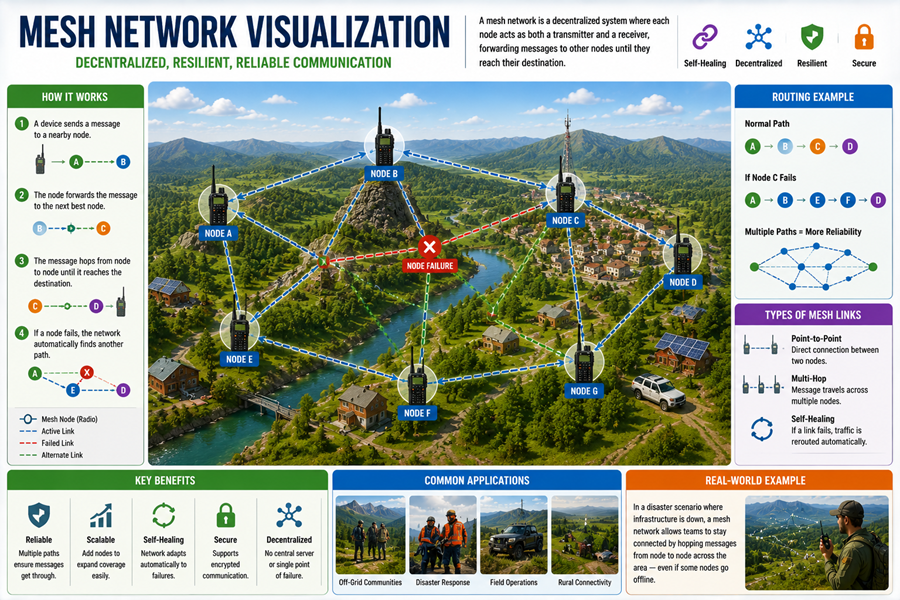
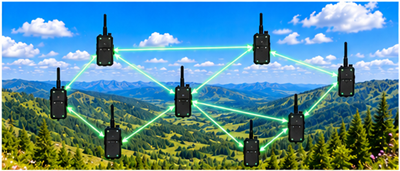 Mesh networking is a decentralized communication model where each device, or “node,” can both send and relay messages. Instead of relying on a central hub, data moves across the network by hopping from node to node until it reaches its destination. This structure removes single points of failure and allows the network to continue functioning even if individual nodes go offline.
In an off-grid context, mesh networks provide a way to maintain communication without relying on internet infrastructure or centralized systems. Each participant contributes to the strength of the network. As more nodes are added, coverage and resilience increase, creating a self-sustaining communication layer.
The core advantage of mesh systems is adaptability. They can be deployed incrementally, expanded over time, and adjusted to changing conditions. This makes them particularly well-suited for community-based communication where infrastructure may be limited or unreliable.
7.2 Hardware Options (GoTenna, Meshtastic)
Several hardware solutions are available for off-grid mesh networking, each with different capabilities and trade-offs. Devices such as GoTenna and Meshtastic nodes are designed to create peer-to-peer communication networks using low-power radio frequencies.
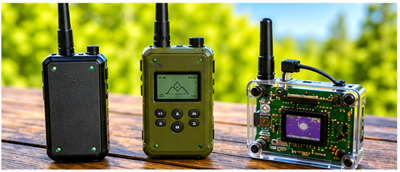 GoTenna devices are typically paired with smartphones and provide simple text-based communication over short to medium distances. They are user-friendly and require minimal setup, making them accessible for beginners or casual use.
Meshtastic systems use LoRa (Long Range) radio technology, which allows for greater range and lower power consumption. These systems can operate over several kilometers, depending on terrain and node placement. They also support features such as GPS location sharing and message relaying, making them more versatile for advanced users.
Choosing the right hardware depends on communication needs, technical comfort level, and desired range. In many cases, combining different systems can provide both ease of use and extended capability.
7.3 Network Topology and Scaling
The structure of a mesh network, known as its topology, determines how effectively it can handle communication. In a simple setup, a small number of nodes may provide limited coverage. As more nodes are added, the network becomes more robust and capable of handling greater distances and more traffic.
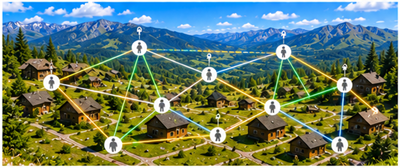 Scaling a mesh network involves strategic placement of nodes to maximize coverage and connectivity. Nodes should be positioned where they can reliably communicate with multiple other nodes, creating overlapping coverage areas. This redundancy ensures that messages can still be delivered even if one path becomes unavailable.
As networks grow, management becomes more important. Organizing nodes, assigning roles, and monitoring performance helps maintain efficiency. A well-designed network balances simplicity with scalability, allowing it to expand without becoming overly complex.
7.4 Range and Node Placement
 The effectiveness of a mesh network depends heavily on node placement. Unlike traditional point-to-point communication, mesh networks rely on multiple connections between nodes. Proper placement ensures that signals can move efficiently across the network.
Elevation is a key factor. Placing nodes at higher locations—such as rooftops, towers, or elevated terrain—can significantly improve range and connectivity. Clear line-of-sight between nodes enhances signal strength and reduces the likelihood of dropped connections.
Spacing is also important. Nodes should be close enough to maintain reliable communication but far enough apart to extend coverage. In practice, this requires testing and adjustment based on the environment. Mapping node locations and identifying coverage gaps helps optimize the network.
7.5 Power and Sustainability
Mesh network devices are often designed for low power consumption, making them well-suited for off-grid use. Many systems can operate for extended periods on battery power, and some can be integrated with solar charging systems for continuous operation.
 Power planning is essential for long-term reliability. Nodes that serve as key relays in the network should have stable and redundant power sources. If a critical node loses power, it can disrupt communication across the network.
Sustainability involves not only maintaining power but also ensuring that the network can continue operating over time. This includes monitoring battery levels, maintaining equipment, and planning for replacement or repair. A sustainable mesh network is one that can function independently for extended periods without external support.
7.6 Real-World Use Cases
Mesh networks have a wide range of practical applications in off-grid and emergency scenarios. In a rural community, they can provide local communication between households, enabling coordination without relying on external systems.
 During emergencies, mesh networks can be deployed quickly to establish communication where infrastructure has been damaged or is unavailable. They can support coordination of resources, sharing of information, and situational awareness.
Mesh systems are also useful for monitoring and data collection. Sensors and devices can be integrated into the network to provide information about environmental conditions, movement, or system status. This adds another layer of capability beyond basic communication.
7.7 Limitations and Challenges
 While mesh networks offer significant advantages, they also have limitations. Range is dependent on node density and placement, meaning that sparse networks may have limited coverage. In areas with few participants, the network may not be able to extend far beyond individual nodes.
Bandwidth is another consideration. Mesh networks, particularly those using low-power technologies like LoRa, are typically designed for low-data communication such as text messages. They are not suitable for high-bandwidth applications like voice or video.
Complexity can also increase as networks grow. Managing nodes, ensuring compatibility, and maintaining performance require some level of technical understanding. Without proper planning, networks can become inefficient or unreliable.
7.8 Integration with Other Communication Systems
Mesh networks are most effective when integrated into a broader communication strategy. They can complement other systems such as handheld radios, ham radio, and HF communication by providing a local, decentralized layer.
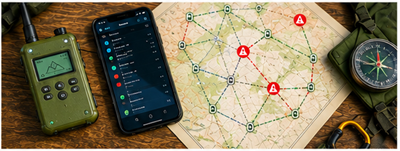 For example, a mesh network can handle local messaging within a community, while ham radio provides regional or long-distance communication. This layered approach ensures that communication can continue across different ranges and scenarios.
Integration also allows for redundancy. If one system fails, others can take over. Combining multiple technologies creates a more resilient overall communication system, capable of adapting to changing conditions.
7.9 Security and Privacy Considerations
Mesh networks, like other communication systems, must consider security and privacy. While some systems offer encryption, others may transmit data in a more open format. Understanding how information is handled is important for protecting sensitive communication.
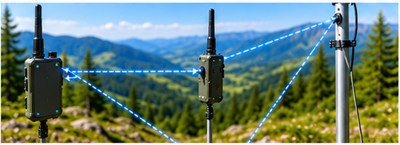 Limiting the transmission of sensitive information, using available security features, and maintaining awareness of who has access to the network all contribute to improved security. As with other systems, operational discipline is as important as technical capability.
Balancing security with usability is key. Overly complex security measures can make systems difficult to use, while insufficient protection can expose information. Finding the right balance ensures both functionality and protection.
7.10 Summary
Mesh networking systems provide a modern, decentralized approach to off-grid communication. By allowing devices to relay messages across a network, they create a resilient communication layer that does not depend on centralized infrastructure.
 Their flexibility, scalability, and low power requirements make them well-suited for community-based communication and emergency scenarios. While they have limitations in range and bandwidth, these can be mitigated through proper design and integration with other systems.
When combined with traditional radio systems, mesh networks enhance overall communication capability, providing both local connectivity and redundancy. As part of a layered communication strategy, they play a critical role in building a resilient and adaptable off-grid communication system.
8. Signal Range & Terrain Optimization
8.1 Elevation and Line-of-Sight
 Elevation is one of the most powerful factors in determining communication range. In line-of-sight systems such as VHF and UHF, signals travel in straight lines and are limited by the curvature of the Earth and physical obstructions. Increasing elevation extends the visible horizon, allowing signals to travel further before being blocked.
Even modest increases in height can produce significant improvements. Raising an antenna a few meters above ground level can clear nearby obstacles and improve signal quality. In more advanced setups, placing antennas on towers, rooftops, or elevated terrain can dramatically extend coverage.
In practical terms, identifying high points in your environment is essential. These locations can serve as communication hubs or relay points. Planning communication routes based on elevation ensures more reliable and predictable performance, especially in rural or uneven terrain.
8.2 Forest, Urban, and Mountain Effects
Different environments affect signal propagation in different ways. Understanding these effects allows for better system design and more realistic expectations of performance.
 Forests can absorb and scatter radio signals, particularly at higher frequencies. Dense vegetation introduces signal loss, reducing range and clarity. While communication is still possible, range may be significantly reduced compared to open terrain.
Urban environments introduce reflection and interference. Buildings can block signals, but they can also reflect them, creating multiple paths for the signal to travel. This can lead to distortion or fading, where the signal strength fluctuates unpredictably.
Mountainous terrain presents some of the most significant challenges. Hills and ridges can completely block line-of-sight signals, creating communication dead zones. However, these same features can be used strategically. Placing antennas on ridgelines or high points can provide coverage over large areas.
8.3 Signal Reflection and Refraction
 Radio signals do not always travel in straight lines. Under certain conditions, they can reflect off surfaces or bend as they pass through different layers of the atmosphere. These behaviors can both help and hinder communication.
Reflection occurs when signals bounce off surfaces such as buildings, terrain, or even the ground. In some cases, this can extend communication into areas that would otherwise be blocked. However, multiple reflections can also cause interference, leading to distorted or weakened signals.
Refraction occurs when signals bend as they pass through layers of the atmosphere with different densities. This can extend the effective range of communication slightly beyond the normal line-of-sight limit. Atmospheric conditions such as temperature inversions can enhance this effect.
Understanding these phenomena allows operators to take advantage of favorable conditions and anticipate potential issues. While they are not always predictable, they can influence communication in meaningful ways.
8.4 Strategic Antenna Placement
Antenna placement is one of the most important factors in optimizing signal range. The same equipment can perform very differently depending on where and how the antenna is positioned.
 Height is a primary consideration. Raising the antenna reduces obstructions and improves line-of-sight. However, placement must also consider stability and accessibility. An antenna that is difficult to maintain or adjust may introduce long-term challenges.
Orientation is also important. Directional antennas must be aimed toward the intended communication area, while omni-directional antennas provide coverage in all directions but with less focus. Selecting the appropriate type and positioning it correctly ensures that energy is directed where it is needed.
Environmental factors such as nearby structures, trees, and terrain should be considered. Avoiding interference and obstructions improves performance. In many cases, small adjustments in placement can yield significant improvements in signal quality.
8.5 Mobile vs Fixed Positioning
Communication systems can be either mobile or fixed, each with its own advantages and limitations. Fixed systems, such as base stations, provide stable and consistent performance. They can be optimized for maximum range and reliability, making them ideal for central communication hubs.
 Mobile systems, such as handheld or vehicle-mounted radios, offer flexibility. They allow communication while moving and can adapt to changing conditions. However, they are often limited in range and may be affected by the surrounding environment.
Balancing mobile and fixed systems creates a more versatile communication network. Fixed stations provide strong, reliable coverage, while mobile units extend reach and adaptability. Understanding the strengths of each allows for more effective deployment.
8.6 Mapping and Planning Tools
Effective communication planning often involves mapping the environment and identifying key features that influence signal propagation. Tools such as topographic maps, satellite imagery, and digital mapping software can provide valuable insights.
 Mapping allows you to identify high points, obstacles, and potential communication paths. It also helps in planning node placement for mesh networks, positioning repeaters, and selecting antenna locations. Visualizing the terrain makes it easier to anticipate challenges and design effective solutions.
In more advanced setups, software tools can simulate signal propagation, providing estimates of coverage and identifying potential dead zones. While not always exact, these tools offer a useful starting point for planning and optimization.
8.7 Identifying and Managing Dead Zones
 Dead zones are areas where communication signals are weak or nonexistent. These zones can be caused by terrain, obstacles, or environmental conditions. Identifying and addressing dead zones is critical for maintaining reliable communication.
Mapping and testing are the primary methods for identifying dead zones. By systematically checking signal strength across an area, it is possible to locate gaps in coverage. Once identified, these gaps can be addressed through strategic placement of additional nodes, repeaters, or alternative communication methods.
Managing dead zones often involves a combination of approaches. Raising antennas, adjusting positions, or adding relay points can improve coverage. In some cases, alternative technologies such as HF or mesh networks may be used to bypass problematic areas.
8.8 Environmental Adaptation and Flexibility
 No communication system remains static. Environmental conditions change, and systems must adapt accordingly. Weather, seasonal changes, and human activity can all influence signal performance.
Adaptation involves monitoring conditions and adjusting systems as needed. This may include changing frequencies, repositioning antennas, or modifying communication schedules. Flexibility ensures that systems remain functional even as conditions evolve.
Building adaptability into system design increases resilience. Rather than relying on a single configuration, having multiple options allows for quick adjustment. This reduces the impact of unexpected changes and maintains communication capability.
8.9 Practical Testing and Field Validation
Theory and planning are important, but real-world testing is essential. Field validation ensures that systems perform as expected under actual conditions. Testing reveals issues that may not be apparent in planning or simulation.
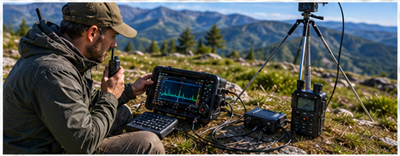 Regular testing helps refine system design. It allows operators to identify strengths and weaknesses, adjust configurations, and improve overall performance. Testing also builds familiarity and confidence, ensuring that systems can be used effectively when needed.
Incorporating testing into routine practice ensures that communication systems remain reliable. It transforms theoretical knowledge into practical capability, which is critical in real-world scenarios.
8.10 Summary
Signal range and terrain optimization are central to effective off-grid communication. Elevation, environment, and antenna placement all play critical roles in determining performance. Understanding how signals interact with terrain allows for more effective system design and deployment.
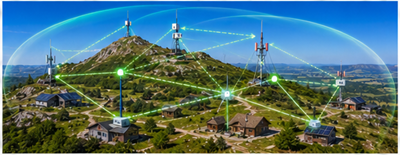 By combining mapping, testing, and adaptation, communication systems can be optimized for reliability and coverage. Addressing challenges such as dead zones and environmental changes ensures that communication remains consistent under a wide range of conditions.
When integrated with the technologies covered in previous sections, terrain optimization completes the foundation of a resilient communication system. It ensures that the tools and strategies in place can perform effectively in the environments where they are needed most.
9. Antenna Systems & Design
9.1 Types of Antennas (Dipole, Yagi, Vertical)
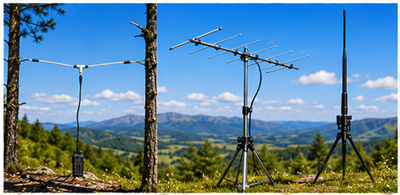 Antennas are the most critical component of any radio system. While radios generate and process signals, the antenna determines how effectively those signals are transmitted and received. Choosing the right antenna type is essential for achieving reliable communication.
Dipole antennas are among the simplest and most widely used. They consist of two conductive elements and are typically mounted horizontally. Dipoles provide balanced performance and are well-suited for general-purpose communication, particularly in HF applications.
Yagi antennas are directional, focusing energy in a specific direction. This increases signal strength and range in that direction while reducing interference from others. Yagis are commonly used for VHF and UHF communication where targeted coverage is needed.
Vertical antennas radiate signals in all directions, making them ideal for omni-directional coverage. They are often used when communication is needed in multiple directions without repositioning the antenna. Each type serves a different purpose, and selecting the appropriate design depends on communication goals.
9.2 Portable vs Permanent Antennas
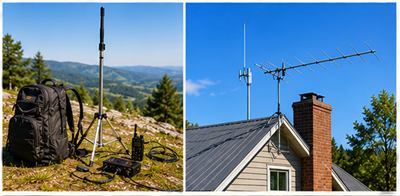 Antenna systems can be designed for either portability or permanence, each with distinct advantages. Portable antennas are lightweight, compact, and easy to deploy in the field. They are ideal for mobile operations, temporary setups, and emergency scenarios.
Permanent antennas are designed for long-term installation. They can be optimized for maximum performance, using durable materials and stable mounting structures. Permanent systems often provide better reliability and range due to their optimized placement and configuration.
Balancing portability and performance is key. In many cases, having both options available provides flexibility. A permanent system can serve as a primary communication hub, while portable antennas allow for mobility and adaptability in changing conditions.
9.3 Improvised Antennas
 In off-grid scenarios, access to specialized equipment may be limited. Improvised antennas provide a practical solution, allowing communication systems to function using available materials. Simple wire antennas, for example, can be constructed quickly and effectively.
Improvised antennas may not match the performance of purpose-built designs, but they can still provide reliable communication when properly configured. Understanding basic principles such as antenna length, orientation, and connection points allows for effective improvisation.
The ability to build and deploy antennas from available materials is a valuable skill. It reduces dependence on pre-made equipment and increases resilience. Practicing these techniques ensures that communication can be maintained even under constrained conditions.
9.4 Tuning and SWR Optimization
Tuning an antenna ensures that it operates efficiently at the desired frequency. This process involves adjusting the antenna to minimize reflected power and maximize transmission efficiency. The key metric used in tuning is the Standing Wave Ratio (SWR).
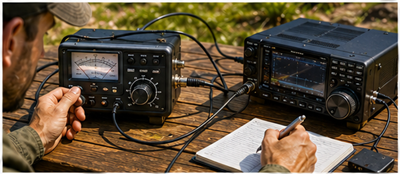 A low SWR indicates that most of the transmitted power is being radiated by the antenna. A high SWR means that energy is being reflected back into the system, reducing efficiency and potentially damaging the radio. Proper tuning improves both range and clarity.
Tuning can be performed using specialized equipment such as an SWR meter or antenna analyzer. Adjustments may include changing antenna length, repositioning elements, or modifying the feed line. Even small changes can have a significant impact on performance.
9.5 Directional vs Omni Antennas
The choice between directional and omni-directional antennas affects how signals are distributed. Omni-directional antennas radiate energy evenly in all directions, providing broad coverage. This makes them ideal for general communication where the direction of the receiver may vary.
 Directional antennas focus energy in a specific direction, increasing signal strength and range in that area. This is particularly useful for point-to-point communication or when trying to reach distant stations. Directional antennas also reduce interference from unwanted sources.
Selecting the right type depends on the communication scenario. Omni antennas provide flexibility, while directional antennas offer enhanced performance for targeted communication. In many systems, a combination of both types provides the best overall capability.
9.6 Field Deployment Techniques
 Deploying antennas in the field requires adaptability and practical knowledge. Unlike fixed installations, field setups must account for available resources, terrain, and time constraints. Efficient deployment ensures that communication can be established quickly.
Using natural supports such as trees can simplify setup. Portable masts or poles can also be used to raise antennas to the desired height. Securing the antenna properly ensures stability and consistent performance.
Cable management is another important consideration. Keeping feed lines organized and protected reduces signal loss and prevents damage. Planning the layout of the system before deployment improves efficiency and reduces setup time.
9.7 Height, Grounding, and Safety Considerations
Antenna height plays a major role in performance, particularly for line-of-sight communication. Raising the antenna improves range and reduces obstructions. However, increased height also introduces safety considerations.
 Proper grounding is essential, especially for permanent installations. Grounding protects equipment from electrical surges, reduces noise, and improves overall system stability. In environments prone to lightning, grounding becomes even more critical.
Safety must always be prioritized. Antennas should be placed away from power lines and secured to prevent collapse. Understanding and mitigating risks ensures that systems can be operated safely over the long term.
9.8 Feed Lines and Signal Loss
The connection between the radio and the antenna, known as the feed line, plays a significant role in overall system performance. Poor-quality or improperly installed feed lines can introduce signal loss, reducing efficiency.
 Different types of feed lines, such as coaxial cable or ladder line, have different characteristics. Selecting the appropriate type for the frequency and application improves performance. Minimizing cable length and avoiding sharp bends reduces signal degradation.
Regular inspection and maintenance of feed lines ensure continued performance. Damage, wear, or poor connections can significantly impact signal quality. Attention to these details supports reliable communication.
9.9 Matching Antennas to Communication Goals
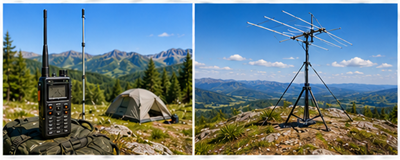 Every antenna system should be designed with a specific purpose in mind. Matching the antenna to the communication goal ensures that the system performs effectively. This involves considering frequency, range, direction, and environment.
For local communication, an omni-directional antenna may provide the best coverage. For long-distance communication, a directional antenna or a properly configured HF antenna may be more appropriate. Understanding these relationships allows for more effective system design.
Flexibility is also important. Having multiple antenna options or the ability to reconfigure a system allows for adaptation to changing conditions. This ensures that communication remains effective across different scenarios.
9.10 Summary
Antenna systems are the foundation of effective radio communication. Their design, placement, and tuning have a greater impact on performance than many other components. Understanding different antenna types and how they interact with the environment allows for more effective communication.
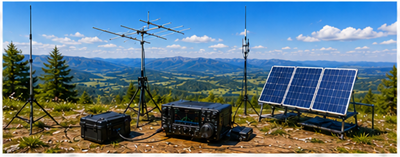 From portable and improvised setups to permanent installations, antennas must be tailored to the specific needs of the system. Proper tuning, grounding, and maintenance ensure reliability and efficiency.
By mastering antenna systems, operators can significantly improve range, clarity, and overall performance. This knowledge transforms basic communication setups into highly effective systems capable of operating under a wide range of conditions.
10. Powering Communication Systems
10.1 Battery Types and Selection
 Batteries are the backbone of any off-grid communication system. Choosing the right battery type directly impacts runtime, reliability, and long-term sustainability. Common battery types include lead-acid (AGM and gel), lithium-ion (Li-ion), and lithium iron phosphate (LiFePO4).
Lead-acid batteries are widely available and relatively inexpensive. They are durable and proven but are heavy and less efficient. They also require more maintenance and have a shorter usable lifespan compared to newer technologies.
Lithium-based batteries, particularly LiFePO4, offer significant advantages. They are lighter, more efficient, and can be discharged deeper without damage. They also have a longer lifespan and more stable performance. However, they are more expensive and may require compatible charging systems.
Selecting the right battery involves balancing cost, weight, capacity, and expected usage. In off-grid systems, reliability and longevity are often more important than initial cost.
10.2 Solar Charging Systems
Solar power is one of the most practical and sustainable ways to maintain communication systems in off-grid environments. Solar panels convert sunlight into electrical energy, which can be used directly or stored in batteries for later use.
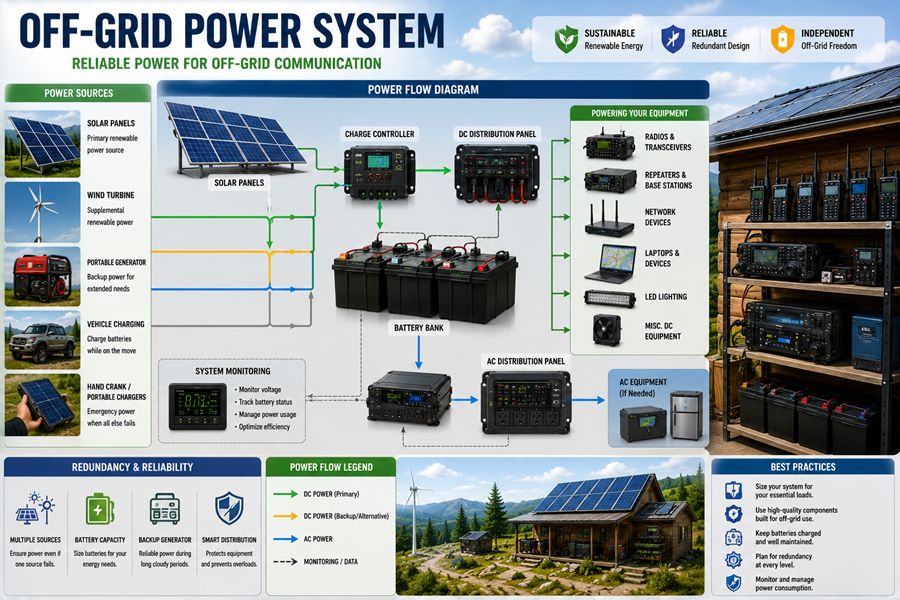
 A basic solar system includes panels, a charge controller, and a battery bank. The charge controller regulates the flow of energy, preventing overcharging and protecting the battery. Proper sizing of the system ensures that enough energy is generated to meet communication needs.
Solar systems are highly scalable. Small setups can support handheld radios and low-power devices, while larger systems can sustain base stations and more complex equipment. Understanding energy consumption and matching it with solar output is key to maintaining reliable operation.
10.3 Wind and Micro-Hydro Integration
While solar power is common, other renewable energy sources can enhance system reliability. Wind and micro-hydro systems provide alternative ways to generate power, particularly in environments where solar conditions are inconsistent.
 Wind turbines can generate power in areas with consistent wind. They are especially useful during periods when sunlight is limited, such as at night or during overcast conditions. However, wind systems require proper placement and may be affected by terrain and local wind patterns.
Micro-hydro systems use flowing water to generate power. In locations with reliable water sources, they can provide continuous energy, often with greater consistency than solar or wind. These systems require more infrastructure but can be highly effective in the right environment.
Integrating multiple energy sources creates a more resilient power system. When one source is unavailable, others can compensate, ensuring continuous operation.
10.4 Power Consumption Optimization
 Managing power consumption is as important as generating power. Communication systems must be designed to use energy efficiently, especially in long-term off-grid scenarios where resources are limited.
Reducing transmission power to the minimum required for reliable communication conserves energy. Short, efficient transmissions use less power than prolonged communication. Selecting energy-efficient equipment also contributes to overall system performance.
Monitoring usage helps identify areas where power can be conserved. Understanding how much energy each component consumes allows for better planning and adjustment. Efficiency extends operational time and reduces strain on power systems.
10.5 Redundancy in Power Systems
Redundancy is a critical principle in powering communication systems. Relying on a single power source introduces a point of failure that can compromise the entire system. Multiple power sources ensure that communication can continue even if one fails.
 Redundancy can be achieved through multiple batteries, alternative charging methods, or backup generators. For example, a system may use solar as the primary source, with battery storage and a generator as backup.
Planning for redundancy involves identifying critical components and ensuring that they have alternative power options. This layered approach increases resilience and reduces the risk of total system failure.
10.6 Portable Power Solutions
Portable power solutions provide flexibility and mobility for communication systems. These include battery packs, portable solar panels, and compact power stations. They are essential for field operations, emergency response, and situations where fixed systems are not available.
 Portable systems must balance capacity with weight and ease of transport. Lightweight solutions are easier to deploy but may have limited runtime. Larger systems provide more power but require more effort to move and set up.
Designing portable power kits involves selecting components that are compatible, durable, and easy to use. Pre-configured kits can be deployed quickly, ensuring that communication systems are operational when needed.
10.7 Power Distribution and System Integration
Powering communication systems involves more than just generation and storage. Distributing power efficiently to different components ensures that all parts of the system function properly.
 This includes managing voltage levels, protecting circuits, and ensuring compatibility between devices. Using proper connectors, fuses, and regulators prevents damage and improves reliability.
Integrating communication systems into a broader off-grid power setup allows for shared resources. For example, a central battery bank may support multiple systems, including communication, lighting, and other essential functions. Proper integration maximizes efficiency and simplifies management.
10.8 Maintenance and System Longevity
Power systems require regular maintenance to ensure long-term reliability. Batteries must be monitored for performance, connections should be checked for wear, and components should be inspected for damage.
 Environmental factors such as temperature and humidity can affect performance. Protecting equipment from extreme conditions extends lifespan and improves reliability. Proper storage and handling are also important, particularly for portable systems.
Routine maintenance reduces the risk of unexpected failure. By addressing issues early, systems can remain operational over extended periods, supporting long-term communication needs.
10.9 Energy Planning for Extended Operations
Long-term off-grid communication requires careful energy planning. This involves estimating power needs, selecting appropriate systems, and planning for sustained operation over time.
 Energy planning includes calculating daily consumption, determining available generation, and ensuring that storage capacity is sufficient. This process helps identify potential shortfalls and allows for adjustments before they become critical.
Planning for extended operations also involves prioritization. Critical communication functions should be prioritized over less essential uses. This ensures that key capabilities remain available even under constrained conditions.
10.10 Summary
 Powering communication systems is a foundational aspect of off-grid capability. Without reliable power, even the most advanced communication systems cannot function. Batteries, renewable energy sources, and efficient design all contribute to sustained operation.
Balancing generation, storage, and consumption ensures that systems remain operational over time. Redundancy and maintenance further enhance reliability, reducing the risk of failure.
By integrating power systems with communication infrastructure, it is possible to create a resilient, self-sustaining network. This ensures that communication remains available when it is needed most, regardless of external conditions.
11. Digital Communication Off-Grid
11.1 Packet Radio Basics
 Packet radio is one of the foundational technologies for digital communication without the internet. It allows data—rather than voice—to be transmitted over radio frequencies in small units called “packets.” Each packet contains a portion of the message along with addressing and error-checking information.
This approach makes communication more efficient and reliable, especially in environments with weak or unstable signals. If part of a message is lost, only that portion needs to be retransmitted, rather than the entire transmission. This improves overall reliability and reduces power consumption.
Packet radio systems typically use modems or terminal node controllers (TNCs) to encode and decode data. While the technology has been around for decades, it remains highly relevant due to its simplicity and independence from centralized infrastructure. It provides a reliable method for sending text-based information across radio networks.
11.2 APRS (Automatic Packet Reporting System)
APRS is a specialized form of packet radio that focuses on real-time data sharing. It is commonly used to transmit location information, status updates, and short messages. APRS systems can automatically broadcast data at regular intervals, providing continuous situational awareness.
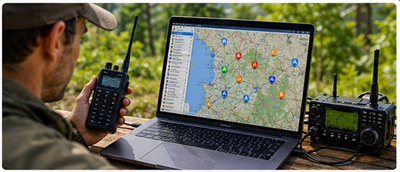 One of the key advantages of APRS is its ability to create a dynamic picture of activity across a network. Users can see the location of other stations, track movement, and monitor conditions. This is particularly useful for coordination during emergencies or field operations.
APRS can operate independently of the internet, though it is often integrated with online systems when available. In off-grid scenarios, it functions as a localized information network, allowing users to share critical data without relying on external services.
11.3 Offline Messaging Systems
Offline messaging systems provide a way to exchange information without real-time communication. Messages can be stored, forwarded, and retrieved as network conditions allow. This is particularly useful in environments where continuous connectivity is not possible.
 These systems often use a “store-and-forward” model, where messages are passed between nodes until they reach their destination. Mesh networks and packet radio systems commonly use this approach. It allows communication to occur even when nodes are not simultaneously connected.
Offline messaging supports coordination over time rather than requiring immediate response. This makes it well-suited for distributed networks where users may be mobile or operating under varying conditions. It adds flexibility and resilience to communication systems.
11.4 Data Compression Techniques
Efficient use of bandwidth is critical in off-grid digital communication. Data compression reduces the size of messages, allowing more information to be transmitted using less time and power. This is especially important in low-bandwidth environments such as HF or mesh networks.
 Compression techniques can range from simple text encoding to more advanced algorithms that reduce redundancy in data. Even basic compression can significantly improve transmission efficiency, particularly when sending larger messages or files.
Balancing compression with processing requirements is important. More advanced compression methods may require additional computing power, which can increase energy consumption. Selecting appropriate techniques ensures that efficiency gains do not come at the cost of system performance.
11.5 File Transfer Without Internet
Beyond simple messaging, digital communication systems can support file transfer without relying on the internet. This includes documents, maps, images, and other critical information. In off-grid scenarios, the ability to share files can greatly enhance capability.
 File transfer typically occurs through radio-based protocols or mesh networks. Depending on the system, transfers may be slow, particularly over long distances or low-bandwidth connections. Planning and prioritization are important to ensure that essential information is transmitted first.
Maintaining a structured library of information, such as manuals or guides, allows for efficient sharing. Systems like Prepper Offline fit naturally into this model, providing a centralized source of knowledge that can be distributed across the network as needed.
11.6 Practical Digital Workflows
 Effective use of digital communication systems requires structured workflows. This includes how messages are created, transmitted, received, and stored. Without organization, digital communication can become inefficient and difficult to manage.
Workflows should define how information is formatted, prioritized, and routed. Standardizing message formats improves clarity and reduces errors. Establishing procedures for handling incoming and outgoing data ensures that information flows smoothly.
Integration with other systems enhances capability. For example, combining digital messaging with radio communication allows for both real-time coordination and asynchronous information sharing. Developing and practicing workflows ensures that systems operate effectively under real-world conditions.
11.7 Device Integration and Interfaces
Digital communication often involves integrating multiple devices, such as radios, computers, and smartphones. These devices must work together to encode, transmit, and display information.
 Interfaces such as audio connections, USB links, or wireless connections enable this integration. Software applications provide the tools needed to manage communication, encode data, and interpret incoming messages. Compatibility between devices is essential for reliable operation.
Simplifying integration improves usability. Systems that are easy to set up and operate are more likely to be used effectively. Pre-configured setups and standardized equipment reduce complexity and increase reliability.
11.8 Reliability and Error Handling
Digital communication systems include mechanisms to detect and correct errors. This improves reliability, particularly in environments with weak or noisy signals. Error detection ensures that corrupted data is identified, while error correction allows for recovery without retransmission in some cases.
 Retransmission protocols provide an additional layer of reliability. If a message is not received correctly, it can be resent. This ensures that critical information is delivered even under challenging conditions.
Balancing reliability with efficiency is important. Excessive error correction or retransmission can increase power consumption and reduce throughput. Proper configuration ensures that systems remain both reliable and efficient.
11.9 Limitations and Trade-offs
While digital communication offers significant advantages, it also introduces trade-offs. Systems can be more complex, requiring additional equipment and configuration. This increases the potential for failure if not properly managed.
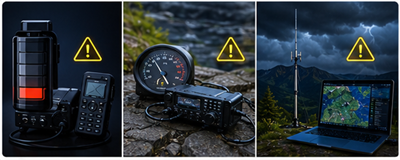 Bandwidth limitations are a key constraint. Many off-grid systems are designed for low-data communication, meaning that large files or high-speed transfers may not be practical. Prioritizing essential information ensures that resources are used effectively.
Power consumption is another consideration. Digital systems may require more energy than simple analog communication. Managing this demand is essential for long-term operation. Understanding these trade-offs allows for better system design and more realistic expectations.
11.10 Summary
Digital communication expands the capabilities of off-grid systems beyond voice transmission. Technologies such as packet radio, APRS, and mesh networking enable the exchange of data, messages, and files without relying on the internet.
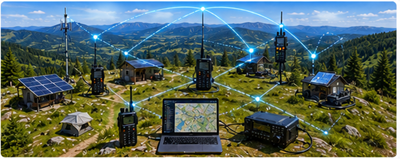 These systems provide flexibility through store-and-forward messaging, improved efficiency through compression, and enhanced functionality through device integration. When combined with structured workflows and reliable error handling, they form a powerful communication layer.
While digital systems introduce complexity and require careful management, their benefits in coordination, information sharing, and situational awareness are significant. Integrated into a broader communication strategy, they transform off-grid communication into a comprehensive information network.
12. Encryption & Secure Communication
12.1 Basics of Encryption
 Encryption is the process of converting information into a form that cannot be easily understood by unauthorized parties. In communication systems, encryption protects the content of messages as they are transmitted or stored. Even if a transmission is intercepted, encryption ensures that the information remains unreadable without the proper key.
At a basic level, encryption involves two components: the algorithm used to transform the data and the key used to control that transformation. The strength of encryption depends on both the method and how securely the key is managed. Strong encryption can provide a high level of protection, but only if it is implemented correctly.
In off-grid communication, encryption must be balanced with practicality. Systems should be secure enough to protect sensitive information while remaining usable under real-world conditions. Overly complex systems can reduce effectiveness if users are unable to operate them reliably.
12.2 Analog vs Digital Security
Security considerations differ significantly between analog and digital communication systems. Analog systems, such as traditional voice radio, are inherently open. Anyone with the appropriate equipment can listen to transmissions, making them vulnerable to interception.
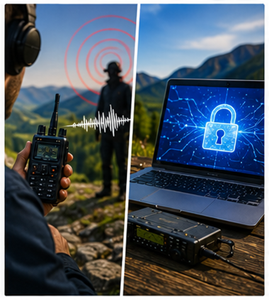 Digital systems offer more options for securing communication. Encryption can be applied to digital messages, protecting their content from unauthorized access. Additional features such as authentication and error checking further enhance security.
However, digital security comes with trade-offs. It requires compatible equipment, proper configuration, and disciplined use. In some cases, digital systems may be more susceptible to technical issues or power constraints. Understanding these differences allows for informed decisions about when and how to use each type of system.
12.3 Message Obfuscation Techniques
In situations where formal encryption is not available or practical, basic message obfuscation can reduce the risk of sensitive information being easily understood. Obfuscation involves altering the way information is presented without fully encrypting it.
 This can include using general terms instead of specific details, avoiding direct references to locations or resources, and structuring messages in a way that limits clarity to unintended listeners. The goal is not to create perfect secrecy, but to reduce the value of intercepted information.
Consistency is important. All participants must understand the approach being used to ensure that messages remain clear to intended recipients. While obfuscation is not a substitute for encryption, it provides an additional layer of protection in open communication environments.
12.4 Key Management
Effective encryption depends on secure key management. Keys are the foundation of encrypted communication, and their protection is critical. If a key is compromised, the security of the entire system is at risk.
 Key management involves generating, distributing, storing, and updating keys in a secure manner. In off-grid environments, this process must be simple and reliable. Complex key management systems may be difficult to maintain without centralized infrastructure.
Best practices include limiting access to keys, updating them periodically, and ensuring that all participants understand how to use them correctly. Clear procedures reduce the risk of errors and improve overall security.
12.5 Operational Security (OPSEC) in Communication
Operational security extends beyond technical measures to include the behavior and practices of those using the communication system. Even the most secure technology can be undermined by poor communication habits.
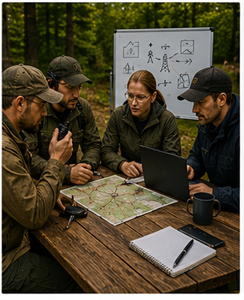 OPSEC involves controlling what information is shared, how it is shared, and when it is shared. This includes avoiding unnecessary transmission of sensitive details, maintaining discipline in communication, and being aware of potential risks.
Patterns of communication can also reveal information. Regular transmission times, repeated locations, or consistent messaging styles can be analyzed by observers. Varying communication patterns and limiting exposure reduces this risk.
Training and awareness are essential. All participants must understand the importance of OPSEC and apply it consistently. A secure system depends on both technology and behavior.
12.6 Security vs Usability Trade-offs
There is always a balance between security and usability. Highly secure systems may be more difficult to use, while simpler systems may offer less protection. Finding the right balance is critical for effective communication.
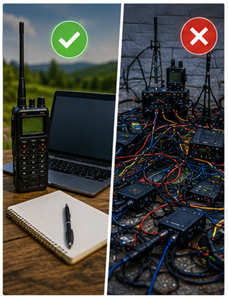 In off-grid scenarios, usability is especially important. Systems must function under stress, with limited resources and potentially untrained users. If a system is too complex, it may not be used correctly, reducing its effectiveness.
Selecting appropriate levels of security involves assessing the risks and determining what level of protection is necessary. In many cases, a combination of moderate security and strong operational discipline provides the best overall result.
12.7 Secure Communication Protocols
Structured communication protocols enhance both clarity and security. Protocols define how messages are formatted, transmitted, and acknowledged. This reduces confusion and ensures that information is handled consistently.
 Protocols may include standardized message structures, confirmation procedures, and guidelines for handling sensitive information. These practices improve efficiency and reduce the likelihood of errors.
In secure communication, protocols also help limit exposure. By controlling how information is shared, they reduce the risk of unintended disclosure. Consistent use of protocols strengthens the overall communication system.
12.8 Threat Awareness and Risk Assessment
Understanding potential threats is essential for effective security. Different environments and scenarios present different risks, and communication systems must be designed accordingly.
 Threat awareness involves identifying who might attempt to intercept or disrupt communication, what information they might seek, and how they might act. This understanding informs decisions about encryption, protocols, and operational practices.
Risk assessment is an ongoing process. As conditions change, so do potential threats. Regular evaluation ensures that communication systems remain appropriate for the current environment and level of risk.
12.9 Layered Security Approach
A layered approach to security provides greater resilience than relying on a single method. Combining multiple protective measures ensures that if one layer is compromised, others remain in place.
 This may include a combination of encryption, obfuscation, disciplined communication practices, and structured protocols. Each layer contributes to overall security, reducing the likelihood of successful interception or misuse.
Layered security also allows for flexibility. Different layers can be adjusted based on the situation, providing an appropriate level of protection without unnecessary complexity. This adaptability is key in dynamic environments.
12.10 Summary
Secure communication is a critical component of off-grid systems. Encryption, key management, and digital security tools provide technical protection, while operational security and disciplined practices ensure that systems are used effectively.
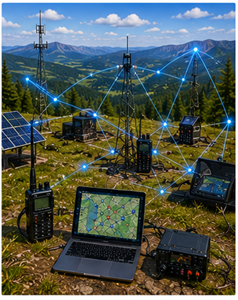 Balancing security with usability allows systems to remain functional under real-world conditions. Structured protocols and layered approaches enhance both reliability and protection.
By understanding and applying these principles, communication systems can maintain confidentiality, integrity, and effectiveness, even in challenging environments. Security is not a single feature, but a combination of technology, planning, and behavior working together.
13. Communication Protocols & Discipline
13.1 Standard Operating Procedures (SOPs)
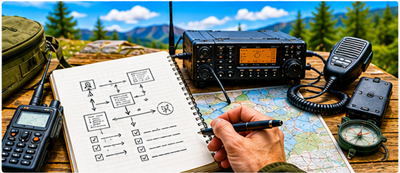 Standard Operating Procedures (SOPs) define how communication is conducted within a system. They provide a consistent framework for transmitting, receiving, and managing information. Without SOPs, communication can become disorganized, leading to confusion and delays.
SOPs should outline key elements such as which channels to use, how messages are structured, and how different scenarios are handled. They should be simple enough to follow under stress but detailed enough to provide clear guidance. Well-designed SOPs reduce uncertainty and improve efficiency.
Consistency is critical. All participants must understand and follow the same procedures. Regular training and practice ensure that SOPs become second nature, allowing communication to remain effective even in high-pressure situations.
13.2 Call Signs and Identification
Call signs provide a standardized way to identify participants within a communication network. Instead of using names or vague references, each individual or unit is assigned a unique identifier. This improves clarity and reduces confusion, especially when multiple users are active.
 Call signs can be structured in various ways, such as using alphanumeric codes or descriptive labels. The key is consistency and clarity. Each participant should know their own call sign and those of others within the network.
Proper identification at the beginning and end of transmissions ensures that messages are directed correctly. This practice helps maintain order and allows for accurate tracking of communication within the system.
13.3 Message Formatting
Clear and structured message formatting is essential for effective communication. Messages should be concise, organized, and easy to understand. A consistent format reduces the likelihood of errors and ensures that critical information is conveyed accurately.
 A typical message format may include the recipient, the sender, the content, and any necessary context or instructions. Breaking information into clear segments improves readability and comprehension. Avoiding unnecessary detail keeps transmissions efficient.
Standardized formatting becomes especially important in complex or high-stress situations. When everyone follows the same structure, messages can be processed quickly and with minimal confusion.
13.4 Brevity Codes and Efficiency
Brevity codes are shorthand expressions used to convey information quickly and efficiently. They reduce the length of transmissions, saving time and conserving power. In environments where bandwidth or energy is limited, this efficiency is valuable.
 Brevity codes must be clearly defined and understood by all participants. Misinterpretation can lead to confusion or errors. Using simple, intuitive codes improves effectiveness and reduces the risk of misunderstanding.
Efficiency also involves disciplined communication practices. Keeping messages short, avoiding repetition, and focusing on essential information ensures that communication remains clear and effective.
13.5 Emergency Communication Protocols
Emergency situations require clear and structured communication protocols. These protocols prioritize critical information and ensure that urgent messages are transmitted without delay.
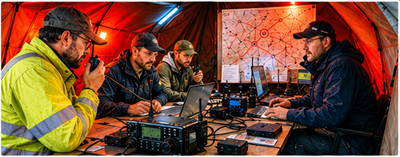 Emergency protocols may include designated channels, priority messaging formats, and specific procedures for requesting assistance. Establishing these protocols in advance ensures that they can be implemented quickly when needed.
Maintaining calm and clarity during emergencies is essential. Structured communication reduces panic and helps ensure that information is accurate and actionable. Regular practice prepares participants to operate effectively under pressure.
13.6 Communication Drills and Practice
Communication systems must be practiced regularly to remain effective. Drills and exercises allow participants to test equipment, refine procedures, and build familiarity with the system.
 Practice scenarios can range from simple check-ins to complex simulations involving multiple participants and changing conditions. These exercises reveal weaknesses and provide opportunities for improvement.
Regular practice builds confidence and ensures that participants can operate effectively when it matters most. It transforms theoretical knowledge into practical skill, which is essential for real-world use.
13.7 Traffic Management and Channel Discipline
When multiple users share a communication channel, managing traffic becomes essential. Without discipline, overlapping transmissions and unnecessary chatter can reduce effectiveness.
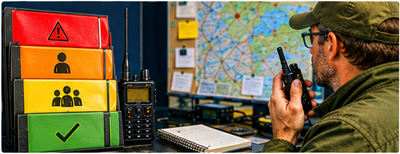 Traffic management involves controlling when and how transmissions occur. Participants should listen before transmitting, wait for clear channels, and avoid interrupting ongoing communication. This ensures that messages are received clearly.
Assigning a coordinator or net control can help manage communication in larger groups. This role oversees traffic, prioritizes messages, and maintains order. Effective traffic management improves overall system performance.
13.8 Information Prioritization
Not all information is equally important. Prioritizing messages ensures that critical information is transmitted first and receives the attention it requires. This is especially important in high-demand or emergency situations.
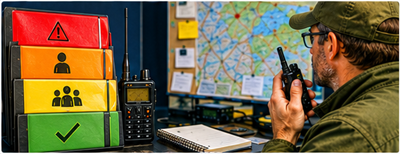 Messages can be categorized by urgency, such as routine, important, or critical. Establishing clear criteria for these categories helps participants understand how to handle different types of information.
Prioritization reduces congestion and ensures that essential communication is not delayed. It also helps maintain focus, preventing less important messages from overwhelming the system.
13.9 Coordination Across Multiple Systems
Modern off-grid communication often involves multiple systems, such as handheld radios, ham radio, mesh networks, and digital platforms. Coordinating across these systems ensures that information flows effectively.
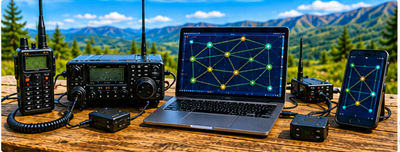 Each system may serve a different purpose, such as local coordination, long-distance communication, or data transfer. Understanding how these systems interact allows for more efficient use.
Establishing procedures for transferring information between systems ensures continuity. For example, information received via HF radio may be relayed through a local mesh network. This integration creates a cohesive communication framework.
13.10 Summary
Communication protocols and discipline are the foundation of effective off-grid communication. While technology provides the tools, protocols ensure that those tools are used efficiently and consistently.
 From SOPs and call signs to message formatting and traffic management, structured practices improve clarity and reliability. Emergency protocols and regular practice ensure that systems perform under pressure.
By combining disciplined communication with the technologies covered in previous sections, it is possible to create a robust and effective communication system. This transforms individual tools into a coordinated network capable of operating in a wide range of conditions.
14. Redundancy & Backup Communication
14.1 Multi-Layer Communication Strategy
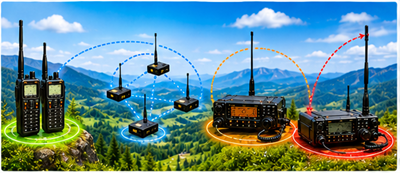 A resilient communication system is built in layers. Each layer serves a specific purpose and operates independently of the others. If one layer fails, the remaining layers continue to function, ensuring that communication is not completely lost.
A typical multi-layer strategy might include short-range handheld radios for immediate coordination, mesh networks for decentralized local messaging, ham radio systems for regional communication, and HF systems for long-distance connectivity. Each layer addresses a different range and capability.
Designing a multi-layer system requires understanding how these layers interact. The goal is not to duplicate functionality, but to create complementary capabilities. This layered approach ensures that communication remains available across a wide range of scenarios.
14.2 Primary, Secondary, and Tertiary Systems
Every communication plan should define primary, secondary, and tertiary systems. The primary system is the preferred method under normal conditions. Secondary and tertiary systems provide alternatives when the primary system is unavailable.
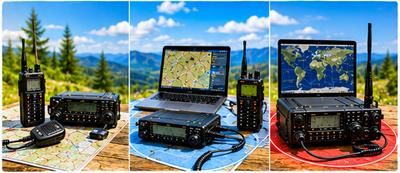 The primary system is typically the most efficient and convenient. However, it may also be the most vulnerable to disruption. Secondary systems should be independent of the primary, using different technologies or resources. Tertiary systems provide an additional fallback, ensuring that at least one method remains operational.
Clearly defining these systems in advance reduces confusion during disruptions. Participants should know when to switch from one system to another and how to operate each method effectively.
14.3 Failover Planning
Failover planning involves preparing for the transition from one communication system to another. When a system fails, the transition to a backup must be smooth and predictable. Without planning, this transition can lead to delays and loss of communication.
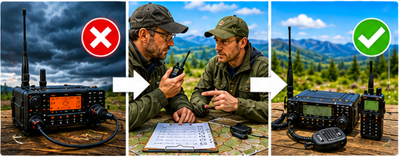 Failover plans should include triggers that indicate when a system is no longer reliable. These triggers may be based on signal quality, system availability, or predefined conditions. Once a trigger is met, participants switch to the next system in the hierarchy.
Testing failover procedures ensures that they work as intended. Regular practice allows participants to become familiar with the process, reducing confusion during actual events. Effective failover planning maintains continuity and minimizes disruption.
14.4 Equipment Redundancy
Equipment redundancy ensures that critical components are available even if individual devices fail. This includes having spare radios, backup antennas, additional batteries, and alternative power sources.
 Redundancy should focus on key components that are most likely to fail or are most critical to operation. For example, having multiple radios or interchangeable parts allows for quick replacement if a device becomes unusable.
Storing equipment in different locations can also improve resilience. If all equipment is kept in one place, it may be lost due to a single event. Distributing resources reduces this risk and ensures that at least some capability remains available.
14.5 Skill Redundancy (Cross-Training)
Redundancy is not limited to equipment—it also applies to skills. If only one person knows how to operate a system, the entire network becomes vulnerable if that person is unavailable. Cross-training ensures that multiple individuals can perform critical tasks.
 Training should cover both basic operation and troubleshooting. Participants should be familiar with the equipment, protocols, and procedures used in the system. This reduces dependence on any single individual.
Skill redundancy also improves overall system resilience. When multiple people can operate the system, it becomes more adaptable and capable of responding to changing conditions. This is especially important in group or community settings.
14.6 Testing and Validation
Redundant systems must be tested regularly to ensure that they function as intended. Testing verifies that equipment works, procedures are understood, and transitions between systems are effective.
 Validation involves confirming that systems perform under real-world conditions. This may include testing in different environments, under varying weather conditions, or during simulated disruptions. Identifying weaknesses allows for improvement before they become critical.
Regular testing also reinforces familiarity. Participants become more comfortable with the system, improving their ability to operate it effectively. A system that is not tested cannot be relied upon when needed.
14.7 Geographic Redundancy
Geographic redundancy involves distributing communication resources across different locations. This reduces the risk of losing all capability due to a localized event, such as a natural disaster or infrastructure failure.
 Placing nodes, antennas, or communication hubs in multiple locations ensures that at least some systems remain operational. This is particularly important in rural environments where distances are greater and resources may be limited.
Geographic redundancy also improves coverage. By spreading resources across an area, communication can reach more locations and adapt to changing conditions. This enhances both resilience and capability.
14.8 Technology Diversity
Relying on a single type of technology introduces risk. If that technology fails or becomes unavailable, communication is compromised. Technology diversity reduces this risk by incorporating multiple methods.
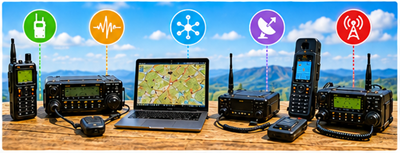 Combining analog and digital systems, radio and mesh networks, and different frequency bands ensures that communication can continue under a variety of conditions. Each technology has strengths and weaknesses, and using a mix provides balance.
Diversity also improves adaptability. When conditions change, different technologies may become more effective. Having multiple options allows for quick adjustment and continued operation.
14.9 Planning for Long-Term Disruptions
Long-term disruptions require communication systems that can operate independently for extended periods without external support. Unlike short-term events, these scenarios place sustained demands on equipment, power systems, and personnel.
 Planning for long-term use includes maintaining spare parts, backup equipment, and reliable power sources. Components such as cables, connectors, antennas, and batteries should be available for repair and replacement. Systems should be designed with durability and serviceability in mind.
Simplicity becomes increasingly important over time. Complex systems are harder to maintain and more prone to failure, especially when resources are limited. Choosing equipment that is robust, widely understood, and easy to repair improves long-term reliability.
Power sustainability is also critical. Renewable energy systems, such as solar or wind, should be sized to support ongoing communication needs. Efficient energy use extends operational time and reduces strain on available resources.
Finally, adaptability is essential. Conditions will change over time, and communication systems must be flexible enough to adjust. This may involve reconfiguring equipment, shifting frequencies, or modifying communication schedules. A system that can evolve is far more resilient than one that depends on fixed conditions.
14.10 Summary
Redundancy and backup communication systems are essential for maintaining reliability in off-grid environments. By building multiple layers, defining fallback systems, and planning for failure, communication can continue even when individual components fail.
 Equipment redundancy, skill redundancy, and geographic distribution all contribute to system resilience. Testing and validation ensure that systems perform as expected, while technology diversity provides flexibility and adaptability.
Planning for both short-term and long-term disruptions ensures that communication systems remain functional under a wide range of conditions. Redundancy transforms a fragile system into a robust network capable of withstanding failure and maintaining connectivity when it matters most.
15. Community Communication Networks
15.1 Building Local Communication Groups
 Effective off-grid communication becomes significantly more powerful when it moves beyond the individual and into the community. Building local communication groups creates a network of participants who can share information, coordinate actions, and support one another.
The foundation of any group is trust and shared purpose. Participants should understand the goals of the network, whether it is emergency preparedness, resource coordination, or general communication resilience. Clear objectives help guide system design and participation.
Starting small is often the most effective approach. A few reliable participants can establish the core of the network. As the system proves effective, additional members can be added. This gradual expansion allows for controlled growth and ensures that standards and practices are maintained.
15.2 Role Assignment (Operators, Coordinators)
As communication networks grow, assigning roles becomes essential for maintaining organization and efficiency. Different participants can take on specific responsibilities based on their skills and availability.
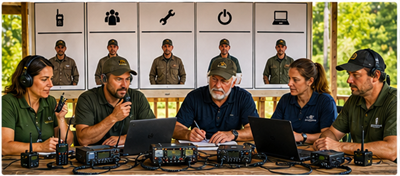 Operators are responsible for managing equipment and transmitting messages. Coordinators oversee communication flow, ensuring that information is prioritized and routed effectively. Technical roles may include maintaining equipment, managing power systems, or configuring digital platforms.
Clearly defined roles reduce confusion and improve efficiency. Participants know their responsibilities and can focus on specific tasks. This structure becomes especially important during high-demand or emergency situations, where coordinated effort is critical.
15.3 Network Coverage Planning
Designing a community communication network requires careful planning of coverage. The goal is to ensure that all participants can communicate reliably, regardless of their location within the area.
 Coverage planning involves identifying key locations, such as population centers, high points, and areas of strategic importance. These locations can serve as hubs or relay points, extending the reach of the network.
Mapping tools and field testing help identify gaps in coverage. Adjustments can be made by adding nodes, repositioning equipment, or integrating additional technologies. A well-planned network provides consistent and predictable communication across the entire area.
15.4 Information Sharing Structures
A communication network is only as effective as the information it carries. Establishing clear structures for information sharing ensures that data is organized, relevant, and actionable.
 Information can be categorized based on type, such as status updates, resource availability, alerts, and coordination messages. Defining how each type is handled improves clarity and reduces unnecessary traffic.
Structured information sharing also supports decision-making. When information is presented consistently, participants can quickly understand the situation and respond appropriately. This improves overall efficiency and effectiveness.
15.5 Coordination During Emergencies
Community communication networks are most critical during emergencies. Coordinating response efforts requires clear, timely, and accurate communication across the network.
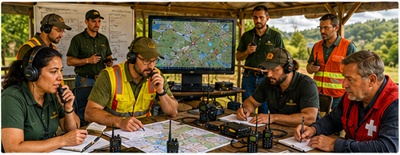 Emergency coordination involves prioritizing critical information, assigning tasks, and maintaining situational awareness. Communication protocols established in advance ensure that the network can function effectively under pressure.
Maintaining discipline is essential. Clear roles, structured messaging, and adherence to protocols reduce confusion and improve response time. A well-prepared network can significantly enhance the ability of a community to respond to and recover from emergencies.
15.6 Scaling Community Systems
As a communication network grows, scalability becomes an important consideration. Systems must be able to handle increased participation without becoming inefficient or difficult to manage.
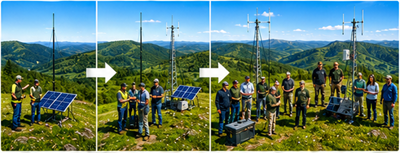 Scaling involves adding new nodes, expanding coverage, and integrating additional technologies. It also requires maintaining standards and ensuring that new participants are properly trained.
Managing growth requires balance. Expanding too quickly can introduce complexity and reduce reliability, while controlled growth allows the system to adapt and improve. A scalable network is one that can grow without compromising performance.
15.7 Integration with External Networks
Community networks do not exist in isolation. Integrating with external communication systems can expand capability and improve access to information.
 This may include connecting with regional ham radio networks, emergency communication groups, or neighboring communities. These connections provide additional channels for information and coordination.
Integration requires compatibility and coordination. Establishing common protocols and understanding how different systems interact ensures that communication remains effective across networks.
15.8 Resource Sharing and Mutual Support
Communication networks enable more than just information exchange—they support resource sharing and mutual assistance. Participants can share knowledge, tools, and resources, improving overall resilience.
 Resource sharing requires trust and coordination. Clear communication ensures that needs are identified and addressed efficiently. This collaborative approach strengthens the network and enhances its ability to respond to challenges.
Mutual support also builds community cohesion. Strong relationships improve communication and create a more resilient system overall. A network that supports its members is more likely to remain effective over time.
15.9 Governance and Decision-Making
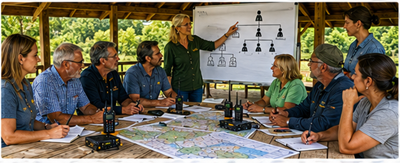 As community networks grow, governance becomes necessary to maintain order and direction. This includes establishing rules, making decisions, and resolving conflicts.
Governance structures should be clear and transparent. Participants should understand how decisions are made and how issues are addressed. This builds trust and ensures that the network operates effectively.
Decision-making processes should balance efficiency with inclusiveness. In emergencies, rapid decisions may be required, while in normal conditions, broader input may be appropriate. Establishing these processes in advance ensures smooth operation.
15.10 Summary
Community communication networks extend the capabilities of individual systems into a coordinated, resilient structure. By connecting participants, assigning roles, and planning coverage, these networks provide reliable communication across a wider area.
 Structured information sharing, disciplined coordination, and scalable design ensure that networks remain effective as they grow. Integration with external systems and support for resource sharing further enhance capability.
When properly designed and maintained, community networks transform communication from an individual tool into a collective resource. This collective capability significantly improves resilience, coordination, and overall preparedness.
16. Communication in Crisis Scenarios
16.1 Natural Disasters
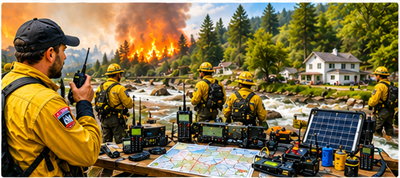 Natural disasters such as wildfires, floods, storms, and earthquakes often disrupt communication infrastructure with little warning. Power outages, damaged towers, and overloaded networks can quickly isolate individuals and communities.
In these situations, communication systems must transition immediately to off-grid methods. Handheld radios provide immediate local coordination, while ham radio and HF systems can extend communication beyond the affected area. Mesh networks can support decentralized messaging within communities.
Preparation is critical. Pre-established channels, contact lists, and protocols allow communication to continue without delay. Regular drills and scenario planning ensure that participants know how to respond when systems fail.
16.2 Grid-Down Events
A grid-down event, whether caused by infrastructure failure, cyberattack, or widespread outage, can have a cascading impact on communication systems. Without power, many modern systems cease to function, and recovery may take extended periods.
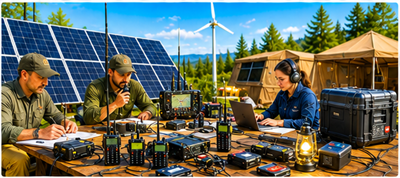 In these scenarios, independent power systems and off-grid communication tools become essential. Systems designed with redundancy and sustainability can continue operating while others fail.
Communication strategies should prioritize essential information and maintain discipline. Limited resources require efficient use, and structured protocols ensure that critical messages are transmitted effectively.
16.3 Supply Chain Disruptions
Supply chain disruptions can indirectly impact communication by limiting access to equipment, replacement parts, and fuel. Over time, this can degrade system performance and reduce capability.
 In these scenarios, maintaining existing systems becomes a priority. Spare parts, backup equipment, and repair skills are essential for sustaining operation. Efficient use of resources extends the lifespan of available equipment.
Communication networks can also play a role in managing the disruption itself. Sharing information about resource availability, coordinating distribution, and identifying needs improves overall resilience.
16.4 Civil Unrest Situations
Civil unrest can create unpredictable and rapidly changing conditions. Communication systems may be disrupted, monitored, or restricted, and reliable information may be difficult to obtain.
In these environments, maintaining situational awareness is critical. Communication networks should focus on sharing verified information and coordinating safe movement and response.
 Operational discipline is especially important. Limiting unnecessary communication, avoiding sensitive details, and maintaining clear protocols reduces risk. Flexibility allows systems to adapt to changing conditions and maintain effectiveness.
16.5 Medical Emergencies
Medical emergencies require immediate and clear communication. Whether coordinating assistance, requesting resources, or managing response, reliable communication can directly impact outcomes.
 Local communication systems, such as handheld radios, provide rapid coordination. Extended systems, such as ham radio, can be used to reach external assistance if available.
Preparedness includes establishing clear procedures for medical communication. This may involve designated channels, standardized message formats, and predefined roles. Practice ensures that these procedures can be executed effectively under pressure.
16.6 Rapid Deployment Strategies
Crisis scenarios often require communication systems to be deployed quickly. Portable equipment and pre-configured kits allow for rapid setup and immediate operation.
 Deployment strategies should prioritize simplicity and speed. Systems that can be activated with minimal setup are more effective in urgent situations. Pre-planning locations, equipment, and procedures reduces delays.
Training and familiarity are key. Participants should be able to deploy and operate systems without hesitation. Regular practice ensures that deployment can occur efficiently when needed.
16.7 Information Verification and Control
In crisis situations, misinformation can spread quickly, creating confusion and potentially harmful decisions. Verifying information before acting on it is essential.
 Communication networks should establish procedures for confirming information. Cross-checking sources, using trusted channels, and clearly identifying verified information improves reliability.
Controlling the flow of information also helps maintain clarity. Prioritizing accurate and relevant messages reduces noise and ensures that participants can focus on what matters most.
16.8 Maintaining Situational Awareness
Situational awareness involves understanding what is happening in the environment and how it may affect operations. Communication systems play a central role in maintaining this awareness.
 Regular updates, status reports, and monitoring of conditions provide a continuous flow of information. This allows participants to adapt to changes and make informed decisions.
Maintaining awareness requires discipline and coordination. Clear communication protocols and consistent reporting ensure that information remains accurate and useful.
16.9 Transitioning Between Phases of a Crisis
Crisis scenarios often evolve over time, moving from initial response to stabilization and recovery. Communication systems must adapt to these changing phases.
 During the initial phase, rapid response and coordination are critical. As the situation stabilizes, communication may shift toward resource management and planning. In recovery, communication supports rebuilding and long-term coordination.
Understanding these phases allows for more effective use of communication systems. Adapting protocols and priorities ensures that communication remains relevant and effective throughout the entire process.
16.10 Summary
Communication in crisis scenarios requires preparation, adaptability, and discipline. Different types of crises present unique challenges, but the underlying principles remain consistent.
 Reliable systems, clear protocols, and trained participants enable effective communication under pressure. Rapid deployment, information verification, and situational awareness ensure that communication supports decision-making and coordination.
By applying the tools and strategies developed in previous sections, communication systems can function effectively in a wide range of crisis scenarios. This transforms communication from a passive capability into an active tool for managing and overcoming challenges.
17. Field Deployment & Mobility
17.1 Portable Communication Kits
Portable communication kits are the foundation of mobile off-grid communication. These kits are designed to be self-contained, allowing communication systems to be deployed quickly in a variety of environments. A well-designed kit includes essential components such as radios, antennas, power sources, and accessories.
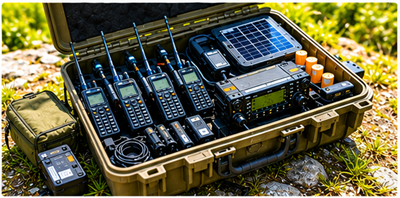 The goal of a portable kit is readiness. All necessary equipment should be organized, protected, and easy to access. This reduces setup time and ensures that communication can be established without delay. Durability is also important, as equipment may be exposed to harsh conditions.
Designing a kit involves balancing capability with portability. Including too much equipment can make the kit difficult to carry, while too little may limit functionality. Selecting essential components and optimizing layout ensures that the kit remains practical and effective.
17.2 Vehicle-Based Systems
Vehicles provide a stable platform for mobile communication systems. They allow for increased power, larger antennas, and more permanent installations compared to handheld or portable setups. Vehicle-based systems can serve as mobile communication hubs, extending range and capability.
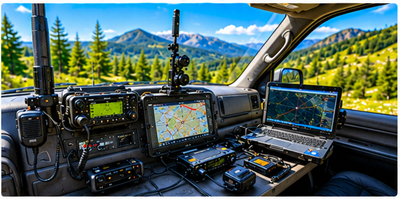 Installing communication equipment in a vehicle requires careful planning. Antenna placement, power integration, and equipment mounting must be considered to ensure reliable operation. Proper installation reduces interference and improves performance.
Vehicle systems also offer flexibility. They can be repositioned as needed, allowing communication coverage to adapt to changing conditions. This mobility enhances overall network capability and supports a wide range of scenarios.
17.3 Rapid Setup Techniques
In many situations, communication systems must be deployed quickly. Rapid setup techniques focus on minimizing the time and effort required to establish communication. This involves pre-configuring equipment, organizing components, and practicing deployment procedures.
 Simple, modular designs improve setup speed. Components should connect easily and function without complex configuration. Pre-labeled cables, standardized connectors, and clear organization reduce confusion and errors.
Practice is essential. Regularly setting up and breaking down equipment builds familiarity and efficiency. This ensures that systems can be deployed quickly and effectively when time is critical.
17.4 Concealment vs Visibility
When deploying communication systems, there is often a trade-off between visibility and concealment. Visible systems may provide better performance, as they can be placed in optimal locations with minimal obstruction. However, they may also attract attention.
 Concealed systems reduce the likelihood of being noticed but may be limited by placement constraints. Balancing these factors depends on the environment and the level of risk.
Strategic placement allows for both performance and discretion. Using natural features, minimizing visual impact, and avoiding unnecessary exposure can improve security without significantly reducing effectiveness.
17.5 Communication While Moving
Maintaining communication while in motion presents unique challenges. Signal strength can vary as the environment changes, and maintaining stable connections requires adaptable systems.
 Vehicle-based radios are well-suited for mobile communication, providing consistent power and improved antenna performance. Handheld radios can also be used, though their range may be more limited.
Planning communication routes and identifying key points for stronger signal coverage improves reliability. Understanding how movement affects communication allows for better coordination and reduces the risk of lost contact.
17.6 Field Testing and Adjustments
Field deployment is rarely perfect on the first attempt. Testing and adjusting systems in real-world conditions ensures that they perform as expected. This includes checking signal strength, verifying connections, and identifying potential issues.
 Adjustments may involve repositioning antennas, changing frequencies, or modifying power levels. Flexibility allows systems to adapt to the environment and improve performance.
Regular testing builds confidence and familiarity. It ensures that systems are reliable and that operators can respond effectively to challenges. Continuous improvement is key to maintaining effective communication.
17.7 Environmental Considerations
 Field deployments must account for environmental conditions. Weather, terrain, and temperature can all affect equipment performance and durability.
Protecting equipment from moisture, dust, and extreme temperatures extends its lifespan and ensures reliable operation. Using protective cases, weather-resistant materials, and proper storage helps mitigate environmental risks.
Understanding the environment also informs system design. Selecting appropriate equipment and deployment strategies ensures that communication remains effective under varying conditions.
17.8 Load Management and Mobility Efficiency
Carrying communication equipment requires careful load management. Balancing weight, accessibility, and protection ensures that equipment can be transported efficiently.
 Organizing gear into manageable units improves mobility. Separating components into smaller kits allows for flexibility and easier transport. Prioritizing essential items ensures that critical capabilities are maintained even if space is limited.
Efficient load management supports mobility and reduces fatigue. This is especially important in scenarios where movement is frequent or extended.
17.9 Integration with Other Systems
Field communication systems often need to integrate with other operational systems, such as navigation, security, and logistics. Coordinating these systems improves overall effectiveness.
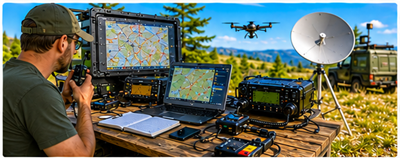 Integration allows for shared resources and coordinated operation. For example, communication systems may rely on shared power sources or be used to support navigation and situational awareness.
Establishing clear interfaces and procedures ensures that systems work together smoothly. This reduces complexity and improves efficiency in the field.
17.10 Summary
Field deployment and mobility are essential aspects of off-grid communication. Portable kits, vehicle-based systems, and rapid setup techniques enable communication to be established quickly and effectively in a variety of environments.
 Balancing visibility and concealment, maintaining communication while moving, and adapting to environmental conditions all contribute to system effectiveness. Load management and integration with other systems further enhance capability.
By focusing on mobility and practical deployment, communication systems become flexible and resilient. This ensures that communication can be maintained wherever it is needed, regardless of location or conditions.
18. Monitoring & Intelligence Gathering
18.1 Passive Listening Techniques
Passive listening is one of the most valuable and low-risk methods of gathering information. Unlike active transmission, it does not reveal your presence or location, making it inherently more secure. By simply monitoring communication channels, valuable insights can be obtained without direct interaction.
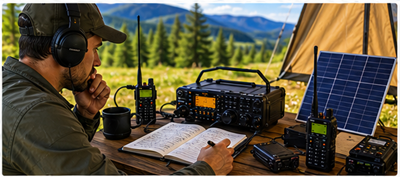 Effective passive listening requires patience and discipline. Monitoring should be consistent and focused, with attention given to patterns, changes, and anomalies. Even routine communication can provide useful information when observed over time.
Developing listening skills improves the ability to interpret signals. Recognizing tone, urgency, and context allows for better understanding of the information being received. Passive listening forms the foundation of situational awareness.
18.2 Frequency Scanning
Frequency scanning involves systematically monitoring a range of frequencies to identify active channels and relevant communication. This process helps build a picture of the communication environment and identify where important information may be found.
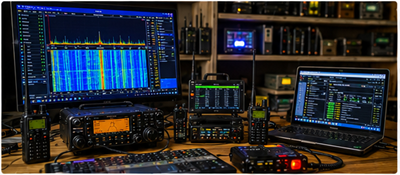 Scanning can be performed manually or using automated features in modern radios. Identifying commonly used frequencies and prioritizing them improves efficiency. Over time, a list of key frequencies can be developed for regular monitoring.
Understanding the local communication landscape is essential. Different frequencies may be used for different purposes, such as emergency services, community communication, or general use. Mapping these frequencies enhances the ability to gather relevant information.
18.3 Identifying Signal Patterns
Communication is not just about individual messages—it is also about patterns. Repeated transmissions, consistent timing, and changes in activity can all provide valuable insights.
Identifying patterns involves observing when communication occurs, how often, and under what conditions. Sudden increases or decreases in activity may indicate changes in the environment or emerging situations.
 Pattern recognition requires consistent monitoring and documentation. Keeping records of observed activity allows for comparison over time. This helps identify trends and improves the ability to anticipate future developments.
18.4 Open-Source Intelligence (OSINT)
Open-source intelligence (OSINT) involves gathering information from publicly available sources. This can include broadcasts, publicly accessible data, and other non-restricted information.
 In off-grid scenarios, OSINT may be limited, but it can still provide valuable context. Radio broadcasts, community reports, and shared information within networks contribute to a broader understanding of conditions.
Integrating OSINT with local observations enhances situational awareness. Combining multiple sources of information allows for more accurate interpretation and better decision-making.
18.5 Early Warning Indicators
Monitoring communication channels can provide early warning of potential issues. Changes in activity, unusual transmissions, or reports of incidents may indicate developing situations.
 Early warning indicators allow for proactive response. Recognizing these signs early provides time to prepare, adjust plans, and coordinate actions. This can significantly improve outcomes.
Developing an understanding of what constitutes normal activity is essential. Without a baseline, it is difficult to identify anomalies. Continuous monitoring helps establish this baseline and improves detection of unusual events.
18.6 Information Verification
Not all information received is accurate or reliable. Verifying information is critical to avoid acting on incorrect or misleading data. This involves cross-checking sources, confirming details, and assessing credibility.
 Verification processes should be built into communication protocols. This may include confirming information with multiple sources or waiting for additional reports before taking action.
Maintaining a cautious approach reduces the risk of errors. Acting on unverified information can lead to poor decisions and unnecessary actions. Verification ensures that responses are based on reliable data.
18.7 Data Logging and Record Keeping
Recording observed information provides a valuable reference for analysis and decision-making. Logs can include frequencies monitored, times of activity, message summaries, and observed patterns.
 Keeping organized records allows for comparison over time. This helps identify trends, track changes, and improve understanding of the environment. Documentation also supports communication within the network.
Simple, consistent logging methods are often the most effective. The goal is to capture relevant information without creating unnecessary complexity. Regular review of logs enhances situational awareness.
18.8 Intelligence Sharing Within Networks
Information becomes more valuable when it is shared effectively. Within a communication network, sharing observations and insights improves overall awareness and coordination.
 Structured sharing ensures that information is clear and useful. Standardized formats and protocols help maintain consistency and reduce confusion. Prioritizing relevant information improves efficiency.
Collaboration enhances intelligence gathering. Multiple participants contribute different perspectives and observations, creating a more complete picture. This collective approach strengthens the network.
18.9 Ethical and Practical Considerations
Monitoring communication and gathering information must be approached responsibly. Respecting privacy, adhering to regulations, and maintaining ethical standards are important considerations.
 Practical limitations also exist. Not all information can be accessed, and interpreting data requires judgment. Avoiding assumptions and focusing on verified information improves accuracy.
Balancing awareness with responsibility ensures that intelligence gathering remains constructive and effective. Ethical practices support trust within the network and maintain credibility.
18.10 Summary
Monitoring and intelligence gathering transform communication systems into tools for understanding and decision-making. Passive listening, frequency scanning, and pattern recognition provide valuable insights into the environment.
 Verification, logging, and structured sharing ensure that information is accurate and useful. Early warning indicators enable proactive response, improving overall resilience.
By integrating these practices into communication systems, participants gain a deeper understanding of their environment. This awareness supports informed decisions and enhances the effectiveness of all other communication capabilities.
19. Training & Skill Development
19.1 Learning Path from Beginner to Advanced
Developing off-grid communication capability requires a structured learning path. Beginners often start with basic tools such as handheld radios and simple protocols. As experience grows, more advanced systems—such as ham radio, HF communication, and digital networks—can be introduced.
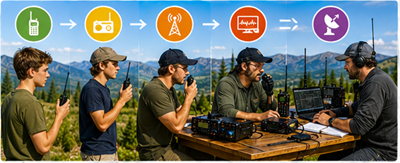 A clear progression helps prevent overwhelm. Each stage builds on the previous one, reinforcing core concepts while introducing new skills. This layered approach ensures that participants develop a solid foundation before moving to more complex systems.
Advanced training focuses on integration and adaptability. At this stage, participants learn to combine multiple systems, manage complex scenarios, and adapt to changing conditions. A structured learning path ensures continuous growth and long-term capability.
19.2 Hands-On Practice Strategies
Practical experience is essential for effective communication. Hands-on practice allows participants to apply knowledge, test equipment, and develop confidence. Without regular practice, skills degrade and systems become less reliable.
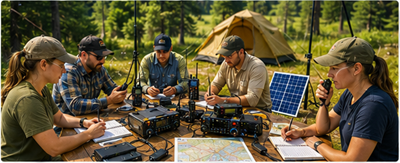 Practice should include routine operation, such as regular check-ins and simple communication exercises. These activities reinforce basic skills and maintain familiarity with equipment. More advanced practice can involve scenario-based exercises that simulate real-world conditions.
Consistency is key. Regular practice sessions ensure that skills remain sharp and that participants are prepared to operate under pressure. Hands-on experience transforms theoretical knowledge into practical capability.
19.3 Scenario-Based Training
Scenario-based training simulates real-world situations, allowing participants to practice communication in realistic conditions. These scenarios can include emergencies, equipment failures, or coordination challenges.
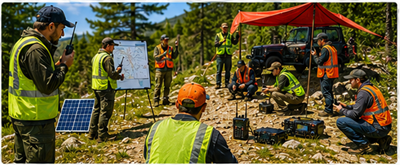 Simulations should be designed to test specific aspects of the system, such as failover procedures, message handling, or coordination across multiple systems. Introducing variability—such as changing conditions or unexpected challenges—improves adaptability.
Debriefing after each scenario is essential. Reviewing performance, identifying strengths and weaknesses, and discussing improvements ensures continuous learning. Scenario-based training prepares participants for real-world challenges.
19.4 Equipment Familiarization
Understanding how to operate and maintain equipment is fundamental to effective communication. Participants should be familiar with the capabilities, limitations, and operation of each device in the system.
Familiarization includes basic operation, such as turning equipment on, selecting frequencies, and transmitting messages. It also includes troubleshooting common issues, such as signal problems or power failures.
 Regular use reinforces familiarity. Participants should handle equipment frequently, ensuring that operation becomes intuitive. This reduces errors and improves performance during critical situations.
19.5 Community Training Exercises
Training at the community level enhances coordination and builds collective capability. Group exercises allow participants to practice communication within a network, improving overall system performance.
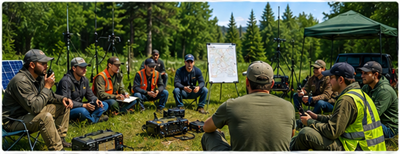 Community training can include coordinated drills, network-wide check-ins, and collaborative scenarios. These activities strengthen relationships and improve communication efficiency.
Shared training also ensures consistency. When all participants follow the same protocols and procedures, the network operates more effectively. Community exercises build both skill and cohesion.
19.6 Continuous Improvement
Skill development is an ongoing process. Systems, technologies, and conditions change over time, requiring continuous adaptation. Regular evaluation and improvement ensure that communication systems remain effective.
 Feedback is an important part of this process. Participants should share observations and suggestions, identifying areas for improvement. Incorporating feedback into training and procedures enhances overall performance.
Staying informed about new developments and techniques also supports improvement. While core principles remain consistent, evolving technologies can provide additional capabilities. Continuous learning ensures that systems remain relevant and effective.
19.7 Skill Retention and Knowledge Management
Maintaining skills over time requires deliberate effort. Without regular use, knowledge and ability can fade. Structured retention strategies ensure that skills remain accessible when needed.
 This may include scheduled practice, refresher training, and documentation. Maintaining clear guides and reference materials supports learning and provides a resource for participants.
Knowledge management also involves sharing information within the network. Experienced participants can mentor others, ensuring that skills are distributed and not concentrated in a few individuals. This strengthens overall resilience.
19.8 Cross-Training and Role Flexibility
Cross-training ensures that multiple participants can perform critical tasks. This reduces dependence on specific individuals and increases system resilience. Participants should be familiar with different roles and responsibilities.
 Role flexibility allows the network to adapt to changing conditions. If one participant is unavailable, others can step in and maintain operation. This adaptability is essential in dynamic environments.
Training should include exposure to different roles and scenarios. This broadens skill sets and improves overall capability. Cross-trained participants contribute to a more robust and flexible network.
19.9 Building a Training Culture
A strong training culture supports long-term success. Encouraging regular practice, knowledge sharing, and continuous improvement creates an environment where skills are valued and maintained.
 Leadership plays a key role in establishing this culture. Setting expectations, organizing training activities, and providing support encourages participation. Recognizing progress and achievements reinforces engagement.
A positive training culture fosters collaboration and commitment. Participants are more likely to invest time and effort when they see value in the process. This strengthens both individual and network capability.
19.10 Summary
Training and skill development are essential for effective off-grid communication. Structured learning paths, hands-on practice, and scenario-based training build capability and confidence.
 Familiarity with equipment, community exercises, and continuous improvement ensure that systems remain effective over time. Skill retention, cross-training, and a strong training culture further enhance resilience.
By investing in training, communication systems become more than just tools—they become reliable, adaptable capabilities that can be used effectively in a wide range of conditions.
20. Building a Complete Off-Grid Communication System
20.1 Defining Communication Objectives
Every effective communication system begins with clear objectives. Without a defined purpose, systems can become overly complex or fail to meet actual needs. Objectives should answer key questions: who needs to communicate, over what distance, and under what conditions.
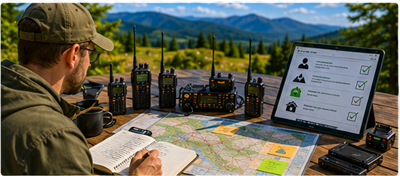 For some, the goal may be local coordination within a property or neighborhood. For others, it may include regional or long-distance communication. Identifying priorities—such as emergency response, daily coordination, or information sharing—guides system design.
Clear objectives ensure that resources are used effectively. Instead of building a system based on assumptions, you build one tailored to your environment, risks, and goals. This foundation shapes every decision that follows.
20.2 Layered System Architecture
A complete off-grid communication system is built in layers, each providing a specific capability. These layers work together to create a resilient and adaptable network.
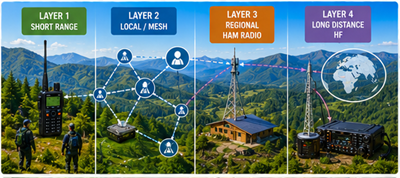 The first layer typically includes short-range communication, such as handheld radios for immediate coordination. The second layer may involve mesh networks or local digital systems for decentralized messaging. The third layer includes regional communication through ham radio, while the fourth layer provides long-distance capability through HF systems.
Each layer operates independently but complements the others. If one layer fails, others remain functional. This layered architecture ensures continuity and flexibility across different scenarios.
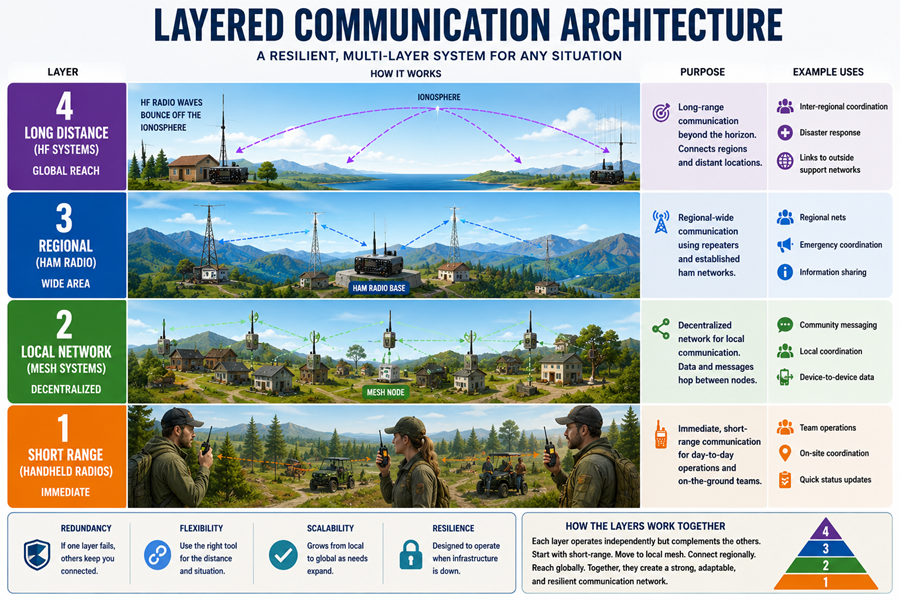
20.3 Equipment Selection and Standardization
Selecting the right equipment is critical for system performance and reliability. Equipment should match the defined objectives and be suitable for the environment in which it will be used.
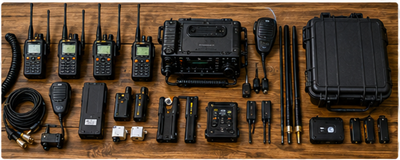 Standardization simplifies operation and maintenance. Using similar models, connectors, and configurations reduces complexity and improves compatibility. It also makes training easier, as participants can focus on a consistent set of tools.
Durability and serviceability are key considerations. Equipment should be robust enough to withstand environmental conditions and simple enough to repair or replace. Thoughtful selection ensures long-term reliability.
20.4 Power Integration and Sustainability
A communication system is only as reliable as its power source. Integrating power systems into the overall design ensures sustained operation, even during extended disruptions.
 This includes selecting appropriate batteries, renewable energy sources, and backup options. Power systems should be sized to meet the demands of the communication equipment while allowing for efficient operation.
Sustainability involves more than just generation. Efficient use, redundancy, and maintenance all contribute to long-term reliability. A well-integrated power system supports continuous communication under a wide range of conditions.
20.5 Network Design and Coverage
Designing the communication network involves planning how different components connect and interact. This includes determining coverage areas, identifying key locations, and establishing communication paths.
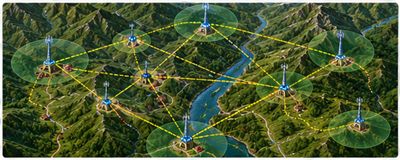 Coverage should be mapped to ensure that all critical areas are included. High points, relay locations, and node placement all influence network performance. Testing and adjustment refine the design and address gaps.
A well-designed network balances coverage with efficiency. It ensures reliable communication without unnecessary complexity. Clear design supports both performance and ease of use.
20.6 Protocol Development and Implementation
Protocols define how the communication system operates. They provide structure, ensuring that messages are transmitted clearly and efficiently. Without protocols, even the best equipment can become ineffective.
 Protocols should cover message formatting, channel usage, priority handling, and emergency procedures. They should be simple, consistent, and well understood by all participants.
Implementation involves training and practice. Protocols must be used regularly to become effective. Consistent application ensures that communication remains organized and reliable.
20.7 Redundancy and Fail-Safe Design
Redundancy is essential for maintaining communication when systems fail. A complete system includes multiple layers, backup equipment, and alternative methods to ensure continuity.
Fail-safe design involves planning for failure and ensuring that systems can recover quickly. This includes defining primary, secondary, and tertiary systems, as well as establishing clear failover procedures.
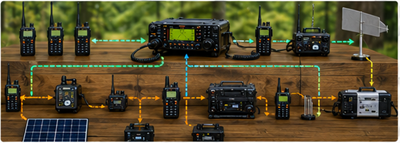 Testing redundancy ensures that it works as intended. Regular validation confirms that backup systems are functional and that transitions between systems are smooth. Redundancy transforms a system from fragile to resilient.
20.8 Training and Operational Readiness
A communication system is only as effective as the people who use it. Training ensures that participants can operate equipment, follow protocols, and respond to changing conditions.
 Operational readiness involves regular practice, scenario-based training, and continuous improvement. Participants should be familiar with all aspects of the system, from basic operation to advanced coordination.
Building a culture of readiness ensures that the system remains effective over time. Training reinforces skills and prepares participants for real-world use.
20.9 Continuous Monitoring and Adaptation
Communication systems must adapt to changing conditions. Monitoring performance, identifying issues, and making adjustments ensure that the system remains effective.
 This includes tracking signal quality, evaluating coverage, and assessing the reliability of different components. Feedback from participants provides valuable insights into system performance.
Adaptation involves refining design, updating equipment, and adjusting protocols as needed. A system that evolves remains relevant and capable, even as conditions change.
20.10 Summary
Building a complete off-grid communication system requires a holistic approach. Clear objectives, layered architecture, and thoughtful equipment selection provide the foundation. Power integration, network design, and structured protocols ensure functionality.
 Redundancy, training, and continuous improvement enhance resilience and reliability. By combining these elements, it is possible to create a system that operates independently, adapts to change, and supports effective communication in a wide range of scenarios.
This final integration transforms individual components into a cohesive system. It represents the culmination of all previous sections, providing a practical blueprint for building and maintaining a resilient off-grid communication network.
Appendix A – Radio Frequency Band Comparison
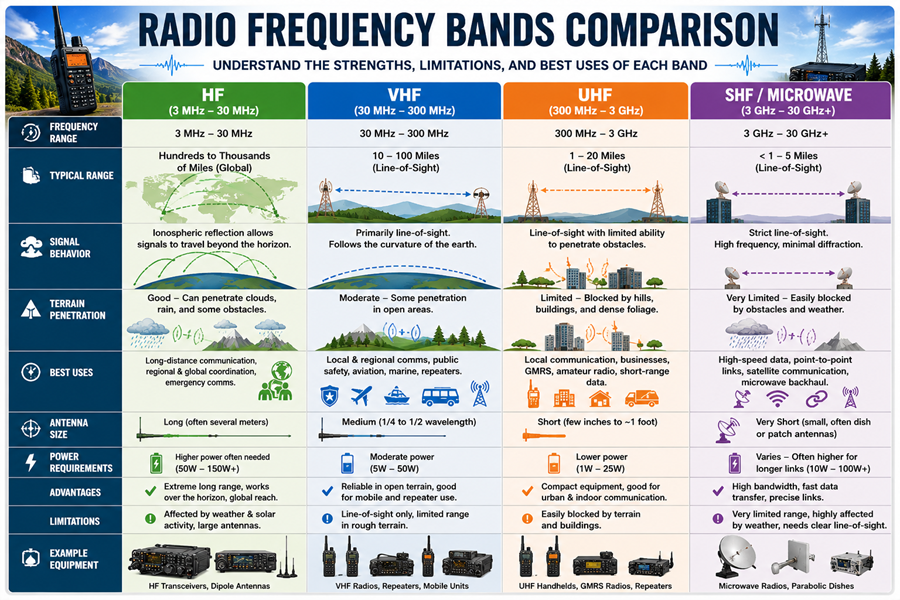
Appendix B – Layered Communication Architecture
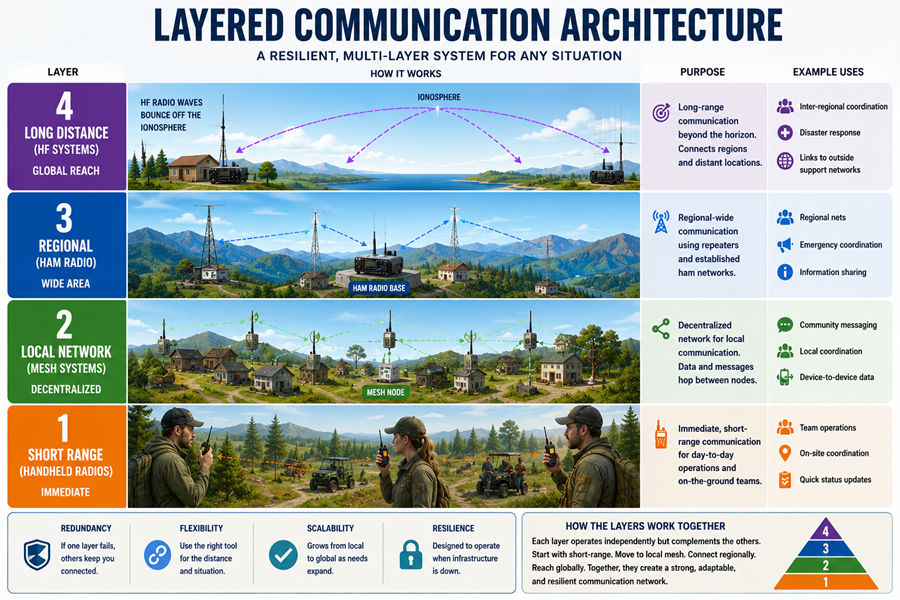
Appendix C – Signal Propogation Diagram
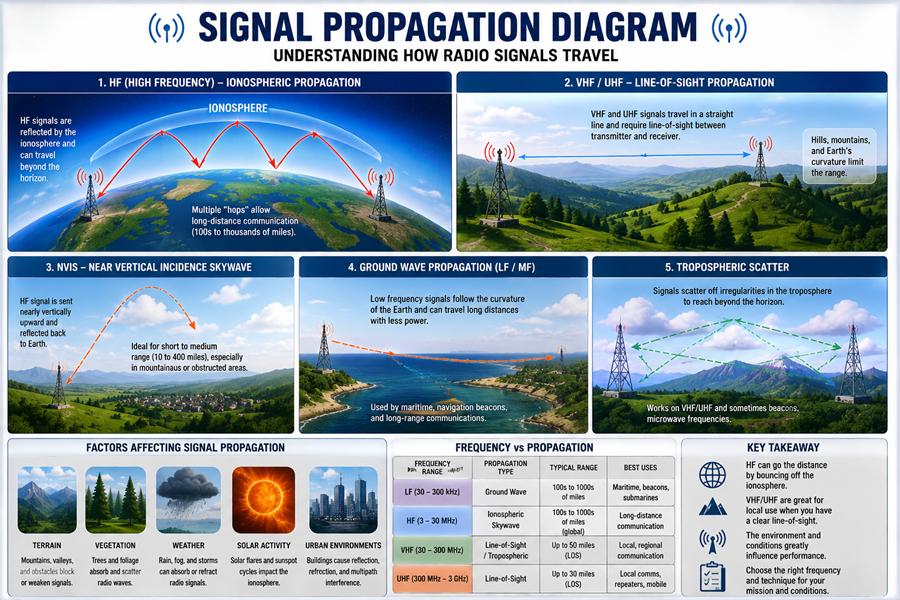
Appendix D – Mesh Network Visualization
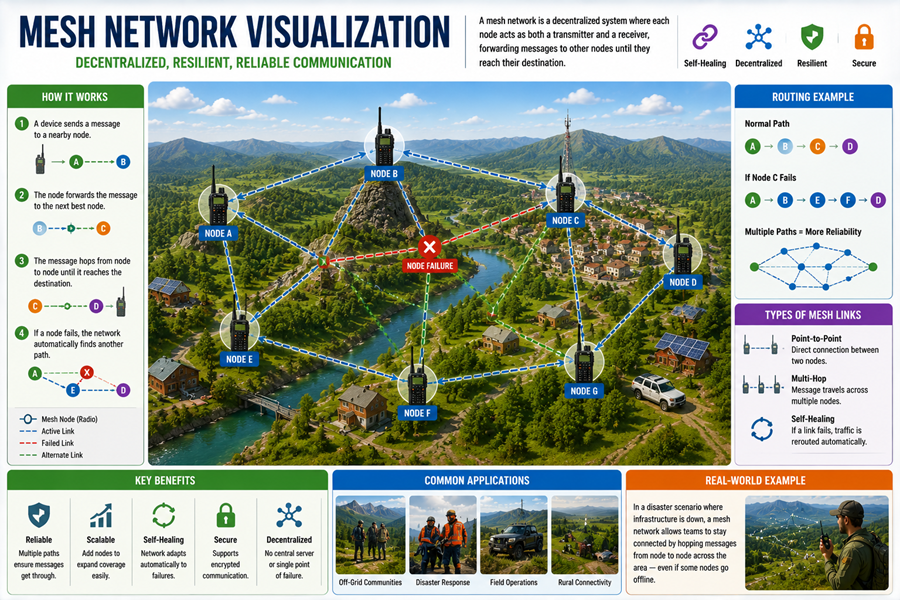
Appendix E – Off-Grid Power System
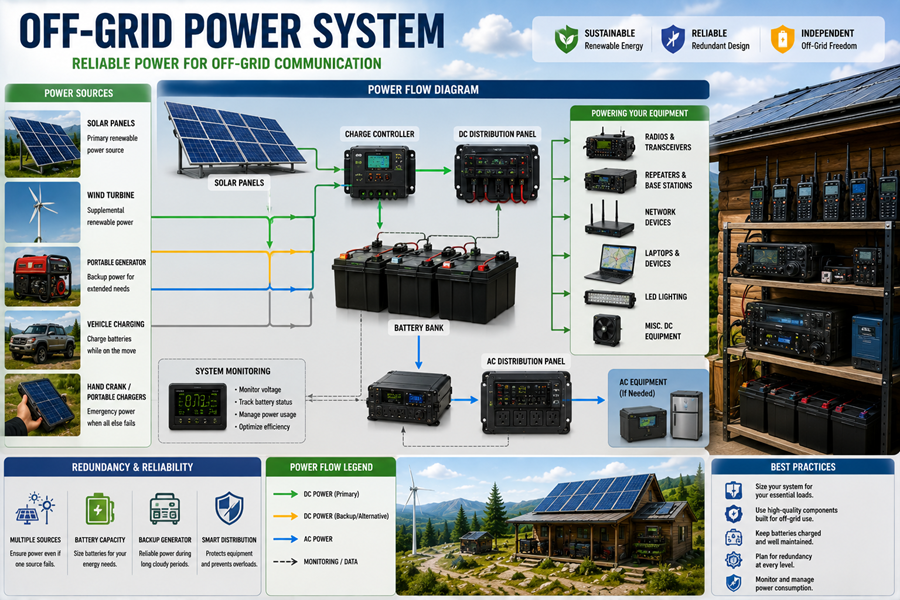
© Prepping Communities. This content is for informational purposes only and not professional advice. Use at your own risk.
Terms | Privacy | Guidelines