
After SHTF – Your Survival Handbook
by Natural Born Prepper (2026-05-15)
TABLE OF CONTENTS |
|
INTRODUCTION (Chapters 1-4) |
|
1. What Happens After SHTF?
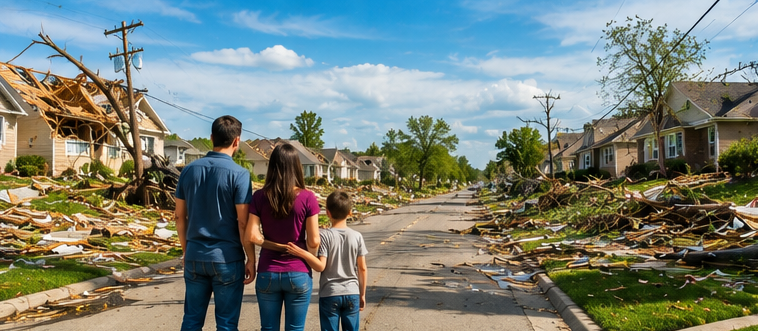 Modern society depends heavily on systems most people rarely think about. Electricity, internet access, cellular networks, banking systems, GPS navigation, cloud storage, food distribution, emergency services, and transportation infrastructure all operate quietly in the background every day. Because these systems function so reliably under normal conditions, many people unconsciously assume they will always be available.
A major crisis changes that perception very quickly.
Whether caused by natural disasters, cyber attacks, grid failures, severe weather, war, civil unrest, infrastructure collapse, or widespread communication disruptions, emergencies create one immediate reality: people desperately search for information. They want to know what is happening, how serious it is, whether the problem is local or widespread, how long it may last, and what they should do next.
The problem is that the very systems people rely on for answers are often the same systems becoming unstable during the crisis itself.
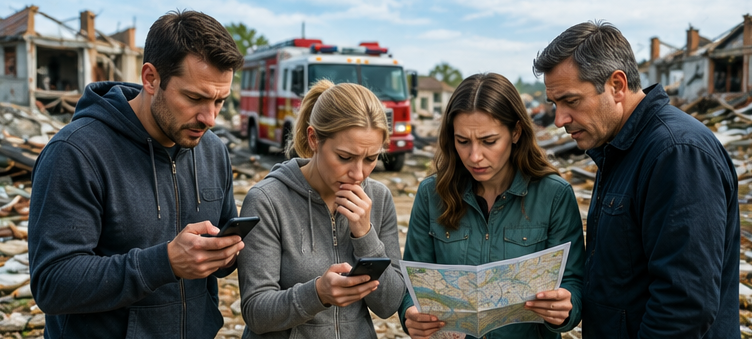 This handbook was created to address that problem. It focuses not only on what people search for first during emergencies, but also how to continue finding reliable answers when modern systems begin failing. It examines the psychological, technological, and practical realities of information during crisis situations and explains why preparedness today is increasingly tied to knowledge access, communication resilience, and offline capability.
Preparedness is no longer only about supplies.
 It is also about preserving access to information when uncertainty becomes dangerous.
This handbook is designed to help individuals, families, and communities better understand how information systems function during emergencies, why misinformation spreads so rapidly during chaos, and how to build practical resilience before it is needed most.
1.1 Why Information Becomes Critical During a Crisis
During the early stages of any emergency, information becomes one of the most valuable resources people seek. Before individuals begin thinking about long-term preparedness, food storage, fuel reserves, or security planning, they first want answers. They want clarity. Human beings naturally attempt to reduce uncertainty because uncertainty itself creates fear.
 The first questions people ask during a crisis are often simple:
What happened?
How bad is it?
Who is affected?
Will things return to normal quickly?
These questions shape behavior almost immediately. The answers people believe — whether accurate or inaccurate — influence decisions involving evacuation, resource use, communication, travel, finances, and personal safety.
In modern society, information travels faster than ever before. News spreads globally within seconds through social media, online platforms, messaging apps, and live broadcasts. While this creates enormous advantages during normal conditions, it also creates vulnerability during emergencies. Information overload, rumors, manipulated content, emotional reactions, and conflicting reports can quickly overwhelm people psychologically.
One of the most dangerous aspects of crises is that information itself often becomes unstable. Communication systems may fail. Official reports may lag behind unfolding events. Rumors spread rapidly. Emotional content dominates attention. People begin acting based on fear rather than verified reality.
Historically, populations that maintained reliable communication and accurate situational awareness often adapted more effectively during disasters than populations overwhelmed by confusion or misinformation. This is because survival depends heavily on decision-making, and good decisions require good information.
The challenge is that most modern populations have become accustomed to instant answers. Search engines, smartphones, and cloud-based systems create the expectation that information will always remain available. Emergencies expose how fragile that assumption can become.
When infrastructure becomes unstable, access to reliable information may become just as important as access to food, water, fuel, or shelter.
This is one of the central themes of modern preparedness.
1.2 The Difference Between Panic and Preparedness
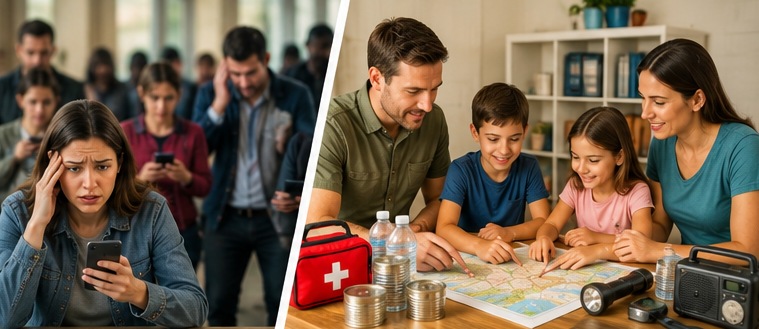 One of the clearest differences during emergencies is how differently people react under stress. Some individuals panic almost immediately, while others remain calmer and more methodical. This difference is not always about courage or intelligence. More often, it comes down to expectations and mental preparation.
Panic usually occurs when reality suddenly breaks the assumptions people relied on to feel secure. Most people assume systems will continue functioning normally because that has been their lifelong experience. Stores remain stocked. Emergency services respond quickly. Communication systems stay online. Fuel remains available. Banking systems work instantly.
When those systems begin failing unexpectedly, psychological shock often follows.
Prepared individuals tend to respond differently because they have already spent time considering the possibility that systems can fail. They are less emotionally surprised by instability because they have mentally rehearsed difficult scenarios beforehand. This does not mean prepared people feel no fear. Fear is natural during uncertainty. However, preparedness often reduces emotional paralysis because people already possess some framework for understanding what may be happening.
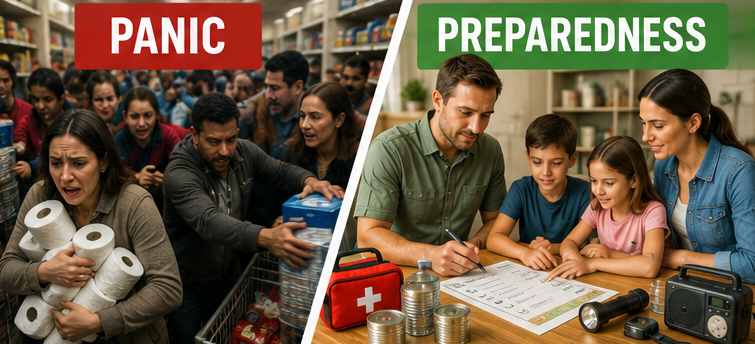 Panic narrows thinking. People become reactive, impulsive, and emotionally driven. They rush stores, consume rumors rapidly, make poor resource decisions, or freeze entirely because uncertainty overwhelms them.
Preparedness attempts to create the opposite effect.
Preparedness encourages:
- observation instead of emotional reaction
- planning instead of improvisation
- adaptability instead of denial
- calm assessment instead of panic-driven behavior
One of the most important realities about emergencies is that conditions often evolve gradually rather than instantly. Small disruptions compound into larger ones over time. Transportation delays create shortages. Communication instability creates misinformation. Power failures affect water systems and banking networks. Fear itself accelerates instability as public behavior changes.
Prepared individuals often focus heavily on recognizing patterns early rather than waiting for official confirmation that a crisis exists.
Historically, communities that remained calm, organized, and cooperative during difficult periods often adapted far more successfully than populations overwhelmed by fear and confusion.
Preparedness therefore is not only about physical supplies.
It is also about emotional discipline and the ability to think clearly while others panic.
1.3 Why Access to Knowledge Matters
 One of the biggest misconceptions in modern society is that information itself is permanent. People assume that because knowledge exists online somewhere, it will always remain accessible. In reality, access to knowledge depends heavily on infrastructure functioning continuously.
This distinction becomes critically important during emergencies.
A person may know that medical information exists online, but if communication networks fail, internet systems go down, or power outages continue, that information may suddenly become inaccessible when needed most.
Modern populations rely heavily on real-time digital access for daily life. Search engines answer questions instantly. Video platforms teach practical skills. GPS systems provide navigation automatically. Cloud services store personal documents remotely. Smartphones function as communication tools, maps, payment systems, libraries, and emergency resources simultaneously.
All of these systems depend on:
- electricity
- telecommunications
- data centers
- internet infrastructure
- satellites
- cloud systems
- functioning devices
When these systems become unreliable, people often realize how dependent they have become on external information access.
Prepared individuals frequently think differently about knowledge. Instead of assuming information will always remain available online, they prioritize preserving critical information locally and offline. This may include books, downloaded references, printed guides, offline maps, radio systems, emergency manuals, and portable digital libraries.
Historically, survival knowledge was passed physically through communities, books, apprenticeships, and direct experience. Modern digital systems expanded access to knowledge enormously, but they also centralized dependence into infrastructure most people do not control.
This creates vulnerability.
One of the most important preparedness lessons is that knowledge is only useful if it remains accessible during crisis conditions.
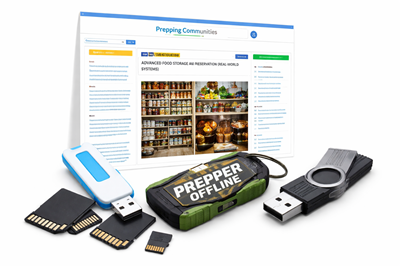 Offline information resilience is therefore becoming increasingly important in a world where societies depend heavily on centralized digital systems.
Preparedness today involves not only storing supplies, but preserving the ability to continue learning, adapting, troubleshooting, and solving problems even when normal systems fail.
1.4 The Fragility of Modern Digital Dependence
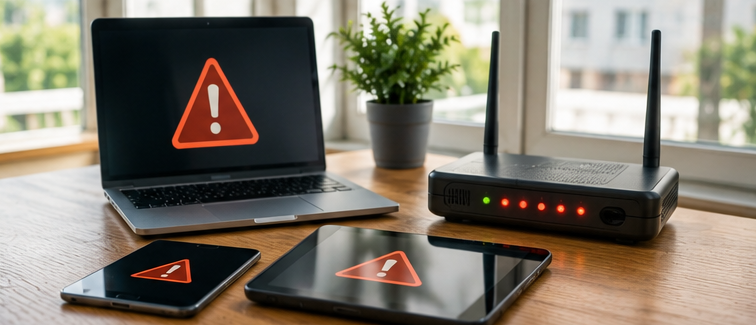 Modern civilization is more digitally dependent than any society in human history. Communication, banking, transportation, healthcare, logistics, entertainment, education, and even food distribution now rely heavily on interconnected digital infrastructure operating continuously in real time.
Most people rarely think about this because digital systems are designed to feel seamless and invisible during normal conditions.
Emergencies expose how fragile this dependence can become.
A power outage today does not simply turn off lights. It may also affect:
- internet connectivity
- banking systems
- fuel pumps
- communication towers
- GPS services
- emergency notifications
- refrigeration
- water treatment
- logistics systems
The deeper societies integrate digital infrastructure into daily life, the more vulnerable populations become when those systems experience disruption.
One important problem with digital dependence is centralization. Large portions of modern communication, cloud storage, search access, and online information now flow through relatively small numbers of major systems and providers. This creates enormous convenience and efficiency, but it also creates systemic vulnerability.
If infrastructure stress spreads through:
- power grids
- telecommunications networks
- cloud services
- cybersecurity systems
- satellite systems
the effects can cascade rapidly across society.
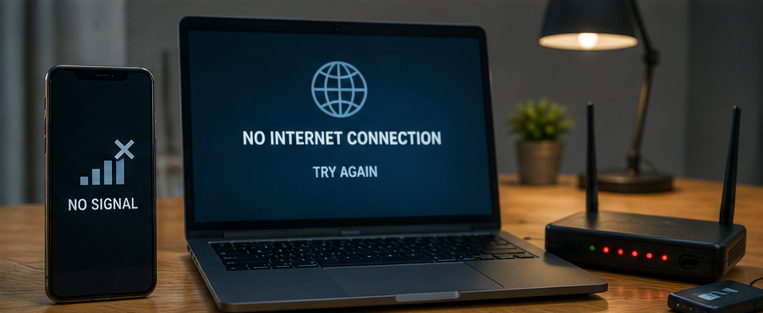 Modern populations are also psychologically dependent on digital systems. Many people now rely almost entirely on smartphones for navigation, communication, information access, emergency updates, financial transactions, and social coordination. The sudden loss of these systems can create disorientation and panic very quickly.
Prepared individuals often recognize that technology itself is not the problem.
The problem is dependence without redundancy.
Preparedness therefore emphasizes layered systems:
- offline backups
- alternate communication methods
- printed references
- local knowledge
- decentralized tools
- independent power capability
Historically, resilient societies preserved multiple ways to communicate, store knowledge, and maintain continuity when systems failed.
Modern preparedness increasingly requires rediscovering that principle.
1.5 Information as a Survival Resource
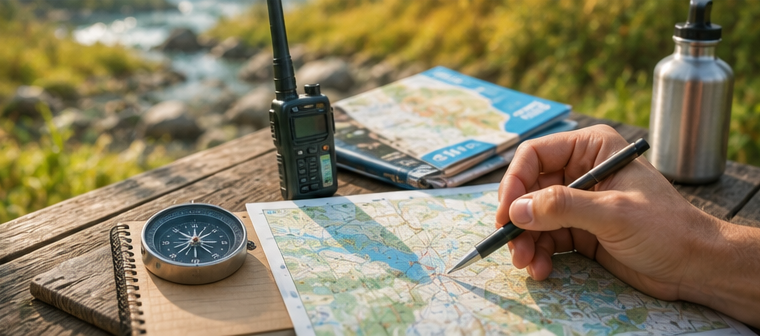 Most people naturally think about survival in physical terms:
food, water, shelter, fuel, medicine, and security.
While these resources are critically important, modern emergencies increasingly demonstrate that information itself has become a survival resource as well.
Good information affects nearly every major decision people make during a crisis. It influences:
- whether people evacuate or stay
- where they travel
- how they manage supplies
- which routes they avoid
- where resources remain available
- whether water is safe
- how communities coordinate
Bad information can create panic, waste resources, increase danger, and accelerate instability.
One of the biggest challenges during emergencies is that information quality often declines precisely when people need reliable answers most. Rumors spread rapidly. Emotional narratives dominate attention. Social media amplifies fear. Official information may remain incomplete or delayed. Communication systems become overloaded.
Under these conditions, people often struggle to separate reality from noise.
Prepared individuals frequently recognize that situational awareness is one of the most important forms of preparedness. The ability to gather, evaluate, verify, and interpret information calmly can dramatically improve survival outcomes during instability.
This is why communication resilience matters so much.
Access to:
- radios
- offline references
- local communication networks
- printed maps
- emergency frequencies
- community information systems
may become critically important when mainstream digital infrastructure becomes unreliable.
Historically, communities capable of preserving communication and knowledge continuity often remained more stable during disasters than populations isolated by confusion and fear.
Information therefore functions much like any other survival resource:
it must be preserved, protected, verified, and made accessible under difficult conditions.
In the modern world, preparedness increasingly means ensuring that when systems fail, the ability to find answers does not fail with them.
2. The First 24 Hours
 The first twenty-four hours of a major crisis are often the most chaotic and psychologically disorienting period people experience. During this stage, most individuals still do not fully understand what is happening, how serious the situation may become, or whether systems will recover quickly. Confusion dominates decision-making. Information changes constantly. Rumors spread rapidly. Infrastructure conditions may deteriorate faster than official updates can keep pace with.
This period is defined largely by uncertainty.
Human beings naturally seek stability when familiar systems begin failing. People immediately search for answers because information represents control. They want to know:
- what caused the disruption
- who is affected
- whether the event is local or widespread
- how long it may last
- what actions they should take next
In modern society, the first instinct during emergencies is usually digital. People reach for smartphones, search engines, social media platforms, online maps, and messaging systems. They refresh news feeds repeatedly, contact family members, monitor emergency alerts, and search for reassurance that the crisis is temporary.
 The problem is that the first twenty-four hours are also when information systems themselves often become overloaded.
Communication networks experience surges in traffic. Cellular systems slow down or fail in crowded areas. News organizations release incomplete or conflicting reports. Social media becomes saturated with emotional content, rumors, speculation, and misinformation. At the same time, fear spreads faster than verified facts.
One of the most important realities about the early phase of emergencies is that public behavior changes rapidly once uncertainty begins affecting large populations simultaneously. Panic buying starts. Fuel lines form. Banking systems experience stress. Highways become congested. Emergency services become overwhelmed. Even people who were previously calm may begin reacting emotionally once visible signs of instability appear.
Prepared individuals often think differently during this period because they understand that the first twenty-four hours are usually dominated more by confusion than clarity. Instead of reacting impulsively to every rumor or headline, they tend to focus on:
- verifying information
- assessing infrastructure conditions
- conserving resources
- monitoring escalation patterns
- maintaining communication capability
Historically, the early hours of disasters often determine how effectively people adapt over the following days and weeks. Good decisions made early can significantly reduce later vulnerability. Poor decisions driven by panic can create problems that become much harder to solve once infrastructure deteriorates further.
The first twenty-four hours therefore are not only about survival.
They are about establishing stability before chaos compounds.
2.1 What Most People Search for First
One of the clearest patterns during emergencies is how predictable human information behavior becomes once uncertainty appears. Regardless of the specific disaster, most people begin searching for similar categories of information almost immediately.
 Their first concern is understanding reality itself.
People instinctively search for confirmation:
What happened?
Is this real?
Who else is affected?
Is this temporary?
How bad is it?
These questions reflect the brain’s attempt to reduce uncertainty quickly.
In modern crises, the first searches often involve:
- power outages
- emergency alerts
- internet disruptions
- road closures
- banking problems
- communication failures
- fuel availability
- emergency broadcasts
People also immediately begin checking on family members, coworkers, and local communities. Communication becomes one of the highest emotional priorities during the first hours because uncertainty about loved ones creates intense psychological stress.
One important aspect of these early searches is that most people initially assume systems will recover quickly. Early behavior is often shaped by the belief that the disruption is temporary. This influences how people use resources, whether they travel, how much they purchase, and how seriously they interpret the crisis.
Prepared individuals frequently recognize that these early searches reveal deeper psychological needs:
- reassurance
- certainty
- orientation
- connection
- stability
Understanding this behavior matters because public reaction itself often becomes part of the crisis. Panic buying, overloaded communication systems, and emotional rumor spreading all emerge from the collective search for answers during uncertainty.
 Historically, populations experiencing sudden instability often followed similar behavioral patterns long before modern technology existed. People gathered in public spaces, sought news from travelers, listened for official announcements, and relied heavily on word-of-mouth communication.
Modern digital systems simply accelerate this process dramatically.
The first searches people make during emergencies reveal not only what they fear most, but how dependent modern society has become on instant access to information.
2.2 Panic-Driven Information Needs
During the early stages of a crisis, fear strongly influences what information people seek and how they interpret it. Panic-driven information behavior is not necessarily irrational. It is a survival response. Human beings instinctively attempt to regain control when uncertainty threatens their sense of safety.
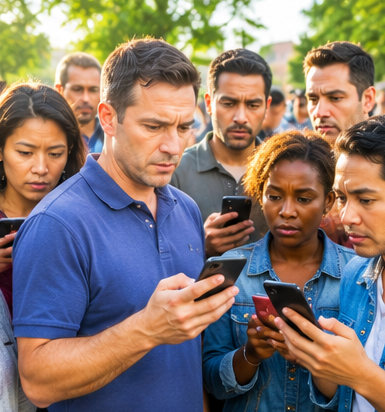 The problem is that fear changes how people process information.
Under stress, people often prioritize speed over accuracy. They share unverified claims, believe emotionally charged narratives, and react impulsively to dramatic headlines because uncertainty itself feels psychologically unbearable.
One of the first effects of panic is narrowing attention. People focus heavily on immediate emotional threats:
- food shortages
- fuel scarcity
- violence
- outages
- family safety
- financial access
This creates extremely high demand for information, often overwhelming systems rapidly.
During emergencies, many people begin consuming information almost compulsively. They refresh social media constantly, switch between news channels repeatedly, and search continuously for reassurance or confirmation that conditions are improving. Unfortunately, this behavior often increases stress rather than reducing it because emotionally charged information spreads faster than calm analysis.
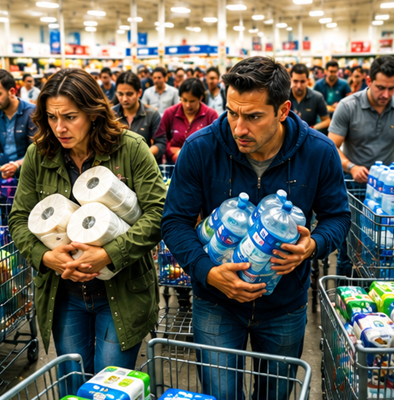 Modern media systems amplify this dynamic significantly. Social platforms reward emotional engagement, which means fear-driven content frequently becomes the most visible content during crises. Dramatic videos, alarming rumors, and speculative claims spread rapidly because frightened people share them instinctively.
Prepared individuals often recognize this psychological pattern early. Instead of consuming information continuously, they may focus more selectively on:
- infrastructure status
- official emergency broadcasts
- communication reliability
- local conditions
- practical resource information
This does not mean prepared individuals ignore threats. Rather, they attempt to avoid becoming emotionally trapped inside the information panic cycle itself.
Historically, fear has always shaped human behavior during disasters. What makes modern emergencies different is the speed at which panic now spreads digitally through interconnected communication networks.
The first twenty-four hours are often less dangerous because of physical collapse and more dangerous because fear changes human behavior so quickly.
2.3 The Race for Reliable Information
One of the greatest challenges during the first day of a crisis is determining which information can actually be trusted. Emergencies create enormous demand for answers at precisely the moment when reliable information may be hardest to obtain.
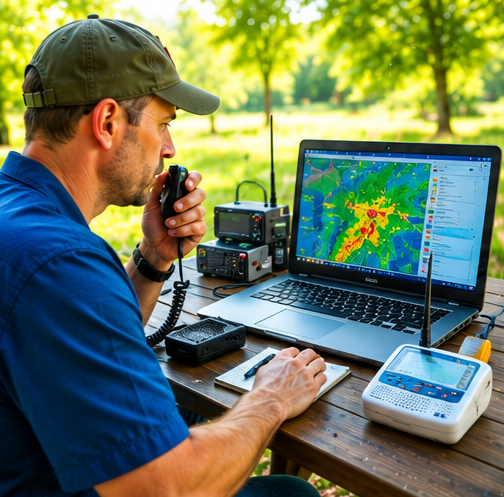 In the beginning, even authorities often lack complete understanding of unfolding events.
Infrastructure damage may still be developing. Communication systems may be partially impaired. Reports conflict with each other. News organizations compete for speed. Social media floods with speculation. People share incomplete observations as if they represent confirmed reality.
This creates an information environment dominated by uncertainty.
One of the most dangerous assumptions people make during emergencies is believing that the first widely shared explanation must be accurate. In reality, early reports are often incomplete or wrong because crises evolve faster than verification processes can keep pace with.
Prepared individuals often understand that reliable situational awareness requires patience and comparison rather than emotional reaction.
Instead of relying entirely on one source, they may compare:
- emergency broadcasts
- radio traffic
- infrastructure observations
- official statements
- local communication networks
- direct community reports
This layered approach helps reduce vulnerability to misinformation.
One important preparedness lesson is that the most emotionally dramatic information is not always the most accurate information. Fear spreads quickly because emotional content captures attention more effectively than cautious analysis.
The race for reliable information becomes especially important during infrastructure crises because bad decisions made early can increase vulnerability dramatically. Traveling unnecessarily, exhausting fuel, mismanaging supplies, or reacting impulsively to rumors can create long-term problems.
Historically, communities capable of preserving communication clarity during disasters often remained more stable than populations overwhelmed by confusion and conflicting narratives.
Preparedness therefore increasingly involves information discipline:
the ability to slow down, verify carefully, and avoid reacting emotionally before reality becomes clearer.
2.4 Common Mistakes During Early Chaos
The first twenty-four hours of a crisis are often filled with preventable mistakes driven by fear, confusion, and emotional reaction. Many of these mistakes occur because people assume normal systems will recover immediately or because they act impulsively without assessing conditions carefully first.
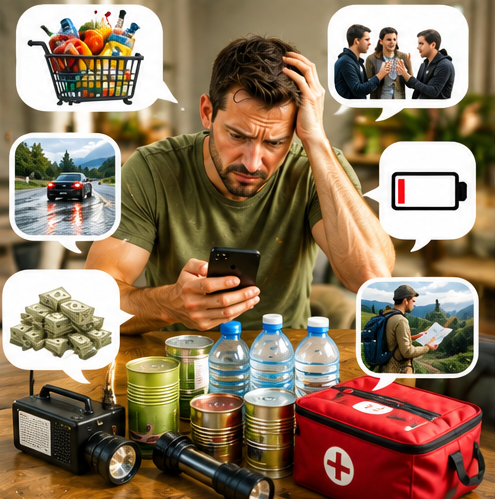 One common mistake is overreacting emotionally to incomplete information. People may:
- rush into dangerous travel
- overbuy supplies
- drain fuel reserves unnecessarily
- spread rumors
- abandon useful routines
- make major decisions without reliable information
Fear compresses time psychologically. People feel pressure to act immediately even when conditions remain unclear.
Another major mistake involves communication overload. During emergencies, people often attempt to contact everyone simultaneously. Cellular networks and messaging systems can quickly become overloaded, making communication even more difficult. In many disasters, communication systems fail not because they were physically destroyed initially, but because usage surges exceed system capacity.
People also frequently underestimate how quickly infrastructure stress spreads. A localized outage may affect:
- fuel availability
- payment systems
- internet access
- transportation
- refrigeration
- emergency response capability
Prepared individuals often focus heavily on slowing down mentally during early chaos. This may seem counterintuitive, but emotional restraint frequently leads to better decisions during rapidly evolving situations.
One of the most important preparedness principles is preserving flexibility early. Once resources are wasted, fuel is exhausted, or dangerous movement begins, options narrow quickly.
Historically, many disaster survivors later described the early hours as psychologically overwhelming not because they lacked courage, but because uncertainty created enormous pressure to react immediately.
Preparedness attempts to reduce this pressure by encouraging:
- observation
- planning
- resource conservation
- communication discipline
- calm situational assessment
The first twenty-four hours often shape everything that follows.
Good decisions during uncertainty can create stability long before the full scale of the crisis becomes visible.
2.5 How Fast Information Systems Become Overloaded
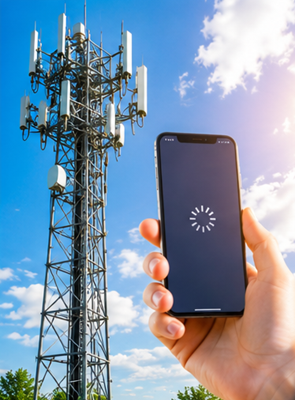 Modern society depends heavily on communication infrastructure functioning continuously and at enormous scale. Under normal conditions, these systems operate remarkably well. Billions of people communicate instantly across the world every day through:
- cellular networks
- internet systems
- cloud platforms
- messaging apps
- streaming services
- digital media
Most people assume these systems are nearly unlimited.
Emergencies quickly reveal their limits.
One of the first things that happens during large-scale crises is a massive surge in communication demand. People simultaneously attempt to:
- call family members
- access news updates
- stream live coverage
- check social media
- use navigation systems
- process financial transactions
- contact emergency services
This sudden spike can overwhelm networks extremely quickly.
In some disasters, communication systems remain physically intact but become functionally unusable because traffic volume exceeds capacity. Calls fail. Messages delay. Websites crash. Mobile data slows dramatically. Emergency lines become overloaded.
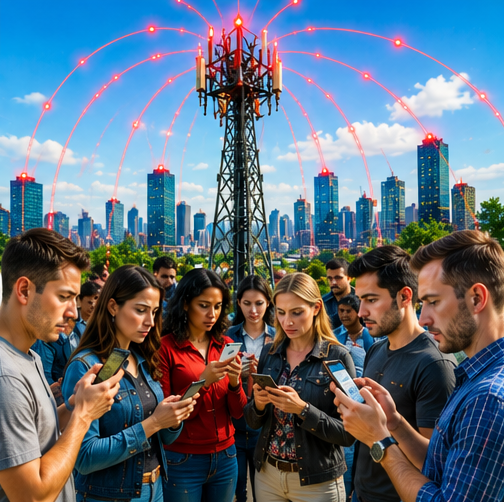 At the same time, infrastructure supporting communication systems may also face stress:
- power outages
- damaged towers
- fiber disruptions
- cyber attacks
- fuel shortages affecting backup generators
Modern populations are psychologically unprepared for communication failure because constant connectivity has become normalized. Many people experience immediate anxiety when they lose access to:
- messaging
- news
- navigation
- online search capability
Prepared individuals often recognize that communication instability is one of the earliest indicators that broader systems may be under severe stress.
This is why preparedness frequently emphasizes communication redundancy:
- radios
- offline references
- alternate networks
- printed contacts
- local coordination systems
Historically, societies always depended on communication for survival during crises. Modern technology increased communication speed enormously, but it also centralized dependence into infrastructure that can become overloaded surprisingly fast.
The first twenty-four hours of an emergency often reveal just how fragile modern information systems really are.
3. Understanding Human Behavior During Emergencies
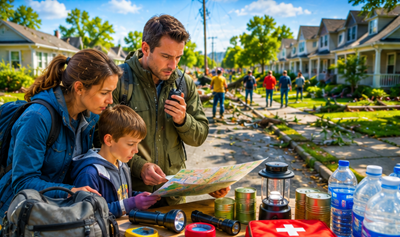 One of the most overlooked aspects of preparedness is human behavior. Most people spend significant time thinking about supplies, equipment, food, water, or security, but far fewer spend time understanding how people actually behave during fear, uncertainty, and sudden disruption.
In reality, human behavior often shapes the outcome of emergencies just as much as the event itself.
Throughout history, disasters, wars, economic collapses, pandemics, infrastructure failures, and social unrest have repeatedly demonstrated that people rarely behave exactly as expected once normal systems begin breaking down. Some individuals become calm and highly focused. Others panic immediately. Some freeze completely and become unable to make decisions. Others follow crowds without thinking critically about what is happening around them.
Prepared individuals frequently recognize that understanding human psychology is a major part of preparedness itself.
Modern society created an environment where many people became deeply dependent on stability, routine, instant information, and continuous reassurance. During ordinary life, most systems appear reliable and permanent. Food is available immediately. Communication is instant. GPS provides directions automatically. News updates arrive constantly. Most people rarely experience prolonged uncertainty or infrastructure instability.
Emergencies disrupt these assumptions very quickly.
One important preparedness lesson is that fear often spreads faster than the actual emergency itself. Human beings instinctively seek safety, information, and reassurance during uncertainty. When reliable information becomes limited or conflicting, emotional reactions often begin driving behavior more than logic or planning.
Prepared individuals often focus heavily on remaining psychologically stable during crises because calm decision-making may become one of the most valuable survival advantages a person can have.
Historically, communities that adapted successfully during difficult periods often maintained:
- strong social cooperation
- practical leadership
- emotional discipline
- local communication
- realistic expectations
Communities overwhelmed by panic, misinformation, or emotional instability frequently became far more vulnerable even when resources still existed.
Preparedness therefore is not only physical.
It is psychological.
Understanding fear, uncertainty, social behavior, and decision-making under stress may dramatically improve a person’s ability to function effectively during emergencies.
3.1 Fear, Confusion, and Information Overload
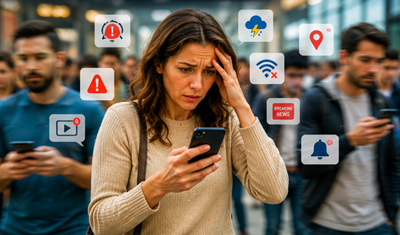 One of the first things that happens during a major emergency is an explosion of information. In the modern world, people immediately begin searching for updates through:
- news websites
- social media
- text messages
- livestreams
- videos
- emergency alerts
- online discussions
At first glance, this appears helpful because people naturally want information during uncertainty.
The problem is that emergencies often produce overwhelming amounts of conflicting, incomplete, emotional, or inaccurate information all at once.
Prepared individuals frequently recognize that information overload may become psychologically dangerous because the human brain struggles to process large amounts of conflicting input under stress. People begin jumping rapidly between headlines, rumors, videos, opinions, and emotional reactions without fully understanding what is actually happening.
This creates confusion very quickly.
One important preparedness lesson is that fear increases dramatically when people cannot determine:
- what is true
- what is false
- how serious the situation is
- what actions should be taken
- whether conditions are improving or worsening
Human beings instinctively seek certainty during danger. When certainty disappears, emotional reactions often intensify.
Historically, communities facing disasters or instability often struggled not only with the emergency itself, but also with confusion and unreliable information. Rumors, exaggerated reports, conflicting leadership, and emotional panic frequently worsened situations far beyond the original problem.
Modern technology increased the speed of information dramatically, but it also increased the speed of confusion.
Prepared individuals often recognize that staying calm requires filtering information carefully rather than consuming endless streams of emotionally charged updates. Too much information without verification may impair decision-making instead of improving it.
Preparedness therefore increasingly involves learning how to remain mentally disciplined during informational chaos.
3.2 Why People Freeze
One of the most surprising realities during emergencies is that many people initially do nothing at all.
 Even during dangerous situations, individuals may remain passive, confused, or emotionally overwhelmed rather than taking immediate action. This reaction is commonly referred to as “freezing.”
Prepared individuals frequently recognize that freezing is a normal human stress response. Under sudden uncertainty, the brain may struggle to process what is happening fast enough to make clear decisions.
Human beings often expect emergencies to look obvious and dramatic, but real emergencies frequently begin with ambiguity. People may initially question:
- Is this serious?
- Is this temporary?
- Am I overreacting?
- Should I wait for more information?
- Surely someone else is handling this?
This uncertainty delays action.
Modern society also conditioned many people to depend heavily on external guidance and institutional stability. During ordinary life, most individuals rely on systems, authorities, or technology to provide direction during problems. Emergencies sometimes create situations where guidance becomes delayed, confusing, or unavailable entirely.
When this happens, many people psychologically freeze because they are unaccustomed to acting independently under uncertainty.
Historically, freezing behavior has appeared repeatedly during:
- natural disasters
- fires
- economic collapses
- warfare
- infrastructure failures
- sudden evacuations
Prepared individuals often focus heavily on mental readiness precisely because stress may impair judgment dramatically during real emergencies.
One important preparedness lesson is that simple planning helps reduce freezing behavior. People who already possess:
- emergency plans
- backup procedures
- communication plans
- supply organization
- realistic expectations
often transition into action much faster because uncertainty becomes more manageable.
Preparedness ultimately improves confidence because the brain performs better when some level of structure already exists before chaos begins.
3.3 Herd Behavior and Digital Dependence
Human beings are deeply social creatures. During uncertainty, people naturally look to others for cues about how to behave. This tendency becomes extremely powerful during emergencies.
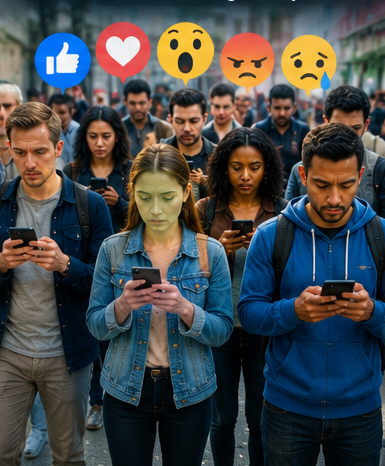 Prepared individuals frequently recognize that herd behavior often shapes public reaction more than facts themselves.
If crowds begin panic buying, others quickly follow. If social media spreads fear, emotional reactions escalate rapidly. If people believe shortages are coming, stores may empty almost immediately regardless of whether supply systems actually collapsed yet.
Human beings often interpret group behavior as evidence of danger.
Modern digital systems amplified this dramatically.
Social media platforms, livestreams, viral videos, and algorithm-driven content allow fear and emotional reactions to spread faster than ever before. A rumor, video clip, or dramatic image may influence millions of people emotionally within hours regardless of whether the information is accurate.
Prepared individuals often recognize that digital dependence created new psychological vulnerabilities.
Many people now rely almost entirely on:
- smartphones
- internet searches
- GPS systems
- social media
- digital payment systems
- online communication
for daily functioning.
Emergencies reveal how psychologically dependent modern populations became on constant digital reassurance and connectivity.
When these systems become unstable, people often feel disoriented very quickly because they no longer know:
- where to get reliable information
- how to navigate
- how to communicate
- what conditions are developing
Historically, communities depended far more heavily on local awareness, practical skills, face-to-face communication, and decentralized knowledge.
Preparedness increasingly means rebuilding some of that independence.
One important preparedness lesson is that crowds are not always rational during fear. Following herd behavior blindly may create additional danger rather than safety.
Prepared individuals often focus on calm observation, planning, and independent thinking rather than reacting emotionally to public panic.
3.4 The Psychology of Uncertainty
Human beings generally tolerate hardship better than uncertainty.
People can adapt to difficult conditions surprisingly well if they understand:
- what is happening
- how long it may last
- what actions should be taken
 Uncertainty becomes psychologically exhausting because the human brain continuously searches for patterns, predictions, and reassurance during danger.
Prepared individuals frequently recognize that uncertainty itself often becomes one of the hardest parts of emergencies.
Questions such as:
- How long will this last?
- Is it getting worse?
- Will systems recover?
- Are we safe?
- What happens next?
may create enormous emotional stress even before physical conditions deteriorate severely.
Modern society conditioned many people to expect immediate answers and continuous information. Smartphones, internet access, and real-time communication created an environment where uncertainty feels abnormal.
Emergencies remove that certainty very quickly.
Historically, populations facing disasters, wars, or instability often struggled emotionally because long periods of uncertainty create fatigue, anxiety, and emotional exhaustion. People begin making impulsive decisions simply because they want clarity and control to return.
Prepared individuals often recognize that emotional discipline becomes critically important during these periods.
One important preparedness lesson is that resilience involves learning how to function calmly even when complete information does not exist.
Preparedness does not eliminate uncertainty.
It improves the ability to adapt despite uncertainty.
People who already possess:
- plans
- supplies
- knowledge
- realistic expectations
- communication systems
often remain psychologically steadier because they have more options available when normal systems become unstable.
3.5 Rumors, Misinformation, and Panic
One of the oldest human behaviors during crises is the spread of rumors.
 Historically, misinformation has appeared during nearly every major emergency because people naturally attempt to explain uncertainty when reliable information is limited. During fear, emotional stories often spread faster than calm and verified information.
Modern technology accelerated this dramatically.
Social media platforms allow rumors, edited videos, misleading headlines, emotional speculation, and false reports to spread globally within minutes. During emergencies, many people share information emotionally before verifying accuracy because they are attempting to:
- warn others
- reduce uncertainty
- feel informed
- regain control
Prepared individuals frequently recognize that misinformation may create serious secondary problems during emergencies.
False rumors may trigger:
- panic buying
- unnecessary evacuations
- violence
- fear
- distrust
- emotional instability
- poor decision-making
One important preparedness lesson is that emotionally charged information is not always reliable information.
Historically, communities surviving instability successfully often depended on:
- trusted local communication
- practical leadership
- calm decision-making
- verification
- emotional discipline
Prepared individuals frequently focus on slowing down emotionally before reacting to dramatic claims or frightening information.
This becomes especially important during modern emergencies where information spreads faster than verification.
Preparedness ultimately involves more than physical survival.
It also involves psychological stability.
The ability to remain calm, think critically, verify information carefully, and avoid emotional overreaction may become one of the most valuable survival skills a person can develop during uncertain times.
4. Critical Information Categories During SHTF
One of the first things people realize during a major emergency is that information itself becomes a survival resource. During ordinary life, information feels unlimited and constantly available. People can instantly search the internet, use GPS navigation, watch breaking news, contact others, and access tutorials or instructions for almost anything within seconds.
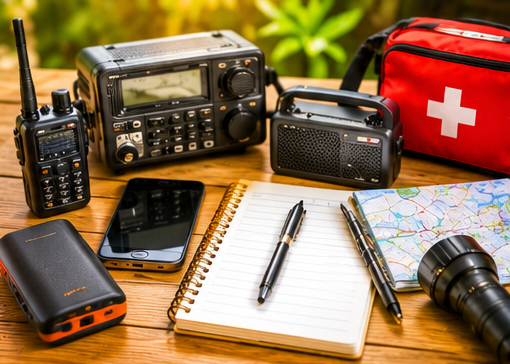 Modern society became deeply dependent on this constant access to information.
Emergencies expose how dangerous it may become when that access suddenly disappears or becomes unreliable.
Prepared individuals frequently recognize that one of the biggest threats during large-scale instability is not only the physical emergency itself, but the inability to obtain reliable answers quickly. People begin asking questions involving:
- communication
- water
- food
- medical care
- security
- transportation
- power
- financial access
- shelter
These are not random concerns.
They represent the core systems modern human survival depends on every day.
One important preparedness lesson is that nearly all modern infrastructure categories are interconnected. Communication systems affect transportation. Power affects water delivery. Financial systems affect food access. Transportation affects medical supply chains. When one system becomes unstable, cascading effects often begin affecting many others simultaneously.
Prepared individuals frequently think in terms of systems rather than isolated problems.
Historically, resilient communities survived difficult periods because they maintained local knowledge, practical skills, decentralized communication, and the ability to adapt when larger systems weakened. Modern civilization centralized enormous amounts of infrastructure into highly efficient but highly interconnected systems.
Preparedness today increasingly means rebuilding resilience across multiple categories rather than depending entirely on centralized infrastructure remaining stable indefinitely.
One important reality about emergencies is that people often search for information in predictable patterns. At first, they seek understanding:
- What is happening?
- How serious is it?
- Is it temporary?
Then they begin focusing on survival systems:
- Is water safe?
- Is food available?
- Can I contact family?
- Is power returning?
- Are banks functioning?
- Are roads open?
- Is medical care still available?
Prepared individuals often recognize that understanding these critical information categories ahead of time helps reduce panic and improve decision-making during real emergencies.
This is another reason offline preparedness matters so much.
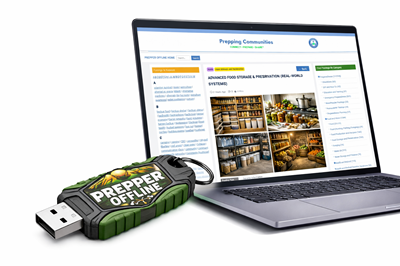
A system like Prepper Offline may help preserve preparedness information independently from internet access, allowing individuals to retain access to survival knowledge, emergency planning guides, offline maps, medical references, food preservation information, communication planning, and practical preparedness strategies even during infrastructure instability.
Likewise, preparedness communities may become extremely valuable during periods of uncertainty.
A platform like Prepping Communities may help preparedness-minded individuals connect with local groups discussing preparedness planning, communication systems, community resilience, emergency coordination, homesteading, and mutual assistance before emergencies occur.
Preparedness ultimately means reducing uncertainty by understanding how critical systems function — and how to adapt when they stop functioning normally.
4.1 Communications
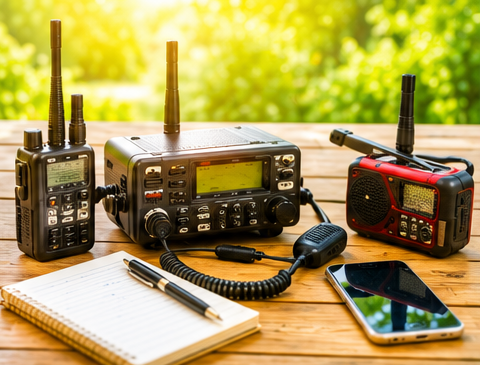 Communication is usually one of the very first systems people become concerned about during emergencies. Human beings instinctively seek information, reassurance, and coordination during uncertainty. The ability to communicate affects nearly every other survival category because communication helps people understand:
- what is happening
- where danger exists
- how conditions are changing
- whether loved ones are safe
Modern society became deeply dependent on smartphones, internet access, social media, cloud systems, GPS services, and cellular networks functioning continuously in the background.
During ordinary life, communication feels automatic.
Emergencies reveal how fragile this dependence can become.
Prepared individuals frequently recognize that communication outages create psychological stress very quickly because uncertainty increases dramatically when people lose the ability to receive updates or contact others.
Historically, resilient communities relied heavily on local communication, radio systems, physical meeting locations, and decentralized coordination rather than total dependence on centralized digital infrastructure.
Preparedness increasingly means rebuilding communication resilience through layered systems rather than relying entirely on smartphones or internet connectivity alone.
4.2 Water
Water becomes one of the most immediate and serious concerns during any prolonged emergency.
 Unlike many other shortages, water problems affect survival extremely quickly. Human beings require clean water constantly for drinking, cooking, sanitation, hygiene, and medical care. Modern populations often take clean water completely for granted because municipal systems usually function continuously and reliably.
Most people rarely think about the infrastructure supporting water delivery involving:
- pumping stations
- electrical systems
- treatment plants
- reservoirs
- maintenance infrastructure
- distribution systems
Emergencies expose how vulnerable these systems may become.
Prepared individuals frequently recognize that water resilience matters more than almost any other preparedness category because nearly every aspect of survival depends on it directly or indirectly.
Historically, civilizations survived or collapsed largely based on reliable access to clean water. Preparedness today increasingly means understanding water purification, storage, sanitation, and alternate sourcing methods before infrastructure becomes unstable.
4.3 Food
Food security is one of the most psychologically important categories during emergencies because food represents stability, routine, and survival.
 Modern grocery systems appear abundant during ordinary life, but most stores rely on highly coordinated supply chains operating continuously through transportation systems, fuel infrastructure, refrigeration networks, labor systems, and digital logistics coordination.
Prepared individuals frequently recognize that modern food systems are optimized heavily for efficiency rather than long-term resilience.
Emergencies reveal this vulnerability quickly.
Panic buying, transportation disruption, power outages, fuel shortages, labor instability, or communication failures may rapidly affect food availability even before agriculture itself becomes disrupted.
Historically, communities maintained far more localized food resilience through preservation, gardening, farming, seasonal storage, and decentralized food systems.
Preparedness increasingly means rebuilding some of that independence through food storage, preservation knowledge, gardening, homesteading, and long-term planning.
4.4 Medical
Medical preparedness becomes critically important during emergencies because healthcare systems depend heavily on stable infrastructure and logistics.
Modern healthcare requires:
- transportation
- communication systems
- electricity
- refrigeration
- pharmaceutical manufacturing
- staffing coordination
- digital systems
- supply chains
During ordinary life, these systems function so efficiently that medical care feels almost automatic.
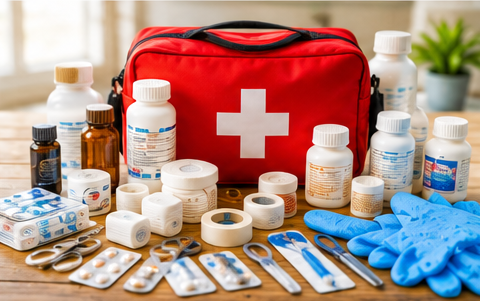 Emergencies expose how quickly medical access may become strained.
Prepared individuals frequently recognize that even relatively small injuries or illnesses may become far more dangerous if treatment becomes delayed or infrastructure weakens.
Historically, communities survived partly because practical medical knowledge existed at the household and local level. Families often maintained basic understanding involving sanitation, hydration, wound care, and emergency treatment.
Preparedness increasingly means rebuilding some of that practical resilience while still respecting the importance of professional healthcare whenever available.
4.5 Security
Security concerns often rise rapidly during instability because uncertainty affects human behavior.
When systems weaken, people naturally become concerned about:
- personal safety
- family protection
- resource security
- civil unrest
- crime
- local stability
Prepared individuals frequently recognize that security involves far more than physical defense alone.
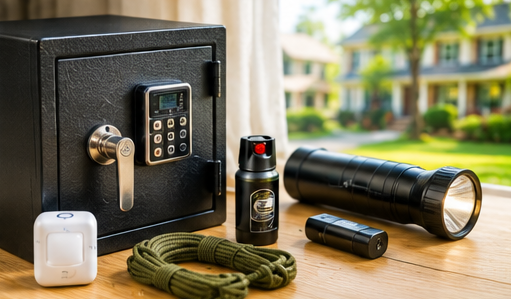 Historically, resilient communities maintained security through:
- cooperation
- awareness
- communication
- local coordination
- practical planning
- community trust
Modern society often depends heavily on institutional stability and centralized emergency response systems. Emergencies may strain or delay these systems significantly.
Preparedness increasingly means understanding situational awareness, emotional discipline, local coordination, and practical planning rather than reacting purely through fear.
One important preparedness lesson is that panic and emotional instability often create secondary security problems during emergencies.
Preparedness helps reduce vulnerability by increasing calm decision-making and community resilience.
4.6 Transportation
Transportation systems become critically important during emergencies because nearly every modern infrastructure category depends on movement.
 Food delivery, fuel distribution, medical supplies, emergency response, evacuation, and communication infrastructure all rely heavily on transportation networks functioning continuously.
Most people rarely think about how dependent modern life became on:
- highways
- fuel systems
- trucking
- GPS navigation
- public transportation
- supply logistics
Emergencies reveal this dependency immediately.
Prepared individuals frequently recognize that transportation problems may begin through fuel shortages, road closures, infrastructure damage, communication failures, weather conditions, or public panic.
Historically, communities often relied more heavily on local production and shorter supply lines. Modern civilization centralized production and extended supply chains across enormous distances.
Preparedness increasingly means understanding transportation vulnerability and maintaining flexibility during instability.
4.7 Power and Energy
Electricity powers nearly every critical system in modern society.
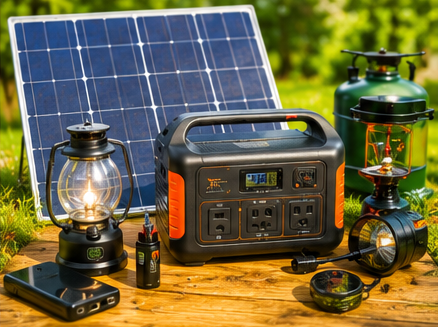 Water treatment depends on electricity. Communication systems require electricity. Fuel distribution depends on electricity. Medical systems rely heavily on electricity. Food preservation depends on refrigeration. Financial systems depend on digital infrastructure.
During ordinary life, electrical systems feel nearly invisible because they operate continuously in the background.
Emergencies expose how deeply civilization depends on stable energy systems.
Prepared individuals frequently recognize that power outages create cascading effects across nearly every other infrastructure category simultaneously.
Historically, communities functioned with far lower electrical dependence because daily survival systems remained more localized and manual. Modern society centralized enormous amounts of functionality into electrical infrastructure.
Preparedness increasingly means rebuilding resilience through backup power systems, energy conservation, off-grid capability, and practical adaptation strategies.
4.8 Financial Access
Modern society depends heavily on digital financial systems functioning continuously.
Most people rarely carry large amounts of cash because:
- debit systems
- credit cards
- mobile banking
- online payments
- digital transfers
operate almost instantly during ordinary life.
 Emergencies reveal how vulnerable this dependency may become.
Prepared individuals frequently recognize that financial access problems may occur through:
- banking outages
- cyber attacks
- communication failures
- power outages
- payment processing disruption
- infrastructure instability
When digital systems fail, even people with financial resources may suddenly struggle to access necessities.
Historically, communities often relied more heavily on barter, local trade, physical currency, and decentralized economic systems. Modern civilization centralized financial systems into digital infrastructure dependent on constant connectivity.
Preparedness increasingly means understanding financial resilience and maintaining flexibility during instability.
4.9 Shelter and Survival
Shelter remains one of humanity’s most fundamental survival needs.
During emergencies, people immediately begin worrying about:
- staying warm
- staying dry
- protecting family members
- maintaining sanitation
- preserving safety
- surviving environmental conditions
Modern housing systems depend heavily on infrastructure involving:
- electricity
- heating systems
- water delivery
- sewage systems
- fuel access
- communication networks
Prepared individuals frequently recognize that shelter resilience involves more than simply having a roof overhead.
Historically, communities survived difficult conditions because people understood:
- heating methods
- insulation
- weather protection
- food storage
- water management
- practical survival skills
Modern populations became increasingly dependent on centralized utilities to provide these functions automatically.
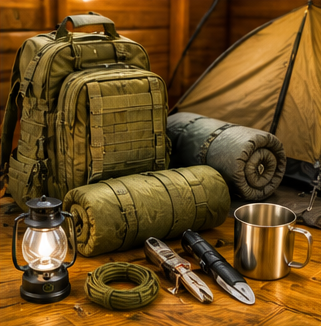 Preparedness increasingly means rebuilding practical survival knowledge and adaptation capability before infrastructure becomes unstable.
One important preparedness lesson is that shelter provides more than physical protection.
It provides psychological stability.
During uncertainty, maintaining warmth, safety, structure, and routine may dramatically improve emotional resilience and long-term survival capability for individuals and families alike.
© Prepping Communities. This content is for informational purposes only and not professional advice. Use at your own risk.
Terms | Privacy | Guidelines