
1. Introduction to Rural Survival
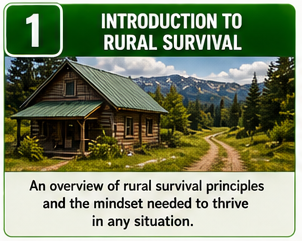 Rural survival is not simply an extension of preparedness—it is a fundamentally different operating model. In urban environments, survival often revolves around access: access to food, water, healthcare, and infrastructure. In rural environments, survival shifts toward control, production, and long-term sustainability. The further you move from centralized systems, the more responsibility shifts onto the individual.
In practical terms, rural survival means designing a lifestyle and a property that can continue functioning even when external systems fail or become unreliable. This includes securing water sources, producing food, maintaining energy systems, and managing security without immediate outside assistance. It is not about reacting to short-term emergencies—it is about building a system that remains stable through long-term disruption.
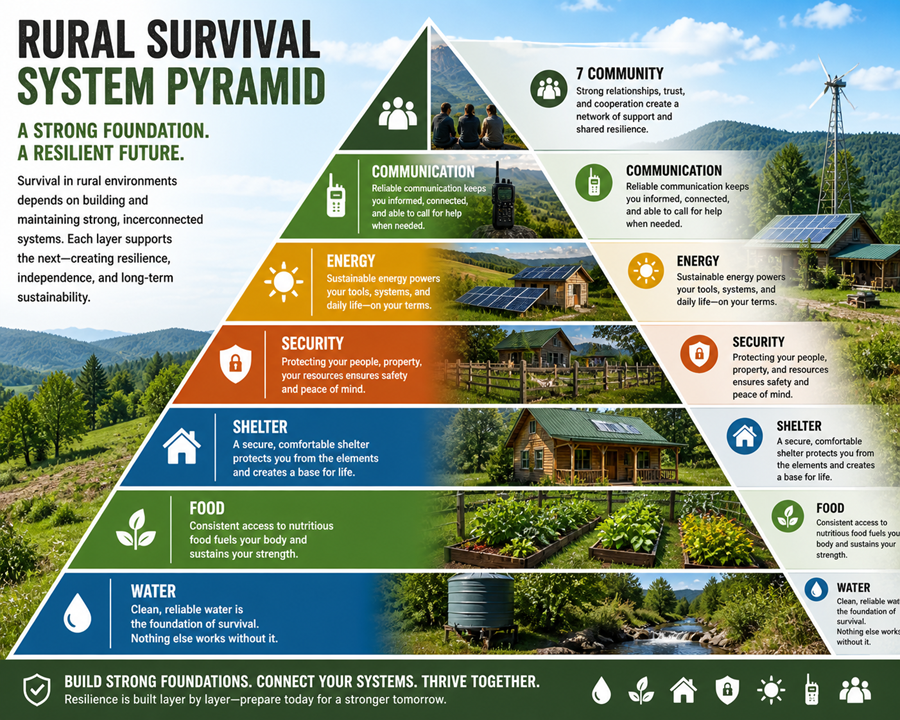
This section lays the foundation for everything that follows. It defines what rural survival truly is, explores the realities of rural environments, and establishes the mindset required to operate effectively within them. Without a clear understanding of these fundamentals, all other preparedness efforts risk being incomplete or misaligned.
1.1 Defining “Rural Survival” vs Urban Preparedness
Urban preparedness and rural survival share common goals—safety, resilience, and continuity—but they operate under very different conditions. In urban environments, preparedness often focuses on short-term disruptions such as power outages, supply chain delays, or temporary service interruptions. The assumption is that systems will eventually return, and that support—whether from government, community, or commerce—is relatively close at hand.
Rural survival, by contrast, operates under the assumption that support may be delayed, limited, or nonexistent. The distance from services changes the nature of preparedness entirely. Instead of relying on rapid response, individuals must develop the ability to solve problems independently and sustain themselves over longer periods.
This distinction becomes most clear when examining how needs are met. In urban settings, food is typically stored or purchased. In rural settings, food must often be produced, preserved, and managed over time. Water may come from a tap in a city, but in rural environments it may come from a well, a spring, or collected rainwater—each requiring maintenance and oversight. Energy may shift from a utility to a system you manage yourself.
The key difference is this:
Urban preparedness is largely about managing disruption.
Rural survival is about eliminating dependency where possible and replacing it with control.
Understanding this shift is critical. It changes how you plan, what you prioritize, and how you measure readiness.
1.2 Characteristics of Rural Environments
 Rural environments are defined by their distance from centralized systems and their reliance on natural conditions. These environments vary widely—forests, mountains, plains, deserts—but they share several core characteristics that shape survival strategies.
One of the most important characteristics is low population density. Fewer people often means fewer immediate threats, but it also means fewer available resources, services, and support networks. The absence of nearby infrastructure can turn small problems into significant challenges. A minor injury, a mechanical failure, or a supply shortage can escalate quickly when help is hours away instead of minutes.
Another defining feature is environmental exposure. Rural living places you in direct contact with weather, terrain, and seasonal cycles. Unlike urban areas, where infrastructure buffers environmental impact, rural environments require you to adapt to those conditions. This includes preparing for temperature extremes, managing water availability, and understanding how local ecosystems behave throughout the year.
Infrastructure limitations are also significant. Power outages may last longer, communication systems may be unreliable, and transportation routes may be affected by weather or terrain. These limitations force a shift toward redundancy and self-managed systems.
At the same time, rural environments offer access to resources that are rarely available in urban settings. Land can be used for food production, water can be sourced locally, and natural materials can support construction and maintenance.
In rural survival, the environment is not just a backdrop—it is a primary factor that determines success or failure. Learning to read, adapt to, and work with that environment is essential.
1.3 Opportunities of Rural Living
While rural environments present challenges, they also offer some of the strongest advantages for long-term preparedness and resilience. Chief among these is the ability to move from consumption to production.
In a rural setting, food production becomes a viable and scalable option. Gardens, orchards, and livestock systems can be developed over time to reduce reliance on external food sources. This does not require complete self-sufficiency, but even partial production significantly increases resilience by reducing dependence on fragile supply chains.
Water independence is another major opportunity. Wells, springs, and rainwater collection systems allow individuals to maintain control over one of the most critical survival resources. When properly managed, these systems provide long-term stability that is difficult to achieve in urban environments.
Energy systems also benefit from rural conditions. Solar panels, wind turbines, and backup generators can be deployed more easily where space and environmental conditions allow. Combined with lower energy demands, this makes off-grid or hybrid energy systems far more practical.
Security is another advantage. With fewer people and greater control over land, it becomes easier to monitor access points and establish layered defenses. Visibility can be managed, and natural terrain can be used as a protective barrier.
Perhaps most importantly, rural living provides the space to build redundancy. Multiple water sources, backup power systems, diversified food production, and distributed storage all become possible. This redundancy is what transforms a property from a place to live into a system that can endure disruption.
1.4 Risks of Isolation
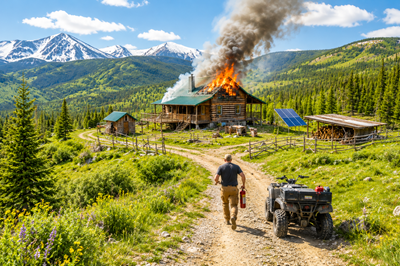 The same factors that create independence in rural environments also introduce significant risks. Isolation increases the burden on the individual and reduces the margin for error.
One of the most critical risks is delayed emergency response. Medical emergencies, fires, or security incidents may take far longer to receive external assistance. In many cases, the initial response—and sometimes the entire response—must be handled by those on-site. This requires not only equipment, but training, planning, and confidence under pressure.
Access to supplies is another challenge. Rural areas often have limited retail options, and supply disruptions can take longer to resolve. This makes planning and storage more important, but also requires careful management to avoid waste or shortages.
Communication limitations can compound these risks. Weak cell signals, unreliable internet, and limited broadcast coverage can isolate individuals further during emergencies. Without reliable communication, coordination and situational awareness become more difficult.
Environmental exposure also plays a role. Rural areas are more directly affected by weather events such as storms, wildfires, and extreme temperatures. Without the buffering effect of urban infrastructure, these events can have a more immediate and severe impact.
Finally, there is the psychological aspect of isolation. Living and operating in a rural environment requires mental resilience. Stress, fatigue, and isolation can affect decision-making, especially during prolonged challenges.
The key to managing these risks is not to eliminate them—many cannot be eliminated—but to anticipate them and build systems that compensate for them.
1.5 The Rural Survival Mindset
More than any tool, system, or piece of equipment, success in rural survival depends on mindset. The rural survival mindset is defined by self-reliance, adaptability, and long-term thinking.
At its core is the assumption that you are responsible for solving your own problems. This does not mean rejecting outside help, but it means not depending on it. When something breaks, fails, or runs out, the expectation is that you will find a way to repair, replace, or work around it.
This mindset also emphasizes systems over items. Instead of focusing on acquiring supplies, the focus shifts to building systems that continue to function over time. A water filter is useful, but a water system is essential. Stored food is valuable, but a food production system is far more resilient.
Adaptability is another key component. Rural environments are dynamic—weather changes, resources fluctuate, and unexpected challenges arise. The ability to adjust plans, improvise solutions, and learn from experience is critical.
Patience and long-term thinking are equally important. Many aspects of rural survival—gardening, soil building, livestock management—take time to develop. Results are not immediate, and progress is often incremental. This requires a shift away from short-term thinking toward sustained effort over time.
Ultimately, the rural survival mindset is about building stability in an unstable world, not by controlling everything, but by creating systems that can withstand change.
1.6 Self-Reliance vs Community Dependence
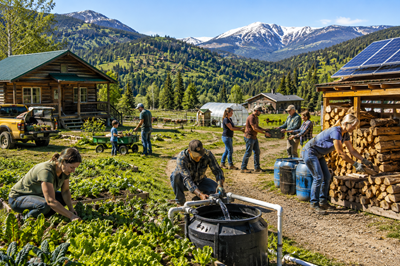 Rural survival is often associated with complete independence, but in practice, long-term resilience is usually achieved through a balance between self-reliance and strategic cooperation.
Self-reliance is the foundation. Each household or individual should be capable of meeting their basic needs—water, food, shelter, and security—without immediate external support. This reduces vulnerability and ensures that short-term disruptions can be managed independently.
However, complete isolation is rarely sustainable over the long term. Communities provide access to a broader range of skills, resources, and support. One person may excel in food production, another in mechanical repair, and another in medical care. By working together, a group can achieve a level of resilience that would be difficult for any individual to match.
The key is to approach community with intention. Not all groups are equally reliable, and not all relationships are beneficial. Trust must be built over time, and expectations should be clear. Shared values, mutual support, and communication are critical.
A balanced approach allows individuals to remain independent in critical areas while benefiting from the strengths of a trusted network. This creates a system where independence reduces risk, and cooperation increases capability.
In rural survival, resilience is not just about what you can do alone—it is about what you can sustain over time, both independently and together.
1.7 Summary
Rural survival represents a fundamental shift from convenience-based living to capability-based living. Unlike urban preparedness—where systems, services, and infrastructure are close and often taken for granted—rural environments require a deeper level of self-sufficiency, awareness, and adaptability. Distance from resources, longer response times, and greater environmental exposure mean that individuals must take a more active role in meeting their own needs.
This section establishes the foundation for everything that follows by defining what rural survival truly means. It explores the unique characteristics of rural environments, highlighting both the advantages—such as space, resource access, and independence—and the challenges, including isolation and limited support systems. Understanding this balance is critical to building realistic and effective preparedness strategies.
Equally important is the development of the rural survival mindset—one that prioritizes planning, observation, and long-term thinking over short-term convenience. This mindset is not about fear or extreme independence, but about resilience, adaptability, and intentional living.
Finally, this section introduces a key principle that carries throughout the handbook: while self-reliance is essential, long-term survival is strengthened through community. The most resilient approach combines individual capability with cooperative support, creating systems that are both independent and interconnected.
2. Threat Assessment in Rural Areas
 Preparedness without a clear understanding of threats is incomplete. In rural environments, risks are often less visible than in urban settings, but when they occur, they tend to have deeper and longer-lasting impacts. The distance from infrastructure, services, and population centers means that even minor disruptions can escalate quickly if not anticipated and managed properly.
A proper threat assessment is not about fear—it is about clarity. It allows you to identify what is most likely to affect your environment, understand how those threats develop, and design systems that either prevent or absorb their impact. Without this process, it is easy to over-prepare for unlikely scenarios while leaving critical vulnerabilities exposed.
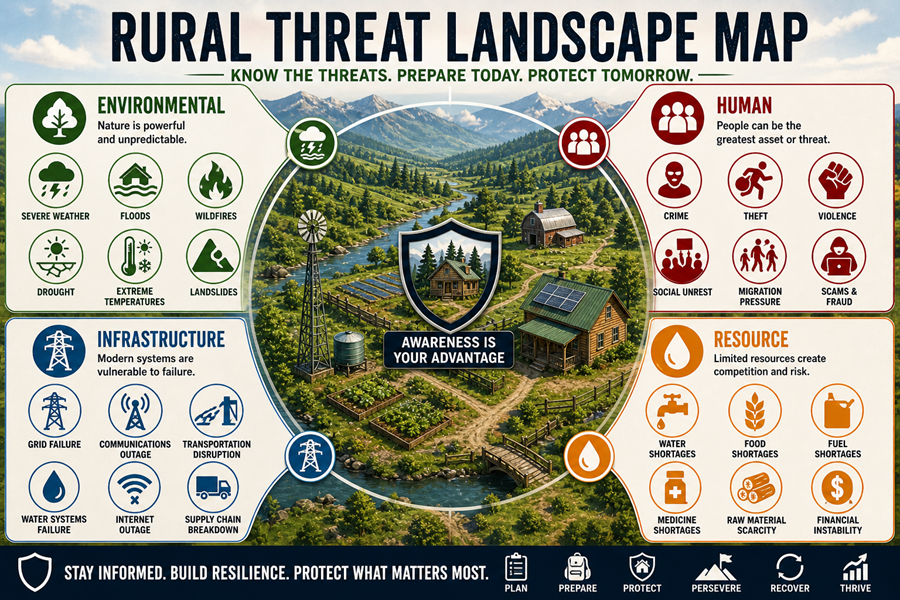
In rural survival, threats rarely occur in isolation. They are interconnected, influenced by environmental conditions, human behavior, and systemic dependencies. This section focuses on identifying those threats, understanding how they evolve, and building a structured approach to prioritizing them.
2.1 Natural Threats (Weather, Wildlife, Environment)
Natural threats are among the most consistent and predictable risks in rural environments, but their predictability does not reduce their impact. Weather patterns, wildlife behavior, and environmental conditions directly influence daily operations, food production, and long-term sustainability.
Weather is one of the most significant variables. Temperature extremes can damage crops, strain energy systems, and create unsafe living conditions. Prolonged cold increases heating demands and risks such as frozen pipes or fuel shortages. Excessive heat can stress water systems, reduce crop yields, and create dangerous working conditions. Storms—whether snow, wind, or rain—can damage structures, disrupt transportation routes, and isolate properties for extended periods. In rural areas, where infrastructure support is limited, recovery from these events often depends entirely on local resources.
Wildlife presents a different type of challenge. While animals can be a valuable resource for food, they can also become a persistent threat. Predators such as coyotes, wolves, or bears may target livestock, particularly if food sources become scarce. Smaller animals can damage crops, contaminate stored food, or spread disease. Even non-predatory wildlife can create problems by competing for resources or damaging infrastructure such as fencing and water systems.
Environmental threats develop more gradually but can be equally destructive. Wildfires are a major concern in many rural areas, particularly in dry seasons or regions with dense vegetation. Once established, they can spread rapidly and are difficult to control without significant preparation. Flooding can damage structures, contaminate water sources, and render land unusable for extended periods. Soil degradation, erosion, and nutrient depletion can reduce agricultural productivity over time, undermining food systems that are critical for long-term survival.
The key to managing natural threats is not avoidance—it is adaptation. By understanding local conditions and designing systems that work with the environment rather than against it, these risks can be significantly reduced.
2.2 Human Threats (Crime, Migration, Desperation)
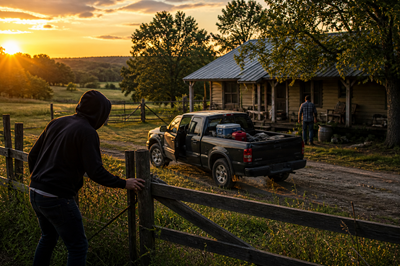 Human threats in rural environments are often underestimated because of lower population density. However, the same isolation that reduces day-to-day interactions can increase vulnerability when problems arise. The absence of immediate oversight or rapid response can make rural properties attractive targets, particularly during times of instability.
Crime in rural areas is typically opportunistic rather than organized. Equipment, fuel, livestock, and stored food are common targets because they are both valuable and difficult to replace. Properties that appear unoccupied or poorly secured are especially vulnerable. The lack of nearby neighbors or regular traffic can allow these activities to go unnoticed until after the fact.
Migration is another factor that becomes more relevant during large-scale disruptions. Economic instability, supply shortages, or environmental events can cause people to move from urban centers into rural areas in search of resources or safety. This influx can place additional strain on local systems and increase competition for limited resources such as water, fuel, and food.
Desperation changes behavior. Individuals who would not normally pose a threat may become unpredictable when basic needs are not met. This can lead to increased conflict, resource theft, or attempts to access supplies by any means necessary. These situations are often driven by necessity rather than intent, but they still present real risks.
Managing human threats requires a balance between awareness and restraint. Overreaction can create unnecessary tension, while under-preparation can leave critical vulnerabilities exposed. Effective strategies include improving visibility, controlling access points, securing resources, and maintaining situational awareness. In many cases, prevention through design and presence is more effective than response after an incident occurs.
2.3 Infrastructure Failures (Power, Supply Chains, Communication)
Even in rural environments, modern life depends heavily on infrastructure systems that operate beyond direct control. When these systems fail, the effects can be immediate and far-reaching, particularly because alternatives are not always readily available.
Power failures are among the most disruptive infrastructure issues. Electricity supports critical systems such as water pumps, refrigeration, heating, and communication devices. In rural areas, outages may last longer due to the distance between service points and the complexity of repairs. Without backup systems, a loss of power can quickly affect multiple aspects of daily life, from food preservation to basic sanitation.
Supply chain disruptions are another major concern. Rural communities are often at the end of distribution networks, meaning they experience shortages earlier and recover more slowly than urban areas. Fuel, medical supplies, replacement parts, and even basic food items may become difficult to obtain. This creates a need for both storage and the ability to operate without regular resupply.
Communication failures can compound these problems by limiting access to information and coordination. Loss of cellular service or internet connectivity reduces the ability to monitor conditions, contact others, or request assistance. In isolated environments, this can significantly increase the difficulty of managing emergencies or adapting to changing conditions.
These infrastructure failures reveal a critical truth: dependence on external systems introduces risk. The goal is not to eliminate all dependence, but to identify where it exists and build redundant systems that can maintain functionality when primary systems fail.
2.4 Second- and Third-Order Effects
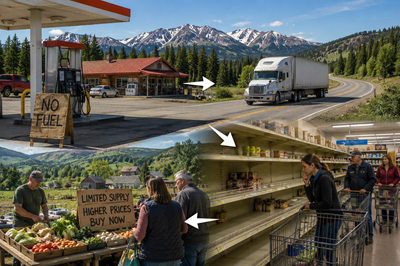 One of the most important aspects of threat assessment is understanding that the initial event is often not the most dangerous part of a disruption. The real impact comes from the chain of consequences that follow.
A second-order effect is the immediate result of an event, while a third-order effect is the consequence of that result. For example, a fuel shortage may initially affect transportation. This leads to reduced deliveries, which then affects food availability, increases prices, and creates competition for remaining resources. By the time the third-order effects are felt, the original cause may seem distant, but its impact has multiplied.
These cascading effects are particularly important in rural environments because systems are more tightly interconnected. A failure in one area often affects several others. Loss of power can disable water systems, which then affects sanitation, livestock, and crop irrigation. Communication failures can delay response to other problems, increasing their severity.
These effects also tend to develop over time. The initial event may appear manageable, but as secondary and tertiary impacts accumulate, the situation becomes more complex and more difficult to control. This is why many disruptions feel manageable at first but become more severe days or weeks later.
Understanding these patterns allows for more effective planning. Instead of preparing for isolated events, you prepare for systems under stress. This includes identifying critical dependencies, building redundancy, and creating plans that account for extended disruptions rather than short-term incidents.
2.5 Seasonal Threat Profiles
Threats in rural environments are not static—they change with the seasons. Each season introduces its own set of conditions, challenges, and resource demands. Ignoring these patterns can lead to gaps in preparedness that only become visible when it is too late to address them.
Winter is often defined by cold temperatures, increased energy demands, and reduced mobility. Heating becomes a primary concern, and access to resources may be limited by snow or ice. Water systems can freeze, and extended periods of isolation may occur.
Spring introduces instability. Melting snow and increased rainfall can lead to flooding, saturated ground, and damage to infrastructure. It is also a critical time for planting, which makes weather variability particularly important.
Summer brings different challenges, including heat, drought, and increased wildfire risk. Water management becomes critical, and agricultural systems must be carefully maintained to prevent loss. Extended dry periods can strain both natural and man-made systems.
Fall is a transitional period focused on preparation. Harvesting, storing food, and reinforcing systems for winter become priorities. It is also a time when missed opportunities earlier in the year become more difficult to correct.
Planning must account for these seasonal variations. Systems that function well in one season may fail in another if not properly adapted. Effective rural survival requires a dynamic approach that adjusts with the environment rather than remaining fixed.
2.6 Building a Rural Threat Matrix
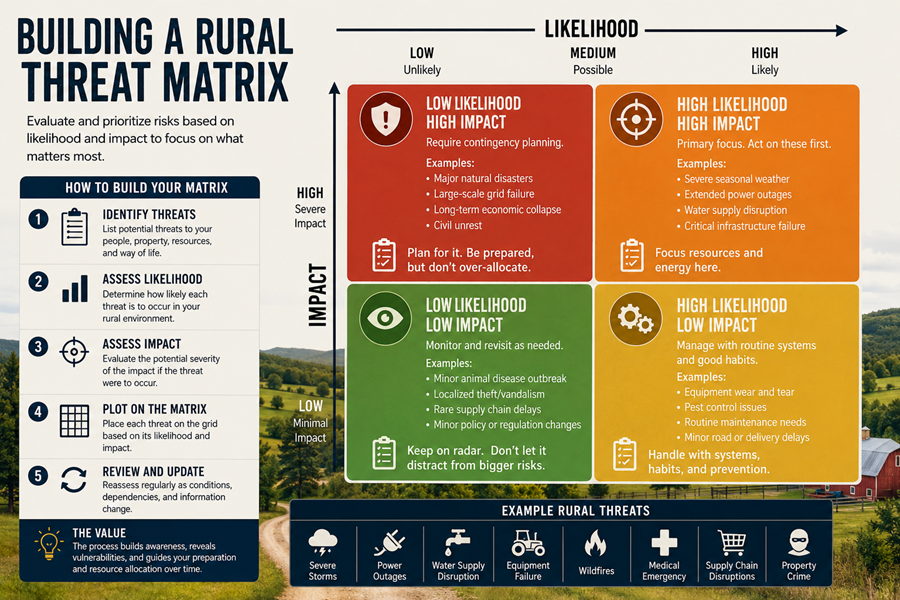 A rural threat matrix provides a structured way to evaluate and prioritize risks based on their likelihood and impact. Without this structure, it is easy to focus on dramatic but unlikely scenarios while overlooking more probable threats that have a greater effect on daily life.
The matrix is built by identifying potential threats and placing them along two dimensions: how likely they are to occur, and how severe their impact would be if they did. This creates a clear visual representation of which risks require immediate attention and which can be monitored over time.
High-likelihood, high-impact threats should be the primary focus. These are the risks that are most likely to affect your systems and cause significant disruption. Seasonal weather events often fall into this category, as do common infrastructure failures.
Low-likelihood, high-impact threats require contingency planning. These events may not occur frequently, but their consequences are severe enough to justify preparation. This might include major natural disasters or large-scale disruptions.
High-likelihood, low-impact threats are typically managed through routine systems and habits. These are the everyday challenges that require consistent attention but do not threaten overall stability.
Low-likelihood, low-impact threats should not consume significant resources. They can be monitored and revisited as conditions change, but they should not distract from more pressing concerns.
The value of the threat matrix is not just in the result, but in the process of building it. It forces a detailed evaluation of your environment, your dependencies, and your vulnerabilities. It also provides a framework for updating your assessment as new information becomes available or conditions change.
2.7 Summary – Threat Assessment in Rural Areas
Effective rural preparedness begins with a clear understanding of the threats you may face. Unlike urban environments—where risks are often concentrated and more predictable—rural areas present a broader, more variable threat landscape shaped by geography, isolation, and limited infrastructure. This section establishes a structured approach to identifying, analyzing, and prioritizing those risks.
It begins by examining natural threats, including weather extremes, environmental hazards, and wildlife interactions. These are often the most consistent and unavoidable risks in rural settings, requiring both awareness and long-term mitigation strategies. From there, the focus expands to human threats, which—while less frequent—can become significant during times of instability, particularly as migration, scarcity, or desperation increase.
The section also highlights the critical impact of infrastructure failures. In rural areas, disruptions to power, supply chains, or communication systems are not just inconveniences—they can quickly become life-threatening due to distance and delayed recovery times. Understanding these vulnerabilities is essential for building resilient, independent systems.
Beyond immediate risks, this section introduces the concept of second- and third-order effects—the cascading consequences that follow an initial event. These indirect impacts often create more sustained challenges than the original disruption itself, affecting resources, security, and long-term stability.
Seasonality is another key factor. Threats are not static; they shift throughout the year. Developing seasonal threat profiles allows for more accurate planning and resource allocation, ensuring preparedness efforts align with real-world conditions.
Finally, this section brings everything together through the development of a Rural Threat Matrix—a practical framework for organizing risks based on likelihood and impact. This tool transforms awareness into actionable planning, helping prioritize efforts and allocate resources effectively.
3. Planning & Preparedness
 Planning is what turns awareness into capability. Without a structured approach, preparedness efforts tend to become fragmented—focused on acquiring supplies without a clear understanding of how they will be used, maintained, or integrated into a larger system. In rural survival, where resources are limited and response times are extended, this kind of inefficiency can become a critical weakness.
Effective planning is not about preparing for a single event. It is about building a layered, adaptable system that can respond to a wide range of conditions. This includes identifying risks, prioritizing resources, designing redundancy, and creating clear decision-making frameworks that can be relied upon under stress.
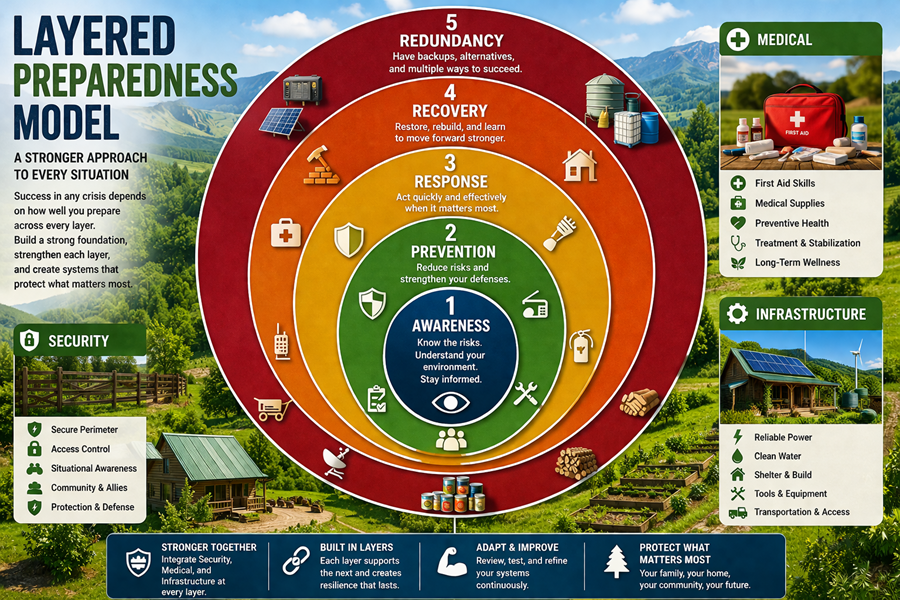
Preparedness in a rural environment must also account for time. Short-term disruptions, extended outages, and long-term instability each require different approaches. A well-designed plan does not treat these as separate problems—it integrates them into a unified system that can scale as conditions change.
This section outlines the structure of that system, providing the frameworks and strategies needed to move from isolated preparations to a cohesive, resilient design.
3.1 Risk-Based Planning Framework
At the core of effective preparedness is the ability to prioritize. A risk-based planning framework ensures that time, energy, and resources are directed toward the threats that are most likely to occur and have the greatest potential impact.
This process begins with identifying the specific risks relevant to your environment. These risks are then evaluated based on their likelihood and severity. The goal is not to eliminate all risk—that is neither possible nor necessary—but to reduce exposure to the most significant threats while maintaining flexibility for less predictable events.
In a rural setting, this framework often highlights threats such as seasonal weather patterns, infrastructure failures, and resource limitations. By focusing on these areas first, you ensure that your foundational systems—water, food, energy, and security—are capable of withstanding the most probable disruptions.
Risk-based planning also encourages continuous reassessment. Conditions change over time, and a plan that is effective today may not be sufficient in the future. Regularly revisiting your threat assessment and adjusting your priorities ensures that your preparedness remains aligned with reality.
Ultimately, this framework provides clarity. It prevents over-preparation in low-impact areas and under-preparation in critical ones, allowing you to build a system that is both efficient and effective.
3.2 Layered Preparedness Strategy
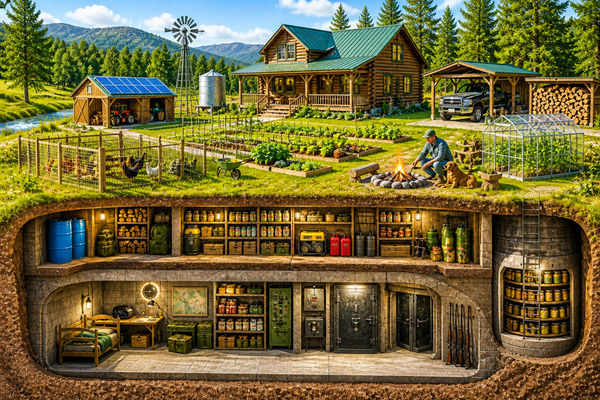 Preparedness is most effective when it is built in layers. Each layer represents a level of capability that supports and reinforces the others. If one layer fails, another can compensate, preventing a single point of failure from collapsing the entire system.
The first layer is immediate readiness—resources and actions that address short-term disruptions. This includes stored water, accessible food, basic medical supplies, and emergency lighting. These systems are designed to function without delay and require minimal setup.
The second layer focuses on sustained operations. This includes systems that allow you to maintain functionality over longer periods, such as food production, water sourcing, and backup energy systems. These require more planning and maintenance but provide stability beyond the initial response phase.
The third layer addresses long-term sustainability. This includes regenerative systems such as soil management, seed saving, and closed-loop resource cycles. These systems are slower to develop but are essential for maintaining independence over extended periods.
A layered approach ensures that preparedness is not dependent on a single solution. Instead, it creates a network of systems that work together, each supporting the others. This reduces vulnerability and increases resilience, particularly in complex or prolonged scenarios.
3.3 Bug-In vs Bug-Out Decision Framework
One of the most important decisions in any survival scenario is whether to remain in place or relocate. In rural environments, this decision is influenced by factors such as property capability, threat type, and resource availability.
Bugging in—remaining on your property—is often the preferred option in rural settings. A well-prepared property provides access to water, food, shelter, and established systems. It also offers familiarity with the environment, which is a significant advantage during uncertain conditions.
However, bugging in is not always viable. Situations such as wildfires, severe flooding, or structural damage may require relocation. In these cases, having a clear bug-out plan is essential. This includes identifying destinations, routes, transportation methods, and the resources needed to sustain movement.
A decision framework helps remove uncertainty under pressure. By defining the conditions that trigger a bug-out scenario in advance, you reduce the risk of delayed or emotional decision-making. This framework should consider factors such as safety, resource availability, environmental conditions, and the ability to maintain systems.
The goal is not to choose one strategy over the other, but to understand when each is appropriate and to be prepared for both. Flexibility is critical, and the ability to transition between strategies can significantly improve survival outcomes.
3.4 Property-Based Planning
In rural survival, your property is not just a place to live—it is the foundation of your entire system. Property-based planning involves designing and organizing that space to support survival functions efficiently and effectively.
This begins with zoning. Dividing your property into functional areas—such as living space, food production, water systems, storage, and security—helps create structure and reduces overlap or inefficiency. Each zone should be positioned based on accessibility, security, and environmental factors.
Access routes are another critical consideration. Primary and secondary routes should be identified and maintained, allowing for movement under different conditions. These routes also play a role in security, as they define how people and vehicles enter and move through the property.
Resource placement is equally important. Water sources, storage areas, and energy systems should be positioned to minimize risk and maximize efficiency. For example, water storage should be protected from contamination and freezing, while fuel storage should be placed at a safe distance from living areas.
Property-based planning also includes visibility and concealment. Balancing the need to monitor your surroundings with the need to avoid drawing attention requires careful consideration of layout, landscaping, and structure placement.
A well-planned property functions as an integrated system. Each component supports the others, creating a cohesive environment that enhances both efficiency and security.
3.5 Redundancy & Backup Systems
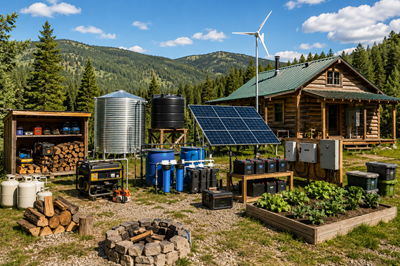 Redundancy is one of the most important principles in rural survival. Any system that is critical to survival—water, food, energy, security—should have at least one backup, and ideally more.
The purpose of redundancy is not to create excess, but to ensure continuity. Systems fail, often at the worst possible time. A single point of failure can quickly escalate into a larger problem if no alternative is available.
For water, this might mean having multiple sources, such as a well, rainwater collection, and stored reserves. For energy, it could include solar systems, generators, and manual alternatives. For food, it involves a combination of stored supplies and ongoing production.
Redundancy also applies to tools, equipment, and skills. Having multiple ways to accomplish the same task increases flexibility and reduces dependency on any single method.
However, redundancy must be balanced with manageability. Too many systems can become difficult to maintain, leading to neglect or failure. The goal is to create intentional redundancy, where each backup serves a clear purpose and is actively maintained.
In practice, redundancy transforms vulnerability into resilience. It ensures that when something goes wrong—and eventually something will—your system continues to function.
3.6 Scenario-Based Planning
Scenario-based planning takes abstract risks and turns them into concrete, actionable situations. Instead of preparing for general threats, you prepare for specific scenarios, each with defined conditions, challenges, and responses.
This process involves selecting realistic scenarios based on your threat assessment. These might include extended power outages, supply chain disruptions, severe weather events, or periods of isolation. Each scenario is then analyzed to determine how it would affect your systems and what actions would be required.
By walking through these scenarios in detail, you can identify gaps in your preparation. For example, a power outage scenario may reveal a dependency on electric water pumps, leading to the need for a manual backup. A supply chain disruption may highlight insufficient food storage or lack of local production.
Scenario-based planning also improves decision-making under stress. When a situation occurs, it is not entirely new—you have already considered it, evaluated your options, and developed a response.
This approach encourages proactive thinking. It moves you from reacting to events as they happen to anticipating them and preparing accordingly. Over time, this builds confidence and reduces uncertainty, both of which are critical in challenging conditions.
3.7 Summary – Planning & Preparedness
Planning is where awareness becomes action. In rural survival, preparation cannot be improvised in the moment—it must be intentional, structured, and based on real-world conditions. This section focuses on transforming risk awareness into practical systems that support consistent, reliable response.
At its core, effective preparedness is risk-based. Rather than preparing for everything equally, this section emphasizes prioritizing the most likely and impactful threats identified earlier. This ensures that time, resources, and effort are directed where they matter most, creating a more efficient and realistic preparedness strategy.
A key component of planning is understanding when to bug-in versus bug-out. In rural environments, staying in place is often the preferred option due to familiarity, established systems, and available resources. However, conditions may require relocation, and having clear criteria for making that decision—along with a prepared plan—ensures that movement is deliberate rather than reactive.
This section also introduces property-based planning, which treats your land and homestead as an integrated system. Every element—water, food, shelter, energy, and security—must be considered together, not in isolation. Planning at this level ensures that systems support each other, creating efficiency and redundancy.
Layering is another critical concept. Preparedness is not built on a single solution but on multiple overlapping systems. If one layer fails, another remains in place. This approach reduces vulnerability and increases overall resilience.
Flexibility is equally important. No plan will survive unchanged under real conditions. Effective planning includes adaptability, allowing systems to adjust as circumstances evolve without breaking down.
4. Land Selection & Site Security
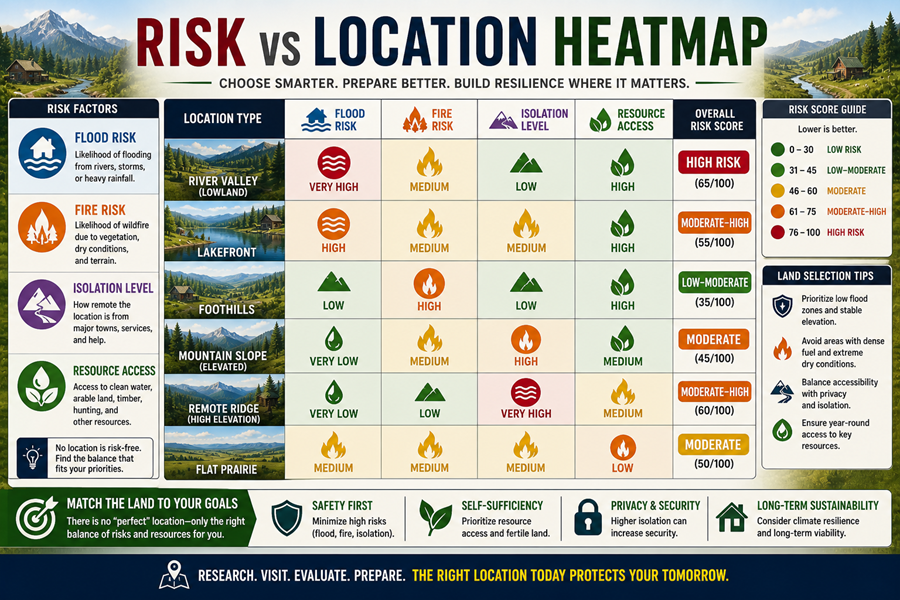
 Land is the foundation of rural survival. Every system—water, food, shelter, energy, and security—depends on the characteristics of the land itself. Choosing the right location can reduce risk, simplify systems, and increase long-term sustainability. Choosing poorly can create constant challenges that no amount of preparation can fully overcome.
Land selection is not just about finding a remote or affordable property. It is about evaluating how that land will perform under stress. This includes assessing natural resources, environmental risks, access routes, and defensibility. It also involves understanding how the land can be shaped and adapted over time to improve resilience.
Site security is the second half of this equation. Once land is selected, it must be organized and managed in a way that protects both people and resources. This is not limited to defense against human threats—it also includes protecting against environmental hazards, wildlife, and unintended exposure.
Together, land selection and site security form the physical framework of rural survival. A well-chosen and well-managed property becomes more than a place to live—it becomes a system that supports, protects, and sustains you over time.
4.1 Evaluating Land for Survival
Evaluating land for survival requires a shift in perspective. Instead of focusing on aesthetics or convenience, the focus must be on functionality, sustainability, and risk exposure. Every aspect of the land should be examined in terms of how it contributes to—or detracts from—your ability to maintain critical systems.
One of the first considerations is climate. Temperature ranges, precipitation patterns, and seasonal variability all influence what can be grown, how water is managed, and what types of structures are required. A property that performs well in one climate may be completely unsuitable in another.
Soil quality is equally important. Productive soil supports food production, while poor soil requires significant effort to improve. Understanding soil composition, drainage, and nutrient levels provides insight into how much work will be required to establish a sustainable garden or agricultural system.
Topography plays a major role in both opportunity and risk. Flat land may be easier to build on, but it may also be more prone to flooding. Elevated land offers better drainage and visibility but may present challenges for water access or transportation. Slopes can be used strategically for drainage, agriculture, and defense, but they require careful planning.
Access to resources must also be considered. This includes proximity to water sources, availability of timber or building materials, and the presence of wildlife. At the same time, access to external systems—such as roads or nearby communities—must be evaluated in terms of both benefit and risk.
Evaluating land is not about finding perfection. It is about understanding trade-offs and selecting a property where the advantages align with your survival priorities.
4.2 Water Availability & Sustainability
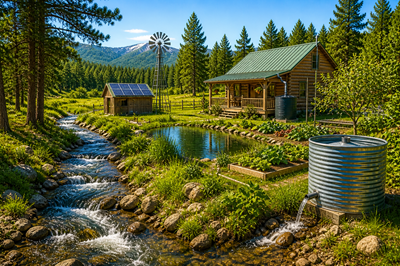 Water is the most critical resource in any survival scenario, and its availability should be one of the primary factors in land selection. Without a reliable water source, even the most well-prepared property will struggle to function.
There are several types of water sources to consider. Groundwater, accessed through wells, is often the most stable and consistent option. However, it requires proper drilling, maintenance, and sometimes energy to extract. Surface water, such as rivers, lakes, or streams, can provide additional supply but may be seasonal or vulnerable to contamination.
Rainwater collection is another valuable component, particularly in areas with consistent precipitation. It can be used to supplement other sources and reduce dependence on any single system. However, it requires storage infrastructure and careful management to ensure reliability.
Sustainability is as important as availability. A water source that appears sufficient under normal conditions may become unreliable during droughts or periods of high demand. Understanding recharge rates, seasonal variation, and long-term environmental trends is essential.
Water systems must also be protected. Contamination from runoff, wildlife, or human activity can quickly render a source unusable. Proper placement, filtration, and storage are critical to maintaining water quality over time.
In rural survival, water is not just a resource—it is a system that must be secured, managed, and maintained continuously.
4.3 Natural Defensibility
Natural defensibility refers to how the landscape itself can be used to enhance security. A well-chosen property uses terrain as a force multiplier, reducing the need for active defense while increasing awareness and control.
Elevation is one of the most important factors. Higher ground provides better visibility, allowing you to observe movement over greater distances. It also reduces the risk of flooding and can create natural barriers that limit access.
Terrain features such as hills, ridges, forests, and waterways can be used to channel movement. Instead of trying to monitor every possible approach, you can focus on a limited number of predictable access points. This simplifies security and increases effectiveness.
Open areas can provide clear lines of sight but may also expose your property to observation. Dense vegetation offers concealment but can limit visibility and create hiding places for threats. Balancing these elements is key to creating a defensible yet manageable environment.
Natural defensibility is not about creating a fortress. It is about using the landscape to reduce vulnerability and increase control, allowing you to operate more efficiently with fewer resources.
4.4 Access Routes & Chokepoints
Access routes define how people and vehicles move to and from your property. Understanding and controlling these routes is a critical component of both security and logistics.
Primary access routes are the main paths used for daily movement, including roads and driveways. These routes should be reliable, maintainable, and usable under a variety of conditions. However, they should not be the only option.
Secondary routes provide alternatives in case primary routes become blocked or unsafe. These may include lesser-used roads, trails, or off-road paths. Having multiple options increases flexibility and reduces the risk of being isolated or trapped.
Chokepoints are areas where movement is naturally restricted, such as narrow roads, bridges, or terrain features. These locations can be used to monitor or control access, as they concentrate movement into predictable areas.
Managing access routes also involves visibility. Being able to observe who is approaching and how they are moving provides valuable time to assess and respond. This can be achieved through placement of structures, clearing of vegetation, or use of natural vantage points.
Effective access planning ensures that you can move when needed, restrict movement when necessary, and maintain awareness at all times.
4.5 Visibility vs Concealment
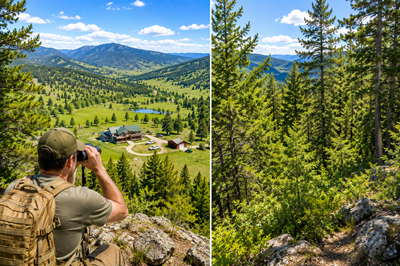 Visibility and concealment are often competing priorities in rural survival. Visibility allows you to monitor your surroundings and detect potential threats early. Concealment reduces the likelihood of being noticed or targeted.
A property that is fully visible may benefit from strong situational awareness but may also attract attention. A property that is fully concealed may avoid detection but may limit your ability to observe approaching threats.
The goal is to find a balance that supports both awareness and discretion. This often involves controlling what can be seen from different perspectives. For example, key areas of the property may be visible from within but obscured from outside view.
Landscaping plays a significant role in this balance. Trees, shrubs, and terrain can be used to block lines of sight, create barriers, and shape movement. Structures can be positioned to minimize exposure while still allowing for effective monitoring.
Lighting is another factor. Excessive lighting can reveal your position, while insufficient lighting can reduce visibility. Controlled, strategic lighting can enhance security without compromising concealment.
Visibility and concealment are not static conditions—they can be adjusted over time as needs change. The objective is to maintain control over what you see and what others can see of you.
4.6 Property Mapping & Layout Planning
Property mapping is the process of understanding and documenting the physical layout of your land. This includes identifying key features, resources, and potential risks. A detailed map provides a foundation for planning and decision-making.
Mapping should include natural features such as terrain, water sources, and vegetation, as well as man-made elements such as structures, roads, and utility systems. It should also identify zones for different functions, including living areas, food production, storage, and security.
Layout planning builds on this map by organizing the property into a coherent system. Each zone should be positioned based on its function, accessibility, and relationship to other zones. For example, frequently used areas should be close to living spaces, while higher-risk or lower-priority areas can be placed further away.
Security considerations should be integrated into the layout. This includes positioning of observation points, control of access routes, and placement of resources in locations that reduce vulnerability.
Mapping and layout planning also support efficiency. By organizing the property effectively, you reduce the time and effort required to maintain systems and respond to issues.
Over time, the map becomes a living document. As systems are added or modified, it should be updated to reflect those changes. This ensures that your understanding of the property remains accurate and useful.
4.7 Summary – Land Selection & Site Security
Land is the foundation of rural survival. Every system—water, food, shelter, energy, and security—depends on the quality, location, and characteristics of the land you choose. This section focuses on selecting and developing a site that not only supports daily living but enhances long-term resilience.
Effective land selection begins with understanding that not all rural property is equal. Factors such as water access, soil quality, terrain, climate, and natural hazards all influence how well a location can support sustainable living. Choosing land without evaluating these elements can create long-term limitations that are difficult to overcome.
Beyond resource availability, this section emphasizes natural defensibility. Terrain plays a critical role in both visibility and protection. Elevation, access points, and surrounding features can either expose a property to risk or provide natural advantages that enhance security. A well-chosen site reduces the need for artificial defenses by leveraging the landscape itself.
Access is another critical consideration. A property must be reachable under normal conditions but also offer controlled and manageable entry points. Too many access routes can increase vulnerability, while too few can limit mobility and escape options. Balancing accessibility with security is essential.
Visibility and concealment must also be evaluated together. Being visible can deter certain threats and improve awareness, while concealment can reduce attention and exposure. The optimal approach depends on the environment and overall strategy, requiring intentional design rather than assumption.
This section also introduces the importance of layered site planning. The property should be organized into zones—living areas, production areas, storage, and security buffers—so that each function supports the others. This creates efficiency, improves control, and enhances overall system performance.
5. Shelter & Homestead Setup
 Shelter is more than protection from the elements—it is the central hub of all rural survival activity. It houses your resources, supports your systems, and provides the stability needed to operate effectively over time. In a rural environment, where external support is limited, the design and setup of your shelter and homestead can determine whether your systems succeed or fail.
A well-designed homestead is not just a building surrounded by land. It is an integrated system, where shelter, food production, water management, energy systems, and security all work together. Each component must be positioned and constructed with purpose, ensuring that the entire system remains functional under a wide range of conditions.
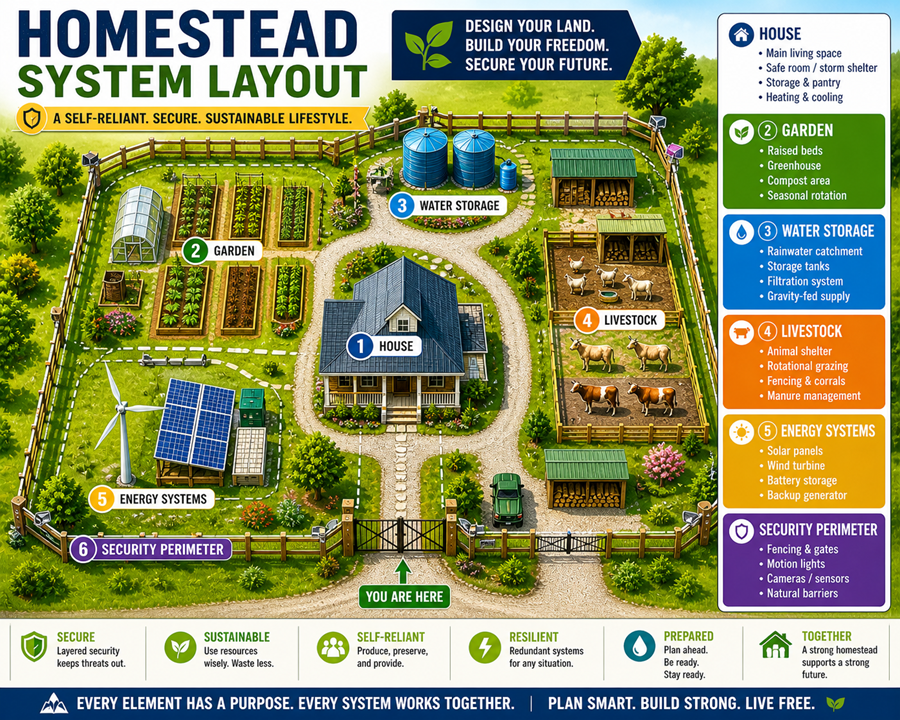
This section focuses on how to establish that system—whether by adapting an existing structure or building from the ground up—and how to design a homestead that is efficient, resilient, and capable of long-term operation.
5.1 Existing Structures vs New Builds
One of the first decisions in rural homesteading is whether to adapt an existing structure or construct a new one. Each option comes with advantages and limitations, and the right choice depends on your resources, timeline, and long-term goals.
Existing structures offer immediate shelter and often reduce initial costs. They may already have connections to water, power, and access routes, which can accelerate setup. However, they are also constrained by their original design. Older buildings may lack proper insulation, structural integrity, or layout efficiency, requiring significant modification to meet survival needs.
New builds provide complete control over design and placement. This allows you to optimize for factors such as solar exposure, wind direction, drainage, and defensibility. Systems can be integrated from the beginning rather than added later. The trade-off is time and resource investment. Building from scratch requires planning, materials, and labor, and delays in construction can create vulnerability if not managed carefully.
In many cases, a hybrid approach is most effective—using an existing structure as a base while gradually modifying or expanding it to meet long-term needs. This allows for immediate functionality while still moving toward an optimized system.
The key is to evaluate the structure not just as a dwelling, but as part of a larger system. It must support water, energy, food storage, and security in a way that aligns with your overall plan.
5.2 Structural Reinforcement
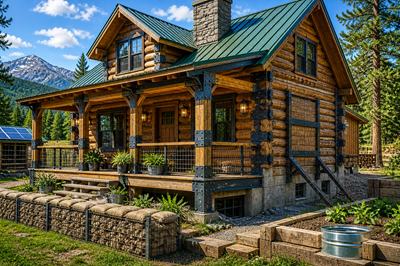 Regardless of whether a structure is existing or newly built, reinforcement is essential for long-term resilience. Rural environments expose buildings to a wide range of stresses, including weather extremes, environmental hazards, and potential security threats.
Structural reinforcement begins with the building envelope—the walls, roof, and foundation. These components must be capable of withstanding wind, snow load, temperature fluctuations, and moisture. Weak points such as poorly sealed windows, aging roofing materials, or compromised foundations can lead to gradual failure if not addressed.
Doors and windows are particularly important. They are both access points and potential vulnerabilities. Reinforcing them improves both environmental protection and security. This does not necessarily mean turning a home into a fortress, but it does require ensuring that these elements are durable, properly installed, and resistant to common points of failure.
Fire resistance is another critical consideration, especially in areas prone to wildfires. This may include using fire-resistant materials, clearing vegetation near the structure, and creating defensible space.
Reinforcement also includes internal systems. Floors must support the weight of stored supplies, shelving must be secured, and critical equipment should be protected from damage or displacement.
The goal of reinforcement is not to eliminate all risk, but to increase the structure’s ability to absorb stress without failing, allowing you to maintain operations even under difficult conditions.
5.3 Insulation & Climate Control
Maintaining a stable internal environment is one of the most important functions of any shelter. Temperature extremes can affect not only comfort, but also health, food storage, water systems, and energy consumption.
Insulation is the primary tool for managing these conditions. Proper insulation reduces heat loss in winter and heat gain in summer, allowing the structure to maintain a more consistent internal temperature. This reduces reliance on active heating and cooling systems, which may not always be available.
Climate control in a rural setting often requires a combination of passive and active methods. Passive methods include insulation, building orientation, window placement, and ventilation. These strategies use natural forces—such as sunlight and airflow—to regulate temperature.
Active systems, such as wood stoves, propane heaters, or small electric systems, provide additional control when passive methods are not sufficient. These systems should be chosen based on availability of fuel, ease of maintenance, and compatibility with your overall energy plan.
Moisture control is also critical. Excess humidity can lead to mold, structural damage, and health issues. Proper ventilation, drainage, and sealing help maintain a balanced environment.
Effective climate control ensures that your shelter remains functional and safe across all seasons, reducing stress on both the structure and its occupants.
5.4 Passive Design Principles
Passive design is the practice of using natural forces—sunlight, wind, and thermal mass—to regulate a building’s internal environment. In rural survival, these principles are especially valuable because they reduce dependence on external energy sources.
Orientation is one of the most important factors. Positioning the structure to maximize solar gain in winter and minimize it in summer can significantly improve temperature regulation. South-facing windows (in northern climates) allow sunlight to enter and warm the interior, while overhangs can block excessive heat during warmer months.
Thermal mass, such as stone, concrete, or water, can absorb heat during the day and release it slowly at night. This helps stabilize temperature fluctuations and reduces the need for active heating or cooling.
Ventilation is another key component. Proper airflow can remove excess heat, moisture, and contaminants, improving both comfort and air quality. This may include strategically placed windows, vents, or natural airflow channels.
Wind can be both a resource and a challenge. It can be used for cooling and energy generation, but it can also increase heat loss and structural stress. Designing windbreaks using natural or built elements helps manage its impact.
Passive design does not replace active systems, but it reduces their workload. By working with the environment rather than against it, you create a shelter that is more efficient, more resilient, and less dependent on external inputs.
5.5 Homestead Zoning & Layout
A well-organized homestead is structured into zones based on function, frequency of use, and risk. This zoning improves efficiency, reduces wasted effort, and enhances security by creating a clear relationship between different parts of the property.
The innermost zone typically includes the living space and critical systems such as water storage, food storage, and essential tools. These are the areas used daily and must be easily accessible under all conditions.
The next zone may include gardens, small livestock, and work areas. These require regular attention but do not need to be directly attached to the living space. Their placement should balance accessibility with exposure to sunlight, water, and other environmental factors.
Outer zones may include larger agricultural areas, woodlots, or resource collection areas. These are used less frequently and can be positioned further from the core of the homestead.
Security considerations should be integrated into this layout. High-value or critical resources should be located in more secure, accessible areas, while less critical functions can be placed further out.
Zoning also supports workflow. By arranging areas logically, you reduce the time and effort required to move between tasks, making daily operations more efficient.
A well-zoned homestead functions as a coordinated system, where each area supports the others and contributes to overall resilience.
5.6 Backup & Emergency Shelters
Even the most well-designed primary shelter can become compromised. Fire, structural damage, environmental hazards, or security concerns may require temporary or permanent relocation. Having backup shelter options ensures continuity when primary systems fail.
Backup shelters can take many forms, from secondary buildings on the property to simple structures designed for short-term use. These may include cabins, sheds, root cellars, or even temporary shelters that can be deployed quickly.
The purpose of a backup shelter is not to replicate the primary structure, but to provide essential protection and functionality. This includes protection from the elements, a place to rest, and access to basic resources such as water and food.
Location is an important consideration. Backup shelters should be positioned far enough from the primary structure to avoid shared risks, but close enough to remain accessible. In some cases, off-site locations may also be considered as part of a broader contingency plan.
Preparation is key. A backup shelter that exists but is not equipped or maintained may not be usable when needed. Regular checks, basic supplies, and clear access routes ensure that it remains a viable option.
Having a backup shelter is an acknowledgment that no system is infallible. It provides an additional layer of resilience, ensuring that failure of one component does not result in total system collapse.
5.7 Summary – Shelter & Homestead Setup
Shelter is one of the most fundamental requirements of survival, but in a rural context it extends far beyond simply having a structure. A well-designed homestead is a system of protection, efficiency, and sustainability, supporting everything from temperature control and resource storage to daily operations and long-term resilience.
This section begins by addressing the choice between building new structures versus adapting existing ones. Each approach has advantages, but both require careful consideration of location, materials, and long-term functionality. The goal is not just to create a place to live, but to establish a structure that supports survival under a wide range of conditions.
Environmental protection is a central focus. Proper insulation, weatherproofing, and structural integrity ensure that the shelter can withstand extreme temperatures, storms, and seasonal changes. A well-prepared shelter reduces reliance on external energy sources by maintaining stable internal conditions naturally.
This section also emphasizes off-grid living considerations, recognizing that utilities may be unreliable or unavailable. Systems for water, energy, waste management, and heating must be integrated into the homestead design. These systems should not function independently, but rather support each other to create a cohesive and efficient environment.
Layout and organization play a critical role in daily efficiency. The placement of living spaces, storage areas, work zones, and critical systems should be intentional, reducing unnecessary movement and improving workflow. A well-organized homestead conserves both time and energy.
Security is also built into the structure itself. Entry points, visibility, and internal layout all contribute to safety. A properly designed shelter provides not only protection from the environment but also a controlled and secure living space.
6. Water Sourcing & Management
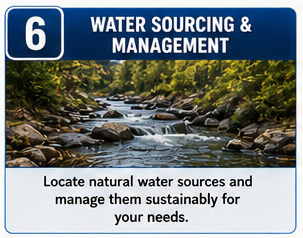 Water is the single most important resource in any survival system. While food can be rationed and energy use reduced, a lack of water quickly becomes a life-threatening issue. In rural environments, the responsibility for securing and managing water shifts entirely to the individual or household.
Unlike urban systems where water is delivered and treated automatically, rural water systems require active management. Sources must be identified, infrastructure must be built and maintained, and supply must be monitored to ensure long-term reliability. This includes accounting for seasonal variation, environmental conditions, and potential contamination.
Effective water management is not about relying on a single source. It is about building a redundant, layered system that can continue to function even when one component fails. This section focuses on identifying viable water sources, understanding their limitations, and designing systems that ensure consistent availability over time.
6.1 Groundwater Systems (Wells, Aquifers)
Groundwater is often the most stable and reliable source of water in rural environments. It is accessed through wells that tap into underground aquifers, which are natural reservoirs of water stored within soil and rock formations. When properly developed and maintained, a well can provide a consistent supply of water regardless of surface conditions.
However, groundwater systems are not without limitations. The depth and yield of a well depend on local geology, and drilling costs can vary significantly. Some wells require electric pumps, which introduces a dependency on power. In a survival context, this creates a vulnerability unless backup systems—such as manual hand pumps or alternative energy sources—are in place.
Water quality is another consideration. While groundwater is often cleaner than surface water, it can still contain minerals, contaminants, or biological hazards depending on the environment. Regular testing and appropriate filtration or treatment systems are necessary to ensure safety.
Long-term sustainability depends on the recharge rate of the aquifer. Overuse can reduce water availability, particularly during dry periods. Understanding how your groundwater system responds to seasonal changes is critical for maintaining consistent supply.
A well-designed groundwater system provides a strong foundation for water security, but it must be supported by backup methods and ongoing monitoring.
6.2 Surface Water Sources
 Surface water sources—such as rivers, lakes, streams, and ponds—can provide valuable supplemental water, but they are generally less reliable and more vulnerable to environmental changes than groundwater.
One of the primary challenges with surface water is variability. Flow rates and water levels can change significantly based on seasonal conditions, rainfall, and upstream activity. A stream that provides ample water in spring may be reduced to a trickle during late summer.
Surface water is also more exposed to contamination. Runoff from surrounding land can introduce pollutants, sediments, and biological contaminants. Wildlife activity can further affect water quality, making treatment essential before use.
Despite these challenges, surface water can play an important role in a diversified water system. It can be used for irrigation, livestock, and, with proper treatment, human consumption. It also provides redundancy, ensuring that water is still available if other sources are compromised.
Access and collection methods must be carefully planned. This may include building intake systems, using pumps, or developing gravity-fed systems where terrain allows. Protecting access points from erosion, contamination, and damage is also critical.
Surface water should not be relied upon as a sole source, but when integrated into a broader system, it adds flexibility and resilience.
6.3 Rainwater Harvesting Systems
Rainwater harvesting is one of the most adaptable and scalable methods of water collection. It captures precipitation from surfaces such as roofs and directs it into storage systems for later use. In areas with consistent rainfall, it can become a significant component of a water system.
The effectiveness of rainwater harvesting depends on several factors, including roof size, rainfall patterns, and storage capacity. Larger collection surfaces and higher rainfall increase yield, but without sufficient storage, excess water is lost.
Storage is a key component of this system. Tanks, barrels, or cisterns must be sized appropriately to capture and hold water for use during dry periods. Materials and placement are important to prevent contamination, freezing, or structural failure.
Filtration is also necessary. Debris, dust, and contaminants can accumulate on collection surfaces and enter the system. First-flush diverters and basic filtration help improve water quality before storage.
Rainwater harvesting provides independence from both groundwater and surface water systems. It is particularly valuable as a backup or supplementary source, reducing strain on primary systems and increasing overall resilience.
6.4 Water Rights & Legal Considerations
Water access is not solely a physical issue—it is also governed by legal frameworks that vary by region. Understanding water rights is essential to ensure that your systems are compliant and sustainable.
In some areas, groundwater extraction is unrestricted, while in others it is regulated. Surface water use may also be subject to allocation rules, particularly in regions where water is scarce. Rainwater harvesting, while generally permitted, may have limitations depending on local laws.
These regulations can affect how much water you can use, where you can source it, and how it can be stored or distributed. Failing to understand these rules can lead to legal complications that disrupt your system.
Beyond legal compliance, it is also important to consider long-term sustainability. Overuse of shared resources can affect neighboring properties and the broader environment. Responsible use ensures that water remains available not only for your needs but for the surrounding ecosystem.
Water rights and regulations may seem secondary to survival planning, but they influence what is possible and how systems can be designed. Incorporating this understanding early prevents future limitations.
6.5 Water Storage Strategies
Storage is what transforms water from a temporary resource into a reliable system. Even the most consistent water source can become unavailable due to mechanical failure, environmental conditions, or contamination. Storage provides a buffer that allows systems to continue functioning during these disruptions.
Effective storage strategies involve both quantity and distribution. Storing large volumes in a single location may seem efficient, but it creates a single point of failure. Distributing storage across multiple containers or locations increases resilience and reduces risk.
Containers must be selected based on durability, capacity, and intended use. Food-grade materials are essential for drinking water, and containers should be protected from light, temperature extremes, and contamination.
Accessibility is another consideration. Water needed for daily use should be easy to access, while long-term reserves can be stored in less accessible but secure locations. Rotation of stored water helps maintain quality over time.
Storage also supports flexibility. It allows you to capture excess water during periods of abundance and use it during periods of scarcity. This is particularly important in environments with seasonal variability.
A well-designed storage system ensures that water is not only available, but accessible and usable when needed.
6.6 Redundancy Planning
Redundancy is the defining characteristic of a resilient water system. Relying on a single source or method creates vulnerability, as any failure can disrupt the entire system. Redundancy ensures that alternative options are available when primary systems are compromised.
This begins with multiple sources. Groundwater, surface water, and rainwater each have different strengths and weaknesses. Combining them reduces dependence on any one source and provides flexibility under changing conditions.
Redundancy also applies to collection and distribution methods. Electric pumps should be supported by manual options. Storage systems should be distributed rather than centralized. Filtration and treatment methods should include multiple approaches.
Planning for redundancy requires understanding how systems interact. A failure in one area should not cascade into others. For example, a power outage should not eliminate access to water if manual systems are in place.
Maintenance is critical. Redundant systems are only effective if they are functional. Regular testing, inspection, and upkeep ensure that backups are ready when needed.
In rural survival, redundancy is not excess—it is insurance against failure. It transforms uncertainty into stability by ensuring that no single disruption can compromise access to water.
6.7 Summary – Water Sourcing & Management
Water is the most critical resource in any survival system. Without reliable access to it, every other system—food production, sanitation, health, and daily living—quickly begins to fail. In rural environments, where municipal systems may be unavailable or unreliable, water must be treated as a managed resource, not a guaranteed utility.
This section focuses on identifying and developing multiple water sources, including wells, springs, surface water, and rainwater collection. Relying on a single source creates vulnerability, while diversification ensures continuity when conditions change. Each source has its own characteristics, benefits, and limitations, and understanding these differences is essential for effective planning.
Collection is only the first step. Water must be stored, transported, and distributed efficiently. This includes designing systems that reduce reliance on external energy, such as gravity-fed setups, and ensuring that storage methods protect water from contamination and loss. Proper storage also allows for buffering against seasonal shortages or unexpected disruptions.
Management is a continuous process. Monitoring usage, maintaining infrastructure, and adapting to changing conditions all play a role in sustaining supply. Water systems must be maintained regularly to ensure reliability, particularly in environments where repair resources may be limited.
This section also emphasizes the importance of redundancy and scalability. Systems should be able to expand or adapt based on need, whether supporting a single household or a larger group. Flexibility ensures that water systems remain functional under both normal and stressed conditions.
7. Water Purification & Safety
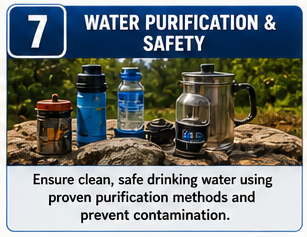 Access to water does not guarantee safety. In rural environments, water quality can vary widely depending on the source, environmental conditions, and human or wildlife activity. Even a reliable water source can become contaminated, sometimes without visible signs. For this reason, purification is not a one-time action—it is an ongoing process that must be integrated into daily operations.
Water purification involves removing or neutralizing contaminants that can cause illness or long-term health effects. These contaminants may be biological, such as bacteria and parasites; chemical, such as pesticides or industrial runoff; or physical, such as sediment and debris. Each type requires a different approach, and no single method is effective against all threats.
A resilient water system uses multiple purification methods, each addressing different risks and providing backup when others fail. Just as with sourcing and storage, redundancy and flexibility are essential. This section focuses on the tools, methods, and practices needed to ensure that water remains safe under a wide range of conditions.
7.1 Mechanical Filtration Systems
Mechanical filtration is often the first line of defense in water purification. These systems physically remove contaminants by passing water through a filter medium that traps particles, bacteria, and, in some cases, protozoa. They are widely used because they are relatively simple, portable, and effective against many common threats.
Filtration systems vary in complexity, from small portable units to large gravity-fed systems designed for continuous use. Portable filters are useful for field applications or as backups, while larger systems can support daily household needs. Gravity-fed systems are particularly valuable in rural settings because they do not require electricity and can process larger volumes of water with minimal effort.
The effectiveness of a filter depends on its pore size and construction. Smaller pore sizes can remove more contaminants, but they may also reduce flow rate and require more frequent maintenance. Over time, filters can become clogged with sediment and must be cleaned or replaced to maintain performance.
While mechanical filtration is highly effective against many biological contaminants, it does not remove all chemical pollutants or dissolved substances. For this reason, it is often used in combination with other methods to ensure comprehensive treatment.
In a well-designed system, filtration serves as a reliable and repeatable process that improves water quality before additional purification steps are applied.
7.2 Chemical Treatment Methods
 Chemical treatment is used to neutralize biological contaminants that may not be fully removed by filtration. Substances such as chlorine and iodine are commonly used to disinfect water by killing bacteria, viruses, and other microorganisms.
These methods are particularly useful in situations where water quality is uncertain or when rapid treatment is required. They are lightweight, easy to store, and can be applied without complex equipment, making them valuable as both primary and backup solutions.
However, chemical treatment has limitations. It does not remove physical debris or many chemical contaminants, and it may leave an aftertaste that some people find unpleasant. The effectiveness of chemical treatment also depends on proper dosage and contact time. Too little may be ineffective, while too much can create additional issues.
Temperature and water clarity can also affect performance. Cold or highly turbid water may require longer treatment times or pre-filtration to achieve reliable results.
Despite these limitations, chemical treatment provides an important layer of protection. It is especially useful in emergency situations or when other systems are unavailable, ensuring that water can be made safe quickly and with minimal resources.
7.3 Boiling & Heat-Based Purification
Boiling is one of the most reliable and universally effective methods of water purification. By raising water to a high temperature, it destroys bacteria, viruses, and parasites that can cause illness. Unlike many other methods, boiling does not rely on specialized equipment or chemicals, making it a dependable option in a wide range of situations.
The simplicity of boiling is one of its greatest strengths. As long as a heat source is available, water can be made safe. This makes it particularly valuable in scenarios where other systems have failed or are unavailable.
However, boiling also has practical limitations. It requires fuel, which may be limited or difficult to replenish over time. It also does not remove chemical contaminants or improve water clarity, meaning that pre-filtration may still be necessary.
In addition, boiling requires time—not only to heat the water but also to allow it to cool before use. This can be a constraint in situations where immediate access to water is needed.
Despite these limitations, boiling remains a cornerstone of water purification. It is often used as a final step in a multi-layered system, providing a high level of assurance that biological threats have been neutralized.
7.4 Solar & Distillation Methods
Solar purification methods use sunlight as a natural energy source to treat water. One common approach involves exposing water to ultraviolet radiation, which can inactivate certain microorganisms over time. Another method, solar distillation, uses heat from the sun to evaporate water and then condense it, leaving many contaminants behind.
Distillation is particularly effective because it removes not only biological contaminants but also many dissolved substances, including salts and some chemicals. This makes it one of the most comprehensive purification methods available.
However, solar methods are typically slower than other approaches and depend heavily on environmental conditions. Cloud cover, temperature, and available sunlight all affect performance. These methods are best suited for situations where time is available and other resources are limited.
Solar purification is also valuable as a passive system. Once set up, it can operate with minimal input, providing a steady, though limited, supply of purified water.
While not always practical as a primary method, solar and distillation techniques add another layer of redundancy, ensuring that water can be treated even when fuel or chemicals are unavailable.
7.5 Contaminant Types & Risks
Understanding the types of contaminants present in water is essential for selecting the appropriate purification method. Not all contaminants are visible, and different threats require different treatment approaches.
Biological contaminants are the most common and immediate concern. These include bacteria, viruses, and parasites that can cause illness shortly after consumption. They are typically addressed through filtration, chemical treatment, or heat.
Chemical contaminants are more complex. They may come from agricultural runoff, industrial activity, or natural mineral deposits. These substances can have long-term health effects and are not always removed by standard filtration or boiling. Specialized filters or distillation may be required.
Physical contaminants, such as sediment and debris, affect water clarity and can interfere with other purification methods. While they are not always harmful on their own, they should be removed to improve overall water quality and system performance.
Risk assessment is critical. The likelihood and severity of contamination vary based on location, season, and environmental conditions. A clear understanding of these risks allows for more targeted and effective purification strategies.
In practice, safe water management requires addressing multiple contaminant types simultaneously, using a combination of methods to ensure comprehensive protection.
7.6 Long-Term Water Safety Monitoring
Purification is not a one-time process—it must be maintained over time. Long-term water safety depends on consistent monitoring, maintenance of systems, and awareness of changing conditions.
Water sources can change due to environmental factors, seasonal shifts, or human activity. A source that is safe today may become contaminated in the future. Regular observation and testing help identify these changes before they become serious problems.
Equipment also requires attention. Filters must be cleaned or replaced, storage containers must be inspected, and treatment systems must be maintained. Neglecting these tasks can reduce effectiveness and create new risks.
Record-keeping can be valuable in this process. Tracking water quality, system performance, and maintenance activities provides insight into trends and helps identify potential issues early.
Awareness is equally important. Changes in taste, odor, or appearance can indicate contamination, even if it is not immediately visible. Recognizing these signs allows for quick response and adjustment.
Long-term water safety is achieved through consistency and vigilance. By treating water management as an ongoing process rather than a one-time task, you ensure that your system remains reliable under changing conditions.
7.7 Summary – Water Purification & Safety
Access to water is only half the equation—ensuring that water is safe to use is equally critical. In rural environments, even clean-looking water can contain harmful contaminants, making purification and safety a constant priority. This section focuses on transforming raw water into a reliable and safe resource for drinking, cooking, and hygiene.
Water purification begins with understanding that no single method is sufficient in all situations. Different contaminants—such as sediment, bacteria, parasites, or chemicals—require different approaches. This section explores a range of purification methods, including mechanical filtration, boiling, chemical treatment, and solar-based techniques, each with its own strengths and limitations.
Layering these methods is a key principle. By combining approaches, you increase effectiveness and reduce the risk of failure. For example, filtering water before applying another treatment improves overall safety and system reliability. This layered approach mirrors other areas of preparedness, where redundancy ensures continuity under changing conditions.
Consistency is essential. Water safety is not a one-time action but an ongoing process. Sources can change, storage conditions can degrade, and contamination can occur at any stage. Regular monitoring, proper handling, and clean storage practices are necessary to maintain quality over time.
This section also highlights the importance of long-term water safety planning. In extended scenarios, systems must remain functional without constant resupply. This includes maintaining equipment, understanding limitations, and adapting methods based on available resources.
8. Food Production & Gardening
 Food production is one of the most defining differences between rural survival and other forms of preparedness. Stored food can sustain you temporarily, but long-term resilience depends on the ability to produce, replenish, and adapt your food supply over time. In a rural environment, this responsibility becomes both an opportunity and a necessity.
A successful food system is not a single garden or crop. It is a diversified, layered system that includes soil management, crop selection, seasonal planning, and ongoing maintenance. It must be designed to function under changing conditions, including weather variability, pest pressure, and resource limitations.
Food production also requires time. Unlike stored supplies, which are immediately available, gardens and agricultural systems must be developed, maintained, and refined. This makes planning and consistency critical. The earlier these systems are established, the more reliable they become.
This section focuses on building a resilient food production system that balances efficiency, sustainability, and adaptability.
8.1 Designing a Resilient Garden
A resilient garden is designed to produce food consistently under a range of conditions. This requires more than planting crops—it involves thoughtful layout, resource management, and long-term planning.
The first step in designing a garden is selecting an appropriate location. Sunlight is one of the most important factors, as most crops require several hours of direct sunlight each day. The garden should also be positioned near a reliable water source to reduce the effort required for irrigation.
Accessibility is another key consideration. A garden that is easy to reach and work in is more likely to be maintained consistently. This is particularly important during periods of stress or limited time, when convenience can determine whether tasks are completed.
Soil conditions, drainage, and wind exposure must also be evaluated. Poor drainage can lead to root rot, while excessive wind can damage plants and reduce yields. These factors can often be mitigated through design, such as raised beds, windbreaks, or soil amendments.
A resilient garden also incorporates diversity. Growing multiple types of crops reduces the risk of total loss due to disease, pests, or environmental conditions. It also provides a more balanced and flexible food supply.
The goal is to create a system that is not only productive, but stable and adaptable, capable of continuing to function even when conditions are less than ideal.
8.2 Soil Building & Regeneration
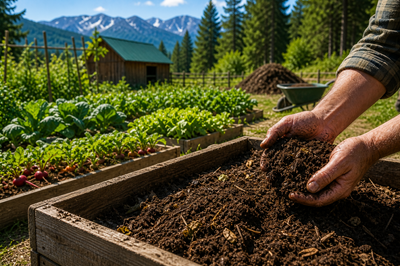 Soil is the foundation of all food production. Healthy soil supports plant growth, retains water, and provides the nutrients necessary for consistent yields. Without it, even the most carefully planned garden will struggle to produce.
Building and maintaining soil health is an ongoing process. It involves adding organic matter, managing nutrients, and supporting the biological activity that makes soil productive. Composting is one of the most effective ways to achieve this, turning waste materials into valuable soil amendments.
Over time, soil can become depleted if it is not properly managed. Continuous planting without replenishment reduces nutrient levels and weakens plant health. Regenerative practices, such as crop rotation and cover cropping, help restore balance and maintain productivity.
Water management is closely tied to soil health. Well-structured soil retains moisture more effectively, reducing the need for irrigation and protecting plants during dry periods. It also drains excess water more efficiently, preventing damage during heavy rainfall.
Soil building is not a one-time task—it is a long-term investment. The effort put into improving soil today directly affects the productivity of future seasons. In rural survival, healthy soil is one of the most valuable assets you can develop.
8.3 Crop Selection by Climate
Choosing the right crops is essential for consistent food production. Not all plants perform well in every environment, and selecting crops that match your climate and conditions increases both yield and reliability.
Climate determines growing seasons, temperature ranges, and precipitation patterns. These factors influence which crops can be grown successfully and how they must be managed. For example, some crops thrive in cooler temperatures, while others require sustained heat to produce.
Local knowledge is particularly valuable in this area. Understanding what grows well in your region—whether through experience, observation, or community knowledge—provides a strong starting point for planning.
Crop selection should also consider nutritional value and storage potential. Some crops provide immediate consumption, while others can be stored or preserved for long-term use. A balanced system includes both.
Diversity is again important. Relying on a single crop increases risk, as failure in that crop can significantly impact food supply. By selecting a range of crops with different characteristics and growing requirements, you create a more resilient system.
Effective crop selection aligns your food production with your environment, reducing effort and increasing the likelihood of success.
8.4 Companion Planting & Pest Control
Pests and disease are inevitable in any food production system. Managing them effectively requires a combination of prevention, observation, and intervention.
Companion planting is one method used to improve plant health and reduce pest pressure. By growing certain plants together, you can create beneficial interactions that enhance growth, repel pests, or attract helpful insects. This approach reduces the need for chemical interventions and supports a more balanced ecosystem.
Pest control also involves maintaining plant health. Strong, well-nourished plants are more resistant to disease and less attractive to pests. Soil quality, watering practices, and spacing all contribute to this.
Physical barriers, such as fencing or netting, can protect crops from animals and insects. These methods are often more reliable than reactive measures, as they prevent damage before it occurs.
Observation is critical. Regularly inspecting plants allows you to identify problems early, when they are easier to manage. Delayed response can allow pests or disease to spread, increasing the difficulty of control.
Effective pest management is not about eliminating all threats—it is about maintaining balance and ensuring that crops can continue to produce despite ongoing challenges.
8.5 Season Extension Techniques
In many rural environments, the growing season is limited by temperature and weather conditions. Extending this season increases productivity and improves overall food security.
Season extension techniques include the use of structures such as greenhouses, cold frames, and row covers. These systems create controlled environments that protect plants from extreme temperatures, wind, and frost.
Even simple methods can have a significant impact. Covering plants during cold nights, using mulch to retain soil warmth, or selecting sheltered locations can extend growing periods by weeks or even months.
These techniques also provide flexibility. They allow for earlier planting in spring and later harvesting in fall, increasing the total output of the garden. In some cases, they can support year-round production of certain crops.
Season extension requires additional effort and materials, but the benefits often outweigh the costs. By increasing the time available for growth, you reduce reliance on stored food and create a more continuous supply.
8.6 Year-Round Production Planning
Food production is not a single event—it is a continuous process that must be managed throughout the year. Year-round planning ensures that resources, labor, and outputs are balanced across seasons.
This begins with understanding the cycle of planting, growing, harvesting, and preparing for the next season. Each phase requires different tasks and resources, and timing is critical. Missing a planting window or delaying a harvest can affect the entire cycle.
Planning also involves coordinating different crops. Some may be planted early, while others require warmer conditions. Staggering planting times can provide a steady supply of food rather than a single large harvest.
Storage and preservation are part of this process. Surplus production must be preserved for later use, ensuring that food is available when fresh production is limited. This connects directly to other systems, such as canning, drying, and cold storage.
Year-round planning also includes preparing for the next cycle. This may involve saving seeds, improving soil, and maintaining equipment. Each season builds on the previous one, creating a continuous system rather than isolated efforts.
In rural survival, food production is not just about growing—it is about managing a cycle that sustains itself over time.
8.7 Summary – Food Production & Gardening
Food production is where preparedness transitions from storage to sustainability. While stockpiles provide short-term security, long-term resilience depends on the ability to consistently produce food within your environment. In rural survival, gardening is not a hobby—it is a core system that supports independence and stability.
This section focuses on building a productive and reliable food system, starting with soil health. Soil is the foundation of all food production, and its quality directly impacts yield, resilience, and long-term viability. Practices such as composting, nutrient management, and natural soil improvement ensure that production capacity increases over time rather than degrades.
Crop selection is another critical factor. Choosing plants that are well-suited to the local climate, soil conditions, and seasonal patterns improves success and reduces risk. Diversity plays an important role here—growing a variety of crops spreads risk and ensures that a single failure does not impact the entire food system.
This section also emphasizes planning and efficiency. Garden layout, crop rotation, and companion planting are used to maximize space, reduce pests, and improve overall productivity. These strategies allow systems to work together, rather than competing for resources.
Seasonal awareness is key. Food production must align with natural cycles, and extending the growing season through techniques such as protection or timing adjustments increases output and reliability. Planning across the entire year ensures that food is available consistently, not just during peak harvest periods.
Finally, this section introduces the importance of seed saving and long-term continuity. By preserving seeds and maintaining knowledge of how to grow them, you ensure that food production can continue indefinitely, independent of external supply chains.
9. Livestock & Animal Management
 Livestock plays a critical role in rural survival by providing a reliable source of protein, fat, dairy, fiber, and labor. Unlike stored food, which diminishes over time, properly managed livestock systems can reproduce, regenerate, and sustain themselves, making them one of the most powerful long-term food strategies available.
However, livestock also introduces complexity. Animals require daily care, consistent resources, and protection from both environmental and human threats. Poor planning can quickly turn livestock from an asset into a liability. Feed shortages, water issues, disease, and predation can all disrupt production if not properly managed.
A successful livestock system is not just about raising animals—it is about integrating them into the broader homestead system. This includes aligning them with available resources, designing efficient housing and feeding systems, and ensuring that their needs can be met under a wide range of conditions.
This section focuses on selecting appropriate livestock, building sustainable systems around them, and maintaining their health and productivity over time.
9.1 Selecting Livestock for Survival
Choosing the right livestock is one of the most important decisions in building a sustainable food system. Different animals provide different benefits, and each comes with its own requirements in terms of space, feed, water, and care.
Small livestock, such as chickens and rabbits, are often the most practical starting point. They require less space, reproduce quickly, and provide consistent output in the form of eggs or meat. They are also easier to manage and generally have lower feed requirements.
Larger animals, such as goats, sheep, or cattle, provide greater yields of meat, milk, and other products, but they also require more land, feed, and infrastructure. These animals are better suited for properties with sufficient space and established systems to support them.
Selection should also consider climate and environment. Some breeds are better adapted to cold, heat, or specific terrain. Choosing animals that are well-suited to local conditions reduces stress on both the animals and the system.
Another factor is purpose. Some animals are better for meat, others for dairy, and some for multiple uses. Aligning livestock selection with your specific needs ensures that resources are used efficiently.
In rural survival, livestock should be chosen not for maximum output alone, but for sustainability, adaptability, and compatibility with your overall system.
9.2 Housing & Predator Protection
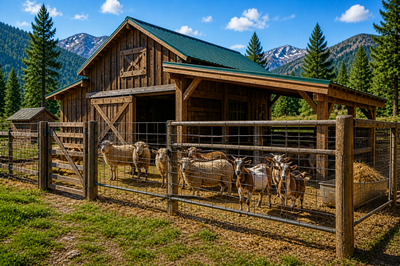 Proper housing is essential for protecting livestock from environmental conditions and predators. Without adequate shelter, animals are exposed to weather extremes, stress, and increased risk of illness or loss.
Housing should provide protection from wind, rain, snow, and excessive heat. It does not need to be complex, but it must be durable and appropriate for the animals being housed. Ventilation is important to prevent moisture buildup and maintain air quality, particularly in enclosed spaces.
Predator protection is a critical consideration in rural environments. Animals such as coyotes, foxes, raccoons, and birds of prey can pose significant threats, especially to smaller livestock. Secure enclosures, reinforced fencing, and covered areas help reduce vulnerability.
Nighttime is often when predation risk is highest. Bringing animals into secure shelters during these hours can significantly reduce losses. For larger operations, additional measures such as livestock guardian animals or perimeter security may be appropriate.
Housing should also be designed for efficiency. Easy access for feeding, cleaning, and monitoring reduces labor and ensures that animals receive consistent care. Poorly designed housing can lead to neglect, increased workload, and reduced productivity.
A well-designed housing system protects livestock, simplifies management, and supports long-term stability.
9.3 Feed Production & Storage
Feed is one of the most significant ongoing requirements in livestock management. Without a reliable feed system, even well-chosen animals cannot be sustained.
In a survival context, reliance on external feed sources introduces risk. Supply chain disruptions can limit availability or increase costs, making it difficult to maintain livestock. For this reason, producing at least part of your feed locally is a key objective.
Pasture is one of the most efficient feed sources for grazing animals. Properly managed, it can provide a renewable supply of nutrition while also improving soil health. Rotational grazing—moving animals between sections of pasture—prevents overuse and allows vegetation to recover.
For non-grazing animals, feed production may include growing grains, forage crops, or using kitchen and garden waste. This creates a more integrated system, where outputs from one area support another.
Storage is equally important. Feed must be protected from moisture, pests, and spoilage. Poor storage can lead to loss of valuable resources and potential health risks for animals.
Planning for seasonal variation is critical. Feed availability may be abundant during certain times of the year and limited during others. Storing surplus during periods of abundance ensures continuity during lean periods.
A sustainable feed system reduces dependency, lowers costs, and increases resilience.
9.4 Water Systems for Livestock
Water is just as critical for livestock as it is for humans. Animals require consistent access to clean water to maintain health and productivity. Interruptions in water supply can quickly lead to stress, illness, or loss.
Water systems for livestock should be designed for reliability and ease of use. This includes ensuring that water sources are accessible, protected from contamination, and available under all conditions.
In colder climates, freezing is a major concern. Water systems must be protected or designed to prevent freezing, whether through insulation, placement, or alternative methods. In warmer climates, evaporation and contamination may be more significant issues.
Distribution is another factor. Water should be located in a way that minimizes effort for both animals and caretakers. Long distances or difficult access can reduce intake and increase workload.
Backup systems are essential. Just as with human water systems, redundancy ensures that animals continue to receive water even if primary systems fail.
Maintaining clean water is also important. Stagnant or contaminated water can lead to disease, reducing productivity and increasing risk.
A reliable water system supports animal health and ensures that livestock remain a stable part of the overall food system.
9.5 Breeding & Population Control
Livestock systems must be managed not only for current production but also for long-term sustainability. Breeding allows animals to reproduce and maintain or expand the population, while population control ensures that resources are not overstretched.
Uncontrolled breeding can quickly lead to more animals than the system can support. This increases demand for feed, water, and space, potentially weakening the entire system. Managing breeding cycles helps maintain balance and ensures that resources are used efficiently.
Selective breeding can also improve the quality of the livestock over time. Choosing animals with desirable traits—such as health, productivity, and adaptability—strengthens the overall system.
Timing is important. Breeding should be planned to align with resource availability, such as feed and weather conditions. This ensures that young animals are born during periods when they have the best chance of survival.
Culling is another aspect of population management. Removing animals that are unproductive, unhealthy, or unsuitable helps maintain the strength of the herd or flock.
A well-managed breeding system ensures that livestock remain sustainable, productive, and aligned with available resources.
9.6 Disease Prevention & Care
Maintaining the health of livestock is essential for both productivity and long-term survival. Disease can spread quickly in animal populations, particularly in confined or poorly managed conditions.
Prevention is the most effective approach. This includes maintaining clean living environments, providing proper nutrition, and minimizing stress. Healthy animals are more resistant to disease and recover more quickly when issues arise.
Observation plays a key role. Regularly monitoring animals for changes in behavior, appetite, or appearance allows for early detection of problems. Early intervention is often the difference between a manageable issue and a serious outbreak.
Isolation is an important tool. When an animal shows signs of illness, separating it from the rest of the group can prevent the spread of disease. This requires having space and systems in place to manage affected animals.
Basic medical knowledge and supplies are also necessary. While advanced veterinary care may not always be available, having the ability to address common issues can significantly improve outcomes.
Sanitation extends beyond the animals themselves. Equipment, water sources, and feeding areas must be kept clean to reduce the risk of contamination.
In rural survival, livestock health is not just about animal welfare—it is directly tied to food security and system stability.
9.7 Summary – Livestock & Animal Management
Livestock expands food production beyond plants, adding reliable protein, fats, and secondary resources to a rural survival system. While gardening provides foundational nutrition, animals introduce additional layers of sustainability, offering products such as meat, eggs, milk, and materials that support other systems.
This section focuses on selecting and managing livestock in a way that aligns with your land, resources, and long-term goals. Not all animals are suited for every environment. Factors such as climate, available space, water access, and feed requirements must be considered to ensure that livestock enhances your system rather than placing strain on it.
Proper housing and protection are critical. Animals must be sheltered from weather and secured against predators, requiring thoughtful design and consistent maintenance. A well-managed environment reduces stress on livestock, improves productivity, and minimizes loss.
Feeding and water systems are also central to livestock management. Animals require consistent, reliable access to both, and planning for storage and supply ensures continuity during shortages or seasonal changes. Efficient systems reduce waste and improve overall sustainability.
Health management is another key component. Monitoring animals regularly, identifying issues early, and responding appropriately helps prevent small problems from becoming major losses. Maintaining animal health is essential for both productivity and long-term viability.
This section also addresses breeding and processing. Breeding allows for the continuation and growth of livestock populations, while proper processing ensures that resources are utilized effectively and safely. Together, these practices support a self-sustaining cycle.
10. Hunting, Fishing & Trapping
 In rural survival, food production is not limited to what you cultivate or raise. The surrounding environment can provide an additional and often essential source of protein, fat, and other nutrients. Hunting, fishing, and trapping extend your food system into the natural ecosystem, allowing you to supplement, diversify, and buffer your food supply.
These methods are not guaranteed sources of food. They depend on skill, timing, environmental conditions, and the availability of wildlife. For this reason, they should be viewed as complementary systems, not primary ones. When integrated properly, however, they provide resilience by reducing reliance on stored food and agricultural output alone.
Success in these areas requires more than equipment. It requires understanding animal behavior, seasonal patterns, and the local ecosystem. It also requires discipline—overharvesting or poor practices can quickly reduce available resources and undermine long-term sustainability.
This section focuses on developing the knowledge and systems needed to harvest from the environment responsibly and effectively.
10.1 Understanding Local Ecosystems
The foundation of hunting, fishing, and trapping is a deep understanding of the local ecosystem. Wildlife does not exist randomly; it follows patterns based on food availability, water sources, shelter, and seasonal cycles.
Learning these patterns allows you to anticipate where animals will be, how they will move, and when they are most active. This reduces wasted effort and increases the likelihood of success. It also minimizes disruption to the environment, preserving resources for future use.
Observation is one of the most valuable tools in this process. Tracks, droppings, feeding signs, and movement patterns provide insight into animal behavior. Over time, these observations build a mental map of how wildlife interacts with your environment.
Seasonal changes are particularly important. Migration, breeding cycles, and changes in food availability all influence where animals can be found. Fish behavior also changes with water temperature, flow, and seasonal conditions.
Understanding the ecosystem also includes recognizing limits. Wildlife populations can only sustain a certain level of harvesting. Taking too much, too quickly, can reduce future availability and disrupt the balance of the system.
In rural survival, the environment is not just a resource—it is a dynamic system that must be understood and respected.
10.2 Hunting Techniques & Strategies
 Hunting provides a direct way to obtain large quantities of protein, but it requires skill, patience, and planning. Unlike other food systems, success is not guaranteed, and effort must be applied strategically.
There are several approaches to hunting, each suited to different conditions and species. Stalking involves moving quietly through an area to approach animals without detection. This method requires awareness of wind direction, noise, and visibility. Even small mistakes can alert animals and end the opportunity.
Ambush hunting, on the other hand, involves positioning yourself in a location where animals are likely to pass, such as near water sources, feeding areas, or travel routes. This method relies on understanding animal behavior and being able to remain still and undetected for extended periods.
Tracking is another important skill. Following signs left by animals allows you to locate them even when they are not immediately visible. This requires attention to detail and the ability to interpret subtle changes in the environment.
Hunting also requires proper timing. Early morning and late evening are often the most active periods for many animals. Weather conditions can also influence movement, making some days more productive than others.
Efficiency and ethics are important considerations. The goal is to harvest cleanly and effectively, minimizing suffering and avoiding waste. This requires proper equipment, accurate shot placement, and the ability to process the animal quickly.
Hunting is as much about knowledge and discipline as it is about action. Over time, experience builds consistency, turning occasional success into a reliable supplement to your food system.
10.3 Fishing Methods & Tools
Fishing provides a steady and often more predictable source of food than hunting, particularly in areas with reliable water sources. Fish can be harvested using a variety of methods, each suited to different conditions and levels of effort.
Active fishing methods, such as rod and line, allow for targeted harvesting and can be adjusted based on species and conditions. This approach requires skill in selecting bait, reading water, and adapting to changing behavior.
Passive methods, such as nets, traps, or set lines, operate with less constant attention. Once deployed, they can continue to catch fish over time, allowing you to focus on other tasks. These methods are particularly valuable in a survival context, where time and energy must be managed carefully.
Understanding fish behavior is critical. Factors such as water temperature, depth, current, and available food all influence where fish can be found. Seasonal changes can shift these patterns significantly, requiring adaptation in approach.
Tools and equipment should be selected for durability and simplicity. In a long-term scenario, the ability to repair or improvise gear becomes important. Lightweight and versatile tools provide flexibility across different conditions.
Fishing also requires consideration of sustainability. Overharvesting can reduce populations, particularly in smaller bodies of water. Responsible practices ensure that fish remain a viable resource over time.
As part of a broader food system, fishing provides consistency and efficiency, often requiring less energy per unit of food than other methods.
10.4 Trapping Systems & Placement
Trapping is one of the most efficient methods of harvesting small game. Unlike hunting, which requires active participation, traps can be set and left to operate, capturing animals over time with minimal ongoing effort.
The effectiveness of trapping depends heavily on placement. Traps must be positioned along natural travel routes, near feeding areas, or at entry points to dens and burrows. Understanding how animals move through the environment is essential for success.
Different types of traps are used for different species and conditions. Some are designed to capture animals alive, while others are intended for immediate dispatch. The choice depends on the intended use and local conditions.
Camouflage and scent control are important factors. Animals are highly sensitive to changes in their environment, and poorly placed or handled traps may be avoided. Minimizing disturbance and blending traps into the surroundings increases effectiveness.
Trapping also requires regular checking. Leaving traps unattended can result in loss of catch, damage to equipment, or unnecessary suffering. Consistent monitoring ensures that the system remains productive and humane.
As with other methods, sustainability is key. Trapping should be managed to avoid depleting local populations. Rotating trap locations and limiting harvest levels helps maintain balance.
Trapping provides a low-energy, consistent method of obtaining food, making it a valuable component of a diversified system.
10.5 Ethical & Sustainable Harvesting
Harvesting from the environment carries responsibility. The goal is not simply to obtain food, but to do so in a way that preserves the resource for future use.
Ethical harvesting begins with respect for the animal and the environment. This includes using methods that minimize suffering, avoiding waste, and taking only what is needed. Every part of the animal should be used where possible, including meat, fat, and other materials.
Sustainability requires awareness of population levels and environmental conditions. Overharvesting can quickly reduce availability, particularly in smaller or isolated ecosystems. Taking too much in a short period can have long-term consequences.
Selective harvesting is one way to manage this. Choosing animals based on age, size, or condition helps maintain a healthy population structure. Avoiding harvesting during breeding seasons also supports regeneration.
Legal considerations may also apply, depending on location. While survival scenarios may change priorities, understanding existing regulations provides a baseline for responsible practice.
Ethical and sustainable harvesting ensures that the environment remains a renewable resource rather than a temporary solution.
10.6 Processing & Preservation of Game
Harvesting an animal is only part of the process. Proper handling, processing, and preservation are essential to ensure that the food is safe, usable, and does not go to waste.
Field dressing should be done as soon as possible after harvest to prevent spoilage. Removing internal organs and allowing the carcass to cool reduces the risk of contamination and extends the usability of the meat.
Processing involves breaking down the animal into manageable portions. This requires tools, space, and knowledge of anatomy. Efficient processing reduces waste and ensures that all usable parts are preserved.
Preservation methods connect directly to other systems within the homestead. Meat can be frozen, dried, smoked, or canned, depending on available resources and desired shelf life. Each method has its own requirements and benefits.
Storage must be managed carefully. Improper storage can lead to spoilage or contamination, negating the effort involved in harvesting. Clean conditions, proper temperature control, and protection from pests are essential.
Processing and preservation transform a successful harvest into a usable resource. Without this step, the value of hunting, fishing, and trapping is significantly reduced.
10.7 Summary – Hunting, Fishing & Trapping
Hunting, fishing, and trapping provide a critical layer of food security by allowing you to harvest resources directly from the environment. Unlike gardening and livestock—which require time, planning, and maintenance—these methods offer the ability to acquire food on demand, supplementing existing systems and providing flexibility during shortages or system failures.
This section focuses on developing the knowledge and skills needed to identify, locate, and harvest wild food sources responsibly and efficiently. Understanding animal behavior is a foundational element. Knowing when and where animals move, feed, and rest increases success while reducing wasted effort and energy.
Tracking and observation play a key role in this process. Recognizing signs such as movement patterns, habitat use, and environmental indicators allows you to anticipate opportunities rather than rely on chance. This transforms harvesting from a reactive activity into a planned and strategic effort.
The section also emphasizes selecting appropriate methods for different situations. Active methods, such as hunting and rod fishing, require time and presence, while passive methods, such as trapping and set lines, allow you to gather food while focusing on other tasks. Using a combination of both increases efficiency and reliability.
Sustainability is a critical consideration. Overharvesting can quickly deplete local resources, making it essential to understand population dynamics and practice responsible harvesting techniques. Maintaining balance ensures that wild food sources remain available over the long term.
Finally, this section addresses proper processing and preservation. Harvested food must be handled correctly to ensure safety and extend usability. Efficient processing reduces waste, while preservation methods allow resources to be stored for future use.
11. Food Storage & Preservation
 Food production and harvesting are only part of the equation. Without effective storage and preservation, surplus food quickly becomes waste, and periods of abundance do not translate into long-term security. In rural survival, the goal is not just to produce food—it is to retain and manage it across time.
Food systems are inherently uneven. Gardens produce in cycles, livestock yields fluctuate, and hunting or fishing success varies. Preservation bridges these gaps, allowing food gathered during peak periods to sustain you during scarcity. This transforms your food system from a short-term supply into a continuous, dependable resource.
Storage and preservation also protect against external disruptions. Supply chain failures, seasonal limitations, and unexpected events can all affect access to fresh food. A well-developed storage system provides insulation against these uncertainties.
This section focuses on the methods, systems, and principles needed to store food safely, preserve it effectively, and maintain its quality over time.
11.1 Short-Term vs Long-Term Storage
Food storage exists on a spectrum, from immediate use to multi-year preservation. Understanding the difference between short-term and long-term storage is essential for building a balanced system.
Short-term storage is designed for foods that will be used within days or weeks. This includes fresh produce, dairy, and prepared foods. The goal is to maintain quality and prevent spoilage for as long as possible. Refrigeration, cool storage areas, and proper handling play a key role in this stage.
Long-term storage, by contrast, is focused on extending shelf life for months or years. This involves methods that reduce moisture, limit exposure to air, and prevent microbial growth. Dry goods, preserved foods, and properly stored staples fall into this category.
A resilient system integrates both. Short-term storage supports daily consumption, while long-term storage provides stability during periods when fresh food is unavailable. The transition between the two is managed through preservation methods that convert perishable items into durable forms.
Balancing these systems ensures that food flows smoothly from production to consumption, minimizing waste and maximizing availability.
11.2 Canning Methods
 Canning is one of the most reliable methods for preserving food over long periods. It works by sealing food in airtight containers and using heat to destroy microorganisms that cause spoilage.
There are two primary types of canning: water bath and pressure canning. Water bath canning is suitable for high-acid foods such as fruits and some vegetables. Pressure canning is required for low-acid foods, including meats and many vegetables, as it reaches higher temperatures necessary to ensure safety.
The process requires careful attention to detail. Proper preparation, correct processing times, and secure sealing are all critical. Mistakes in any of these areas can compromise safety, leading to spoilage or potential health risks.
Canning allows a wide variety of foods to be preserved, including vegetables, fruits, meats, and prepared meals. This versatility makes it a cornerstone of long-term food storage systems.
Storage conditions also matter. Canned goods should be kept in a cool, dark environment to maintain quality over time. Regular inspection ensures that seals remain intact and that no spoilage has occurred.
When done correctly, canning provides a stable and reliable method of preserving food, turning seasonal abundance into long-term supply.
11.3 Dehydration & Freeze-Drying
Removing moisture is one of the most effective ways to preserve food. Dehydration and freeze-drying both achieve this, but they differ in method and outcome.
Dehydration uses heat and airflow to remove moisture from food. This reduces the ability of microorganisms to grow and significantly extends shelf life. Dehydrated foods are lightweight, compact, and easy to store, making them ideal for long-term use.
However, dehydration can alter texture and reduce some nutritional value. Rehydration is often required before consumption, and the process may not fully restore the original characteristics of the food.
Freeze-drying, on the other hand, removes moisture by freezing the food and then reducing pressure to allow the frozen water to sublimate. This method preserves more of the original structure, flavor, and nutritional content. The result is a product that can be stored for extended periods and rehydrated more effectively.
The trade-off is complexity and cost. Freeze-drying requires specialized equipment and more energy, making it less accessible for some setups.
Both methods have a place in a resilient food system. Dehydration offers simplicity and efficiency, while freeze-drying provides higher quality and longer shelf life. Using a combination of both increases flexibility and resilience.
11.4 Smoking, Salting & Fermentation
Traditional preservation methods such as smoking, salting, and fermentation have been used for centuries and remain valuable in modern rural survival systems. These methods rely on altering the environment of the food to inhibit spoilage.
Smoking uses heat and smoke to dry and preserve food, particularly meats and fish. It adds flavor while also reducing moisture and introducing compounds that slow bacterial growth. Proper control of temperature and airflow is essential to ensure effectiveness.
Salting works by drawing moisture out of food, creating an environment that is inhospitable to microorganisms. This method is often used in combination with drying or smoking to enhance preservation.
Fermentation uses beneficial microorganisms to transform food into a more stable form. This process not only preserves food but can also enhance flavor and nutritional value. Examples include fermented vegetables and dairy products.
These methods require knowledge and practice. Conditions must be controlled to ensure that beneficial processes occur while harmful ones are prevented. When done correctly, they provide reliable and low-tech options for preserving a wide range of foods.
In a long-term scenario, these traditional methods offer independence from modern equipment and energy sources, making them an important part of a diversified preservation system.
11.5 Root Cellaring & Cold Storage
Cold storage is one of the simplest and most effective ways to extend the life of certain foods. By maintaining a cool, stable environment, root cellars and similar storage areas slow the processes that lead to spoilage.
Root cellars are particularly well-suited for storing vegetables such as potatoes, carrots, and onions. These foods can remain usable for months when kept under the right conditions. The key factors are temperature, humidity, and ventilation.
Temperature should be kept low but above freezing, while humidity levels must be balanced to prevent drying or mold growth. Proper ventilation ensures that air circulates and prevents the buildup of gases that can accelerate spoilage.
Cold storage does not preserve food indefinitely, but it significantly extends usability and reduces the need for more intensive preservation methods. It also requires little energy, making it a reliable option in off-grid environments.
Design and placement are important. Root cellars are often built underground or partially buried to take advantage of natural insulation. They must also be protected from water intrusion and pests.
As part of a broader system, cold storage provides an efficient way to manage seasonal harvests and maintain a steady supply of food.
11.6 Building Redundant Food Systems
Redundancy is the defining feature of a resilient food storage system. Relying on a single method or source creates vulnerability, as any failure can disrupt the entire system.
A redundant system uses multiple preservation methods and storage locations to ensure continuity. For example, food may be stored in a combination of canned goods, dehydrated items, frozen supplies, and cold storage. Each method has different strengths and weaknesses, and together they provide a balanced approach.
Distribution is also important. Storing all food in one location increases risk. Fire, pests, or structural damage can result in significant loss. Spreading storage across multiple areas reduces this risk and increases resilience.
Rotation and management are key components of redundancy. Stored food must be used and replaced regularly to maintain quality and prevent waste. This requires organization and tracking, ensuring that older items are used before newer ones.
Integration with production systems is also essential. Preservation should be aligned with harvesting cycles, allowing surplus to be processed efficiently and stored without delay.
A redundant food system is not just about quantity—it is about reliability and continuity. It ensures that food remains available under a wide range of conditions, supporting long-term stability.
11.7 Summary – Food Storage & Preservation
Food storage and preservation are what transform food production and acquisition into long-term security. Without effective storage, even abundant harvests or successful hunts can quickly be lost to spoilage, waste, or contamination. This section focuses on extending the usability of food, ensuring that resources remain available beyond the moment they are produced or acquired.
At the core of this section is the understanding that different foods require different preservation methods. Techniques such as canning, drying, smoking, and curing each serve specific purposes, allowing a wide range of foods to be stored safely under varying conditions. Selecting the appropriate method depends on the type of food, available equipment, and intended storage duration.
This section emphasizes safety and consistency. Improper preservation can lead to spoilage or health risks, making it essential to follow reliable processes and maintain clean conditions. Attention to detail—such as proper sealing, temperature control, and storage environments—ensures that preserved food remains safe to consume.
Storage conditions are equally important. Even well-preserved food must be kept in environments that protect it from heat, moisture, light, and pests. Systems such as root cellaring and controlled storage spaces help maintain quality over extended periods.
Rotation is another key principle. Stored food should be used and replaced systematically to prevent waste and maintain freshness. This creates a continuous cycle where storage supports daily consumption rather than becoming a static reserve.
Finally, this section connects preservation to overall system resilience. By extending the life of food, you reduce dependency on constant production or acquisition, allowing for flexibility during seasonal gaps or unexpected disruptions.
12. Rural Security & Defense
 Security in rural survival is not about confrontation—it is about prevention, awareness, and control. The goal is to reduce risk, discourage problems before they occur, and maintain the ability to respond effectively if needed.
Rural environments present a unique security profile. Lower population density often reduces day-to-day risk, but it also means longer response times, fewer witnesses, and greater responsibility for your own protection. This shifts security from a reactive system to a self-managed, proactive system.
A strong security strategy does not rely on a single measure. It is built in layers, with each layer providing awareness, delay, or deterrence. When properly designed, these layers work together to create a system that is difficult to approach, easy to monitor, and resilient under stress.
This section focuses on building that system—one that protects your resources, your property, and your ability to operate over the long term.
12.1 Layered Defense Strategy
A layered defense strategy organizes security into multiple zones, each with a specific purpose. This approach ensures that threats are identified early, slowed down as they approach, and addressed before they reach critical areas.
The outer layer is focused on awareness. It includes the areas surrounding your property where movement can be observed at a distance. This is where early detection occurs, providing time to assess and respond.
The middle layer is designed to control access. This includes physical features such as fences, gates, and natural barriers that guide movement and limit entry points. By narrowing access routes, you reduce the number of areas that need to be monitored.
The inner layer protects the most critical assets—your shelter, stored resources, and living space. This is where security measures are strongest and most direct, ensuring that even if outer layers are bypassed, core systems remain protected.
Each layer serves a different function, but they are interconnected. Awareness feeds into control, and control supports protection. Together, they create a system that is far more effective than any single measure.
The strength of layered defense is not in any one component, but in how they work together to increase time, visibility, and decision-making capability.
12.2 Situational Awareness
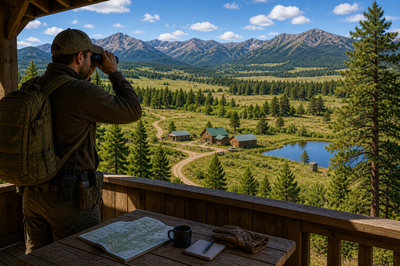 Situational awareness is the foundation of all security. It is the ability to understand what is happening in your environment, recognize changes, and respond appropriately.
In rural settings, this awareness must extend beyond immediate surroundings. It includes understanding patterns of movement, recognizing unusual activity, and staying informed about broader conditions that may affect your area.
Daily observation plays a key role. Noticing small changes—such as unfamiliar tracks, disturbed areas, or changes in routine activity—can provide early indicators of potential issues. These observations build a baseline, making it easier to detect anomalies.
Awareness also includes understanding your own patterns. Predictable routines can create vulnerabilities, while variability can make it more difficult for others to anticipate your actions.
Information sources are another component. Communication with neighbors, monitoring local conditions, and staying informed about regional developments all contribute to a broader understanding of risk.
Situational awareness is not a single action—it is a continuous process. It allows you to detect problems early, make informed decisions, and reduce the likelihood of being caught off guard.
12.3 Early Warning Systems
Early warning systems extend situational awareness by providing additional ways to detect movement or changes in your environment. These systems can be simple or more advanced, but their purpose is the same: to provide time and information.
In many cases, low-tech solutions are highly effective. Natural indicators such as animals reacting to movement, changes in sound, or disturbances in the environment can serve as early warnings. These signals are often subtle but can be recognized with experience.
Physical indicators, such as strategically placed objects or markers, can reveal whether an area has been disturbed. These require minimal resources but can provide valuable information when checked regularly.
More structured systems may include alarms or detection devices placed along access routes. These systems should be positioned where movement is most likely to occur, such as near entrances, trails, or chokepoints.
The effectiveness of any early warning system depends on placement and consistency. It must cover the right areas and be checked or monitored regularly to remain useful.
The goal is not to create complexity, but to ensure that you are not surprised by unexpected movement or activity.
12.4 Access Control & Monitoring
Controlling access to your property is one of the most effective ways to improve security. Rather than trying to monitor every possible approach, access control focuses on limiting and managing entry points.
This begins with identifying how people and vehicles can reach your property. Roads, trails, and natural pathways should be evaluated to determine which are most likely to be used. These become the primary focus for control and monitoring.
Physical barriers, such as gates or fencing, can guide movement and discourage casual entry. Natural features, such as terrain or vegetation, can also be used to shape access routes.
Monitoring is closely tied to access control. Once entry points are defined, they can be observed more effectively. This may involve direct observation, periodic checks, or the use of simple detection systems.
Visibility is important. Being able to see who is approaching and how they are moving provides valuable information for decision-making. At the same time, it is important to manage how much of your property is visible from outside.
Access control is not about isolation—it is about intentional design. By shaping how your property is approached, you reduce uncertainty and increase your ability to respond effectively.
12.5 Defensive Positioning
Defensive positioning is about using your environment and layout to your advantage. It focuses on where you are, what you can see, and how you can respond if needed.
Positioning begins with understanding the terrain. Elevation, cover, and lines of sight all influence how effectively an area can be monitored and defended. High ground provides visibility, while natural barriers can limit movement.
Structures should be placed and used in ways that support awareness and protection. This includes considering how windows, doors, and surrounding features affect visibility and access.
Movement within the property should also be considered. Being able to move safely and efficiently between key areas—such as shelter, storage, and access points—is important for both daily operations and emergency situations.
Defensive positioning is not about creating static positions. It is about ensuring that your layout supports flexibility, awareness, and control, allowing you to adapt as conditions change.
12.6 Rules of Engagement (ROE)
Rules of Engagement (ROE) define how you respond to different situations. They provide a framework for decision-making, ensuring that actions are consistent, measured, and aligned with your overall goals.
In a rural survival context, ROE is less about confrontation and more about clarity and restraint. It answers key questions before a situation occurs: When do you observe? When do you intervene? When do you disengage?
Without clear guidelines, decisions made under stress can be inconsistent or driven by emotion. This increases risk and can lead to unintended consequences.
ROE should consider a range of scenarios, from minor disturbances to more serious threats. It should prioritize safety, de-escalation, and preservation of resources. It should also account for legal and ethical considerations where applicable.
Communication is important, particularly if multiple people are involved. Everyone should understand the expectations and boundaries, ensuring that responses are coordinated and predictable.
The purpose of ROE is not to limit action, but to ensure that action is deliberate and appropriate, reducing risk while maintaining control.
12.7 Summary – Rural Security & Defense
Security in a rural environment is not defined by a single action or tool—it is the result of awareness, planning, and layered systems working together. Unlike urban areas, where security may rely heavily on proximity to services or law enforcement, rural security requires a more self-directed and proactive approach due to distance, isolation, and delayed response times.
This section focuses on building a layered defense strategy, where multiple levels of protection reduce vulnerability and provide early warning. Rather than reacting to threats at the last moment, the goal is to detect, assess, and respond as early as possible. This begins with maintaining strong situational awareness—understanding what is normal in your environment so that changes can be identified quickly.
Perimeter awareness is a key component. Monitoring access points, observing movement patterns, and using the natural landscape to your advantage all contribute to a more secure environment. Early warning systems—whether simple or more advanced—extend your awareness beyond immediate surroundings, giving you more time to respond effectively.
This section also emphasizes controlled access and movement. Knowing how people or animals can approach your property, and managing those routes, reduces unpredictability. Clear entry points and well-understood boundaries improve both security and coordination.
Planning is critical. Security is not just about prevention—it is about having a clear response strategy. This includes defining when to observe, when to act, and when to disengage. Without a plan, even well-prepared systems can lead to confusion or unnecessary risk.
Coordination with others strengthens security further. Sharing information, maintaining communication, and working together with trusted individuals or groups expands awareness and improves response capability.
Finally, this section reinforces that effective security is not about constant confrontation—it is about reducing risk, maintaining control, and avoiding unnecessary escalation. The most successful systems are those that prevent problems before they develop.
13. Firearms & Tool Use
 In rural survival, tools are force multipliers. They let you accomplish tasks that would otherwise require far more time and effort, and they increase your ability to operate effectively under pressure. Firearms, where permitted and used responsibly, are one category of tool among many—useful for hunting, predator control, and as a last-resort defensive option. Hand tools and powered equipment, however, are just as critical for daily operations: building, repairing, processing wood, maintaining systems, and supporting food production.
The common thread across all tools is reliability under real conditions. Tools must be safe to use, appropriate for the task, and maintained so they work when needed. Skill matters more than ownership—having the right tool but lacking the ability to use it correctly can create risk rather than reduce it.
This section focuses on selecting appropriate tools, using them safely, maintaining them over time, and integrating them into a resilient homestead system.
13.1 Firearm Selection (Legal & Context-Appropriate)
Where legal and appropriate, firearms can serve practical roles in rural settings—primarily for hunting and, in some cases, for managing animal threats. Selection should be guided by intended use, local regulations, and user proficiency, not by novelty or excess.
Different applications call for different characteristics. Small game and pest control typically benefit from tools that are accurate at shorter distances with minimal impact on surrounding areas. Larger game requires tools capable of humane, effective harvesting at appropriate ranges. In all cases, fit and familiarity matter: a tool that the user can handle confidently and safely is more valuable than one that is theoretically more powerful.
Local laws and safe-storage requirements must be understood and followed. Storage solutions should prevent unauthorized access while still allowing timely, lawful use when needed. Documentation, training, and adherence to best practices are part of responsible ownership.
Selection is not a one-time decision. As needs, skills, and conditions evolve, equipment choices may be refined. The objective is to maintain a simple, reliable, and lawful setup aligned with real tasks.
13.2 Safe Handling & Storage
 Safety is non-negotiable. Whether using firearms, chainsaws, axes, or any other tool, disciplined handling prevents accidents and protects both the user and others.
For firearms, safe handling principles include treating every firearm as if it is loaded, maintaining control of direction at all times, keeping fingers off triggers until ready to use, and knowing what is beyond the target. These habits are reinforced through consistent practice and training.
Safe storage is equally important. Firearms should be secured in a way that prevents unauthorized access, particularly by children or visitors, while still meeting legal requirements. Ammunition should be stored appropriately and, where required, separately. For other tools, storage focuses on preventing accidental contact and protecting edges or moving parts.
For all tools, safety extends to work environment and condition of equipment. Dull blades, loose handles, or damaged components increase the likelihood of injury. Personal protective equipment—such as gloves, eye protection, and hearing protection—should be used when appropriate.
Safety is not a single step; it is a continuous discipline that ensures tools remain assets rather than liabilities.
13.3 Maintenance & Field Readiness
Tools that are not maintained will eventually fail, often when they are needed most. Maintenance ensures that equipment remains functional, safe, and efficient over time.
Routine inspection is the first step. Checking for wear, damage, or loose components allows problems to be addressed before they become critical. Cleaning is also important, particularly for equipment exposed to dirt, moisture, or organic material.
For firearms, maintenance includes cleaning after use, proper lubrication, and periodic function checks to ensure reliability. Storage conditions should protect against moisture and corrosion.
For hand tools, maintenance may involve sharpening blades, tightening fasteners, and replacing worn handles. Powered tools require additional attention, including fuel management, filter cleaning, and monitoring of moving parts.
Field readiness is about ensuring that tools are not only maintained, but also accessible and usable when needed. This may include keeping essential tools in designated locations, maintaining backup options, and ensuring that all users understand how to operate them.
A well-maintained tool system reduces downtime, improves efficiency, and increases confidence in your ability to handle tasks as they arise.
13.4 Ammunition & Consumables Planning
Many tools rely on consumables—items that are used up during operation. For firearms, this includes ammunition; for other tools, it may include fuel, lubricants, replacement parts, or cutting materials. Managing these supplies is essential for long-term reliability.
Planning begins with understanding usage patterns. Hunting seasons, maintenance cycles, and daily operations all influence how quickly consumables are used. Estimating these needs allows for appropriate stock levels without excessive accumulation.
Storage conditions are critical. Ammunition and other consumables must be protected from moisture, temperature extremes, and contamination. Proper storage preserves functionality and extends usable life.
Rotation is also important. Using older supplies first and replenishing them regularly ensures that stock remains fresh and reliable. This is particularly relevant for fuels and certain materials that degrade over time.
Redundancy should be considered. Having multiple types or sources of consumables can reduce dependency on any single supply chain. However, this must be balanced with simplicity and manageability.
Effective planning ensures that tools remain operational over time, even when external resupply is limited or unavailable.
13.5 Essential Rural Tools
While firearms may serve specific roles, the majority of daily work in a rural environment is accomplished with general-purpose tools. These are the tools that support construction, maintenance, food production, and resource management.
Core hand tools often include cutting tools for wood and vegetation, digging tools for soil work, and fastening tools for building and repair. These tools should be durable, simple, and capable of being maintained or repaired without specialized equipment.
Powered tools can increase efficiency but introduce additional dependencies, such as fuel or electricity. Their use should be balanced with manual alternatives to ensure that work can continue under different conditions.
Tool selection should prioritize versatility. A smaller number of high-quality, multi-purpose tools is often more effective than a large collection of specialized equipment. Each tool should have a clear role and be used regularly to maintain familiarity.
Organization is also important. Tools should be stored in a way that protects them from damage and allows for quick access. This reduces time spent searching and increases efficiency during both routine tasks and urgent situations.
A well-chosen tool set supports independence by enabling you to build, repair, and maintain your systems without relying on external services.
13.6 Tool Maintenance & Longevity
Long-term resilience depends on keeping tools functional for as long as possible. This requires not only routine maintenance, but also an understanding of how to extend the life of equipment through proper use and care.
Sharpening is a key aspect of maintenance for cutting tools. Sharp tools are safer and more efficient, requiring less force and reducing the risk of accidents. Regular sharpening should be part of normal upkeep.
Protection from the environment is also critical. Moisture, temperature changes, and exposure to the elements can degrade materials over time. Proper storage, cleaning, and protective coatings help prevent this.
Repair skills are valuable. Being able to replace handles, tighten components, or improvise fixes allows tools to remain in service even when parts are not readily available. This reduces dependency on external supply chains.
Planning for replacement is also part of longevity. Some components will eventually wear out, and having spare parts or backup tools ensures continuity.
Tool longevity is not just about preserving equipment—it is about maintaining capability over time, ensuring that essential tasks can continue without interruption.
13.7 Summary – Firearms & Tool Use
Tools—and in some contexts firearms—are extensions of capability. They allow you to work more efficiently, respond more effectively, and operate safely in demanding environments. In rural survival, the focus is not on the tools themselves, but on the skill, responsibility, and purpose behind their use.
This section begins with the fundamentals of safe handling and maintenance. Any tool, whether simple or complex, must be used with care and understanding. Proper handling reduces risk, while consistent maintenance ensures reliability when it matters most. A tool that fails under pressure can create more problems than it solves.
Functionality is a key theme. Tools are selected and used based on specific needs—such as food production, construction, repair, or resource processing. Understanding how and when to use the right tool increases efficiency and reduces unnecessary effort. In rural environments, where resources and time are limited, this efficiency becomes critical.
This section also highlights the importance of versatility and adaptability. Multi-use tools and the ability to improvise solutions allow you to operate effectively even when ideal equipment is not available. Developing practical skills ensures that you are not dependent on any single tool or system.
Maintenance is treated as an ongoing process rather than a one-time task. Cleaning, repairing, and properly storing tools extends their lifespan and ensures they remain ready for use. This reduces long-term costs and supports system reliability.
Equally important is understanding the role of tools within the larger system. Tools support food production, shelter building, energy systems, and many other aspects of rural survival. When integrated properly, they enhance every part of your operation.
14. Energy & Off-Grid Power
 Energy is the force multiplier of rural survival. It enables systems to operate efficiently, reduces physical workload, and supports critical functions such as water pumping, food preservation, heating, lighting, and communication. In modern life, energy is often taken for granted because it is delivered automatically through centralized systems. In a rural survival context, however, energy must be planned, generated, stored, and managed locally.
The goal is not necessarily to disconnect entirely from the grid, but to develop the capability to operate independently when needed. This approach—often referred to as hybrid or partial off-grid—allows you to benefit from existing infrastructure while maintaining resilience against disruptions.
A reliable energy system is not built around a single source. It is a layered and redundant system, combining generation, storage, and efficiency strategies to ensure continuity under varying conditions. This section focuses on the components of that system and how they work together to support long-term stability.
14.1 Solar Power Systems
Solar energy is one of the most accessible and scalable forms of off-grid power. It converts sunlight into electricity, providing a renewable and relatively low-maintenance energy source that can be adapted to a wide range of needs.
A solar system typically consists of panels, a charge controller, batteries for storage, and an inverter to convert electricity into usable form. Each component plays a role in ensuring that energy is captured, stored, and delivered effectively.
One of the primary advantages of solar power is its modular nature. Systems can start small and expand over time, allowing you to build capacity as resources and needs grow. This makes it particularly well-suited for gradual development.
However, solar energy is dependent on sunlight, which varies by location, season, and weather conditions. Output is typically highest during summer months and reduced during winter or periods of heavy cloud cover. For this reason, solar systems must be designed with these variations in mind, often incorporating additional sources or storage to compensate.
Maintenance requirements are generally low, but panels must be kept clear of debris and positioned to maximize exposure. System monitoring helps ensure that performance remains consistent.
Solar power provides a stable foundation for an off-grid energy system, particularly when combined with storage and backup options.
14.2 Wind & Micro-Hydro Options
 While solar is widely used, other renewable energy sources can complement it and provide additional reliability. Wind and micro-hydro systems offer alternative ways to generate power based on local environmental conditions.
Wind energy is generated by turbines that convert the movement of air into electricity. It can be particularly effective in areas with consistent wind patterns, such as open plains or elevated terrain. Wind often produces energy at times when solar output is lower, such as during storms or at night, making it a useful complement.
Micro-hydro systems use the flow of water to generate electricity. Where a consistent water source is available, this method can provide a steady and continuous supply of power. Unlike solar and wind, which are variable, micro-hydro can operate consistently as long as water flow is maintained.
Both systems require specific conditions to be effective. Wind turbines need adequate and consistent wind, while micro-hydro systems depend on water flow and elevation changes. Installation and maintenance can also be more complex than solar.
When conditions are suitable, these systems add diversity to your energy supply. By combining multiple sources, you reduce reliance on any single method and increase overall system resilience.
14.3 Generators & Backup Power
Generators provide a reliable source of power when renewable systems are insufficient or unavailable. They are particularly useful during extended periods of low solar output or when immediate, high-power demands must be met.
Generators can run on various fuels, including gasoline, diesel, or propane. Each fuel type has its own advantages and storage considerations. The choice depends on availability, storage stability, and compatibility with your overall system.
Unlike renewable sources, generators produce power on demand, making them valuable for critical tasks. However, they also introduce dependency on fuel, which must be stored and managed carefully.
Noise, maintenance, and fuel consumption are important considerations. Generators should be used strategically rather than continuously, prioritizing essential functions to conserve resources.
Backup power planning involves determining which systems are most critical and ensuring that the generator can support them when needed. This may include water pumps, refrigeration, or communication equipment.
Generators are not a primary solution, but they are a critical component of a resilient system, providing reliability when other sources are limited.
14.4 Fuel Storage & Stabilization
Fuel is a key dependency for many energy systems, particularly generators and certain tools. Proper storage and management of fuel are essential for maintaining reliability over time.
Fuel must be stored in appropriate containers that protect it from contamination, evaporation, and environmental exposure. Storage locations should be secure, well-ventilated, and positioned to reduce risk to living areas.
Over time, many fuels degrade. This can reduce performance and potentially damage equipment. Stabilization methods and additives can extend shelf life, but they require monitoring and periodic rotation to remain effective.
Planning for fuel use involves estimating consumption rates and ensuring that sufficient reserves are available for critical needs. This requires balancing storage capacity with safety and practicality.
Diversification can also reduce risk. Using multiple fuel types or systems that rely on different energy sources decreases dependence on any single supply.
Fuel management is not just about storage—it is about maintaining a usable and reliable energy reserve that supports your system when other options are limited.
14.5 Energy Prioritization
Not all energy use is equally important. In a survival context, energy must be allocated based on priority, ensuring that critical systems remain operational even when resources are limited.
This begins with identifying essential loads—systems that must function to maintain safety and basic operations. These may include water pumping, refrigeration, heating, and communication. Non-essential loads, such as convenience devices or secondary systems, can be reduced or eliminated during constrained conditions.
Energy prioritization also involves managing usage patterns. Running high-demand systems during periods of peak generation, such as during daylight for solar systems, improves efficiency and reduces strain on storage.
Load management is a key part of this process. By controlling when and how energy is used, you can extend the functionality of your system and reduce the need for additional resources.
Understanding energy flow—how it is generated, stored, and consumed—allows for more effective decision-making. It ensures that energy is used where it provides the greatest benefit.
In rural survival, energy is not unlimited. Prioritization ensures that it is used intentionally and effectively, supporting the systems that matter most.
14.6 Reducing Energy Dependence
The most resilient energy system is one that requires less energy to operate. Reducing dependence on energy not only conserves resources but also simplifies systems and reduces points of failure.
This can be achieved through a combination of design and behavior. Efficient appliances, proper insulation, and passive systems all reduce the amount of energy required for daily operations.
Manual alternatives are also important. Systems that can operate without electricity—such as gravity-fed water systems or hand tools—provide continuity when energy is unavailable.
Behavioral changes play a role as well. Adjusting routines to align with available energy, reducing unnecessary usage, and focusing on essential tasks all contribute to lower demand.
Reducing dependence does not mean eliminating energy use. It means ensuring that energy is used where it provides the most value and that systems can continue to function even when energy is limited.
This approach increases flexibility and resilience, allowing your homestead to adapt to changing conditions without significant disruption.
14.7 Summary – Energy & Off-Grid Power
Energy is the force that keeps all other systems functioning. Water pumping, food storage, communication, lighting, and daily operations all depend on reliable power. In rural environments—where grid access may be limited or unreliable—energy must be treated as a managed system, not a guaranteed service.
This section focuses on building a layered and resilient energy strategy that combines multiple sources rather than relying on a single solution. Solar power forms the foundation for many off-grid systems due to its accessibility and scalability, while complementary sources such as wind or micro-hydro can provide additional reliability depending on local conditions. Each source contributes to a more balanced and dependable system.
Storage is a critical component. Energy must be captured and stored for use when generation is not available. Battery systems allow for continuity, bridging the gap between production and demand. Proper management of these systems ensures efficiency and extends their usable lifespan.
Backup power is also addressed through the use of generators. While not a primary solution, generators provide on-demand reliability during extended periods of low renewable output or increased demand. Fuel management becomes an important factor here, requiring proper storage, rotation, and planning to ensure availability.
This section emphasizes energy prioritization. Not all systems require constant power, and identifying critical loads ensures that essential functions continue even when resources are limited. Managing when and how energy is used increases efficiency and reduces strain on the system.
Finally, reducing overall energy dependence is a key principle. Efficient design, passive systems, and manual alternatives decrease the amount of energy required, making the entire system more sustainable and resilient.
15. Communication in Rural Environments
 Communication is a critical but often overlooked component of rural survival. It enables coordination, provides situational awareness, and allows you to respond effectively to changing conditions. In remote environments, where infrastructure is limited and distances are greater, communication systems must be intentional, redundant, and adaptable.
Modern communication relies heavily on centralized networks—cell towers, internet infrastructure, and power systems. When these systems fail or become unreliable, communication can quickly break down. In a rural setting, this breakdown can lead to isolation, reduced awareness, and delayed response to emerging issues.
A resilient communication strategy does not depend on a single method. It combines multiple systems—both technological and low-tech—to ensure that information can still be shared when conditions change. It also includes clear protocols, so that communication remains effective under stress.
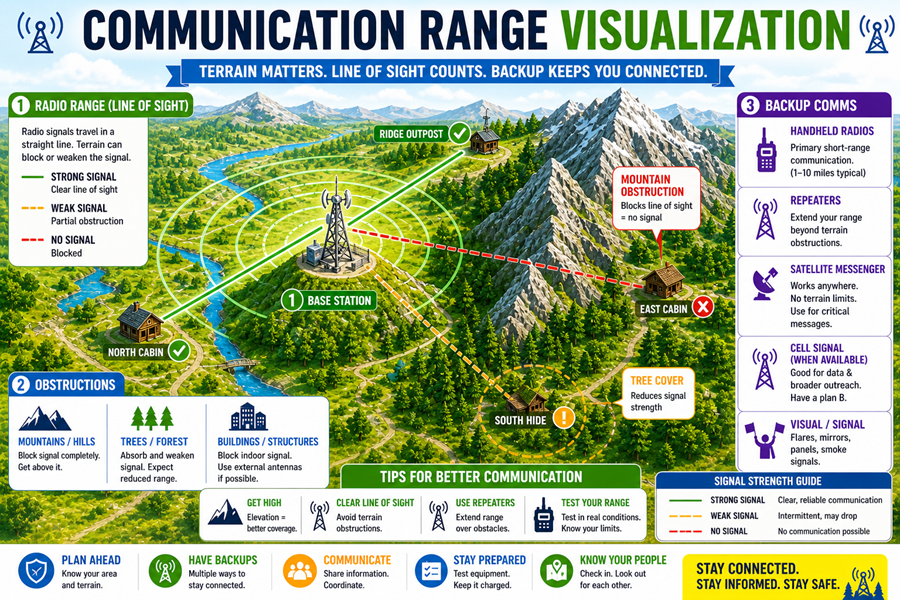
This section focuses on building communication systems that support awareness, coordination, and long-term resilience.
15.1 Radio Systems (HAM, GMRS, CB)
Radio communication is one of the most reliable methods for maintaining contact in rural environments. Unlike cellular networks, radios can operate independently of centralized infrastructure, making them valuable during outages or disruptions.
Different types of radio systems serve different purposes. Short-range radios are useful for communication within a property or between nearby locations. Longer-range systems allow for communication across greater distances, connecting with neighboring properties or broader networks.
The effectiveness of radio communication depends on both equipment and knowledge. Understanding how to operate the system, select appropriate channels, and manage interference is essential. In some cases, licensing or training may be required to use certain frequencies legally and effectively.
Radios also require power, which must be considered as part of the overall energy system. Backup power options, such as batteries or manual charging methods, help ensure that communication remains available when needed.
Radio systems provide a direct and controllable form of communication, allowing you to maintain contact even when other systems are unavailable.
15.2 Signal Range & Terrain
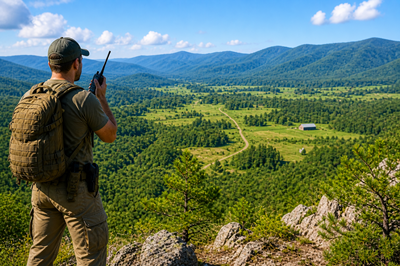 The effectiveness of any communication system is influenced by the surrounding environment. Terrain, vegetation, and structures all affect how signals travel, particularly in rural areas where conditions can vary widely.
Open terrain generally allows signals to travel farther, while dense forests, hills, and valleys can block or weaken transmission. Elevation can improve range by providing a clearer path for signals, making high points valuable for communication.
Understanding these factors allows you to position equipment more effectively. Placing antennas or devices in locations with better visibility can significantly improve performance. In some cases, relaying signals through intermediate points can extend coverage.
Weather conditions can also affect communication, particularly for certain types of signals. Rain, snow, and atmospheric conditions may reduce clarity or range.
Testing is essential. Communication systems should be evaluated under real conditions to understand their limitations and capabilities. This allows for adjustments and ensures that expectations are realistic.
By aligning communication systems with the environment, you can improve reliability and reduce gaps in coverage.
15.3 Emergency Communication Plans
Having communication tools is not enough—there must also be a plan for how they will be used during emergencies. An emergency communication plan defines who communicates, how information is shared, and what actions are taken based on that information.
This plan should include designated channels or methods for different types of communication. For example, one method may be used for routine updates, while another is reserved for urgent situations. This prevents confusion and ensures that critical messages are recognized.
Timing is another important factor. Establishing regular check-in periods allows individuals or groups to confirm status and share updates without constant communication. This conserves energy and reduces unnecessary traffic on communication channels.
Clarity is essential. Messages should be simple, direct, and focused on key information. In high-stress situations, complex or unclear communication can lead to misunderstandings and delays.
The plan should also account for failure. If one method is unavailable, alternative methods must be defined. This ensures continuity even when conditions change.
An effective communication plan transforms tools into a coordinated system, allowing information to flow in a way that supports decision-making and response.
15.4 Mesh & Local Networks
Local communication networks provide a way to share information across a group without relying on external infrastructure. These networks can be formal or informal, but they are built on the idea that each participant contributes to overall connectivity.
In a mesh-style system, multiple nodes—whether devices or individuals—relay information between each other. This extends range and allows communication to continue even if some connections are lost. The network adapts based on available links, increasing resilience.
Local networks can also be built through organized communication practices. Neighbors may establish shared channels, meeting points, or routines for exchanging information. These systems do not require advanced technology but rely on coordination and consistency.
The strength of local networks lies in their redundancy. Information does not depend on a single path or system, reducing the risk of complete communication failure.
Building these networks requires trust and cooperation. Participants must understand how the system works and commit to maintaining it. Over time, this creates a communication structure that supports both daily operations and emergency response.
Local networks transform isolated individuals into a connected system, improving awareness and coordination across a wider area.
15.5 Low-Tech Communication Methods
While modern communication tools are valuable, they are not always reliable. Low-tech methods provide a backup that does not depend on power, infrastructure, or complex equipment.
These methods include visual signals, written messages, and pre-arranged indicators. For example, markers placed in specific locations can convey information about status or conditions. Sound signals, such as whistles or other simple devices, can be used to attract attention or communicate over short distances.
Physical movement is another method. In some situations, direct contact—walking or traveling to another location—may be the most reliable way to communicate. This requires planning for safe routes and timing.
Low-tech communication relies on simplicity and clarity. Signals must be easily understood and consistently applied. Pre-established meanings prevent confusion and ensure that messages are interpreted correctly.
While these methods may seem basic, they are highly reliable and can function under conditions where more advanced systems fail. They provide a critical layer of redundancy, ensuring that communication remains possible even in the absence of technology.
15.6 Offline Communication Strategies
Offline communication strategies focus on maintaining access to information and coordination without relying on real-time connectivity. This includes both storing information locally and establishing methods for sharing it when direct communication is limited.
Local information storage is one component. Important documents, maps, and reference materials should be available without requiring internet access. This ensures that critical knowledge remains accessible regardless of external conditions.
Pre-planned coordination is another key element. Establishing meeting points, schedules, and procedures allows individuals to act independently while still maintaining alignment. This reduces the need for constant communication and allows systems to function even when contact is limited.
Documentation also plays a role. Keeping records of plans, contacts, and procedures ensures that information is not lost and can be referenced when needed. This is particularly important in longer-term scenarios.
Offline strategies emphasize preparation over reaction. By anticipating communication challenges and establishing systems in advance, you reduce the impact of disruptions and maintain continuity.
These strategies ensure that communication is not dependent on a single moment or method, but is instead built into the structure of your system.
15.7 Summary – Communication in Rural Environments
Communication is what connects all systems and individuals, turning isolated efforts into coordinated action and shared awareness. In rural environments, where distances are greater and infrastructure is less reliable, communication must be intentional, redundant, and adaptable to remain effective under changing conditions.
This section begins by recognizing the limitations of modern communication systems. Cellular networks and internet services depend on centralized infrastructure, which can become unreliable or unavailable during disruptions. As a result, rural preparedness requires alternative methods that can operate independently.
Radio systems provide a primary solution for off-grid communication. They allow for direct, real-time contact over varying distances without relying on external networks. Understanding how to operate and manage these systems ensures that communication remains possible when other options fail.
The section also emphasizes the importance of terrain and environmental factors. Signal range and clarity are affected by landscape features such as hills, forests, and elevation. Positioning and planning must account for these variables to ensure consistent performance.
Beyond tools, this section highlights the need for structured communication plans. Clear protocols—such as designated channels, check-in times, and message formats—reduce confusion and improve coordination, particularly during emergencies. Communication becomes more effective when it is predictable and organized.
Local networks play a critical role as well. Building connections with nearby individuals or groups allows information to be shared across a wider area, increasing awareness and response capability. These networks create a system where communication does not depend on a single point of failure.
Finally, the section reinforces the value of low-tech and offline methods. Simple signals, written messages, and pre-arranged plans ensure that communication can continue even when technology is unavailable. These methods provide a reliable backup that supports long-term resilience.
16. Medical Preparedness
 Medical preparedness in a rural environment requires a fundamental shift in thinking. Instead of relying on immediate access to professional care, you must be prepared to assess, stabilize, treat, and manage health issues independently, sometimes for extended periods.
In urban settings, medical systems are layered and responsive. In rural survival scenarios, those layers may be distant, delayed, or unavailable. This increases the importance of knowledge, preparation, and self-sufficiency.
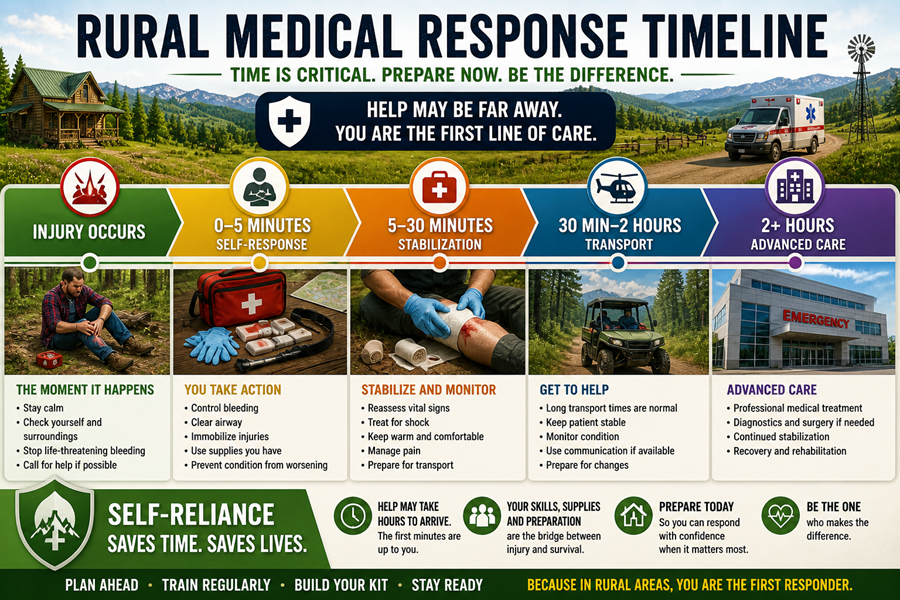
Medical preparedness is not just about having supplies. It is about building a system of care that includes prevention, treatment, recovery, and long-term health management. This system must be adaptable, scalable, and integrated into daily life.
This section focuses on developing that system—ensuring that you can respond effectively to both routine health needs and emergency situations.
16.1 First Aid Fundamentals
First aid is the foundation of medical preparedness. It involves the immediate care provided in response to injury or illness, with the goal of stabilizing the situation and preventing it from worsening.
Key principles include assessing the situation, identifying the most urgent issues, and applying appropriate interventions. This often means addressing breathing, bleeding, and circulation first, as these are the most immediate threats to life.
First aid also includes managing less severe injuries, such as cuts, burns, and sprains. While these may not be life-threatening, they can become serious if not treated properly, particularly in environments where infection risk is higher.
Training is essential. Knowing what to do in a calm setting is very different from responding under pressure. Regular practice helps build confidence and ensures that actions are effective when they are needed most.
First aid is not a replacement for advanced care, but it is a critical first step. It buys time, reduces risk, and often determines the outcome of an incident.
16.2 Trauma Care Basics
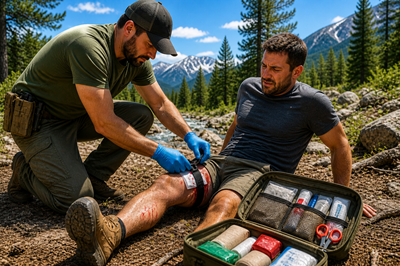 Trauma care addresses serious injuries that pose an immediate threat to life, such as severe bleeding, fractures, or head injuries. In rural environments, where professional help may be delayed, the ability to manage trauma is especially important.
The primary focus is stabilization. This includes controlling bleeding, maintaining airway and breathing, and preventing shock. These actions must be taken quickly and effectively to improve survival chances.
Bleeding control is one of the most critical skills. Significant blood loss can occur rapidly, and immediate intervention is required to prevent further harm. This may involve applying pressure, using appropriate dressings, or employing specialized tools when available.
Immobilization is another key aspect. Injuries to bones or joints must be stabilized to prevent further damage during movement or transport. This can be done using splints or improvised materials.
Trauma care also includes monitoring. Once immediate actions are taken, the individual must be observed for changes in condition, as complications can develop over time.
In a rural setting, trauma care often bridges the gap between injury and professional treatment. It requires preparation, practice, and the ability to act decisively.
16.3 Medical Kit Design (Short-Term vs Long-Term)
A well-designed medical kit is tailored to the environment, the number of people involved, and the expected duration of use. It should support both immediate response and ongoing care.
Short-term kits are designed for mobility and rapid response. They contain essential items needed to address common injuries and stabilize more serious conditions. These kits are often kept in accessible locations or carried during activities.
Long-term kits are more comprehensive. They include supplies for extended care, such as wound management, infection control, and basic medications. These kits support ongoing health needs when resupply is limited.
Organization is critical. Supplies should be arranged in a way that allows for quick access, particularly in emergencies. Clear labeling and familiarity with the contents reduce response time and improve effectiveness.
Maintenance is also important. Supplies must be checked regularly to ensure that they are complete, functional, and within usable condition. Expired or degraded items should be replaced.
A well-designed medical kit is not just a collection of items—it is a tool that supports your ability to respond effectively under a wide range of conditions.
16.4 Medications & Storage
Medications play a key role in managing both acute and chronic conditions. In rural survival, access to medications may be limited, making proper selection, storage, and management essential.
Medications should be chosen based on expected needs, including pain management, infection control, and treatment of common illnesses. For individuals with specific health conditions, maintaining an adequate supply of necessary medications is critical.
Storage conditions affect effectiveness. Many medications are sensitive to temperature, light, and moisture. Proper storage ensures that they remain effective over time and are available when needed.
Rotation is important. Medications have limited shelf lives, and older supplies should be used before newer ones when appropriate. This helps maintain a consistent and reliable inventory.
Understanding how to use medications is just as important as having them. Dosage, timing, and potential interactions must be considered to ensure safe and effective use.
Medication management is a balance between availability and responsibility. It ensures that treatment options remain accessible while minimizing risk.
16.5 Sanitation & Infection Control
Preventing illness is often more effective than treating it. Sanitation and infection control are essential components of medical preparedness, particularly in environments where medical resources are limited.
Clean water, proper waste management, and hygiene practices all contribute to reducing the spread of disease. These systems must be integrated into daily routines to be effective.
Wound care is a key area. Even minor injuries can become serious if infection develops. Proper cleaning, protection, and monitoring are necessary to ensure healing.
Living environments should be maintained to reduce contamination. This includes managing waste, controlling pests, and ensuring that food preparation areas are clean.
Isolation may be necessary in some cases. Separating individuals who are ill can help prevent the spread of infection to others, particularly in close living conditions.
Sanitation is not a one-time effort—it is an ongoing practice. Maintaining clean conditions reduces the likelihood of illness and supports overall health.
16.6 Long-Term Care Without Hospitals
In extended scenarios, medical preparedness must go beyond immediate response and address long-term care. This includes managing chronic conditions, supporting recovery, and maintaining overall health without direct access to professional facilities.
Chronic conditions require consistent management. This may involve medications, monitoring, and lifestyle adjustments. Planning for these needs ensures continuity of care even when external support is limited.
Recovery from injury or illness can take time. Providing a stable environment, proper nutrition, and ongoing care supports healing and reduces the risk of complications.
Physical and mental health are both important. Stress, isolation, and uncertainty can affect well-being, making it important to maintain routines, provide support, and address issues as they arise.
Adaptability is key. Without access to advanced diagnostics or treatments, care must be based on observation, experience, and available resources. This requires a willingness to adjust and respond to changing conditions.
Long-term care is about sustaining health over time. It ensures that individuals remain capable of contributing to and benefiting from the broader system.
16.7 Summary – Medical Preparedness
Medical preparedness is one of the most critical components of rural survival because it directly impacts health, capability, and long-term sustainability. In remote environments, access to professional medical care may be delayed or unavailable, making it essential to develop the ability to assess, treat, and manage health issues independently.
This section begins with the fundamentals of first aid, emphasizing the importance of rapid response to stabilize injuries and prevent conditions from worsening. In rural settings, even minor injuries can become serious if not treated properly, making early intervention a key factor in successful outcomes.
The section then addresses trauma care, focusing on managing more severe injuries that require immediate attention. Stabilization, bleeding control, and ongoing monitoring are essential skills that bridge the gap between injury and recovery, particularly when external help is not immediately available.
Medical preparedness also includes the design and maintenance of medical kits. These kits must be tailored to both short-term emergencies and long-term care, ensuring that supplies are available for a wide range of situations. Organization and regular maintenance are critical to ensure that materials are accessible and functional when needed.
Medications are another important component. Proper selection, storage, and management ensure that treatments remain effective over time. Understanding how and when to use medications safely is just as important as having them available.
This section also emphasizes sanitation and infection control. Preventing illness is often more effective than treating it, particularly in environments where resources are limited. Clean water, proper hygiene, and safe handling practices reduce the risk of disease and support overall health.
Finally, the section addresses long-term care without hospitals, recognizing that health management must continue beyond immediate treatment. This includes supporting recovery, managing chronic conditions, and maintaining both physical and mental well-being over time.
17. Navigation & Land Skills
 Navigation is more than finding your way from one point to another. In a rural survival context, it is about understanding the landscape, recognizing patterns, and moving safely and efficiently through it. Land skills extend beyond navigation to include awareness of terrain, resource identification, and the ability to operate independently in natural environments.
Modern navigation tools—such as GPS and digital maps—are convenient but depend on external systems. When those systems are unavailable or unreliable, the ability to navigate using fundamental skills and physical references becomes essential.
Navigation and land skills also support other systems. They enable access to water sources, hunting and foraging areas, and alternative routes during emergencies. They improve safety by reducing the risk of getting lost or entering hazardous areas.
This section focuses on building the knowledge and practical abilities needed to understand and move through rural environments with confidence.
17.1 Map Reading & Topographic Understanding
Maps provide a structured way to understand the landscape before physically moving through it. Topographic maps, in particular, offer detailed information about elevation, terrain features, and natural obstacles.
Learning to read these maps allows you to visualize the land—identifying hills, valleys, waterways, and other features that influence movement. Contour lines indicate elevation changes, helping you anticipate steep areas or easier paths.
Maps also show human-made features such as roads, trails, and structures. Understanding how these elements interact with natural terrain provides a more complete picture of the environment.
Scale is an important factor. It determines how much detail is visible and how distances are interpreted. Being able to estimate distance accurately helps with planning routes and managing time.
Map reading is not just about interpretation—it is about planning. Before moving, you can identify potential challenges, select routes, and locate key resources. This reduces uncertainty and improves efficiency once you are on the ground.
In rural survival, maps are a foundational tool for understanding the environment and making informed decisions.
17.2 Compass Use & Direction Finding
 A compass provides a reliable way to determine direction, independent of external systems. When used correctly, it allows you to maintain orientation and navigate even in unfamiliar or low-visibility conditions.
Understanding cardinal directions—north, south, east, and west—is the starting point. From there, you can use a compass to establish bearings, which are specific directions expressed in degrees.
Taking a bearing involves aligning the compass with your intended direction and maintaining that alignment as you move. This ensures that you stay on course, even when terrain or obstacles require adjustments.
Combining compass use with map reading enhances accuracy. By aligning the map with the compass, you can match features on the map to what you see in the environment, improving situational awareness.
Practice is essential. Compass use must become second nature, particularly in conditions where visibility is limited or stress is high.
A compass is a simple but powerful tool. It provides a consistent reference point, ensuring that you can maintain direction regardless of external conditions.
17.3 Terrain Association
Terrain association is the skill of navigating by recognizing and interpreting natural features rather than relying solely on tools. It involves matching what you see in the environment to your mental or mapped understanding of the area.
This method relies on identifying landmarks such as hills, ridges, valleys, and water sources. By observing how these features relate to each other, you can determine your position and direction of travel.
Terrain association is particularly useful in areas where maps are limited or where constant reference to tools is impractical. It allows for more fluid movement, as navigation becomes part of continuous observation rather than a separate task.
This skill also improves awareness. By paying attention to the environment, you become more attuned to changes and potential hazards. It supports both navigation and overall situational awareness.
Developing terrain association requires time and experience. Regularly observing and interpreting the landscape builds familiarity and confidence.
In rural survival, terrain association transforms navigation from a technical task into an intuitive understanding of the land.
17.4 Day vs Night Navigation
Navigation changes significantly between day and night. Visibility, reference points, and environmental cues all differ, requiring adjustments in approach.
During the day, visual landmarks and terrain features provide clear guidance. Movement can be planned based on what is visible, and adjustments can be made in real time.
At night, visibility is reduced, and reliance on tools or alternative cues increases. Artificial light can help, but it may also limit peripheral vision and reduce awareness of the broader environment.
Natural cues, such as the position of celestial bodies, can assist with orientation. However, these methods require practice and may be affected by weather conditions.
Movement at night also carries additional risks. Obstacles are harder to detect, and navigation errors are more likely. Slower, more deliberate movement is often necessary.
Planning is critical. Whenever possible, routes should be established during daylight and followed at night if needed. This reduces uncertainty and improves safety.
Understanding the differences between day and night navigation ensures that you can maintain orientation and move effectively under varying conditions.
17.5 Route Planning & Movement
Effective movement begins with planning. A well-chosen route considers terrain, distance, resources, and potential risks, allowing for efficient and safe travel.
Route planning involves identifying the most practical path between two points. This may not always be the shortest distance, but rather the route that balances ease of movement with safety and resource access.
Key considerations include elevation changes, water crossings, vegetation density, and potential hazards. Avoiding unnecessary obstacles reduces fatigue and improves efficiency.
Movement should also be paced appropriately. Overexertion can lead to mistakes or injury, particularly in challenging terrain. Regular breaks and consistent pacing help maintain energy and awareness.
Flexibility is important. Conditions may change, requiring adjustments to the planned route. Being able to reassess and adapt ensures that movement remains effective.
Route planning and movement are closely tied to time management. Understanding how long a route will take allows for better decision-making and ensures that travel aligns with available daylight and energy levels.
In rural survival, movement is not just about reaching a destination—it is about doing so safely, efficiently, and with awareness of the environment.
17.6 Marking, Tracking & Returning Safely
Ensuring that you can return safely is just as important as reaching your destination. Marking and tracking methods provide ways to maintain orientation and retrace your steps when needed.
Marking involves creating indicators along a route that can be recognized later. These may be natural or artificial, but they must be consistent and easily identifiable without drawing unnecessary attention.
Tracking is the process of observing and interpreting signs left in the environment. This includes footprints, disturbed vegetation, and other indicators of movement. Tracking can be used both to follow others and to understand your own path.
Mental mapping is another valuable skill. By actively noting key features and their relationships, you build an internal representation of the route. This reduces reliance on physical markers and improves overall awareness.
Planning for return routes is essential. Knowing multiple ways to return increases flexibility and reduces risk if conditions change or the original path becomes unavailable.
Safety considerations should always be prioritized. Avoiding risky shortcuts, maintaining awareness of surroundings, and allowing sufficient time for return all contribute to successful navigation.
Marking and tracking ensure that movement is not one-way. They provide the ability to navigate with confidence, knowing that you can return safely under a range of conditions.
17.7 Summary – Navigation & Land Skills
Navigation and land skills are what allow you to operate confidently within your environment, turning unfamiliar terrain into a manageable and usable resource. In rural survival, the ability to move safely, locate resources, and maintain orientation is essential—not just for travel, but for accessing and supporting every other system.
This section begins with the fundamentals of map reading and terrain understanding. Maps provide a structured view of the landscape, allowing you to plan routes, identify features, and anticipate challenges before movement begins. Understanding elevation, distance, and terrain relationships reduces uncertainty and improves efficiency.
Compass use builds on this foundation by providing a reliable sense of direction independent of external systems. When combined with map reading, it allows for accurate navigation even in unfamiliar or low-visibility conditions.
The section also introduces terrain association, a skill that relies on observing and interpreting natural features rather than depending solely on tools. By recognizing landmarks and understanding how the landscape is structured, navigation becomes more intuitive and adaptable.
Day and night navigation present different challenges. While daylight provides clear visual references, nighttime conditions require greater reliance on tools, planning, and deliberate movement. Understanding how to adjust techniques based on visibility ensures continued effectiveness under varying conditions.
Route planning and movement are central to this section. Choosing efficient paths, managing energy, and adapting to obstacles all contribute to safe and effective travel. Movement is treated as a planned activity rather than a reactive one, reducing risk and improving outcomes.
Finally, this section emphasizes the importance of marking, tracking, and returning safely. Navigation is not just about reaching a destination—it is about maintaining orientation and ensuring that you can retrace your steps or adjust routes as needed.
18. Weather, Disasters & Environmental Risks
 In rural survival, environmental factors are among the most consistent and unavoidable threats. Unlike many other risks, weather and natural events occur regularly, often with increasing intensity and unpredictability. These forces can disrupt water systems, damage infrastructure, destroy crops, and isolate entire areas.
The key to resilience is not avoiding these events—it is understanding, anticipating, and designing systems that can withstand and adapt to them. This requires both awareness and preparation, integrating environmental considerations into every aspect of your homestead.
Environmental risks also extend beyond immediate impact. Secondary effects—such as supply chain disruptions, resource scarcity, and long-term environmental changes—can often be more disruptive than the initial event itself.
This section focuses on identifying major environmental risks, understanding their effects, and building systems that remain functional under changing conditions.
18.1 Wildfires
Wildfires are one of the most significant risks in many rural areas, particularly in regions with dry climates or dense vegetation. They can spread rapidly, often driven by wind and terrain, making them difficult to predict and control.
Preparation begins with understanding local fire patterns and conditions. Seasonal dryness, temperature, and wind all contribute to fire risk. Monitoring these factors provides early warning of increased danger.
Property design plays a critical role in mitigation. Creating defensible space around structures—by clearing vegetation and reducing fuel sources—helps limit the spread of fire. Using fire-resistant materials and maintaining clear access routes improves both protection and response capability.
Water availability is another key factor. Having accessible water sources and basic firefighting tools can help manage smaller threats before they escalate.
Evacuation planning is essential. In some situations, remaining in place may not be safe. Knowing when to leave, where to go, and how to get there reduces risk during rapidly changing conditions.
Wildfire resilience is about reducing vulnerability and maintaining options, ensuring that you can respond effectively whether staying or leaving.
18.2 Flooding & Water Damage
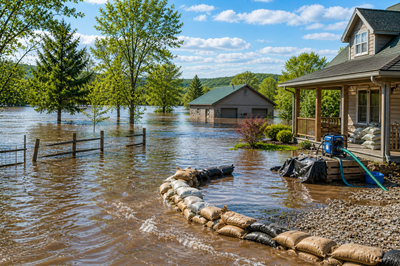 Flooding can occur from heavy rainfall, snowmelt, or changes in water flow. It can damage structures, contaminate water supplies, and disrupt access routes.
Understanding flood risk begins with evaluating terrain and water patterns. Low-lying areas, proximity to water bodies, and drainage characteristics all influence susceptibility.
Mitigation involves both placement and design. Structures should be positioned away from flood-prone areas when possible. Elevation, proper drainage, and barriers can reduce the impact of rising water.
Water systems are particularly vulnerable. Flooding can contaminate wells, storage, and surface sources. Protecting these systems and having alternative sources ensures continuity.
Recovery planning is also important. Flooding can leave behind debris, damage infrastructure, and create health risks. Being prepared to clean, repair, and restore systems is part of overall resilience.
Flooding is not always preventable, but its impact can be significantly reduced through planning and structural design.
18.3 Extreme Weather (Heat, Cold, Storms)
Extreme weather events—including heatwaves, cold snaps, and severe storms—place stress on both people and systems. These events can disrupt energy, water, and food systems, often simultaneously.
Heat increases water demand, stresses crops, and can affect health. Cooling strategies, hydration planning, and crop selection help mitigate these effects.
Cold presents different challenges. Freezing temperatures can damage pipes, reduce energy efficiency, and limit food production. Insulation, heating systems, and freeze protection are critical.
Storms, including high winds and heavy precipitation, can damage structures, disrupt power, and create hazardous conditions. Reinforcement of buildings, secure storage, and protected systems reduce vulnerability.
Preparation for extreme weather involves both infrastructure and behavior. Adjusting routines, monitoring conditions, and responding early can prevent small issues from becoming major problems.
Extreme weather is a recurring challenge. Resilience comes from anticipating conditions and ensuring that systems can adapt without failure.
18.4 Drought & Water Scarcity
Drought is a slow-developing but highly impactful risk. Reduced rainfall and water availability affect not only drinking water but also agriculture, livestock, and overall system stability.
Planning for drought begins with water management. Efficient use, storage, and conservation become critical during periods of scarcity. Systems must be designed to operate with reduced input.
Crop selection and agricultural practices play a major role. Drought-resistant crops, soil management, and irrigation strategies can help maintain production under limited water conditions.
Monitoring environmental indicators—such as rainfall patterns and water levels—provides early warning of developing drought conditions. This allows for adjustments before resources become critically limited.
Diversification of water sources is essential. Relying on a single source increases vulnerability, while multiple sources provide flexibility.
Drought resilience is about stretching resources and maintaining function under reduced conditions, ensuring that systems remain viable over time.
18.5 Seasonal Risk Planning
Environmental risks are often seasonal, with different threats emerging at different times of the year. Understanding these patterns allows for more effective preparation and response.
Winter may bring cold, snow, and limited mobility, while summer may introduce heat, drought, and fire risk. Spring and fall often involve transitions, with changing conditions that can create unique challenges.
Planning involves aligning systems with these cycles. This includes preparing infrastructure, adjusting operations, and ensuring that resources are available when needed.
Seasonal planning also includes timing activities. Planting, harvesting, maintenance, and resource management should be scheduled to align with environmental conditions.
Anticipation is key. By preparing for seasonal risks in advance, you reduce the likelihood of being caught unprepared.
Seasonal awareness transforms environmental variability from a threat into a manageable and predictable factor.
18.6 Environmental Awareness & Monitoring
Continuous awareness of environmental conditions is essential for effective response. This involves observing, tracking, and interpreting changes in weather and surroundings.
Monitoring can include both direct observation and the use of tools. Watching the sky, tracking temperature changes, and noting patterns in wind and precipitation provide immediate insight.
Longer-term monitoring involves recognizing trends. Changes in seasonal patterns, water availability, or vegetation can indicate broader environmental shifts that affect planning.
Communication plays a role here as well. Sharing information with neighbors or networks improves collective awareness and allows for coordinated response.
Environmental awareness is not passive—it requires attention and interpretation. The ability to recognize early signs of change allows for proactive action, reducing the impact of potential threats.
In rural survival, awareness is one of the most powerful tools. It enables you to act before conditions become critical, maintaining control over your systems.
18.7 Summary – Weather, Disasters & Environmental Risks
Weather and environmental conditions are among the most consistent and powerful forces affecting rural survival. Unlike many other threats, they are unavoidable and often predictable, shaping everything from daily operations to long-term system design. This section focuses on understanding these forces and building systems that can withstand, adapt to, and operate within them.
The section begins with major environmental threats such as wildfires, flooding, and extreme weather events. Each of these can disrupt critical systems—including water, food production, energy, and access—often with little warning. Preparing for these risks requires both structural planning and ongoing awareness of local conditions.
Drought and water scarcity are also addressed as long-term environmental challenges. Unlike sudden disasters, these develop gradually but can have widespread and lasting impacts on resources and productivity. Effective planning ensures that systems remain functional even under reduced conditions.
A key concept introduced in this section is that of secondary and cascading effects. The initial event is often only part of the problem—subsequent impacts, such as supply disruptions, resource shortages, and environmental degradation, can create more sustained challenges. Recognizing these patterns allows for more comprehensive preparedness.
Seasonality plays a major role in shaping environmental risks. Threats vary throughout the year, and aligning preparation with these cycles ensures that systems are ready when they are most needed. Seasonal awareness turns unpredictable conditions into manageable patterns.
Finally, this section emphasizes the importance of continuous environmental monitoring and awareness. Observing changes in weather, terrain, and resource availability allows for early response, reducing the impact of potential threats before they escalate.
19. Community & Mutual Aid
 Rural survival is often framed as self-sufficiency, but long-term resilience depends on cooperation, trust, and shared capability. No individual or household can excel at every skill or maintain every system indefinitely. Community fills those gaps by distributing knowledge, labor, and resources across a network.
Mutual aid is the practical expression of this idea. It is the intentional exchange of support—skills, information, and assistance—between individuals and groups. Unlike transactional relationships, mutual aid is built on reciprocity and reliability over time.
In rural settings, where external support may be distant or delayed, community becomes even more important. It enhances security, improves efficiency, and provides redundancy across systems. It also supports mental and emotional resilience, which are critical for long-term sustainability.
This section focuses on building and maintaining community systems that strengthen overall preparedness.
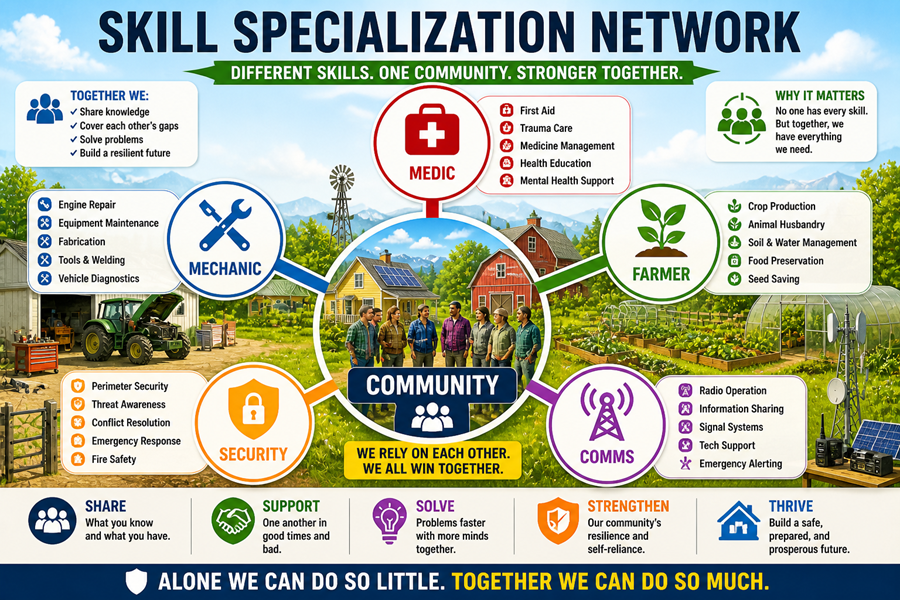
19.1 Building Local Networks
The foundation of community resilience is a network of people who know each other, communicate effectively, and are willing to cooperate. Building this network requires intentional effort.
It begins with identifying individuals and groups in your area who share similar goals or interests. These may include neighbors, local organizations, or informal groups. Initial connections can be simple—conversations, shared activities, or small cooperative efforts.
Trust develops over time through consistency and reliability. Showing up, following through, and contributing to shared efforts builds confidence within the group. Without trust, coordination becomes difficult and systems break down.
Communication is a key component. Establishing ways to share information—whether through regular meetings, communication channels, or informal check-ins—keeps the network active and informed.
Diversity within the network is also valuable. Different skills, experiences, and perspectives strengthen the group and increase its overall capability.
A strong local network transforms isolated individuals into a coordinated system, capable of responding more effectively to challenges.
19.2 Skill Sharing & Specialization
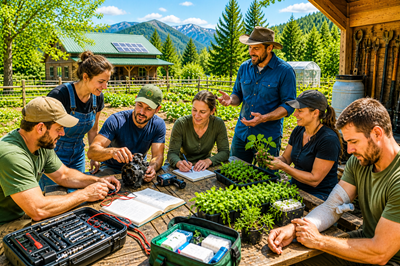 No one can master every skill required for rural survival. Skill sharing allows individuals to focus on specific areas while benefiting from the expertise of others.
Specialization increases efficiency. When individuals develop deeper knowledge in particular areas—such as medical care, mechanical repair, food production, or communication—they can contribute more effectively to the group.
Skill sharing ensures that knowledge is distributed rather than concentrated. Teaching others prevents single points of failure and ensures that critical skills remain available even if individuals are unavailable.
This process can take many forms, including informal training, collaborative work, or structured learning sessions. The goal is to build both individual competence and collective capability.
Cross-training is also important. While specialization is valuable, having basic knowledge across multiple areas ensures that individuals can adapt when needed.
Skill sharing creates a network where knowledge flows freely, increasing resilience and reducing dependency on external systems.
19.3 Resource Sharing & Bartering
Resources are often unevenly distributed. Some individuals may have surplus in one area while lacking in another. Resource sharing and bartering allow these imbalances to be addressed within the community.
Bartering provides a flexible alternative to traditional exchange systems. Goods and services can be traded based on immediate needs, reducing reliance on external markets.
Resource sharing can also take the form of collective use. Tools, equipment, and infrastructure may be shared among members, reducing duplication and improving efficiency.
Clear expectations are important. Agreements should be understood by all parties to prevent misunderstandings. Transparency and fairness help maintain trust within the system.
Storage and distribution systems may also be developed at the community level. Shared resources, such as bulk food or equipment, can provide additional resilience.
By pooling resources, the community becomes more adaptable and less vulnerable to individual shortages.
19.4 Community Security Cooperation
Security is more effective when it is shared. A coordinated approach allows for broader awareness, faster response, and more efficient use of resources.
Community security begins with communication. Sharing information about local conditions, unusual activity, or potential risks improves overall awareness and reduces uncertainty.
Cooperative monitoring can extend coverage beyond what any individual could achieve alone. By coordinating observation and sharing updates, the group can maintain a more complete picture of the environment.
Mutual support is another key element. In situations where assistance is needed, having established relationships allows for faster and more reliable response.
Consistency and clarity are important. Roles and expectations should be understood, ensuring that actions are coordinated rather than conflicting.
Community security is not about creating tension—it is about building awareness and cooperation that enhances safety for everyone involved.
19.5 Conflict Resolution
Any group of people will experience disagreements. In a survival context, unresolved conflict can weaken the entire system, reducing cooperation and increasing risk.
Effective conflict resolution begins with communication. Addressing issues early, before they escalate, helps maintain stability. Listening and understanding different perspectives are key components of this process.
Clear expectations and guidelines can prevent many conflicts. When roles, responsibilities, and boundaries are defined, there is less room for misunderstanding.
Mediation may be necessary in some cases. Having a neutral process or individual to help resolve disputes ensures that conflicts are addressed fairly.
The goal is not to eliminate disagreement, but to manage it in a way that preserves the integrity of the group. This requires patience, respect, and a focus on shared objectives.
A community that can resolve conflict effectively is more stable and better able to maintain cooperation over time.
19.6 Building Long-Term Community Resilience
Long-term resilience goes beyond immediate cooperation. It involves creating systems and relationships that can endure over time and adapt to changing conditions.
This includes developing shared goals and values. A clear sense of purpose helps align efforts and maintain cohesion within the group.
Redundancy at the community level is also important. Multiple individuals or groups should be capable of performing critical functions, ensuring that the system does not depend on any single point.
Adaptability is key. Conditions will change, and the community must be able to adjust its systems and strategies accordingly. This requires ongoing communication, evaluation, and willingness to evolve.
Support systems—both practical and emotional—also contribute to resilience. Knowing that others are available for assistance and encouragement strengthens the group’s ability to endure challenges.
Building long-term resilience is an ongoing process. It requires effort, commitment, and a focus on both individual and collective strength.
19.7 Summary – Community & Mutual Aid
While self-reliance is a cornerstone of rural survival, long-term resilience is strengthened through connection, cooperation, and shared capability. No individual or household can excel at every skill or maintain every system indefinitely. This section focuses on building community-based resilience, where individuals work together to increase efficiency, security, and sustainability.
The section begins with the importance of building local networks. Establishing relationships with neighbors and like-minded individuals creates a foundation for communication, trust, and coordinated action. These connections transform isolated efforts into a more capable and responsive system.
Skill sharing is a key component of this network. By allowing individuals to specialize while still learning from one another, communities develop a broader and more resilient skill base. This reduces dependency on any single person and ensures that knowledge is distributed across the group.
Resource sharing and bartering further strengthen resilience. Not all resources are evenly distributed, and cooperative exchange allows communities to balance needs and capabilities. This creates flexibility, particularly when external systems become unreliable or inaccessible.
Security is also enhanced through cooperation. Shared awareness, coordinated observation, and mutual support extend the reach of any single household. A community that communicates effectively can identify and respond to risks more quickly and efficiently.
The section also addresses the importance of conflict resolution. Disagreements are inevitable, but how they are managed determines the stability of the group. Clear communication, defined expectations, and fair processes ensure that conflicts do not undermine cooperation.
Finally, this section focuses on long-term community resilience. Strong communities are not static—they adapt, grow, and support one another over time. By aligning goals, maintaining communication, and building trust, communities create systems that endure beyond individual effort.
20. Long-Term Sustainability & Self-Reliance
 Long-term sustainability is the point where preparedness evolves into a way of operating. It is not about surviving a disruption—it is about maintaining a stable, functional system regardless of external conditions.
Self-reliance does not mean isolation or doing everything alone. It means having the capability to meet essential needs locally, while remaining adaptable and connected where beneficial. It is about reducing dependency on fragile systems and increasing control over critical resources.
Sustainability requires more than stockpiles or temporary solutions. It demands systems that replenish themselves, adapt to change, and continue to function over time. This includes food production that improves soil, energy systems that regenerate, and communities that maintain cooperation.
This section focuses on building those enduring systems—ensuring that what you create today continues to support you in the future.
20.1 Closed-Loop Systems
A closed-loop system is one where outputs from one process become inputs for another, reducing waste and increasing efficiency. In rural survival, this concept is central to long-term sustainability.
For example, organic waste from food preparation can be composted to enrich soil, which then supports future food production. Water can be reused or redirected to support multiple functions. Livestock can contribute manure that enhances soil fertility.
These systems reduce reliance on external inputs. Instead of constantly bringing in new resources, you maximize the value of what is already available. This not only conserves resources but also increases resilience when external supply chains are disrupted.
Designing closed-loop systems requires understanding how different elements interact. It is about creating connections between systems so that they support each other rather than operate independently.
Over time, these systems become more efficient and stable. They reduce waste, improve productivity, and create a self-sustaining cycle that supports long-term operation.
20.2 Reducing External Dependencies
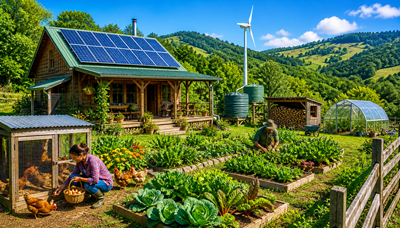 Modern systems often rely heavily on external inputs—fuel, food, materials, and services. While these systems provide convenience, they also create vulnerability when disrupted.
Reducing dependency involves identifying which external inputs are most critical and finding ways to replace or minimize them. This may include producing more food locally, generating energy on-site, or developing skills that reduce reliance on outside services.
This process does not happen all at once. It is gradual, focusing on the most impactful areas first. Each reduction in dependency increases control and resilience.
Substitution is one approach. Finding alternative methods or resources that can be sourced locally reduces reliance on distant systems. Efficiency is another—using fewer resources to achieve the same result.
The goal is not complete independence, but strategic independence—ensuring that critical systems can function even when external support is limited.
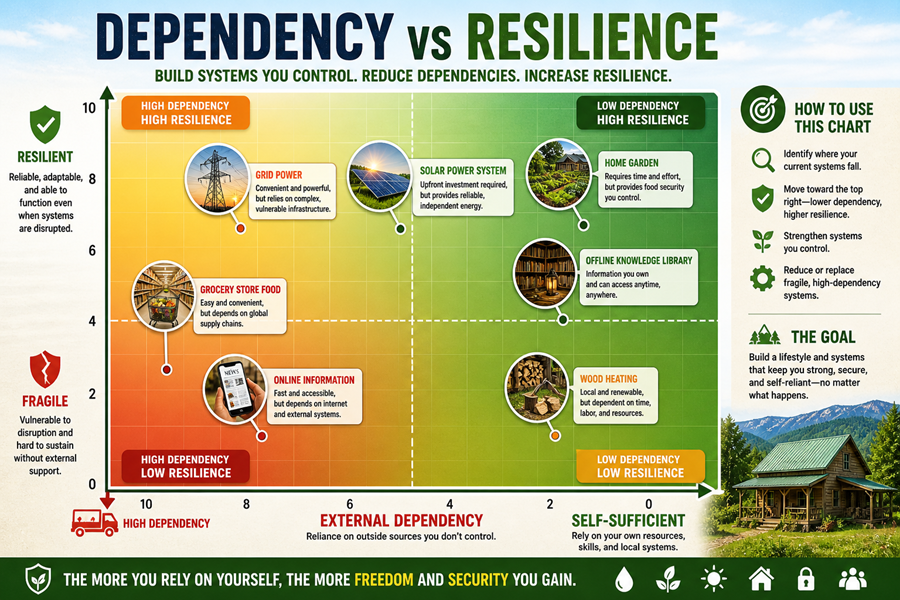
20.3 Regenerative Practices
Sustainability is not just about maintaining current conditions—it is about improving them over time. Regenerative practices focus on enhancing the health and productivity of systems rather than simply sustaining them.
In agriculture, this may involve practices that build soil, increase biodiversity, and improve water retention. These approaches create systems that become more productive and resilient over time.
Regeneration also applies to other areas. Maintaining infrastructure, improving energy efficiency, and strengthening community relationships all contribute to long-term stability.
These practices often require a shift in perspective. Instead of extracting value from systems, the focus is on supporting and enhancing them, ensuring that they continue to provide benefits in the future.
Regenerative systems are dynamic. They respond to conditions, adapt to change, and improve with proper management.
In rural survival, regeneration transforms sustainability from maintenance into growth and improvement.
20.4 Multi-Generational Planning
True sustainability extends beyond the immediate future. It considers how systems will function over years or even generations.
This involves planning for continuity. Knowledge, skills, and systems must be passed on to ensure that they are maintained and improved over time. Documentation, training, and mentorship all play a role in this process.
Infrastructure should also be designed with longevity in mind. Durable materials, maintainable systems, and adaptable designs ensure that structures and systems remain functional over extended periods.
Resource management is another key aspect. Overuse or mismanagement can deplete resources, while careful planning ensures that they remain available for future use.
Multi-generational planning also includes adaptability. Future conditions may differ from present ones, and systems must be capable of evolving to meet new challenges.
By thinking beyond immediate needs, you create systems that provide long-term stability and continuity, rather than short-term solutions.
20.5 Economic Resilience & Alternative Systems
Economic systems are closely tied to survival. Access to goods, services, and resources often depends on financial systems that may be unstable or disrupted.
Building economic resilience involves developing alternative ways to acquire and exchange resources. This may include bartering, local trade networks, or community-based systems.
Diversification is important. Relying on a single source of income or exchange increases risk. Multiple streams provide stability and flexibility.
Local production also contributes to economic resilience. Producing goods and services within the community reduces reliance on external markets and strengthens local systems.
Understanding value is key. In a survival context, practical skills and resources often become more valuable than abstract systems.
Economic resilience ensures that access to resources remains possible even when traditional systems are disrupted, supporting overall sustainability.
20.6 Adapting to Changing Conditions
Change is constant. Environmental conditions, resource availability, and external systems all evolve over time. The ability to adapt is one of the most important aspects of long-term sustainability.
Adaptation begins with awareness. Recognizing changes early allows for timely adjustments. This may involve monitoring environmental conditions, tracking resource levels, or observing broader trends.
Flexibility in systems is also important. Rigid systems are more likely to fail when conditions change. Designing systems that can be adjusted or reconfigured increases resilience.
Learning and experimentation play a role. Trying new approaches, evaluating outcomes, and refining methods helps systems improve over time.
Adaptation also involves mindset. Being open to change, willing to adjust, and focused on continuous improvement ensures that systems remain effective.
In rural survival, adaptability is what allows systems to remain functional and relevant despite uncertainty and change.
20.7 Summary – Long-Term Sustainability & Self-Reliance
Long-term sustainability is the point where preparedness becomes a way of life rather than a temporary response. It is not just about surviving disruptions, but about building systems that can continue to function, adapt, and improve over time. This section focuses on creating a stable foundation that supports independence while remaining flexible to changing conditions.
At the core of sustainability is the concept of closed-loop systems. Resources are not simply used and discarded—they are reused, recycled, and reintegrated into the system. Waste becomes input, and efficiency increases as systems begin to support one another. This reduces reliance on external resources and strengthens long-term resilience.
Reducing external dependency is another key theme. While complete independence is rarely practical, identifying and minimizing critical dependencies increases control and stability. Producing food locally, generating energy on-site, and developing essential skills all contribute to a more self-reliant system.
The section also emphasizes regenerative practices, which go beyond maintaining current conditions and focus on improving them. Healthy soil, efficient systems, and strong relationships create an environment where productivity and resilience increase over time rather than decline.
Planning for the future is essential. Multi-generational thinking ensures that knowledge, systems, and resources are preserved and passed on. This approach extends beyond immediate needs, creating continuity and stability for years to come.
Economic resilience is also addressed, recognizing that access to resources often depends on exchange systems. Alternative approaches such as local trade, bartering, and diversified income streams reduce vulnerability to external disruptions.
Finally, adaptability ties everything together. Conditions will change—environmentally, economically, and socially. Systems must be flexible enough to adjust without failing, allowing for continuous improvement and long-term viability.
Appendix A – Checklist
| # | Section | Subsection | Skill | 🟢 | 🟡 | 🔴 |
|---|---|---|---|---|---|---|
| 1 | Mindset | Risk | Define survival goals | ☐ | ☐ | ☐ |
| 2 | Mindset | Risk | Conduct risk assessment | ☐ | ☐ | ☐ |
| 3 | Mindset | Planning | Build preparedness plan | ☐ | ☐ | ☐ |
| 4 | Mindset | Strategy | Bug-in vs bug-out | ☐ | ☐ | ☐ |
| 5 | Mindset | Decision | Decision framework | ☐ | ☐ | ☐ |
| 6 | Mindset | Awareness | Identify dependencies | ☐ | ☐ | ☐ |
| 7 | Mindset | Contingency | Backup plans | ☐ | ☐ | ☐ |
| 8 | Mindset | Scenarios | What-if planning | ☐ | ☐ | ☐ |
| 9 | Mindset | Awareness | Situational awareness | ☐ | ☐ | ☐ |
| 10 | Mindset | Discipline | Preparedness habits | ☐ | ☐ | ☐ |
| 11 | Land | Water | Evaluate water sources | ☐ | ☐ | ☐ |
| 12 | Land | Soil | Assess soil quality | ☐ | ☐ | ☐ |
| 13 | Land | Risk | Identify hazards | ☐ | ☐ | ☐ |
| 14 | Land | Security | Analyze defensibility | ☐ | ☐ | ☐ |
| 15 | Land | Planning | Choose building location | ☐ | ☐ | ☐ |
| 16 | Land | Access | Identify routes | ☐ | ☐ | ☐ |
| 17 | Land | Climate | Microclimates | ☐ | ☐ | ☐ |
| 18 | Land | Mapping | Map property | ☐ | ☐ | ☐ |
| 19 | Land | Design | Plan zoning | ☐ | ☐ | ☐ |
| 20 | Land | Visibility | Manage visibility | ☐ | ☐ | ☐ |
| 21 | Water | Sources | Identify water sources | ☐ | ☐ | ☐ |
| 22 | Water | Well | Maintain well | ☐ | ☐ | ☐ |
| 23 | Water | Rain | Collect rainwater | ☐ | ☐ | ☐ |
| 24 | Water | Transport | Move water | ☐ | ☐ | ☐ |
| 25 | Water | Gravity | Gravity system | ☐ | ☐ | ☐ |
| 26 | Water | Storage | Store water | ☐ | ☐ | ☐ |
| 27 | Water | Filter | Use filters | ☐ | ☐ | ☐ |
| 28 | Water | Chemical | Chemical treatment | ☐ | ☐ | ☐ |
| 29 | Water | Heat | Boil water | ☐ | ☐ | ☐ |
| 30 | Water | Quality | Monitor quality | ☐ | ☐ | ☐ |
| 31 | Food | Garden | Design garden | ☐ | ☐ | ☐ |
| 32 | Food | Soil | Build soil | ☐ | ☐ | ☐ |
| 33 | Food | Compost | Composting | ☐ | ☐ | ☐ |
| 34 | Food | Crops | Select crops | ☐ | ☐ | ☐ |
| 35 | Food | Rotation | Crop rotation | ☐ | ☐ | ☐ |
| 36 | Food | Companion | Companion planting | ☐ | ☐ | ☐ |
| 37 | Food | Pest | Pest control | ☐ | ☐ | ☐ |
| 38 | Food | Season | Extend season | ☐ | ☐ | ☐ |
| 39 | Food | Planning | Year-round plan | ☐ | ☐ | ☐ |
| 40 | Food | Seeds | Seed saving | ☐ | ☐ | ☐ |
| 41 | Livestock | Selection | Choose animals | ☐ | ☐ | ☐ |
| 42 | Livestock | Housing | Build shelter | ☐ | ☐ | ☐ |
| 43 | Livestock | Security | Predator protection | ☐ | ☐ | ☐ |
| 44 | Livestock | Feed | Manage feed | ☐ | ☐ | ☐ |
| 45 | Livestock | Storage | Store feed | ☐ | ☐ | ☐ |
| 46 | Livestock | Water | Provide water | ☐ | ☐ | ☐ |
| 47 | Livestock | Health | Monitor health | ☐ | ☐ | ☐ |
| 48 | Livestock | Care | Treat illness | ☐ | ☐ | ☐ |
| 49 | Livestock | Breeding | Manage breeding | ☐ | ☐ | ☐ |
| 50 | Livestock | Processing | Process animals | ☐ | ☐ | ☐ |
| 51 | Hunting | Wildlife | Identify game | ☐ | ☐ | ☐ |
| 52 | Hunting | Behavior | Understand patterns | ☐ | ☐ | ☐ |
| 53 | Hunting | Tracking | Track animals | ☐ | ☐ | ☐ |
| 54 | Hunting | Methods | Use techniques | ☐ | ☐ | ☐ |
| 55 | Hunting | Ethics | Harvest responsibly | ☐ | ☐ | ☐ |
| 56 | Fishing | Active | Rod fishing | ☐ | ☐ | ☐ |
| 57 | Fishing | Passive | Trap fishing | ☐ | ☐ | ☐ |
| 58 | Trapping | Setup | Set traps | ☐ | ☐ | ☐ |
| 59 | Processing | Meat | Process game | ☐ | ☐ | ☐ |
| 60 | Preservation | Storage | Preserve meat | ☐ | ☐ | ☐ |
| 61 | Storage | Short | Store fresh food | ☐ | ☐ | ☐ |
| 62 | Storage | Long | Store long-term | ☐ | ☐ | ☐ |
| 63 | Canning | Water | Water bath canning | ☐ | ☐ | ☐ |
| 64 | Canning | Pressure | Pressure canning | ☐ | ☐ | ☐ |
| 65 | Drying | Dehydrate | Dehydrate food | ☐ | ☐ | ☐ |
| 66 | Drying | Freeze | Freeze drying | ☐ | ☐ | ☐ |
| 67 | Traditional | Smoke | Smoking food | ☐ | ☐ | ☐ |
| 68 | Traditional | Salt | Salt curing | ☐ | ☐ | ☐ |
| 69 | Storage | Root | Root cellar | ☐ | ☐ | ☐ |
| 70 | Storage | Rotation | Rotate food | ☐ | ☐ | ☐ |
| 71 | Security | Layers | Layered defense | ☐ | ☐ | ☐ |
| 72 | Security | Awareness | Maintain awareness | ☐ | ☐ | ☐ |
| 73 | Security | Warning | Early warning systems | ☐ | ☐ | ☐ |
| 74 | Security | Access | Control entry | ☐ | ☐ | ☐ |
| 75 | Security | Monitoring | Observe activity | ☐ | ☐ | ☐ |
| 76 | Security | Terrain | Use terrain | ☐ | ☐ | ☐ |
| 77 | Security | Planning | Response planning | ☐ | ☐ | ☐ |
| 78 | Security | Communication | Share info | ☐ | ☐ | ☐ |
| 79 | Security | Cooperation | Work together | ☐ | ☐ | ☐ |
| 80 | Security | Risk | Avoid escalation | ☐ | ☐ | ☐ |
| 81 | Tools | Use | Use tools safely | ☐ | ☐ | ☐ |
| 82 | Tools | Repair | Maintain tools | ☐ | ☐ | ☐ |
| 83 | Tools | Storage | Store tools | ☐ | ☐ | ☐ |
| 84 | Energy | Solar | Setup solar | ☐ | ☐ | ☐ |
| 85 | Energy | Battery | Battery systems | ☐ | ☐ | ☐ |
| 86 | Energy | Generator | Use generator | ☐ | ☐ | ☐ |
| 87 | Energy | Fuel | Store fuel | ☐ | ☐ | ☐ |
| 88 | Energy | Priority | Manage loads | ☐ | ☐ | ☐ |
| 89 | Energy | Efficiency | Reduce usage | ☐ | ☐ | ☐ |
| 90 | Energy | Manual | Operate without power | ☐ | ☐ | ☐ |
| 91 | Medical | First Aid | Basic first aid | ☐ | ☐ | ☐ |
| 92 | Medical | Trauma | Control bleeding | ☐ | ☐ | ☐ |
| 93 | Medical | Treatment | Treat injuries | ☐ | ☐ | ☐ |
| 94 | Medical | Sanitation | Maintain hygiene | ☐ | ☐ | ☐ |
| 95 | Medical | Medication | Manage meds | ☐ | ☐ | ☐ |
| 96 | Navigation | Map | Read maps | ☐ | ☐ | ☐ |
| 97 | Navigation | Compass | Use compass | ☐ | ☐ | ☐ |
| 98 | Communication | Radio | Use radios | ☐ | ☐ | ☐ |
| 99 | Community | Network | Build relationships | ☐ | ☐ | ☐ |
| 100 | Community | Mutual Aid | Support others | ☐ | ☐ | ☐ |
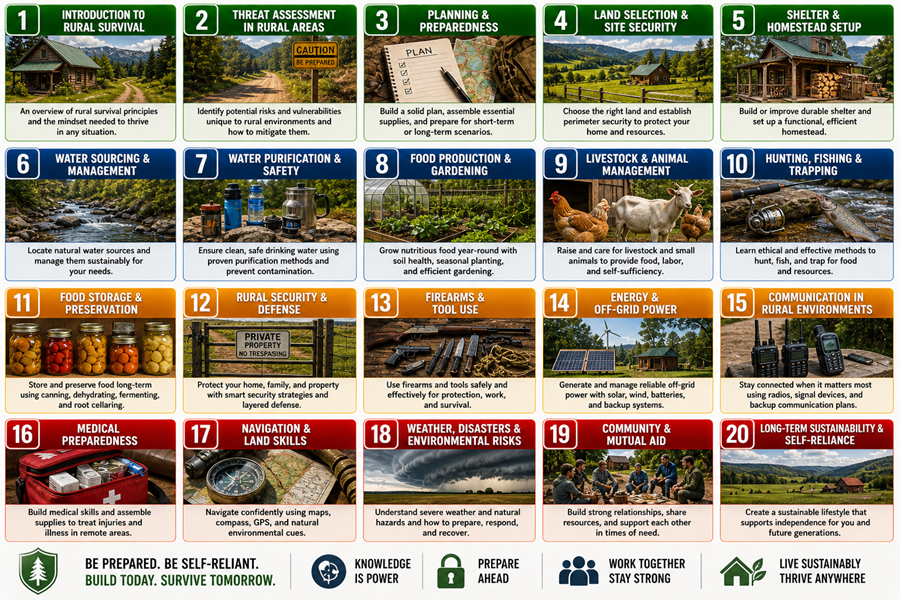

© Prepping Communities. This content is for informational purposes only and not professional advice. Use at your own risk.
Terms | Privacy | Guidelines