
After SHTF – Your Survival Handbook
by Natural Born Prepper (2026-05-15)
TABLE OF CONTENTS |
|
PART IV — MEDICAL PREPAREDNESS (Chapters 26-28) |
|
26. Pharmacy Closures and Medication Shortages
Modern healthcare systems depend heavily on stable infrastructure operating continuously behind the scenes. Pharmacies, hospitals, transportation networks, supply chains, refrigeration systems, communication infrastructure, digital records, manufacturers, and distribution centers all work together to maintain access to medications that millions of people rely on every day.
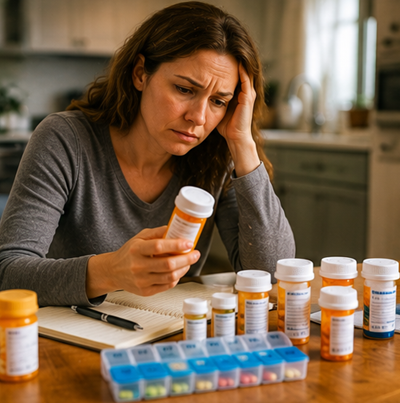 Most people rarely think about this complexity until disruption begins.
The moment pharmacies close, supply deliveries slow, communication systems fail, or shortages begin appearing, anxiety rises quickly because medications are not optional for many individuals. They are essential to daily survival and long-term health.
Prepared individuals frequently recognize that medical preparedness extends far beyond first aid kits or emergency supplies.
Modern populations became deeply dependent on continuous pharmaceutical access for managing:
- diabetes
- blood pressure
- heart conditions
- infections
- asthma
- mental health conditions
- chronic pain
- autoimmune disorders
One important preparedness lesson is that medication dependency represents one of the most serious vulnerabilities many people may face during prolonged emergencies.
Historically, communities relied far more heavily on local medical knowledge, herbal remedies, practical sanitation, nutrition, and community care because modern pharmaceutical systems did not yet exist.
Modern medicine dramatically improved quality of life and survival rates, but also created enormous dependency on highly centralized manufacturing and distribution systems.
Preparedness increasingly means understanding how fragile those systems may become during infrastructure instability.
Another important reality is that shortages often begin gradually rather than all at once.
People may first notice:
- delayed refills
- limited inventory
- prescription restrictions
- transportation delays
- rising costs
- substitution issues
- supply inconsistency
before larger disruptions become fully visible.
Prepared individuals frequently focus on planning ahead rather than waiting until shortages become severe.
Preparedness ultimately improves resilience by reducing panic and increasing adaptability during medical uncertainty.
This is another reason offline preparedness matters so much.
A system like Prepper Offline may help preserve preparedness knowledge independently from internet access during medical emergencies or infrastructure instability. Individuals may still retain access to emergency medical guides, sanitation information, herbal references, survival planning resources, and practical preparedness knowledge stored locally across offline devices.
Likewise, preparedness communities may become increasingly valuable during healthcare disruption or supply shortages.
A platform like Prepping Communities may help preparedness-minded individuals connect with local groups discussing medical preparedness, herbal knowledge, emergency planning, homesteading, local resilience, and mutual assistance before emergencies occur.
Preparedness ultimately means strengthening practical knowledge, adaptability, and local resilience before modern healthcare infrastructure becomes unstable.
26.1 Prescription Dependency
One of the most overlooked preparedness realities is how dependent modern populations became on prescription medications.
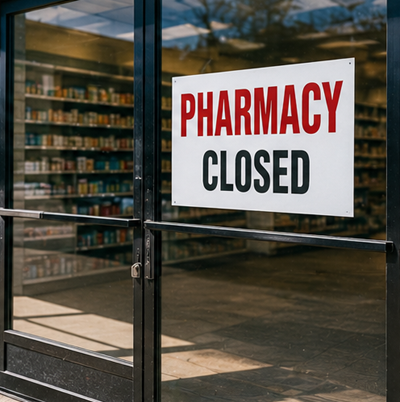 Millions of people rely on daily medications to manage chronic conditions that would become dangerous very quickly if treatment were interrupted.
Prepared individuals frequently recognize that prescription dependency creates serious vulnerability during:
- transportation disruption
- pharmacy closures
- supply shortages
- communication failures
- power outages
- infrastructure instability
Historically, many chronic conditions were either untreated or managed very differently before modern pharmaceutical systems existed.
Modern medicine dramatically improved life expectancy and quality of life, but also created deep dependence on complex global supply chains and continuous healthcare access.
One important preparedness lesson is that many medications cannot simply be replaced or improvised during emergencies.
Prepared individuals often focus heavily on:
- refill planning
- medical organization
- backup documentation
- storage awareness
- communication with healthcare providers
because preparation may provide valuable time during instability.
Preparedness increasingly means recognizing medical dependency realistically rather than assuming pharmacies will always remain continuously operational.
26.2 Emergency Medication Reserves
One important preparedness principle is creating practical buffers before emergencies occur.
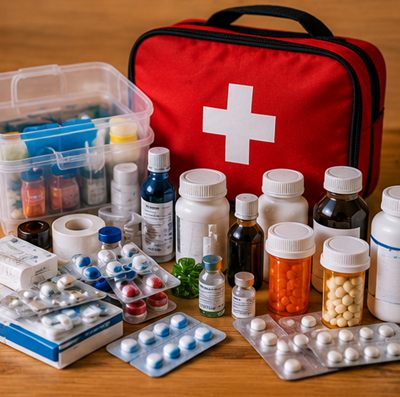 Prepared individuals frequently recognize that even short-term disruptions may create major stress if medication access suddenly becomes uncertain.
Historically, communities often maintained reserve supplies of essential resources because transportation delays and shortages were common realities long before modern logistics systems existed.
Modern just-in-time supply systems improved efficiency dramatically, but also reduced flexibility during disruption.
One important preparedness lesson is that medication shortages often develop gradually before becoming severe.
Prepared individuals frequently focus on:
- organization
- refill timing
- storage conditions
- expiration awareness
- emergency planning
because practical preparation improves resilience significantly during uncertain conditions.
Preparedness ultimately strengthens stability by reducing dependence on immediate resupply during crises.
26.3 Community Medical Networks
Historically, communities survived difficult conditions partly because people shared knowledge, skills, resources, and care locally.
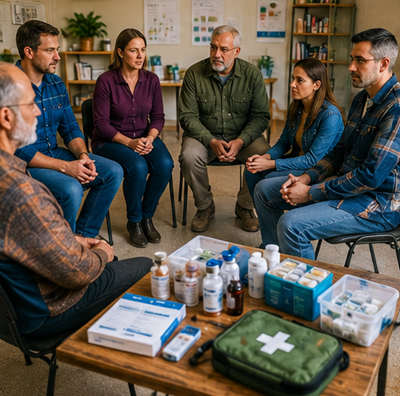 Modern healthcare systems became highly specialized and centralized, reducing many local medical support structures that once existed naturally within communities.
Prepared individuals frequently recognize that local medical coordination may become extremely valuable during prolonged emergencies or healthcare disruption.
One important preparedness lesson is that resilience often depends heavily on community relationships rather than isolated individual preparation alone.
Preparedness-minded communities frequently discuss:
- first aid knowledge
- sanitation
- emergency care
- transportation coordination
- local medical skills
- wellness support
- practical caregiving
because emergencies may overwhelm centralized healthcare systems very quickly.
Prepared individuals often focus not only on supplies, but also on building trusted local relationships and practical cooperation before emergencies occur.
Preparedness increasingly means rebuilding community resilience alongside individual preparedness.
26.4 Herbal Alternatives
Historically, herbal medicine formed the foundation of healthcare for most human civilizations.
 Long before modern pharmaceuticals existed, communities relied heavily on plants, roots, herbs, teas, salves, tinctures, and natural remedies for managing illness, pain, infection, inflammation, and general wellness.
Prepared individuals frequently recognize that herbal knowledge may provide valuable supplemental options during prolonged emergencies or supply shortages.
Modern medicine dramatically improved healthcare outcomes, but many traditional remedies and plant-based treatments continue to hold practical value within preparedness and homesteading communities.
One important preparedness lesson is that herbal systems require knowledge, study, caution, and realistic expectations.
Prepared individuals often recognize that herbal remedies are not magical replacements for modern medicine, especially during serious medical emergencies.
However, practical herbal knowledge may still improve resilience through:
- basic wellness support
- nutritional supplementation
- minor wound care
- comfort management
- traditional remedies
- preventative care
Preparedness increasingly means expanding practical knowledge while remaining realistic about limitations and safety.
26.5 Insulin and Refrigeration Challenges
One of the most serious medical preparedness concerns during prolonged outages involves medications requiring refrigeration, particularly insulin.
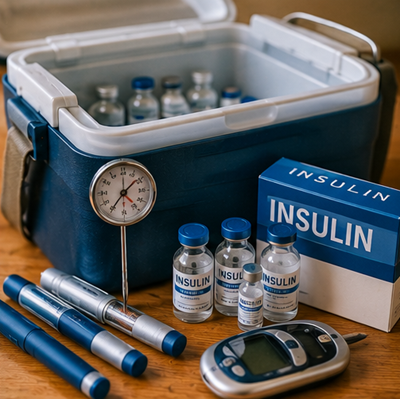 Prepared individuals frequently recognize that refrigeration dependency creates enormous vulnerability during power failures or infrastructure disruption.
Modern refrigeration systems normally preserve temperature-sensitive medications continuously in the background, so most people rarely think about how dependent these medications became on stable electrical infrastructure.
Emergencies expose how fragile that dependency may become.
Historically, diabetes was often fatal before modern insulin treatment became widely available. Modern medicine transformed survival outcomes dramatically, but insulin access still depends heavily on:
- manufacturing systems
- transportation infrastructure
- refrigeration capability
- pharmacies
- communication systems
- electrical power
One important preparedness lesson is that prolonged outages may create cascading medical risks far beyond the initial emergency itself.
Prepared individuals frequently focus on:
- backup cooling options
- refrigeration planning
- power redundancy
- temperature awareness
- emergency coordination
- medication management
because preserving life-sustaining medications becomes critically important during instability.
Preparedness ultimately improves resilience by planning realistically for infrastructure disruption before emergencies occur.
This is one reason systems like Prepper Offline may become extremely valuable during prolonged outages or communication disruption. By storing preparedness knowledge locally across offline devices, individuals may continue accessing emergency medical guides, refrigeration planning information, sanitation resources, herbal references, survival planning materials, and practical resilience knowledge even if internet systems become unavailable.
Likewise, Prepping Communities may help preparedness-minded individuals build local preparedness groups, medical preparedness communities, emergency planning networks, homesteading discussions, and mutual assistance systems before emergencies occur.
Preparedness ultimately means strengthening practical knowledge, adaptability, local coordination, and medical resilience before modern healthcare infrastructure becomes unstable.
27. Emergency Antibiotics and Medical Supplies
One of the most serious concerns during prolonged emergencies is the possibility that medical care, pharmacies, and supply systems may become difficult to access. Modern healthcare depends heavily on stable infrastructure involving transportation networks, communication systems, pharmaceutical manufacturing, refrigeration, hospitals, clinics, digital records, and global supply chains.
Most people rarely think about how interconnected these systems are until disruption begins.
Prepared individuals frequently recognize that even relatively short-term emergencies may quickly affect access to medications, wound care supplies, sanitation products, pain relief, protective equipment, and basic medical tools.
One important preparedness lesson is that medical preparedness is not about fear or panic.
It is about reducing vulnerability during uncertain conditions.
Historically, communities often relied heavily on local medical knowledge, sanitation practices, practical caregiving, and stored medical supplies because healthcare systems were less centralized and less accessible than they are today.
Modern medicine dramatically improved survival rates and quality of life, but also increased dependence on highly specialized systems and continuous pharmaceutical access.
Preparedness increasingly means understanding how to improve resilience responsibly and realistically before emergencies occur.
Another important reality is that many people underestimate how quickly small medical problems may become serious during infrastructure disruption.
Minor wounds, infections, dehydration, sanitation failures, or untreated illnesses may become far more dangerous when hospitals are overwhelmed, transportation is limited, pharmacies are closed, communication systems fail, or medical supplies become scarce.
Prepared individuals frequently focus heavily on prevention, sanitation, organization, and practical planning because avoiding medical emergencies is often easier than managing them during crises.
Preparedness ultimately improves resilience by increasing knowledge, readiness, and adaptability rather than encouraging reckless behavior or self-treatment beyond one’s abilities.
This is another reason offline preparedness matters so much.
A system like Prepper Offline may help preserve preparedness knowledge independently from internet access during medical emergencies or infrastructure instability. Individuals may still retain access to emergency medical guides, sanitation information, preparedness planning resources, survival references, and practical resilience knowledge stored locally across offline devices.
Likewise, preparedness communities may become increasingly valuable during healthcare disruption or medical shortages.
A platform like Prepping Communities may help preparedness-minded individuals connect with local groups discussing medical preparedness, sanitation, emergency planning, homesteading, local resilience, and mutual assistance before emergencies occur.
Preparedness ultimately means strengthening practical knowledge, organization, sanitation awareness, and local resilience before modern healthcare systems become unstable.
27.1 Responsible Antibiotic Preparedness
Antibiotics are among the most important medical tools developed in modern history because they dramatically improved survival against many dangerous bacterial infections.
Prepared individuals frequently recognize that access to antibiotics may become uncertain during prolonged emergencies involving transportation disruption, pharmacy shortages, healthcare overload, or infrastructure instability.
Historically, bacterial infections that are now routinely treated often became life-threatening because effective antibiotics did not yet exist.
Modern medicine transformed healthcare dramatically, but also created heavy dependence on pharmaceutical manufacturing and distribution systems functioning continuously.
One important preparedness lesson is that antibiotics must be approached responsibly and carefully.
Improper use may contribute to ineffective treatment, complications, allergic reactions, worsening illness, or antibiotic resistance.
Prepared individuals frequently focus on education, sanitation, prevention, and responsible planning rather than reckless self-medication.
Preparedness increasingly means understanding limitations as much as possibilities.
27.2 Legitimate Medical Kits
One important preparedness reality is that many emergencies involve delayed access to ordinary medical care rather than complete collapse.
Prepared individuals frequently recognize that practical medical kits may provide valuable support during storms, blackouts, transportation disruption, evacuations, communication failures, or temporary healthcare delays.
Historically, households commonly maintained basic medical supplies because professional medical care was not always immediately available.
Modern populations often rely heavily on pharmacies and retail stores for supplies at the moment they are needed.
Emergencies reveal how quickly access may become difficult.
One important preparedness lesson is that effective medical kits are usually built around practicality rather than fear.
Prepared individuals frequently focus on wound care, sanitation, bandaging, hydration, protective equipment, temperature management, basic medications, and organization because small medical problems often become far more dangerous during infrastructure disruption.
Preparedness ultimately improves resilience by reducing preventable complications during emergencies.
27.3 Physician Consultation
One of the most important aspects of responsible preparedness is recognizing the value of professional medical guidance.
Prepared individuals frequently understand that physicians, pharmacists, and healthcare professionals provide critical expertise involving medication safety, allergies, interactions, chronic conditions, dosage concerns, and treatment limitations.
Historically, medical knowledge was often limited or inconsistent, leading to dangerous treatments and preventable deaths.
Modern medicine dramatically improved healthcare outcomes through scientific research, standardized treatment, and professional training.
One important preparedness lesson is that preparedness should support responsible healthcare planning rather than replace legitimate medical care.
Prepared individuals frequently focus on discussing emergency planning, refill concerns, medication management, storage questions, and long-term preparedness with qualified healthcare providers whenever possible.
Preparedness increasingly means combining practical readiness with responsible decision-making and realistic medical understanding.
27.4 Printed Medical References
Modern populations became deeply dependent on internet access for nearly all medical information.
During ordinary life, people often assume medical guidance will always remain instantly searchable online.
Emergencies reveal how vulnerable this dependency may become.
Prepared individuals frequently recognize that medical information is only useful if it remains accessible during communication outages or infrastructure disruption.
Historically, households, field medics, military units, and rural communities often maintained printed medical references because practical information needed to remain available independently from outside systems.
One important preparedness lesson is that stress and uncertainty may impair memory and decision-making during emergencies.
Prepared individuals frequently appreciate printed references involving first aid, sanitation, wound care, dehydration, emergency procedures, medication organization, and basic survival medicine because organized information improves calm decision-making during unstable conditions.
Preparedness increasingly means preserving knowledge resilience as well as physical supplies.
27.5 Medical Supply Checklists
One of the most practical preparedness habits is creating organized medical supply systems before emergencies occur.
Prepared individuals frequently recognize that emergencies often create confusion, stress, transportation problems, communication delays, and disrupted access to stores or pharmacies.
Historically, communities surviving difficult conditions relied heavily on preparation and organization because resupply was not guaranteed.
Modern retail systems created expectations of instant availability, but emergencies repeatedly demonstrate how quickly ordinary access may disappear.
One important preparedness lesson is that organized planning reduces panic.
Prepared individuals frequently maintain organized systems involving wound care supplies, sanitation items, medications, protective equipment, hydration support, emergency tools, backup storage, and prescription information because organization improves response capability during uncertain conditions.
Preparedness ultimately strengthens resilience through calm preparation rather than fear-driven reaction.
This is one reason systems like Prepper Offline may become extremely valuable during prolonged outages or healthcare disruption. By storing preparedness knowledge locally across offline devices, individuals may continue accessing emergency medical guides, sanitation resources, preparedness planning information, survival references, and practical resilience knowledge even if internet systems become unavailable.
Likewise, Prepping Communities may help preparedness-minded individuals build local preparedness groups, medical preparedness communities, emergency planning networks, homesteading discussions, and mutual assistance systems before emergencies occur.
Preparedness ultimately means strengthening practical knowledge, organization, sanitation awareness, and local resilience before modern healthcare systems become unstable.
28. First Aid and Emergency Medical Knowledge
One of the most important preparedness realities is that medical emergencies often happen long before professional help becomes available. During ordinary life, most people assume emergency responders, hospitals, pharmacies, and urgent care systems will always remain accessible within minutes.
Emergencies reveal how fragile that assumption may become.
During disasters, blackouts, transportation disruption, severe weather, civil emergencies, or infrastructure failures, response times may increase dramatically. Hospitals may become overwhelmed, communication systems may fail, roads may close, and medical supplies may become difficult to obtain.
Prepared individuals frequently recognize that practical medical knowledge becomes critically important during these situations because immediate action often matters more than advanced equipment during the early stages of injury or illness.
Historically, families and communities relied heavily on local medical knowledge because professional healthcare systems were limited or distant. People learned practical skills involving wound care, burns, fractures, sanitation, bleeding control, hydration, infection prevention, and caregiving because survival often depended on immediate local response.
Modern healthcare dramatically improved survival outcomes, but many populations gradually lost confidence in their own practical emergency response capability.
Preparedness increasingly means rebuilding practical knowledge rather than depending entirely on professional systems functioning perfectly during every crisis.
One important preparedness lesson is that knowledge often matters far more than expensive equipment.
People may own large amounts of survival gear or medical supplies, but without practical understanding, organization, and calm decision-making, those resources may become far less useful during real emergencies.
Prepared individuals frequently focus heavily on first aid training, wound care, sanitation, trauma awareness, emergency planning, communication, and prevention because practical capability improves adaptability and resilience during uncertain conditions.
Another important reality is that stress and fear often impair judgment during emergencies.
Prepared individuals frequently recognize that preparation reduces panic because familiarity and training create confidence during difficult situations.
Preparedness ultimately improves resilience by strengthening both practical capability and emotional stability during emergencies.
This is another reason offline preparedness matters so much.
A system like Prepper Offline may help preserve preparedness knowledge independently from internet access during medical emergencies or infrastructure instability. Individuals may still retain access to emergency medical guides, first aid references, sanitation information, survival planning resources, and practical resilience knowledge stored locally across offline devices.
Likewise, preparedness communities may become increasingly valuable during healthcare disruption or regional emergencies.
A platform like Prepping Communities may help preparedness-minded individuals connect with local groups discussing medical preparedness, first aid training, emergency planning, homesteading, local resilience, and mutual assistance before emergencies occur.
Preparedness ultimately means strengthening practical knowledge, adaptability, and local capability before modern healthcare systems become unstable.
28.1 Burns and Cuts
Burns and cuts are among the most common injuries during emergencies because disasters often involve damaged infrastructure, fire hazards, debris, broken glass, cooking accidents, tools, fuel handling, or improvised living conditions.
Prepared individuals frequently recognize that even small injuries may become serious if sanitation and proper wound care are neglected during prolonged emergencies.
Historically, infections from untreated wounds caused enormous numbers of deaths because antibiotics, sterile environments, and modern medical systems did not yet exist.
Modern medicine dramatically improved wound treatment, but emergencies may still create dangerous conditions involving delayed treatment, contaminated environments, poor sanitation, limited medical supplies, or transportation disruption.
One important preparedness lesson is that proper cleaning, protection, and monitoring of injuries often matter more than complicated treatment.
Prepared individuals frequently focus heavily on sanitation and infection prevention because avoiding complications becomes critically important when healthcare access is uncertain.
Preparedness increasingly means understanding simple practical care rather than relying entirely on immediate professional intervention.
28.2 Trauma Response
Trauma response represents one of the most serious areas of emergency preparedness because severe injuries may become life-threatening within minutes.
Prepared individuals frequently recognize that accidents, disasters, transportation incidents, structural collapse, severe weather, or emergency conditions may create traumatic injuries involving heavy bleeding, fractures, burns, shock, crush injuries, or head trauma.
Historically, survival often depended heavily on immediate local response because professional medical systems were limited or unavailable during crises.
Modern emergency medicine dramatically improved trauma survival rates, but emergencies may still create delayed response times or overwhelmed healthcare systems.
One important preparedness lesson is that calm action and basic knowledge may significantly improve survival outcomes during the first critical moments after injury.
Prepared individuals frequently focus on bleeding control, airway awareness, shock recognition, stabilization, communication, and transportation planning because early response often matters enormously during trauma situations.
Preparedness ultimately strengthens resilience by improving the ability to respond calmly during high-stress emergencies.
28.3 Printed First Aid Guides
Modern populations became deeply dependent on smartphones and internet access for nearly all medical information.
During ordinary life, people often assume instructions and guidance will always remain instantly searchable online.
Emergencies reveal how vulnerable this dependency may become.
Prepared individuals frequently recognize that practical information is only valuable if it remains accessible during communication outages or infrastructure disruption.
Historically, households, military units, rural communities, explorers, and emergency responders often maintained printed first aid references because medical guidance needed to remain available independently from outside systems.
One important preparedness lesson is that stress and panic may impair memory during emergencies.
Prepared individuals frequently appreciate printed references involving wound care, burns, fractures, dehydration, sanitation, emergency procedures, and trauma response because organized information improves calm decision-making during unstable conditions.
Preparedness increasingly means preserving knowledge resilience alongside physical preparedness.
28.4 Red Cross Resources
Organizations such as American Red Cross have historically played major roles in disaster response, emergency education, first aid training, and humanitarian support during crises.
Prepared individuals frequently recognize that structured first aid training and emergency education may dramatically improve confidence and response capability during emergencies.
Historically, disaster organizations helped communities prepare for storms, floods, fires, evacuations, medical emergencies, and infrastructure disruption because ordinary populations often lacked formal emergency response knowledge.
Modern society became highly dependent on professional responders, but emergencies repeatedly demonstrate the importance of basic community preparedness and practical medical knowledge.
One important preparedness lesson is that training and repetition often matter more than expensive equipment.
Prepared individuals frequently focus on learning practical emergency skills before crises occur because stress and confusion may make improvisation difficult during real emergencies.
Preparedness increasingly means building capability through education, repetition, and calm preparation.
28.5 Offline Medical Libraries
One of the most valuable preparedness concepts is preserving medical knowledge independently from internet access.
Modern civilization centralized enormous amounts of information into cloud systems and online platforms. During ordinary life, people rarely think about how dependent they became on continuous connectivity for accessing medical guidance.
Emergencies reveal how vulnerable this dependency may become.
Prepared individuals frequently recognize that offline medical references may become extremely valuable during communication outages, blackouts, transportation disruption, healthcare overload, regional disasters, or infrastructure instability.
Historically, medical libraries, field manuals, printed references, and practical guides formed the foundation of emergency care knowledge before digital systems existed.
One important preparedness lesson is that knowledge may remain useful long after technology becomes unavailable.
Prepared individuals frequently focus on preserving practical information involving first aid, trauma care, sanitation, wound treatment, emergency procedures, herbal knowledge, and survival medicine because practical capability improves resilience during prolonged emergencies.
Preparedness increasingly means preserving access to critical knowledge before systems fail.
28.6 Why Knowledge Matters More Than Gear
One of the most important preparedness lessons is that equipment alone does not create capability.
Modern consumer culture often encourages people to focus heavily on purchasing gear, tools, gadgets, and supplies while neglecting practical knowledge and training.
Prepared individuals frequently recognize that knowledge, calm thinking, adaptability, and experience often matter far more than expensive equipment during real emergencies.
Historically, communities survived difficult conditions because people possessed practical skills involving medicine, sanitation, food preservation, communication, transportation, shelter, and local cooperation.
Modern civilization outsourced many of these capabilities to specialized systems and professionals.
Emergencies reveal how valuable practical knowledge may still become when systems weaken.
One important preparedness lesson is that skills remain useful regardless of changing technology or infrastructure conditions.
Prepared individuals frequently focus on learning, practicing, organizing, training, improving awareness, and building local resilience because adaptability often determines survival more than equipment ownership alone.
This is one reason systems like Prepper Offline may become extremely valuable during prolonged outages or healthcare disruption. By storing preparedness knowledge locally across offline devices, individuals may continue accessing emergency medical guides, first aid references, sanitation resources, survival planning information, and practical resilience knowledge even if internet systems become unavailable.
Likewise, Prepping Communities may help preparedness-minded individuals build local preparedness groups, first aid communities, emergency planning networks, homesteading discussions, and mutual assistance systems before emergencies occur.
Preparedness ultimately means strengthening practical knowledge, adaptability, organization, and local resilience before modern infrastructure becomes unstable.
© Prepping Communities. This content is for informational purposes only and not professional advice. Use at your own risk.
Terms | Privacy | Guidelines