
After SHTF – Your Survival Handbook
by Natural Born Prepper (2026-05-15)
TABLE OF CONTENTS |
|
PART II — FAMILY & COMMUNICATION (Chapters 18-21) |
|
18. Contacting Family Without Cell Service
 One of the first emotional reactions people experience during a major emergency is the urgent need to contact family members. The moment cellular networks fail, internet access disappears, or communication systems become unstable, many people immediately begin worrying about loved ones.
Modern society became deeply dependent on smartphones for family coordination. Most families no longer maintain backup communication plans because cellular communication became so reliable during ordinary life.
Emergencies expose how vulnerable this dependency may become.
Prepared individuals frequently recognize that communication failure creates psychological stress very quickly because uncertainty about family safety may become emotionally overwhelming. People naturally want reassurance that loved ones are safe, informed, and capable of responding appropriately to changing conditions.
One important preparedness lesson is that communication planning should happen before emergencies occur.
Historically, families relied far more heavily on predetermined plans, local coordination, meeting locations, physical notes, radio communication, and community awareness because real-time digital communication did not exist.
Modern populations often assume they will always be able to instantly contact anyone at any time.
Preparedness increasingly means rebuilding communication resilience outside fragile centralized systems.
One important reality is that communication systems often become overloaded during emergencies even before infrastructure completely fails. Millions of people attempting to call, message, search for information, and contact family simultaneously may overwhelm networks very quickly.
Prepared individuals frequently focus on layered communication planning rather than depending entirely on smartphones.
This is another reason offline preparedness matters so much.
A system like Prepper Offline may help preserve preparedness knowledge independently from internet access during communication outages or infrastructure instability. Individuals may still retain access to emergency planning guides, communication preparedness information, offline maps, survival references, and practical family coordination knowledge stored locally across offline devices.
Likewise, preparedness communities may become increasingly valuable during communication disruption and regional emergencies.
A platform like Prepping Communities may help preparedness-minded individuals connect with local preparedness groups discussing emergency coordination, communication planning, local awareness, mutual assistance, and practical resilience before emergencies occur.
Preparedness ultimately means ensuring that when communication systems fail, families still retain practical ways to reconnect, coordinate, and adapt safely.
18.1 Communication Plans Before Emergencies
One of the most important preparedness steps families can take is creating communication plans before emergencies occur.
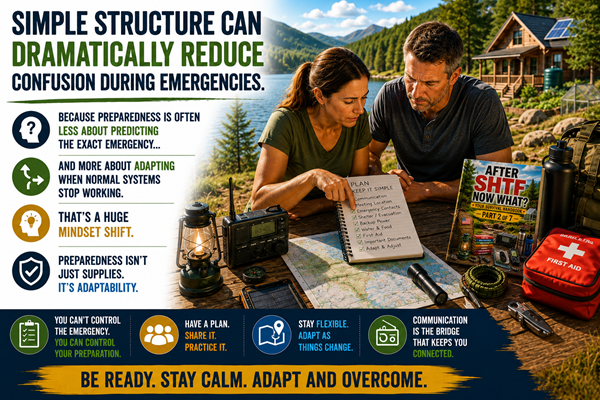 Prepared individuals frequently recognize that trying to create plans during a crisis often leads to confusion, emotional stress, and poor decision-making.
Modern society became highly reactive because people grew accustomed to solving problems instantly through smartphones and internet access. Emergencies reveal how dangerous it may become to rely entirely on improvisation during unstable conditions.
Historically, families commonly maintained predetermined plans involving:
- meeting locations
- communication schedules
- local contacts
- travel routes
- emergency procedures
because communication systems were less reliable and travel often required greater planning.
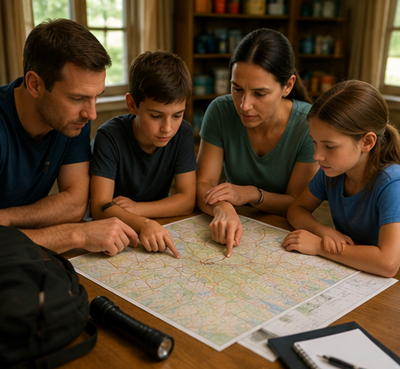 Preparedness increasingly means rebuilding some of that intentional coordination.
One important preparedness lesson is that simple plans are often more effective than overly complicated ones.
Prepared individuals frequently focus on creating realistic family expectations involving:
- where to go
- who to contact
- how long to wait
- what backup communication methods exist
- how to respond if systems fail
Clear expectations reduce panic during uncertainty.
Preparedness ultimately improves resilience by replacing confusion with practical coordination.
18.2 Predetermined Meeting Locations
One of the oldest and most reliable emergency preparedness concepts is establishing predetermined meeting locations.
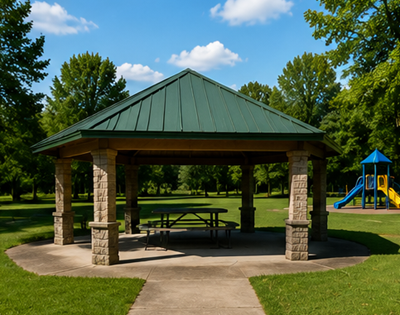 Prepared individuals frequently recognize that communication systems may fail entirely during major emergencies, making direct coordination impossible.
Historically, families survived wars, disasters, blackouts, and evacuations partly because people understood where to regroup if communication disappeared.
Modern populations often lost this habit because smartphones made constant real-time coordination possible during ordinary life.
Emergencies expose how vulnerable this dependency may become.
One important preparedness lesson is that physical meeting plans remain valuable even in highly technological societies.
Prepared individuals often establish:
- nearby local meeting points
- secondary regional locations
- out-of-town fallback destinations
- rally points for evacuation scenarios
because transportation, communication, and infrastructure conditions may change rapidly during emergencies.
Preparedness increasingly means reducing uncertainty before crises occur.
People who already understand where family members should regroup often experience far less panic during communication outages or transportation disruption.
Preparedness ultimately strengthens resilience through planning and clarity.
18.3 Scheduled Check-Ins
During communication instability, scheduled check-ins may become extremely valuable because they reduce uncertainty and create predictable coordination patterns.
 Prepared individuals frequently recognize that communication systems may only function intermittently during emergencies.
Rather than continuously attempting to communicate and draining batteries or overwhelming networks, families may benefit from predetermined communication schedules.
Historically, structured communication timing was common because long-distance communication systems were limited and unreliable.
Modern populations became accustomed to instant communication availability, but emergencies often require more disciplined communication habits.
One important preparedness lesson is that communication efficiency matters during infrastructure instability.
Prepared individuals often plan specific times for:
- radio monitoring
- text message attempts
- location updates
- emergency check-ins
- regional coordination
because predictable communication patterns improve the likelihood of successful contact.
Preparedness increasingly means thinking proactively rather than reactively during uncertain conditions.
18.4 Radio Communication Planning
One reason preparedness communities remain interested in radio communication is because decentralized systems may continue functioning even when cellular networks fail.
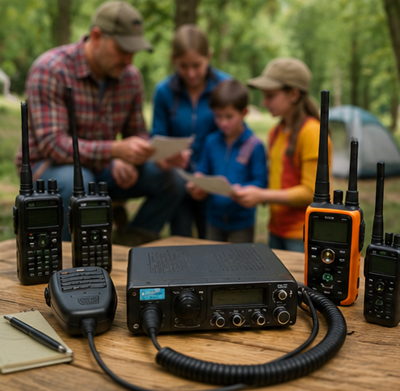 Prepared individuals frequently recognize that radios provide alternate communication capability independent from commercial smartphone infrastructure.
Historically, radio communication played major roles during disasters, severe weather, blackouts, transportation disruption, and wartime conditions because radio systems often remained operational when centralized communication weakened.
One important preparedness lesson is that communication resilience improves through diversification.
Families relying entirely on smartphones may suddenly lose all coordination capability during infrastructure disruption.
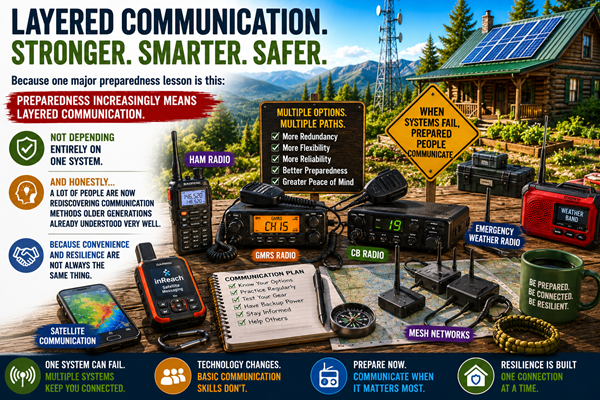 Prepared individuals often focus on layered communication systems involving:
- GMRS radios
- CB radios
- HAM radio
- emergency frequencies
- local relay systems
- battery-powered communication
because decentralized communication may remain functional longer during crises.
Preparedness increasingly means reducing total dependence on any single technology platform.
18.5 Physical Message Drop Systems
One of the oldest emergency coordination methods in human history is the use of physical message systems.
Prepared individuals frequently recognize that if communication infrastructure fails completely, families may still need ways to exchange information regarding:
- movement
- safety
- transportation
- destination changes
- evacuation decisions
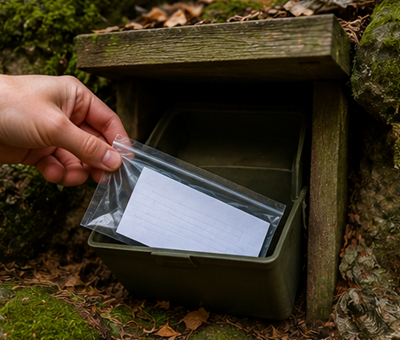 Historically, communities relied heavily on physical notes, bulletin systems, local gathering points, and predetermined drop locations during disasters, wartime conditions, and infrastructure disruption.
Modern populations rarely think about these methods because digital communication became so dominant.
Emergencies reveal how valuable simple low-technology solutions may become.
One important preparedness lesson is that resilient communication systems often involve redundancy and simplicity.
Prepared individuals frequently focus on establishing clear family expectations involving where messages may be left, what symbols or wording may be used, and how information may be exchanged safely during communication outages.
Preparedness ultimately improves coordination by reducing confusion during uncertainty.
18.6 Family Preparedness Coordination
One of the most important preparedness realities is that family coordination matters just as much as supplies or equipment.
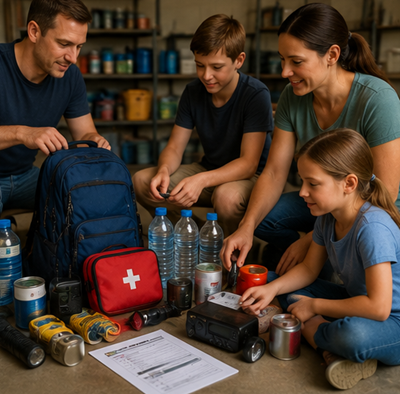 Prepared individuals frequently recognize that emergencies often create emotional stress, confusion, and uncertainty more than immediate physical danger during the early stages of a crisis.
Families who already discussed:
- emergency expectations
- communication plans
- transportation options
- backup locations
- resource management
- roles and responsibilities
often adapt far more effectively during unstable conditions.
Historically, resilient communities survived instability partly because families and local groups maintained strong coordination and practical expectations before emergencies occurred.
Modern society became highly individualized and digitally dependent, reducing many traditional coordination habits.
Preparedness increasingly means rebuilding communication, trust, planning, and cooperation within families and communities.
One important preparedness lesson is that preparedness should reduce fear rather than increase it.
Families who understand communication plans, backup procedures, and realistic expectations often experience greater emotional stability during emergencies because uncertainty becomes more manageable.
This is one reason systems like Prepper Offline may become extremely valuable during communication disruption or prolonged outages. By storing preparedness knowledge locally across offline devices, families may continue accessing emergency planning guides, communication preparedness information, offline maps, survival references, and practical resilience resources even if internet systems become unavailable.
Likewise, Prepping Communities may help preparedness-minded individuals build local preparedness groups, communication networks, emergency coordination systems, and mutual assistance communities before emergencies occur.
Preparedness ultimately means strengthening communication, adaptability, local awareness, and practical coordination so families remain capable and connected even when modern systems become unstable.
19. Emergency Radio Frequencies
One of the most important preparedness realities is that communication systems often become unreliable during emergencies precisely when people need information most. Cellular networks may overload, internet infrastructure may fail, power outages may disrupt communication systems, and emergency conditions may create widespread uncertainty across entire regions.
Prepared individuals frequently recognize that radio communication remains one of the most resilient and decentralized communication methods still widely available.
Unlike modern internet-based systems, radio communication may continue functioning independently from much of the centralized infrastructure modern society depends on daily. This is one reason emergency radio systems continue playing major roles during severe weather, blackouts, wildfires, floods, transportation disruption, infrastructure failure, and large-scale emergencies.
Historically, radio communication formed the backbone of emergency coordination long before smartphones or internet infrastructure existed. Communities relied on local radio operators, emergency broadcasts, shortwave monitoring, and regional communication networks to maintain situational awareness during crises.
Modern civilization became highly dependent on digital systems, but emergencies repeatedly demonstrate the value of decentralized communication capability.
One important preparedness lesson is that communication resilience improves dramatically through redundancy and diversification.
Prepared individuals often maintain multiple communication pathways involving battery-powered radios, HAM radio systems, emergency broadcast monitoring, local radio communication, backup power systems, and offline preparedness references rather than relying entirely on smartphones or internet connectivity.
Preparedness increasingly means understanding that access to information may determine decision-making quality during unstable conditions.
Another important reality is that many people purchase radios without fully understanding which frequencies or channels matter during emergencies.
Preparedness is not simply about owning equipment.
It is about understanding how systems function, where useful information may be found, and how communication networks operate during real-world instability.
This is another reason offline preparedness matters so much.
A system like Prepper Offline may help preserve preparedness knowledge independently from internet access during communication outages or infrastructure instability. Individuals may still retain access to emergency communication guides, preparedness references, survival planning resources, offline maps, and practical radio information stored locally across offline devices.
Likewise, preparedness communities may become increasingly valuable during emergencies involving communication disruption.
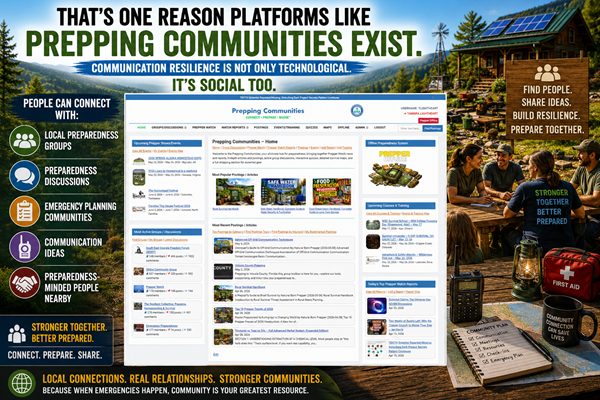 A platform like Prepping Communities may help preparedness-minded individuals connect with local preparedness groups discussing radio systems, emergency communication planning, regional coordination, mutual assistance, and practical resilience before emergencies occur.
Preparedness ultimately means ensuring that when modern communication systems weaken, individuals and communities still retain the ability to gather information, coordinate locally, and remain informed.
19.1 NOAA Frequencies
NOAA weather radio systems remain one of the most important emergency communication resources available to the public.
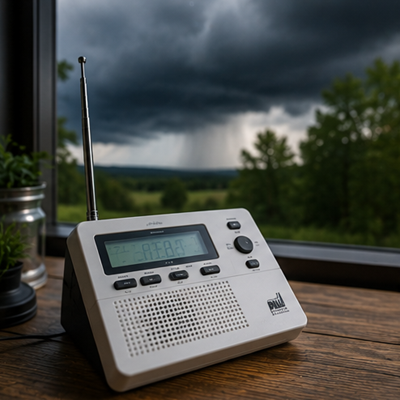 Prepared individuals frequently recognize that NOAA broadcasts provide continuous monitoring and emergency information involving severe weather, natural disasters, evacuation notices, hazardous conditions, infrastructure warnings, and public safety alerts.
Unlike internet-based systems, NOAA broadcasts are specifically designed to provide resilient emergency communication during dangerous conditions.
Historically, weather-related disasters repeatedly demonstrated the importance of reliable emergency broadcasting because severe storms, hurricanes, floods, and wildfires often disrupted ordinary communication infrastructure.
Modern smartphone systems improved convenience dramatically, but emergencies reveal how vulnerable internet and cellular systems may become during severe conditions.
One important preparedness lesson is that dedicated emergency broadcast systems often remain functional longer than many commercial communication systems during disasters.
Prepared individuals frequently maintain battery-powered or hand-crank radios specifically because access to reliable emergency information may become critically important during prolonged outages or infrastructure instability.
Preparedness increasingly means maintaining communication independence rather than relying entirely on commercial networks.
19.2 HAM Repeaters
HAM radio repeaters play an important role within amateur radio communication because they dramatically extend communication range across local and regional areas.
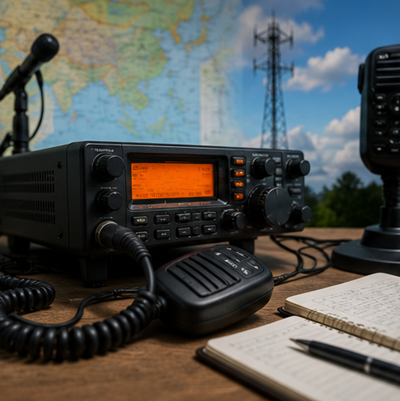 Prepared individuals frequently recognize that repeaters may become extremely valuable during emergencies when ordinary communication systems weaken or fail.
Historically, amateur radio operators played important roles during disasters, blackouts, hurricanes, wildfires, transportation disruption, and communication outages because HAM systems provided decentralized communication capability independent from commercial infrastructure.
Modern populations became deeply dependent on smartphones and internet systems, but amateur radio communities continued maintaining independent communication networks across many regions.
One important preparedness lesson is that communication resilience often depends on decentralized systems and local operator knowledge.
Prepared individuals frequently focus not only on equipment, but also on understanding local repeaters, regional coverage, emergency nets, backup power capability, and communication procedures because communication planning matters just as much as hardware.
Preparedness increasingly means rebuilding practical communication capability outside fragile centralized infrastructure.
19.3 GMRS and FRS Channels
GMRS and FRS radio systems became increasingly popular among preparedness-minded individuals because they provide relatively simple local communication capability without depending on cellular infrastructure.
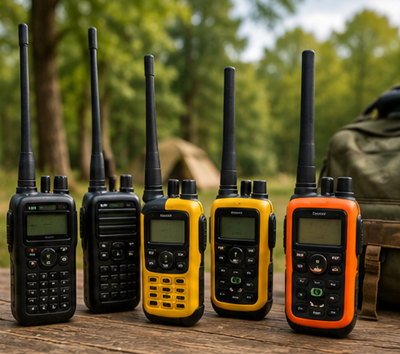 Prepared individuals frequently recognize that local communication may become critically important during evacuations, severe weather, transportation disruption, communication outages, or regional emergencies.
Historically, local communication relied heavily on decentralized methods because communities often needed immediate regional coordination independent from distant infrastructure systems.
Modern smartphone dependence weakened many local communication habits.
Emergencies reveal how valuable direct local coordination may become.
One important preparedness lesson is that communication simplicity often improves reliability during stressful conditions.
Prepared individuals frequently use GMRS or FRS systems for family coordination, local group communication, neighborhood awareness, transportation coordination, and emergency check-ins because these systems may continue functioning even when cellular networks become overloaded or unavailable.
Preparedness ultimately strengthens resilience by increasing local communication capability during instability.
19.4 CB Emergency Channels
CB radio remains one of the most recognizable emergency communication systems associated with transportation awareness and regional communication.
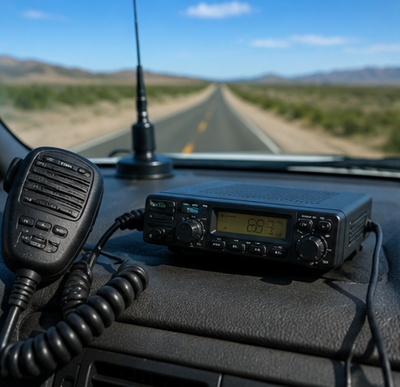 Prepared individuals frequently recognize that truck drivers, travelers, rural communities, and transportation workers often become aware of changing conditions very quickly because they spend large amounts of time actively moving through transportation networks.
Historically, CB communication played major roles during highway emergencies, severe weather, transportation disruption, fuel shortages, road closures, and regional disasters because decentralized communication allowed travelers to share real-time situational awareness directly.
Modern GPS systems and smartphones reduced CB usage significantly during ordinary life, but emergencies repeatedly demonstrate the value of independent communication systems.
One important preparedness lesson is that local real-time observation often matters more than distant commentary during unstable conditions.
Prepared individuals frequently appreciate CB systems because they provide practical situational awareness involving road conditions, fuel availability, transportation disruption, regional hazards, and infrastructure instability.
Preparedness increasingly means maintaining communication options outside internet-dependent systems.
19.5 Marine VHF Systems
Marine VHF communication systems remain critically important within coastal and waterway regions because they provide standardized emergency communication capability independent from ordinary cellular systems.
 Prepared individuals frequently recognize that marine communication networks demonstrate how resilient communication systems often rely on simplicity, standardization, decentralized operation, and direct transmission capability.
Historically, marine radio systems played major roles during storms, rescue operations, transportation emergencies, coastal disasters, and communication outages because maritime environments required reliable communication independent from land-based infrastructure.
Modern populations often underestimate how valuable dedicated communication systems may become during infrastructure instability because smartphones became so dominant in daily life.
One important preparedness lesson is that specialized communication systems often remain functional longer during emergencies because they are designed specifically for difficult operating conditions.
Prepared individuals frequently study multiple communication methods because communication diversity improves resilience during uncertainty.
19.6 Building Printed Frequency Guides
One of the most overlooked preparedness concepts is maintaining printed communication references.
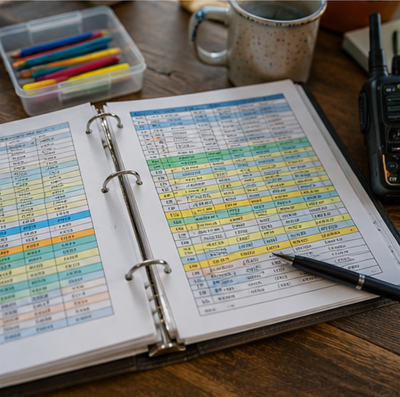 Modern populations became deeply dependent on internet searches, smartphone apps, cloud systems, and digital storage for nearly all information access.
Emergencies reveal how vulnerable this dependency may become.
Prepared individuals frequently recognize that communication systems are only useful if important information remains accessible during outages.
Historically, radio operators, emergency responders, travelers, and preparedness-minded individuals maintained printed frequency lists, maps, communication procedures, and emergency references because information needed to remain available independently from infrastructure systems.
One important preparedness lesson is that information resilience matters just as much as equipment ownership.
Prepared individuals often maintain printed references involving emergency frequencies, local repeaters, communication schedules, regional channels, emergency procedures, and contact information because communication infrastructure may become unstable precisely when information is needed most.
This is one reason systems like Prepper Offline may become extremely valuable during prolonged communication outages or infrastructure disruption. By storing preparedness knowledge locally across offline devices, individuals may continue accessing emergency communication guides, radio preparedness information, survival references, offline maps, and practical resilience resources even if internet systems become unavailable.
Likewise, Prepping Communities may help preparedness-minded individuals build local preparedness groups, communication networks, emergency coordination systems, and mutual assistance communities before emergencies occur.
Preparedness ultimately means reducing communication vulnerability through knowledge, redundancy, local coordination, and practical adaptability before modern systems become unstable.
20. Satellite Phones and Off-Grid Communication
Modern civilization became deeply dependent on communication systems functioning continuously in the background. Smartphones, internet platforms, cellular towers, cloud systems, and digital infrastructure created a world where most people assume communication will always remain available instantly and everywhere.
Emergencies reveal how fragile that assumption may become.
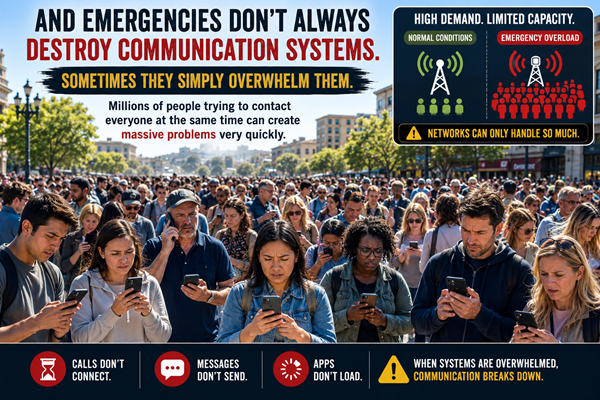 During large-scale disasters, severe weather, infrastructure failures, blackouts, cyber incidents, or transportation disruption, ordinary communication systems may become overloaded or unavailable very quickly. This is one reason preparedness-minded individuals often explore off-grid communication systems capable of operating independently from traditional cellular infrastructure.
Prepared individuals frequently recognize that communication resilience matters enormously during emergencies because information and coordination directly affect decision-making, transportation, family safety, resource management, and situational awareness.
Historically, communication systems were far more decentralized and localized. Radio operators, physical message systems, community coordination, and independent communication networks played major roles during emergencies long before smartphones existed.
Modern communication became dramatically more convenient, but also far more centralized and infrastructure-dependent.
One important preparedness lesson is that communication redundancy improves resilience.
Prepared individuals often focus on maintaining layered communication capability involving:
- radios
- satellite systems
- offline information
- local communication networks
- backup power systems
- decentralized communication methods
rather than relying entirely on one technology platform.
Another important reality is that no communication system is perfect during large-scale emergencies. Satellite systems, radio systems, and decentralized communication tools all have strengths and limitations depending on:
- geography
- weather
- infrastructure conditions
- power availability
- user knowledge
- network congestion
Preparedness increasingly means understanding realistic capabilities rather than assuming any single device will solve every communication challenge during a crisis.
This is another reason offline preparedness matters so much.
A system like Prepper Offline may help preserve preparedness knowledge independently from internet access during communication disruption or infrastructure instability. Individuals may still retain access to emergency communication guides, preparedness planning resources, offline maps, survival references, and practical resilience knowledge stored locally across offline devices.
Likewise, preparedness communities may become increasingly valuable during periods of communication instability or infrastructure disruption.
A platform like Prepping Communities may help preparedness-minded individuals connect with local preparedness groups discussing communication planning, emergency coordination, radio systems, off-grid technology, and mutual assistance before emergencies occur.
Preparedness ultimately means ensuring that when centralized systems weaken, individuals and communities still retain the ability to communicate, coordinate, adapt, and remain informed.
20.1 How Satellite Systems Work
Satellite communication systems operate differently from traditional cellular networks because they rely on satellites orbiting above the Earth rather than depending entirely on ground-based cell towers and local communication infrastructure.
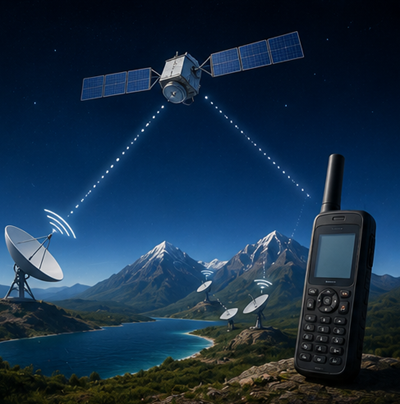 Prepared individuals frequently recognize that this creates important communication advantages during regional emergencies because satellite systems may continue functioning even if portions of terrestrial infrastructure become damaged or overloaded.
Modern cellular systems depend heavily on:
- cell towers
- fiber infrastructure
- switching systems
- electrical grids
- local routing networks
Satellite communication bypasses portions of that infrastructure by connecting devices directly to orbital systems.
Historically, long-distance communication depended heavily on centralized ground infrastructure. Satellite technology dramatically expanded communication reach across remote regions, oceans, wilderness areas, and disaster zones.
One important preparedness lesson is that communication resilience improves when systems rely on multiple independent pathways rather than one centralized network alone.
Prepared individuals often study communication systems carefully because understanding how infrastructure works helps improve realistic preparedness planning.
Preparedness increasingly means understanding dependency and redundancy rather than simply purchasing technology without understanding its limitations.
20.2 Limitations During Large Crises
One important preparedness reality is that no communication system remains perfect under all conditions.
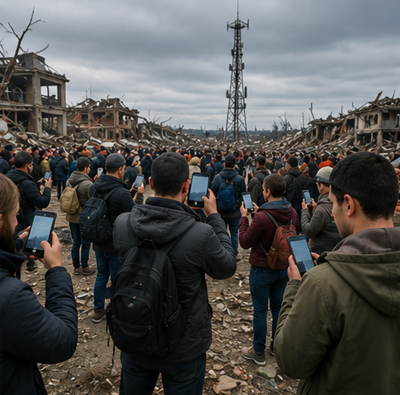 Prepared individuals frequently recognize that satellite systems may still experience limitations during large-scale emergencies involving:
- widespread network demand
- severe weather
- power shortages
- damaged ground stations
- equipment limitations
- geographic obstruction
Modern populations often assume advanced technology automatically guarantees communication reliability during disasters.
Emergencies repeatedly demonstrate that all infrastructure systems have vulnerabilities.
Historically, communication systems have always faced challenges during large-scale crises because disasters often create:
- overload conditions
- infrastructure damage
- transportation disruption
- fuel shortages
- coordination problems
Prepared individuals frequently focus on realistic expectations rather than technological overconfidence.
One important preparedness lesson is that communication redundancy matters far more than dependence on any single device or platform.
Preparedness increasingly means maintaining multiple communication pathways and backup plans rather than assuming one system will solve every problem during instability.
20.3 Garmin inReach
Devices like the Garmin inReach became popular among preparedness-minded individuals, wilderness travelers, and emergency planners because they provide satellite-based messaging capability independent from traditional cellular networks.
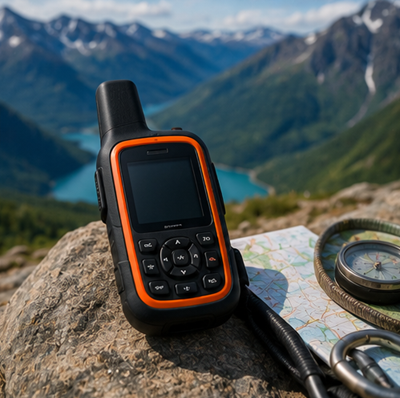 Prepared individuals frequently recognize that compact satellite communicators may provide valuable communication capability during:
- wilderness emergencies
- communication outages
- natural disasters
- transportation disruption
- remote travel
- infrastructure instability
Historically, remote communication was extremely difficult outside major infrastructure corridors. Satellite communication dramatically improved emergency messaging capability in isolated environments.
One important preparedness lesson is that communication tools become most valuable when users already understand how to operate them before emergencies occur.
Prepared individuals often focus not only on equipment ownership, but also on:
- testing systems
- understanding limitations
- managing battery power
- practicing communication planning
- integrating systems into broader preparedness strategy
Preparedness ultimately improves resilience by combining knowledge, planning, and practical familiarity.
20.4 Starlink
Systems like Starlink attracted enormous preparedness interest because they provide internet capability through satellite infrastructure rather than relying entirely on traditional terrestrial internet networks.
 Prepared individuals frequently recognize that satellite internet systems may continue functioning during certain regional outages where local internet infrastructure becomes damaged or overloaded.
Modern civilization became deeply dependent on internet access for:
- communication
- banking
- navigation
- information access
- emergency coordination
- transportation systems
Satellite internet introduced new possibilities for communication resilience outside traditional infrastructure pathways.
One important preparedness lesson is that internet access itself has become a major infrastructure dependency in modern society.
Historically, communication systems remained more decentralized and locally independent. Modern cloud-based systems centralized enormous amounts of information and coordination into internet infrastructure.
Prepared individuals frequently study technologies like satellite internet because communication flexibility improves adaptability during emergencies.
At the same time, responsible preparedness recognizes that all systems still depend on:
- power
- hardware
- network availability
- functional infrastructure
- user capability
Preparedness increasingly means balancing optimism about technology with realistic understanding of limitations.
20.5 Bivy Stick
Devices such as the Bivy Stick became increasingly popular among outdoor travelers and preparedness-minded individuals because they offer lightweight satellite communication capability designed for remote conditions.
 Prepared individuals frequently recognize that portable communication systems may become valuable during:
- evacuations
- communication outages
- wilderness travel
- regional disasters
- transportation disruption
- infrastructure instability
Historically, emergency communication depended heavily on bulky equipment, fixed infrastructure, or large radio systems. Modern satellite communicators dramatically increased portability and accessibility for ordinary users.
One important preparedness lesson is that mobility and simplicity often improve practical emergency capability.
Prepared individuals frequently focus on communication systems that balance:
- portability
- power efficiency
- reliability
- ease of use
- redundancy
because emergencies may require flexible adaptation rather than complicated technical solutions.
Preparedness ultimately strengthens resilience by increasing communication options during uncertainty.
20.6 HAM HF Communications
HAM HF communication remains one of the most respected long-range decentralized communication methods within preparedness communities.
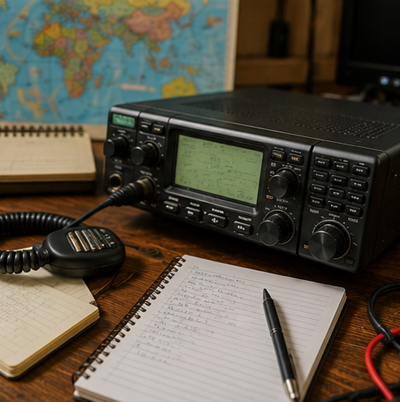 Prepared individuals frequently recognize that HF radio allows communication across enormous distances independently from internet infrastructure, cellular networks, or satellite subscriptions.
Historically, HF radio played major roles during:
- wartime conditions
- disasters
- blackouts
- transportation disruption
- severe weather
- emergency coordination
because radio systems allowed long-distance communication even when ordinary infrastructure weakened or failed.
Modern populations became highly dependent on smartphones and internet systems, but amateur radio communities continued maintaining decentralized communication capability across local, regional, national, and international levels.
One important preparedness lesson is that communication resilience often depends as much on knowledge and skill as technology itself.
Prepared individuals frequently appreciate HAM radio not only because of the equipment, but because of the discipline, technical understanding, emergency coordination culture, and practical communication knowledge surrounding amateur radio communities.
Preparedness increasingly means rebuilding independent capability outside fragile centralized systems.
This is one reason systems like Prepper Offline may become extremely valuable during communication disruption or prolonged outages. By storing preparedness knowledge locally across offline devices, individuals may continue accessing emergency communication guides, radio preparedness information, offline maps, survival references, and practical resilience resources even if internet systems become unavailable.
Likewise, Prepping Communities may help preparedness-minded individuals build local preparedness groups, communication networks, emergency coordination systems, and mutual assistance communities before emergencies occur.
Preparedness ultimately means reducing communication vulnerability through knowledge, redundancy, decentralization, and practical adaptability before modern systems become unstable.
21. Offline Messaging Systems
Modern society became deeply dependent on internet-based communication systems for nearly every aspect of daily life. Messaging applications, social media platforms, email systems, cloud communication, and cellular infrastructure created a world where people expect constant instant communication without interruption.
Emergencies reveal how fragile that assumption may become.
During large-scale outages, infrastructure failures, severe weather, cyber incidents, or communication overload, internet-based messaging systems may become unreliable or unavailable very quickly. This is one reason preparedness-minded individuals became increasingly interested in offline messaging systems and decentralized communication technologies.
Prepared individuals frequently recognize that communication resilience is not simply about convenience.
It is about maintaining:
- coordination
- situational awareness
- family communication
- local organization
- emergency planning
- community stability
during uncertain conditions.
Historically, communication systems were far more localized and decentralized. Communities relied on radios, direct coordination, physical message systems, and local communication networks long before modern internet infrastructure existed.
Modern civilization centralized enormous amounts of communication into smartphone-based cloud systems dependent on continuous connectivity.
Preparedness increasingly means rebuilding some degree of communication independence.
One important preparedness lesson is that decentralized communication systems often improve resilience because they reduce dependency on centralized infrastructure.
Offline messaging systems attempt to create communication capability through:
- Bluetooth connections
- radio signals
- local mesh networking
- peer-to-peer communication
- decentralized device coordination
rather than depending entirely on traditional cellular towers or internet providers.
Prepared individuals frequently recognize, however, that no system is perfect.
Offline messaging technologies may still face limitations involving:
- distance
- terrain
- battery life
- user density
- technical complexity
- network participation
Preparedness increasingly means maintaining realistic expectations and layered communication planning rather than assuming one technology will solve every communication problem during emergencies.
This is another reason offline preparedness matters so much.
A system like Prepper Offline may help preserve preparedness knowledge independently from internet access during communication disruption or infrastructure instability. Individuals may still retain access to emergency communication guides, preparedness planning resources, offline maps, survival references, and practical resilience knowledge stored locally across offline devices.
Likewise, preparedness communities may become increasingly valuable during communication instability or regional emergencies.
A platform like Prepping Communities may help preparedness-minded individuals connect with local preparedness groups discussing communication planning, emergency coordination, off-grid systems, local resilience, and mutual assistance before emergencies occur.
Preparedness ultimately means ensuring that when centralized communication systems weaken, individuals and communities still retain practical ways to coordinate, adapt, and remain informed.
21.1 Briar
Briar attracted significant interest within preparedness and privacy-focused communities because it was designed to function with reduced dependence on centralized servers.
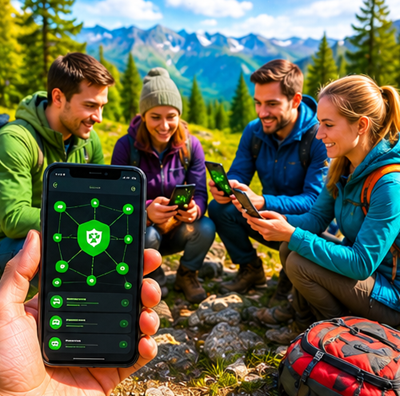 Prepared individuals frequently recognize that decentralized communication systems may improve resilience during communication disruption because they reduce reliance on large centralized infrastructure providers.
Historically, communication systems became increasingly centralized as internet infrastructure expanded globally. Modern messaging platforms depend heavily on:
- cloud infrastructure
- internet routing
- centralized servers
- communication providers
- data centers
Emergencies reveal how vulnerable this dependency may become.
One important preparedness lesson is that peer-to-peer communication systems may provide useful local coordination capability during infrastructure instability.
Prepared individuals often study systems like Briar because they explore alternative communication models involving direct device communication rather than total dependence on traditional internet pathways.
Preparedness increasingly means understanding communication diversity and redundancy rather than assuming centralized platforms will always remain continuously available.
21.2 Meshtastic
Meshtastic became increasingly popular among preparedness-minded individuals because it combines low-power radio communication with decentralized mesh networking concepts.
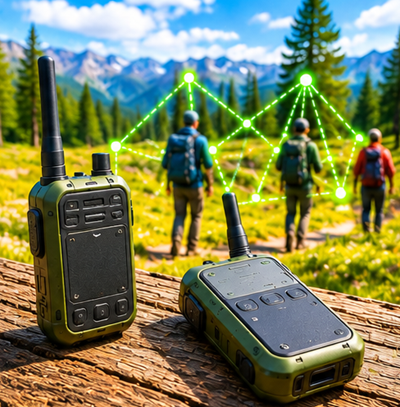 Prepared individuals frequently recognize that mesh communication systems attempt to create resilient local communication networks without depending entirely on cellular towers or internet infrastructure.
Historically, resilient communication often depended on distributed local systems rather than centralized infrastructure alone.
Modern internet systems became highly efficient, but also highly centralized and infrastructure-dependent.
One important preparedness lesson is that communication resilience often improves through decentralization and local coordination.
Prepared individuals frequently appreciate systems like Meshtastic because they encourage experimentation with:
- local communication networks
- regional coordination
- low-power communication
- decentralized messaging
- off-grid preparedness
Preparedness increasingly means understanding practical communication alternatives before emergencies occur rather than attempting to learn systems during crisis conditions.
21.3 Bridgefy
Bridgefy gained attention because it was designed to allow short-range messaging through Bluetooth-based peer connections when internet infrastructure becomes unavailable.
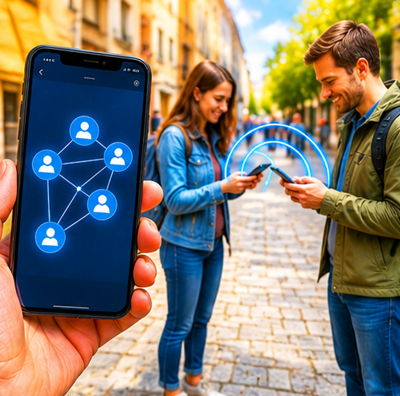 Prepared individuals frequently recognize that localized communication may remain extremely important during:
- blackouts
- communication outages
- transportation disruption
- regional emergencies
- crowded disaster environments
Historically, communities relied heavily on direct local coordination because long-distance communication systems were limited or unreliable.
Modern smartphone systems created expectations of unlimited communication reach, but emergencies reveal how quickly centralized infrastructure may become unstable.
One important preparedness lesson is that local communication capability may become more valuable than global communication during many emergencies.
Prepared individuals often focus on maintaining realistic local coordination capability involving family members, nearby communities, evacuation groups, or regional preparedness networks.
Preparedness ultimately improves resilience by strengthening communication flexibility during uncertainty.
21.4 GoTenna
Systems such as goTenna attracted preparedness interest because they attempted to combine smartphone convenience with decentralized radio-based communication capability.
 Prepared individuals frequently recognize that many people prefer communication systems that integrate with familiar smartphone interfaces while reducing dependency on cellular infrastructure.
Historically, radio communication required specialized equipment and technical training. Modern off-grid communication devices attempted to simplify decentralized communication for broader public use.
One important preparedness lesson is that communication technology is most useful when users already understand its operation before emergencies occur.
Prepared individuals often focus not only on purchasing equipment, but also on:
- testing systems
- understanding range limitations
- practicing communication planning
- managing battery power
- building local communication habits
Preparedness increasingly means combining practical knowledge with realistic expectations rather than relying entirely on technology alone.
21.5 Local Wi-Fi Mesh Networks
Local Wi-Fi mesh networks became increasingly interesting within preparedness communities because they demonstrate how communication systems may operate locally even if broader internet infrastructure becomes unavailable.
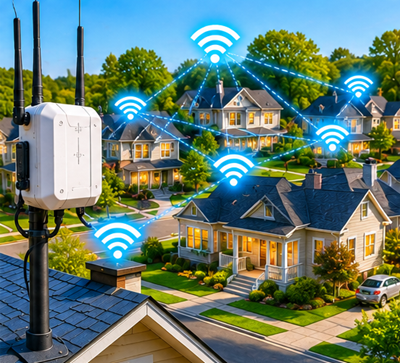 Prepared individuals frequently recognize that communication does not always require global internet access to remain useful.
Historically, communities functioned through localized communication and regional coordination long before global internet infrastructure existed.
Modern civilization centralized enormous amounts of communication into cloud-based systems and remote infrastructure.
One important preparedness lesson is that local communication capability may remain extremely valuable during regional outages or infrastructure disruption.
Prepared individuals often study local mesh networking concepts because they may support:
- neighborhood coordination
- local file sharing
- emergency communication
- regional awareness
- decentralized information exchange
Preparedness increasingly means rebuilding practical local resilience rather than depending entirely on distant centralized infrastructure.
21.6 Limitations of Offline Apps
One important preparedness reality is that offline communication applications still have significant limitations during large-scale emergencies.
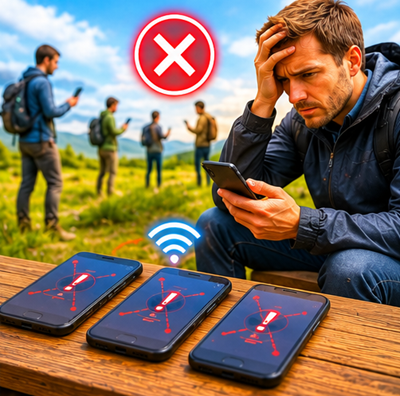 Prepared individuals frequently recognize that no communication technology remains perfect under all conditions.
Offline messaging systems may still face challenges involving:
- limited range
- terrain interference
- battery dependency
- user participation
- technical complexity
- signal obstruction
- hardware limitations
Modern populations sometimes assume technology alone guarantees resilience.
Emergencies repeatedly demonstrate that communication capability depends heavily on:
- planning
- knowledge
- local coordination
- redundancy
- realistic expectations
- practical preparation
Historically, resilient communities survived instability not because of one perfect technology, but because they maintained layered communication systems and strong local coordination.
Prepared individuals frequently focus on combining:
- radios
- offline messaging
- physical planning
- local networks
- backup communication
- community awareness
rather than depending entirely on one device or application.
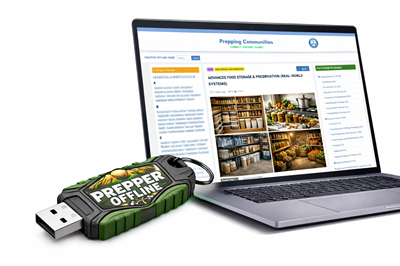 This is one reason systems like Prepper Offline may become extremely valuable during prolonged communication outages or infrastructure instability. By storing preparedness knowledge locally across offline devices, individuals may continue accessing emergency communication guides, preparedness planning information, offline maps, survival references, and practical resilience resources even if internet systems become unavailable.
Likewise, Prepping Communities may help preparedness-minded individuals build local preparedness groups, communication networks, emergency coordination systems, and mutual assistance communities before emergencies occur.
Preparedness ultimately means reducing communication vulnerability through knowledge, decentralization, practical planning, local coordination, and adaptability before modern systems become unstable.
© Prepping Communities. This content is for informational purposes only and not professional advice. Use at your own risk.
Terms | Privacy | Guidelines