
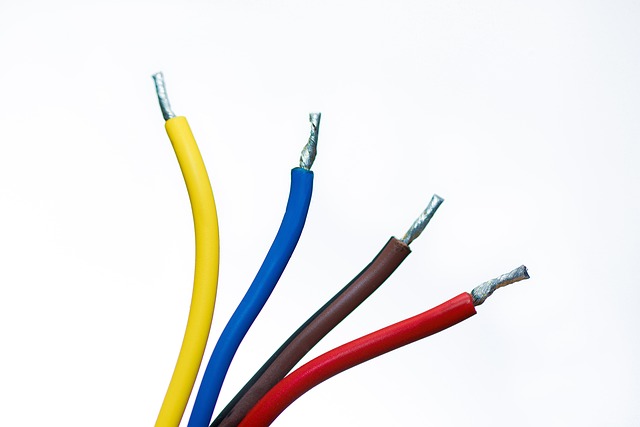
Wire Sizes and Maximum Length Determination is a technical electrical reference guide focused on selecting proper wire sizes for low-voltage and high-voltage electrical systems. The document explains how voltage drop, amperage, wire resistance, and wire length affect the performance and safety of electrical circuits, especially in 12V, 24V, and 48V DC systems commonly used in solar power, off-grid setups, RV systems, emergency backup power, communications equipment, and battery banks. The guide emphasizes that low-voltage systems are far more sensitive to voltage drop than standard household 120V AC systems, meaning improper wire sizing can lead to dim lights, poor battery charging, equipment malfunction, overheating, or inverter failure.
A major portion of the document focuses on voltage drop calculations and wire sizing charts. The guide explains the relationship between volts, amps, resistance, and power loss using Ohm’s Law and provides extensive charts showing maximum wire lengths for various amperage loads and wire gauges. Detailed tables cover acceptable voltage loss percentages for different applications including lighting circuits, battery charging systems, inverters, DC motors, AC induction motors, radios, and wind generators. The manual repeatedly stresses that in low-voltage systems, minimizing voltage drop is often more important than simply meeting basic ampacity ratings.
The handbook also includes extensive ampacity tables for both copper and aluminum wire, listing maximum current carrying capacities for different wire gauges under various temperature ratings. Additional sections explain the advantages and disadvantages of copper versus aluminum wiring, proper wire selection for long cable runs, and the importance of selecting appropriate wire insulation and extension cord types. Large reference charts throughout the guide provide quick lookup tables for common off-grid and DC power applications, including solar systems, radios, battery banks, lighting systems, and inverter installations.
The final sections explain extension cord classifications, American Wire Gauge (AWG) standards, conductor insulation types, and jacket ratings for different environmental conditions such as oil resistance, weather resistance, moisture exposure, and outdoor use. Overall, the document serves as a highly practical electrical reference manual for preppers, off-grid users, electricians, RV owners, radio operators, solar installers, homesteaders, and anyone designing low-voltage power systems where proper wire sizing and voltage management are critical for performance and safety.
© Prepping Communities. This content is for informational purposes only and not professional advice. Use at your own risk.
Terms | Privacy | Guidelines