
Winter Power Failures: Self-Help Advice is an official preparedness guide produced by the Government of Canada through Public Safety and Emergency Preparedness Canada (PSEPC) in cooperation with Canada Mortgage and Housing Corporation (CMHC), Hydro-Québec, BC Hydro, and Health Canada. The guide provides practical advice for preparing for, surviving, and recovering from extended winter power outages. It is specifically focused on the unique challenges posed by Canadian winters, where power failures can quickly lead to freezing temperatures inside homes and serious damage to plumbing systems.
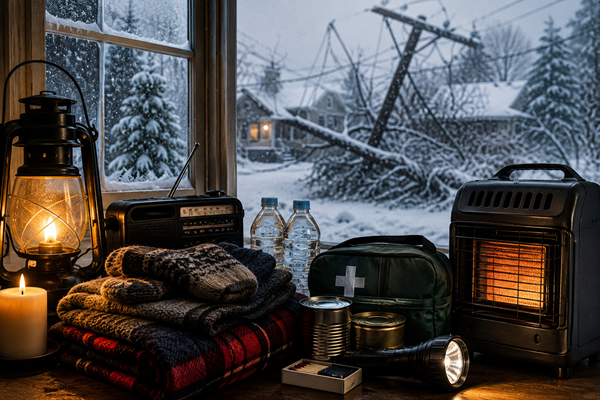
The first section focuses on advance preparation. The guide recommends installing non-electric backup heating systems, maintaining fireplaces and chimneys, keeping adequate fuel supplies, registering medically vulnerable individuals with utility providers, and assembling emergency survival kits containing food, water, lighting, radios, blankets, warm clothing, and alternative cooking methods. Special attention is given to safe installation and operation of backup heating systems and generators.
The middle portion of the guide explains what to do during a power outage. Topics include checking whether the outage is localized, protecting appliances from power surges, preserving refrigerated and frozen food, safely using candles, preventing carbon monoxide poisoning, monitoring indoor temperatures, and operating generators safely. The publication repeatedly warns against using barbecues, camping stoves, or generators indoors due to the risk of deadly carbon monoxide exposure. Pages 4 and 5 contain particularly useful generator safety guidance.
A substantial section addresses home protection during prolonged outages. The guide explains how to shut off water systems, drain plumbing, protect pipes from freezing, prepare for evacuation, manage sump pumps, and restore systems after power returns. Detailed instructions are provided for safely restarting appliances, inspecting food supplies, restoring water service, and minimizing damage caused by frozen plumbing and flooding. Pages 6 through 9 focus heavily on protecting the home itself from winter-related damage.
The final pages provide contact information for emergency management organizations across Canada and promote additional preparedness resources published through the Government of Canada’s Safeguard emergency preparedness program.
© Prepping Communities. This content is for informational purposes only and not professional advice. Use at your own risk.
Terms | Privacy | Guidelines