
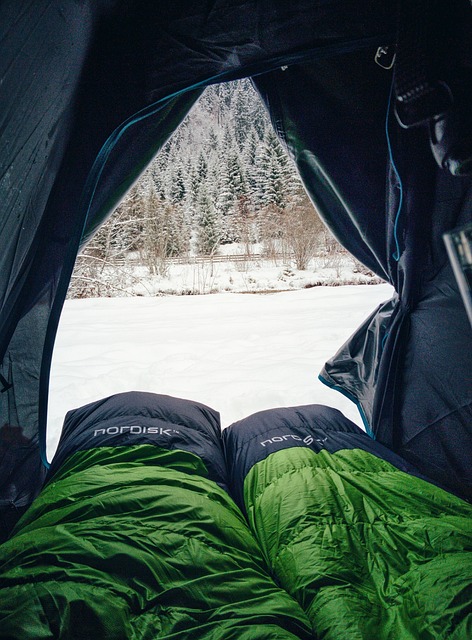
Winter Time Camping is a detailed wilderness survival and cold-weather camping guide focused on safely traveling and living in harsh winter environments. The document explains that winter wilderness travel can be both beautiful and extremely dangerous, requiring proper preparation, planning, equipment, and experience. Early sections emphasize that the greatest winter hazards are hypothermia and frostbite, and the guide repeatedly stresses the importance of understanding environmental conditions, route planning, group capabilities, snow conditions, avalanche risks, and emergency bailout options before entering the backcountry. The manual encourages careful trip planning that accounts for slower travel speeds, increased physical demands, and rapidly changing winter conditions.
A major portion of the guide focuses on cold-weather clothing systems and how the human body loses heat in winter conditions. The manual provides an in-depth explanation of layering principles, insulation, dead air space, evaporation, wind protection, and moisture management. Different materials such as wool, fleece, polypropylene, vapor barriers, synthetic insulation, and down are compared in terms of warmth, weight, moisture resistance, and performance in extreme cold. The guide repeatedly warns that wet clothing dramatically increases heat loss and explains why cotton is dangerous in winter environments due to its tendency to absorb moisture and lose insulating ability. Detailed sections also discuss proper winter headgear, mittens versus gloves, winter boots, socks, gaiters, sleeping systems, and outer shell layers for maintaining warmth while avoiding overheating and excessive sweating.
The handbook also provides extensive recommendations for winter camping equipment and overnight survival systems. Large sections discuss internal versus external frame packs, winter-rated sleeping bags, foam pads for insulation from snow, stove systems, fuel requirements, and camp setup considerations. The guide explains how sleeping bags should be rated significantly below expected temperatures and describes the advantages and disadvantages of down versus synthetic insulation. Proper use of foam pads, vapor barrier liners, bivy sacks, and overbags are explained in detail to improve nighttime warmth and reduce moisture buildup during extended winter trips.
Throughout the document, the emphasis remains on adaptability, moisture control, layering management, and maintaining body heat efficiently while minimizing sweat accumulation. The guide blends practical wilderness survival knowledge with technical explanations of heat transfer, clothing insulation, and winter travel systems. Overall, it serves as a thorough winter survival and cold-weather camping reference for hikers, snowshoers, mountaineers, preppers, hunters, backcountry travelers, and outdoor enthusiasts preparing for extended exposure to severe winter conditions.
© Prepping Communities. This content is for informational purposes only and not professional advice. Use at your own risk.
Terms | Privacy | Guidelines