
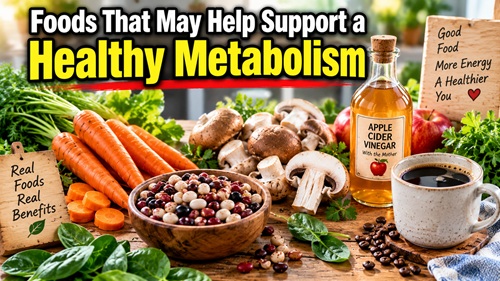
Metabolism is influenced by far more than age alone. Diet, physical activity, muscle mass, sleep, genetics, hormones, and overall health all affect how the body uses and stores energy. Certain everyday foods may support metabolic health because they contain fiber, antioxidants, polyphenols, and other beneficial compounds. Carrots, mushrooms, beans, apple cider vinegar, and coffee are examples of foods being studied for their potential effects on blood-sugar regulation, body-fat management, gut health, and energy metabolism. Rather than acting as metabolism “boosters” in the dramatic sense, these foods are best viewed as useful components of a healthy overall diet.
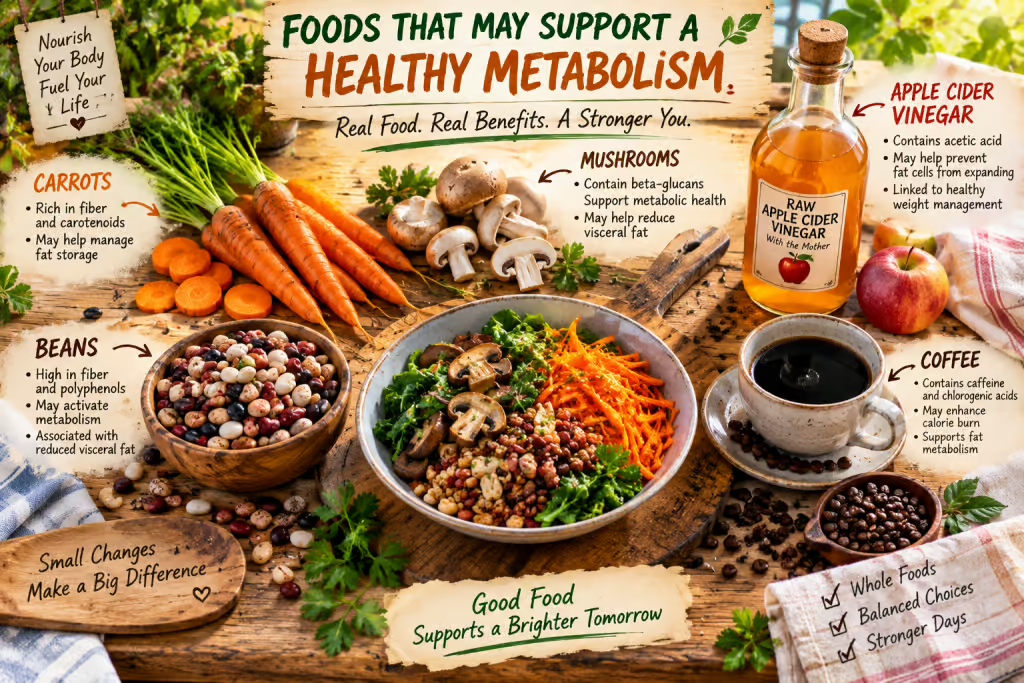
Each provides different nutritional advantages. Carrots supply fiber and carotenoids, while mushrooms contain beta-glucans and other compounds associated with metabolic and digestive health. Beans are especially valuable because they combine protein, resistant starch, fiber, and polyphenols, helping promote fullness and healthier blood-sugar responses. Apple cider vinegar contains acetic acid, which has been investigated for possible effects on blood glucose, appetite, and body weight, although research remains limited and vinegar should never be considered a substitute for medical treatment. Coffee contains caffeine and chlorogenic acids that can temporarily influence energy expenditure and fat metabolism, although individual responses to caffeine vary considerably.
From a preparedness standpoint, several of these foods also fit well into a resilient pantry. Dried beans, dehydrated carrots and mushrooms, vinegar, and properly stored coffee can provide useful nutritional variety when access to fresh food is disrupted. The larger lesson is that metabolic health is not built around a single “superfood.” A varied diet containing vegetables, legumes, adequate protein, whole foods, and appropriate amounts of healthy fats—combined with regular physical activity, sufficient sleep, and maintaining muscle—provides a much stronger foundation for long-term metabolic health than relying on any individual ingredient.
© Prepping Communities. This content is for informational purposes only and not professional advice. Use at your own risk.
Terms | Privacy | Guidelines