
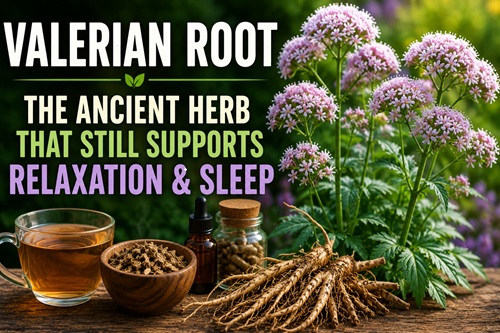
Some medicinal plants fade into history.
Others continue to be grown, studied, and used generation after generation.
Valerian root belongs firmly in the second category.
For centuries, people have cultivated this unassuming plant for one primary reason: its reputation for promoting relaxation and supporting restful sleep. Long before modern sleep medications, stress-management programs, and wellness supplements existed, valerian was already being used by herbal practitioners seeking natural ways to calm the mind and encourage rest.
Today, valerian remains one of the most recognizable medicinal herbs in the world. It can be found growing in home gardens, blended into herbal teas, sold as dietary supplements, and studied by researchers interested in understanding its potential effects on the nervous system.
Its enduring popularity raises an interesting question: what is it about this plant that has allowed it to remain relevant for so many centuries?
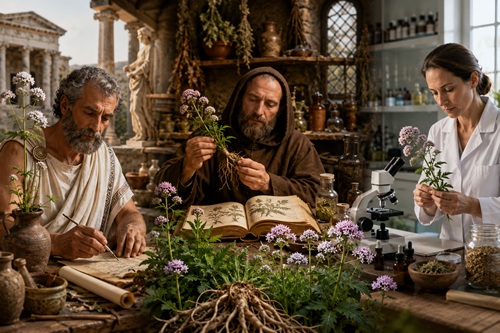 From Ancient Physicians to Modern Herbalists
Valerian (Valeriana officinalis) has a long and fascinating history.
Historical records suggest that physicians in ancient Greece and Rome were familiar with the plant and recommended it for various conditions related to nervousness and sleep disturbances. Over time, valerian became a staple of traditional European herbal medicine and was widely used throughout the Middle Ages and beyond.
As herbal traditions evolved, valerian earned a reputation as a plant associated with relaxation and emotional balance. Generations of herbalists continued to cultivate and recommend it, passing knowledge from one generation to the next.
What makes valerian particularly interesting is that its popularity survived the rise of modern medicine. While countless traditional remedies disappeared from common use, valerian remained firmly established in herbal medicine and continues to attract attention today.
Why Valerian Has Endured
Many medicinal plants enjoy brief periods of popularity before fading into obscurity.
Valerian is different.
Its continued use over hundreds of years suggests that people have consistently found value in the plant. While modern scientific research continues to evaluate its effectiveness, valerian’s long-standing reputation has helped maintain interest across multiple generations.
Another factor contributing to its longevity is accessibility.
Valerian is relatively easy to grow, can thrive in many climates, and produces roots that can be harvested and stored for future use. Unlike some medicinal plants that require specialized growing conditions, valerian can often be successfully cultivated by home gardeners.
Its combination of practicality, tradition, and widespread availability has helped ensure its place in herbal medicine for centuries.
 Meet the Plant Behind the Reputation
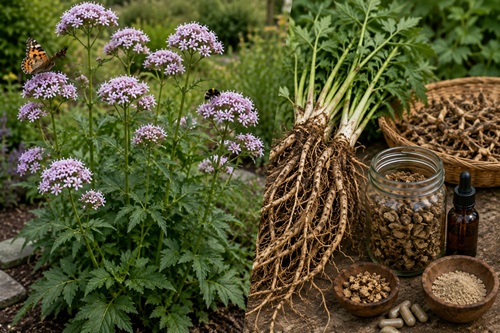
Valerian is a flowering perennial native to Europe and parts of Asia.
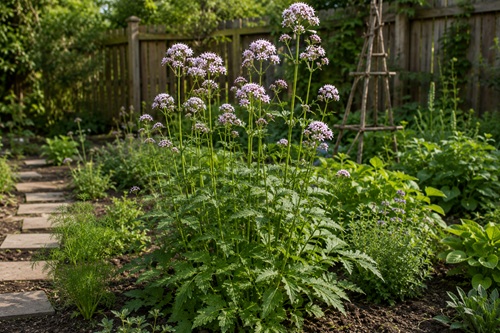
Under favorable conditions, mature plants can reach heights of four to six feet and produce clusters of delicate pale pink or white flowers during the summer months. These flowers attract bees, butterflies, and other pollinators, making valerian a welcome addition to many gardens.
Although the flowers are attractive, they are not the primary reason most people grow valerian.
The real value lies beneath the soil.
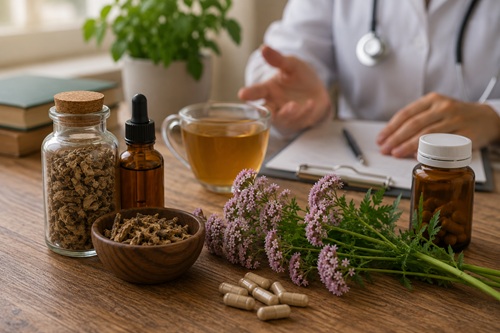
Valerian’s root system contains the compounds most commonly associated with the plant’s traditional medicinal uses. Once harvested, the roots can be dried and processed into teas, tinctures, capsules, powders, and extracts.
For many herbal enthusiasts, the roots represent the true heart of the plant.
The Herb People Tend to Love or Hate
One of the most unusual aspects of valerian has little to do with its appearance and everything to do with its smell.
Freshly harvested and dried valerian roots produce a remarkably strong aroma that often surprises first-time growers.
Descriptions vary widely.
Some people compare the scent to damp earth, aged cheese, old wood, or even sweaty socks. Others find it earthy and not particularly unpleasant.
Whatever the comparison, few people forget it.
The smell is so distinctive that experienced herbalists often joke that valerian is one of the easiest medicinal plants to identify without ever seeing it.
Interestingly, cats are often highly attracted to valerian root and may react to it in a manner similar to catnip. Gardeners growing valerian occasionally discover neighborhood cats showing an unexpected interest in their herb beds.
 Why People Have Used Valerian for Generations
Throughout its long history, valerian has most commonly been associated with relaxation and sleep support.
Traditional herbal practitioners frequently recommended it for individuals experiencing nervous tension, occasional restlessness, difficulty relaxing, or trouble sleeping.
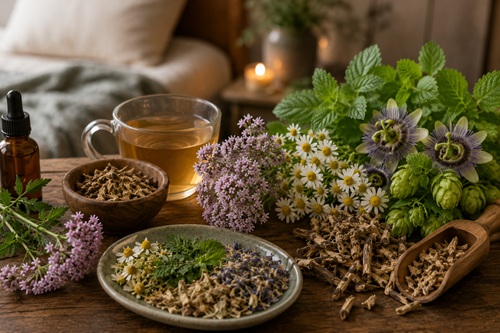
Today, valerian continues to appear in many herbal formulations designed to support relaxation and nighttime routines. It is often combined with other well-known calming herbs such as chamomile, lemon balm, passionflower, and hops.
While individual experiences vary, valerian remains one of the most frequently discussed herbs when conversations turn toward natural approaches to relaxation and sleep support.
What Does Modern Research Say?
Modern researchers have spent decades investigating valerian and its potential effects on the human body.
Studies have explored its possible role in sleep quality, relaxation, and nervous system function. Some research has reported positive findings, while other studies have produced more mixed results.
Part of the challenge lies in the nature of herbal products themselves.
The chemical composition of valerian can vary depending on growing conditions, harvest timing, storage methods, extraction processes, and product formulation. This variability makes it difficult to compare studies directly and may help explain why research results sometimes differ.
While scientists continue to investigate how valerian works and which compounds may contribute to its traditional uses, it remains one of the most extensively studied medicinal herbs associated with relaxation and sleep support.
 Cultivating Valerian: A Practical Garden Herb
For gardeners interested in medicinal plants, valerian can be a rewarding addition to the landscape.
The plant generally performs best in:
- Full sun to partial shade
- Moist, well-drained soil
- Areas with consistent moisture
- Gardens with room for its mature height
Once established, valerian is relatively hardy and returns year after year as a perennial.
Its tall flowering stalks add visual interest while providing food sources for pollinators. Many gardeners appreciate its ability to serve both ornamental and practical purposes.
Those growing valerian specifically for root harvest often remove flower stalks after blooming to encourage the plant to direct more energy into root development.
From Garden to Herbal Remedy
Growing valerian requires patience.
Most gardeners allow the plant to mature for at least one full season before harvesting the roots. Many prefer to harvest during autumn when the plant’s energy has largely returned to its underground root system.
After harvesting, the roots are cleaned thoroughly and dried in a well-ventilated location.
Because the drying process intensifies the plant’s distinctive odor, many growers prefer to process valerian outdoors or in dedicated drying areas.
Once properly dried, the roots can be stored in airtight containers away from heat, moisture, and direct sunlight.
The harvested roots may then be used in various traditional preparations including teas, tinctures, powders, and extracts.
 Important Safety Considerations
Although valerian has a long history of traditional use, it should still be approached responsibly.
Some individuals may experience side effects such as:
- Drowsiness
- Headache
- Dizziness
- Digestive discomfort
- Daytime fatigue
- Vivid dreams
Because valerian may promote sleepiness, individuals should avoid driving or operating machinery until they understand how the herb affects them personally.
Valerian may also interact with alcohol, sedatives, sleep medications, and other substances that affect the central nervous system.
Individuals who are pregnant, breastfeeding, taking prescription medications, or managing chronic health conditions should consult a qualified healthcare professional before using valerian products.
More Than Just a Sleep Herb
Although valerian is best known for its association with sleep support, its story extends beyond that single use.
It is a pollinator-friendly garden plant. It is a medicinal herb with centuries of documented use. It is the subject of ongoing scientific research. It is a plant that continues to bridge traditional herbal knowledge and modern wellness interests.
Few herbs manage to occupy all of those roles simultaneously.
Valerian’s enduring presence in gardens, herbal traditions, and research studies reflects a level of staying power that relatively few medicinal plants achieve.
 A Plant That Has Stood the Test of Time
Few herbs remain in active use for hundreds of years without offering something people genuinely value.
Valerian has survived changes in medicine, culture, and scientific understanding while continuing to attract interest from gardeners, herbalists, researchers, and individuals seeking natural approaches to relaxation and sleep support.
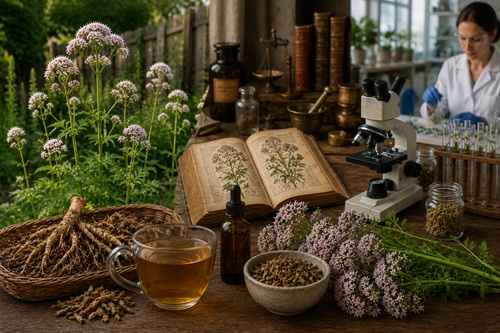
Part of its appeal lies in its versatility. It is a useful garden plant, a pollinator attractor, a traditional medicinal herb, and the subject of ongoing scientific study.
Whether grown in a backyard herb garden, brewed into a traditional tea, or studied in a modern laboratory, valerian continues to bridge the gap between historical knowledge and contemporary wellness practices.
Its long history does not guarantee effectiveness for every individual, nor does it replace professional medical advice. What it does demonstrate is the remarkable staying power of a plant that generations have considered worthy of cultivation and use.
In a world where health trends often appear and disappear quickly, valerian remains a reminder that some plants endure because people continue to find value in them generation after generation.
© Prepping Communities. This content is for informational purposes only and not professional advice. Use at your own risk.
Terms | Privacy | Guidelines