
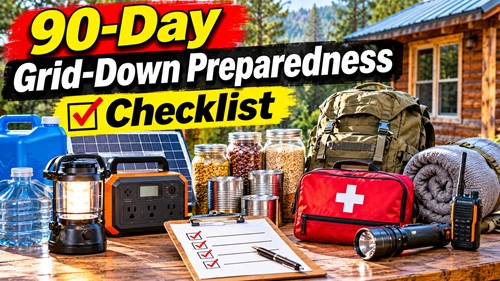
Could Your Household Survive Three Months Without Electricity?
Free 38-Page Preparedness Planning Tool | Prepping Communities
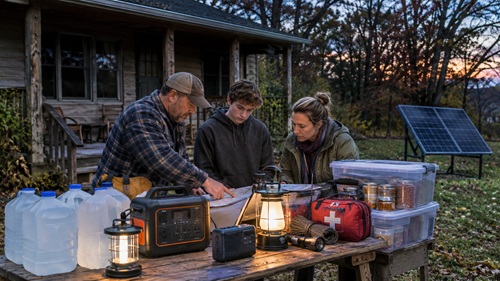
Most households can manage a power outage lasting a few hours. Flashlights come out, refrigerators stay closed, and people wait for the electricity to return. Even an outage lasting several days can be manageable when emergency supplies are available and there is reasonable confidence that normal services will soon be restored.
But imagine waking up on the thirtieth day of a power outage. The electricity still hasn’t returned. Fuel deliveries are unreliable, refrigeration is no longer available, and the water system you normally depend upon may not be functioning. You’ve already consumed a significant portion of your emergency supplies, and some of the equipment you relied upon during the first week now requires maintenance or replacement parts. At this point, the challenge is no longer simply getting through an inconvenience. It is determining whether your household can continue meeting its essential needs when the services supporting everyday life remain unavailable.
Preparing for a 90-day grid-down emergency isn’t necessarily about predicting that the electrical grid will fail for three months. It’s about understanding what happens when essential infrastructure becomes unavailable for an extended period and whether a household has the resources, knowledge, and practical capabilities to adapt. To help households examine these challenges, Prepping Communities has developed a free, 38-page 90-Day Grid-Down Preparedness Inventory & Readiness Worksheet. This printable Preparedness Planning Tool helps readers inventory their resources, calculate how long essential supplies may last, identify weaknesses, and develop practical improvements before an emergency occurs.
Why a 90-Day Grid-Down Emergency Requires a Different Approach
A prolonged electrical outage creates problems that are not always apparent during shorter disruptions. Electricity supports far more than lighting, refrigeration, and household appliances. Depending on the region, it may also be essential for drinking-water treatment and distribution, sewage systems, fuel pumping, communications, healthcare services, food distribution, and transportation infrastructure. Some of these services have backup systems, but their ability to continue operating depends on available fuel, equipment reliability, staffing, and the condition of surrounding infrastructure. For individual households, this means preparedness must extend beyond having a generator and several weeks of food.
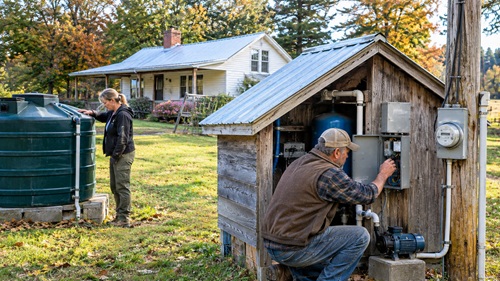
Consider a rural household that relies on an electric well pump. Its members may have a substantial supply of drinking water stored in containers, but once those containers are empty, obtaining additional water could become difficult without an alternative pumping system or another reliable source. An apartment resident may face an entirely different problem. Even with stored food and portable batteries, the building’s water pressure, elevators, access controls, heating, or sanitation systems may depend on electricity. Limited storage space and restrictions on fuel-burning equipment can further complicate long-term preparedness.
Neither household necessarily needs the same equipment or emergency plan. Both need to understand the services they depend upon and what alternatives are available when those services fail. A useful 90-day preparedness assessment therefore begins with the household’s actual circumstances rather than a universal shopping list. The objective is to identify which essential capabilities could be lost, determine how long existing alternatives would remain effective, and establish realistic ways to maintain those capabilities throughout an extended disruption.
How Preparedness Challenges Change Over 90 Days
One of the biggest mistakes in long-term emergency planning is assuming that a three-month outage is simply a short outage that lasts longer. In reality, the challenges change as time passes. Supplies are consumed, equipment wears down, household routines become more difficult, and temporary solutions may no longer be sustainable. Understanding these changes helps households recognize when conservation, maintenance, replenishment, or alternative arrangements must become priorities.
The First 72 Hours: Protecting Essential Needs
During the initial disruption, immediate priorities generally include personal safety, drinking water, emergency lighting, food preservation, communications, and maintaining safe indoor temperatures. A household with charged batteries, accessible water, and an established emergency plan may experience relatively little disruption during this period. However, the first three days are also an opportunity to begin conserving resources and determining whether the outage is likely to continue. Running a generator continuously to maintain normal household convenience may seem reasonable at first, but if fuel supplies become difficult to replenish, that early consumption could significantly reduce the generator’s usefulness later.
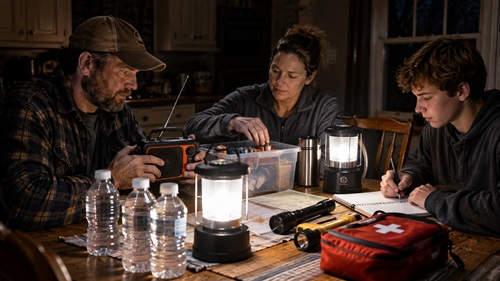
Days 4–14: Moving Beyond Temporary Solutions
After the first several days, resource consumption becomes increasingly important. Refrigerated food may already have spoiled if safe temperatures were not maintained, stored water is being consumed, cooking fuel is declining, and battery charging arrangements may need to operate regularly. Households must also consider sanitation, waste disposal, laundry, personal hygiene, and the ongoing needs of children, older adults, and anyone who depends on medication or powered medical equipment. This is when the difference between having emergency supplies and having a workable household system begins to become apparent, particularly when several essential activities depend upon the same limited resources.
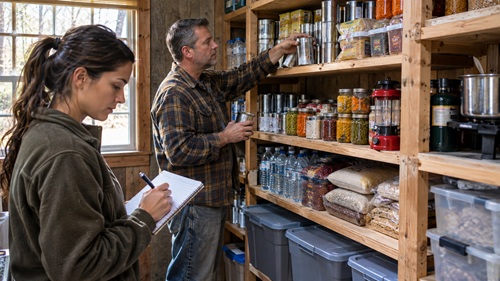
Days 15–30: Evaluating Resource Sustainability
By the third and fourth weeks, households may be approaching the limits of their original emergency arrangements. A generator might still function perfectly, but its fuel supply may be nearly exhausted. A portable water filter may require replacement components, while batteries may need regular charging from solar panels or another dependable energy source. At this stage, preparedness increasingly depends on conservation, maintenance, replenishment, and alternative methods of performing essential tasks. Households should understand which resources can be replenished safely, which supplies are finite, and what they will do when a critical system can no longer operate.
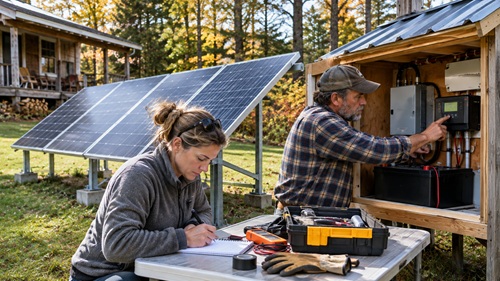
Days 31–60: Maintaining Essential Capabilities
An outage lasting more than a month can expose weaknesses that short-term preparedness exercises rarely reveal. Equipment maintenance becomes more important, seasonal temperature changes may alter heating or cooling requirements, and stored supplies need closer monitoring. Sanitation arrangements must also remain safe and manageable as waste accumulates and cleaning resources are consumed. Food availability alone is not enough because households must still be able to prepare meals, obtain safe water, maintain hygiene, and address health concerns. A family that can maintain these capabilities through reliable, repeatable methods is in a much stronger position than one that depends entirely on consuming a fixed stockpile.
Days 61–90: Long-Term Adaptation
By the final month, the household may need to operate very differently from its normal routine. Energy consumption may have been reduced to essential tasks, water collection and treatment may require regular attention, and cooking methods, food choices, sanitation arrangements, and communications routines may have changed substantially. At this point, the ability to maintain safe living conditions matters more than preserving everyday convenience. A successful 90-day preparedness plan should therefore examine not only whether supplies can last for three months, but also whether essential household capabilities can be maintained throughout that period without creating additional health or safety risks.

Start by Calculating What Your Household Actually Needs
One of the most useful preparedness exercises involves calculating how long existing resources will support household requirements. Water provides a straightforward example because daily consumption can be estimated and compared against available storage. Suppose a household of four people plans for three litres of drinking water per person per day. Over 90 days, the selected drinking-water allowance would require 4 people × 3 litres × 90 days = 1,080 litres. This is only a drinking-water calculation and does not include water needed for cooking, hygiene, sanitation, cleaning, or other household activities. Actual requirements vary with climate, physical activity, health conditions, and individual circumstances.
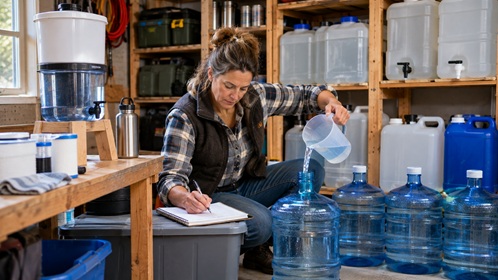
Now suppose the household currently stores 240 litres of drinking water. At the assumed consumption rate, that supply would last approximately 20 days. The household may have considered itself well prepared because it owned several large water containers, but the calculation reveals that its stored drinking water covers less than one-quarter of the intended planning period. That doesn’t necessarily mean the household must store all 1,080 litres. It may have access to a dependable alternative water source and appropriate treatment methods, but those arrangements need to be evaluated rather than assumed.
The same principle applies to food, cooking fuel, generator fuel, battery capacity, and essential medications. A household that knows its actual consumption rates can estimate when supplies will become critically low, determine whether replenishment is possible, and prioritize improvements before shortages develop. These calculations do not need to predict every circumstance perfectly. Their purpose is to replace vague assumptions with realistic estimates that can be tested, documented, and improved.
Your Backup Power System May Have Limitations You Haven’t Tested
Backup electricity is often one of the most expensive components of grid-down preparedness, yet it is also an area where assumptions can lead to disappointing results. A portable power station advertised as having a 1,000-watt-hour battery does not necessarily provide 1,000 watt-hours of usable AC electricity. Conversion losses, operating conditions, battery-management limits, and the characteristics of connected equipment can reduce the energy available. Consider an essential device that consumes 60 watts continuously. If a battery system provides 800 watt-hours of usable energy, a simplified calculation suggests approximately 13 hours of operation before accounting for additional losses or changing loads.
A generator introduces different considerations because its operating time depends on fuel consumption at the actual electrical load, available fuel storage, and the number of hours it must operate each day. For example, 20 litres of usable fuel consumed at two litres per hour would provide approximately ten operating hours. Running the generator for two hours each day would exhaust that fuel supply in about five days. These examples demonstrate why backup power should be measured in realistic operating hours rather than simply described as having a generator, solar panels, or batteries.
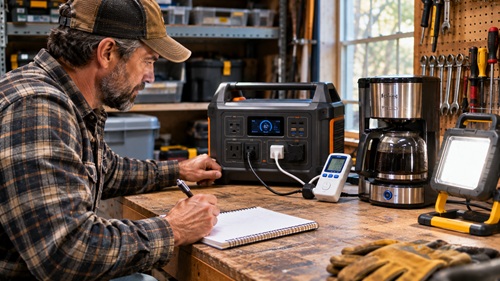
Testing is especially important for equipment that must operate continuously, including certain medical devices. Critical medical power arrangements should be developed with appropriate healthcare and equipment professionals rather than relying on estimated battery runtime alone. Fuel-burning generators must always be operated outdoors, well away from doors, windows, and ventilation openings, following manufacturer instructions to prevent carbon monoxide poisoning. A backup power system is most useful when the household understands its actual capabilities, operating limitations, maintenance requirements, and safe operating procedures.
Food Storage Is Only One Part of Emergency Nutrition
A well-stocked pantry can provide considerable security during an extended disruption, but stored food must be evaluated alongside the resources required to prepare and consume it safely. Dry beans, rice, pasta, and other shelf-stable foods are valuable because they can store well under appropriate conditions. However, many require cooking water, fuel, and preparation time. A household may have enough calories stored for 90 days but insufficient cooking fuel to prepare much of its food, making part of its emergency food supply difficult to use when electricity is unavailable.
An emergency food inventory should therefore distinguish between foods that can be eaten without cooking, foods that require minimal preparation, and foods that depend on substantial heating or water. Dietary restrictions, allergies, nutritional requirements, and the needs of individual household members also matter. Someone managing diabetes, for example, may need more careful meal planning than a household member without the same dietary considerations. Infants, pregnant individuals, and people recovering from illness may also have specific nutritional requirements that cannot be addressed simply by storing additional calories.

A practical exercise is to prepare several complete meals using only the food, water, cooking equipment, and fuel intended for an emergency. Recording how much fuel and water are consumed provides a better understanding of how long those resources will last. The exercise may also reveal that certain meals are impractical without refrigeration, that preparation requires more water than expected, or that the household needs additional ready-to-eat alternatives. A food supply becomes more useful when the household understands how to turn it into safe, nutritionally appropriate meals under the conditions it is preparing for.
Medical Preparedness and Healthcare Continuity During a 90-Day Grid-Down Emergency
Medical preparedness can become one of the most serious challenges during an extended power outage, particularly when access to pharmacies, clinics, hospitals, and emergency transportation is disrupted. Many households maintain a basic first aid kit but have never evaluated whether their medical arrangements could support essential health needs for several weeks or months. A prolonged emergency requires a broader assessment that considers prescription medications, chronic medical conditions, temperature-sensitive supplies, electrically powered medical equipment, and access to professional care.
Medical continuity planning should begin by identifying the healthcare requirements that cannot safely be interrupted. These may include daily prescription medications, medical treatments, diagnostic supplies, mobility assistance, or equipment needed to support breathing and other essential functions. The consequences of an interruption vary considerably between individuals, which is why medical preparedness should be developed around actual household needs rather than a generic inventory of supplies.
Prescription Medications and Refill Limitations
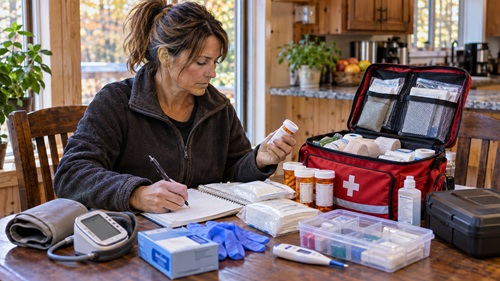
People who depend on prescription medications should understand how much medication they normally keep available, how frequently prescriptions are refilled, and what options exist if pharmacies become inaccessible. A person taking medication every day may discover that their normal refill schedule leaves them with only a limited reserve. Even when medication is available locally, electronic prescription systems, payment processing, refrigeration, and distribution networks may be affected by a prolonged outage.
Where permitted, households can discuss emergency prescription arrangements with their pharmacist or healthcare provider. Some jurisdictions allow additional emergency supplies under specific circumstances, while others have stricter dispensing rules. The objective is not to stockpile medications indiscriminately or change prescribed treatment, but to develop a medically appropriate continuity plan that accounts for potential interruptions. Medications should be stored according to their specific requirements, monitored for expiration, and never shared or substituted without appropriate professional guidance.
Temperature-Sensitive Medications
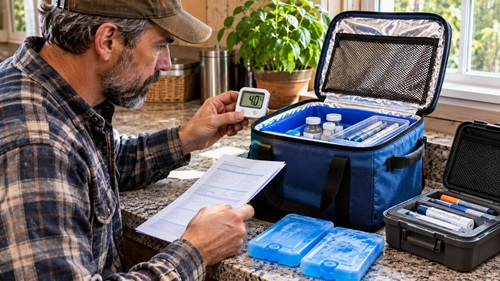
Certain medications and medical supplies require controlled storage temperatures. Insulin and some other injectable medications, for example, may have product-specific refrigeration requirements and limited periods during which they can remain at room temperature. A prolonged outage can make these requirements difficult to maintain, particularly when household refrigeration is unavailable and outdoor temperatures are unsuitable for safe storage.
Households should identify which medications require temperature control, review manufacturer instructions, and consult a pharmacist about safe storage limits and emergency arrangements. An insulated medical cooler, appropriate temperature-monitoring equipment, and a dependable backup power source may form part of a continuity plan, depending on the medication involved. However, a cooler alone does not guarantee safe storage for 90 days. Cooling methods must be tested, temperatures monitored, and plans established for obtaining replacement medication or accessing professional assistance if safe storage can no longer be maintained. Medications should not be frozen unless their manufacturer specifically permits it.
Electrically Powered Medical Equipment
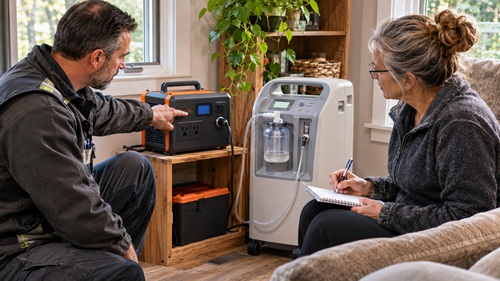
Some people depend on electrical equipment for essential medical support, including oxygen concentrators, ventilators, certain feeding systems, suction devices, and other prescribed equipment. The consequences of losing power vary significantly by device and individual medical condition. For some equipment, even a relatively short interruption may be dangerous, making backup electricity and emergency relocation arrangements critical components of household preparedness.
These households require more than a general-purpose emergency battery. A continuity plan should be developed with the treating healthcare team and equipment supplier and may include medically approved backup power, verified runtime, emergency contacts, arrangements for obtaining additional supplies, and a clear procedure for reaching a facility with dependable electricity. Backup systems should be tested according to professional and manufacturer guidance. A household should not assume that a portable power station is suitable for life-sustaining equipment simply because its advertised wattage appears sufficient. If essential medical support cannot be maintained safely, relocation or emergency medical assistance may be necessary well before stored resources are exhausted.
Medical Supplies, First Aid, and Ongoing Care
Extended emergencies can interrupt access to everyday medical supplies, including dressings, disinfectants, gloves, wound-care materials, personal protective equipment, and supplies used for ongoing medical treatment. These materials may be consumed more quickly than expected, especially when injuries, illness, or sanitation problems increase household demand. An inventory should therefore reflect actual medical requirements, anticipated consumption, and the availability of replacement supplies.
Someone managing a chronic condition may require testing supplies, replacement equipment components, or specialized consumables that are difficult to obtain during a disruption. Families caring for an older adult or someone with limited mobility may need additional hygiene supplies, mobility equipment, or caregiver support. Basic first aid training is valuable because it helps household members recognize injuries and provide appropriate initial care, but it does not replace professional medical treatment. Serious injuries, infections, breathing difficulties, and other urgent conditions require appropriate medical assessment whenever possible.
Planning for Reduced Access to Healthcare
A 90-day emergency plan should also consider how household members would obtain medical assistance if normal services became difficult to reach. Communications outages may interfere with contacting emergency services, while transportation may be limited by fuel shortages, road conditions, or disrupted public transit. Hospitals and clinics may continue operating on backup systems but could face staffing, supply, or capacity limitations that affect the availability of care.
Households should maintain accessible medical information, including medication lists, allergies, relevant medical conditions, healthcare contacts, and emergency treatment instructions. This information should be available in a form that does not depend entirely on a charged phone or internet connection, while remaining securely stored to protect personal privacy. Identifying alternative healthcare facilities, transportation arrangements, and trusted support contacts before an emergency can also reduce delays when professional assistance becomes necessary.
The purpose of medical preparedness is not to replace healthcare professionals. It is to reduce avoidable interruptions in essential care, recognize situations that require immediate medical assistance, and establish safe alternatives when normal healthcare access becomes unreliable.
Water, Sanitation, and Hygiene Must Be Planned Together
Water planning should address both supply and safety. Having access to a stream, lake, rainwater collection system, or private well does not automatically mean the water is safe to drink. Different treatment methods address different hazards, and many portable filters do not remove dissolved chemicals or other contaminants. Households need to understand the limitations of their treatment equipment, evaluate the reliability of intended water sources, and determine how safe drinking water will be maintained if normal treatment or distribution systems become unavailable.
Sanitation introduces another important dependency because water distribution and sewage systems may both be affected by an extended outage. If these systems stop functioning, conventional toilets may become unusable or unsafe. Poor waste management can contaminate living areas and water supplies, creating additional health risks at a time when medical services may already be difficult to access. A long-term sanitation plan should therefore consider waste containment, safe disposal arrangements permitted by local regulations, handwashing, cleaning supplies, and the separation of waste from food and drinking-water storage.

These arrangements should reflect the household’s location, climate, available space, and local environmental conditions. A rural property may have options that are impractical or prohibited in an apartment building, while households in flood-prone areas may face additional contamination risks. Evaluating sanitation alongside water storage and treatment helps prevent a household from solving one preparedness problem while unintentionally creating another.
Preparedness Looks Different Around the World
There is no single 90-day grid-down plan that works equally well for every household. In cold climates, maintaining safe indoor temperatures may require significant amounts of heating fuel, insulation, and alternative shelter arrangements. In hot climates, heat exposure, refrigeration, and additional drinking-water requirements may become more important. Regions affected by seasonal flooding, drought, severe storms, or extreme temperatures may also experience different infrastructure failures and resource limitations during a prolonged electrical disruption.
A rural homestead may have space for large water tanks, fuel storage, solar equipment, and alternative sanitation systems, but it may also depend heavily on electric well pumps, long-distance transportation, and equipment that requires specialized maintenance. Urban households may have less storage space and fewer options for fuel-burning equipment, but they may have access to nearby community resources, emergency shelters, or alternative transportation arrangements when those services remain operational. Regional regulations also influence what equipment can be installed, how fuel can be stored, and which sanitation or water-treatment arrangements are permitted.
The purpose of a preparedness assessment is not to make every household follow the same plan. It is to help each household identify its particular vulnerabilities, understand the limitations of available resources, and develop realistic alternatives suited to its circumstances. The most useful emergency plan is one that can actually be implemented where the household lives.
Download the Free 38-Page 90-Day Grid-Down Preparedness Worksheet
The Prepping Communities 90-Day Grid-Down Preparedness Inventory & Readiness Worksheet was developed to help households move beyond general preparedness advice and examine their actual readiness. This free, printable Preparedness Planning Tool provides organized assessment areas for water, food, backup power, fuel, sanitation, medical needs, communications, transportation, evacuation, and other essential requirements. It also includes resource calculations, milestone assessments, inventory fields, and space for documenting weaknesses and corrective actions.
Rather than trying to complete everything perfectly in one sitting, households can work through the assessment in stages. Begin with essential needs, record existing resources, and identify the areas where additional information or testing is required. The completed worksheet can become part of a household’s emergency preparedness records and can be updated as equipment, supplies, medical requirements, or family circumstances change.
Download Your Free 38-Page 90-Day Grid-Down Preparedness Inventory & Readiness Worksheet (PDF)
Preparedness Action Plan
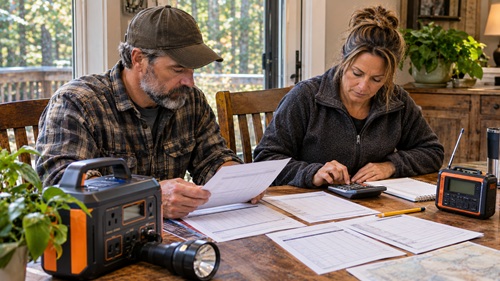
Begin by examining your household’s most important dependencies and identifying how you obtain drinking water, prepare food, maintain safe temperatures, communicate with others, manage sanitation, and maintain essential medical care. Consider what would happen if electricity and the infrastructure supporting those services remained unavailable for several weeks or months. This initial assessment should help identify the activities and resources that are most important to household safety rather than simply documenting every item currently in storage.
Complete the inventory sections of the worksheet using the resources you actually possess. Record quantities, equipment specifications, and known limitations, avoiding the temptation to count supplies that have not yet been purchased or equipment that has not been tested. Calculate the estimated duration of essential resources using measured consumption wherever practical, paying particular attention to water, cooking fuel, generator fuel, usable battery capacity, and supplies that cannot easily be replaced. Where calculations reveal shortages, determine whether the most practical improvement involves additional storage, reduced consumption, replenishment arrangements, or an alternative method of meeting the same need.
Review medical requirements with particular care, identifying essential prescriptions, temperature-sensitive medications, electrically powered medical equipment, and supplies needed for ongoing treatment. Work with healthcare professionals to establish appropriate backup arrangements and determine when emergency assistance or relocation would be necessary. Medical continuity plans should be evaluated alongside backup power, transportation, communications, and temperature-control arrangements because these systems may depend upon one another.
Once the assessment is complete, identify three significant weaknesses that could threaten your household’s ability to remain safe and prioritize corrective actions according to their consequences, cost, and practicality. Test equipment and procedures that can be evaluated safely, record the results, and revise plans when those tests reveal unexpected limitations. A household that discovers its backup power lasts only half as long as expected has gained useful information, provided that discovery occurs while normal electricity and replacement resources are still available.
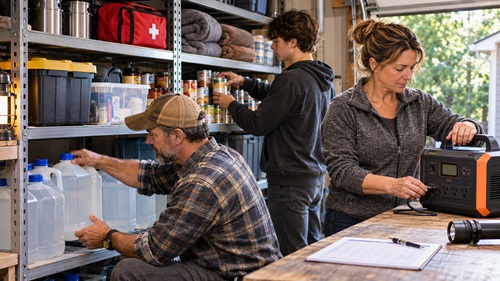
Finally, review your readiness at the 3-, 14-, 30-, 60-, and 90-day milestones. Consider whether your household could continue meeting essential needs as stored resources decline, equipment requires maintenance, and outside assistance becomes less predictable. Revisit the completed worksheet periodically, especially when household circumstances, equipment, seasonal conditions, medical requirements, or local infrastructure change. Preparedness improves when assessments lead to practical action and those improvements are verified over time.
Key Takeaways
Long-term preparedness requires more than long-term storage. A household must understand how its essential resources and systems work together and whether those capabilities can be maintained when normal infrastructure becomes unavailable. Water, food, fuel, and backup electricity should be evaluated against actual household requirements rather than estimated by the amount of equipment or supplies owned.
Medical preparedness requires continuity planning that accounts for prescription medications, temperature-sensitive supplies, essential medical equipment, and access to professional healthcare. These requirements should be considered alongside backup power, transportation, and communications because the loss of one supporting system may affect the household’s ability to maintain necessary care.
Critical equipment should be tested before an emergency whenever testing can be performed safely. A generator, battery, water-treatment system, or alternative cooking arrangement may perform differently from what the household expects, and identifying those limitations early creates an opportunity to improve the plan.
Preparedness must also account for changing conditions. The challenges of the first 72 hours are not necessarily the challenges of day 30 or day 90. Conservation, maintenance, replenishment, and adaptation become increasingly important as a disruption continues, making it essential to prioritize the weaknesses that could have the greatest consequences for household safety.
The objective of 90-day grid-down preparedness isn’t to predict when the next major electrical disruption will occur. It is to understand how your household would function without the services it normally relies upon and to make practical improvements while those services are still available. The completed worksheet provides a way to document that understanding, measure progress, and turn preparedness planning into practical household capability.
If the electricity stopped working tomorrow, how long could your household maintain its essential needs – and how confident are you in that answer?
© Prepping Communities. This content is for informational purposes only and not professional advice. Use at your own risk.
Terms | Privacy | Guidelines