
Calculating Realistic Water Needs for Individuals, Families, Pets, Cooking, Hygiene, Sanitation, and Long-Term Emergencies
 Water is one of the few resources that every preparedness plan depends upon. Food shortages can often be managed for weeks through rationing, substitutions, or stored supplies, but without a reliable supply of clean water, even the best-equipped household will quickly face serious challenges. Every aspect of daily life depends on water, from drinking and preparing meals to maintaining hygiene, cleaning equipment, caring for pets, and supporting basic sanitation. Because water is so familiar during normal times, many households underestimate just how much they actually use every day.
One of the biggest mistakes made during emergency planning is assuming that a few cases of bottled water or a handful of five-gallon containers will provide enough water for an extended emergency. While these supplies may seem substantial when viewed in a garage or basement, they disappear surprisingly quickly once a family begins relying on them exclusively. The reality is that most people consume far more water than they realize because modern plumbing delivers it effortlessly whenever needed.
Preparedness planning requires replacing assumptions with realistic calculations. Rather than guessing how much water might be needed, successful preparedness begins by understanding how water is actually used throughout an ordinary day. Once these daily requirements become visible, households can begin building storage plans, conservation strategies, backup water sources, and treatment methods that match their actual needs rather than optimistic estimates.
Understanding household water requirements is not simply about stockpiling larger quantities of water. It is about developing flexibility. Every emergency is different. A three-day power outage requires different planning than a month-long infrastructure failure, and surviving several months without municipal water requires an entirely different approach. Knowing where water is used allows families to prioritize critical needs while reducing unnecessary consumption if supplies become limited.
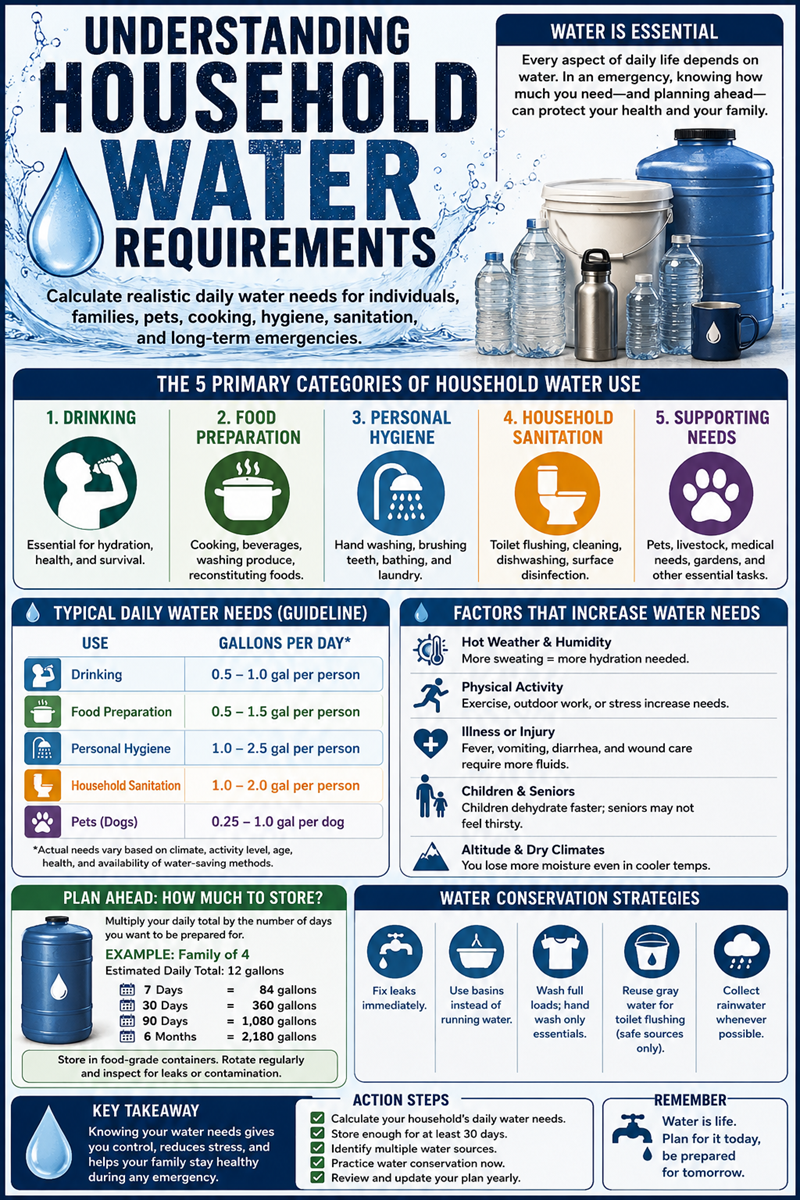
This lesson examines every major category of household water consumption, explains how to calculate realistic requirements for each family member, discusses the unique needs of children, seniors, pets, and livestock, and explores methods for stretching available supplies during prolonged emergencies. The goal is not merely to estimate gallons per day but to understand how those numbers change under different circumstances and how thoughtful planning improves long-term resilience.
Why Water Planning Matters
Most preparedness discussions begin with the commonly repeated recommendation that every person should store one gallon of water per day. While this guideline provides a useful minimum for short-term emergency planning, it often creates a false sense of security. One gallon may provide enough drinking water and limited cooking for some individuals under moderate conditions, but it does not account for hot weather, illness, strenuous activity, hygiene, pets, sanitation, or many other everyday uses.
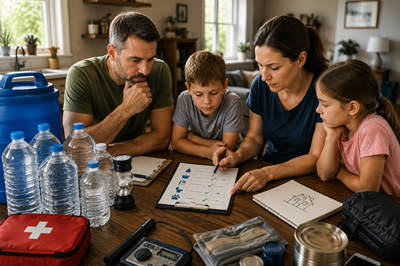 Imagine a household of four planning for two weeks using only the one-gallon rule. They calculate that fifty-six gallons should be enough. At first glance this appears to be a significant amount of water. Yet once cooking, hand washing, brushing teeth, cleaning dishes, flushing toilets, and caring for a family dog are considered, those fifty-six gallons disappear much sooner than expected.
Water shortages rarely become dangerous because households have no water at all. More often, problems develop because families underestimate how quickly supplies decline. Every unnecessary use reduces the margin available for genuine emergencies. Proper planning prevents panic because the household understands both its consumption rate and its remaining reserves.
Water planning also improves decision-making. When people know how much water they actually need, they can determine whether to remain at home, begin collecting additional sources, implement conservation measures, or relocate before supplies become critically low. These decisions are far easier when based on realistic calculations instead of guesswork.
Preparedness is ultimately about replacing uncertainty with knowledge. Calculating household water requirements transforms water from an unknown variable into a manageable resource.
The Five Primary Categories of Water Use
Although households use water in dozens of different ways, nearly every use falls into five broad categories.
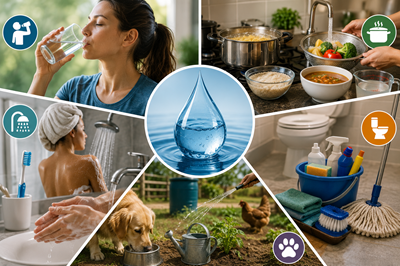 The first and most critical category is drinking water. Without sufficient hydration, physical and mental performance decline rapidly. Dehydration can become life threatening within only a few days, particularly during hot weather or periods of increased physical activity.
The second category includes food preparation. Water is required for cooking grains, soups, pasta, dehydrated meals, beverages, baking, washing produce, and rehydrating stored emergency foods. Many long-term food storage programs actually increase household water requirements because freeze-dried and dehydrated foods require water before they can be consumed.
The third category consists of personal hygiene. Washing hands, brushing teeth, bathing, laundering clothing, and maintaining basic cleanliness help reduce illness, infections, and disease transmission. During prolonged emergencies, hygiene often becomes just as important as drinking water because poor sanitation quickly creates additional health problems.
The fourth category is household sanitation. Toilets, cleaning supplies, dishwashing, surface disinfection, and waste management all consume significant quantities of water. While some sanitation activities can be modified or replaced during emergencies, they cannot be ignored indefinitely.
Finally, there are household support requirements. These include pets, livestock, gardens intended for food production, medical needs, and certain essential household tasks. These uses are frequently overlooked during emergency planning despite requiring substantial water over time.
Understanding these categories allows families to prioritize resources when conservation becomes necessary.
Calculating Drinking Water Requirements
Drinking water always receives first priority because survival depends upon it. Healthy adults generally require between two and four liters of drinking water each day depending on temperature, humidity, body size, activity level, and overall health. This translates to roughly half a gallon to one gallon daily for hydration alone.
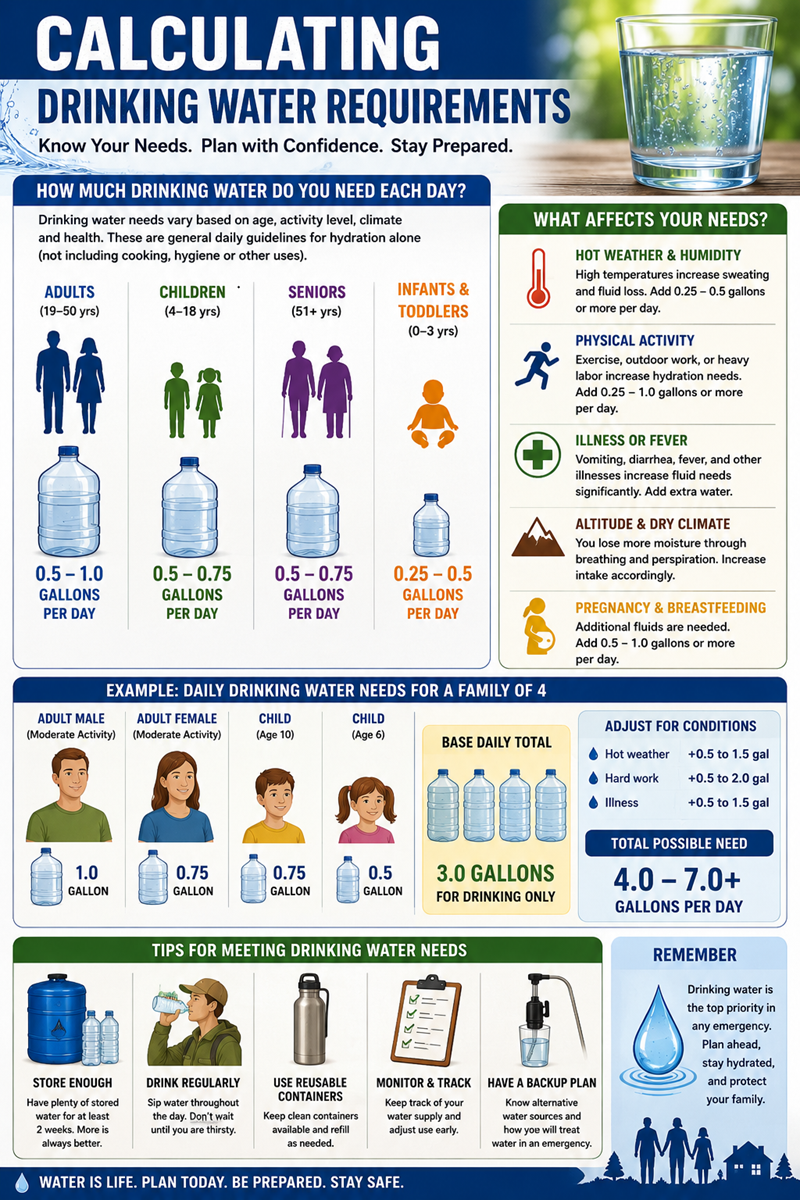
Hot weather dramatically increases water consumption. During summer heat waves or wildfire seasons, perspiration increases significantly. Outdoor work such as cutting firewood, gardening, hauling supplies, or repairing storm damage may require several additional liters of water each day.
Children often require less total water because of their smaller body size, but they are also more susceptible to dehydration. Seniors may experience reduced thirst sensations, making dehydration more likely unless water consumption is monitored carefully.
Illness presents another challenge. Fever, vomiting, diarrhea, respiratory infections, and certain medications can all increase fluid requirements. A household that stores only minimum quantities may discover that medical conditions consume reserves much faster than anticipated.
Altitude also influences hydration needs. Dry climates and mountainous regions increase moisture loss through breathing, even during cooler weather.
These variables explain why preparedness planning should include generous safety margins rather than relying solely on minimum recommendations.
Water Required for Food Preparation
Cooking often consumes far more water than most households recognize. Rice, beans, pasta, oatmeal, soups, baking ingredients, dehydrated vegetables, powdered milk, freeze-dried meals, coffee, tea, and numerous other foods all require water.
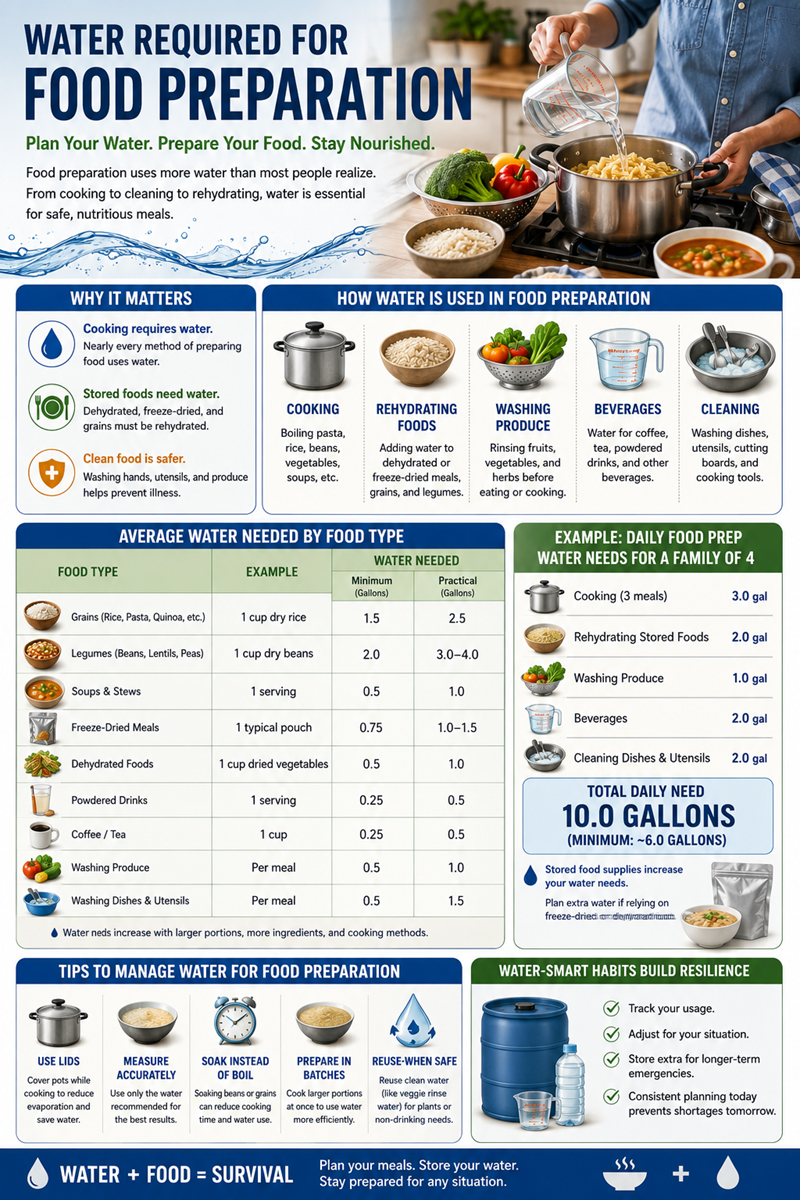 Many preparedness food supplies emphasize shelf stability rather than moisture content. Buckets of rice, beans, wheat, oats, and dehydrated foods store exceptionally well, but nearly every one of them requires water before becoming edible.
Preparing dried beans, for example, may require soaking overnight followed by several hours of cooking. Rice typically absorbs several cups of water during cooking. Pasta requires large quantities for boiling. Freeze-dried meals depend entirely on clean water.
Cleaning fruits and vegetables also requires water. Even when produce comes from a household garden, rinsing helps remove soil, insects, and contaminants.
Preparedness calculations should therefore include both the water consumed within food and the water needed to prepare it safely.
Personal Hygiene Requirements
Maintaining hygiene during emergencies is not simply about comfort. Cleanliness reduces disease transmission, prevents infections, improves morale, and supports long-term health.
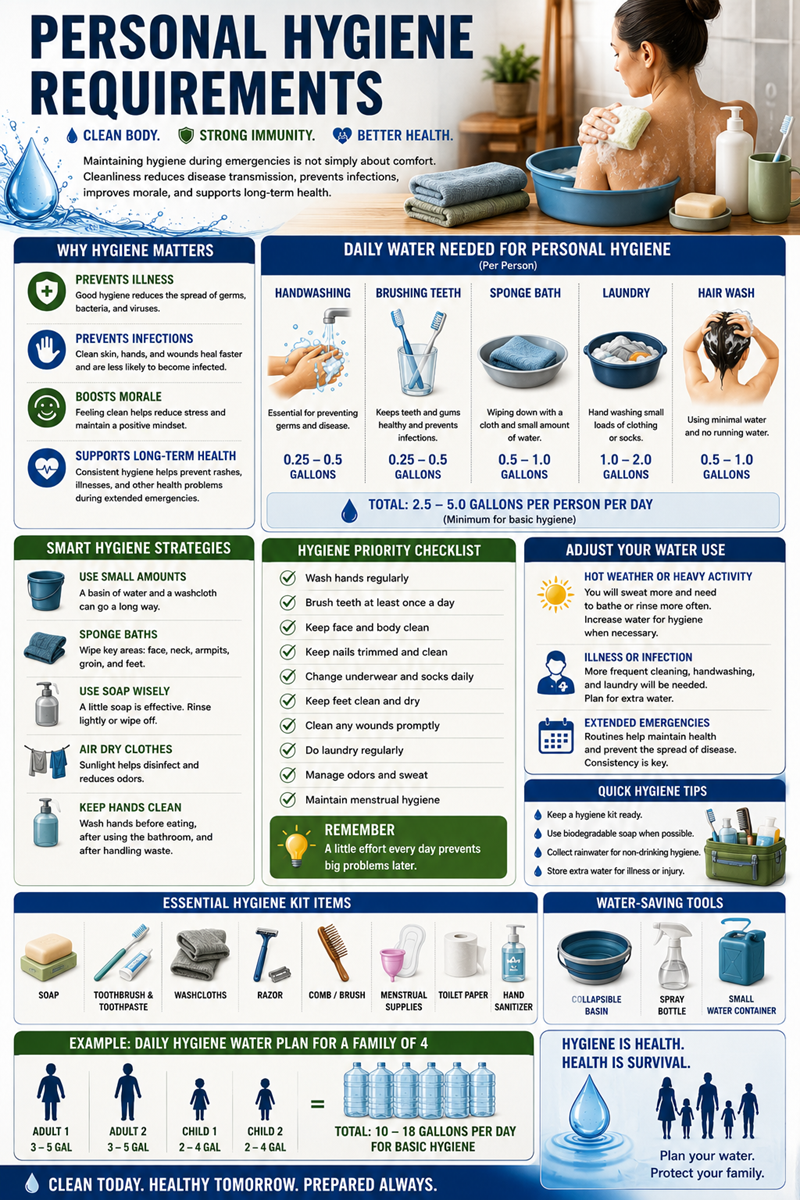 Hand washing remains one of the most effective disease prevention measures available. Every meal preparation, bathroom visit, wound treatment, or animal care activity should ideally be followed by proper hand cleaning.
Brushing teeth uses relatively little water but provides substantial health benefits. Dental infections become significantly more difficult to manage during prolonged emergencies when professional care may be unavailable.
Bathing requirements vary considerably depending on weather, activity levels, and available supplies. Sponge baths require far less water than full showers while still maintaining cleanliness.
Laundry represents another significant consumer of water. During shortages, households often shift toward wearing clothing longer, spot cleaning stains, hand washing essential garments, and prioritizing underwear, socks, and infant clothing.
Preparedness planning should recognize that hygiene practices may evolve during emergencies without being abandoned altogether.
Household Sanitation
Sanitation is often overlooked because modern plumbing performs most functions automatically. When those systems fail, however, households quickly discover how much water sanitation normally requires.
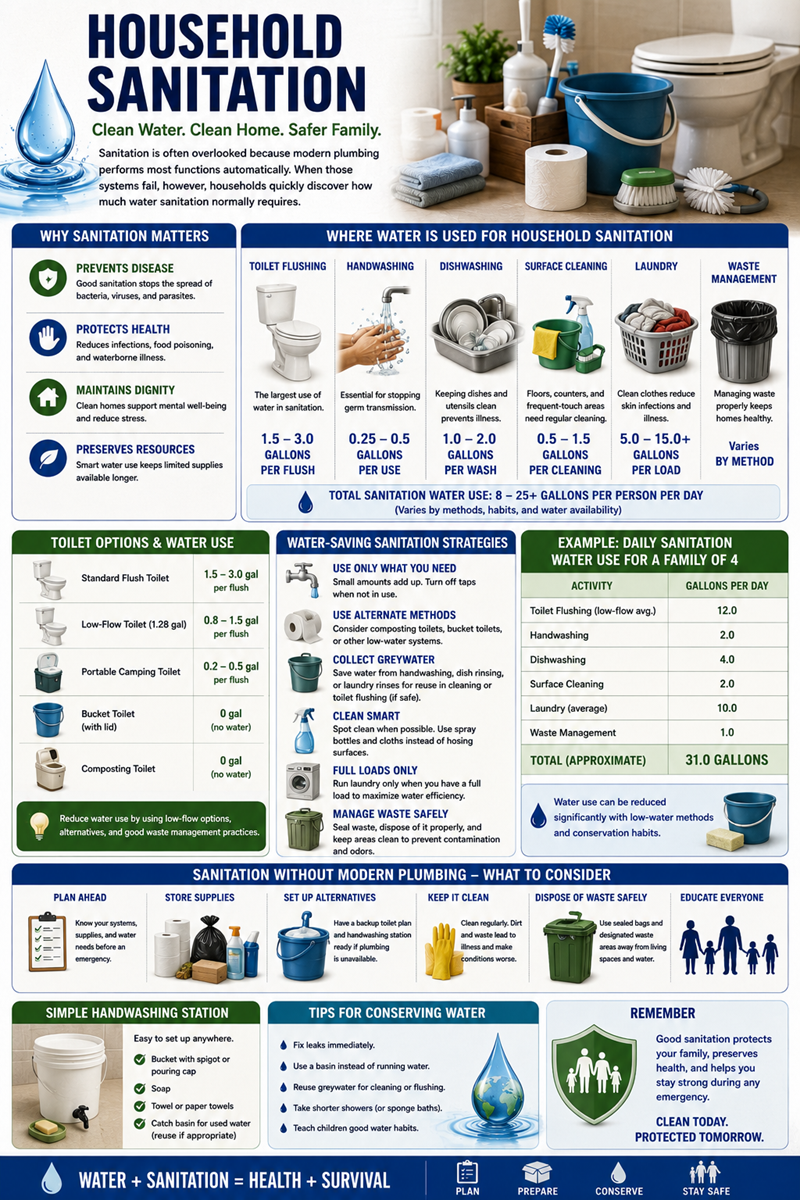 Conventional toilets typically use several gallons of water with every flush. During water shortages, alternative methods such as composting toilets, portable camping toilets, bucket toilets with absorbent materials, or gray water flushing may become necessary.
Dishwashing also consumes significant amounts of water. Rather than washing dishes under continuously running taps, emergency cleaning methods usually involve multiple basins that allow washing, rinsing, and sanitizing while minimizing consumption.
Cleaning surfaces helps prevent bacteria from spreading, especially in kitchens where food preparation occurs. Small quantities of treated water combined with appropriate disinfectants often accomplish this effectively.
Waste disposal becomes increasingly important during prolonged emergencies. Improper sanitation frequently causes more illness than the original disaster itself.
Planning for sanitation protects household health while extending available water supplies.
Water Requirements for Pets
Preparedness planning should always include animals. Pets depend entirely upon their owners for food and water, and their needs continue regardless of emergency conditions.
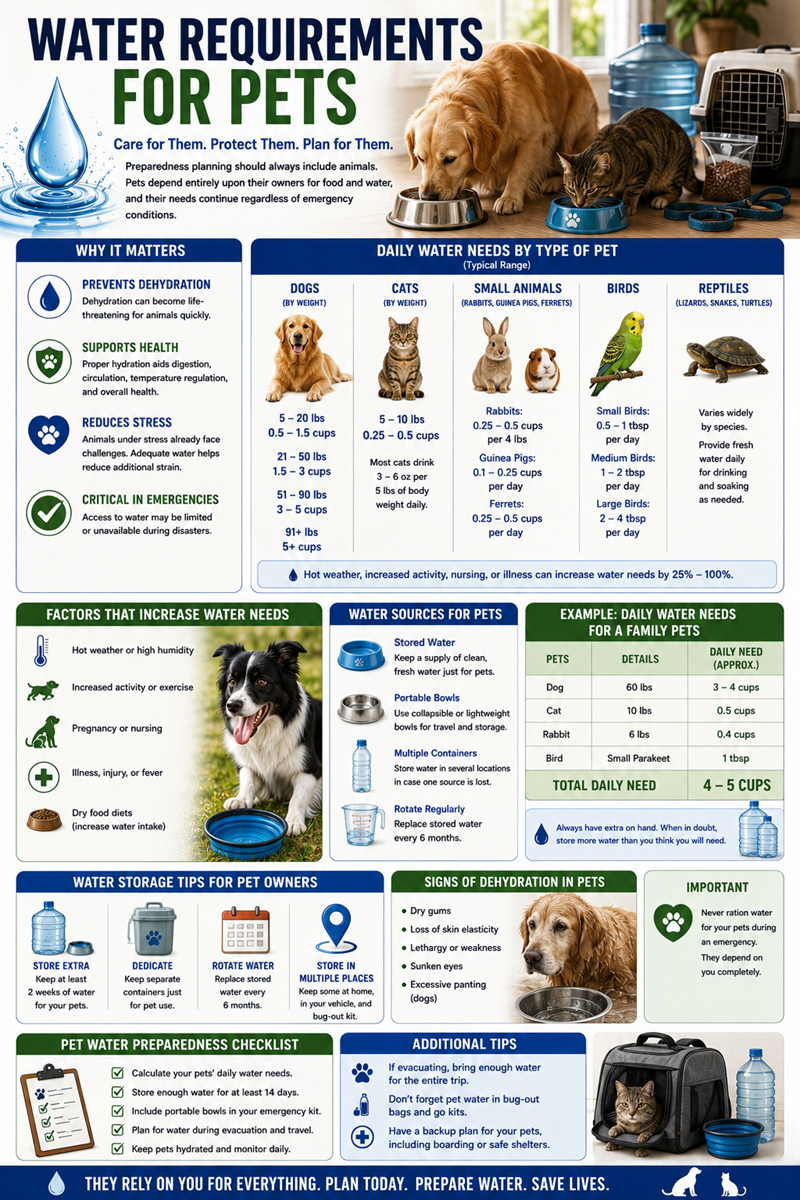 Dogs generally require more water than cats because of their size and activity levels. Working dogs, large breeds, and active animals consume considerably more during hot weather.
Cats often obtain some moisture through canned food, but they still require fresh drinking water daily.
Birds, rabbits, reptiles, guinea pigs, and other household pets each have unique hydration requirements that should be researched before emergencies occur.
Water must also be available for cleaning food bowls, cages, litter boxes, aquariums, and habitats. These supporting requirements are frequently forgotten during storage calculations.
Families with multiple pets should calculate their total daily animal water requirements separately rather than estimating casually.
Water Requirements for Livestock
Homesteads and rural properties frequently include chickens, goats, sheep, pigs, cattle, horses, or other livestock. These animals dramatically increase household water requirements.
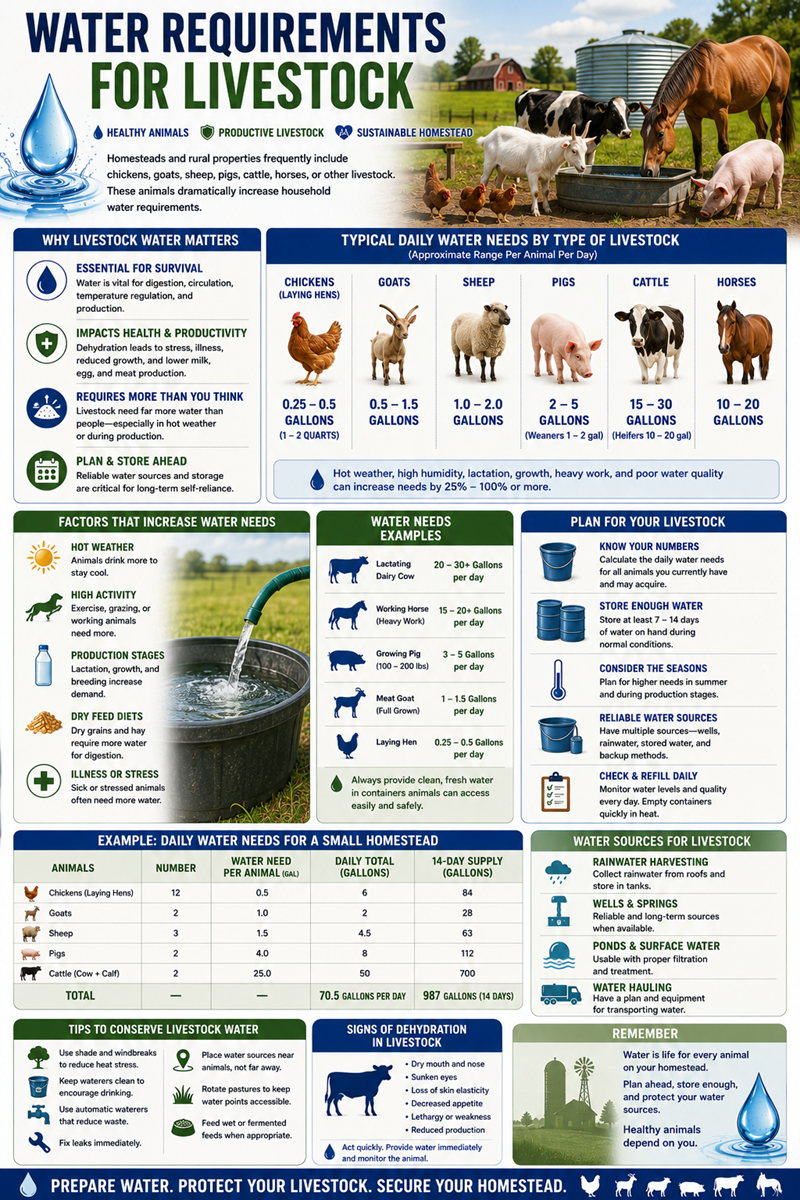 A laying hen may consume only a small amount of water each day, but dozens of birds quickly add up. Dairy goats, cattle, and horses require substantially larger quantities, particularly during warm weather.
Livestock water cannot be viewed as optional. Reduced water intake immediately affects animal health, egg production, milk production, weight gain, reproduction, and overall survival.
Preparedness planning for farms therefore requires water storage systems measured in hundreds or even thousands of gallons rather than the relatively small quantities suitable for urban households.
Natural ponds, streams, rainwater collection systems, wells, and livestock tanks often become essential components of rural preparedness planning.
Water for Medical Needs
Medical situations frequently increase household water requirements.
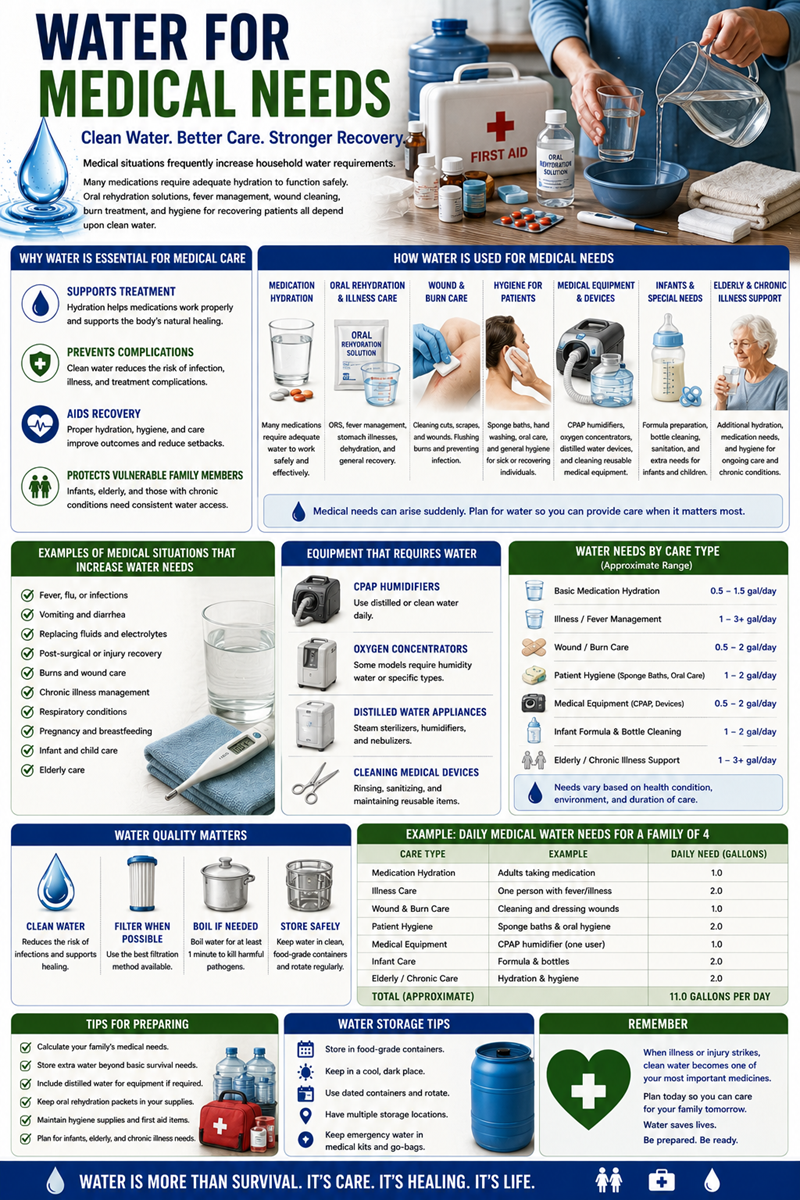 Many medications require adequate hydration to function safely. Oral rehydration solutions, fever management, wound cleaning, burn treatment, and hygiene for recovering patients all depend upon clean water.
Certain medical equipment also requires water, including CPAP humidifiers, some oxygen concentrators, distilled water appliances, and cleaning procedures for reusable medical devices.
Families caring for infants require additional water for formula preparation, bottle cleaning, and sanitation.
Households supporting elderly family members or individuals with chronic illnesses should include these requirements when planning emergency reserves.
Long-Term Emergency Planning
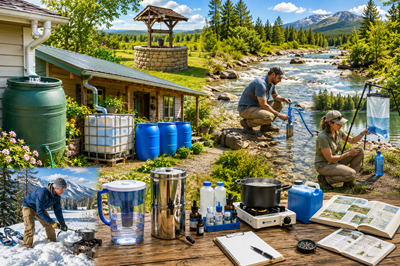 Short emergencies typically rely on stored water. Long-term emergencies require renewable water sources.
Rainwater harvesting, wells, springs, rivers, lakes, snow melting, atmospheric moisture collection, and transported water all become increasingly important as emergencies continue.
Each source presents unique challenges involving treatment, transportation, seasonal reliability, contamination risks, and legal considerations.
Preparedness planning should never rely upon a single water source. Redundancy increases resilience. A household with stored water, rainwater collection, portable filtration, chemical treatment, boiling capability, and knowledge of nearby natural sources possesses far greater flexibility than one depending upon a single method.
Water security improves significantly when multiple independent systems support one another.
Building a Household Water Budget
One of the most valuable preparedness exercises involves creating a household water budget.
Begin by listing every person living in the home. Estimate realistic daily drinking requirements for each individual based on age, activity level, and climate.
Next, estimate water needed for cooking, hygiene, sanitation, cleaning, pets, medical care, and other recurring tasks.
Multiply these values by seven days, thirty days, ninety days, and six months. The resulting figures often surprise families because long-term requirements become substantially larger than expected.
Once realistic numbers are known, households can compare storage capacity against expected consumption and identify weaknesses before emergencies occur.
A written water budget transforms preparedness from vague assumptions into measurable planning.
Water Conservation Strategies
Conservation extends available supplies while reducing the burden of obtaining additional water.
Collecting gray water from hand washing or dish rinsing for toilet flushing allows water to perform multiple tasks before disposal. Care must be taken to avoid using contaminated gray water where it could create health risks.
Using disposable eating utensils sparingly during short emergencies reduces dishwashing requirements.
Preparing one-pot meals decreases both cooking and cleanup water usage.
Capturing rainwater whenever possible supplements stored reserves while reducing dependence on stored supplies.
Fixing leaks before emergencies prevents unnecessary losses. Even a slow drip can waste surprising quantities over time.
Conservation works best when practiced before emergencies occur, allowing households to develop efficient habits naturally.
Common Planning Mistakes
Many preparedness plans fail because they focus exclusively on drinking water while ignoring every other household requirement.
Another common mistake involves storing water without rotating it. Although properly stored water can remain usable for long periods, containers should be inspected regularly for leaks, contamination, and deterioration.
Some households purchase expensive filtration equipment without identifying nearby water sources. A filter is useful only if untreated water remains available.
Others assume rainwater will always be available without considering seasonal droughts or winter freezing conditions.
Many families also forget to include guests. During disasters, relatives, neighbors, or friends may temporarily join the household, increasing daily water consumption unexpectedly.
Avoiding these mistakes significantly improves preparedness.
Preparedness Action Plan
Begin by calculating realistic daily water requirements for every person and animal in your household rather than relying solely on generic recommendations. Separate drinking water, cooking, hygiene, sanitation, medical needs, and pet requirements so each category can be evaluated independently.
Inventory your existing water storage and determine how many days it would realistically support your household under normal emergency conditions. If the results fall short of your preparedness goals, develop a gradual plan to expand storage using food-grade containers, bottled water, or larger storage tanks.
Identify at least three independent water sources that could be used if stored supplies become exhausted. Learn how each source would be accessed, transported, treated, and stored safely. Practice using your filtration systems, purification tablets, and boiling methods before they become necessary.
Review your home’s water conservation opportunities. Develop procedures for reducing consumption without compromising health or sanitation. Encourage every member of the household to understand where water is used and how conservation extends available reserves.
Finally, review your water plan annually. Family size, pets, health conditions, climate, and preparedness goals change over time. Updating your calculations ensures your water strategy remains realistic and capable of supporting your household during both short-term disruptions and extended emergencies.
Skills Learned
After completing this training lesson, you should now be able to:
- Calculate realistic daily household water requirements beyond the basic one-gallon-per-person guideline.
- Identify every major category of household water consumption.
- Estimate water needs for children, adults, seniors, pets, and livestock.
- Account for cooking, hygiene, sanitation, medical care, and cleaning requirements.
- Build a practical household water budget for emergencies lasting days, weeks, or months.
- Develop multiple water sources and backup systems to improve resilience.
- Apply effective water conservation techniques during prolonged emergencies.
- Recognize common water planning mistakes before they become serious problems.
- Evaluate whether your current water storage supports your family’s actual needs.
- Build a comprehensive water preparedness strategy that supports long-term self-reliance.
Prepper Offline™
Like what you see? This entire library of 10,000+ preparedness postings is available offline, no internet required.
For the price of a good book, Prepper Offline gives you access to 10,000+ preparedness resources and more…
- Search across 10,000+ preparedness, survival, homesteading, and self-reliance resources in one organized library.
- Works completely offline with no internet connection required.
- Create multiple backup copies for your personal preparedness plans.
- Store it on a USB drive, flash drive, external drive, laptop, or desktop computer.
- Works like a website using any standard browser, but no internet connection is required.
- Keep a copy available in your home, vehicle, cabin, bug-out bag, emergency kit, or off-grid location when access matters most.
© Prepping Communities. This content is for informational purposes only and not professional advice. Use at your own risk.
Terms | Privacy | Guidelines