
A Prepper’s Guide to Finding, Harvesting, and Using One of Nature’s Most Overlooked Wild Foods
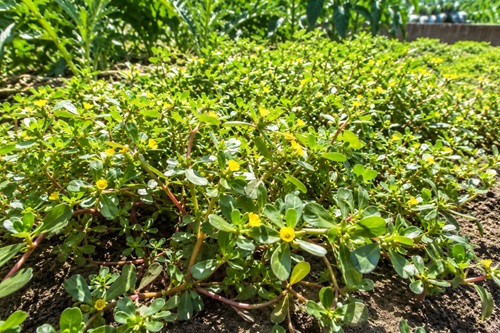
Walk through almost any vegetable garden, flower bed, driveway, or patch of disturbed soil during the summer and there is a good chance you’ll find purslane growing beneath your feet. Many people remove it without a second thought, assuming it is simply another weed competing with their vegetables. In reality, purslane has been eaten around the world for centuries and is valued in many cultures as both a nutritious vegetable and a useful wild edible.
One of the most valuable preparedness skills you can develop is learning to recognize the useful plants that already grow naturally around you. While a well-stocked pantry should always remain your primary food reserve, wild edible plants can provide fresh nutrition, dietary variety, and practical knowledge that may prove useful in unexpected situations. Purslane is one of the easiest edible plants for beginners to learn because it is widespread, productive, and relatively easy to identify once you know what to look for.
Recognizing Purslane
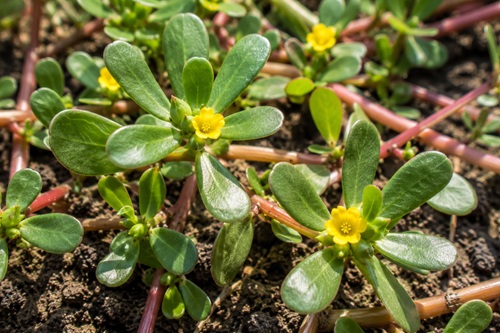
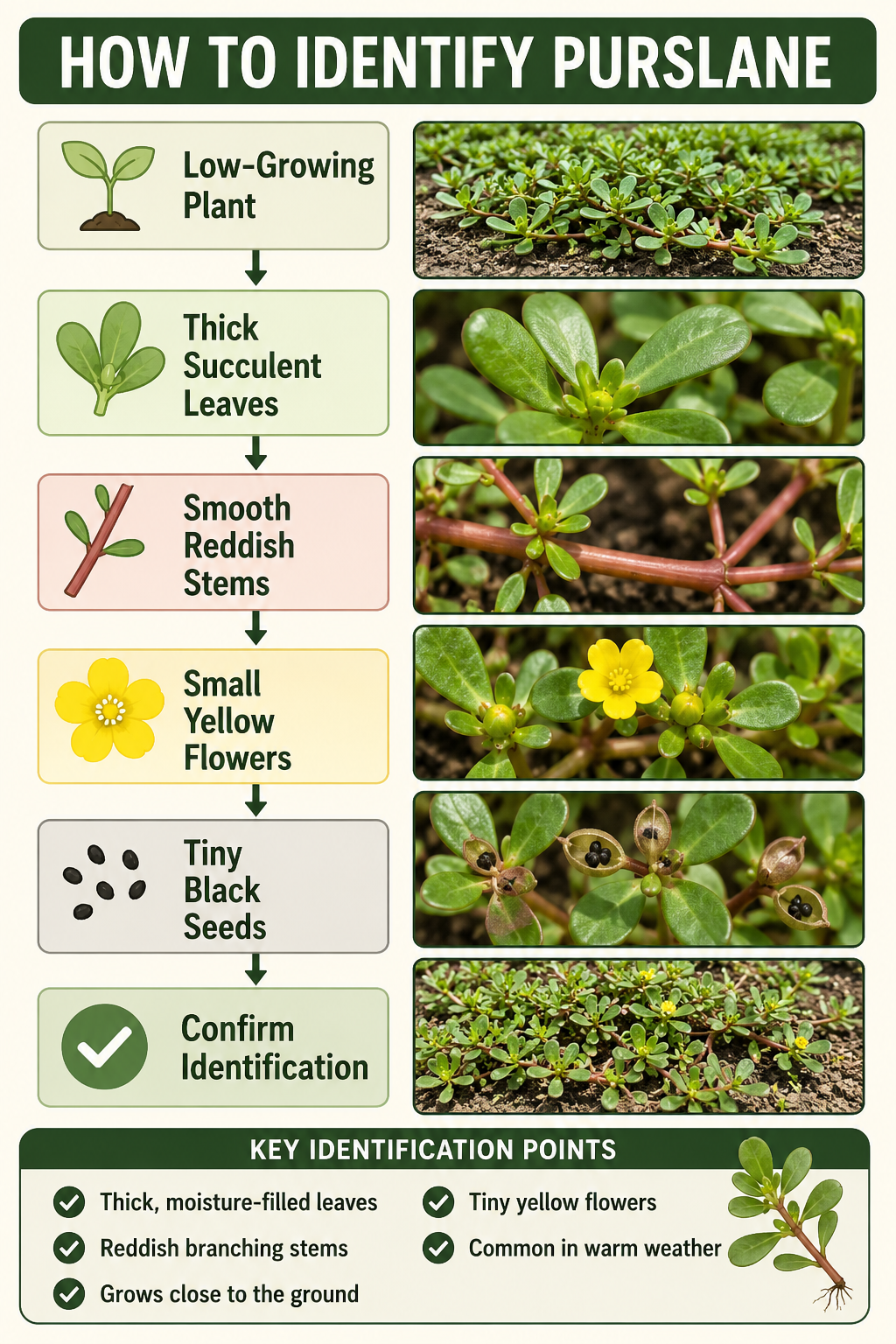
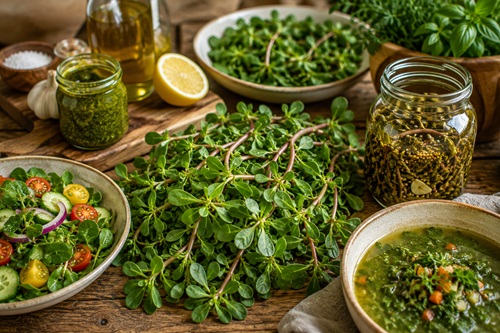
Purslane (Portulaca oleracea) is a low-growing succulent that spreads across the ground rather than growing upright. Its smooth reddish stems branch outward from a central point and are covered with thick, paddle-shaped leaves that store moisture. During warm sunny weather, the plant produces small yellow flowers that eventually develop into seed capsules containing thousands of tiny seeds.
One reason purslane is so successful is its remarkable ability to tolerate heat and drought. While many garden vegetables struggle during hot, dry weather, purslane often continues growing with very little water. This resilience has allowed it to spread throughout much of the world, where it now grows naturally in gardens, orchards, sidewalks, gravel driveways, farm fields, and other disturbed areas.
Why It Matters to Preppers
Preparedness is often associated with food storage, but knowledge is just as important as supplies. Every edible plant you learn to identify expands your understanding of the natural resources available in your local environment. Purslane requires no planting, very little care, and often appears without any effort from the gardener. Instead of viewing every volunteer plant as something to remove, learning to recognize valuable species allows you to make better use of what nature already provides.
Another advantage of purslane is its productivity. A single healthy plant can produce thousands of seeds, allowing it to return year after year. Because harvesting only the upper portions encourages additional growth, one patch can often provide multiple harvests throughout the growing season.
Harvesting Safely
Before harvesting any wild edible plant, proper identification is absolutely essential. Never rely solely on photographs or internet images when identifying unfamiliar plants. If there is any uncertainty, consult a regional field guide or an experienced forager before consuming it.
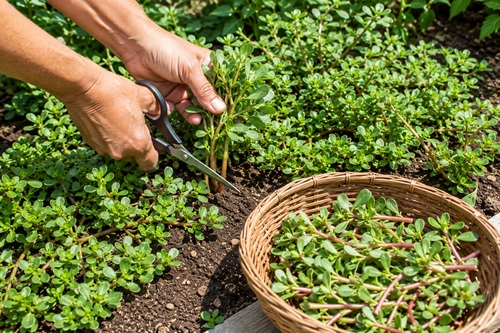
Equally important is choosing a safe harvesting location. Avoid collecting purslane from roadsides with heavy traffic, industrial properties, areas that may have been treated with herbicides or pesticides, or locations where the soil could be contaminated. Always wash harvested plants thoroughly before preparing them for food.
What Does Purslane Taste Like?
One reason purslane has remained popular in many traditional cuisines is its pleasant texture and refreshing flavor. The leaves are crisp and slightly juicy, while the stems provide a satisfying crunch. Many people describe the taste as mildly tangy with a hint of lemon and a subtle natural saltiness.
Its mild flavor allows it to blend well with many different foods without overpowering other ingredients, making it one of the more versatile wild vegetables available.
Ways to Use Purslane
Fresh purslane is commonly eaten raw in salads where its crisp texture adds variety alongside lettuce, spinach, or other leafy greens. It also works well in sandwiches, wraps, and tacos, adding both texture and moisture.
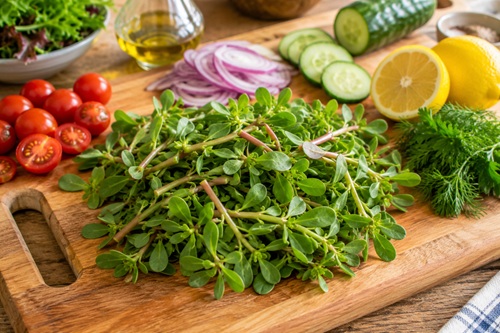
When lightly cooked, purslane can be added to soups, stews, stir-fries, omelets, pasta dishes, and vegetable side dishes. Some people blend it into pesto or smoothies, while others preserve the stems by pickling them for later use.
Because the plant grows rapidly throughout the summer, harvesting small amounts regularly provides a continuous supply of fresh greens during the growing season.
Can It Be Preserved?
Like many leafy vegetables, purslane is best when eaten fresh, but it can also be preserved if you have an abundant harvest. Refrigerated in a damp paper towel, it will remain fresh for several days. Briefly blanching and freezing the stems helps preserve them for longer storage, while pickling provides another flavorful option. The leaves may also be dehydrated and later added to soups, stews, or herbal blends, although drying changes their texture considerably.
Learning several preservation methods allows you to make better use of seasonal abundance rather than allowing excess harvests to go to waste.
Nutritional Value
Purslane has attracted considerable scientific interest because of its impressive nutritional profile. It naturally contains vitamins A, C, and E along with several B vitamins, magnesium, potassium, calcium, and iron. It is also one of the richest known leafy vegetables for plant-based omega-3 fatty acids, making it unique among commonly available greens.
In addition to these nutrients, purslane contains naturally occurring antioxidants and other plant compounds that researchers continue to study. While ongoing research is exploring their potential health benefits, most people simply appreciate purslane as a nutritious addition to a balanced diet.
A Few Precautions
Although purslane is widely consumed around the world, it is not appropriate for everyone. The plant naturally contains oxalates, which some individuals may need to limit if they have certain kidney conditions or have been advised by a healthcare professional to follow a low-oxalate diet.
As with any wild edible, moderation is sensible when trying it for the first time. If you have underlying medical conditions, are pregnant, or take prescription medications, consult your healthcare provider before making significant dietary changes involving wild plants.
Preparedness Perspective
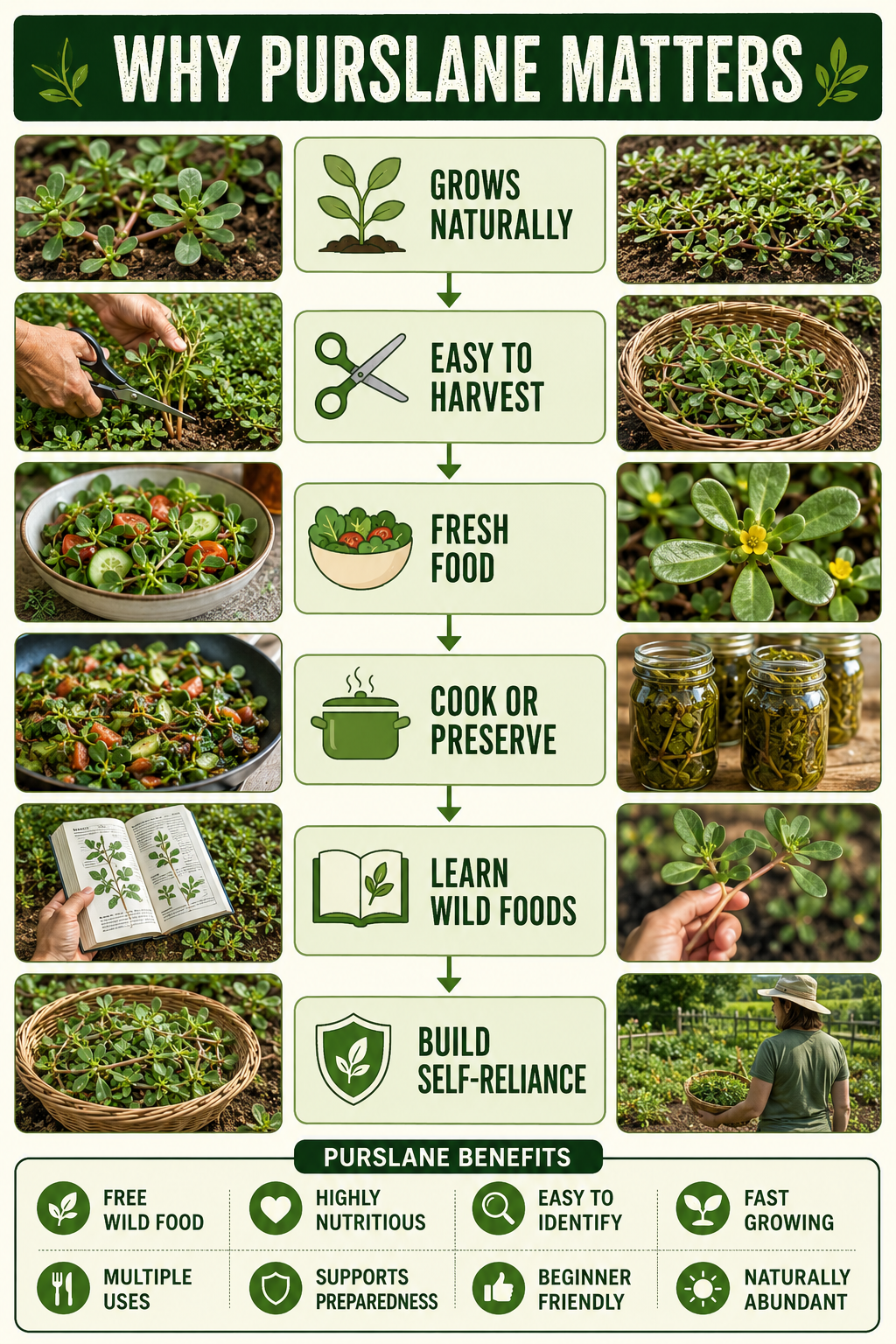
One of the greatest strengths of preparedness is learning to recognize opportunity where others see inconvenience. Purslane is an excellent example of this mindset.
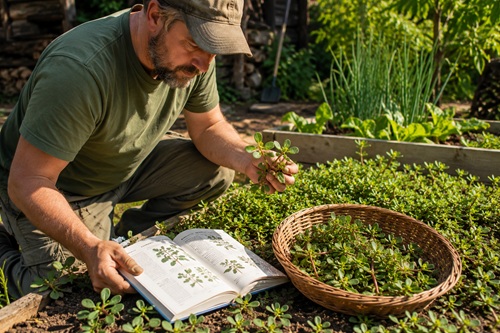
What many people consider a nuisance weed can actually become a fresh source of nutritious food with no planting, irrigation, or special care required. The goal is not to replace your food storage with foraging, but rather to build practical knowledge that complements your existing preparedness plan.
Every edible plant you confidently identify becomes another useful skill. Over time, those skills create a deeper understanding of your local environment and increase your ability to make informed decisions if normal food supplies are ever disrupted.
Key Takeaways
Purslane is far more than an ordinary garden weed. It is a resilient, nutritious, and versatile wild edible that has been enjoyed for generations around the world.
Learning to identify it correctly, harvest it responsibly, and prepare it safely is a practical skill that adds another layer of self-reliance to your preparedness journey. The more you understand the useful plants growing naturally around you, the more resilient and resourceful you become.
© Prepping Communities. This content is for informational purposes only and not professional advice. Use at your own risk.
Terms | Privacy | Guidelines