
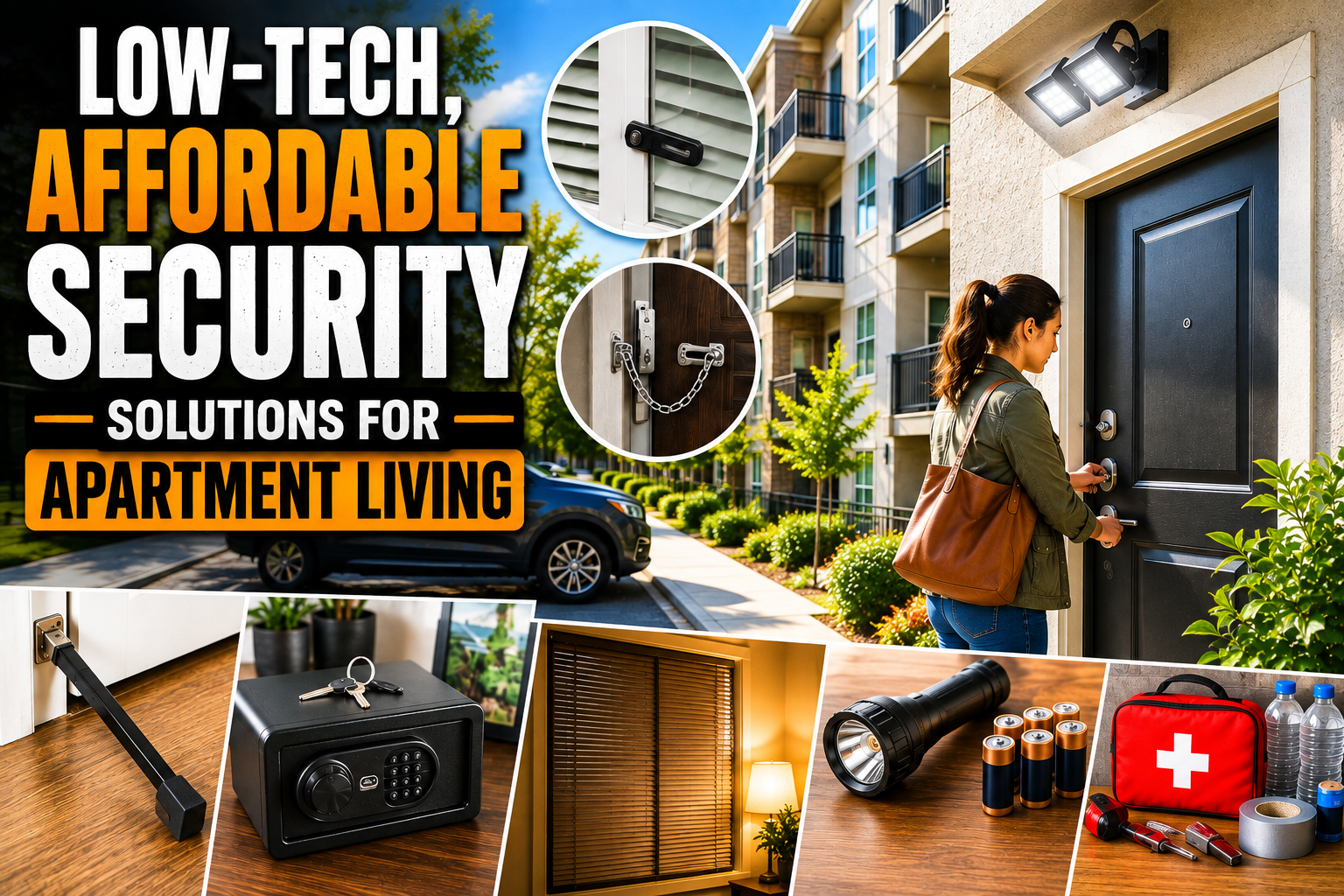
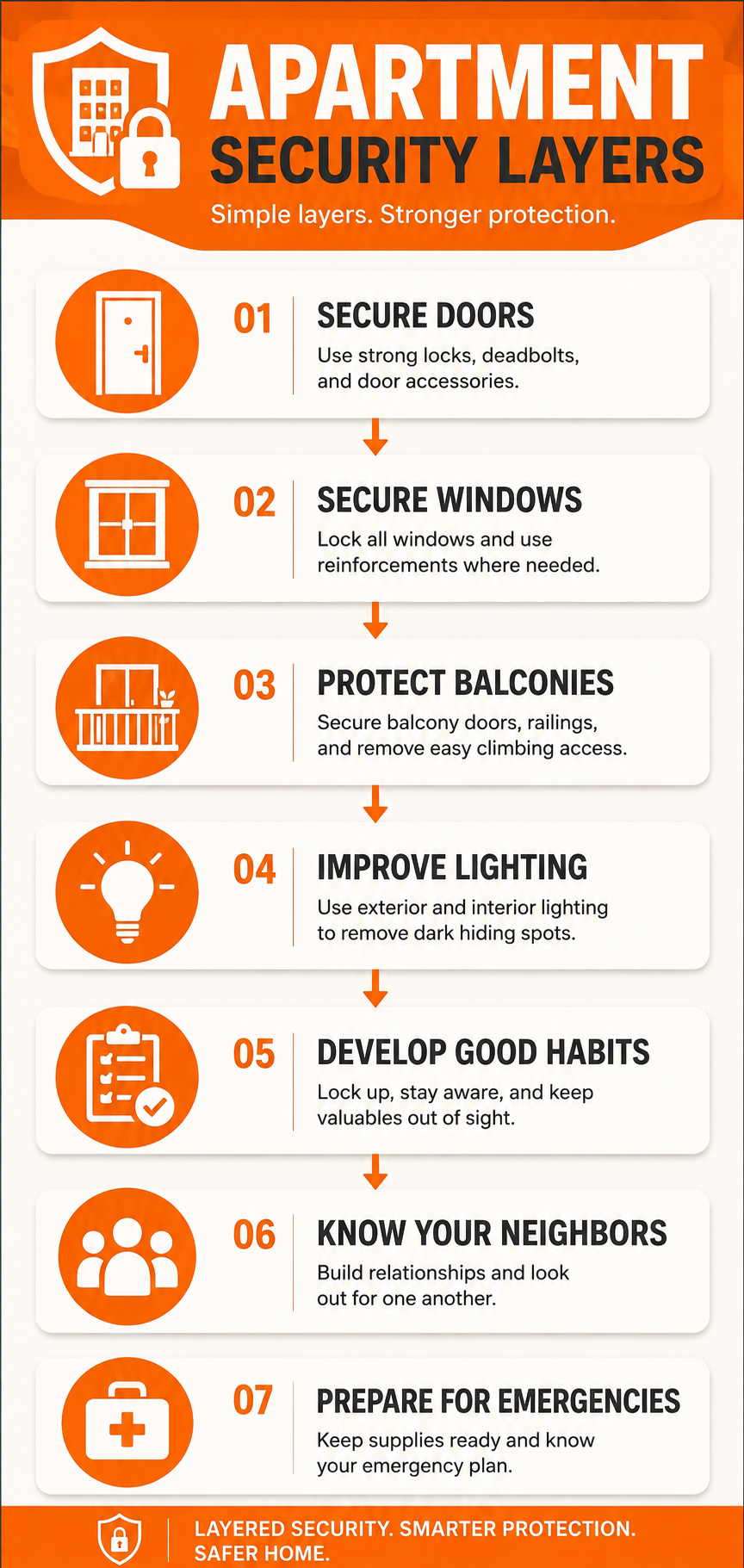
Living in an apartment doesn’t mean you have to sacrifice your security. While you may not be able to install fences, security gates, or professionally monitored alarm systems, there are still many practical steps you can take to make your home safer. The good news is that most of them cost very little. In many cases, improving your security is less about buying expensive equipment and more about developing good habits and eliminating easy opportunities for crime.
Most apartment break-ins are crimes of opportunity. Criminals generally aren’t looking for the most valuable apartment in the building – they’re looking for the easiest one to enter. An unlocked door, an open window, poor lighting, or valuables left in plain sight may be all the encouragement they need. By taking away those easy opportunities, you significantly reduce the chances of becoming a target.
Start with Your Doors
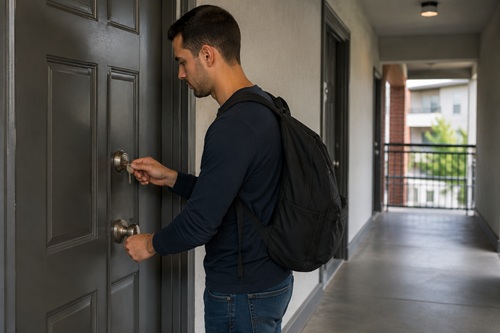
Your front door is the most likely place someone will try to gain entry, so it should always be your first priority. Get into the habit of locking both the door handle and the deadbolt every time you leave, even if you’re only stepping out for a few minutes. It only takes a few seconds, but it removes one of the easiest opportunities for theft.
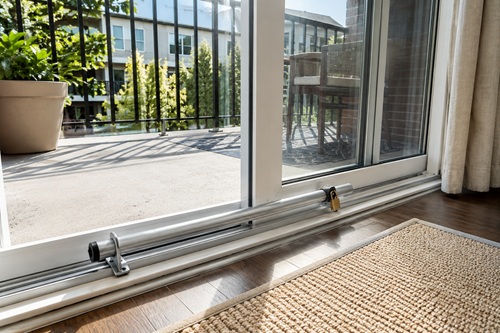
If your apartment has a sliding patio door, don’t rely entirely on the factory lock. A simple security bar or even a wooden dowel cut to fit the bottom track prevents the door from sliding open. It’s inexpensive, easy to install, and surprisingly effective. If your lease allows it, you may also want to ask your landlord about reinforcing weak door hardware or replacing worn locks.
Secure Your Windows
Windows are another common entry point, particularly for ground-floor apartments or units facing secluded walkways. Keep them locked whenever they are not being used, and avoid leaving them partially open when you’re away from home. If you enjoy fresh air, open windows only while someone is home and able to keep an eye on them.
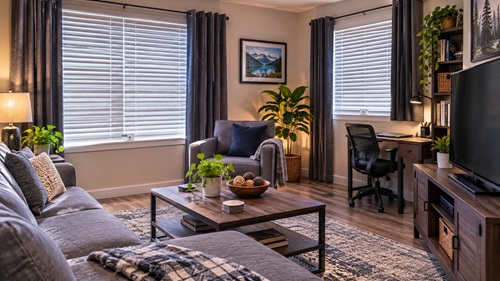
Think about what people can see from outside. Expensive electronics, gaming systems, computers, and other valuables placed directly in front of a window advertise what is inside your apartment. Closing blinds or curtains after dark not only improves privacy but also makes it much harder for someone outside to see what you own.
Don’t Forget About Balconies and Patios
Many people assume that a second- or third-floor apartment is automatically secure, but balconies can sometimes be reached from nearby trees, adjoining balconies, stairways, or maintenance structures. Ground-floor patios can also provide privacy for residents while creating hiding places for someone attempting to break in.
Treat balcony and patio doors the same way you treat your front door. Keep them locked whenever they’re not being used, and avoid leaving furniture, storage bins, or ladders positioned where they could make climbing easier. If you store bicycles or outdoor equipment on your patio, secure them with quality locks rather than assuming they’re safe simply because they’re inside your patio fence.
Make Your Apartment Less Appealing
One of the simplest security strategies is to avoid drawing attention to your apartment. Large television boxes, computer packaging, or expensive appliance boxes left beside the dumpster tell everyone exactly what may be inside your home. Breaking down boxes before disposing of them is a small step that helps protect your privacy.
The same principle applies to your vehicle. Apartment parking lots are common targets for theft because they contain dozens of unattended vehicles. Never leave wallets, purses, backpacks, tools, or electronics visible inside your vehicle. Lock the doors every time you leave, even if you’re parked close to your building.
Use Light to Your Advantage
Criminals prefer to work where they are less likely to be seen. Good lighting removes many of those opportunities. If your apartment has a private entrance or patio, consider installing a battery-powered or solar-powered motion light if permitted. Motion lighting immediately draws attention to someone approaching your home unexpectedly.
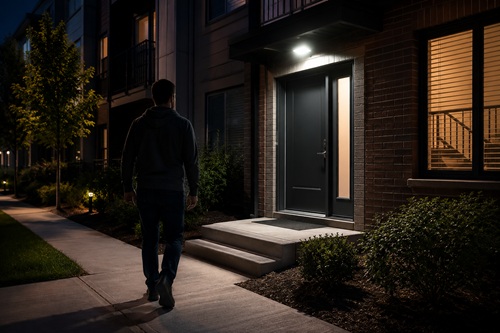
Pay attention to the lighting around the rest of your apartment complex as well. Burned-out lights in parking lots, stairwells, or hallways should be reported to management as soon as possible. Good lighting benefits everyone in the building and makes common areas feel safer, especially after dark.
Know Your Neighbors
One of the best security systems doesn’t require batteries or a monthly subscription. Neighbors who know each other naturally notice when something doesn’t seem right. A stranger trying door handles or someone carrying property out of an apartment in the middle of the day is much more likely to be noticed in a community where residents communicate.
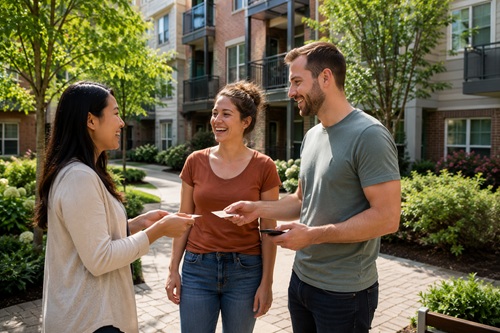
Take a few minutes to introduce yourself to the people living nearby. You don’t have to become close friends, but knowing each other’s names and exchanging contact information with trusted neighbors creates another layer of security. If you’re away for a few days, they can let you know if packages are piling up or if they notice anything unusual around your apartment.
Be Careful Who You Let In
Apartment buildings often have controlled entrances, but those systems only work when residents use them properly. It’s common to hold the door open for someone walking in behind you, but doing so without knowing whether they belong there defeats the purpose of having secured access. While it may feel impolite, there is nothing wrong with allowing people to use their own key or access code.
The same caution applies to your apartment door. If someone knocks unexpectedly, take a moment to see who it is before opening the door. If they claim to be maintenance staff, a delivery driver, or another service provider, verify who they are if you weren’t expecting them. Legitimate workers understand that residents value their security and won’t be offended by a few extra questions.
Simple Alarms Can Make a Difference
You don’t need a professionally monitored alarm system to improve your security. Battery-powered door and window alarms are inexpensive, easy to install, and require no wiring. When a protected door or window is opened, they emit a loud alarm that can startle an intruder and alert nearby neighbors.
These devices are especially useful for apartments because they continue working during internet outages and don’t require long-term contracts or monthly monitoring fees. While they won’t prevent every break-in, they can discourage someone looking for a quick and quiet entry.
Protect Your Valuables
Most apartment thefts are crimes of opportunity. Expensive electronics, important documents, cash, and spare keys should never be left where they’re easy to find. Store passports, insurance papers, financial records, and emergency cash together in a secure location so they are protected from both theft and accidental damage.
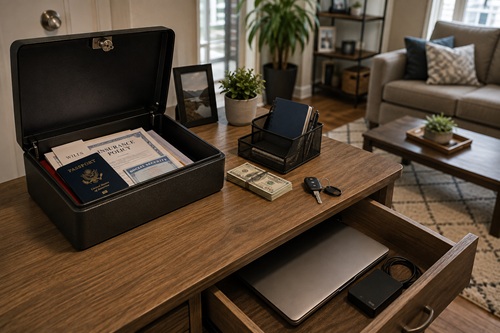
It’s also a good idea to keep laptops, tablets, and other portable electronics out of sight when they’re not being used. Leaving valuables visible through a window or on a table near the front door can attract unwanted attention. A little organization goes a long way toward protecting both your belongings and your personal information.
Protect Your Privacy
Good security also means controlling how much information other people have about you. Avoid announcing vacations or extended trips on social media until you’ve returned home. Advertising that your apartment will be empty for several days gives criminals information they don’t need.
Inside your apartment, keep important documents, emergency cash, passports, and spare keys in secure locations. Avoid predictable hiding places like under a doormat or inside a flowerpot. These are well-known hiding spots and are often checked first by anyone attempting to gain entry.
Prepare for Everyday Emergencies
Not every emergency involves crime. Apartment residents should also be prepared for situations like power outages, fires, severe weather, or water leaks. Keeping a few basic supplies on hand allows you to respond quickly without unnecessary stress.
A flashlight, spare batteries, first aid kit, bottled water, medications, phone charger, and portable battery bank are good items to keep together in an easy-to-reach location. It’s also worth knowing where your building’s emergency exits are and having more than one way to leave the building if your normal route becomes blocked.
Build Good Daily Habits
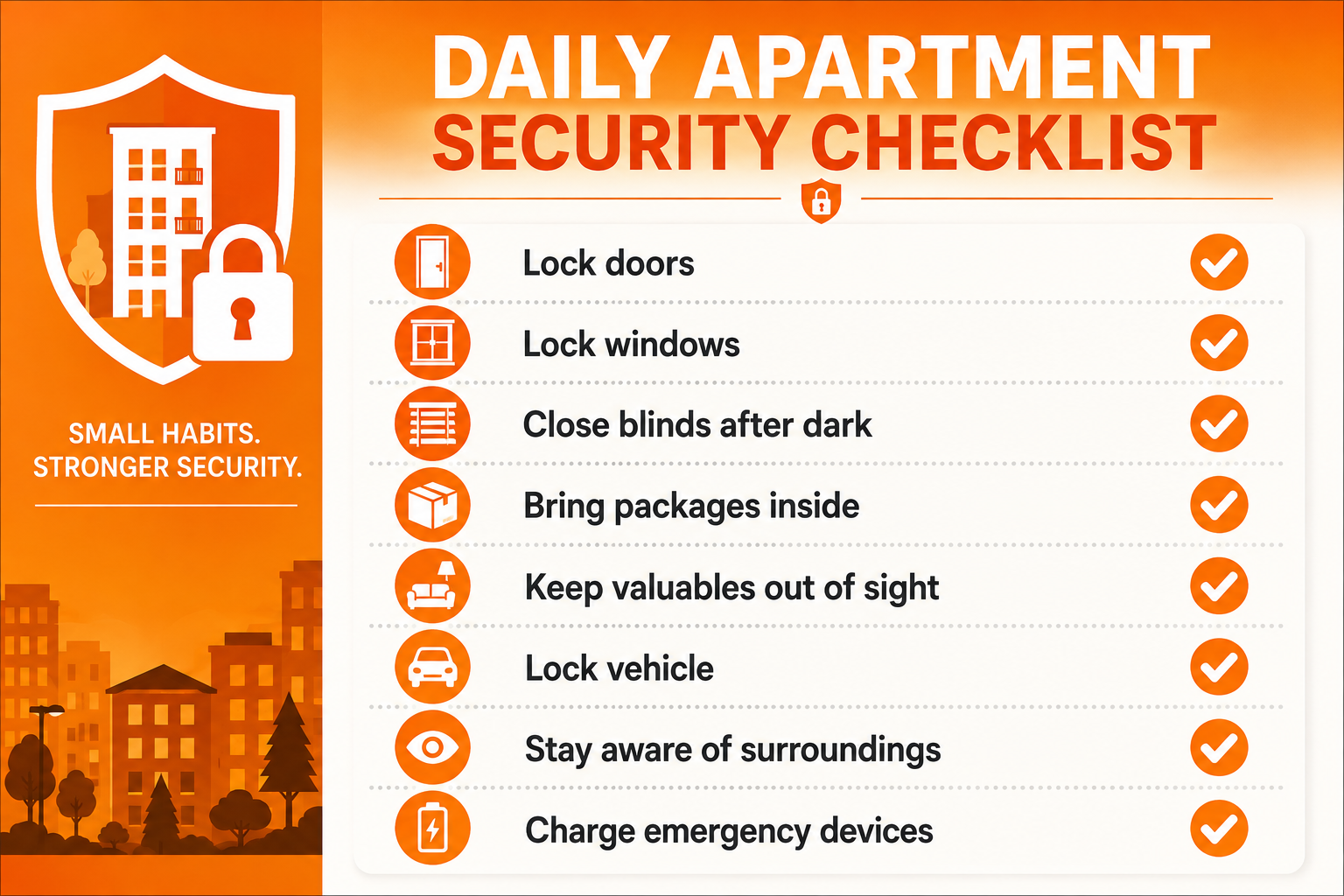
The most effective security measures are often the ones you perform without thinking. Locking your doors, checking your windows before leaving, closing blinds after dark, and bringing packages inside promptly all reduce opportunities for theft. These habits cost nothing, but they become part of a routine that makes your apartment more secure every day.
It’s also a good idea to walk through your apartment every few months and look for anything that needs attention. Test smoke detectors, replace flashlight batteries if needed, check door locks, and make sure emergency supplies are complete. Regular maintenance helps ensure everything works when you actually need it.
Consider Low-Cost Security Upgrades
You don’t need to spend hundreds of dollars to improve your apartment’s security. A few carefully chosen upgrades can provide additional protection without requiring permanent changes to the property. Portable door security bars, battery-powered door and window alarms, motion-activated lights, and fireproof document boxes are all affordable options that are easy to install and remove when you move.
When choosing security products, focus on reliability instead of features. The best security device is the one that works every time. Simple equipment that doesn’t depend on Wi-Fi, monthly subscriptions, or complicated setup is often more dependable than expensive technology that requires constant maintenance.
Protect Your Personal Information
Security isn’t limited to your front door. The information you share can also make you a target. Avoid posting vacation plans or extended trips on social media until you’ve returned home, and be careful about discussing expensive purchases or valuable collections with people you don’t know well.
Protect important documents just as carefully as your physical belongings. Passports, insurance papers, financial records, and emergency contact information should be stored together in a safe place where they can be found quickly if needed but aren’t easily accessible to someone entering your apartment.
Don’t Overlook Fire Safety
Fire is one of the most common emergencies apartment residents face, making prevention just as important as burglary protection. Test your smoke alarms regularly, know where your building’s emergency exits are located, and keep hallways and exits free from clutter. If you own a fire extinguisher, store it where it can be reached quickly and make sure everyone in your household knows how to use it safely.
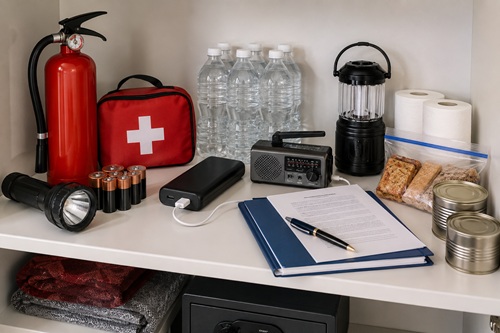
Having a flashlight, first aid kit, portable phone charger, bottled water, and a few emergency supplies in one easily accessible location also helps you respond more effectively during power outages, evacuations, or other unexpected emergencies.
Final Thoughts
Apartment security doesn’t have to be complicated or expensive. Most criminals look for easy opportunities, which means simple improvements can make a significant difference. Strong locks, secured windows, good lighting, awareness of your surroundings, and getting to know your neighbors all work together to make your apartment a less attractive target.
The best approach is to start with the basics. Lock your doors and windows, protect your privacy, stay alert, and prepare for the emergencies that are most likely to occur. As your budget allows, you can add additional security measures over time, but remember that good habits will always be your most valuable form of protection. A safer apartment isn’t built with one expensive purchase – it’s built through small, practical decisions that you make every day.
© Prepping Communities. This content is for informational purposes only and not professional advice. Use at your own risk.
Terms | Privacy | Guidelines