
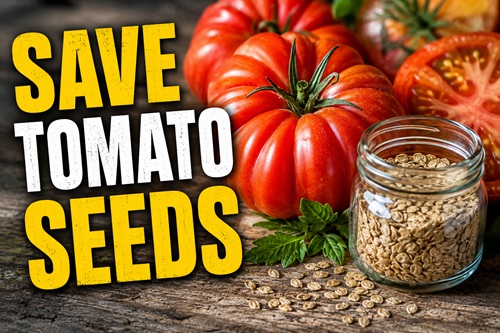
Growing heirloom tomatoes is rewarding, but learning how to save your own seeds takes your garden to another level. Every healthy tomato contains dozens of seeds capable of producing future plants, making seed saving one of the easiest ways to become more self-reliant.
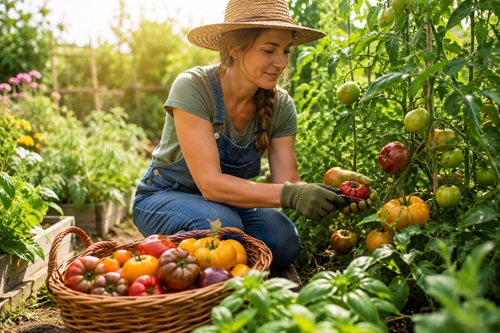
Instead of purchasing seed packets every spring, you can preserve your favorite varieties year after year while reducing gardening costs and maintaining a dependable supply of planting material. For preparedness-minded gardeners, seed saving is an important skill because it helps ensure that quality food-producing plants remain available regardless of future supply shortages.
Unlike many hybrid tomatoes, heirloom tomatoes are open-pollinated. This means that when you save seeds from a healthy heirloom plant, the next generation will usually produce tomatoes with characteristics very similar to the parent plant.
Flavor, size, color, growth habit, and productivity are far more likely to remain consistent from year to year. Over time, careful seed selection can even help develop plants that become better adapted to your local climate, soil conditions, and growing season.
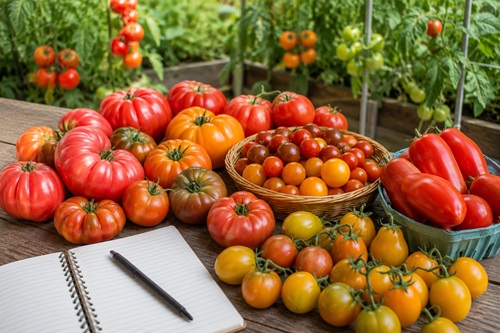
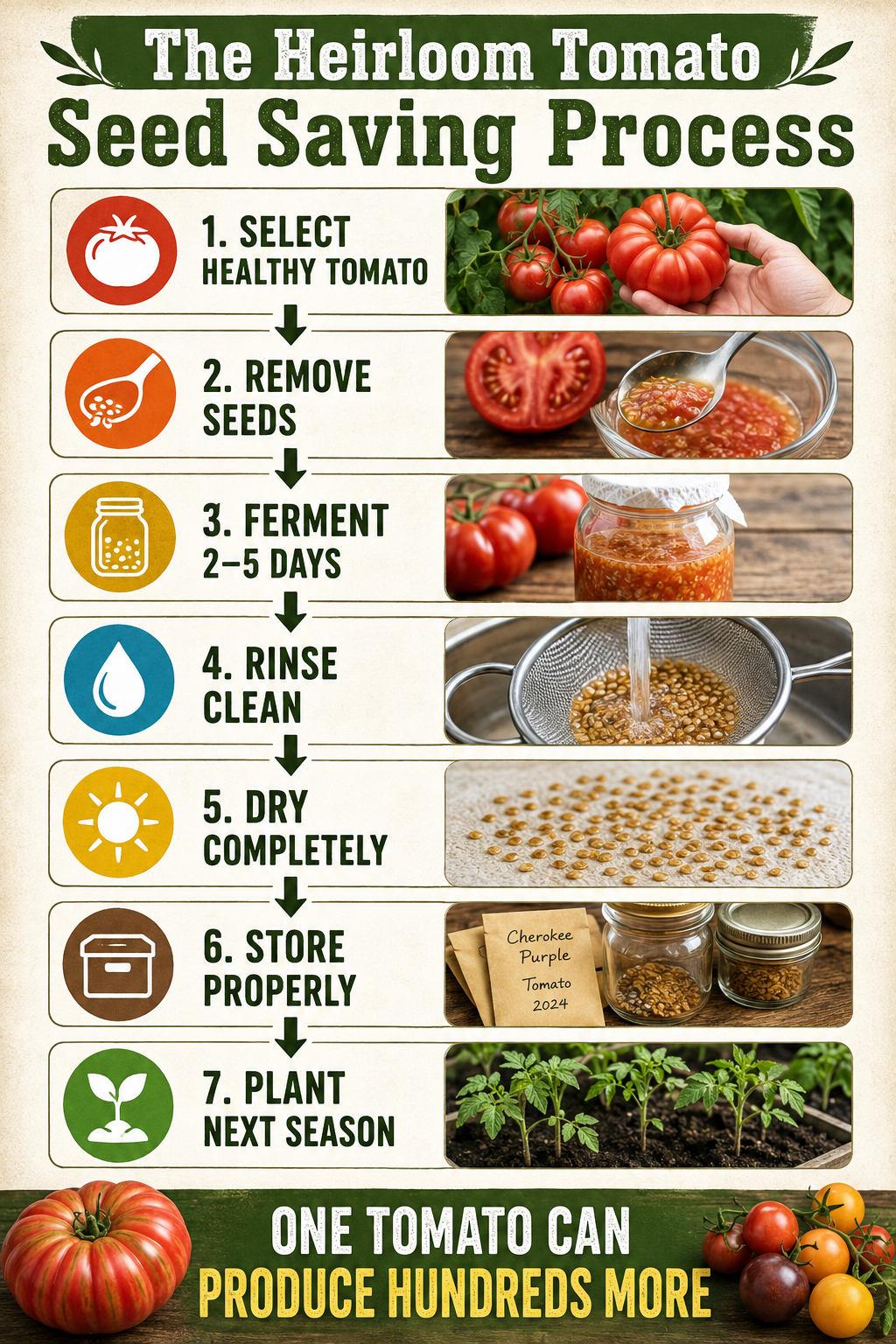
The process begins with selecting the best tomatoes in your garden. Rather than saving seeds from the first ripe tomato you harvest, spend the growing season observing your plants.
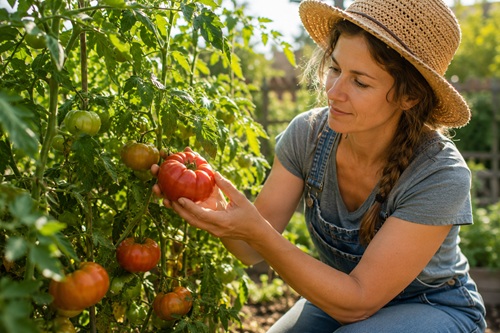
Choose tomatoes from vigorous plants that have resisted disease, produced heavy harvests, and demonstrated excellent flavor and quality. Allow the fruit to ripen fully on the vine whenever possible, as fully mature tomatoes generally contain the healthiest and most viable seeds. Avoid collecting seeds from damaged, diseased, or poorly developed fruit, since undesirable traits may be passed to future generations.
Once you’ve selected your tomato, wash it thoroughly and cut it across the middle to expose the seed cavities. Using a spoon or simply squeezing the tomato, remove the seeds along with the surrounding gel into a clean glass jar or small container.
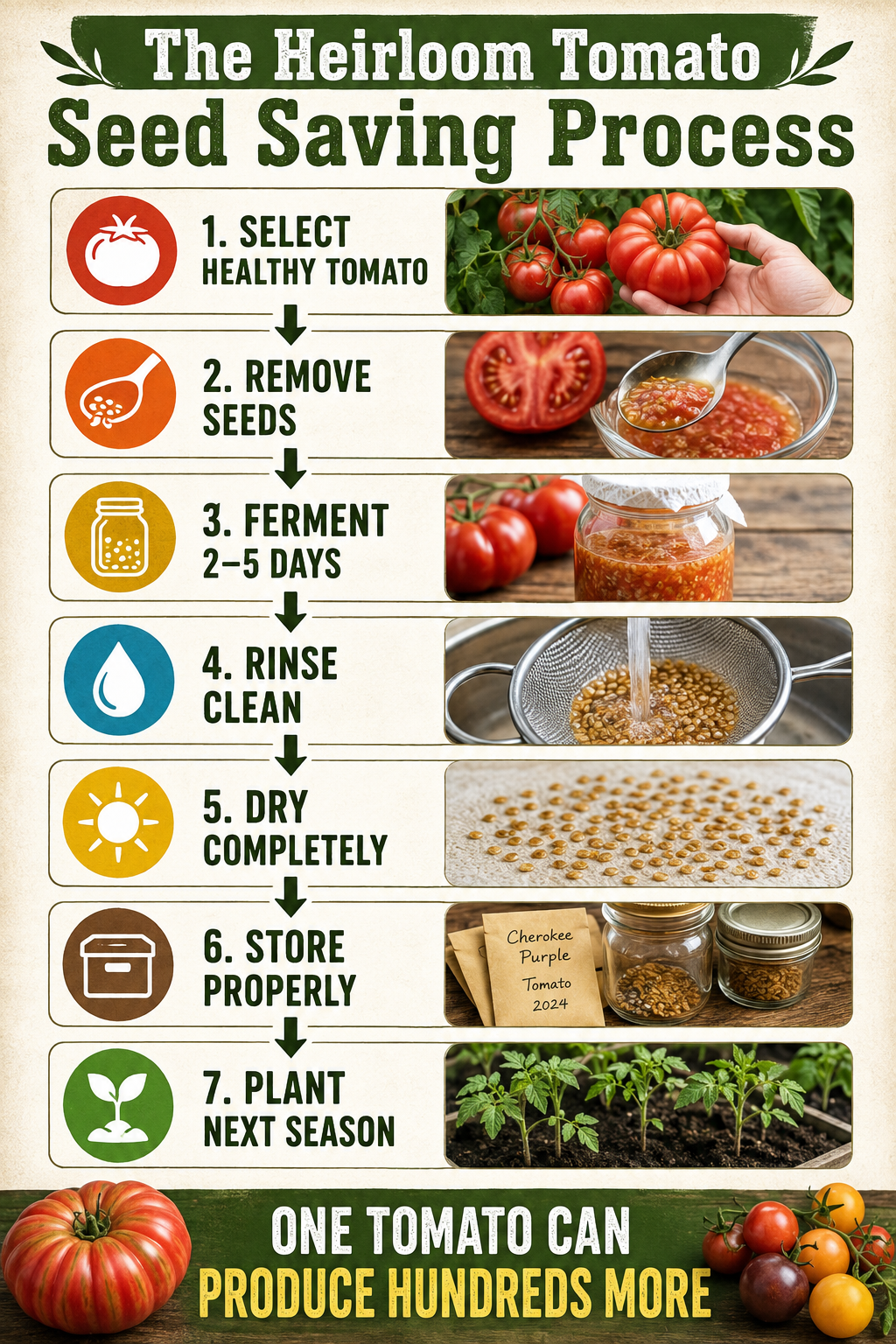
There is no need to separate every seed from the pulp at this stage because the next step naturally removes the gelatinous coating that surrounds each seed. If you’re saving multiple heirloom varieties, use separate containers and label them immediately to avoid confusion later.
One of the most important parts of the process is fermentation. Tomato seeds are naturally surrounded by a gel coating that contains compounds preventing them from sprouting inside the fruit.
Allowing the seeds to ferment for several days breaks down this coating and closely mimics what would happen if a ripe tomato naturally decomposed on the ground. Cover the container loosely with a coffee filter, paper towel, or cloth secured by a rubber band. This keeps insects out while allowing air to circulate. Place the container somewhere warm but away from direct sunlight and allow it to sit for two to five days.
During fermentation, you’ll notice bubbles forming, mold developing on the surface, and an unpleasant odor.
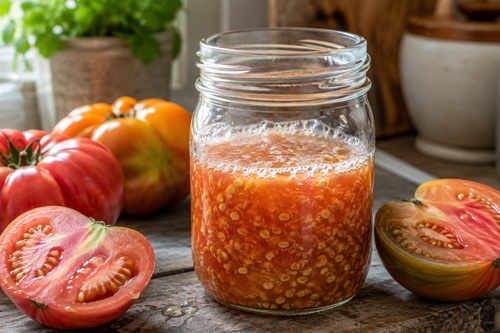
Although it may look concerning, this is a completely normal part of the process. Stirring the mixture gently once each day helps ensure even fermentation. Once most of the healthy seeds have settled to the bottom and the gel has broken down, the fermentation process is complete.
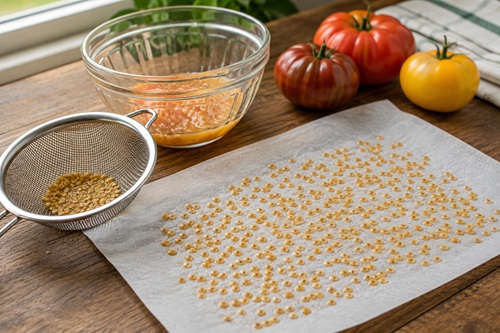
Cleaning the seeds is straightforward. Fill the container with clean water and stir gently. Viable seeds are generally heavier and sink, while bits of pulp, mold, and immature seeds float to the surface. Carefully pour off the floating material and repeat the rinsing process several times until the water is mostly clear. Pour the remaining seeds into a fine mesh strainer and rinse thoroughly under cool running water to remove any remaining residue.
After cleaning, spread the seeds in a single layer on parchment paper, a ceramic plate, or a coffee filter. Avoid paper towels, as the seeds often stick tightly once dry. Place them in a well-ventilated area away from direct sunlight and allow them to dry naturally for one to two weeks. Stirring them occasionally helps ensure even drying. Properly dried seeds should feel hard, separate easily, and show no signs of moisture before they are stored.
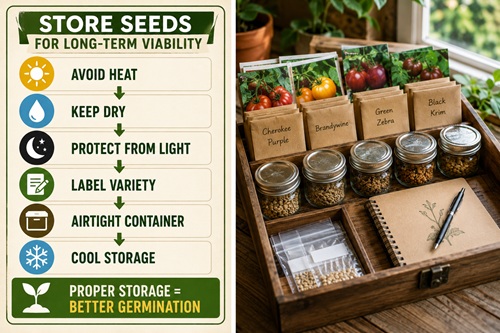
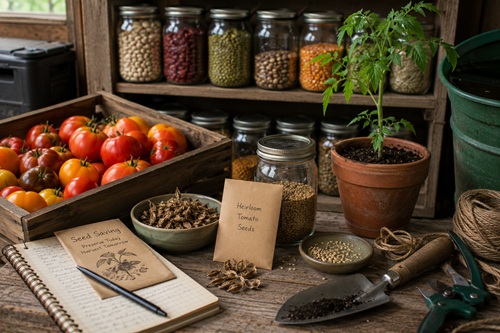
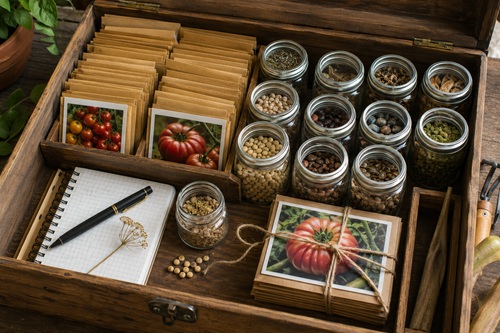
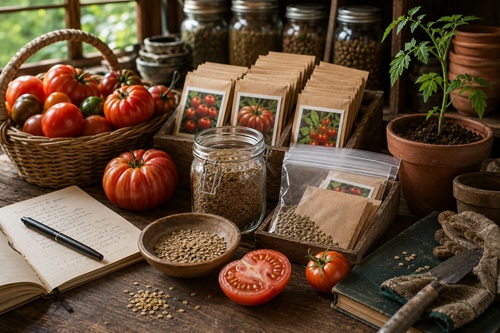
Once completely dry, transfer the seeds into labeled paper envelopes or airtight containers.
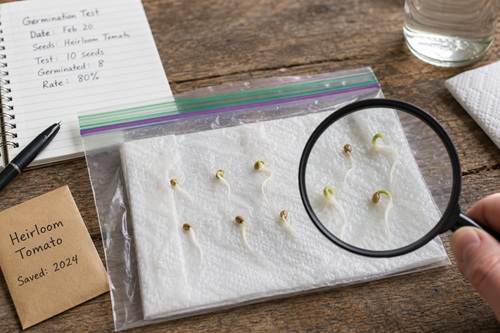
Include both the variety name and the year they were harvested. Store them in a cool, dark, and dry location where temperatures remain relatively stable. Many experienced gardeners keep their seed collections inside sealed containers with moisture-absorbing packets to further extend storage life. Under good conditions, tomato seeds often remain capable of germinating for many years, although germination rates slowly decline as seeds age.
Saving seeds offers benefits that extend well beyond reducing gardening expenses. Each season you save seeds from your healthiest plants, you gradually build a collection uniquely adapted to your own garden.
Plants become better suited to your local weather patterns, soil conditions, and growing season. This gradual adaptation has allowed gardeners throughout history to develop dependable local varieties that perform exceptionally well in their specific environments.
For anyone interested in preparedness or long-term food security, seed saving is one of the highest-value gardening skills you can develop.
A small envelope containing a few hundred tomato seeds occupies almost no storage space yet has the potential to produce hundreds of pounds of fresh food over several growing seasons. Combined with composting, food preservation, rainwater collection, and healthy soil management, seed saving becomes part of a complete cycle of sustainable food production.
There are a few common mistakes that are easy to avoid. One of the biggest is saving seeds from hybrid tomatoes, which often produce plants that differ significantly from the parent. Another is storing seeds before they are completely dry, allowing mold to develop during storage. Poor labeling is equally problematic, especially after several varieties have been harvested. Taking a few extra minutes to dry and label seeds properly will save considerable frustration when planting season returns.
Learning to save heirloom tomato seeds is more than simply preserving next year’s garden. It connects you with generations of gardeners who carefully selected, improved, and shared their favorite varieties over hundreds of years. Each growing season provides another opportunity to preserve valuable genetics, improve local adaptation, and increase your family’s food independence. With only a little practice, this simple skill can provide healthy, productive tomato plants for many years while helping preserve heirloom varieties for future generations.
© Prepping Communities. This content is for informational purposes only and not professional advice. Use at your own risk.
Terms | Privacy | Guidelines