
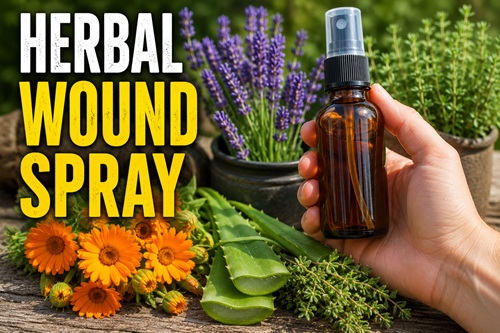
A Practical Guide to Making and Using a Natural First Aid Spray for Minor Injuries
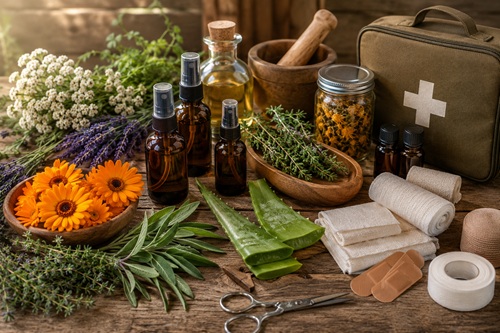
Everyday life has a way of reminding us how easy it is to get hurt. Whether you’re pruning fruit trees, repairing a fence, chopping firewood, working in the workshop, hiking a forest trail, or simply preparing dinner in the kitchen, small cuts, scrapes, blisters, burns, and abrasions are almost impossible to avoid. Most of these injuries are minor, but even a small wound deserves proper attention. A neglected scrape can become irritated, contaminated, or infected, turning what should have been a simple injury into something much more serious.
For most people, the first response is to reach for a commercial antiseptic spray or ointment. These products are convenient, widely available, and often very effective. However, preparedness is about having options. Stores may not always be open, supply chains can be disrupted, and emergency situations sometimes occur when replacing everyday medical supplies is difficult or impossible. Learning how to prepare simple herbal remedies provides another layer of self-reliance while helping you better understand the medicinal plants that have supported human health for thousands of years.
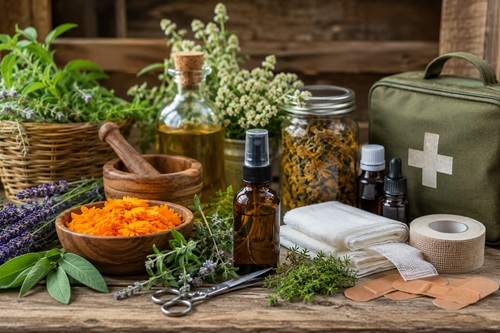
Long before pharmacies existed, people relied on the natural world for wound care. Across nearly every culture, certain plants became trusted companions because they consistently helped clean wounds, soothe damaged skin, and support the body’s remarkable ability to heal itself. Modern scientific research continues to investigate many of these traditional remedies, and while herbal medicine should never replace appropriate medical care for serious injuries, studies have shown that several commonly used herbs contain compounds with antimicrobial, anti-inflammatory, antioxidant, and skin-supporting properties.
One preparation that has remained popular among herbalists is the herbal antiseptic wound spray. Unlike thick creams or sticky ointments, a spray can be applied without touching the injured area, making it especially useful for fresh scrapes, painful abrasions, minor burns, insect bites, or areas where dirt and debris need to be gently rinsed away. When prepared correctly, an herbal spray becomes a practical addition to a home first aid kit, camping supplies, bug-out bag, workshop, vehicle, or homestead medicine cabinet.
It is important to understand what this type of preparation is—and what it is not. An herbal wound spray is designed to assist with minor superficial injuries such as small cuts, scrapes, abrasions, and skin irritation. It is not intended to replace professional medical treatment for deep cuts, puncture wounds, severe burns, animal bites, or wounds that show signs of infection. Good preparedness means recognizing the limitations of every tool you own, including natural remedies. Knowing when to seek professional medical attention is every bit as important as knowing how to care for minor injuries yourself.
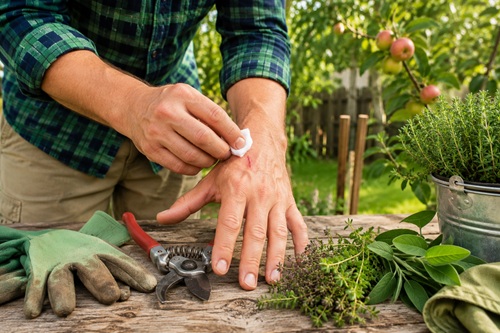
Learning to make your own wound spray offers benefits that extend well beyond the finished bottle sitting on your shelf. It teaches you how medicinal herbs work, encourages you to grow useful plants in your own garden, and develops practical skills that can be applied to many other herbal preparations. Once you understand the principles behind herbal infusions, you’ll discover that the same techniques can be used to create salves, compresses, skin washes, herbal oils, and dozens of other useful first aid products. Each new skill increases your confidence and reduces your dependence on commercially manufactured supplies.
Perhaps most importantly, creating herbal first aid products changes the way you look at the plants growing around you. Calendula is no longer just an attractive flower. Yarrow becomes more than a roadside wildflower. Lavender offers far more than its pleasant fragrance, and aloe vera becomes more than an ornamental houseplant. These plants become renewable resources that, with proper knowledge and preparation, can contribute to the health and resilience of your household for many years.
Like any preparedness skill, making an herbal antiseptic wound spray is best learned before you actually need it. Practicing now allows you to become familiar with the ingredients, understand proper preparation techniques, and gain confidence using the finished product during everyday situations. When emergencies occur, that knowledge becomes just as valuable as the supplies themselves.
Why Learn to Make Your Own Wound Spray?
One of the most overlooked aspects of preparedness is routine medical care. Many people spend considerable time assembling emergency food supplies, water storage systems, backup power sources, and communication equipment, yet give relatively little thought to the everyday injuries that are far more likely to occur. In reality, most medical situations encountered at home involve simple cuts, scrapes, splinters, burns, blisters, or insect bites rather than dramatic life-threatening emergencies.
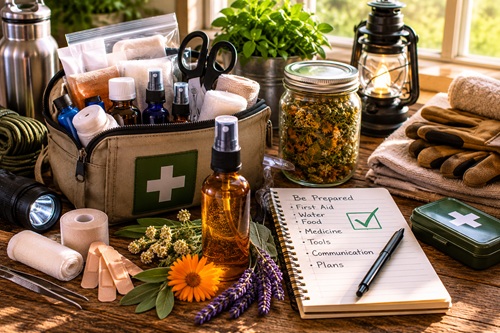
These seemingly minor injuries deserve proper care because the skin serves as the body’s primary protective barrier. Once that barrier has been broken, even a small wound provides an opportunity for bacteria and other microorganisms to enter the body. Proper cleaning and ongoing care reduce the risk of complications while supporting the body’s natural healing process.
Learning to prepare an herbal wound spray is also an opportunity to become more self-reliant. Rather than depending entirely on commercially produced products, you begin developing the ability to create effective first aid supplies from ingredients that can often be grown, harvested, or stored at home. This knowledge can be especially valuable for those living in rural areas, spending extended periods outdoors, or preparing for situations where normal shopping opportunities may be temporarily unavailable.
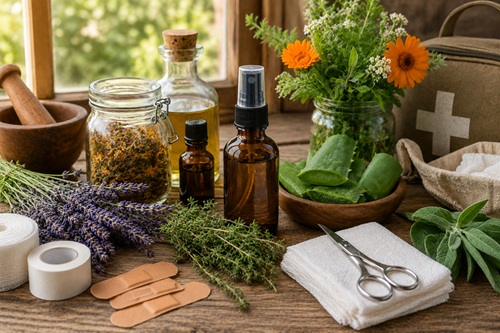
Another advantage is understanding exactly what goes into your preparation. Many commercial products contain preservatives, artificial fragrances, dyes, or high concentrations of alcohol that some people find irritating when applied to damaged skin. By preparing your own herbal spray, you control every ingredient, allowing you to choose fresh herbs, alcohol-free extracts, and high-quality essential oils that meet your own preferences.
Making herbal remedies also encourages continuous learning. As you become familiar with one preparation, you’ll naturally begin exploring other medicinal plants, learning when to harvest them, how to preserve them, and how they have traditionally been used. Over time, your medicinal garden can become just as valuable as your vegetable garden, providing renewable resources that support your family’s health while strengthening your preparedness skills.
Finally, there is a certain satisfaction that comes from caring for yourself and your family using skills that have been passed down through generations. Modern medicine has given us extraordinary tools that should never be overlooked, but traditional herbal knowledge continues to provide practical value today. Combining both approaches creates a balanced, well-rounded preparedness strategy that draws on the strengths of each.
Understanding Minor Wounds: When an Herbal Wound Spray Is Appropriate
One of the most important principles of first aid is understanding that not every wound should be treated the same way. A small scrape on your hand after working in the garden requires very different care than a deep puncture wound from a rusty nail or a severe burn from boiling water. Knowing the difference helps you choose the right treatment while recognizing when professional medical care is necessary.
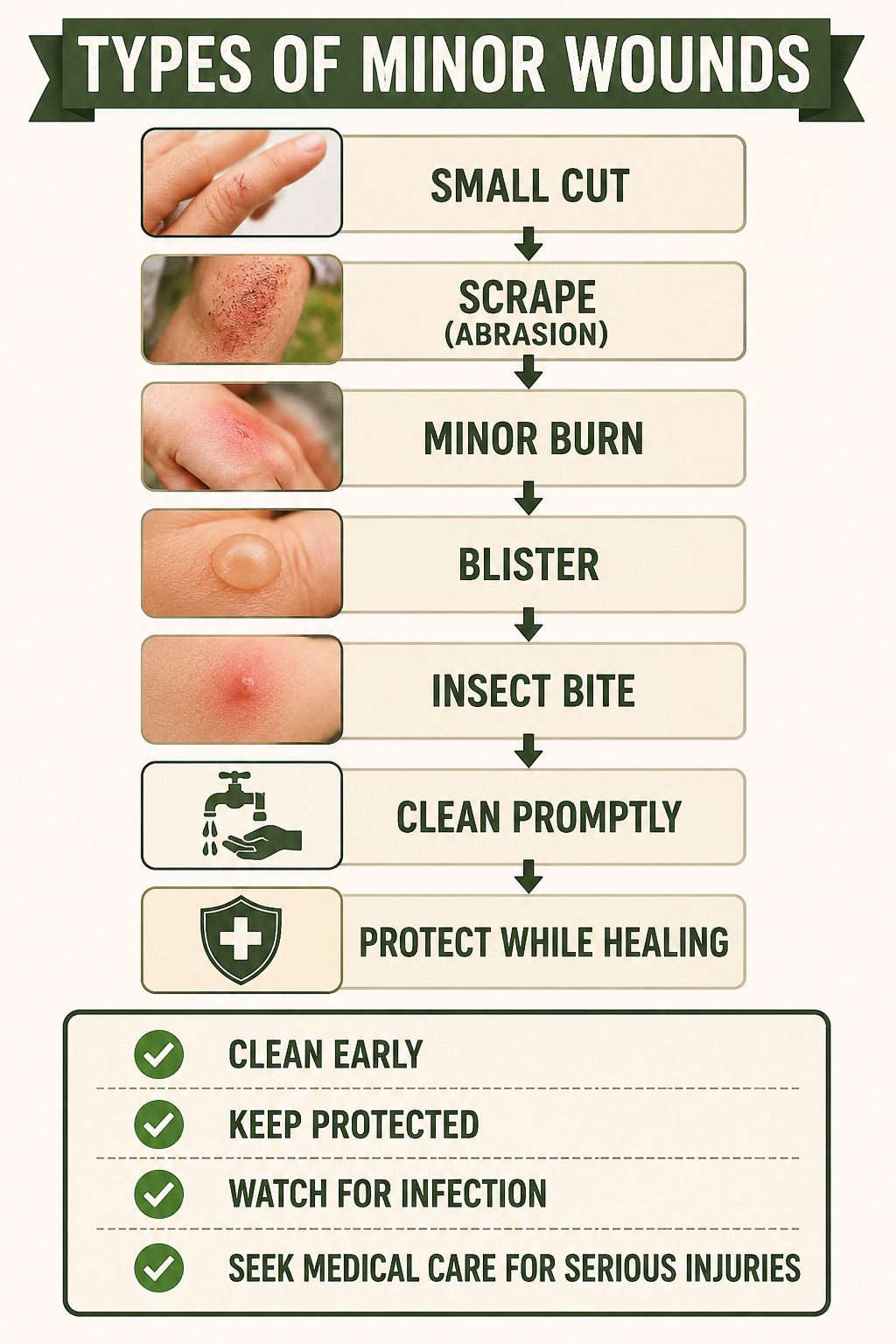
An herbal antiseptic wound spray is intended for minor superficial injuries involving only the outer layers of the skin. These are the types of wounds most people experience during everyday activities around the home, garden, workshop, or campsite. Although they are usually not life-threatening, they still deserve prompt attention because damaged skin provides an opening through which bacteria and other microorganisms can enter the body.
One of the most common injuries is a simple cut. Kitchen knives, utility knives, pruning shears, and hand tools can all produce small cuts that bleed slightly but remain shallow. After the bleeding has been controlled and the wound has been gently cleaned, an herbal wound spray may be useful for helping keep the area clean while soothing the surrounding skin.
Scrapes, also known as abrasions, are another ideal use for this type of preparation. Unlike cuts, abrasions remove the outer layers of skin by friction. Falling from a bicycle, slipping on gravel, crawling beneath equipment, or brushing against rough wood can all produce painful abrasions that often contain dirt or small particles. Because sprays can be applied without rubbing the damaged skin, they are often more comfortable than creams or ointments during the first stages of treatment.
Minor burns may also benefit from an herbal wound spray after the affected area has been cooled with clean running water. Contact with a hot pan, campfire, steam, or sun exposure can leave the skin red, irritated, and tender. While more serious burns require immediate medical attention, superficial burns that affect only the outer layer of skin often respond well to gentle cleansing and soothing care.
Blisters are another common injury, particularly for hikers, gardeners, construction workers, and anyone spending long hours on their feet. An intact blister generally protects the underlying tissue and should usually be left alone. However, if a blister opens naturally, keeping the area clean becomes important to reduce the risk of infection. A gentle herbal spray can help cleanse the exposed skin without excessive irritation.
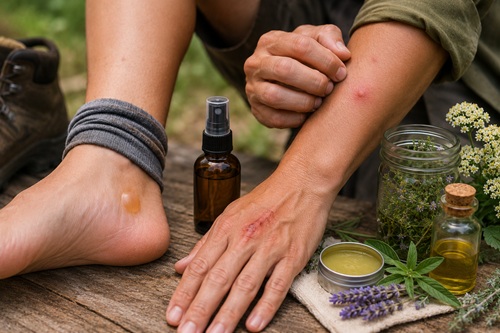
Insect bites and stings are slightly different because they are not traditional wounds, yet they often produce redness, itching, swelling, and localized irritation. Many of the herbs commonly included in natural wound sprays have long histories of use for calming irritated skin, making them useful additions to a general-purpose outdoor first aid kit.
Small scratches from pets, rose bushes, thorny shrubs, or branches are also common situations where an herbal spray may be appropriate after the wound has been cleaned. Although these injuries often appear insignificant, they should still be monitored closely for signs of infection, especially if the scratch was caused by an animal.
While herbal wound sprays have many useful applications, they are not appropriate for every injury. Deep puncture wounds deserve special attention because bacteria can become trapped beneath the surface where topical treatments cannot easily reach. Stepping on a nail, being punctured by a fishhook, or suffering an animal bite are examples of injuries that require professional medical evaluation rather than relying on homemade remedies.
Large or deep cuts that continue bleeding despite direct pressure should also be treated as medical emergencies. Wounds that expose muscle, tendons, fat, or bone may require stitches or other advanced treatment to heal properly. Attempting to manage these injuries at home can increase the risk of infection, excessive blood loss, and poor healing.
Burns deserve careful evaluation as well. While a mild burn affecting only the outer layer of skin can often be managed at home, burns covering large areas of the body, involving the face, hands, feet, or genitals, or causing blistering over significant portions of the skin require prompt medical attention. Chemical burns and electrical burns should always be treated as emergencies.
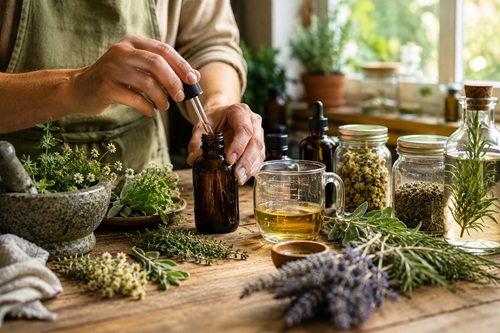
Another important consideration is infection. Even a small wound can become infected if bacteria begin multiplying within the damaged tissue. Increasing redness, swelling, warmth, pus, foul odor, red streaks extending away from the wound, fever, or worsening pain are all warning signs that should never be ignored. An herbal spray is not a substitute for appropriate medical treatment once an infection has developed.
People with certain medical conditions should exercise additional caution with any wound, regardless of its size. Individuals with diabetes, poor circulation, weakened immune systems, or other chronic health conditions often heal more slowly and face a greater risk of complications. In these situations, even seemingly minor injuries deserve careful monitoring and, when appropriate, professional medical evaluation.
Understanding these limitations is an important part of preparedness. Being self-reliant does not mean attempting to treat every injury yourself. Instead, it means developing the knowledge to recognize which situations can be safely managed at home and which require additional medical care. An herbal antiseptic wound spray is one valuable tool within a much larger first aid system, and knowing when to use it is just as important as knowing how to make it.
Understanding How Wounds Heal
The human body possesses an extraordinary ability to repair itself. Every day, millions of tiny injuries occur without us even noticing. A paper cut, a scratched knuckle, or a blister from a long hike may seem insignificant, yet each one triggers a remarkably complex healing process involving specialized cells, proteins, blood vessels, and the immune system. Long before modern medicine existed, this natural healing ability allowed people to recover from countless injuries, provided the wound remained clean and free from serious infection.
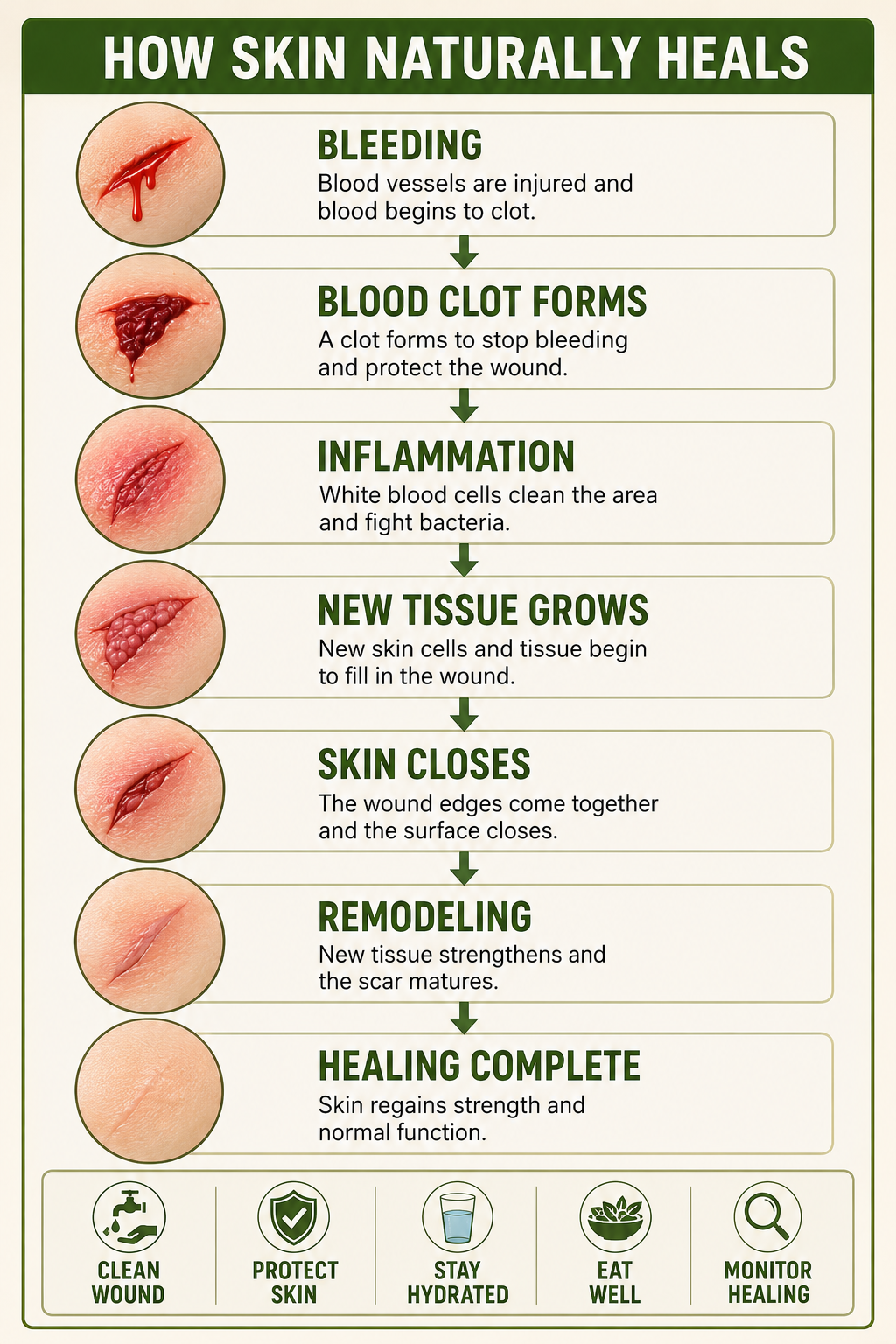
Understanding how wounds heal helps explain why proper first aid is so important. Herbal remedies do not perform the healing themselves. Instead, they help create an environment that supports the body’s own repair mechanisms while keeping the wound clean and comfortable. This distinction is important because no cream, spray, ointment, or herbal preparation can replace the body’s remarkable ability to regenerate damaged tissue.
Immediately after an injury occurs, the body enters what is known as the hemostasis phase. Blood vessels around the wound begin to constrict, slowing blood loss while platelets quickly gather to form a clot. This clot acts as a temporary seal, protecting the injured area while providing the foundation for new tissue to develop. For small cuts and scrapes, this process often takes only a few minutes, although deeper wounds naturally require more time.
Once bleeding has been controlled, the body shifts into the inflammatory phase. While inflammation often has a negative reputation, it is actually one of the most important parts of healing. During this stage, increased blood flow delivers white blood cells to the injured area where they begin removing dirt, bacteria, damaged tissue, and other foreign material. Mild redness, warmth, swelling, and tenderness are completely normal during this stage and indicate that the body’s defense system is actively responding to the injury.
Although some inflammation is beneficial, excessive or prolonged inflammation can delay healing and increase discomfort. This is one reason many traditional medicinal herbs have been valued for centuries. Plants such as calendula, yarrow, lavender, and aloe vera have long been used because they appear to help calm irritated tissue while supporting the body’s normal inflammatory response rather than completely suppressing it.
After the wound has been cleaned internally by the immune system, the body enters the proliferation phase. During this stage, new tissue begins replacing what was damaged. Tiny new blood vessels grow into the wound, bringing oxygen and nutrients needed for repair. Specialized cells known as fibroblasts begin producing collagen, one of the body’s primary structural proteins. At the same time, fresh skin cells slowly migrate across the wound surface, gradually closing the injury from the edges inward.
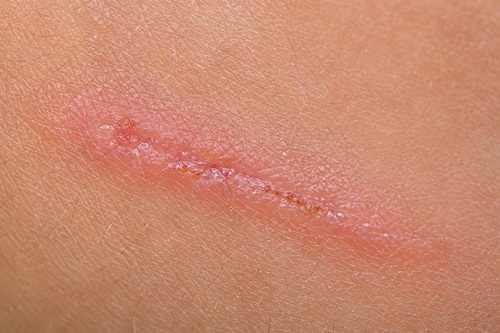
This phase depends heavily on maintaining a healthy environment around the wound. Tissue that becomes excessively dry may crack and heal more slowly, while tissue that remains overly wet may become vulnerable to bacterial growth. The goal is to maintain a clean, slightly moist environment that supports healthy cell growth while protecting the wound from additional contamination. Many herbal preparations are designed with this balance in mind, combining ingredients that cleanse the skin without causing unnecessary drying.
The final stage of healing is known as the remodeling phase. Although the wound may appear healed on the surface, the body continues strengthening the repaired tissue for weeks or even months. Collagen fibers reorganize, blood vessels mature, and the skin gradually regains much of its original strength. Even after complete healing, a scar may remain as evidence of the body’s remarkable ability to repair itself.
The speed of this entire process varies considerably from person to person. Age, nutrition, hydration, overall health, circulation, and underlying medical conditions all influence how quickly wounds heal. People with diabetes, poor circulation, or compromised immune systems often require additional care because their wounds may heal more slowly and face a greater risk of infection. This is another reason why proper wound care should never be overlooked, even when dealing with seemingly minor injuries.
Environmental conditions also play an important role. Dirt, grease, plant material, or other contaminants left inside a wound increase the likelihood of infection and can significantly delay healing. Likewise, repeatedly reopening a wound through friction or excessive movement forces the body to begin parts of the healing process all over again. Cleaning the injury promptly, protecting it from further damage, and monitoring it closely are among the simplest yet most effective ways to support recovery.
Nutrition is another often-overlooked aspect of wound healing. The body requires adequate protein to build new tissue, vitamin C to support collagen production, zinc for normal immune function, and sufficient water to transport nutrients throughout the body. No topical spray, whether herbal or commercial, can compensate for poor nutrition or dehydration. Effective wound care always combines proper external treatment with the internal resources the body needs to rebuild damaged tissue.

One of the greatest lessons from understanding wound healing is that there is no single “magic ingredient.” Successful healing depends on many factors working together. The body’s immune system, blood supply, nutrition, cleanliness, moisture balance, and protection from further injury all contribute to the final outcome. This explains why traditional herbalists often combined several medicinal plants into one preparation rather than relying on a single herb. Each ingredient contributes something slightly different, creating a balanced formula that supports multiple aspects of the healing process.
For preparedness-minded individuals, understanding how wounds heal is every bit as valuable as knowing how to prepare an herbal remedy. When you understand the body’s natural repair process, you begin making better decisions about cleaning wounds, selecting appropriate dressings, recognizing signs of infection, and knowing when professional medical care is necessary. Herbal wound sprays are simply one tool that supports this remarkable biological process, helping the body do what it was designed to do.
What Makes an Effective Herbal Wound Spray?
A common misconception about wound care is that the strongest antiseptic is always the best choice. For many years, people believed that if a product stung when it was applied, it must be killing germs and therefore working effectively. While disinfecting a wound is certainly important, modern wound care recognizes that successful healing involves much more than simply eliminating bacteria. In fact, products that are overly harsh can damage healthy tissue, delay healing, and cause unnecessary discomfort.
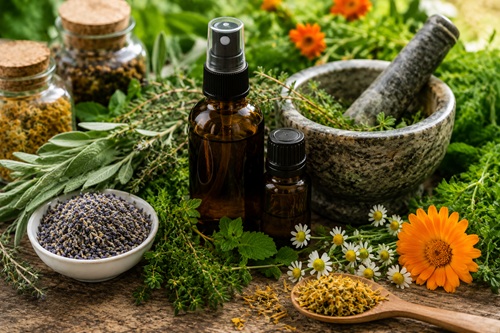
An effective herbal wound spray is designed with a different philosophy. Rather than relying on one powerful ingredient, it combines several herbs that work together to support the body’s natural healing process. Each ingredient has a specific role, whether it is cleansing the wound, soothing irritated skin, maintaining healthy moisture, or supporting the body’s normal inflammatory response. The objective is not to overwhelm the wound with strong chemicals but to create an environment where healthy tissue can recover naturally.
The first goal of any wound spray is cleansing. Dirt, dust, wood splinters, plant material, grease, and other debris often become trapped inside even the smallest cuts and scrapes. Removing this contamination reduces the number of bacteria present and lowers the risk of infection. A good herbal wound spray helps rinse away surface contaminants while remaining gentle enough for repeated use during the healing process.
The second objective is to help reduce the number of microorganisms on the surface of the wound. Many medicinal herbs naturally contain plant compounds that have demonstrated antibacterial or antifungal activity in laboratory studies. While these herbs should never be viewed as replacements for prescription antibiotics when treating serious infections, they have long been valued for helping keep minor wounds clean. Herbs such as thyme, tea tree, sage, and goldenseal have earned strong reputations because of these naturally occurring properties.
Another important function is calming irritated tissue. After an injury, the surrounding skin often becomes red, swollen, and tender. This inflammatory response is a normal part of healing, but excessive irritation can become uncomfortable and may slow recovery. Herbs such as calendula, lavender, aloe vera, and yarrow have traditionally been used because they appear to support the body’s normal healing response while helping soothe damaged skin. Their gentle nature makes them especially suitable for preparations intended for repeated use.
Maintaining the proper moisture balance is equally important. Years ago, it was commonly believed that wounds healed best when allowed to dry completely and form thick scabs. Modern research has shown that many superficial wounds actually heal more efficiently when maintained in a slightly moist environment. Moist tissue allows new skin cells to migrate more easily across the wound while reducing cracking and discomfort caused by excessive dryness. Ingredients such as aloe vera and lavender hydrosol help support this moisture balance without leaving a heavy residue.
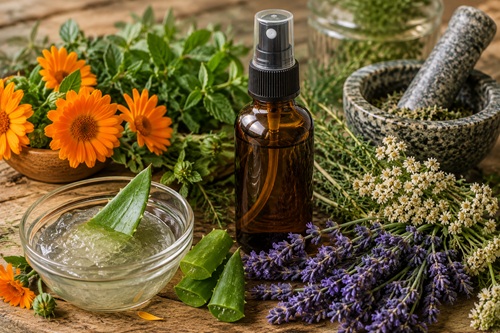
Comfort should not be overlooked either. Anyone who has sprayed alcohol directly onto a fresh scrape understands how painful some antiseptics can be. Although discomfort does not necessarily indicate that a product is harmful, excessive stinging often discourages people from properly cleaning their wounds or reapplying treatment when necessary. A well-designed herbal spray aims to provide effective cleansing while remaining gentle enough that it can be used several times each day without causing unnecessary pain.
Stability is another consideration that is often overlooked. Herbal ingredients are natural products, and like all natural products they gradually lose their potency over time. An effective recipe uses ingredients that work well together while remaining reasonably stable during storage. Proper bottling, careful sanitation during preparation, and storing the finished spray away from excessive heat and sunlight all contribute to maintaining its quality. No herbal preparation lasts forever, but careful preparation can significantly extend its useful life.
Ease of use is equally important. During an emergency or while working outdoors, there may not be time to prepare complicated treatments. A spray bottle allows the solution to be applied quickly without touching the wound directly, reducing discomfort and helping maintain cleanliness. It also allows difficult-to-reach areas to be treated more easily than creams or thick ointments. For this reason, many people choose to keep small bottles in several locations, including their home first aid kit, workshop, vehicle, camping gear, and bug-out bag.
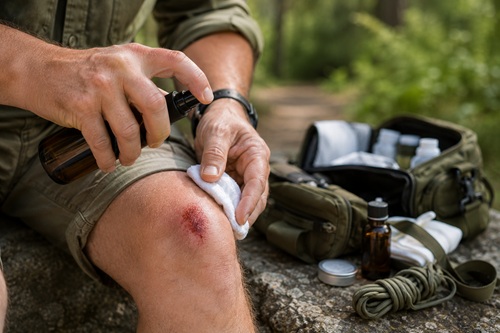
An effective wound spray should also be versatile. While its primary purpose is caring for minor cuts and scrapes, many people find similar preparations useful for treating small burns, insect bites, skin irritation, blisters, and minor abrasions. Although different injuries sometimes require different approaches, having one well-balanced preparation capable of addressing a variety of common situations simplifies any first aid kit.
Perhaps the most important characteristic of an effective herbal wound spray is that it recognizes its own limitations. No topical preparation, whether natural or commercial, can replace proper wound cleaning, good hygiene, adequate nutrition, or professional medical care when serious injuries occur. Herbal remedies should be viewed as one part of a complete first aid strategy rather than a cure for every injury. Understanding both their strengths and their limitations allows them to be used safely and effectively.
Once you understand these principles, the individual ingredients begin to make much more sense. Each herb contributes something different to the overall preparation. Some provide gentle cleansing, others help soothe irritated tissue, some contribute antimicrobial compounds, while others help maintain healthy moisture or improve the stability of the finished spray. Rather than relying on one “miracle herb,” the recipe combines several carefully selected plants whose properties complement one another, creating a balanced preparation that has remained popular among herbalists for generations.
Understanding the Ingredients
Now that we’ve established what an effective herbal wound spray is designed to accomplish, we can examine the individual ingredients in greater detail. Each plant has earned its place through centuries of traditional use and, in many cases, modern scientific investigation. Understanding not only what each ingredient is, but why it is included, will help you make informed decisions when preparing your own herbal remedies and deepen your appreciation for the remarkable medicinal plants that can often be grown right in your own backyard.
One of the greatest strengths of herbal medicine is that it rarely depends on a single ingredient to accomplish every task. Instead, carefully selected herbs are combined because each contributes its own unique properties to the finished preparation.
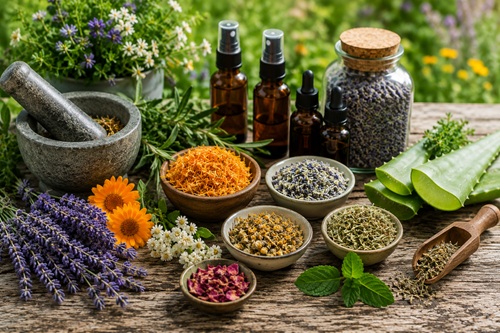
Some herbs help cleanse the skin, others calm irritation, some provide antioxidant compounds, while others help maintain moisture or support the body’s normal healing processes. Together, these ingredients create a balanced formula that addresses several aspects of wound care at the same time.
Traditional herbalists have understood this principle for centuries. Rather than searching for one “miracle plant,” they learned which herbs worked well together and how combining them often produced better results than using a single herb alone. Modern research has begun to explain many of these traditional observations by identifying naturally occurring compounds such as flavonoids, tannins, terpenoids, essential oils, and antioxidants that contribute to each plant’s medicinal properties.
The ingredients described in this guide have earned their place through generations of traditional use and, in many cases, growing scientific interest. Although no herbal preparation should ever be viewed as a substitute for appropriate medical care, understanding why each ingredient is included helps transform a simple recipe into a well-designed herbal first aid product.
Aloe Vera: Nature’s Skin Soother
Few medicinal plants are as instantly recognizable as aloe vera. Its thick, fleshy leaves contain a clear gel that has been used for skin care by cultures throughout the world for thousands of years. Ancient Egyptian writings referred to aloe as the “plant of immortality,” while Greek, Roman, Chinese, and Indian civilizations all documented its medicinal uses long before modern medicine existed.
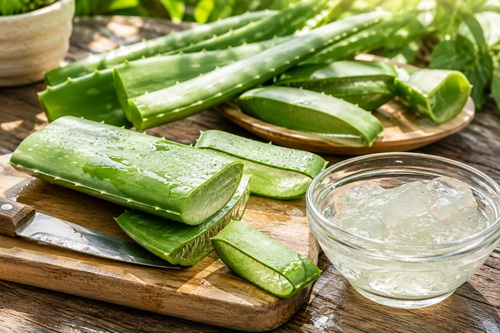
The clear gel found inside the leaf is composed primarily of water, but it also contains naturally occurring polysaccharides, vitamins, minerals, amino acids, enzymes, and antioxidants that contribute to its reputation as one of nature’s most versatile skin-care plants. When applied to minor wounds, aloe provides cooling moisture that helps soothe irritated skin without leaving behind a greasy residue.
One of the reasons aloe remains so popular is its ability to help maintain a healthy moisture balance. Wounds that become excessively dry often crack and may heal more slowly, while tissue kept slightly moist generally allows new skin cells to migrate more efficiently across the injured area. Aloe helps create this balanced environment while providing a soothing sensation that many people find comforting after minor burns or abrasions.
For preparedness enthusiasts, aloe vera offers another significant advantage—it is remarkably easy to grow. A single healthy plant can provide fresh gel for years with very little care. Because it thrives indoors in containers, even people living in apartments or colder climates can keep aloe available throughout the year. During emergencies, having immediate access to fresh aloe without relying on stores makes it one of the most valuable medicinal plants to own.
When harvesting aloe, select one of the larger outer leaves near the base of the plant. Using a clean knife, remove the leaf and allow the yellow sap near the cut end to drain away before opening the leaf to collect the clear gel inside. Fresh gel is generally preferred whenever practical, although commercially prepared aloe gel can also be used if it contains a high percentage of pure aloe and minimal artificial additives.
Witch Hazel: More Than Just an Astringent
Although many people recognize witch hazel as a common pharmacy product, relatively few realize that it originates from a native North American shrub known as Hamamelis virginiana. Indigenous peoples used witch hazel for centuries before European settlers adopted many of its medicinal applications. Today, it remains one of the most widely used botanical extracts in natural skin-care products.
Witch hazel is rich in naturally occurring tannins, compounds that give it its characteristic astringent properties. These tannins temporarily tighten surface tissues while helping cleanse the skin and remove excess oils.
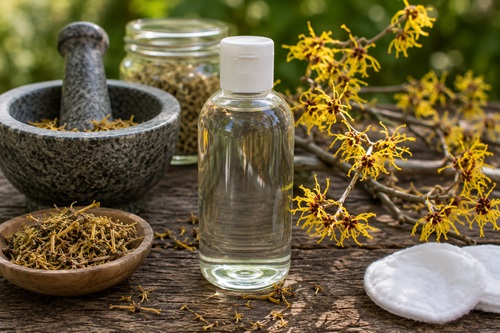
For minor cuts and abrasions, this mild cleansing action makes witch hazel an excellent foundation for an herbal wound spray.
Unlike plain water, witch hazel also serves another important purpose during preparation. It functions as an extraction medium, drawing beneficial compounds from herbs such as calendula, sage, thyme, and yarrow during the infusion process. As the herbs soak, many of their water-soluble and alcohol-soluble constituents gradually move into the witch hazel, creating a liquid rich in botanical compounds that becomes the foundation of the finished spray.
Many commercial witch hazel products contain alcohol because it improves shelf life. While these products certainly have their place, alcohol-free witch hazel is often preferred for wound sprays intended for repeated application to sensitive skin. Alcohol can sometimes produce excessive drying or stinging, particularly when applied to freshly damaged tissue. An alcohol-free version provides the cleansing benefits while remaining considerably gentler.
Witch hazel is also remarkably versatile beyond wound care. It is commonly used after shaving, for minor skin irritation, insect bites, and as a gentle facial toner. Keeping a bottle in your preparedness supplies provides multiple uses from a single product, making it a worthwhile addition to any natural medicine cabinet.
Calendula: One of the Most Valuable Medicinal Flowers
If there is one plant that nearly every herbalist recommends growing, it is calendula. Bright, cheerful, and easy to cultivate, calendula has earned an outstanding reputation for skin care that spans hundreds of years. While many ornamental flowers provide only beauty, calendula offers both beauty and practical medicinal value.
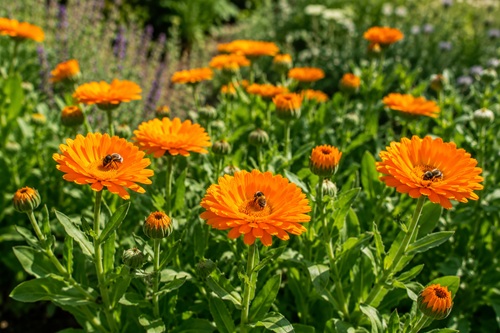
The vibrant orange and yellow blossoms contain numerous naturally occurring compounds, including flavonoids, carotenoids, triterpenoids, and essential oils. These compounds have attracted growing scientific interest because of their antioxidant and anti-inflammatory properties. Traditional herbalists, however, recognized calendula’s usefulness long before these compounds were identified in laboratories.
Calendula has been used to support the care of cuts, scrapes, burns, rashes, chapped skin, insect bites, and numerous other minor skin conditions. Its reputation comes not from aggressive antimicrobial action but from its remarkable gentleness. It is one of the few medicinal herbs that can often be used repeatedly without causing significant irritation, making it particularly well suited for preparations intended for frequent application.
Growing calendula requires very little experience. The plants tolerate a wide variety of growing conditions and often bloom continuously from late spring until frost. Harvesting is equally simple. Flowers are collected after they have fully opened and are then dried in a shaded, well-ventilated area before being stored in airtight containers. A modest garden bed can produce hundreds of flowers each season, providing enough dried blossoms for salves, infused oils, teas, tinctures, and wound sprays throughout the year.
Preparedness gardeners often appreciate calendula because it serves multiple purposes. In addition to its medicinal uses, the flowers attract pollinators, brighten vegetable gardens, and produce edible petals that can be added to salads or soups. Few plants offer such a combination of beauty, usefulness, and ease of cultivation.
Sage: A Traditional Herb With Many Uses
Most kitchens contain sage, yet relatively few people realize that this familiar culinary herb has a long history in traditional medicine. In fact, its botanical name, Salvia, comes from the Latin word salvare, meaning “to heal” or “to save.” For centuries, sage was considered one of Europe’s most valuable medicinal plants and was used for everything from sore throats to digestive complaints and skin care.
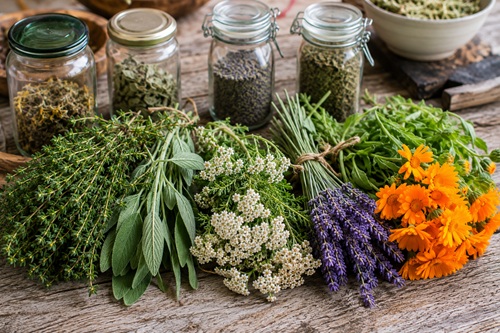
The leaves contain aromatic essential oils along with naturally occurring compounds that have traditionally been valued for their cleansing and antioxidant properties. In herbal wound preparations, sage contributes gentle antimicrobial activity while complementing the actions of the other herbs in the formula.
Another advantage of sage is its exceptional hardiness. Once established, many varieties require very little maintenance and continue producing fresh leaves year after year. They tolerate dry conditions well, making them excellent additions to preparedness gardens where dependable perennial herbs are especially valuable.
Fresh sage has a stronger aroma than dried leaves, although both forms work well for preparing herbal infusions. Harvesting is best done just before flowering when the essential oil content is often at its highest. Small bundles can be hung upside down in a shaded location until completely dry, after which the leaves can be stored for many months in airtight glass jars.
Because sage is already familiar to many home gardeners, it often becomes one of the easiest medicinal herbs to incorporate into a preparedness plan. Rather than growing separate ornamental and medicinal gardens, one healthy sage plant can serve culinary, medicinal, and pollinator-supporting purposes all at once.
Thyme: A Small Herb With Remarkable Strength
At first glance, thyme may seem like an unlikely medicinal plant. Its tiny leaves and delicate stems often cause people to think of it only as a flavorful culinary herb. However, beneath its modest appearance lies one of the most respected herbs in traditional medicine. For centuries, thyme has been valued not only for seasoning food but also for supporting respiratory health, preserving foods, cleansing wounds, and promoting general wellness.
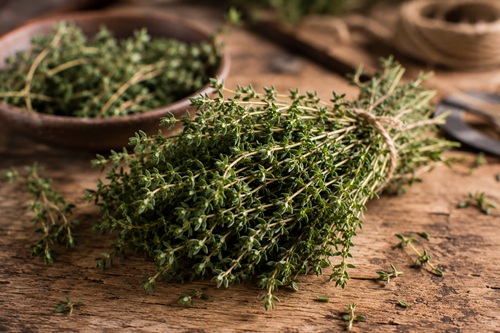
The medicinal reputation of thyme comes largely from its naturally occurring essential oils, particularly compounds known as thymol and carvacrol. These substances have been extensively studied because of their antimicrobial properties and are believed to contribute to thyme’s long-standing use in natural first aid preparations. While herbal wound sprays should never be viewed as replacements for prescription medications when serious infections are present, thyme has earned its place in herbal medicine because of its ability to help keep minor wounds clean while complementing the actions of other medicinal herbs.
Another advantage of thyme is its versatility. Beyond wound care, it has traditionally been used in herbal teas, steam inhalations, cough preparations, mouth rinses, and natural household cleaners. A single plant can provide ingredients for numerous herbal preparations throughout the year, making it an excellent investment for anyone building a medicinal garden.
Thyme is also remarkably easy to cultivate. It thrives in full sunlight, prefers well-drained soil, and tolerates drought conditions once established. Unlike many herbs that require frequent watering or rich soil, thyme performs best with relatively little attention. Harvesting is simple. Small stems can be clipped throughout the growing season, allowing the plant to continue producing fresh growth while providing a continuous supply of aromatic leaves.
For herbal preparations, fresh thyme generally contains the highest concentration of aromatic oils, although properly dried thyme remains highly effective. Because the herb is naturally rich in essential oils, only modest amounts are typically needed when preparing wound sprays. More is not necessarily better, and traditional herbal formulas usually include thyme as one part of a balanced blend rather than allowing it to dominate the preparation.
Yarrow: The First Aid Plant of the Wild
If preparedness had an official medicinal plant, yarrow would be a strong contender. Few herbs possess such a long and respected history of wound care. Across Europe, Asia, and North America, yarrow has accompanied travelers, soldiers, shepherds, and homesteaders for centuries because of its remarkable versatility and widespread availability.
Its scientific name, Achillea millefolium, is linked to the legendary Greek warrior Achilles, who was said to have used the plant to help treat wounded soldiers during battle. While the historical accuracy of the story remains uncertain, it illustrates just how deeply yarrow has become associated with first aid throughout human history.
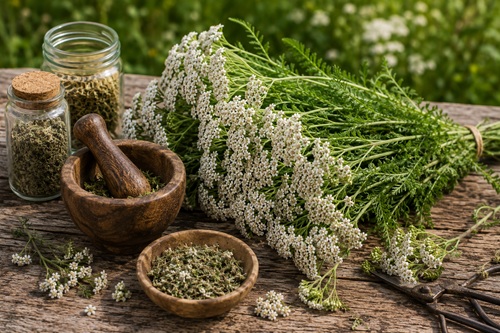
Yarrow grows naturally in fields, meadows, forest edges, and roadsides across much of the Northern Hemisphere. Its distinctive clusters of white or pale pink flowers make it relatively easy to recognize once properly identified. Because several similar-looking plants exist, anyone interested in wild harvesting should become thoroughly familiar with identification characteristics before collecting any specimens. A reliable field guide or instruction from an experienced forager is highly recommended.
The leaves and flowers contain a variety of naturally occurring compounds, including flavonoids, alkaloids, tannins, and volatile oils that have traditionally been associated with wound care. Herbalists have long used yarrow to help soothe irritated tissue, support normal inflammation, and encourage the body’s natural healing process. Historically, fresh leaves were even crushed and placed directly on minor wounds when no other supplies were available.
From a preparedness standpoint, yarrow offers several advantages. It is extremely hardy, tolerates poor soils, attracts beneficial pollinators, and requires very little maintenance once established. Unlike some medicinal plants that demand careful cultivation, yarrow often seems eager to grow wherever it finds suitable conditions.
Harvesting usually takes place while the flowers are fully open. Both the flowering tops and upper leaves are commonly dried for future use. When stored in airtight containers away from moisture and sunlight, properly dried yarrow can remain useful for many months, allowing fresh herbal preparations to be made throughout the year.
Goldenseal: A Valuable Herb That Deserves Protection
Goldenseal occupies a unique place in North American herbal medicine. Unlike many of the herbs discussed so far, it is not a common garden plant or roadside wildflower. Instead, it naturally grows in the shaded hardwood forests of eastern North America, where it has been used medicinally by Indigenous peoples for generations.
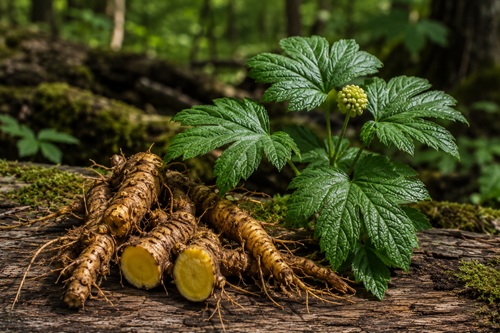
The portion most commonly used is the bright yellow root, which contains naturally occurring alkaloids such as berberine, hydrastine, and canadine. These compounds have attracted scientific interest because of their antimicrobial properties and have contributed to goldenseal’s long-standing reputation as a traditional cleansing herb.
Despite its popularity, goldenseal presents an important lesson in responsible preparedness. Decades of heavy harvesting have dramatically reduced wild populations, making it increasingly difficult to find in its natural habitat. Today, many conservation organizations encourage consumers to purchase only cultivated goldenseal grown by reputable suppliers rather than supporting the harvest of remaining wild populations.
This serves as an important reminder that preparedness is not simply about using natural resources—it is also about protecting them. Sustainable harvesting ensures that valuable medicinal plants remain available for future generations while preserving the ecosystems that support them.
Fortunately, goldenseal is considered an optional ingredient in many herbal wound sprays. Excellent preparations can still be made using calendula, yarrow, thyme, and the other herbs discussed throughout this guide. If goldenseal is included, only a small amount is typically required, as its role is to complement the overall formula rather than dominate it.
Lavender Hydrosol: Gentle Care for Sensitive Skin
Lavender is one of the world’s best-known medicinal plants, yet many people are unfamiliar with lavender hydrosol. Although it comes from the same plant as lavender essential oil, it is an entirely different product with its own unique characteristics.
During steam distillation, two products are created. The concentrated essential oil rises to the surface, while the fragrant water remaining after distillation becomes the hydrosol. This floral water contains minute quantities of aromatic compounds along with numerous water-soluble plant constituents, making it far gentler than the concentrated essential oil itself.
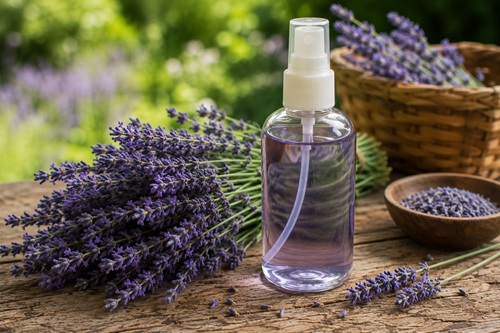
Within an herbal wound spray, lavender hydrosol performs several useful functions. It contributes additional moisture, helps dilute the stronger ingredients, provides a pleasant natural fragrance, and offers soothing support for irritated skin. Because it is considerably less concentrated than essential oil, it can be used in much larger quantities without overwhelming the finished preparation.
Many herbalists appreciate lavender because it combines practicality with versatility. Beyond wound care, lavender hydrosol is often used as a facial mist, linen spray, after-sun cooling spray, and skin refresher. A single bottle frequently finds numerous uses around the home, making it another practical addition to a preparedness medicine cabinet.
Essential Oils: Potent Plant Concentrates
Essential oils represent the most concentrated ingredients in this herbal wound spray. Unlike herbal infusions, which gently extract water-soluble compounds over time, essential oils contain highly concentrated volatile compounds obtained through steam distillation or other specialized extraction methods.
Producing these oils requires enormous amounts of plant material. Depending on the species, hundreds of pounds of flowers, leaves, or bark may be needed to produce a single pound of essential oil. This concentration explains why only a few drops are typically required in herbal preparations.
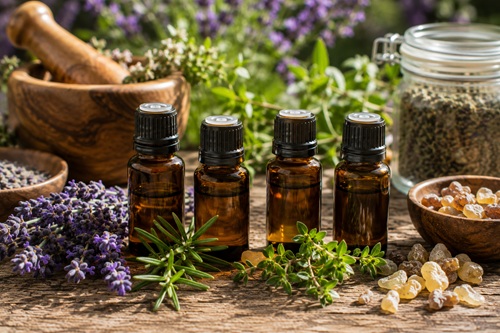
Each essential oil contributes something slightly different to the formula. Lavender essential oil is valued for its calming aroma and skin-supporting qualities. Tea tree oil has earned widespread recognition for its cleansing properties and is commonly included in natural skin-care products. Thyme essential oil contributes additional aromatic compounds that complement the fresh herb used in the infusion, while myrrh has been respected since ancient times for its traditional role in skin care and wound preparations.
Because these oils are so concentrated, careful measurement is essential. More is not better. Excessive quantities may irritate damaged skin or cause allergic reactions in sensitive individuals. For this reason, herbal formulas typically rely on small amounts that enhance the overall preparation without overwhelming it.
Anyone using essential oils for the first time should perform a simple patch test by applying a small amount of the finished preparation to healthy skin before using it on a larger area. This precaution helps identify any individual sensitivities while reducing the likelihood of unexpected irritation.
Why These Ingredients Work So Well Together
One of the defining characteristics of traditional herbal medicine is synergy—the idea that carefully selected herbs often work better together than individually. Rather than expecting one plant to perform every function, herbalists combine ingredients whose strengths complement one another.
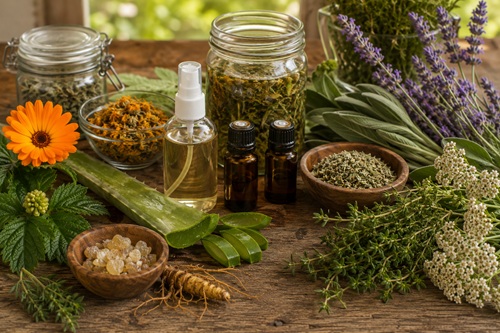
In this wound spray, aloe vera provides moisture and soothing comfort. Witch hazel serves as both a cleansing agent and the extraction medium for the herbal infusion. Calendula helps support healthy skin repair, while thyme and sage contribute gentle cleansing properties. Yarrow adds its long history of traditional wound care, lavender helps calm irritated tissue, and the carefully measured essential oils strengthen the overall preparation without overpowering it.
The result is not a collection of unrelated herbs but a thoughtfully balanced formula designed to support several aspects of caring for minor wounds. Each ingredient has a purpose, and understanding those purposes allows you to appreciate why herbal medicine has remained relevant across generations.
With a solid understanding of the ingredients, the next step is learning how to select high-quality herbs, prepare the infusion correctly, and combine everything into a practical herbal antiseptic wound spray that can become a valuable part of your preparedness first aid supplies.
Selecting High-Quality Ingredients
The quality of any herbal preparation begins long before the first ingredient is mixed together. Regardless of how carefully a recipe is followed, the finished wound spray can never be better than the herbs used to make it. Fresh, healthy, properly harvested plants contain significantly higher concentrations of beneficial compounds than herbs that have been poorly stored or allowed to deteriorate over time. For this reason, experienced herbalists often say that successful herbal medicine begins in the garden rather than in the kitchen.
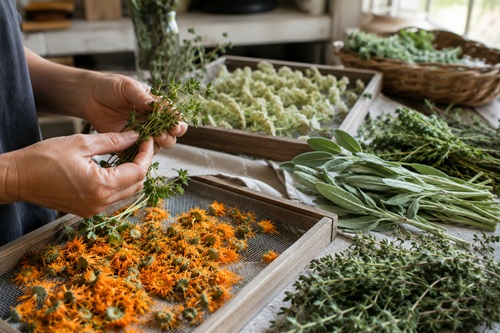
Whenever possible, consider growing at least some of your own medicinal herbs. Plants harvested from your own garden allow you to control how they are grown, when they are harvested, and how they are preserved. You know they haven’t been exposed to unnecessary pesticides or handled improperly during shipping and storage. Even if you have only a small yard or a few containers on a balcony, herbs such as calendula, thyme, sage, lavender, and aloe vera are relatively easy to cultivate and require very little specialized equipment.
If growing your own herbs is not practical, purchase them from reputable suppliers that specialize in high-quality botanical products. Look for herbs that retain their natural color and aroma. Bright orange calendula flowers, vibrant green sage leaves, and fragrant thyme are usually good indicators that the herbs have been harvested and stored properly. Herbs that appear faded, brittle, dusty, or nearly odorless have often lost many of the volatile oils and other plant compounds that contribute to their medicinal value.
Proper identification is equally important, particularly for anyone interested in harvesting wild plants. Many medicinal herbs have look-alike species, some of which may be ineffective or even toxic. Never collect a wild plant unless you are completely confident of its identification. Investing in a reliable regional field guide or learning from an experienced forager is far safer than relying solely on photographs found online. One of the foundations of responsible herbal medicine is absolute certainty about the identity of every plant you collect.
The timing of harvest also influences quality. Most leafy herbs contain their highest concentrations of aromatic oils during the morning after the dew has dried but before the intense heat of the afternoon sun. Flowers are generally harvested shortly after they have fully opened, while roots are often collected during late autumn after the plant’s energy has returned below ground. Harvesting at the appropriate time helps maximize both flavor and medicinal value.
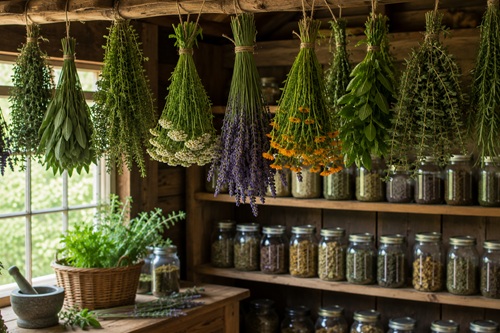
Once harvested, herbs should be dried carefully to preserve their beneficial compounds. Excessive heat, direct sunlight, and poor air circulation can all reduce quality. A warm, shaded, well-ventilated room usually provides ideal drying conditions. Small bundles may be hung upside down, while delicate flowers can be spread in a single layer on drying screens or clean paper towels. Drying times vary depending on humidity, temperature, and the type of plant, but patience is worthwhile. Herbs that are rushed through the drying process often lose much of their color and aroma.
Proper storage is just as important as proper harvesting. Once the herbs are completely dry, store them in airtight glass jars or other moisture-resistant containers away from direct sunlight and excessive heat. Label each container with the plant name and harvest date. Although many dried herbs remain useful for a year or longer, their quality gradually declines over time. Rotating your supply annually helps ensure that the herbs used in medicinal preparations remain as fresh and effective as possible.
Preparedness encourages thinking ahead, and medicinal herbs are no exception. Rather than harvesting only what you need today, consider building a modest reserve that can support your family’s needs throughout the year. Dried herbs require relatively little storage space and, when properly preserved, provide an excellent foundation for making fresh herbal preparations whenever they are needed.
Equipment You’ll Need
One of the appealing aspects of making herbal preparations is that they require very little specialized equipment. Most of the necessary tools are already found in an ordinary kitchen, making herbal medicine accessible to almost anyone willing to learn. While there are certainly professional herbal laboratories equipped with sophisticated extraction equipment, a simple home workshop can produce excellent herbal preparations using basic utensils and careful attention to cleanliness.
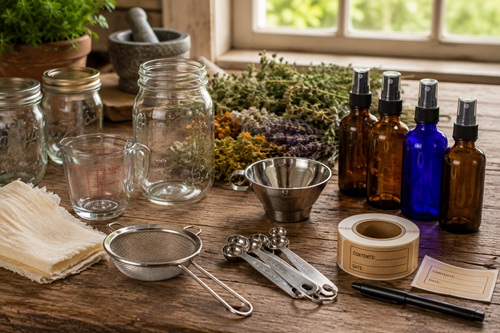
Glass containers should be used whenever possible because they do not react with herbal extracts or absorb essential oils the way some plastics can. A wide-mouth mason jar works particularly well for preparing the herbal infusion because it provides enough room for the herbs to expand while allowing the finished liquid to be poured easily after steeping.
Accurate measuring cups and measuring spoons are helpful for maintaining consistency from one batch to the next. Herbal medicine often allows some flexibility, but using reasonably consistent measurements helps produce reliable results each time the recipe is prepared.
A fine mesh strainer or several layers of cheesecloth will be needed to separate the finished herbal infusion from the plant material. Removing even the smallest pieces of leaves and flowers improves the appearance of the finished spray while reducing the chance that sediment will clog the spray nozzle during use.
A small funnel greatly simplifies bottling the finished preparation. Without one, transferring the liquid into narrow spray bottles often becomes messy and wasteful. Funnels made from stainless steel or food-grade silicone are particularly convenient because they are easy to clean and can be reused indefinitely.
Dark-colored spray bottles, particularly amber or cobalt blue glass, are generally preferred for long-term storage. These bottles help protect the herbal compounds from ultraviolet light, which gradually reduces the potency of many plant extracts and essential oils. While clear bottles may be suitable for short-term use, darker containers provide better protection for preparations that may be stored for several months.
Labels are another surprisingly important piece of equipment. Every bottle should clearly identify its contents along with the date it was prepared. If you eventually begin making additional herbal products such as salves, infused oils, tinctures, or herbal liniments, proper labeling prevents confusion and helps ensure that older preparations are used before newer ones.
Perhaps the most important piece of equipment, however, is not a physical tool at all—it is cleanliness. Every container, spoon, measuring cup, funnel, and bottle should be thoroughly cleaned and completely dry before preparation begins.
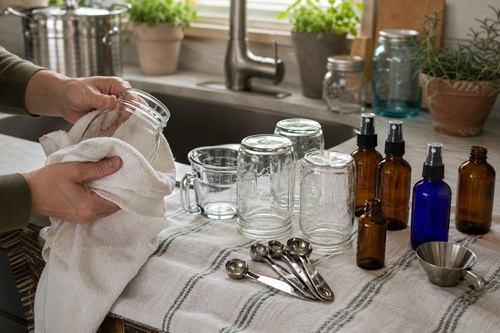
Introducing unwanted bacteria or mold during the mixing process can shorten shelf life and reduce the safety of the finished product. Approaching herbal medicine with the same level of cleanliness used for home food preservation helps produce consistently high-quality preparations.
Fortunately, once these few basic tools have been gathered, they can be used repeatedly for countless other herbal projects. Whether preparing infused oils, herbal teas, healing salves, lip balms, or natural skin-care products, the same equipment forms the foundation of an entire home herbal workshop.
Preparing the Herbal Infusion
Every quality herbal preparation begins with a proper infusion. This process gently extracts many of the beneficial plant compounds from the herbs and transfers them into a liquid that can later be incorporated into the finished wound spray. While the process itself is straightforward, patience and attention to detail make a significant difference in the quality of the final product.
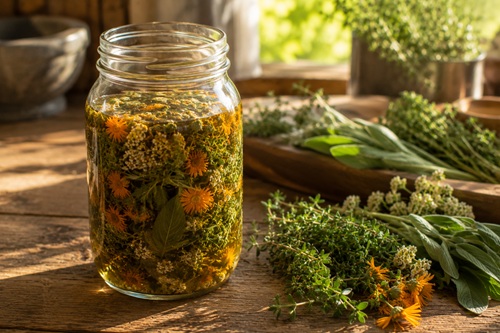
Unlike brewing a cup of tea, where extraction occurs in a matter of minutes, medicinal infusions intended for topical use often benefit from extended contact between the herbs and the extraction liquid. Allowing sufficient time gives naturally occurring compounds such as flavonoids, tannins, aromatic oils, and antioxidants an opportunity to dissolve gradually into the witch hazel. The result is a richer and more effective herbal base.
Before beginning, prepare a clean work area and gather all of your ingredients and equipment. Wash your hands thoroughly and ensure that every jar, spoon, funnel, measuring cup, and bottle has been properly cleaned and completely dried. Taking a few extra minutes to maintain good sanitation helps prevent contamination and improves the shelf life of the finished preparation.
If you are using fresh herbs harvested from your own garden, examine each plant carefully before bringing it indoors. Remove any damaged leaves, insects, or debris and rinse the herbs gently under cool running water if necessary. Allow them to dry completely before beginning the infusion. Excess moisture left on freshly washed herbs can dilute the extraction liquid and may increase the likelihood of spoilage during the infusion process.
Dried herbs require less preparation but should still be inspected carefully. Healthy dried herbs should retain much of their natural color and fragrance. If they appear faded, have little aroma, or show any evidence of mold or insect damage, they should not be used. Medicinal herbs gradually lose potency with age, making freshness an important consideration whenever preparing herbal remedies.
Place the calendula flowers, sage leaves, thyme, and yarrow into a clean glass jar. There is no need to pack the herbs tightly. Leaving a little space allows the liquid to circulate freely around the plant material, promoting a more complete extraction. Once the herbs have been added, slowly pour the witch hazel over them until they are completely submerged. Every portion of the plant material should remain below the surface of the liquid to minimize exposure to air during the infusion.
Using a clean spoon or wooden stir stick, gently stir the mixture to release any trapped air bubbles. Air pockets occasionally become trapped between flowers and leaves, preventing the extraction liquid from contacting portions of the herbs. A gentle stir usually solves this problem quickly.
Seal the jar with a tight-fitting lid and label it with the contents and the date the infusion was started. Labeling may seem unnecessary for a single project, but as your herbal medicine cabinet grows, good recordkeeping becomes invaluable. It is surprisingly easy to forget when a preparation was started or exactly what it contains several weeks later.
Store the jar in a cool, dark location where temperatures remain relatively stable. Direct sunlight should be avoided because ultraviolet light can gradually degrade some of the more delicate plant compounds. A kitchen cupboard, pantry, or cabinet works well for most homes.
During the next two to four weeks, gently shake the jar once each day. This simple habit redistributes the herbs, exposes fresh surfaces to the witch hazel, and encourages a more complete extraction. You may notice the liquid gradually becoming darker while developing a richer herbal aroma. These changes indicate that the extraction process is progressing normally.
Patience is one of the defining characteristics of successful herbal medicine. Although it may be tempting to shorten the infusion period, allowing the herbs adequate time generally produces a stronger and more balanced preparation. Much like making a good broth or aging homemade vinegar, time often contributes as much to the quality of the finished product as the ingredients themselves.
For situations where time is limited, a gentle warm infusion may be used as an alternative. Place the sealed jar into a pan or slow cooker filled with warm water and maintain a low temperature for several hours.
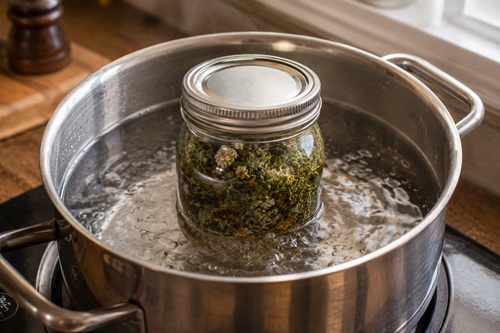
The water should remain warm to the touch rather than boiling. Excessive heat can damage delicate aromatic compounds and reduce the effectiveness of certain herbs. While this method produces a usable infusion much more quickly, many experienced herbalists still prefer the traditional slow method whenever possible because it generally extracts a broader range of beneficial compounds.
Once the infusion period has ended, strain the liquid through several layers of cheesecloth or a fine mesh strainer into a clean glass bowl or measuring cup. Allow gravity to do most of the work, gently pressing the herbs only enough to recover the remaining liquid. Excessive squeezing may force small particles through the filter, creating unnecessary sediment in the finished spray.
The spent herbs have now given up much of their medicinal value and can usually be added to a compost pile. The strained liquid, however, represents the heart of your herbal wound spray. Rich in botanical compounds extracted from the medicinal plants, it forms the foundation upon which the remaining ingredients will be added.
Take a moment to examine the finished infusion. It should have a pleasant herbal aroma, a clean appearance, and a noticeably deeper color than the original witch hazel. If you notice any signs of mold, fermentation, or unpleasant odors, discard the batch and begin again using fresh ingredients and carefully sanitized equipment. While failed batches are uncommon when proper procedures are followed, learning to recognize quality is an important part of becoming confident in herbal medicine.
With the herbal infusion complete, the most time-consuming stage of the project is now behind you. The remaining steps involve combining this infused liquid with carefully selected supporting ingredients to create a balanced herbal antiseptic wound spray that is ready for bottling and everyday use.
Mixing the Herbal Wound Spray
With the herbal infusion complete, it is time to transform it into a finished herbal wound spray. Although this stage requires far less time than preparing the infusion itself, it deserves the same careful attention. Every ingredient added during this step serves a specific purpose, contributing cleansing properties, soothing support, moisture balance, stability, or improved application. Understanding why each ingredient is included will help you produce a preparation that is both effective and consistent from one batch to the next.
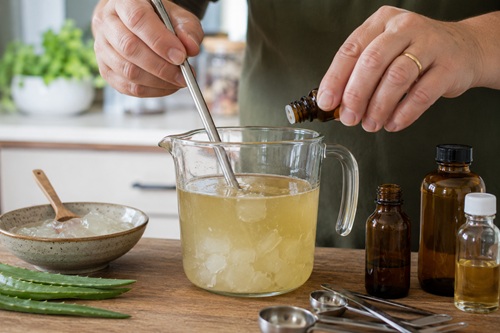
Before beginning, clean and sanitize your work area once again. Wash your hands thoroughly and ensure that every bowl, measuring cup, spoon, funnel, and bottle has been cleaned and allowed to dry completely. Once the herbal infusion has been strained, it is no longer protected inside a sealed container, making cleanliness during this stage especially important for maximizing shelf life and reducing the risk of contamination.
Pour the strained herbal infusion into a clean glass measuring cup or mixing bowl large enough to comfortably hold all of the remaining ingredients. Glass is the preferred material because it does not react with herbal extracts or absorb essential oils. Stainless steel is also suitable, but avoid containers made from materials that can scratch easily or retain odors from previous projects.
Next, slowly add the aloe vera gel while stirring continuously. Aloe vera is considerably thicker than the herbal infusion, so gradual mixing helps produce a smooth, even consistency. Gentle stirring is all that is needed. Vigorous mixing can introduce unnecessary air bubbles, making the finished spray appear cloudy and potentially shortening its storage life. As the aloe blends with the infusion, it creates a smoother solution that feels comfortable when applied to irritated or damaged skin.
Once the aloe has been fully incorporated, add the lavender hydrosol. This ingredient helps thin the mixture slightly while contributing additional moisture and soothing properties. It also softens the stronger herbal aroma produced by ingredients such as thyme and sage, giving the finished spray a more pleasant and balanced fragrance. Using room-temperature ingredients throughout the mixing process also helps preserve many of the delicate botanical compounds found in both the herbs and hydrosol.
The next ingredient is the liquid Castile soap. Although it provides mild cleansing properties, its primary function in this recipe is to act as a natural emulsifier.
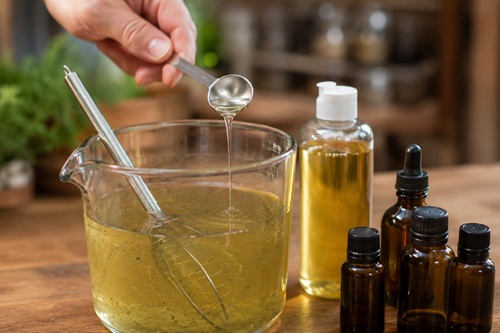
Essential oils do not naturally blend with water-based liquids. The small amount of Castile soap helps disperse the oils more evenly throughout the mixture, creating a more consistent spray each time the bottle is shaken before use. Only a small quantity is required, as excessive soap may create unnecessary foaming.
If you have chosen to include grapefruit seed extract, add it at this point. Some herbalists include it because it may contribute additional preservation qualities, while others choose not to use it at all. Regardless of whether it is included, proper sanitation during preparation and appropriate storage remain the most important factors influencing the freshness and longevity of the finished spray.
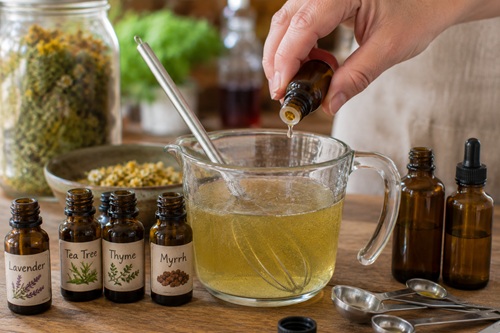
The essential oils are added last. Measure each oil carefully according to your recipe, adding only a few drops at a time. Because essential oils are extremely concentrated, even small changes in quantity can noticeably alter the finished preparation. Lavender essential oil contributes soothing properties and a calming aroma, tea tree oil adds additional cleansing support, thyme oil complements the herbal infusion, and myrrh has long been valued in traditional skin-care preparations.
Stir gently after each essential oil is added to encourage even distribution throughout the mixture. Avoid the temptation to add extra drops simply because a stronger fragrance seems desirable. More is not necessarily better. Excessive concentrations may increase the likelihood of skin irritation without providing additional benefit. In herbal medicine, balance is often far more important than strength.
Continue stirring slowly for another minute or two until the mixture appears smooth and uniform. If you notice any remaining pieces of plant material, strain the mixture through a second layer of cheesecloth or a fine mesh filter before bottling. Removing these tiny particles helps prevent the spray nozzle from clogging during use while producing a cleaner-looking final product.
Before transferring the spray into storage bottles, take a moment to examine its appearance and aroma. The mixture should have a pleasant herbal fragrance with subtle notes of lavender and thyme while remaining free of unusual odors, discoloration, or visible contamination. If anything appears abnormal, it is better to discard the batch and begin again than risk using a questionable preparation.
Some experienced herbalists also allow the finished mixture to rest for fifteen to thirty minutes before bottling. This brief resting period gives tiny air bubbles time to rise naturally to the surface, resulting in a clearer and more attractive finished product. While this step is optional, it contributes to a more professional-looking preparation.
Consistency is one of the foundations of successful herbal medicine. Keeping notes about ingredient quantities, preparation dates, observations during mixing, and the performance of each batch allows you to refine your technique over time. Small improvements based on experience often produce better results than constantly changing recipes. As your confidence grows, you will develop a preparation that meets your family’s needs while remaining grounded in sound herbal practices.
With the mixture complete, the final stage is bottling, labeling, and storing the wound spray properly. Although these final steps may seem straightforward, they play an essential role in preserving the quality, safety, and effectiveness of your finished herbal preparation for weeks or even months to come.
Bottling and Labeling Your Wound Spray
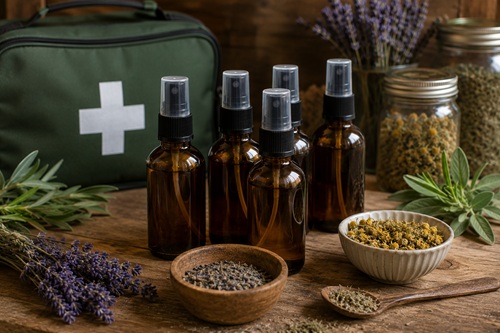
The work you’ve invested in selecting quality herbs and carefully preparing the infusion deserves to be protected by proper bottling and storage. While bottling may seem like the simplest part of the process, it has a direct impact on how long the herbal wound spray remains fresh and effective. The container you choose, how it is cleaned, and the information placed on the label all influence the quality of the finished preparation. A few extra minutes spent bottling the spray correctly can help preserve its medicinal properties for weeks or even months while ensuring you always know exactly what is inside each bottle.
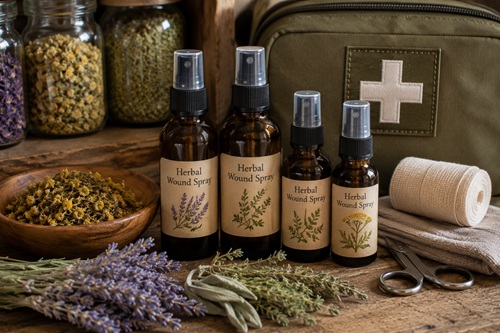
Glass spray bottles are generally considered the best choice for long-term storage. Amber and cobalt blue bottles are especially popular because they reduce the amount of ultraviolet light reaching the liquid inside. Sunlight gradually breaks down many of the delicate plant compounds and essential oils found in herbal preparations, so limiting light exposure helps preserve their quality for a longer period. Although clear bottles may work well for short-term use, darker bottles provide noticeably better protection if the spray will be stored for several months.
Plastic spray bottles can also be used, particularly for hiking, camping, travel, or bug-out bags where breakage is a concern. If using plastic, choose high-quality bottles designed specifically for cosmetic or medical products. Lower-quality plastics may become brittle over time or absorb some of the aromatic compounds found in essential oils, potentially shortening the life of the container.
Before filling any bottle, wash it thoroughly using hot water and a mild, unscented soap. Rinse away all soap residue and allow the bottle to air dry completely. Some herbalists also sanitize bottles using boiling water or a food-safe sanitizer before use, particularly when preparing larger batches for extended storage. While these extra steps require only a few additional minutes, they help reduce the possibility of introducing unwanted bacteria or mold into the finished preparation.
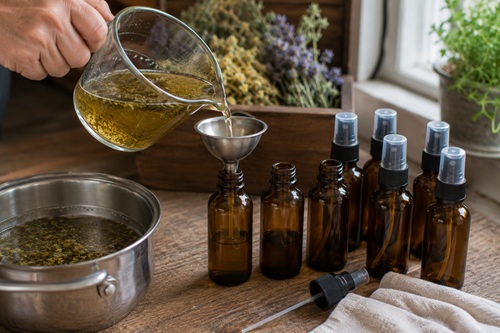
A small funnel makes filling bottles much easier while minimizing spills and waste. Slowly pour the finished wound spray into each bottle, leaving a small amount of headspace at the top. This small air gap allows the spray mechanism to function properly and reduces the chance of leakage when the cap is tightened. After filling each bottle, securely attach the spray top and test the nozzle to ensure it produces a fine, even mist.
Labeling is often overlooked, yet it becomes increasingly important as your collection of herbal preparations grows. Every bottle should clearly identify the name of the preparation and the date it was made. Including the primary ingredients and an estimated “use by” date can also be helpful, especially if you prepare several different herbal remedies throughout the year. Clear labeling prevents confusion and helps ensure older batches are used before newer ones.
Good recordkeeping is another valuable habit for anyone interested in herbal medicine. Keeping a notebook or digital journal allows you to record the recipe used, the source of your herbs, preparation dates, observations during mixing, storage conditions, and any adjustments made in future batches. Over time, these notes become an invaluable reference that helps refine your techniques and produce consistently high-quality preparations.
Preparing several smaller bottles instead of one large container is often the most practical approach. One bottle can remain in your home first aid kit while others are stored in a vehicle, workshop, backpack, camping supplies, garden shed, or bug-out bag. Smaller containers also reduce repeated exposure to air and contamination since only one bottle is opened and handled at a time.
Proper bottling also makes sharing easier. Homemade herbal preparations can make thoughtful gifts for family members interested in gardening, herbal medicine, homesteading, or preparedness. Providing a clearly labeled bottle along with simple usage instructions encourages safe use while introducing others to practical first aid skills rooted in traditional herbal knowledge.
Proper bottling is only one part of preserving a quality herbal preparation. In the next section, we’ll look at ideal storage conditions, expected shelf life, signs that a batch should be discarded, and practical tips for keeping your herbal wound spray ready whenever it is needed.
Shelf Life and Proper Storage
Unlike many commercial first aid products, homemade herbal preparations generally contain relatively few preservatives. This is one of the reasons many people prefer making them, but it also means they require a little more attention during storage. Proper storage helps preserve the medicinal properties of the herbs while reducing the likelihood of spoilage.
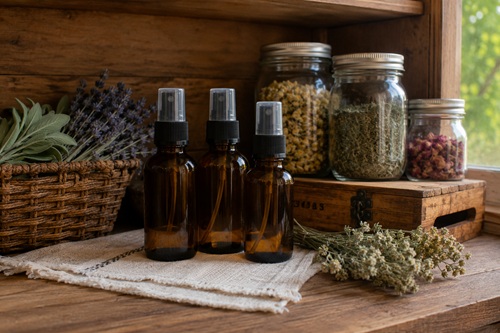
The finished wound spray should be stored in a cool, dry location away from direct sunlight. Excessive heat accelerates the breakdown of many plant compounds, while prolonged exposure to light gradually reduces the effectiveness of essential oils and botanical extracts. A medicine cabinet, pantry, or cupboard located away from heat sources usually provides suitable storage conditions.
Refrigeration can further extend the freshness of many homemade herbal preparations, particularly those containing fresh aloe vera. Although refrigeration is not always necessary, storing the spray in a refrigerator may help maintain quality for a longer period, especially during warm summer months.
Always keep the spray bottle tightly sealed when not in use. Each time the bottle is opened or sprayed, small amounts of air enter the container. Over time, repeated exposure to oxygen gradually contributes to oxidation of some herbal compounds. While this process cannot be eliminated entirely, minimizing unnecessary exposure helps preserve freshness.
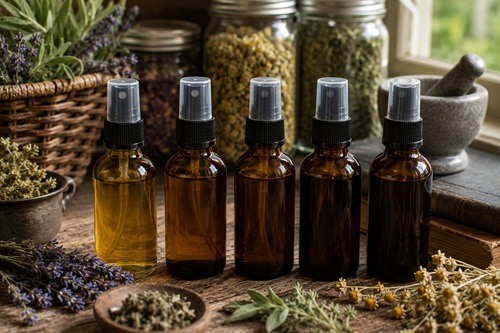
Because homemade herbal sprays contain natural ingredients, slight changes over time are normal. You may notice a subtle darkening of color or a slight variation in aroma as the preparation ages. These gradual changes do not necessarily indicate that the spray has spoiled. However, there are several warning signs that should never be ignored.
If the liquid develops a sour or unpleasant odor, visible mold, unusual cloudiness, excessive separation that does not remix after shaking, or any evidence of microbial growth, it should be discarded immediately. No homemade remedy is worth risking an infection.
Many experienced herbalists prefer preparing several small batches throughout the year rather than making one large quantity intended to last indefinitely. Fresh preparations generally retain more of their natural aroma and botanical activity while reducing waste if a batch eventually needs to be replaced.
For long-term preparedness, storing dried medicinal herbs often provides greater flexibility than storing large quantities of finished spray. Properly dried calendula, yarrow, thyme, sage, and lavender can remain useful for a year or more when stored correctly, allowing you to prepare fresh wound spray whenever supplies begin running low. This approach also reduces the amount of finished product that must be rotated regularly.
Preparedness is ultimately about maintaining reliable resources. Just as emergency food and medical supplies should be inspected and rotated periodically, herbal preparations deserve the same level of attention. Taking a few minutes once or twice each year to examine your herbal first aid supplies helps ensure they remain ready when they are needed most.
Using Your Herbal Wound Spray Safely and Effectively
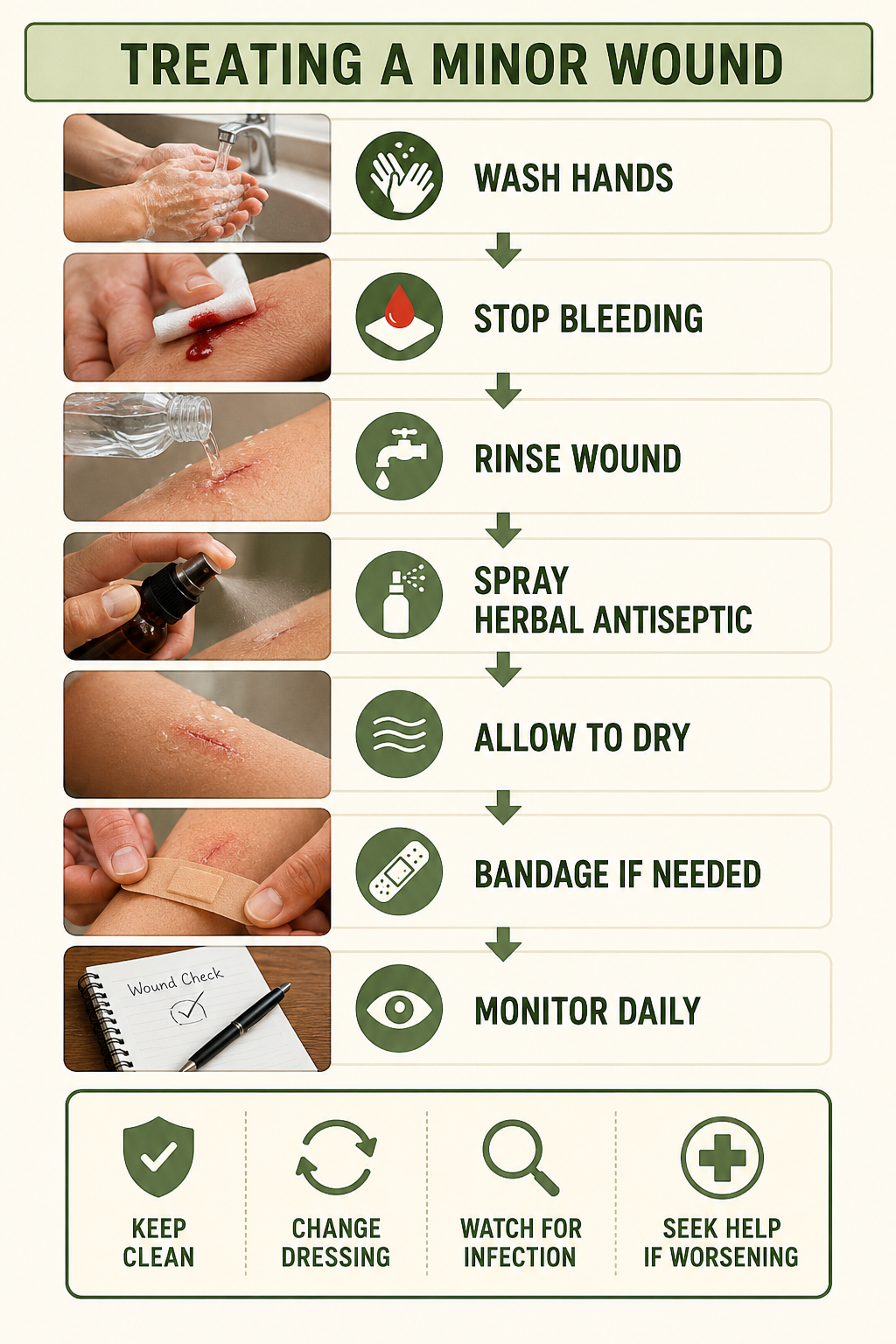
Preparing a quality herbal wound spray is only half the process. Knowing how to use it correctly is just as important as selecting the right ingredients. Even the most carefully prepared herbal remedy cannot replace proper first aid practices. Cleaning the wound thoroughly, protecting it from further injury, and monitoring it throughout the healing process remain the most important factors in preventing complications. When used alongside good wound care, a thoughtfully prepared herbal spray can support the body’s remarkable ability to heal minor injuries naturally.
The first step after any minor injury is to remain calm and assess the situation. Many small cuts and scrapes bleed more than expected simply because the skin contains numerous tiny blood vessels. In many cases, a small amount of bleeding is actually helpful because it naturally flushes dirt and debris from the wound. If bleeding continues, apply gentle, direct pressure with a clean cloth or sterile gauze until it slows or stops.
Once the bleeding has been controlled, carefully inspect the wound. Look for dirt, gravel, wood splinters, metal fragments, or any other foreign material that may be trapped in the damaged tissue. Even tiny particles left behind can increase the risk of infection and delay healing. Rinse the wound thoroughly using clean running water or sterile saline solution if it is available. Plain, clean water is often one of the most effective first-aid tools because it removes contaminants without damaging healthy tissue.
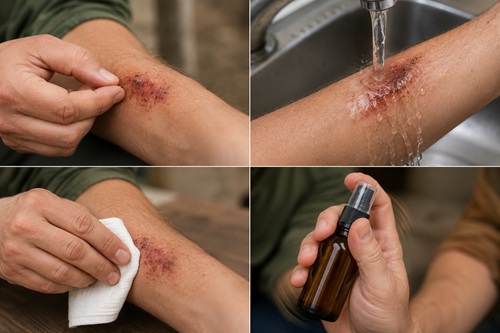
After rinsing the wound, gently pat the surrounding skin dry using a clean towel or sterile gauze. Avoid rubbing the injured area, as this may reopen the wound or disturb newly forming tissue. Before applying your herbal wound spray, gently shake the bottle to redistribute the natural ingredients, as slight separation is normal in preparations containing few stabilizers.
Hold the spray bottle several inches from the wound and apply a light, even mist across the injured area. There is no need to saturate the wound completely. A thin, even coating is generally sufficient to allow the herbal ingredients to contact the damaged skin. Because the spray can be applied without touching the wound directly, it is often more comfortable than creams or ointments, especially when treating painful abrasions, burns, or tender scrapes.
Allow the spray to air dry naturally for a minute or two whenever possible. This gives the herbal ingredients time to remain in contact with the skin before covering the area. If the wound is likely to become dirty or irritated by clothing, protect it with a sterile bandage or a non-stick dressing. Very small scrapes in clean environments, however, may heal well without being covered. The goal is to protect the wound while allowing the body’s natural healing process to continue with as little disturbance as possible.
Most minor wounds benefit from being cleaned and treated once or twice each day. During each dressing change, examine the injury carefully. Healthy healing is usually marked by gradually decreasing redness, swelling, tenderness, and drainage. If the wound continues improving, simply maintain normal care until healing is complete. Reapplying the spray every hour is generally unnecessary and may actually slow healing by repeatedly disturbing fragile new tissue.
As healing progresses, resist the temptation to pick at scabs or remove loose tissue. Although scabs may appear unattractive, they serve as the body’s natural protective covering while new skin develops beneath them. Allow them to separate naturally once healing is complete.
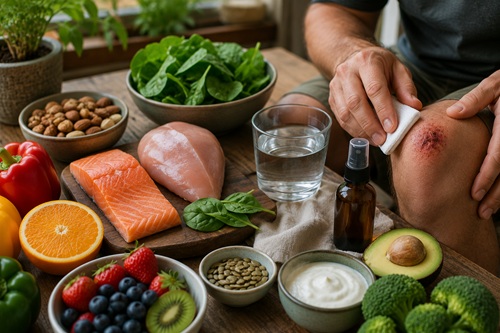
Remember that wound healing depends on more than topical care alone. Adequate hydration and proper nutrition provide the body with the raw materials needed to rebuild damaged tissue. Protein supplies the building blocks for new skin, vitamin C supports collagen production, zinc contributes to normal immune function, and sufficient water helps transport nutrients throughout the body. External wound care and internal health always work together to promote successful healing.
During outdoor activities such as hiking, camping, hunting, gardening, or homesteading, carrying a small bottle of herbal wound spray can be especially useful. Minor injuries often occur far from home, and cleaning a wound promptly is almost always preferable to waiting several hours before treatment. A compact spray bottle takes up very little space in a backpack, vehicle, or first aid kit while providing a practical solution for everyday cuts, scrapes, blisters, and insect bites.
Finally, remember that herbal wound sprays are designed to support the body’s natural healing process—not replace it. They are intended for superficial cuts, scrapes, minor burns, blisters, and similar everyday injuries. Deep puncture wounds, serious burns, animal bites, heavily contaminated wounds, uncontrolled bleeding, or any injury showing signs of severe infection require prompt medical evaluation. Knowing when to seek professional care is every bit as important as knowing how to prepare and use herbal remedies safely.
Recognizing When Medical Care Is Necessary
One of the hallmarks of good preparedness is knowing the limits of your equipment and your knowledge. Herbal remedies are valuable tools, but they are only one part of a complete first-aid system. Recognizing when an injury requires professional medical attention is every bit as important as knowing how to prepare a wound spray.
Deep puncture wounds deserve immediate attention because they often carry bacteria deep beneath the skin where topical treatments cannot easily reach. Injuries caused by nails, animal teeth, fishhooks, or other sharp objects may appear small on the surface while causing significant damage underneath. These wounds should be cleaned promptly and evaluated by a healthcare professional, particularly if your tetanus vaccination is not current.
Large cuts that continue bleeding despite several minutes of direct pressure should also be treated as medical emergencies. Excessive blood loss can quickly become life-threatening, and some wounds require stitches or other procedures to heal properly. Attempting to manage these injuries with homemade remedies alone is neither safe nor appropriate.
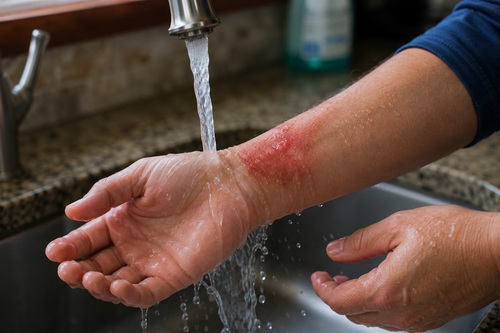
Burns require careful evaluation as well. Minor first-degree burns affecting only the outer layer of skin often respond well to cooling with clean running water followed by gentle wound care. However, burns involving large areas of the body, blistering over extensive regions, chemical exposure, electrical injuries, or burns affecting the face, hands, feet, or genitals require immediate medical assessment.
Animal bites deserve particular caution because bacteria from the animal’s mouth can be introduced deep into the tissue. Even bites that appear relatively minor may require antibiotics or additional treatment. Likewise, human bites carry a significant risk of infection and should always receive professional medical evaluation.
Perhaps the most important warning signs appear during healing rather than immediately after the injury. Increasing redness that spreads outward from the wound, worsening swelling, persistent warmth, foul-smelling drainage, pus, fever, chills, or red streaks extending toward the heart may all indicate developing infection. These symptoms should never be ignored. Early medical treatment greatly reduces the likelihood of serious complications.
Individuals with diabetes, compromised immune systems, poor circulation, or certain chronic medical conditions should exercise additional caution with all wounds, even seemingly minor ones. Healing may occur more slowly, and infections can become serious much more quickly than they would in otherwise healthy individuals. When in doubt, seeking medical advice is always the safer decision.
Preparedness is sometimes misunderstood as doing everything yourself. In reality, preparedness is about making informed decisions using the resources available. Sometimes that means treating a small scrape at home with a carefully prepared herbal wound spray. Other times it means recognizing that professional medical care is the most appropriate and responsible course of action. Knowing the difference demonstrates good judgment, not weakness.
Building a Home Herbal First Aid Kit
An herbal antiseptic wound spray is an excellent addition to any first aid kit, but it should never be the only item inside. Effective first aid relies on having the right supplies available when they are needed, along with the knowledge to use them properly. By combining traditional herbal preparations with proven first aid equipment, you create a well-rounded kit capable of handling many of the minor injuries encountered during everyday life.
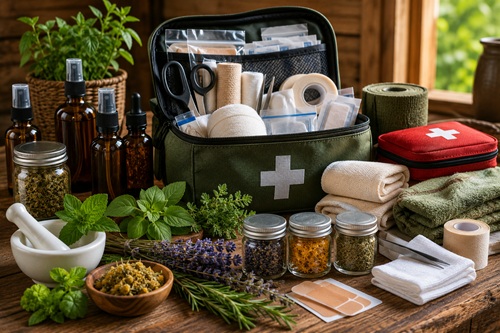
Every herbal first aid kit should begin with the basics. Sterile gauze pads, adhesive bandages in various sizes, medical tape, elastic bandages, tweezers, small scissors, disposable gloves, and sterile saline solution remain essential supplies regardless of whether you use herbal remedies or commercial medications. These items allow wounds to be cleaned, protected, and monitored while healing takes place. Herbal preparations should be viewed as additions to these supplies rather than replacements for them.
Alongside your herbal wound spray, you may eventually choose to prepare several other natural first aid products that serve different purposes. A calendula healing salve can be useful for dry, cracked, or irritated skin. An infused plantain salve is often valued for insect bites, stings, and minor skin irritation. Aloe vera gel remains one of the most versatile preparations for soothing mild burns and sunburn, while lavender-infused oil may be useful for massage or dry skin. Building these preparations gradually allows your knowledge and confidence to grow over time without becoming overwhelming.
Preparedness also means thinking about where first aid supplies should be stored. A comprehensive kit in the home is important, but it is equally practical to keep smaller kits in locations where injuries commonly occur.
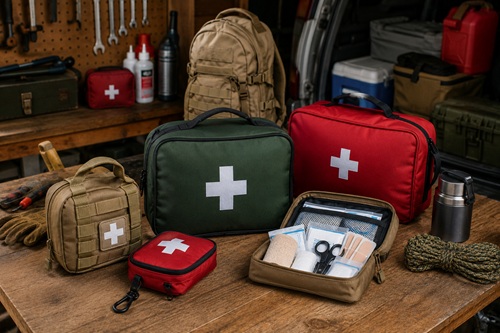
A compact first aid kit in the workshop can be invaluable while using hand tools or power equipment. Another may be stored in the kitchen for burns and knife cuts, while additional kits can be placed in vehicles, campers, boats, backpacks, and bug-out bags. The best first aid kit is the one that is immediately available when an accident happens.
Rotation is another habit worth developing. Just as emergency food and water should be inspected periodically, first aid supplies deserve regular attention. Adhesive bandages lose their stickiness, sterile dressings eventually expire, and herbal preparations gradually lose their potency. Setting aside time once or twice each year to inspect your supplies helps ensure everything remains clean, functional, and ready for use.
One often overlooked item is documentation. Consider including a waterproof notebook listing emergency contact numbers, important medical information for family members, allergies, prescription medications, blood types if known, and basic first aid procedures. During stressful situations, having important information readily available can be surprisingly valuable.
As your knowledge expands, your first aid kit may gradually become a reflection of your preparedness philosophy. Some people focus primarily on commercially manufactured supplies, while others incorporate a larger selection of herbal remedies. There is no single correct approach. The objective is to build a kit that matches your knowledge, your family’s needs, and the situations you are most likely to encounter.
Perhaps the greatest benefit of assembling your own herbal first aid kit is the confidence that develops along the way. Every preparation you learn to make represents another practical skill, another opportunity to understand medicinal plants, and another step toward greater self-reliance. Over time, these small projects become part of a much broader preparedness lifestyle centered on knowledge rather than dependence.
Growing Your Own Medicinal Garden
One of the most rewarding aspects of herbal medicine is discovering that many of its most valuable ingredients can be grown at home. You do not need a large homestead or acres of farmland to begin building a medicinal garden. Even a few containers on a sunny patio can provide enough herbs to prepare numerous first aid products throughout the year.
A medicinal garden offers benefits far beyond convenience. Growing your own plants allows you to control how they are cultivated, ensuring they are free from unnecessary pesticides and harvested at the peak of their quality. It also gives you firsthand experience with the life cycle of each plant, making it easier to recognize healthy specimens, identify the best harvest times, and appreciate the remarkable diversity of medicinal herbs.
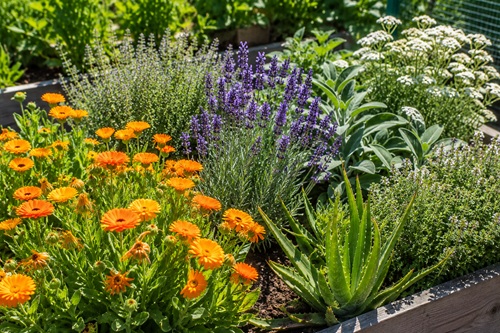
Calendula is often considered one of the easiest medicinal flowers for beginners. It germinates readily from seed, blooms continuously throughout much of the growing season, and produces an abundance of bright flowers that can be harvested repeatedly. Besides its medicinal value, calendula attracts bees and other beneficial pollinators, making it a welcome addition to vegetable gardens as well.
Thyme and sage are dependable perennial herbs in many climates. Once established, they require relatively little maintenance while providing fresh leaves year after year. Their compact size also makes them excellent choices for raised beds, rock gardens, or container gardening where space may be limited.
Lavender serves several purposes at once. In addition to producing flowers for herbal preparations, it attracts pollinating insects, provides a pleasant fragrance, and adds beauty to the landscape. Although lavender prefers well-drained soil and plenty of sunshine, it rewards proper care with years of dependable growth.
Yarrow deserves a place in almost every preparedness garden because of its resilience.
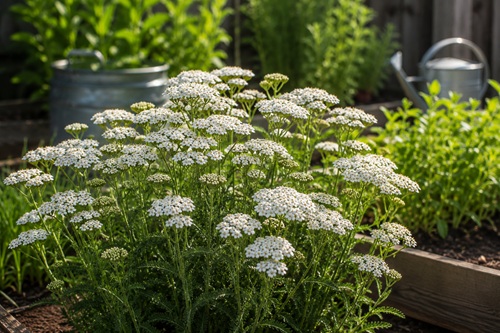
It tolerates drought, poor soils, and varying weather conditions while producing abundant flowers that support both medicinal use and beneficial insects. Once established, yarrow often requires little more than occasional thinning to remain productive.
Aloe vera is somewhat different because it is commonly grown indoors rather than outdoors in cooler climates. A sunny windowsill or greenhouse provides ideal conditions for this remarkable plant. Since fresh aloe gel is difficult to preserve for long periods, having a living plant available throughout the year ensures a continual supply whenever minor burns, cuts, or skin irritation occur.
As your confidence grows, you may choose to expand your medicinal garden with additional herbs such as chamomile, echinacea, lemon balm, peppermint, comfrey, bee balm, or plantain. Each offers unique traditional uses while broadening your understanding of herbal medicine. The goal is not to grow every medicinal plant available but rather to cultivate a practical collection that supports the needs of your household.
Gardening itself is an important preparedness skill. Every season spent growing medicinal plants teaches lessons about soil health, weather patterns, seed saving, harvesting, drying, and storage. These experiences build confidence that cannot be gained from reading alone. Over time, your medicinal garden becomes more than a source of ingredients—it becomes an outdoor classroom where practical knowledge is developed year after year.
Preparedness Perspective
Preparedness is often measured by the supplies stored on shelves, but knowledge is just as important as equipment. Learning how to prepare a simple herbal antiseptic wound spray illustrates this principle perfectly. The finished bottle represents only a small part of what has been learned along the way. Understanding wound care, recognizing medicinal plants, harvesting herbs responsibly, preparing infusions, maintaining sanitation, and storing natural remedies are all practical skills that continue providing value long after the spray has been used.
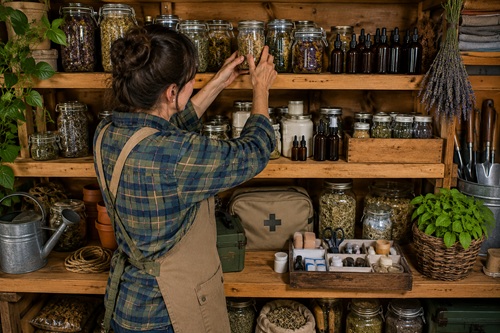
Natural remedies should never be viewed as replacements for modern medicine, nor should they be dismissed simply because they have been used for generations. Modern first aid and traditional herbal medicine each offer valuable strengths. When combined thoughtfully, they create a balanced approach that emphasizes prevention, proper wound care, informed decision-making, and self-reliance.
Perhaps the greatest lesson from this guide is that preparedness begins long before an emergency occurs. The time to learn medicinal plants is while they are growing in your garden. The time to practice making herbal preparations is before they are urgently needed. Every batch you prepare increases your experience, builds confidence, and helps identify improvements that can be made in the future.
Whether you choose to make this wound spray once or continue exploring herbal medicine as a long-term hobby, you have taken another step toward greater resilience. The knowledge gained today may someday prove just as valuable as the supplies sitting in your first aid kit.
Key Takeaways
Minor cuts, scrapes, burns, and abrasions are among the most common injuries encountered during everyday life, making proper wound care an essential preparedness skill. An herbal antiseptic wound spray offers a practical way to help cleanse and soothe these minor injuries while supporting the body’s natural healing process. By combining carefully selected herbs such as aloe vera, calendula, witch hazel, thyme, sage, yarrow, and lavender, it is possible to create a balanced preparation that complements conventional first aid supplies.
Success begins with understanding the basics of wound healing, selecting high-quality ingredients, maintaining excellent sanitation during preparation, and storing the finished product correctly. Just as importantly, responsible preparedness means recognizing the limitations of herbal remedies and knowing when professional medical care is necessary. Serious injuries, deep wounds, animal bites, severe burns, or signs of infection should always receive prompt medical attention.
Perhaps the most valuable outcome extends beyond the finished spray itself. Learning to identify medicinal plants, grow your own herbs, prepare natural remedies, and build a home herbal first aid kit develops practical skills that increase confidence and reduce dependence on outside resources. These are renewable skills that improve with practice and remain valuable throughout a lifetime.
The true strength of preparedness has never been found solely in the supplies we store. It is found in the knowledge we develop, the skills we practice, and the confidence that comes from knowing we can care for ourselves and those around us when everyday challenges arise.
© Prepping Communities. This content is for informational purposes only and not professional advice. Use at your own risk.
Terms | Privacy | Guidelines