
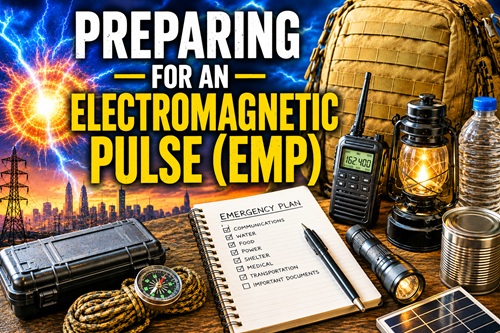
Training Lesson
| Lesson Information | Details |
|---|---|
| Difficulty | Intermediate |
| Estimated Reading Time | 20–25 minutes |
| Estimated Practice Time | 2–4 hours |
| Category | Infrastructure Preparedness |
| Prerequisites | None |
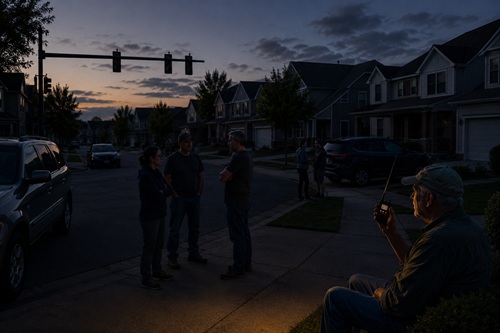
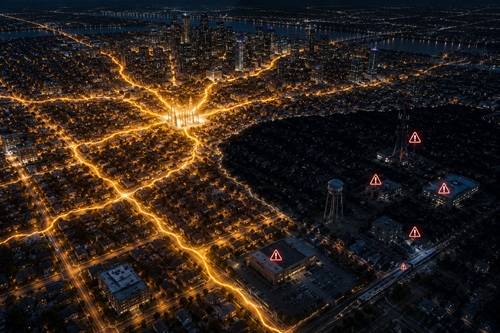
An electromagnetic pulse primarily threatens the infrastructure that supports modern life. The greatest challenge is not the pulse itself, but the widespread disruption of the essential services people depend upon every day.
Overview
Modern life depends on electricity in ways that often go unnoticed until something interrupts it. Every day, electrical power supports the systems that provide clean drinking water, preserve food, distribute fuel, process financial transactions, deliver healthcare, operate communication networks, and keep transportation moving. Because these services function so reliably, most people rarely consider how interconnected they have become or how quickly everyday life could change if those systems were suddenly unavailable.
An electromagnetic pulse (EMP) is one event capable of disrupting electrical and electronic systems across a wide area. While EMPs are often portrayed as dramatic, civilization-ending events, the greatest challenge for most households would not be the pulse itself. Instead, it would be the prolonged interruption of the infrastructure that supports modern society. Electricity, communications, water treatment, fuel distribution, banking, healthcare, transportation, and food supply chains all depend upon one another. When one critical system fails, the effects often spread throughout many others.
Fortunately, preparing for an EMP is remarkably similar to preparing for many other emergencies, including severe storms, cyberattacks, earthquakes, ice storms, wildfires, and extended power outages. The same practical preparations that improve your resilience during those events also strengthen your ability to adapt following an EMP. Building emergency supplies, protecting important information, developing practical skills, and creating realistic family plans all contribute to greater self-reliance regardless of what causes the disruption.
The purpose of this Training Lesson is not to predict specific events or promote fear. Instead, it is designed to help you understand how modern infrastructure functions, identify potential vulnerabilities within your own household, and develop practical strategies that improve your preparedness one step at a time. By the end of this lesson, you should have a clearer understanding of how an EMP could affect daily life and, more importantly, what you can do today to become better prepared for tomorrow.
In This Lesson You’ll Learn
After completing this Training Lesson, you should be able to:
- Explain what an electromagnetic pulse (EMP) is and how it differs from other emergencies.
- Understand why modern infrastructure depends so heavily on reliable electrical power.
- Identify practical steps that strengthen household preparedness before an EMP occurs.
- Protect important electronics, emergency information, and communication capabilities.
- Respond calmly and effectively during the first hours following a widespread infrastructure disruption.
- Manage food, water, fuel, medical supplies, and other essential resources during an extended emergency.
- Develop practical skills that improve resilience across many different emergency situations.
- Create a long-term preparedness strategy that continues improving long after the emergency has ended.
Understanding an Electromagnetic Pulse (EMP)
An electromagnetic pulse (EMP) is a sudden burst of electromagnetic energy capable of disrupting electrical and electronic systems. Depending on its source, strength, and location, an EMP may affect individual electronic devices, portions of the electrical grid, or, in some circumstances, large areas of interconnected infrastructure. While naturally occurring and man-made EMPs differ in how they are produced, both have the potential to interfere with systems that modern society depends upon every day.
It is important to recognize that an EMP is primarily an infrastructure emergency rather than a direct threat to human health. Unlike floods, tornadoes, earthquakes, or wildfires, the pulse itself is generally not expected to injure people simply because they are outdoors or inside a building. Instead, the greatest concern is what happens after electrical systems stop functioning. Without dependable electricity, many of the services that support modern life begin to degrade, creating challenges that can affect nearly every household.
For most families, the immediate impact would likely be the sudden loss of conveniences that are normally taken for granted. Lights may stop working, communication networks could become unreliable, fuel pumps may no longer operate, banking services may become unavailable, refrigeration could fail, and clean drinking water might eventually become more difficult to obtain. Individually these problems may seem manageable, but together they can create a much more complex emergency than many people initially expect.
Understanding these cascading effects is one of the most important lessons of preparedness. An EMP is rarely about one system failing. It is about many interconnected systems becoming disrupted at the same time. Recognizing those relationships helps shift preparedness away from fear and toward practical planning.
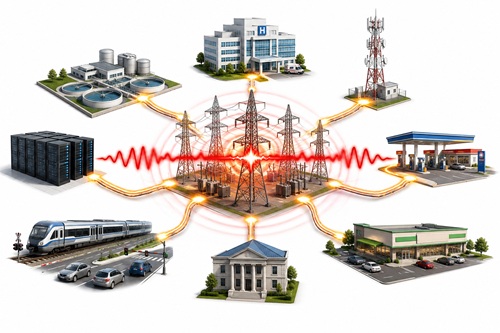
Modern infrastructure operates as an interconnected network. When electrical power is disrupted, the effects often extend far beyond the electrical grid itself.
How Modern Infrastructure Is Connected
Modern infrastructure functions much like a chain in which every link supports another. Electrical power enables water treatment plants to pump and purify drinking water, fuel stations to operate their pumps, hospitals to power medical equipment, communication providers to operate cellular towers and internet services, grocery stores to refrigerate food, and financial institutions to process electronic transactions. Transportation systems, emergency services, manufacturing facilities, and countless other organizations also rely on dependable electricity to perform their daily operations.
Because these systems depend upon one another, disruptions rarely remain isolated. A prolonged electrical outage can affect food distribution, fuel deliveries, healthcare, emergency response, communications, banking, and transportation simultaneously. Backup generators and emergency procedures may reduce some of these impacts temporarily, but extended disruptions eventually place increasing strain on every part of the system.
Understanding this interconnected nature of infrastructure changes the way we think about preparedness. Rather than preparing for one specific disaster, we begin preparing for the temporary loss of the services that support everyday life. Food storage, water supplies, backup communications, emergency lighting, practical skills, and thoughtful planning become valuable regardless of whether the disruption is caused by an EMP, a cyberattack, a severe storm, or another large-scale emergency.
Examples of Infrastructure Dependencies
| Critical Infrastructure | Depends on Electricity For | Possible Impact of Extended Outage |
|---|---|---|
| Electrical Grid | Power generation and distribution | Widespread power loss |
| Water Systems | Pumping, treatment, distribution | Reduced access to clean drinking water |
| Communications | Cell towers, internet, broadcasting | Limited communication capabilities |
| Fuel Distribution | Pumps, storage, payment systems | Restricted access to fuel |
| Healthcare | Medical equipment, refrigeration, records | Reduced healthcare capacity |
| Grocery Stores | Refrigeration, inventory, checkout | Food supply disruptions |
| Banking | Electronic transactions and ATMs | Limited financial services |
| Transportation | Traffic control, logistics, dispatch | Transportation delays and supply chain interruptions |
| Emergency Services | Dispatch, communications, coordination | Slower emergency response |
Why This Matters
Preparing for an EMP is fundamentally about preparing for infrastructure disruption. The recommendations throughout this lesson are designed to improve your ability to adapt whenever essential services become unavailable, regardless of the cause. By understanding how these systems work together, you can make better preparedness decisions that provide value during many different emergencies rather than focusing on a single scenario.
Before an EMP
The most effective preparedness always begins before an emergency occurs. Once critical infrastructure has already been disrupted, obtaining supplies, gathering reliable information, protecting important equipment, or making major improvements becomes considerably more difficult. Building preparedness gradually while normal services remain available allows your household to respond more calmly, make better decisions, and avoid many of the challenges that arise when people attempt to prepare after an emergency has already begun.
Preparing for an EMP does not require expensive equipment or dramatic lifestyle changes. Instead, it involves strengthening the same areas of preparedness that improve resilience during many different emergencies. Reliable food and water supplies, practical medical resources, emergency lighting, backup communications, alternative cooking methods, important documents, and realistic family plans all contribute to greater independence when modern infrastructure becomes unavailable.
Rather than attempting to prepare for every possible situation at once, focus on building a solid foundation. Each improvement strengthens your household’s ability to adapt, reduces dependence on outside assistance, and creates flexibility when circumstances change unexpectedly. Over time, these steady improvements combine to create a preparedness system capable of supporting your family through both everyday disruptions and larger emergencies.
Build Essential Emergency Supplies
Every household depends upon a continuous flow of goods and services to meet its daily needs. Grocery stores receive regular deliveries, clean drinking water flows from the tap, fuel remains readily available, and medical supplies can usually be replaced with little notice. During a prolonged infrastructure disruption, however, those systems may operate at a greatly reduced capacity or stop functioning altogether. Preparing essential supplies before they are needed provides valuable time to make informed decisions rather than reacting under pressure.
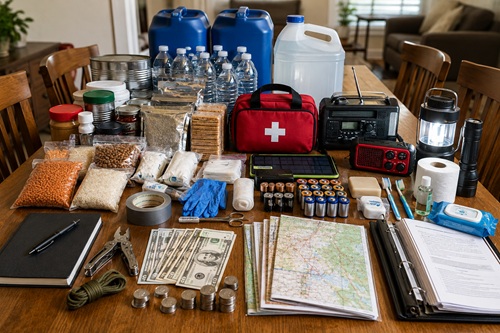
Food and water should always form the foundation of your emergency preparedness. Begin by storing foods your family already enjoys eating and gradually increase your supply over time. Shelf-stable foods such as canned goods, rice, beans, pasta, oats, dehydrated foods, and freeze-dried meals provide dependable nutrition while requiring relatively little maintenance. By building your supply gradually and rotating items into your normal meals, emergency food storage becomes both affordable and practical.
Water deserves equal attention because it is one of the first necessities affected by prolonged infrastructure failures. Store enough drinking water for every member of your household while maintaining several methods for obtaining and purifying additional water if your stored supply becomes limited. Water filters, purification tablets, boiling methods, and other treatment options provide valuable layers of redundancy that help ensure continued access to safe drinking water.
Medical supplies should also be reviewed carefully. A complete first aid kit, prescription medications, hygiene products, sanitation supplies, and common over-the-counter medications allow your household to manage many minor medical issues without immediately depending on healthcare facilities that may already be overwhelmed. Whenever possible, maintain a reasonable reserve of medications and periodically check expiration dates to keep supplies current.
Lighting, cooking equipment, and basic household necessities round out the foundation of a practical preparedness plan. Flashlights, lanterns, rechargeable lighting, batteries, portable cooking equipment, manual kitchen tools, fire-starting supplies, and simple repair items all contribute to maintaining a safe and functional home when electrical power is unavailable. Rather than relying on a single solution, build several layers of capability so your household can continue functioning even if one method becomes unavailable.
The goal is not to recreate every convenience of modern life. Instead, it is to maintain a safe, healthy, and organized household until essential services begin returning. Even modest preparations completed over time can significantly improve your ability to adapt during an extended infrastructure disruption.
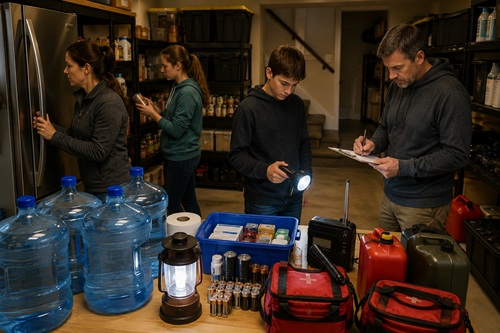
A well-organized preparedness kit provides the essential supplies needed to remain safe, healthy, and self-reliant during an extended infrastructure disruption.
Protect Critical Electronics
Although no protective method can guarantee that electronic equipment will survive every possible EMP scenario, many preparedness-minded individuals choose to protect devices that would be difficult to replace and could provide significant value during an extended emergency. The objective is not to shield every electronic device in your home but to preserve those that support communication, information, navigation, or emergency planning.
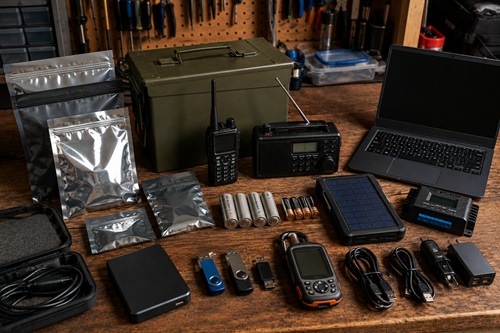
Battery-powered emergency radios, handheld two-way radios, amateur radio equipment, backup laptops, external hard drives, USB flash drives containing important documents, rechargeable batteries, solar charge controllers, GPS receivers, and certain medical devices are examples of equipment that many households choose to protect. Storing charging cables, adapters, spare batteries, and instruction manuals with these devices helps ensure they remain useful if they are needed months or even years after being stored.
Commercially manufactured Faraday bags provide one option for protecting smaller electronic devices, while properly constructed conductive containers may offer protection for larger equipment. Whatever storage method you choose, inspect your equipment periodically and test it according to the manufacturer’s recommendations. A protected device that no longer functions provides little value during an emergency.
It is equally important to remember that electronics are only one part of preparedness. Practical skills, printed reference materials, thoughtful planning, and redundant systems often provide greater long-term value than technology alone. If every electronic device were unavailable tomorrow, your ability to adapt would depend far more on your knowledge and planning than on any single piece of equipment.
Protecting essential electronic equipment preserves important communication, information, and emergency capabilities should modern electronic systems become disrupted.
Preserve Critical Knowledge
Knowledge is one of the few preparedness resources that becomes more valuable the more it is used. Unlike food, fuel, or batteries, knowledge is not consumed during an emergency. Instead, it provides the ability to solve problems, adapt to changing conditions, and make informed decisions when access to outside information may be limited.
Today, much of the world’s information exists almost exclusively online. Medical references, repair manuals, gardening guides, food preservation techniques, emergency procedures, maps, weather information, and instructional videos are often only a few clicks away during normal conditions. However, if communications networks become unavailable, accessing that information may become difficult or impossible.
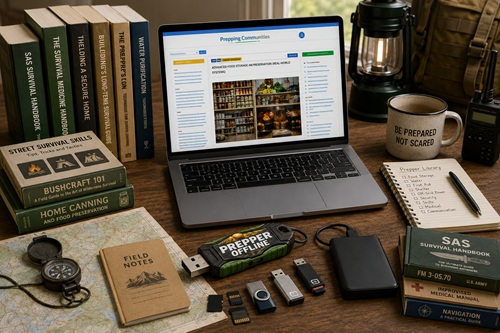
Maintaining an offline preparedness library helps ensure that important information remains available regardless of internet connectivity. Printed books, field guides, repair manuals, first aid references, gardening resources, food preservation guides, emergency checklists, topographic maps, and copies of important household documents continue functioning without electricity or subscription services. Digital libraries stored on protected laptops, USB drives, or external hard drives can greatly expand the amount of information available while remaining portable and easy to duplicate.
An effective preparedness library should focus on practical information that helps solve real-world problems. Topics such as emergency medicine, water purification, food storage, gardening, home repair, communications, navigation, sanitation, livestock care, and alternative energy all become increasingly valuable during prolonged infrastructure disruptions. Organize your library in a way that allows information to be located quickly rather than searching through hundreds of unrelated documents.
Perhaps the greatest benefit of preserving knowledge is the confidence it provides. Knowing that reliable information remains available reduces uncertainty and allows decisions to be based on sound guidance rather than guesswork or rumors. In many situations, access to accurate information may become just as valuable as access to food, water, or fuel.
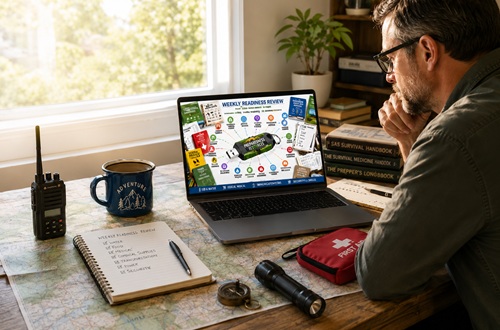
Maintaining an offline preparedness library ensures that valuable knowledge remains accessible even when internet and communication systems are unavailable.
Develop a Family Communication Plan
One of the first challenges many families experience during a widespread emergency is uncertainty about the safety and location of loved ones. Mobile phone networks, internet services, and other communication systems may become unreliable or unavailable, making it difficult to exchange information or coordinate plans. Establishing a communication plan before an emergency occurs greatly reduces confusion when normal methods of communication fail.
Every household should identify primary and alternate meeting locations, establish an out-of-area emergency contact, and discuss what each family member should do if communication systems become unavailable. These plans should be simple enough for every member of the household to understand while providing enough flexibility to adapt to changing circumstances.
Consider maintaining several methods of communication rather than depending entirely on mobile phones. Battery-powered radios, handheld two-way radios, amateur radio operators, neighborhood preparedness groups, and trusted friends or relatives living outside the affected area can all provide valuable alternatives during extended disruptions. The more communication options available, the greater your ability to adapt if one system fails.
Communication plans should not remain on paper. Review them regularly with your family and practice them occasionally so everyone understands their responsibilities. Even a brief annual exercise can reveal weaknesses in the plan while reinforcing confidence before an actual emergency occurs.
Preparedness is ultimately about reducing uncertainty. A well-practiced communication plan allows family members to focus on solving problems rather than wondering where everyone is or what they should do next.
Build Reliable Backup Power
Electricity supports many of the systems we rely upon every day, but no single backup power solution is appropriate for every household. Instead of depending entirely on one source, consider building several complementary options that provide flexibility under different circumstances. Layering your backup power capabilities reduces the likelihood that a single failure will leave your household without essential services.
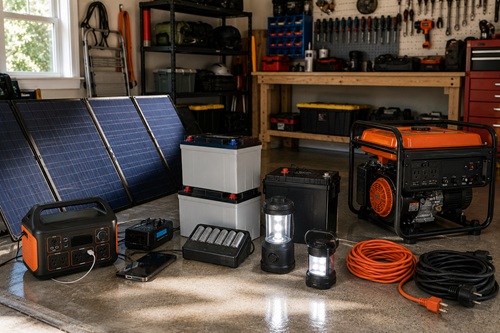
Portable solar panels, battery power stations, deep-cycle battery systems, generators, rechargeable battery packs, vehicle charging systems, and manual charging devices each offer unique advantages and limitations. Solar power provides renewable energy without requiring fuel but depends upon weather and available sunlight. Generators can produce larger amounts of electricity but require stored fuel and regular maintenance. Battery power stations operate quietly and safely indoors but have limited storage capacity. Understanding these strengths and weaknesses allows you to select equipment that best matches your household’s needs.
When developing a backup power plan, begin by identifying your highest priorities rather than attempting to power your entire home. Communications equipment, emergency lighting, refrigeration for medications, water purification equipment, and devices that provide access to important information should generally receive the highest priority. Entertainment systems, luxury appliances, and other conveniences can usually wait until normal electrical service returns.
Remember that reducing electrical demand can be just as valuable as increasing electrical production. LED lighting, energy-efficient appliances, manual kitchen tools, insulated coolers, and careful power management all help extend the usefulness of limited backup power resources. Often, improving efficiency provides greater benefits than simply purchasing larger equipment.
As your preparedness grows, continue expanding your backup power capabilities gradually. Every additional layer increases flexibility and reduces dependence on the electrical grid during future emergencies.
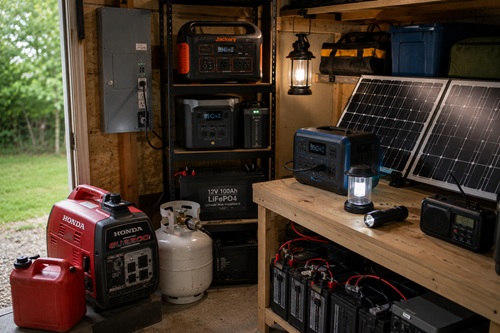
A layered backup power strategy combines several energy sources to provide reliable electricity for essential household needs during extended infrastructure disruptions.
Preparedness Tip
Focus on powering essential needs rather than attempting to duplicate normal daily living. A small, well-planned backup power system that supports communications, lighting, medical equipment, and water purification often provides greater long-term value than a much larger system designed primarily for convenience.
Develop Practical Skills
The most valuable preparedness resource you will ever possess cannot be purchased, stored on a shelf, or placed inside a Faraday container. It is the knowledge and experience you carry with you. Supplies may eventually be consumed, equipment can fail, and technology may become unavailable, but practical skills remain useful regardless of the circumstances.
Learning how to purify water, administer first aid, preserve food, cook without electricity, repair household equipment, operate emergency radios, navigate without GPS, maintain sanitation, grow food, and solve unexpected problems increases your independence while reducing reliance on outside assistance. These abilities complement one another, creating a preparedness system that becomes stronger as your experience grows.
The best time to develop these skills is before they are needed. Practicing under normal conditions allows mistakes to become learning opportunities rather than emergencies. Preparing a meal using alternative cooking equipment, operating your emergency radio, practicing water purification, organizing emergency supplies, or spending an evening without electricity all provide valuable experience that builds confidence.
Preparedness skills should also be shared with other members of your household. Emergencies often require teamwork, and every family member benefits from understanding basic emergency procedures. Children can learn age-appropriate responsibilities, while adults can develop complementary skills that improve the household’s overall capability.
Just as importantly, practical skills continue improving through repetition. A skill practiced once may be remembered, but a skill practiced regularly becomes second nature. Confidence developed through experience allows people to remain calmer and make better decisions during stressful situations.
Preparedness is ultimately about increasing your ability to adapt. Practical knowledge gives you options when circumstances change and often provides solutions that equipment alone cannot.
Practical Skills Self-Assessment
Use the following worksheet to identify areas where additional training or practice may improve your preparedness.
| Skill | Comfortable | Needs Practice |
|---|---|---|
| Water purification | ☐ | ☐ |
| Basic first aid | ☐ | ☐ |
| Emergency cooking | ☐ | ☐ |
| Fire starting | ☐ | ☐ |
| Emergency communications | ☐ | ☐ |
| Food preservation | ☐ | ☐ |
| Navigation without GPS | ☐ | ☐ |
| Gardening | ☐ | ☐ |
| Home repairs | ☐ | ☐ |
| Emergency planning | ☐ | ☐ |
This worksheet is not intended to measure perfection. Instead, it helps identify opportunities for future learning. Every skill you strengthen increases your household’s resilience while reducing dependence on outside assistance.
EMP Preparedness Checklist
Building preparedness is a gradual process rather than a single project. Use this checklist to evaluate your current level of readiness and identify practical improvements that can be completed over time. Every item you complete strengthens your ability to respond not only to an EMP but also to many other emergencies involving prolonged infrastructure disruptions.
EMP Preparedness Checklist
| Preparedness Area | Recommended Goal | Complete |
|---|---|---|
| Food Storage | 30–90 days of shelf-stable food | ☐ |
| Drinking Water | Emergency water supply established | ☐ |
| Water Filtration | Multiple purification methods available | ☐ |
| First Aid Supplies | Complete first aid kit and reference guide | ☐ |
| Prescription Medications | Emergency reserve available | ☐ |
| Emergency Lighting | Flashlights, lanterns, and spare batteries | ☐ |
| Emergency Radio | Battery-powered or hand-crank radio tested | ☐ |
| Backup Power | Solar, generator, battery bank, or equivalent | ☐ |
| Alternative Cooking | Ability to cook without grid electricity | ☐ |
| Fuel Storage | Safe fuel storage where appropriate | ☐ |
| Emergency Cash | Small bills readily available | ☐ |
| Paper Maps | Local and regional maps available | ☐ |
| Offline Preparedness Library | Printed and digital references available | ☐ |
| Important Documents | Protected copies organized | ☐ |
| Family Communication Plan | Reviewed and practiced | ☐ |
| Alternative Communications | Backup communication methods available | ☐ |
| Protected Electronics | Essential devices protected | ☐ |
| Practical Skills | Regular practice schedule established | ☐ |
| Community Connections | Trusted neighbors and support network identified | ☐ |
Completing every item before an emergency occurs is not always realistic, nor is it necessary to become better prepared. Use this checklist as a planning tool rather than a test. Focus on completing one or two improvements at a time and revisit the checklist periodically as your preparedness continues to grow. Progress made consistently over months and years is far more valuable than attempting to accomplish everything at once.
During an EMP
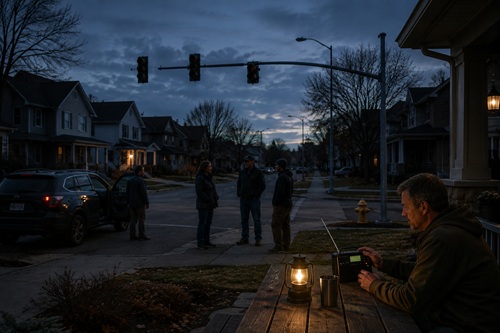
An electromagnetic pulse or any widespread infrastructure failure can occur without warning. Electrical power may stop functioning immediately, communication systems may become unreliable, and many of the services people depend upon every day could become unavailable with little or no notice. While the sudden loss of these systems can be unsettling, remaining calm and following a well-prepared plan is far more effective than reacting impulsively.
The first several hours are often the most important. Decisions made during this period can significantly influence how well your household adapts during the days and weeks that follow. Rather than attempting to solve every problem immediately, focus first on protecting life, assessing the situation, conserving available resources, gathering reliable information, and understanding the scope of the disruption before making major decisions.
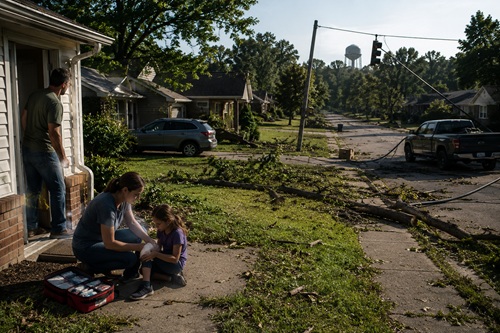
The first hours following an infrastructure disruption should focus on life safety, assessment, and thoughtful decision-making rather than panic or hurried action.
Protect Life First
Your first priority should always be personal safety. Before focusing on equipment, supplies, or gathering information, take a few moments to ensure that everyone in your household is safe. Check family members for injuries, provide first aid within your level of training, and carefully inspect your home for immediate hazards such as fires, gas leaks, structural damage, downed power lines, or other dangerous conditions.
If you discover a situation that threatens life or safety, address it before moving on to other preparedness tasks. Small problems identified early are often much easier to manage than those left unnoticed. A minor gas leak, damaged electrical wiring, or small fire can quickly become a much larger emergency if ignored.
Remain calm throughout this process. Most injuries during emergencies occur not because of the emergency itself but because people rush into dangerous situations without thinking through their actions. Take a moment to assess your surroundings before making decisions.
If your home remains safe, gather your household together whenever possible. Knowing where everyone is and confirming their well-being reduces uncertainty and allows everyone to begin working together toward common priorities.
Safety Consideration
Never place yourself or your family at unnecessary risk to protect property or equipment. Personal safety should always take priority over recovering possessions or attempting repairs while hazardous conditions may still exist.
Assess the Situation
Once immediate safety concerns have been addressed, begin gathering information about what has actually happened. Avoid making assumptions based on rumors or isolated observations. Instead, carefully evaluate your surroundings and determine whether the disruption appears localized or widespread.
Look outside your home. Are neighboring houses also without electricity? Are streetlights operating? Do traffic signals appear to be functioning? Can you hear emergency vehicles, generators, or other unusual activity? These simple observations often provide valuable clues about the scale of the disruption.
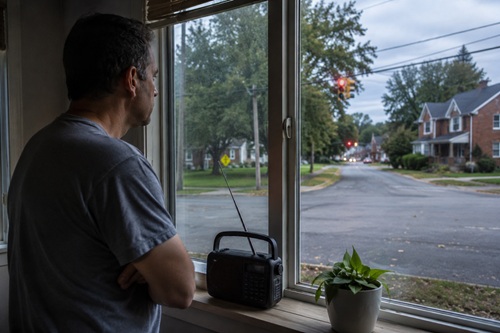
If you have access to a battery-powered or hand-crank emergency radio, begin monitoring official broadcasts for emergency information and public safety instructions. Resist the temptation to rely on speculation or social media if internet service remains partially available. During emergencies, inaccurate information often spreads more quickly than verified facts.
As additional information becomes available, continue reassessing your understanding of the situation. Early reports are often incomplete, and conditions may continue changing throughout the first several hours.
Protect Sensitive Electronics
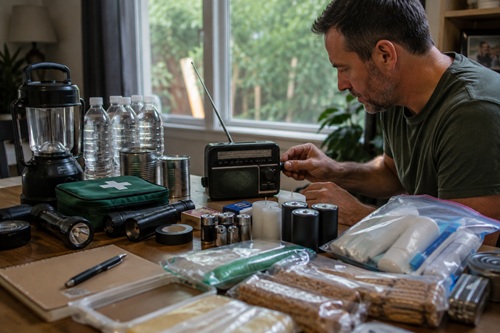
If electrical service appears unstable or begins cycling on and off, disconnect valuable electronic equipment whenever it is safe to do so. During major electrical disturbances, power surges may occur as portions of the electrical grid attempt to stabilize, potentially causing additional damage to connected devices.
If you have stored emergency electronics inside Faraday containers or other protective storage, there is generally no need to remove them immediately. Leave them protected until you have a clear reason to use them. Removing equipment too soon simply increases the possibility of unnecessary exposure if additional electrical disturbances occur.
Keep charging cables, adapters, rechargeable batteries, and instruction manuals stored together with protected equipment whenever practical. During stressful situations, having everything organized in one location saves valuable time and reduces frustration.
Remember that electronic equipment is a tool rather than a solution. Your preparedness ultimately depends on your planning, practical skills, and ability to adapt—not on any individual device.
Disconnecting sensitive electronics during unstable electrical conditions may help reduce the risk of additional damage caused by power surges.
Begin Conserving Resources
If it becomes apparent that the disruption may continue for an extended period, begin conserving resources immediately. Fuel, batteries, drinking water, medications, and stored food may need to support your household far longer than originally anticipated. Conserving supplies early provides significantly more flexibility if restoration efforts require days or even weeks.
Avoid using emergency supplies simply because they are available. Continue relying on everyday resources whenever practical while carefully monitoring changing conditions. As you gain a better understanding of the situation, you can gradually adjust your conservation strategy without unnecessarily exhausting valuable reserves.
Pay particular attention to refrigerated and frozen foods. Keep refrigerator and freezer doors closed as much as possible to preserve cold temperatures. Consume refrigerated foods before frozen items whenever appropriate, and reserve shelf-stable emergency foods until they are actually needed.
Battery usage should also be managed carefully. Avoid leaving flashlights, lanterns, or radios operating continuously unless necessary. Small adjustments in daily habits can significantly extend the usefulness of limited resources.
Careful resource management during the first hours of an emergency helps extend critical supplies while reducing unnecessary waste.
Monitor Reliable Information
Reliable information quickly becomes one of the most valuable resources available during any emergency. Battery-powered or hand-crank emergency radios provide access to official announcements, weather updates, public safety information, and restoration efforts even when internet services and mobile phone networks become unavailable.
Establish a routine for monitoring broadcasts rather than leaving the radio operating continuously. Listening every hour or two often provides sufficient updates while conserving batteries for longer emergencies.
Whenever possible, rely on information provided by emergency management agencies, public safety organizations, and trusted broadcasters. Avoid making important decisions based solely on rumors, unofficial social media posts, or unverified reports shared by others.
As additional information becomes available, compare it with your own observations and continue adjusting your plans accordingly. Effective preparedness depends upon making informed decisions rather than reacting emotionally to incomplete information.
Communicate With Family
Once immediate safety concerns have been addressed and the situation has been assessed, confirm the location and well-being of family members whenever possible. If communication systems remain operational, keep conversations brief to reduce unnecessary network congestion. If normal communication methods are unavailable, begin following the procedures established in your family communication plan.
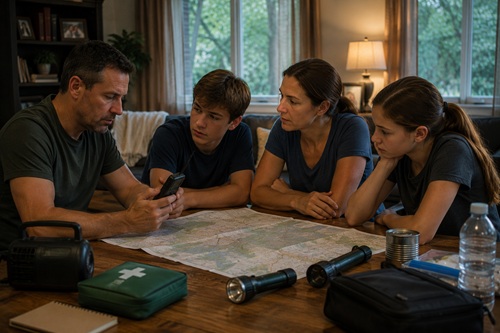
If family members become separated, avoid unnecessary travel unless immediate safety requires it. Traveling without reliable information may expose you to additional hazards such as blocked roads, disabled traffic signals, fuel shortages, or changing emergency conditions.
Families that have discussed emergency procedures in advance generally experience far less confusion during actual emergencies. Knowing where to meet, how long to wait, and what alternative communication methods to use allows everyone to make informed decisions even when direct communication is temporarily impossible.
Continue reassuring children and other family members throughout the emergency. Calm leadership and clear communication help reduce fear while encouraging thoughtful decision-making.
Check on Neighbors
Preparedness is strengthened when communities work together. Once your own household is safe and immediate priorities have been addressed, consider checking on nearby neighbors—particularly older adults, individuals with disabilities, families with young children, or anyone who may require additional assistance.
A simple conversation can provide valuable information while helping reduce uncertainty. You may learn about changing conditions in the neighborhood, identify emerging safety concerns, or discover that someone needs assistance with a problem that can be solved quickly. Likewise, your own knowledge, skills, or equipment may help another household overcome a challenge they cannot address alone.
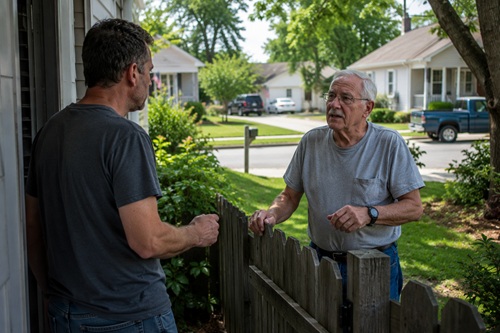
Community cooperation does not require large organizations or formal preparedness groups. It often begins with neighbors sharing information, exchanging practical assistance, and looking out for one another during difficult circumstances. Strong neighborhoods recover more quickly because people combine their knowledge, resources, and abilities rather than facing every challenge alone.
Helping others should always be balanced with your own household’s responsibilities. Providing assistance should never place your family in unnecessary danger or significantly reduce the supplies needed to meet your own essential needs. Small acts of cooperation—sharing information, checking on vulnerable neighbors, or helping solve simple problems—can often provide tremendous value without creating additional hardship.
Many preparedness plans focus almost entirely on supplies while overlooking one of the most valuable resources available during an emergency: trusted people. Building relationships before an emergency occurs makes cooperation far easier when unexpected events disrupt daily life.
Preparedness Tip
One of the simplest preparedness activities you can complete today is introducing yourself to your neighbors. Familiar faces, trusted relationships, and open communication often become just as valuable as emergency supplies during prolonged infrastructure disruptions.
Avoid Unnecessary Travel
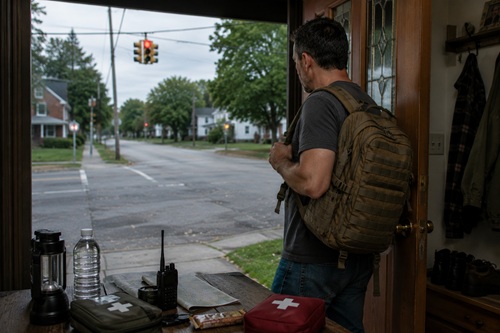
As conditions continue developing, carefully evaluate whether travel is truly necessary. Following a widespread infrastructure disruption, transportation systems may not function normally. Traffic signals could be inoperative, fuel availability may become uncertain, communication systems may provide limited navigation assistance, and emergency responders may require unrestricted access to affected areas.
Unless travel is required to protect life or respond to another urgent need, remaining at home is often the safest course of action. Your home contains the majority of your emergency supplies, food, drinking water, medical equipment, sanitation resources, tools, and reference materials. Leaving those resources without a compelling reason may create unnecessary risk while providing little benefit.
If travel becomes unavoidable, prepare carefully before leaving. Carry drinking water, food, first aid supplies, communication equipment, flashlights, paper maps, and any medications that may be needed. Inform someone of your destination if possible, remain aware of changing conditions, and avoid routes that appear congested or unsafe.
Remember that conditions may continue changing throughout the day. A route that was safe in the morning may not remain safe later. Continue evaluating your surroundings and remain flexible enough to adjust your plans if necessary.
The First 24 Hours Matter Most
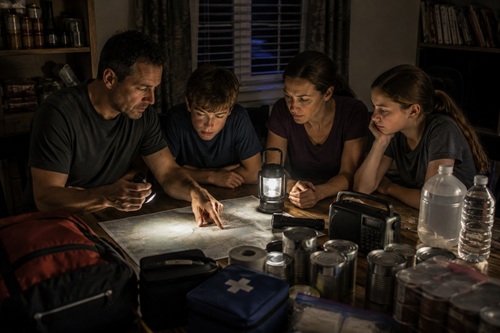
The decisions made during the first day following an EMP often establish the foundation for everything that follows. Remaining calm, protecting your household, conserving resources, gathering reliable information, communicating effectively, and avoiding unnecessary risks all contribute to a more organized and confident response.
Many people feel pressure to act immediately simply because the situation is uncertain. However, preparedness is rarely about taking the fastest action – it is about taking the right action at the right time. Careful observation, thoughtful planning, and disciplined decision-making frequently provide better outcomes than hurried activity driven by incomplete information.
During the first twenty-four hours, focus on stabilizing your household rather than solving every potential problem. Continue monitoring official information, reassess changing conditions, review available resources, and adjust your plans as additional information becomes available. A flexible approach allows you to respond effectively regardless of how the situation develops.
The First 24 Hours Checklist
Use this checklist to help guide your actions during the initial stages of an extended infrastructure disruption.
| Task | Complete |
|---|---|
| Confirm everyone’s safety | ☐ |
| Check for fires, gas leaks, and structural hazards | ☐ |
| Monitor emergency radio broadcasts | ☐ |
| Disconnect sensitive electronics if appropriate | ☐ |
| Conserve food, water, fuel, and batteries | ☐ |
| Review available emergency supplies | ☐ |
| Contact family members if possible | ☐ |
| Check on neighbors if appropriate | ☐ |
| Avoid unnecessary travel | ☐ |
| Continue monitoring changing conditions | ☐ |
Completing every item immediately may not always be possible, nor will every situation require the same response. Instead, use this checklist as a practical guide that helps organize priorities while reducing the likelihood of overlooking important tasks during a stressful situation.
After an EMP
The first several hours following an EMP are often filled with uncertainty. As time passes and the immediate situation becomes clearer, your priorities gradually shift from emergency response to long-term management. At this stage, the objective is no longer simply reacting to the disruption—it is adapting to it. Careful planning, disciplined resource management, and maintaining consistent daily routines become increasingly important if essential services remain unavailable for an extended period.
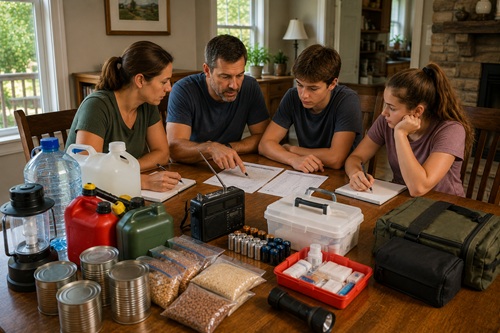
Avoid assuming that normal life will return quickly. While some infrastructure disruptions may be resolved within days, others could continue for weeks or even longer depending on the extent of the damage, the availability of replacement equipment, transportation systems, fuel supplies, and repair personnel. Planning for a longer disruption than you expect helps prevent unnecessary consumption while providing greater flexibility if restoration efforts require additional time.
Preparedness is no longer measured by how quickly you respond. It becomes measured by how consistently you manage your household over time. Careful planning, realistic expectations, and steady routines often become far more valuable than dramatic action during this phase of the emergency.
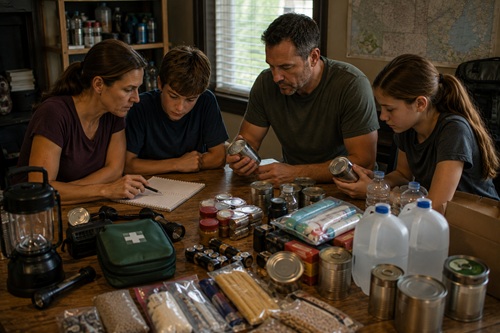
As the emergency stabilizes, careful resource management and thoughtful planning become the priorities for long-term resilience.
Evaluate Your Available Resources
One of the first priorities during the recovery phase is understanding exactly what resources remain available. Rather than estimating from memory, conduct a complete inventory of your household supplies. Knowing what you have allows you to make informed decisions about conservation, priorities, and long-term planning.
Review your food, drinking water, fuel, medical supplies, hygiene products, sanitation equipment, batteries, lighting, communication equipment, cooking fuel, and backup power systems. Record quantities whenever practical and estimate how long each resource may last under current usage. If you maintain a written inventory before emergencies occur, compare it with your current supplies and note what has been consumed or requires replacement.
An organized inventory often provides reassurance as well as practical information. During stressful situations, people frequently underestimate their available resources simply because they have not taken the time to evaluate them carefully. A written inventory replaces uncertainty with facts, allowing decisions to be based on actual conditions rather than assumptions.
Manage Resources Carefully
Once you understand what resources are available, develop a realistic plan for using them wisely. Resist the temptation to assume that restoration efforts will happen quickly. While it is encouraging to remain optimistic, planning for a longer disruption helps prevent unnecessary consumption and reduces the likelihood of difficult shortages later.
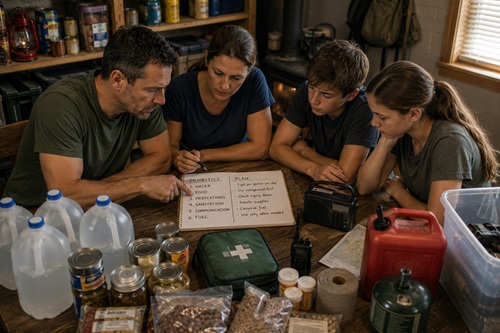
Begin by prioritizing resources according to necessity. Drinking water, food, medications, sanitation supplies, and emergency communications should always receive the highest priority. Consider how each item contributes to the health, safety, and well-being of your household before deciding how it should be used.
Food should be consumed strategically rather than randomly. If refrigeration has been lost, use refrigerated foods first, followed by frozen foods if they can no longer remain safely frozen. Shelf-stable emergency supplies should generally be reserved for later stages of the emergency. Rotating food in this manner reduces waste while extending your overall food supply.
Fuel should also be managed carefully. Whether you rely on gasoline, propane, firewood, charcoal, or other fuel sources, reserve them for tasks that cannot reasonably be accomplished by other means. Avoid operating generators unnecessarily, and look for opportunities to reduce fuel consumption through efficient cooking, careful trip planning, and thoughtful energy management.
Water deserves special attention throughout an extended emergency. Continue protecting stored water from contamination while monitoring daily consumption. If additional water must be collected, treat every new source as potentially unsafe until it has been properly purified. Conserving clean drinking water today may prevent serious problems later.
Resource management is not about deprivation. It is about making thoughtful decisions that allow your household to remain healthy, safe, and comfortable throughout the duration of the emergency.
Establish Daily Routines
One of the most effective ways to reduce stress during prolonged emergencies is to establish a consistent daily routine. Predictable schedules provide structure, improve productivity, and help restore a sense of normalcy even when the surrounding situation remains uncertain.
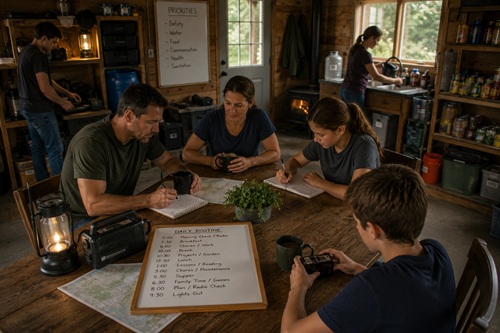
Begin each morning by reviewing current conditions, monitoring emergency broadcasts, checking household safety, and evaluating available resources. Knowing the day’s priorities helps everyone focus their efforts while reducing confusion and unnecessary activity.
Meals should be prepared at regular times whenever practical. Household chores, sanitation, equipment maintenance, water collection, gardening, security checks, and communication schedules should also become part of the daily routine. Consistency improves efficiency while helping everyone understand what needs to be accomplished each day.
Children often benefit especially from routine because predictable schedules reduce anxiety and provide reassurance during unfamiliar situations. Maintaining regular meal times, educational activities, family discussions, recreational periods, and household responsibilities helps restore a sense of stability that supports both emotional and physical well-being.
Do not overlook the importance of rest. Fatigue often leads to poor decisions, accidents, and unnecessary conflict. Maintaining a healthy balance between productive work and adequate recovery helps preserve both morale and long-term effectiveness.
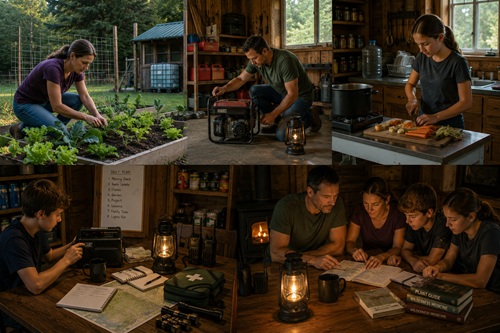
Daily routines provide structure, improve productivity, and help reduce stress throughout prolonged emergencies.
Daily Recovery Checklist
Review this checklist each morning to help maintain consistency throughout an extended infrastructure disruption.
| Daily Task | Complete |
|---|---|
| Check household safety | ☐ |
| Monitor emergency broadcasts | ☐ |
| Review food and water supplies | ☐ |
| Inspect backup power equipment | ☐ |
| Recharge batteries if possible | ☐ |
| Maintain sanitation and hygiene | ☐ |
| Perform equipment maintenance | ☐ |
| Check on neighbors if appropriate | ☐ |
| Update household plans | ☐ |
| Review tomorrow’s priorities | ☐ |
Maintain Security Without Creating Fear
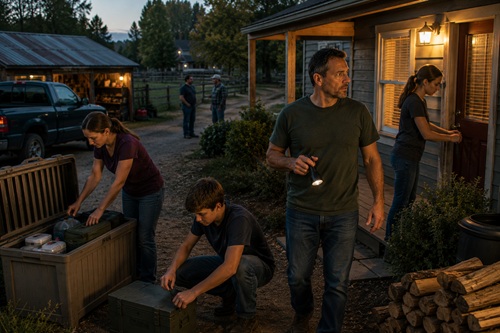
Extended infrastructure failures may increase the likelihood of theft, fraud, or other criminal activity in some communities. While remaining aware of your surroundings is important, avoid allowing fear to dominate your decisions. Good security is built upon awareness, preparation, and common sense rather than constant anxiety.
Continue securing doors, windows, vehicles, storage buildings, and other vulnerable areas just as you normally would. Keep emergency supplies organized and avoid unnecessarily advertising the quantity of resources you have available. Simple habits such as closing curtains after dark, locking doors, and maintaining exterior lighting where practical often provide effective security without attracting unwanted attention.
Situational awareness remains one of the most valuable security tools available. Pay attention to changes within your neighborhood, recognize unusual activity, and communicate openly with trusted neighbors. People who remain informed are generally better prepared to recognize developing problems before they become emergencies.
Neighborhood cooperation significantly improves security. Communities where residents know one another, share information, and periodically check on nearby households often experience fewer problems than neighborhoods where everyone remains isolated. A simple conversation with a neighbor may reveal important information while strengthening relationships that benefit everyone involved.
Security should support daily life rather than dominate it. Remaining alert while continuing normal household routines helps create a balanced approach that protects both physical safety and emotional well-being.
Protect Your Physical and Mental Well-Being
Long-term emergencies affect much more than physical supplies. Extended uncertainty, changing routines, isolation, fatigue, and concern for loved ones can gradually increase stress while reducing the ability to think clearly and make sound decisions.
Maintaining good physical health begins with the basics. Continue eating balanced meals whenever possible, remain properly hydrated, exercise regularly within your abilities, and obtain adequate sleep. Good hygiene should remain a daily priority because preventing illness is often far easier than treating it when healthcare resources may be limited.
Mental and emotional health deserve equal attention. Family conversations, shared meals, reading, hobbies, games, spiritual practices, and quiet time all help reduce stress while strengthening emotional resilience. Encourage open communication among family members and provide opportunities for everyone to discuss concerns, ask questions, and support one another.
Children may require additional reassurance during prolonged emergencies. Honest, age-appropriate conversations help reduce fear while providing a better understanding of what is happening. Including children in simple preparedness activities also helps replace uncertainty with confidence and purpose.
Preparedness is not simply about surviving difficult situations. It is about maintaining the physical health, emotional resilience, and clear thinking needed to continue making good decisions throughout the emergency.
Why This Matters
Many emergency plans focus almost entirely on equipment and supplies while overlooking the importance of emotional resilience. Households that communicate openly, maintain healthy routines, and support one another often adapt more successfully than those that focus only on material resources.
Continue Evaluating the Situation
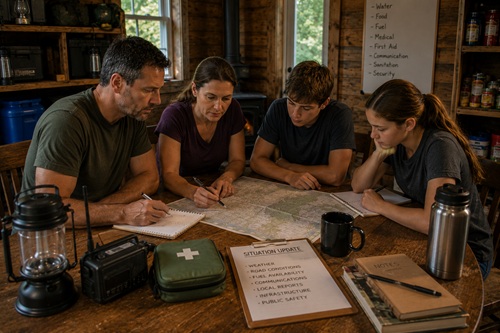
Even after the immediate emergency has stabilized, conditions may continue changing for days or weeks. Restoration efforts, weather conditions, transportation systems, fuel availability, public safety information, and local infrastructure repairs all influence the decisions your household may need to make.
Continue monitoring reliable sources of information while comparing official reports with your own observations. Reassess available resources regularly, update your household plans as needed, and remain flexible enough to adapt as new information becomes available.
Avoid becoming overly committed to any single plan. Preparedness is built upon adaptability. The ability to adjust your decisions based on changing circumstances often proves more valuable than following a rigid plan regardless of new information.
Every day provides additional opportunities to improve your understanding of the situation, strengthen your preparedness, and make informed decisions that support your household’s long-term resilience.
Preparing for Long-Term Recovery
As conditions gradually stabilize, begin looking beyond immediate survival and consider how your household will recover over the weeks and months ahead. Recovery is not simply about returning to the way things were before the emergency – it is an opportunity to strengthen your preparedness using the lessons learned throughout the experience.
Identify equipment that performed well, supplies that were consumed more quickly than expected, skills that proved especially valuable, and weaknesses that became apparent during the disruption. Recording these observations while they remain fresh provides valuable guidance for future planning and helps ensure that each emergency leaves your household better prepared than before.
Preparedness is a continuous process of learning, improving, and adapting. Every experience contributes to greater resilience if you take the time to evaluate what worked, what did not, and what improvements should be made before the next emergency occurs.
Long-Term Recovery
Recovery following a significant EMP event may require weeks, months, or even years depending on the extent of the infrastructure damage and the availability of replacement equipment, transportation, fuel, and repair personnel. While the immediate emergency eventually passes, rebuilding normal routines and restoring essential services often takes considerably longer. The actions you take during the recovery phase can significantly influence your household’s future preparedness.
Rather than viewing recovery as simply returning to normal, consider it an opportunity to strengthen your resilience. Every challenge experienced during the emergency provides valuable insight into your household’s strengths, weaknesses, and opportunities for improvement. Families that carefully evaluate these lessons often become far better prepared for future emergencies than they were before the event occurred.
Recovery is also a time to remain patient. Infrastructure restoration rarely occurs all at once. Different communities, services, and supply chains often recover at different rates. Continue making thoughtful decisions until critical services have been fully restored and remain reliable.
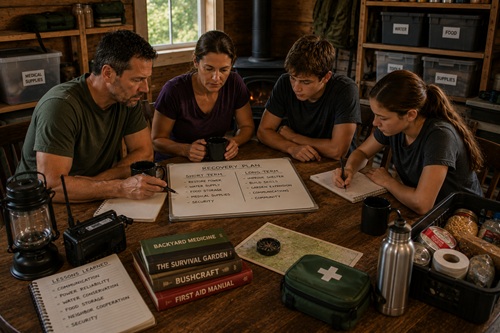
Recovery is an opportunity to strengthen preparedness by improving supplies, developing new skills, and applying the lessons learned throughout the emergency.
Rebuild Your Emergency Supplies
As emergency supplies are consumed, replenishing them should become one of your highest priorities once goods and services begin becoming available again. Food, drinking water, medical supplies, batteries, fuel, hygiene products, sanitation supplies, and other essential items should be replaced gradually while avoiding unnecessary financial strain.
Rather than attempting to replace everything immediately, begin with the supplies that proved most valuable during the emergency. If certain items were consumed more quickly than expected, consider increasing the quantities you maintain in the future. Likewise, if some equipment remained unused or failed to perform as expected, evaluate whether it should be repaired, upgraded, or replaced with something more practical.
Preparedness is an ongoing investment rather than a one-time purchase. Every emergency provides valuable information that helps refine your planning and improve future readiness.
Improve Backup Power Systems
Extended power disruptions often reveal weaknesses that remain unnoticed during normal conditions. If your household experienced difficulty maintaining lighting, communications, refrigeration, or other essential functions, consider improving your backup power capabilities while the experience remains fresh.
Additional solar panels, larger battery banks, improved charging systems, more efficient lighting, portable power stations, or additional fuel storage may all contribute to greater resilience. At the same time, look for opportunities to reduce your dependence on electricity altogether by adopting manual tools, passive heating and cooling techniques, or equipment that requires little or no external power.
Remember that redundancy is one of the defining characteristics of effective preparedness. Multiple smaller backup systems often provide greater flexibility than depending entirely upon one large system.
Expand Food and Water Independence
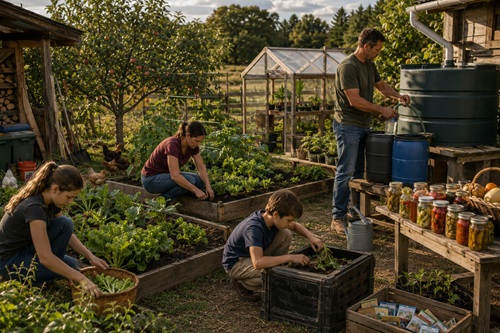
One of the most valuable lessons learned during prolonged infrastructure disruptions is the importance of producing or obtaining resources locally. While emergency food and water storage provide an essential foundation, developing the ability to replenish those resources significantly strengthens long-term preparedness.
Gardening, fruit trees, small livestock where appropriate, rainwater collection, water storage improvements, food preservation, seed saving, composting, and learning seasonal food production all contribute to greater self-reliance. Even modest improvements can reduce dependence on vulnerable supply chains while increasing confidence during future emergencies.
You do not need to become completely self-sufficient to benefit from these skills. Every additional capability provides another layer of resilience that complements your existing preparedness plan.
Continue Developing Practical Skills
One of the greatest lessons many people discover after an emergency is that practical knowledge often becomes more valuable than equipment alone. Supplies eventually become depleted, batteries lose their charge, and equipment occasionally fails. Practical skills, however, remain available throughout life and often allow people to solve problems using whatever resources happen to be available.
Continue practicing the skills introduced throughout this lesson while expanding into new areas as your confidence grows. Consider additional first aid training, amateur radio licensing, advanced gardening, food preservation, home repair, navigation, water treatment, woodworking, or other practical skills that improve household resilience.
Learning should become a lifelong part of preparedness. Every new skill broadens your options while increasing your confidence to adapt to changing circumstances.
Strengthen Community Relationships
Emergencies consistently demonstrate that strong communities recover more effectively than isolated households. Neighbors who communicate regularly, exchange information, share practical skills, and assist one another often overcome challenges more quickly than those attempting to manage everything alone.
Recovery provides an excellent opportunity to strengthen these relationships. Participate in neighborhood preparedness activities, volunteer organizations, community emergency response programs, or local training opportunities. Sharing knowledge benefits everyone while creating trusted relationships that may prove invaluable during future emergencies.
Preparedness should never be viewed as complete isolation. Self-reliance and community cooperation work together to create stronger, safer, and more resilient neighborhoods.
Record Lessons Learned
One of the most valuable preparedness activities you can complete after any emergency is documenting your experience. Within days or weeks, important observations begin fading from memory. Recording them while they remain fresh creates an invaluable reference for future planning.
Consider documenting questions such as:
- Which preparations worked exactly as planned?
- Which supplies proved most valuable?
- What equipment failed or needed improvement?
- Which skills were used most frequently?
- What unexpected challenges occurred?
- What would you do differently next time?
- What additional preparations should become priorities?
Your personal experiences become one of the most reliable preparedness resources you will ever own because they are based on real situations rather than assumptions.
Recovery Improvement Worksheet
| Preparedness Area | What Worked Well | What Should Be Improved |
|---|---|---|
| Food Storage | __________________ | __________________ |
| Water | __________________ | __________________ |
| Medical | __________________ | __________________ |
| Communications | __________________ | __________________ |
| Backup Power | __________________ | __________________ |
| Security | __________________ | __________________ |
| Family Planning | __________________ | __________________ |
| Practical Skills | __________________ | __________________ |
Recovery Priorities
As normal services begin returning, use the following priorities to guide your recovery efforts.
| Priority | Objective |
|---|---|
| 1 | Restore household safety and sanitation |
| 2 | Replenish food, water, and medical supplies |
| 3 | Repair or replace damaged equipment |
| 4 | Improve backup power capabilities |
| 5 | Update emergency plans and inventories |
| 6 | Practice lessons learned |
| 7 | Expand preparedness beyond previous levels |
Why This Matters
Recovery is not the conclusion of preparedness—it is an important part of it. Every emergency provides practical experience that can strengthen your household for years to come. The objective is not simply to return to life as it was before, but to emerge better prepared, more knowledgeable, and more resilient than before the emergency began.
Preparedness Action Plan
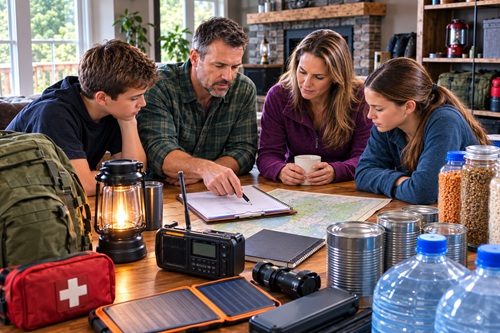
Completing this Training Lesson is only the beginning. Knowledge becomes valuable when it is applied through consistent action. Rather than attempting to accomplish everything at once, identify practical improvements that can be completed gradually over time. Small, steady progress produces far greater long-term results than ambitious plans that are never put into practice.
Begin by evaluating how your household would function if electrical power remained unavailable for several weeks. Think beyond lighting. Consider your ability to obtain safe drinking water, prepare meals, communicate with family members, monitor reliable information, preserve food, maintain sanitation, provide basic medical care, and protect important information. Honest evaluation is the foundation of effective preparedness.
Next, choose one improvement you can realistically complete during the coming week. That improvement might involve expanding your emergency water supply, organizing emergency equipment, protecting important electronics, assembling an offline preparedness library, testing your emergency radio, or reviewing your family communication plan. Completing one meaningful task builds momentum while steadily strengthening your preparedness.
Finally, schedule time to practice one of the skills discussed throughout this lesson. Prepare a meal without electricity, purify water using one of your backup methods, conduct a family communication exercise, organize emergency documents, or spend an evening relying entirely on your emergency supplies. Practical experience transforms information into confidence.
Every improvement – no matter how small – brings your household one step closer to greater resilience.
Key Takeaways
Preparing for an electromagnetic pulse is about far more than protecting electronics. It is about understanding how modern infrastructure supports daily life and taking practical steps to reduce your dependence on systems that may not always be available. The knowledge and preparations discussed throughout this lesson improve resilience during many different emergencies, not just an EMP.
As you complete this lesson, remember these important principles:
- Modern infrastructure is highly interconnected. Electrical power supports communications, water treatment, healthcare, transportation, food distribution, banking, and many other essential services. Disruptions affecting one system often create challenges throughout many others.
- An EMP is primarily an infrastructure emergency rather than a direct threat to human health. The greatest challenges usually result from the prolonged loss of critical services rather than the electromagnetic pulse itself.
- Effective preparedness begins long before an emergency occurs. Building emergency supplies, protecting important information, developing practical skills, and creating family plans all contribute to greater resilience.
- Redundancy strengthens preparedness. Multiple methods for obtaining water, preparing food, generating power, communicating, and accessing information provide greater flexibility when one system becomes unavailable.
- Practical skills often become more valuable than equipment. Knowing how to solve problems, adapt to changing conditions, and work with available resources increases your independence regardless of the emergency.
- Community relationships matter. Trusted neighbors, shared knowledge, and mutual assistance frequently become some of the most valuable resources available during prolonged emergencies.
- Preparedness is a continual process of learning and improvement rather than a destination. Every lesson learned and every improvement completed strengthens your ability to respond confidently to future emergencies.
Skills Learned
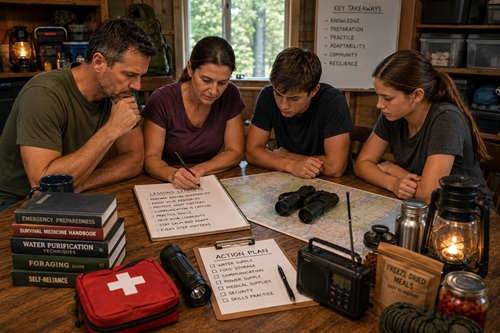
After completing this Training Lesson, you should have developed a stronger understanding of how an electromagnetic pulse could affect modern infrastructure and how practical preparedness reduces the impact of prolonged infrastructure disruptions.
You should now understand the relationship between electrical power and the many interconnected systems that support everyday life, including communications, transportation, healthcare, water treatment, banking, and food distribution. This broader perspective helps explain why preparing for an EMP also improves preparedness for many other emergencies.
You have learned how to evaluate your household’s preparedness, organize emergency supplies, protect critical electronics, preserve important information, develop family communication plans, build backup power capabilities, and strengthen practical skills that improve long-term resilience.
You have also explored strategies for responding during the first hours of an infrastructure disruption, managing household resources during extended emergencies, maintaining physical and emotional well-being, supporting your community, and using recovery as an opportunity to improve future preparedness.
Most importantly, you should recognize that preparedness is built gradually. Every skill practiced, every plan reviewed, every supply organized, and every lesson completed contributes to greater confidence and self-reliance.
Continue Your Training
Preparing for an electromagnetic pulse is only one part of building comprehensive preparedness. The skills introduced throughout this lesson naturally lead to many other areas of emergency planning and self-reliance. Continue strengthening your preparedness by studying the following Training Lessons:
- Emergency Water Storage and Purification
- Long-Term Food Storage
- Emergency Communications
- Backup Power Systems
- Emergency Cooking
- Home Security Fundamentals
- First Aid Fundamentals
- Family Emergency Planning
- Food Preservation
- Gardening for Self-Reliance
- Off-Grid Living Basics
- Sanitation During Emergencies
Each lesson builds upon the previous one, gradually expanding your knowledge while helping you develop practical skills that apply across many different emergency situations.
Preparedness is most effective when knowledge is built one lesson at a time.
Final Reflection
Modern society has achieved remarkable convenience through interconnected infrastructure. Electricity powers our homes, delivers clean water, preserves food, supports healthcare, enables communication, and keeps countless other systems operating quietly in the background. Because these services function so reliably, it is easy to overlook how dependent daily life has become upon them.
An electromagnetic pulse reminds us that even highly advanced systems can become vulnerable when critical infrastructure is disrupted. Whether caused by an EMP, a severe storm, a cyberattack, equipment failure, or another large-scale emergency, prolonged disruptions challenge our ability to adapt when familiar systems are no longer available.
Fortunately, preparedness does not require predicting exactly what the future holds. It begins by strengthening the areas of life that improve resilience regardless of the emergency. Building emergency supplies, preserving important knowledge, developing practical skills, maintaining backup systems, creating thoughtful family plans, and strengthening community relationships all contribute to greater independence and confidence.
Preparedness is not measured by the amount of equipment you own or the number of supplies you have stored. It is measured by your ability to remain calm, think clearly, solve problems, and adapt when circumstances change unexpectedly.
Every lesson you complete, every skill you practice, every improvement you make, and every plan you refine strengthens your ability to care for yourself, support your family, and contribute positively to your community during difficult times.
Preparedness is a journey rather than a destination.
Continue learning.
Continue practicing.
Continue improving.
Continue building resilience.
One thoughtful step at a time.
© Prepping Communities. This content is for informational purposes only and not professional advice. Use at your own risk.
Terms | Privacy | Guidelines