
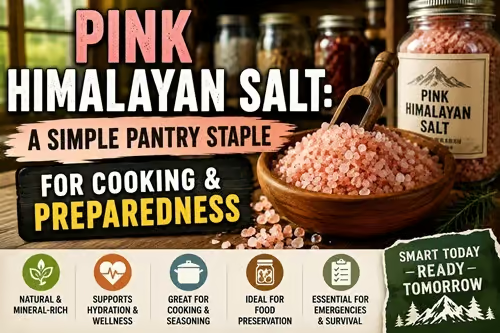
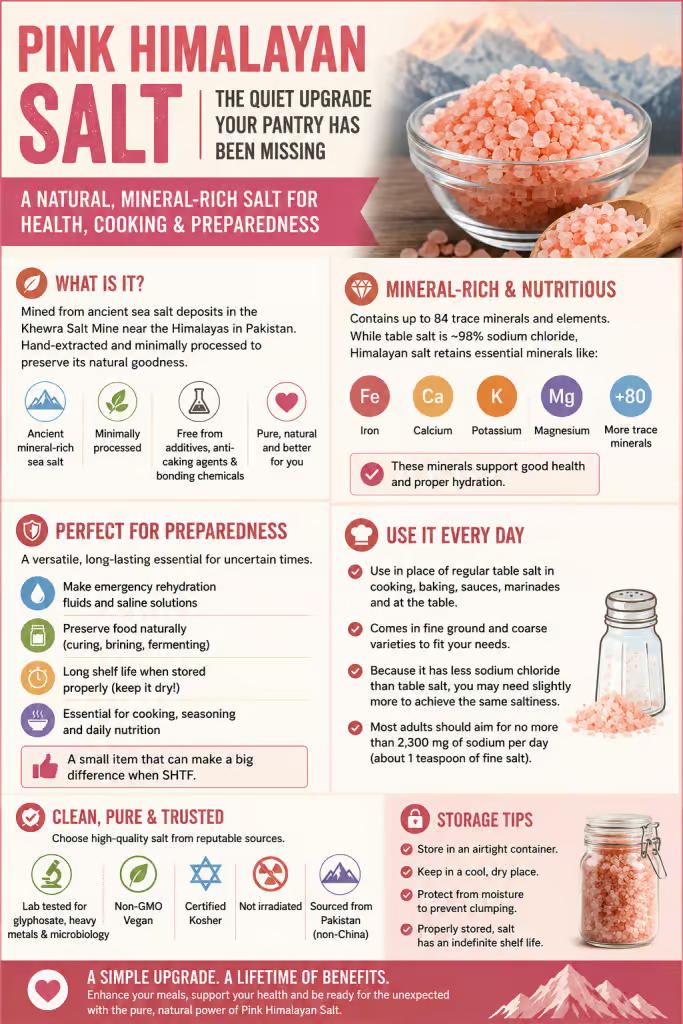
Pink Himalayan salt can be a useful addition to both an everyday pantry and a long-term food supply. It comes primarily from salt deposits in Pakistan and gets its familiar pink color from naturally occurring trace minerals, including iron. It is generally less processed than many common table salts and is available without anti-caking agents or other additives, depending on the brand. Although it contains small amounts of minerals such as potassium, calcium and magnesium, it is still primarily sodium chloride, so it should be treated as salt rather than as a major source of dietary minerals.
From a preparedness standpoint, the real value of salt is its versatility and long shelf life when kept dry and protected from contamination. Salt has been used for generations in food preservation and can be valuable when refrigeration or normal food supplies are disrupted. It is also useful for everyday cooking, seasoning and certain food-preservation methods. For long-term storage, keeping several types of salt on hand can make sense, including plain salt suitable for cooking and preservation rather than relying entirely on specialty varieties.
One important consideration is that pink Himalayan salt is typically not iodized. Iodine is an essential nutrient, and iodized table salt is an important dietary source for many people, so completely replacing iodized salt with Himalayan salt may not be the best choice. A preparedness pantry can include both: iodized salt for normal dietary use and additional plain or specialty salt for cooking, preservation and long-term storage. Whatever type is chosen, store it in a sealed, moisture-resistant container and remember that the practical preparedness value of salt comes mainly from having a reliable supply and knowing how to use it.
© Prepping Communities. This content is for informational purposes only and not professional advice. Use at your own risk.
Terms | Privacy | Guidelines