
Toothache, Abscess, Broken Teeth, Dental Trauma and Tooth Loss When Professional Care Is Unavailable
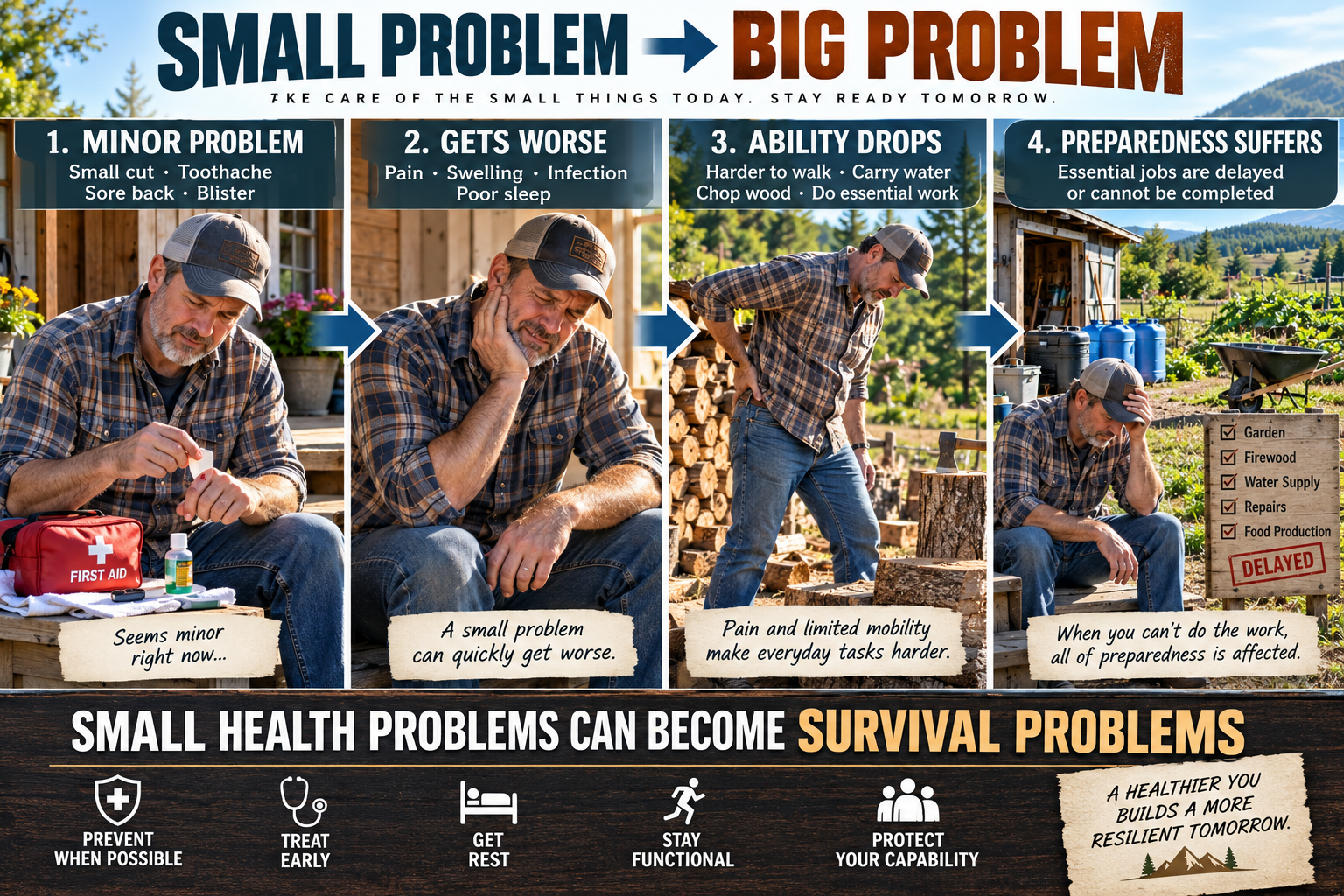
A serious dental problem can become surprisingly difficult during an extended emergency. Under normal circumstances, severe tooth pain, a broken tooth, swelling or an abscess usually means calling a dentist and arranging treatment. During a major power outage, evacuation, wildfire, winter storm, transportation failure, remote wilderness emergency or prolonged infrastructure disruption, professional dental care may not be immediately available. A dental problem that would normally be treated within hours may suddenly have to be managed for several days or potentially longer.
This posting is intended to help bridge that gap. It explains how to assess a dental emergency, recognize dangerous infection, protect damaged teeth, manage pain and bleeding, care for a socket after tooth loss, and recognize when the situation has become serious enough that reaching professional medical care should take priority over remaining in place. It also explains why improvised tooth extraction can be dangerous and why preserving and stabilizing a tooth is usually preferable whenever that remains possible.
The purpose is not to turn an untrained person into a dentist. Dentistry involves anatomy that can’t be seen simply by looking inside the mouth. Roots may curve, divide, fracture or lie close to nerves, blood vessels, sinuses and neighboring teeth. What appears to be a fairly simple dental problem can be considerably more complicated below the gumline.
Before You Lose Access to a Dentist
If you already have a tooth that’s been bothering you, a cracked or failing filling, a loose crown, recurring gum swelling, a troublesome wisdom tooth or another dental problem you’ve been putting off, deal with it while dental care is still easy to reach. Something that’s manageable today can become a much bigger problem when transportation is disrupted, offices are closed, power is out or professional care is days away.
This doesn’t mean trying to anticipate every dental problem that could possibly happen. Regular dental care is part of preparedness too. Keeping up with examinations, treating decay, replacing failing restorations and dealing with recurring problems reduces the number of known dental problems you’re carrying into an emergency.
Timing matters too. If you’re preparing for an extended trip, moving somewhere remote, expecting severe weather or know you may be away from normal services for a while, unresolved dental pain or swelling deserves attention before you leave. A tooth that’s been “a little sore” for several weeks isn’t something you want becoming an abscess when you’re several days from a dentist.
In an extended emergency, the most useful dental skill may not be knowing how to remove a tooth. It may simply be knowing how to keep a manageable dental problem from becoming a medical emergency until professional treatment becomes available again.
IMPORTANT MEDICAL DISCLAIMER
This field guide is provided for emergency preparedness education and offline reference. It is not a substitute for examination, diagnosis, X-rays, treatment, or advice from a dentist, physician, pharmacist, or other qualified healthcare professional. Permanent tooth extraction is an irreversible surgical procedure and can cause severe bleeding, infection, broken roots, damage to neighboring teeth, nerve injury, jaw injury, aspiration, and other serious complications. Whenever qualified dental care is reasonably available, use it.
Rapidly increasing facial or neck swelling, swelling beneath the tongue or jaw, difficulty swallowing, difficulty breathing, uncontrolled bleeding, severe facial trauma, altered consciousness, or rapidly worsening illness requires urgent medical attention.
Start With the Person, Not the Tooth
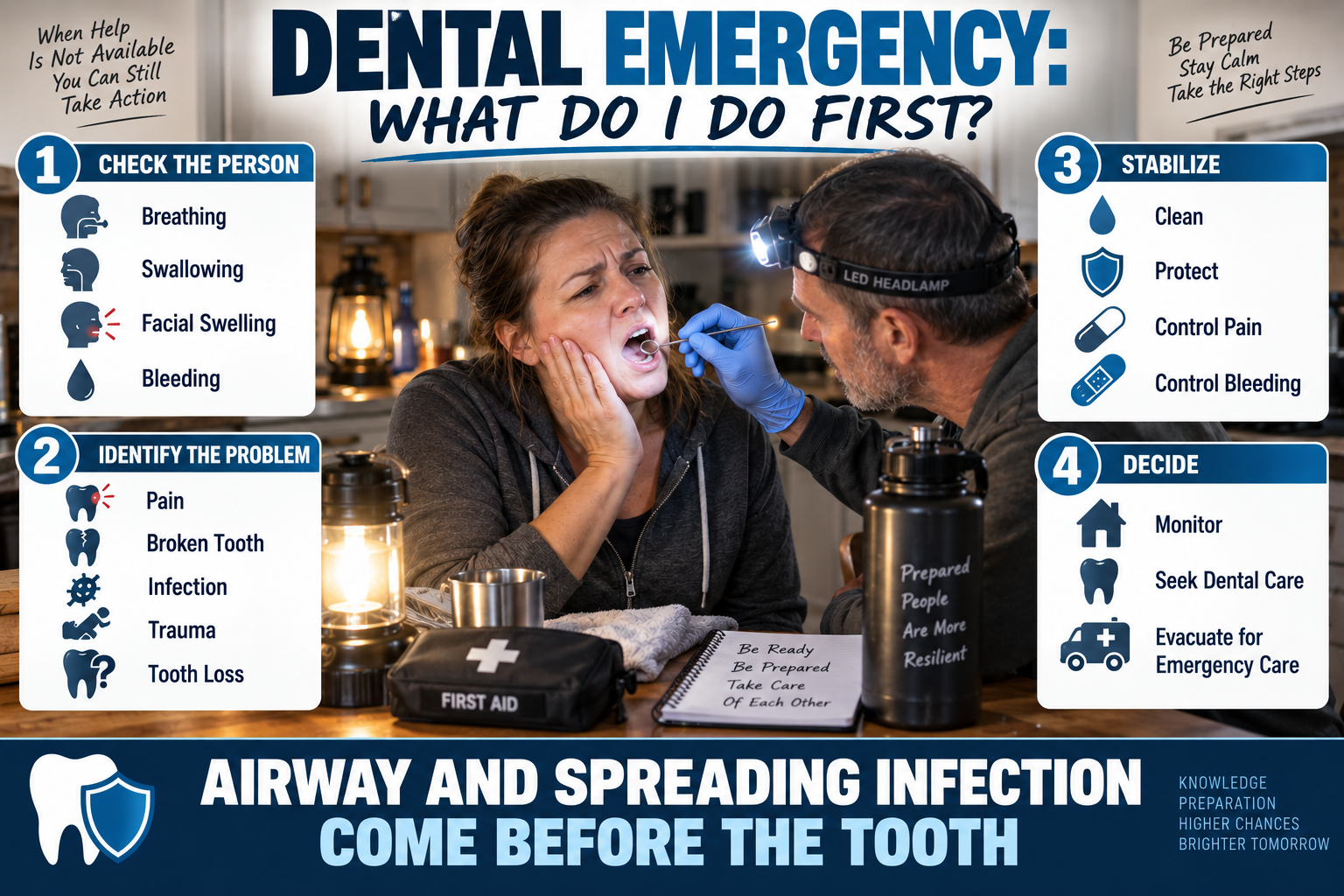
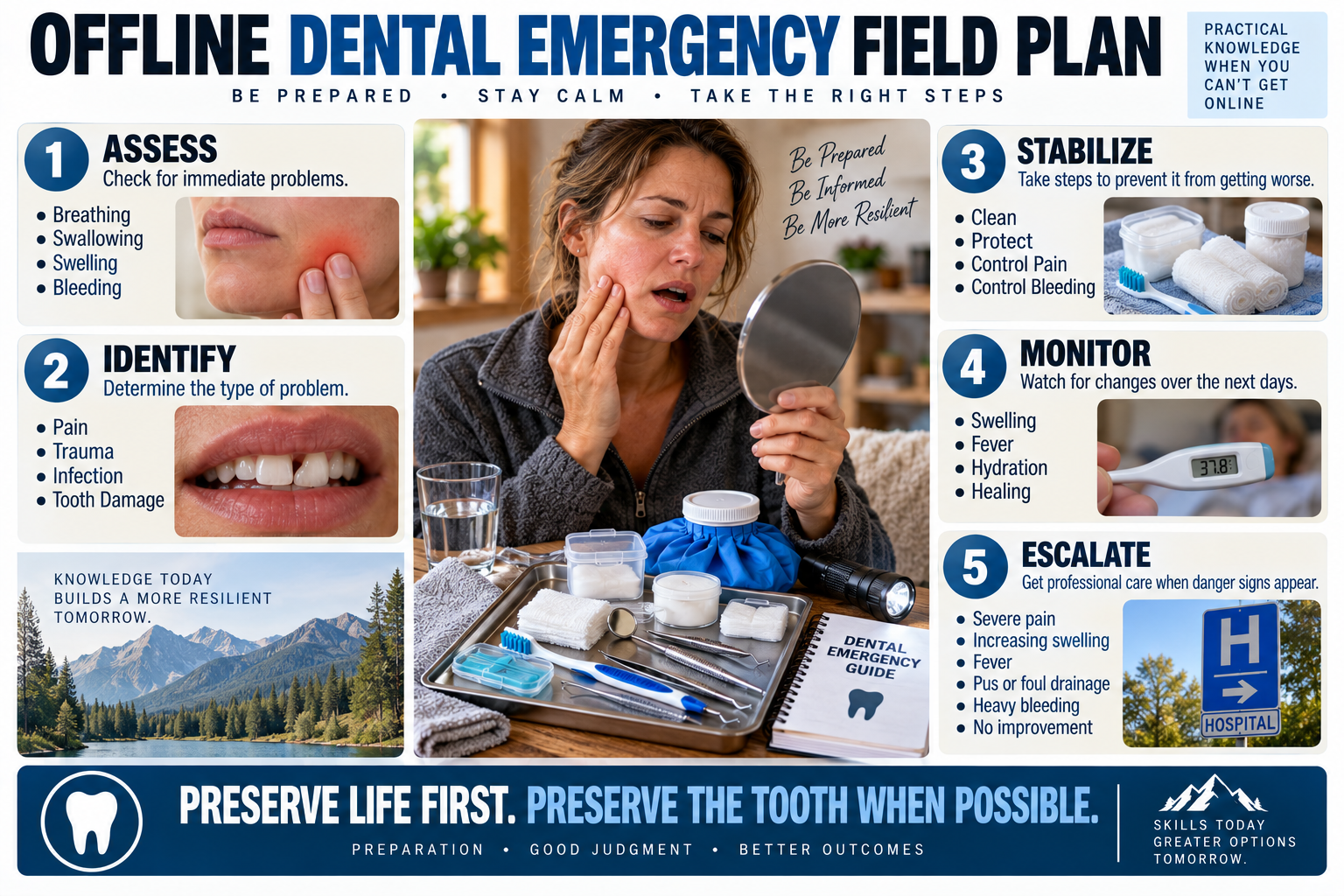
When someone is experiencing severe dental pain, the natural reaction is to focus entirely on the tooth. In an emergency, the first assessment should actually be of the person. A painful tooth may be miserable without being immediately dangerous, while an infection spreading into the tissues of the jaw or neck can become life-threatening.
Look at the person’s face and compare both sides. Determine whether swelling is present around the cheek, jaw, underneath the chin, or into the neck. Ask whether swallowing feels normal and whether the person can open their mouth normally. Listen for changes in the voice and watch for drooling, difficulty handling saliva, unusual breathing, confusion, severe weakness, or rapidly worsening illness. Fever accompanied by increasing facial swelling should also increase concern.
Swelling underneath the tongue or lower jaw deserves particular attention because infection in this area can interfere with the airway. Difficulty swallowing, difficulty breathing, tongue elevation, significant swelling beneath the jaw, or rapidly expanding neck swelling should not be treated as an ordinary toothache. These signs require urgent medical evaluation and may justify emergency evacuation even during a major disruption.
If the person is breathing and swallowing normally, bleeding is controlled, and there are no signs of rapidly spreading infection, there is usually more time to assess the dental problem carefully.
Determine What Kind of Dental Emergency You Are Dealing With
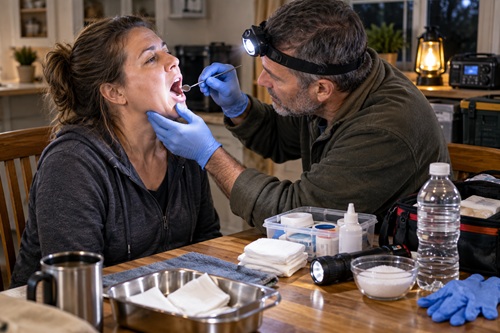
Use the best lighting available and examine the mouth without aggressively manipulating the painful area. A headlamp can be particularly useful because it leaves both hands free. Have the person indicate where the pain seems strongest, but remember that dental pain can radiate into neighboring teeth, the jaw, ear, or face. The tooth that appears to hurt may not always be the tooth responsible for the problem.
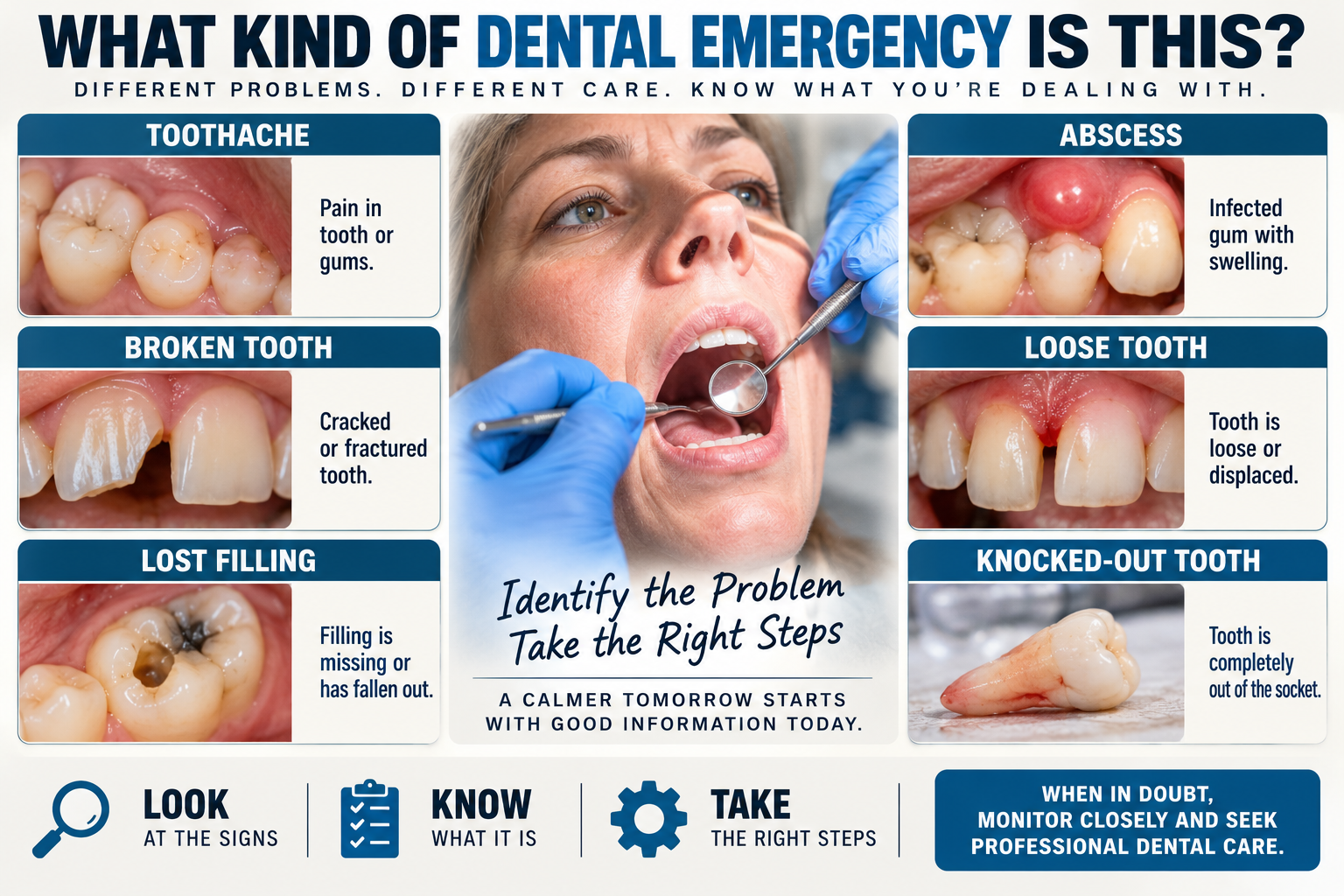
Look for obvious decay, a broken tooth, a missing filling, a displaced crown, swollen gums, drainage, bleeding, discoloration, or a tooth that appears unusually loose. Food trapped deeply between teeth or underneath irritated gum tissue can also produce surprisingly intense pain, so a painful area should be gently cleaned before assuming something more serious has occurred.
Try to determine whether the problem is primarily pain, trauma, infection, structural damage, or bleeding. This distinction matters because these conditions are managed differently. A broken tooth with no swelling presents a different immediate problem from a swollen jaw accompanied by fever. Likewise, a knocked-out permanent tooth is a different emergency from a filling that has fallen out.
The objective at this stage is not to make a sophisticated dental diagnosis. It is to determine whether the situation appears stable enough to manage temporarily or whether warning signs indicate that professional medical treatment must be reached urgently.
Severe Toothache When No Dentist Is Available
Severe tooth pain does not automatically mean that a tooth must be removed. Pain can originate from deep decay, inflammation inside the tooth, a crack, a damaged filling, exposed tooth structure, gum inflammation, infection, trauma, or food trapped around the tooth. Removing a tooth simply because it appears to be painful can therefore remove a salvageable tooth or even the wrong tooth while leaving the actual problem untreated.
Begin by gently cleaning the mouth. Carefully brush the surrounding teeth and floss around the affected area when this can be done without causing trauma. Warm salt water can be used as a gentle rinse to help remove debris and maintain oral cleanliness. It will not cure an abscess or repair a damaged tooth, but cleanliness can reduce additional irritation and contamination.
Avoid foods and drinks that make the pain substantially worse. Extremely hot or cold foods may trigger severe sensitivity when internal tooth structures are irritated. Hard foods can worsen fractures, while sticky foods may pull at loose restorations. Soft foods and chewing on the opposite side can reduce mechanical stress while the problem is being monitored.
A cold pack against the outside of the cheek can sometimes reduce discomfort associated with inflammation or trauma. Wrap the cold source rather than placing ice directly against the skin and use it intermittently. Appropriate over-the-counter pain medication may also help when taken according to its label and when the individual has no medical reason to avoid that medication.
Never place aspirin directly against the tooth or gum. Aspirin held against oral tissue can cause a chemical burn and create an additional injury without correcting the dental problem.
Recognizing a Dental Abscess
A dental abscess develops when bacterial infection produces a collection of infected material around a tooth or surrounding tissue. The person may experience persistent throbbing pain, tenderness when biting, sensitivity, gum swelling, facial swelling, a foul taste, drainage, fever, swollen lymph nodes, or a general feeling of becoming increasingly unwell.
Sometimes a small raised area resembling a pimple appears on the gum near the infected tooth. It may drain spontaneously, producing an unpleasant taste and temporarily reducing pressure. This can make the person believe the infection has resolved. It has not necessarily done so. The underlying source may remain around the tooth root or deeper within surrounding tissues.
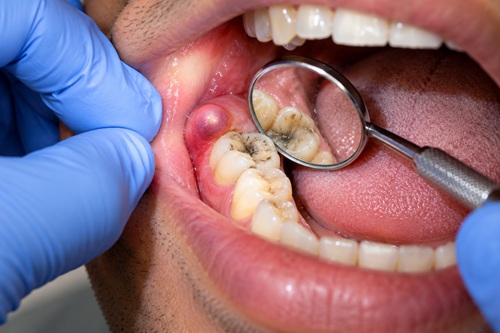
Do not squeeze, puncture, cut, or lance swollen gum tissue in an attempt to drain an abscess. Improvised cutting can damage surrounding structures, introduce additional contamination, cause bleeding, and create a false sense that the underlying infection has been treated.
One particularly important warning is that dental pain can sometimes decrease when the nerve inside a severely damaged tooth dies. A person may therefore report that the tooth suddenly feels better even though infection continues deeper in the tissues. For this reason, monitor swelling, fever, drainage, swallowing, breathing, and the person’s overall condition rather than relying only on the amount of pain.
When Dental Infection Becomes Dangerous
A localized dental infection and an infection spreading through the face or neck are very different situations. Increasing facial swelling, fever, progressive weakness, significant difficulty opening the mouth, swelling beneath the jaw, neck swelling, or rapidly worsening illness indicate that the situation may be progressing beyond a simple tooth problem.
Difficulty swallowing is particularly concerning. If the person begins having trouble swallowing saliva, starts drooling, develops a changed or muffled voice, experiences swelling beneath the tongue, or has difficulty breathing, the airway may be threatened.
At this point, protecting the tooth is no longer the priority. Reaching emergency medical care is.
During a grid-down emergency, this distinction should influence evacuation planning. Remaining at a shelter or bug-out location may initially be safer than travelling, but a developing airway emergency can rapidly reverse that calculation. Preparedness includes knowing when staying put has become more dangerous than leaving.
Broken Teeth
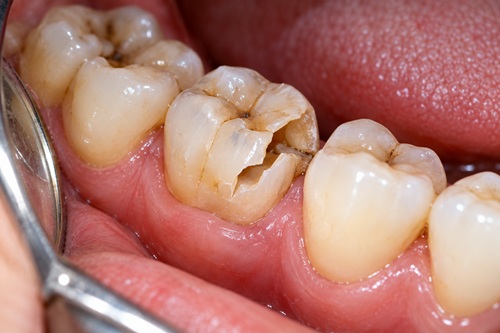
A broken tooth can range from a small chip involving only the outer enamel to a deep fracture extending into the sensitive internal structures of the tooth. Minor chips may be uncomfortable but relatively stable, while deeper fractures can produce intense sensitivity, pain, bleeding, or exposure of the interior of the tooth.
Rinse the mouth gently and remove obvious loose debris. Do not repeatedly probe the fracture with needles, pins, knives, dental picks, or other improvised objects. Protect the tooth from additional pressure and avoid chewing on that side of the mouth.
If a substantial piece of tooth has broken away, preserve it in a clean container if practical and take it when professional treatment becomes available. A dentist may want to examine the fragment and remaining tooth.
A fracture extending below the gumline is especially difficult to evaluate without dental equipment. What appears to be a small visible remnant may still have substantial roots embedded in the jaw. Blindly digging for those roots can damage bone, nerves, blood vessels, gums, or adjacent teeth.
Lost Fillings and Crowns
A lost filling can expose sensitive underlying tooth structure and create a space where food becomes trapped. Gently clean the area and keep it free of debris. Commercial temporary dental filling material can be useful in an emergency kit when it is used according to the manufacturer’s directions. These products are temporary measures intended to protect the tooth until professional repair is possible.
Do not fill the cavity with household adhesives, construction products, melted plastics, improvised chemicals, or other materials not intended for oral use. A temporary repair should not introduce a new chemical or physical injury.
If a crown comes off, preserve it. Rinse it carefully and place it in a clean container. Commercial temporary dental cement designed for oral use may sometimes provide temporary retention when used according to its instructions, but household glue should never be used as a substitute.
Even if a crown appears to fit back onto the tooth perfectly, professional examination remains necessary. Decay, fractures, or damage underneath the crown may have contributed to its failure.
A Knocked-Out Permanent Tooth
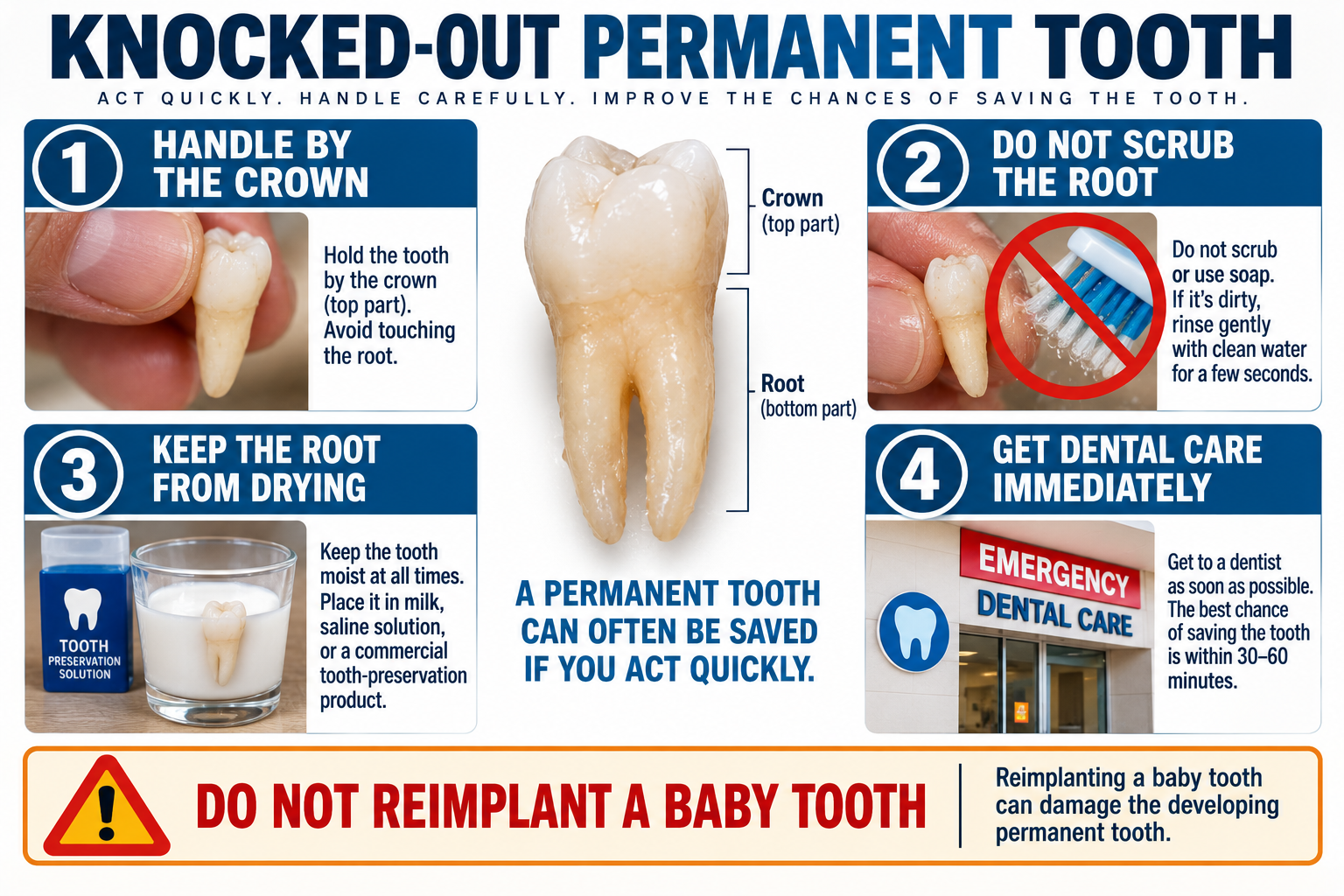
A permanent tooth that has been completely knocked from its socket is a time-sensitive dental emergency because the possibility of saving the tooth decreases as the tissues on its root are damaged or allowed to dry.
Handle a knocked-out permanent tooth by the crown, which is the portion normally visible in the mouth. Avoid touching, scraping, or aggressively cleaning the root. If the tooth is dirty, avoid scrubbing it. The cells remaining on the root surface are important.
Seek emergency dental treatment as quickly as circumstances permit. If the tooth cannot immediately receive professional attention, preventing the root from drying is important. A commercially manufactured tooth-preservation solution is preferable when available; milk is commonly used as an alternative transport medium when appropriate. The tooth should not simply be left dry on a piece of cloth or paper.
A knocked-out baby tooth is different. Do not automatically attempt to replace a primary tooth because doing so can injure the developing permanent tooth underneath. If there is uncertainty about whether the tooth is primary or permanent, obtain professional guidance whenever communication remains possible.
Loose Teeth After Trauma
A permanent tooth that becomes loose after a blow to the mouth does not automatically need to be removed. The tissues supporting the tooth may have been injured, but the tooth may still be salvageable.
Avoid repeatedly moving the tooth to test how loose it is. Use soft foods and avoid chewing on the injured area. Professional dental treatment may sometimes reposition or stabilize injured teeth.
Preserving the tooth until it can be evaluated therefore provides more options than prematurely removing it.
Why Emergency Tooth Extraction Is So Difficult
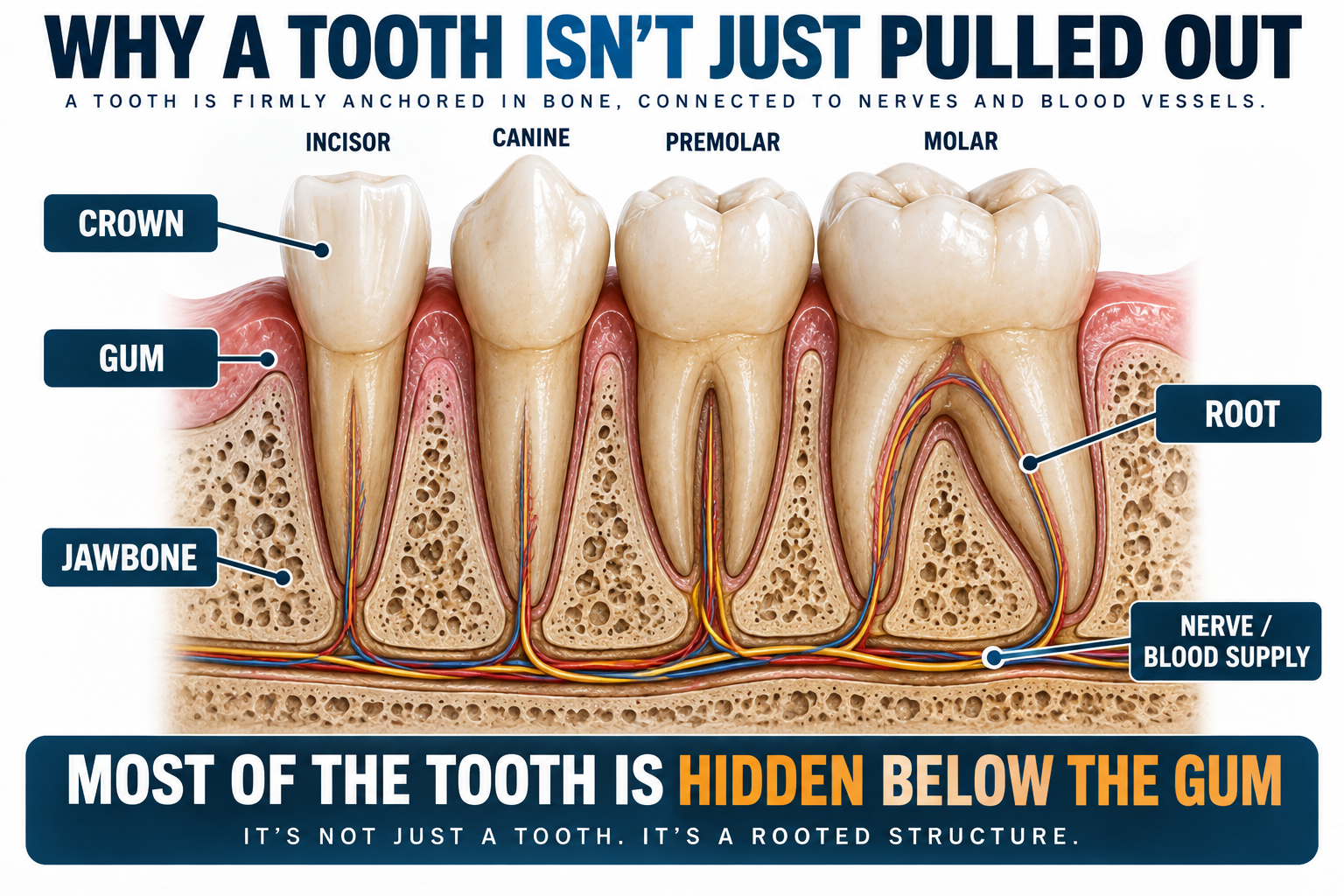
A tooth is much larger than the portion visible above the gum. The visible portion is the crown, while one or more roots extend beneath the gum and into the jawbone. These roots are held within sockets by supporting tissues.
Different teeth have different root structures. Front teeth often have relatively simple roots, while premolars and molars may have multiple roots. Roots can curve, diverge, fuse, fracture, or lie close to important nerves, blood vessels, and sinus spaces. Previous dental treatment can further change the situation.
None of this can be reliably determined by looking at the visible crown.
Dentists often use X-rays before extraction precisely because the hidden anatomy matters. Professional extraction also requires the ability to control the tooth, protect surrounding structures, manage bleeding, recognize fractured roots, and respond to complications.
This is why the common idea of simply gripping a painful tooth and pulling upward is misleading. The procedure can instead fracture the visible crown while leaving roots embedded in the jaw.
If You Believe the Tooth Has to Come Out
Before attempting anything irreversible, reassess the entire situation. Determine whether professional dental care is truly unavailable rather than merely inconvenient or distant. Consider whether temporary stabilization could allow the tooth to survive until services resume.
Ask whether you are certain which tooth is responsible for the pain. Consider whether swelling suggests infection extending beyond the tooth. Look at the person’s medications and medical history, particularly conditions or medications affecting bleeding or healing.
A person taking prescription anticoagulants should not simply discontinue those medications because a dental procedure may be necessary. Abruptly stopping certain anticoagulants can create serious medical risks. Medication changes require professional medical guidance whenever it can be obtained.
Also consider the condition of the tooth itself. A badly decayed crown may break when force is applied. A fractured tooth may have roots remaining beneath the gum. A molar may have several roots extending in different directions.
Because these complications cannot be safely addressed with a universal do-it-yourself procedure, this field guide does not provide an untrained person with step-by-step instructions for surgically extracting a permanent tooth. The safer emergency objective is to stabilize the person, manage pain and contamination, recognize dangerous infection, preserve the tooth when possible, and reach professional treatment when it becomes available.
Improvised Extraction Methods Can Make the Emergency Worse
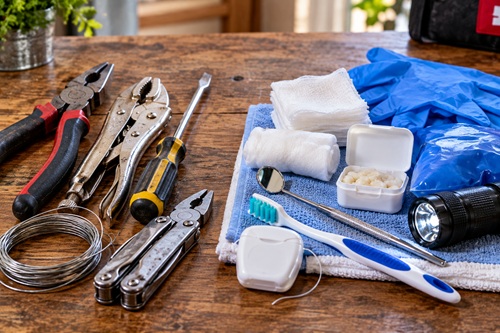
Ordinary pliers, locking pliers, multitools, wire, string, screwdrivers, knives, and similar household tools are not substitutes for dental equipment. They can crush a weakened tooth, fracture roots, tear gum tissue, injure neighboring teeth, damage bone, introduce contamination, or create uncontrolled bleeding.
Never attach a tooth to a door, vehicle, rope, or other object in an attempt to jerk it out. Apart from the obvious trauma, sudden uncontrolled force provides no way to respond when a crown fractures or a root remains behind.
Likewise, do not blindly dig into the gum searching for broken roots. Retained root fragments require professional assessment because their position and surrounding anatomy cannot be determined safely by feel alone.
Knowing what not to do is an important part of emergency medicine.
If a Tooth Has Already Come Out
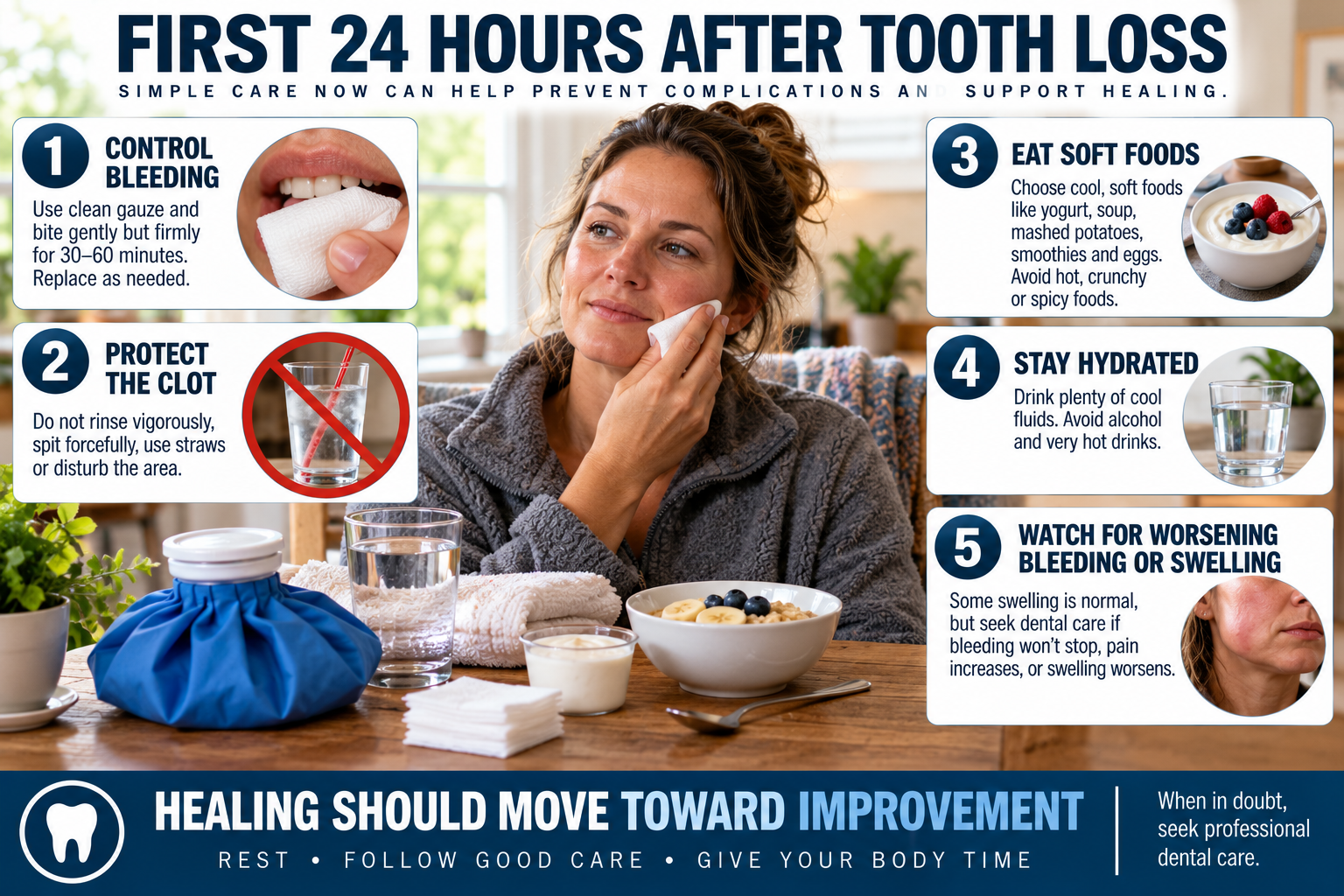
When a tooth is lost through trauma or has already been extracted, the immediate priority becomes bleeding control and protection of the socket.
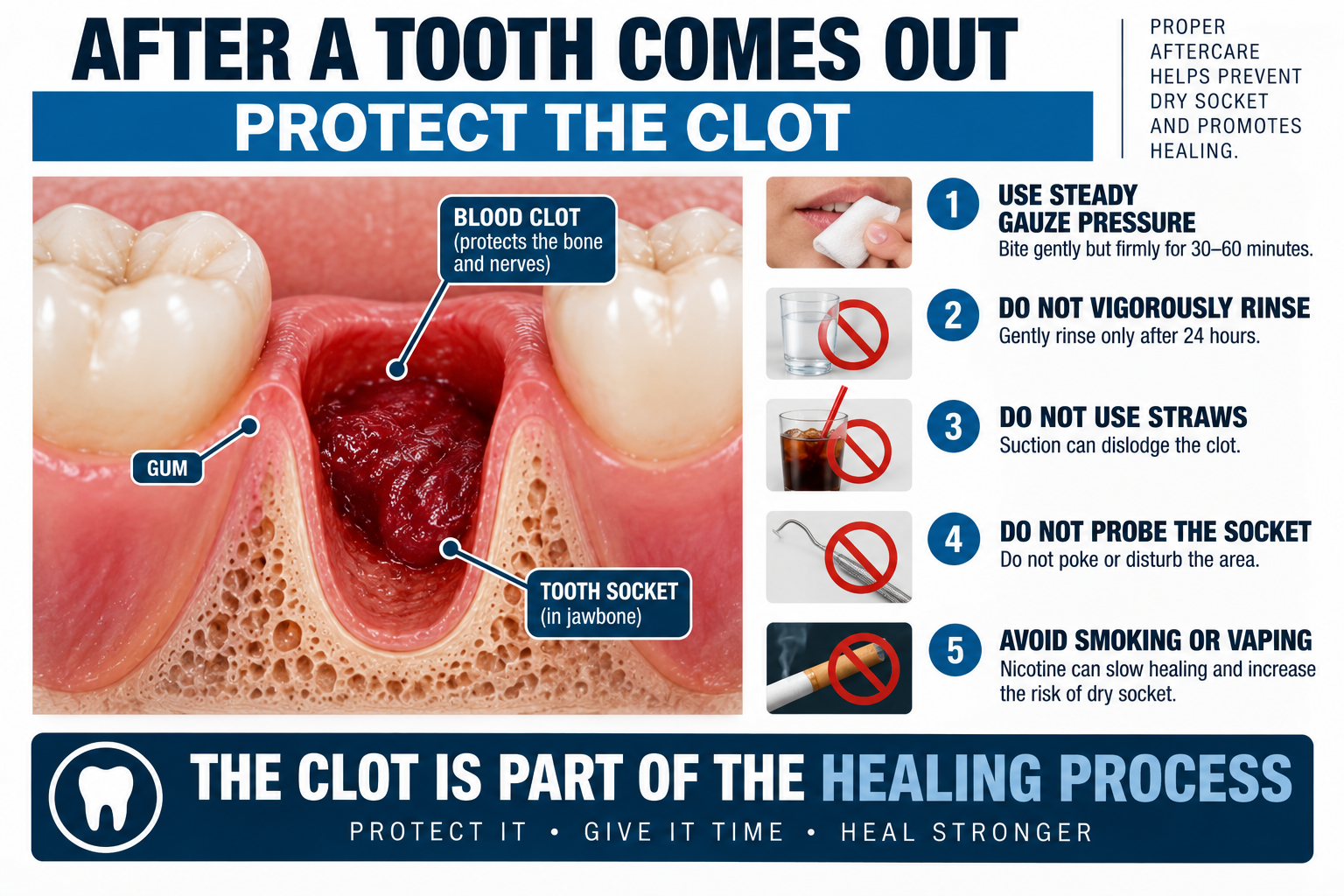
Place clean folded gauze over the socket and maintain steady pressure. Constantly removing the gauze to inspect the wound can disrupt clot formation, so give sustained pressure time to work. Blood mixed with saliva can look dramatic, but active bleeding should gradually decrease.
Once a clot begins forming, protect it. The clot is not debris that needs to be cleaned away. It forms a protective layer over the underlying tissues and is part of normal healing.
Avoid aggressive rinsing, forceful spitting, sucking through straws, repeatedly touching the socket with the tongue or fingers, or probing it with tools. Smoking and vaping can also interfere with healing and should be avoided.
The First 24 Hours After Tooth Loss
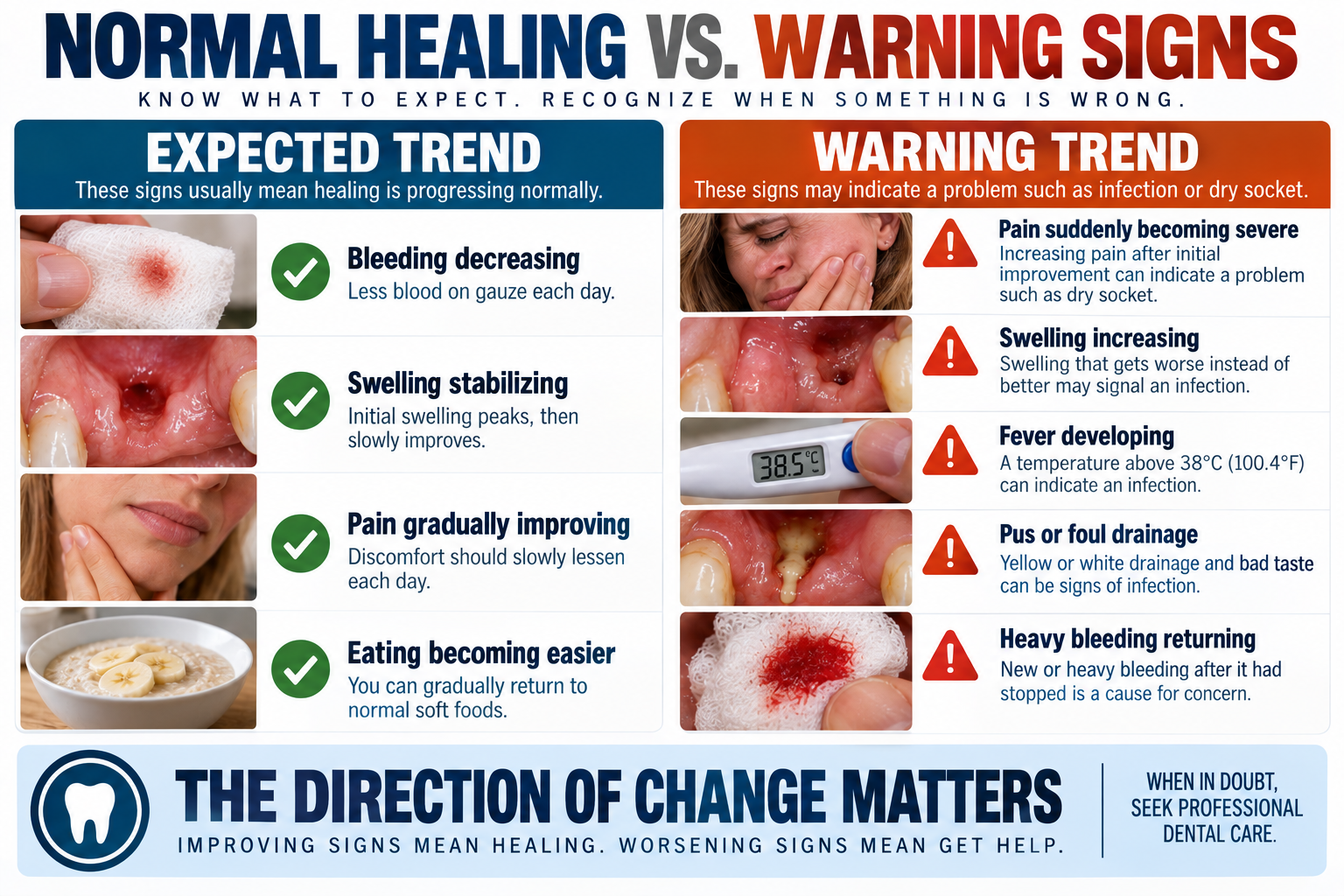
During the first day, some tenderness, swelling, and blood-tinged saliva may occur. The important observation is the direction the condition is moving. Bleeding should gradually decrease rather than increase, and the person’s general condition should remain stable.
Choose soft foods that require little chewing and use the opposite side of the mouth. Maintain hydration even when eating is uncomfortable. Avoid repeatedly inspecting or manipulating the socket.
Rest can also help reduce renewed bleeding. Strenuous activity soon after tooth loss can increase blood pressure and may restart bleeding.
If significant bleeding continues despite sustained direct pressure, or if the person becomes weak, dizzy, pale, confused, or faint, medical evaluation is necessary.
The Following Days and Dry Socket
Healing should generally move toward less swelling and discomfort. Oral hygiene remains important, but the healing socket should be treated gently.
Pain that becomes dramatically worse several days after tooth loss rather than gradually improving can indicate a complication such as dry socket. This occurs when the protective blood clot is lost or fails to remain over the socket, leaving underlying bone and nerves exposed.
The resulting pain can be severe and may radiate toward the ear, temple, or jaw. Dry socket requires professional dental treatment when available.
Protecting the original clot is therefore one of the most important things that can be done after tooth loss.
Antibiotics During a Dental Emergency
Antibiotics are sometimes necessary for dental infections, but they are not a universal treatment for tooth pain. They do not repair decay, restore a broken tooth, replace a lost filling, or eliminate every source of dental infection.
Using leftover antibiotics or another person’s prescription can result in the wrong drug, dose, or duration and can create additional risks. Allergies, pregnancy, age, kidney and liver function, medication interactions, and the nature of the infection all matter.
Even during an infrastructure emergency, communication may remain possible when physical access to a dentist does not. A dentist, physician, pharmacist, telemedicine service, emergency medical provider, or disaster medical service may be able to provide guidance.
Do not overlook communication as part of the emergency medical plan.
Build an Emergency Dental Kit Before You Need It
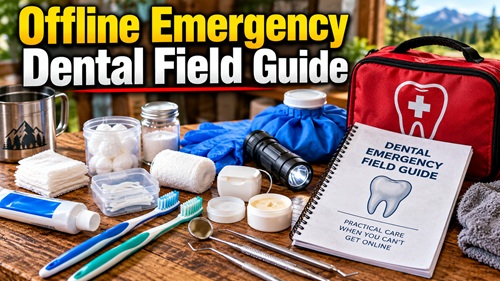
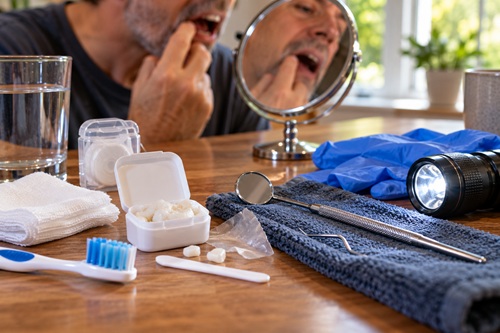
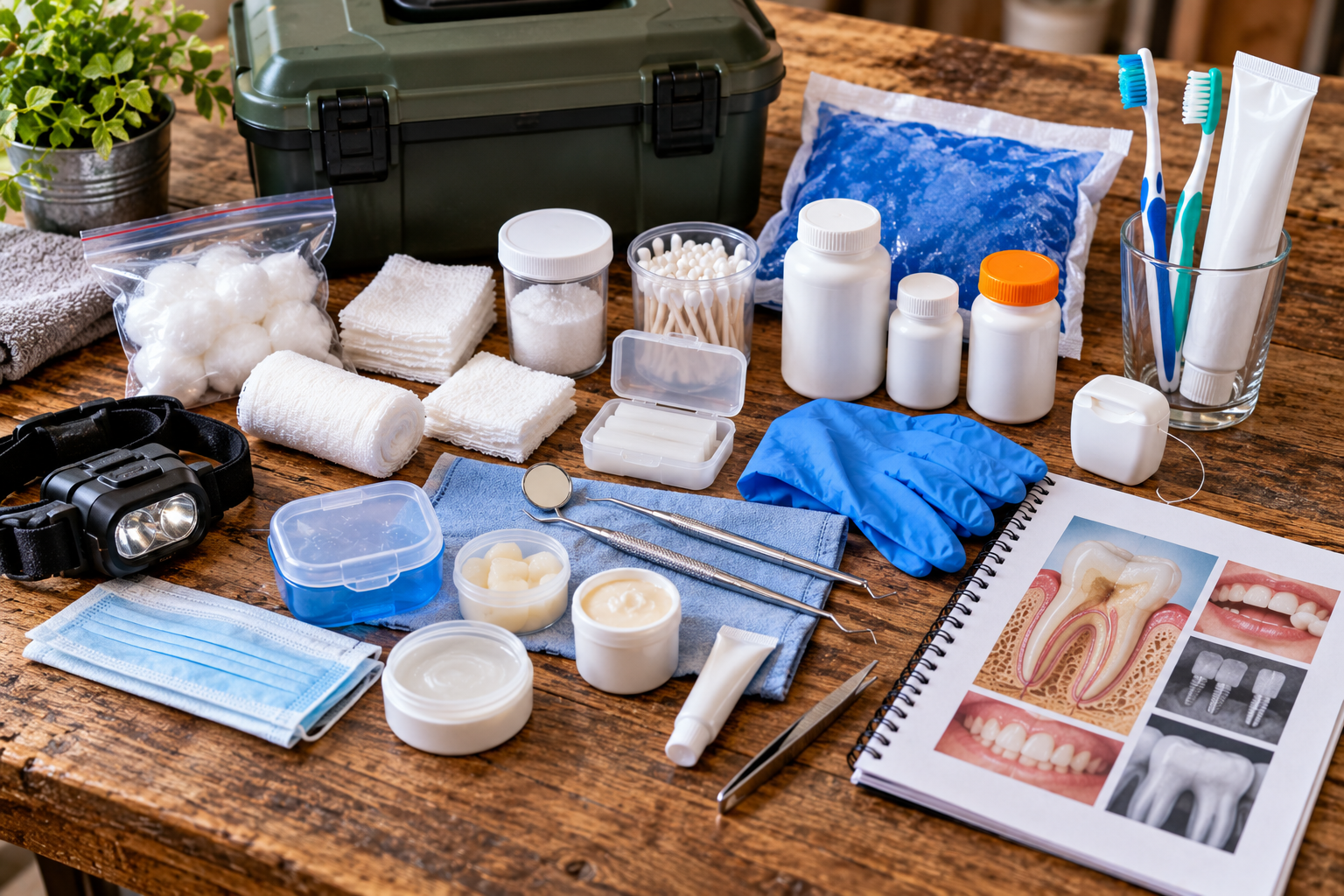
An emergency dental kit should primarily be designed to stabilize problems until professional treatment becomes available rather than to perform improvised oral surgery. Useful supplies include toothbrushes, toothpaste, floss, clean gauze, disposable gloves, salt, a small dental mirror, a bright headlamp or flashlight, cold packs, clean containers, appropriate over-the-counter pain medication, and commercial temporary filling or crown-repair material.
Keep these supplies together so they can be found quickly. A dental emergency occurring at night during a power failure is not the time to search several storage locations for gauze, lighting, and oral-care supplies.
Offline medical information belongs with the kit as well. Keep information about medications, allergies, significant medical conditions, emergency contacts, and available regional medical facilities accessible without relying on cloud accounts or internet access.
Managing Dental Problems During a Long-Term Grid-Down Emergency
If professional dental care remains unavailable for days or weeks, prevention becomes increasingly important. Continue brushing and flossing using safe water. Dental disease does not stop progressing simply because an emergency has occurred.
Monitor existing problems every day. If someone has swelling or a suspected infection, observe whether it is becoming larger, smaller, or remaining stable. Note changes in fever, pain, swallowing, appetite, hydration, sleep, and overall condition.
Writing down observations can be useful when several people are caring for the same patient. A swelling that appears only slightly larger during each individual check may become obviously concerning when the observations from the previous twenty-four or forty-eight hours are compared.
Nutrition and hydration also matter. Dental pain can cause someone to gradually stop eating and drinking. During an already stressful emergency, dehydration and inadequate nutrition can weaken the person further. Soft foods, soups, mashed foods, eggs, oatmeal, yogurt, and other foods requiring minimal chewing may help maintain intake depending on what is available.
When the Dental Emergency Justifies Evacuation
Evacuation during a disaster carries its own risks, so not every toothache warrants leaving a safe location. Severe pain with stable vital functions may sometimes be managed temporarily while waiting for services to return.
An airway problem is different.
Rapidly increasing facial or neck swelling, swelling beneath the tongue or jaw, difficulty swallowing, difficulty breathing, severe uncontrolled bleeding, serious facial trauma, altered consciousness, or rapidly worsening systemic illness should significantly lower the threshold for seeking emergency medical care.
If remaining in place means allowing a potentially life-threatening infection or airway problem to progress without treatment, remaining in place may no longer be the safer preparedness decision.
What You Should Never Do
Many improvised dental treatments create more problems than they solve. Do not place aspirin against gum tissue, pour harsh chemicals into cavities, use household glue inside the mouth, cut swollen gums, repeatedly squeeze an abscess, blindly probe beneath the gum, use household pliers to pull teeth, or aggressively clean a fresh socket.
Do not repeatedly disturb a developing blood clot because it looks unpleasant. The clot is supposed to be there.
Do not assume that disappearing pain means an infection has disappeared.
Most importantly, do not allow determination to solve the dental problem yourself to delay evacuation when the person’s airway, bleeding, or overall condition is deteriorating.
Preparedness Action Plan
The best time to prepare for a dental emergency is while routine dental services are available. Cavities, broken teeth, failing restorations, recurring infections, gum disease, and problematic wisdom teeth should be evaluated rather than deliberately carried forward as known vulnerabilities. Every unresolved dental problem entering a prolonged emergency has the potential to become considerably more difficult when electricity, transportation, communications, medications, or professional services disappear.
Build a modest dental emergency kit and store it with household medical supplies. Include oral-hygiene equipment, clean gauze, gloves, appropriate pain-control supplies, temporary dental-repair materials, good lighting, and reliable offline reference information. Periodically inspect dated products and replace them as necessary.
Everyone responsible for household medical preparedness should also understand the major warning signs of dangerous dental infection. Facial and neck swelling, swelling beneath the tongue, difficulty swallowing, difficulty breathing, uncontrolled bleeding, and rapidly worsening illness should immediately change the response from routine dental management to urgent medical care.
Finally, keep this information available without internet access. Dental emergencies are exactly the kind of unexpected problem that can become much harder when the information needed to manage them exists only online.
Key Takeaways
Emergency dental preparedness is primarily about buying time safely. Severe pain does not automatically mean that a tooth needs to be extracted, and an apparently simple tooth may have complex roots and surrounding anatomy that cannot be seen without dental imaging.
Begin every serious dental emergency by assessing the person rather than concentrating solely on the tooth. Breathing, swallowing, facial and neck swelling, uncontrolled bleeding, and the person’s overall condition determine how urgent the situation really is.
Whenever possible, clean and protect damaged teeth, manage discomfort appropriately, maintain hydration and nutrition, monitor suspected infections carefully, and preserve permanent teeth until professional treatment becomes available.
If a tooth has already been lost, protect the socket and its blood clot. Do not repeatedly manipulate the area or aggressively clean away the clot.
Above all, remember that preparedness is not about performing the most aggressive intervention available. It is about making the decision most likely to preserve life, health, and future options.
Keep the patient stable. Preserve the tooth when possible. Prevent additional injury. Recognize dangerous infection early. Know when it is time to seek or evacuate toward professional care.
Medical Disclaimer
This posting is provided for emergency preparedness education and offline reference only. It is not medical or dental advice and is not a substitute for examination, diagnosis, treatment, X-rays, or advice from a qualified dentist, physician, pharmacist, or other healthcare professional.
Dental infections and injuries can become serious and, in some circumstances, life-threatening. Rapidly increasing facial or neck swelling, swelling beneath the tongue or jaw, difficulty swallowing, difficulty breathing, uncontrolled bleeding, severe facial trauma, altered consciousness, or rapidly worsening illness require urgent medical attention.
Do not attempt permanent tooth extraction, surgical drainage, cutting of swollen tissue, or other invasive dental procedures based solely on information in this posting. Tooth roots and surrounding nerves, blood vessels, bone, sinuses, and other structures cannot be reliably evaluated without appropriate training and diagnostic equipment. Improvised treatment can result in serious bleeding, infection, broken roots, nerve injury, damage to surrounding teeth or tissues, and other complications.
Medications, including over-the-counter pain relievers and antibiotics, have individual risks, contraindications, allergies, interactions, and dosing requirements. Follow product directions and seek professional medical or pharmaceutical advice whenever possible. Never use another person’s prescription medication or change prescribed medication without appropriate professional guidance.
Whenever qualified dental or medical care is reasonably available, use it. During an emergency when care is temporarily unavailable, the goal should be to protect the person, prevent additional injury, recognize dangerous complications early, preserve the tooth when possible, and reach professional care as soon as circumstances allow.
© Prepping Communities. This content is for informational purposes only and not professional advice. Use at your own risk.
Terms | Privacy | Guidelines