
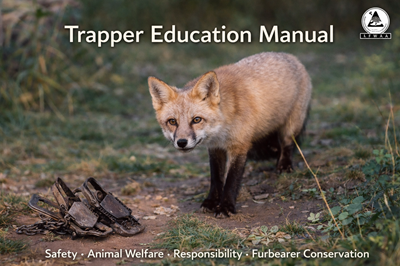
This PDF, Trapper Education Manual (International Association of Fish and Wildlife Agencies – IAFWA), is a comprehensive training textbook designed to educate new trappers on the science, ethics, regulations, and practical techniques of modern wildlife trapping. It is used as part of formal trapper education programs across the United States and Canada and emphasizes responsible, regulated trapping as a tool for wildlife conservation and management.
The manual begins by introducing the purpose of trapping education in modern society, explaining that trapping is a highly regulated activity rooted in North American wildlife management traditions. It highlights key values such as animal welfare, public safety, conservation responsibility, and sustainable use of furbearer populations. Early chapters also explain how trapping contributes to disease control, habitat protection, wildlife research, and the management of overabundant species.
A significant portion of the document focuses on the history of trapping and the North American fur trade, including how early European settlement and trade shaped wildlife populations and land use across the continent. It explains how unregulated harvest and habitat destruction in the 1800s led to severe declines in many furbearer species, eventually driving the development of modern wildlife laws, conservation agencies, and scientific wildlife management systems.
The PDF also explores public attitudes toward wildlife, breaking them down into categories such as subsistence, utilitarian, conservation, preservation, animal rights, and apathy. These perspectives help explain ongoing social debates around trapping and wildlife use, and the manual emphasizes the importance of understanding these viewpoints when discussing wildlife policy or interacting with the public.
Later sections introduce the North American Model of Wildlife Conservation, which forms the foundation of modern wildlife management. Key principles include wildlife as a public trust resource, elimination of commercial wildlife markets, science-based management, and regulated access for all citizens. The manual then transitions into practical instruction on furbearer biology, habitat, population dynamics, trapping regulations, and Best Management Practices (BMPs), showing how scientific research and regulation combine to ensure humane, efficient, and sustainable trapping systems.
Trapper Education Manual (International Association of Fish and Wildlife Agencies – IAFWA)
Copyright 2005 International Association of Fish and Wildlife Agencies
© Prepping Communities. This content is for informational purposes only and not professional advice. Use at your own risk.
Terms | Privacy | Guidelines