
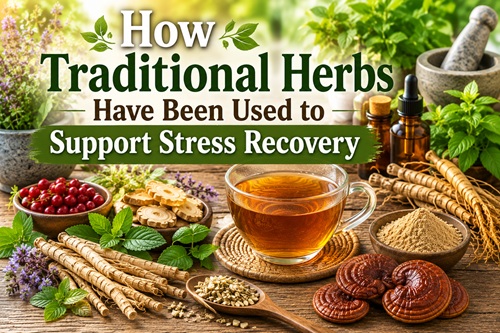

Stress has been part of the human experience for thousands of years. Ancient civilizations faced challenges very different from those of today, yet the physical effects of prolonged stress were often remarkably similar. Long days of physical labor, food shortages, harsh weather, illness, conflict, and uncertainty all placed tremendous demands on the body. Over generations, traditional healing systems developed methods to help people recover from these challenges, combining nourishing foods, restorative rest, and medicinal plants into a holistic approach to maintaining health. While modern science continues to study many of these herbs, they remain valued because of their long history of traditional use and the practical role they have played in supporting resilience during difficult times.
It is important to recognize that herbs are not miracle cures, nor should they replace appropriate medical care. Persistent fatigue, dizziness, unexplained weakness, or other ongoing health concerns deserve evaluation by a qualified healthcare professional. However, many traditional herbs may serve as supportive tools when combined with healthy lifestyle habits such as adequate sleep, balanced nutrition, hydration, regular physical activity, and effective stress management. Used responsibly, they can become one part of a broader strategy for maintaining both physical and emotional well-being.
Understanding Adaptogenic Herbs
Among the many herbs traditionally associated with stress recovery, a group known as adaptogens has received significant attention. Adaptogens are plants that have historically been used to help the body adapt to physical, emotional, and environmental stress. Unlike stimulants such as caffeine, which provide a rapid but temporary increase in alertness, adaptogenic herbs are traditionally used to encourage balance and resilience over time. Rather than forcing the body to produce more energy, these herbs have been valued for supporting the body’s natural ability to respond to ongoing demands while helping maintain normal function during periods of prolonged stress.
Although each adaptogenic herb possesses unique characteristics, they all share a similar philosophy of use. They are generally taken consistently over weeks or months rather than only during periods of acute fatigue. Traditional herbal practitioners rarely relied on a single herb alone. Instead, herbs were often combined with nutrient-rich foods, restorative sleep, moderate physical activity, and healthy daily routines that supported long-term recovery rather than short-term stimulation.
Ashwagandha (Withania somnifera)
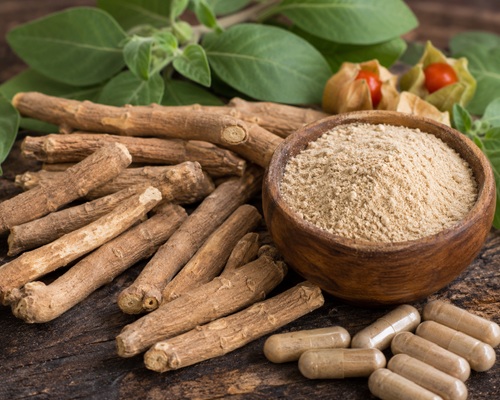
Ashwagandha is perhaps the best-known adaptogenic herb in the world today and has been used in Ayurvedic medicine for more than three thousand years. Traditionally, it has been valued for helping individuals cope with prolonged physical and emotional stress while promoting a greater sense of calm and overall vitality. Rather than providing an immediate burst of energy, ashwagandha has historically been used to support the body’s ability to recover from ongoing demands, making it especially popular among individuals experiencing persistent stress or difficulty unwinding after busy days.
Today, ashwagandha is commonly available as capsules, powders, liquid extracts, and herbal teas. Many people mix the powdered root into smoothies, warm milk, or other beverages, while others prefer standardized capsules for convenience and consistent dosing. Modern research has explored its potential role in supporting healthy cortisol levels, improving sleep quality, reducing perceived stress, enhancing concentration, and promoting overall well-being. Although results vary from person to person, improvements are generally reported after several weeks of consistent use rather than immediately following the first dose.
Like all herbal supplements, ashwagandha is not appropriate for everyone. Some individuals experience mild digestive discomfort, nausea, or drowsiness, particularly when first introducing the herb into their routine. People with thyroid disorders, autoimmune diseases, or those taking thyroid medications or sedatives should seek professional medical advice before using ashwagandha. Pregnant women are generally advised to avoid its use unless directed otherwise by their healthcare provider.
Advantages: Long history of traditional use, widely available, commonly associated with stress reduction, improved sleep quality, and enhanced resilience.
Disadvantages: May cause digestive upset in some individuals, possible medication interactions, and may not be suitable for certain medical conditions.
Rhodiola Rosea
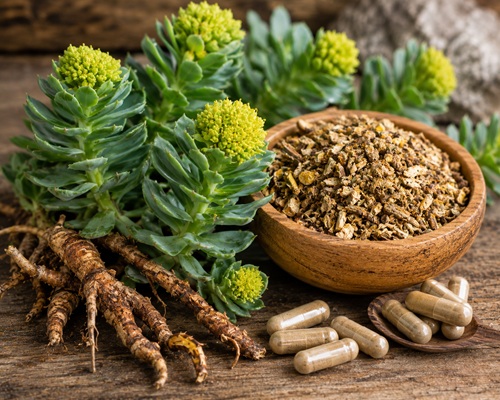
Rhodiola rosea has been used for centuries throughout northern Europe and Asia, particularly in mountainous regions where people endured harsh climates and physically demanding lifestyles. Traditional cultures valued rhodiola because it was believed to help maintain stamina and mental clarity during periods of prolonged exertion. Unlike herbs that primarily promote relaxation, rhodiola has often been associated with supporting alertness, concentration, and endurance while helping the body adapt to ongoing physical and emotional stress.
Modern preparations are commonly sold as capsules, tinctures, and standardized extracts. Many individuals choose rhodiola when stress is accompanied by mental fatigue, reduced motivation, or difficulty concentrating. Research continues to investigate its potential role in supporting cognitive performance, reducing feelings of burnout, and improving physical endurance during demanding situations. Because some people find rhodiola mildly stimulating, it is often taken earlier in the day to avoid interfering with nighttime sleep.
Although generally well tolerated, rhodiola may produce restlessness, headaches, or difficulty sleeping in sensitive individuals, especially when taken in larger amounts or late in the afternoon. Individuals managing bipolar disorder or taking medications that affect mood should consult their healthcare provider before beginning supplementation.
Advantages: Traditionally associated with improved mental stamina, supports concentration, often used for daytime stress and fatigue, available in several convenient forms.
Disadvantages: Can feel stimulating for some people, may interfere with sleep if taken late, and may interact with certain medications.
Holy Basil (Tulsi)
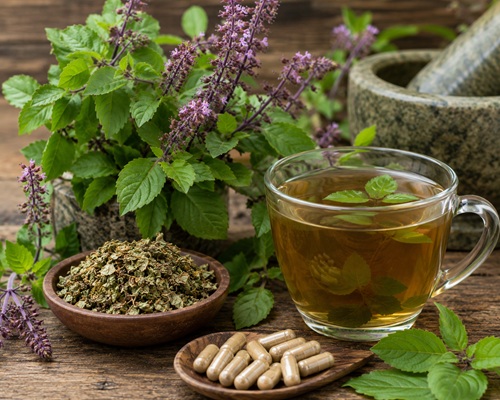
Holy basil, more commonly known as tulsi, has occupied a respected place in Ayurvedic medicine for centuries and is often considered one of India’s most important medicinal plants. Rather than being valued primarily for increasing energy, tulsi has traditionally been used to promote emotional balance, encourage relaxation, and help individuals cope more effectively with everyday stress. Its pleasant aroma and mild flavor have also made it one of the most popular herbs for preparing calming herbal teas.
Unlike many supplements that require capsules or extracts, holy basil can easily become part of a daily wellness routine through regular consumption as a tea. Capsules, tinctures, and powdered preparations are also widely available for those seeking alternative forms. Modern research continues to examine its potential role in supporting stress management, promoting mental clarity, and encouraging a balanced response to physical and emotional challenges. Many people appreciate that tulsi provides a calming effect without causing excessive drowsiness, making it suitable for use throughout the day.
Holy basil is generally considered gentle and well tolerated, although some individuals may experience mild digestive discomfort. Because the herb may influence blood sugar regulation or interact with blood-thinning medications, individuals managing diabetes or taking anticoagulants should consult their healthcare provider before incorporating it into their routine.
Advantages: Gentle enough for regular use, pleasant as a tea, traditionally supports emotional balance, easy to incorporate into daily routines.
Disadvantages: May interact with certain medications, scientific research continues to evolve, and results vary among individuals.
Panax Ginseng (Panax ginseng)
Panax ginseng has earned a reputation as one of the world’s most recognized traditional medicinal herbs. Native to East Asia, it has been used for thousands of years in Traditional Chinese Medicine to support vitality, endurance, and overall wellness. Historically, ginseng was considered a valuable herb reserved for individuals recovering from illness, older adults seeking to maintain strength, and those facing physically or mentally demanding lifestyles. Rather than acting as a quick stimulant, traditional practitioners viewed ginseng as a plant that gradually strengthened the body’s ability to cope with long-term physical and emotional challenges.
Today, Panax ginseng is commonly sold as capsules, dried root, teas, powders, tinctures, and standardized extracts. Modern research continues to investigate its potential role in reducing fatigue, improving concentration, supporting cognitive performance, and enhancing physical endurance. Many users choose ginseng during periods of heavy workloads or extended mental effort because it may help improve alertness without relying solely on caffeine.
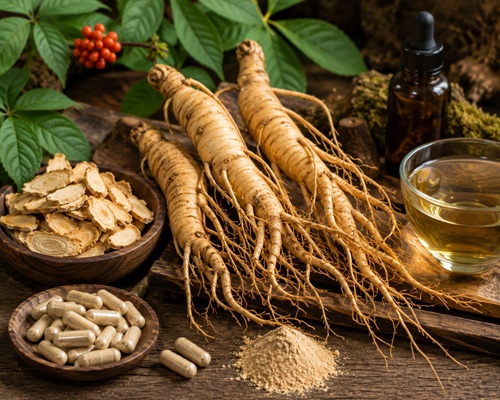
Despite its long history of use, ginseng should be approached thoughtfully. Some individuals experience headaches, digestive upset, nervousness, or difficulty sleeping, particularly when taking larger amounts or consuming it late in the day. Because ginseng may interact with medications used to manage blood pressure, blood sugar, or blood clotting, individuals with chronic medical conditions should seek medical advice before using it regularly.
Advantages: Long history of traditional use, commonly associated with improved vitality and mental performance, available in numerous forms, widely researched.
Disadvantages: May cause insomnia or nervousness in sensitive individuals, possible medication interactions, not suitable for everyone.
Schisandra Berry (Schisandra chinensis)
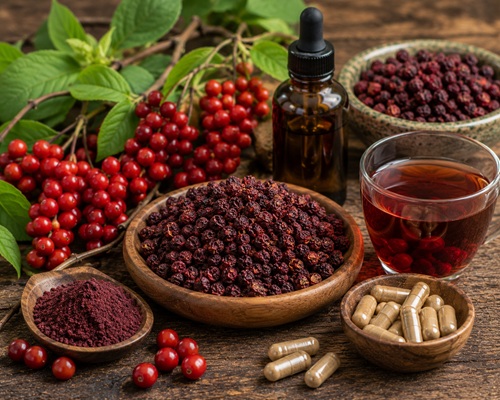
Schisandra berry has been valued in Traditional Chinese Medicine for centuries and is often recognized by its nickname, the “five-flavor berry,” because it contains sweet, sour, salty, bitter, and pungent tastes. Traditional practitioners believed schisandra supported the body’s ability to adapt to prolonged stress while promoting both physical endurance and mental clarity. It was frequently included in herbal formulas intended to improve resilience during physically demanding work or challenging environmental conditions.
Modern preparations are available as dried berries, capsules, powders, tinctures, and herbal teas. Many herbal practitioners recommend schisandra as part of a broader adaptogenic formula because of its reputation for complementing other herbs rather than serving as a standalone remedy. Ongoing research continues to explore its potential antioxidant properties and possible role in supporting mental performance, liver function, and resistance to physical fatigue.
Schisandra is generally well tolerated, although some individuals experience mild digestive discomfort, heartburn, or stomach irritation when first using it. Because compounds within schisandra may influence how the liver processes certain medications, individuals taking prescription drugs should discuss its use with a healthcare professional before adding it to their wellness routine.
Advantages: Traditionally associated with stress resilience and endurance, commonly combined with other adaptogens, available in several preparation forms.
Disadvantages: May affect medication metabolism, occasional digestive discomfort, requires caution when taking prescription medications.
Astragalus Root (Astragalus membranaceus)
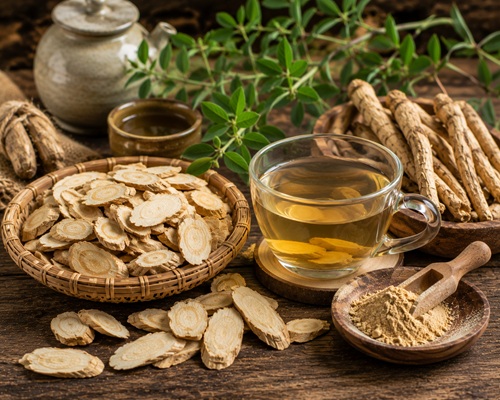
Astragalus has been an important part of Traditional Chinese Medicine for well over two thousand years. Unlike herbs selected for immediate effects, astragalus has traditionally been viewed as a long-term wellness herb intended to support overall vitality and resilience. It was commonly incorporated into soups, broths, herbal teas, and tonics that were consumed regularly rather than only during periods of illness or fatigue.
Today, astragalus is available as dried root slices, capsules, powders, tinctures, and herbal teas. It has attracted modern interest because of research exploring its potential role in supporting normal immune function and helping the body recover from prolonged periods of physical stress. Many people choose astragalus as part of a long-term wellness strategy rather than expecting rapid or dramatic results.
Astragalus is generally considered well tolerated when used appropriately. However, because it may influence immune system activity, individuals with autoimmune disorders or those taking immunosuppressant medications should seek guidance from their healthcare provider before using it regularly.
Advantages: Long history of traditional use, commonly associated with long-term vitality, easy to incorporate into soups and teas, generally well tolerated.
Disadvantages: Not intended for immediate results, possible immune-related interactions, may not be appropriate for autoimmune conditions.
Maca Root (Lepidium meyenii)
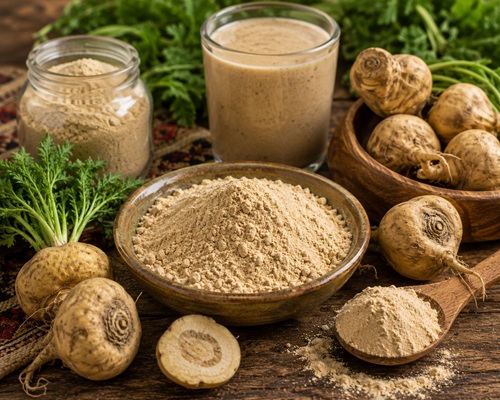
Although technically a root vegetable rather than a true medicinal herb, maca has become increasingly popular because of its traditional use in the high Andes Mountains of Peru. Indigenous communities have cultivated maca for thousands of years, where it served as both a nutritious food and a source of energy during life at high altitudes. Its rich nutritional profile and historical association with endurance have made it a popular addition to modern wellness routines.
Maca is most commonly sold as a powdered root that can be blended into smoothies, oatmeal, yogurt, coffee, or baked goods. Capsules and extracts are also widely available. Unlike many herbs that are consumed in small amounts, maca is often treated more like a functional food and may be incorporated into daily meals. Research continues to examine its possible role in supporting energy levels, physical performance, mood, and overall vitality.
Most people tolerate maca well, although some individuals experience digestive discomfort when first introducing larger amounts into their diet. Because maca may influence hormone-related pathways, individuals with hormone-sensitive medical conditions should discuss its use with their healthcare provider.
Advantages: Highly nutritious, versatile food ingredient, traditionally associated with endurance and vitality, easy to include in everyday meals.
Disadvantages: Limited long-term research in some areas, possible digestive discomfort, caution advised for hormone-sensitive conditions.
Reishi Mushroom (Ganoderma lucidum)
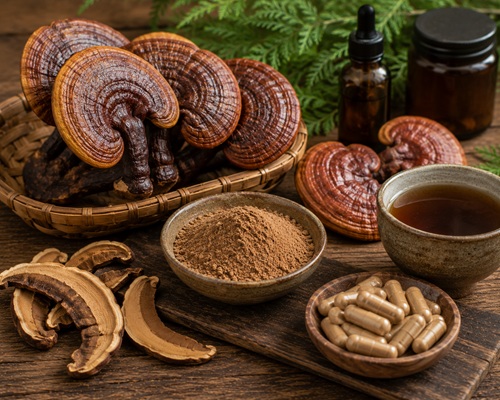
Reishi mushroom has been respected throughout East Asia for centuries and is often referred to as the “mushroom of longevity.” Traditional practitioners valued reishi not because it increased physical energy, but because it promoted calmness, encouraged restful sleep, and supported long-term wellness. Rather than stimulating the nervous system, reishi has historically been associated with recovery, making it particularly popular among individuals experiencing prolonged stress or difficulty relaxing.
Modern reishi products include capsules, powders, extracts, tinctures, and herbal teas. Many people consume reishi during the evening because its traditional use centers on relaxation and recovery rather than daytime alertness. Research continues to investigate its potential antioxidant, immune-supporting, and stress-related properties, although much remains under study.
Reishi is generally well tolerated, but some users report digestive upset, dry mouth, dizziness, or allergic reactions. Because reishi may affect blood clotting, individuals taking anticoagulant medications or preparing for surgery should seek professional medical advice before use.
Advantages: Traditionally associated with relaxation and recovery, commonly used as part of evening routines, available in numerous forms.
Disadvantages: Not intended for rapid energy support, possible digestive side effects, potential blood-thinning interactions.
Lemon Balm (Melissa officinalis)
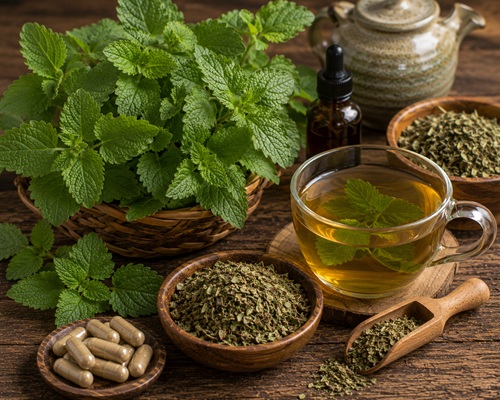
Lemon balm has been cultivated for more than two thousand years and has long been appreciated for its gentle calming properties. A member of the mint family, this fragrant herb has traditionally been used to help ease nervous tension, encourage relaxation, and promote restful sleep. Unlike herbs associated with physical stamina or increased alertness, lemon balm has historically been valued for helping quiet an overactive mind, making it especially popular among individuals whose stress is accompanied by anxiety, restlessness, or difficulty falling asleep.
Today, lemon balm is most commonly enjoyed as a pleasant herbal tea, although it is also widely available in capsules, tinctures, extracts, and dried leaf preparations. Many people include it as part of an evening routine to help create a sense of calm before bedtime. Research continues to investigate its potential role in reducing mild anxiety, improving sleep quality, supporting cognitive function during stressful situations, and promoting overall relaxation. While results vary from person to person, many individuals appreciate that lemon balm generally provides a gentle calming effect without causing significant next-day grogginess.
Lemon balm is considered safe for most healthy adults when used appropriately, but some individuals may experience mild drowsiness or digestive discomfort. Because it can enhance relaxation, it may increase the effects of sedative medications or alcohol. Individuals taking medications for thyroid disorders should also consult their healthcare provider before using lemon balm regularly, as some evidence suggests it may influence thyroid activity.
Advantages: Pleasant tasting, easy to prepare as a tea, traditionally promotes relaxation, commonly used to support restful sleep, generally well tolerated.
Disadvantages: May cause drowsiness in some individuals, possible medication interactions, not intended for improving daytime energy.
Licorice Root (Glycyrrhiza glabra)
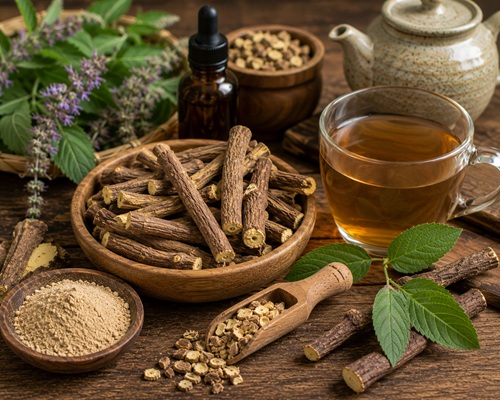
Licorice root has been used throughout Europe, Asia, and the Middle East for thousands of years and remains one of the oldest documented medicinal plants. Traditional herbal practitioners frequently included licorice root in herbal formulas because it was believed to harmonize the actions of other herbs while supporting endurance and overall vitality. It has also been widely used to soothe the throat, support digestion, and provide a naturally sweet flavor to herbal preparations.
Modern licorice root is available as teas, capsules, powders, tinctures, and extracts. Some herbal practitioners continue to include small amounts of licorice root in stress-support formulas because of its historical association with sustained energy and resilience. Unlike many other herbs discussed in this article, however, licorice root requires considerably greater caution due to its potential effects on blood pressure and electrolyte balance.
One naturally occurring compound found in traditional licorice root, known as glycyrrhizin, can cause the body to retain sodium while losing potassium if consumed regularly or in excessive amounts. This may contribute to elevated blood pressure, swelling, muscle weakness, or irregular heart rhythms in susceptible individuals. For this reason, long-term or high-dose use is generally discouraged unless supervised by a qualified healthcare professional. Individuals with high blood pressure, kidney disease, heart disease, or those taking diuretics or certain heart medications should avoid traditional licorice root unless advised otherwise by their physician. Deglycyrrhizinated licorice (DGL) products are available for digestive support and do not produce the same effects on blood pressure, but they are not typically used for stress-support purposes.
Advantages: Long history of traditional use, naturally sweet flavor, commonly included in herbal blends, traditionally associated with endurance and digestive support.
Disadvantages: Not appropriate for long-term unsupervised use, may increase blood pressure, significant medication interactions, unsuitable for several medical conditions.
Choosing the Right Herb for Your Needs
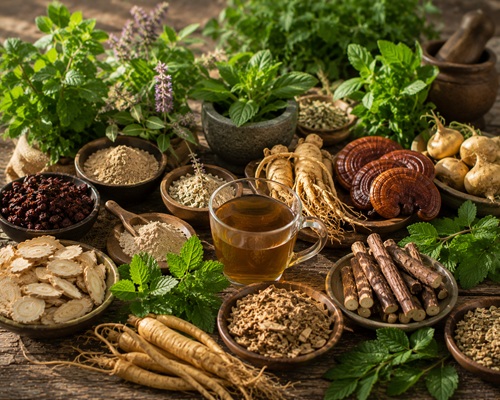
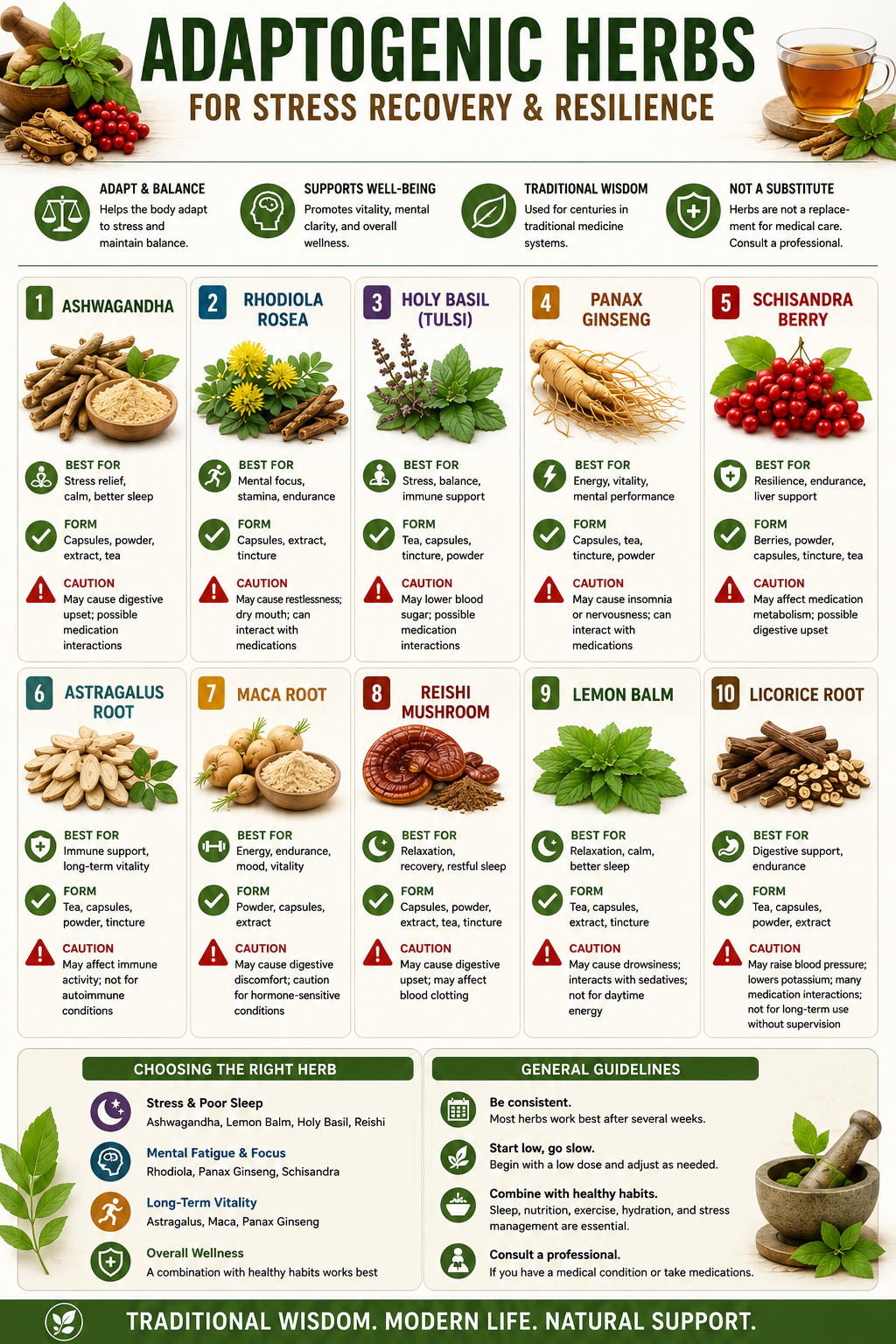
Each of these traditional herbs has developed its own reputation over centuries of use, and no single herb is considered the best choice for every individual or situation. Some herbs have traditionally been selected because they promote relaxation and restful sleep, while others are more commonly associated with supporting mental focus, physical endurance, or long-term resilience. Understanding these differences can help individuals choose herbs that better match their specific wellness goals.
For those whose primary challenge is chronic stress accompanied by poor sleep or difficulty relaxing, herbs such as ashwagandha, lemon balm, holy basil, and reishi mushroom have traditionally been favored because of their calming nature. Individuals struggling with mental fatigue, demanding workloads, or prolonged concentration often explore herbs like rhodiola, Panax ginseng, or schisandra, which have historically been associated with supporting cognitive performance and stamina. People looking for gradual, long-term wellness support may find astragalus or maca appealing because of their reputation for promoting vitality over extended periods rather than producing immediate effects.
Regardless of which herb is selected, expectations should remain realistic. Traditional herbal medicine has always emphasized consistency rather than speed. Most herbs are intended to complement healthy daily habits, not replace them. They work best when paired with adequate sleep, balanced nutrition, regular physical activity, hydration, and effective stress management techniques.
Quick Comparison Guide
| Herb | Traditionally Used For | Common Forms | Best Time | Primary Considerations |
|---|---|---|---|---|
| Ashwagandha | Stress resilience, relaxation, sleep | Capsules, powder, tea | Evening | May interact with thyroid medications |
| Rhodiola Rosea | Mental stamina, concentration | Capsules, extracts | Morning | May feel stimulating |
| Holy Basil (Tulsi) | Emotional balance, stress support | Tea, capsules | Anytime | May affect blood sugar |
| Panax Ginseng | Vitality, endurance, mental performance | Tea, capsules, root | Morning | May interfere with sleep |
| Schisandra Berry | Physical and mental resilience | Powder, capsules | Morning | Possible medication interactions |
| Astragalus Root | Long-term vitality | Tea, capsules, root | Morning | Use caution with autoimmune disorders |
| Maca Root | Endurance, nutritional support | Powder, capsules | Morning | Hormone-sensitive conditions |
| Reishi Mushroom | Relaxation, recovery | Powder, tea, capsules | Evening | May interact with blood thinners |
| Lemon Balm | Calmness, restful sleep | Tea, tincture | Evening | May increase drowsiness |
| Licorice Root | Traditional endurance support | Tea, capsules | Short-term only | May increase blood pressure |
Final Thoughts
For thousands of years, people have relied on herbs not because they expected instant cures, but because they understood that lasting health is built through consistent daily habits. Traditional herbal medicine developed alongside wholesome foods, restorative sleep, physical activity, and strong community support. Herbs were viewed as valuable allies that complemented healthy living rather than replacing it.
Modern research continues to expand our understanding of many of these traditional plants, and while evidence varies among individual herbs, their historical significance remains undeniable. When used responsibly and combined with healthy lifestyle choices, herbs may provide meaningful support during periods of prolonged stress while encouraging resilience and overall well-being.
Finally, remember that persistent fatigue, unexplained weakness, dizziness, significant changes in weight, or ongoing sleep disturbances should never be dismissed as simple stress alone. These symptoms may indicate underlying medical conditions that require professional evaluation. Herbs can play a supportive role in a comprehensive wellness plan, but they are most effective when used thoughtfully, responsibly, and alongside appropriate medical care whenever necessary.
© Prepping Communities. This content is for informational purposes only and not professional advice. Use at your own risk.
Terms | Privacy | Guidelines