
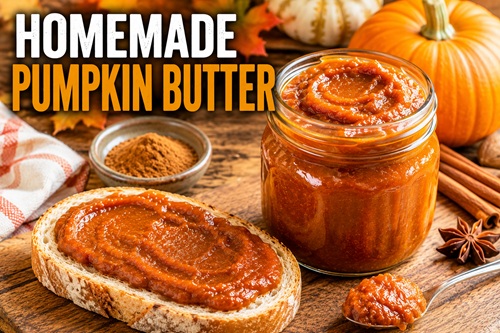
A Delicious Way to Preserve the Flavors of Fall
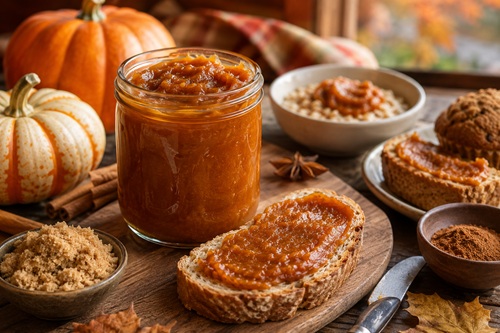
Few foods capture the warmth of autumn quite like homemade pumpkin butter. With its smooth texture, rich pumpkin flavor, and comforting blend of spices, this versatile spread has become a seasonal favorite in kitchens across North America. Whether enjoyed on a slice of fresh bread, stirred into oatmeal, or used in baking, pumpkin butter transforms a simple pumpkin into something both comforting and remarkably versatile. While it may resemble fruit preserves or jams, pumpkin butter is its own unique creation, relying on slow cooking rather than pectin to develop its rich consistency and concentrated flavor.
What Makes Pumpkin Butter Different?
Despite its name, pumpkin butter contains no dairy butter. Instead, the name refers to its smooth, spreadable consistency. The process begins with pumpkin purée, which is slowly simmered with sweeteners, spices, and a small amount of liquid until much of the moisture evaporates. As the mixture reduces, the natural sugars become more concentrated and the spices blend together, creating a thick spread that is richer and more flavorful than plain pumpkin purée.
Unlike pumpkin pie filling, homemade pumpkin butter allows complete control over every ingredient. You decide how sweet it should be, which spices to emphasize, and how thick or smooth you want the finished product. This flexibility makes it easy to create a version that suits your family’s preferences while avoiding unnecessary preservatives or additives commonly found in commercial products.
Choosing Quality Ingredients
Excellent pumpkin butter starts with excellent pumpkin. Fresh sugar pumpkins, often called pie pumpkins, provide the sweetest flavor and smoothest texture because they contain less water than large carving pumpkins. Their dense flesh cooks down beautifully and produces a naturally rich spread. If fresh pumpkins are unavailable, plain canned pumpkin purée offers an excellent alternative and provides consistent results throughout the year.
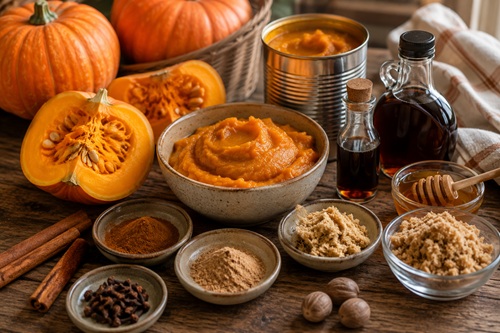
The spices used are equally important. Cinnamon forms the foundation of the traditional flavor profile, while ginger adds brightness and warmth. Nutmeg contributes a subtle earthiness, cloves provide depth, and vanilla rounds out the overall flavor. The sweetener can be adjusted to personal preference. Brown sugar produces a traditional taste, maple syrup adds a deeper richness, and honey creates a slightly lighter sweetness. Some cooks even reduce the sweetener significantly to allow the natural pumpkin flavor to remain the focus.
Homemade Pumpkin Butter Recipe
Ingredients
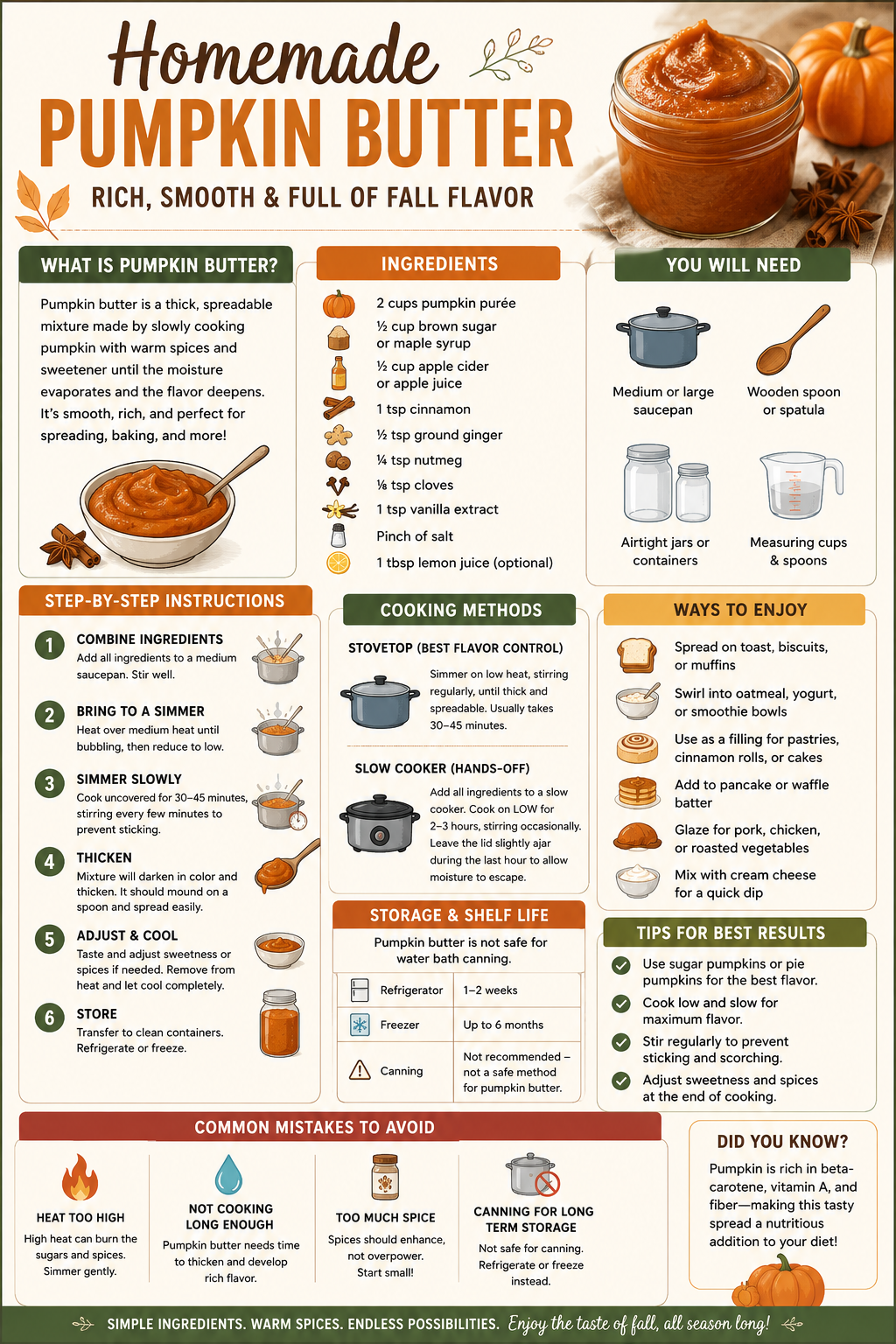
- 2 cups plain pumpkin purée
- ½ cup brown sugar or pure maple syrup
- ½ cup apple cider or unsweetened apple juice
- 1 teaspoon ground cinnamon
- ½ teaspoon ground ginger
- ¼ teaspoon ground nutmeg
- ⅛ teaspoon ground cloves
- 1 teaspoon vanilla extract
- Pinch of salt
- 1 tablespoon lemon juice (optional, for brightness)
Step-by-Step Instructions
Place all of the ingredients into a medium saucepan and stir until the pumpkin, spices, and sweetener are thoroughly combined. Set the pan over medium heat and continue stirring until the mixture begins to simmer gently.
Reduce the heat to low and allow the pumpkin mixture to cook slowly for approximately thirty to forty-five minutes. Stir every few minutes to prevent sticking, especially as the mixture thickens. During this time the moisture gradually evaporates, the color deepens to a rich orange-brown, and the aroma of the spices becomes much more pronounced.
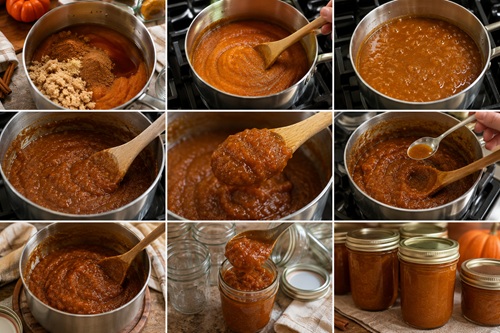
As the pumpkin butter cooks, taste it occasionally and adjust the sweetness or spices if desired. Every pumpkin varies slightly in sweetness, so making small adjustments near the end of cooking produces the best results. Continue simmering until the mixture is thick enough to hold its shape on a spoon while still spreading easily.
Remove the saucepan from the heat and allow the pumpkin butter to cool completely before transferring it into clean storage containers. The texture will continue to thicken slightly as it cools.
Slow Cooker Option
For those who prefer a hands-off approach, pumpkin butter can also be prepared in a slow cooker. Combine all of the ingredients, cook on the low setting for two to three hours, and leave the lid slightly ajar during the final hour to allow excess moisture to escape. Stir occasionally until the mixture reaches the desired consistency. This slower cooking method develops a particularly deep, mellow flavor and requires very little attention.
Storage and Food Safety
Proper storage is one of the most important aspects of making homemade pumpkin butter. Because pumpkin is naturally dense and low in acidity, it should not be preserved using home canning methods. The thickness of pumpkin butter prevents heat from penetrating evenly during processing, creating conditions that cannot be considered safe for shelf-stable storage.
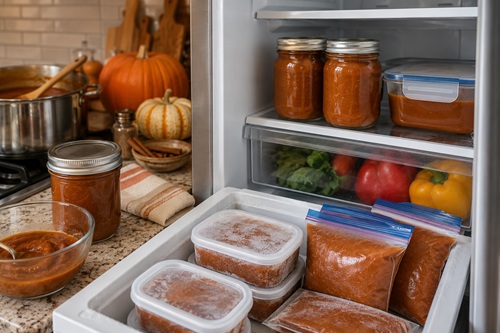
Instead, store pumpkin butter in airtight containers in the refrigerator, where it will remain fresh for approximately one to two weeks. For longer storage, freeze it in small containers or freezer-safe jars, leaving sufficient space for expansion. Frozen pumpkin butter maintains excellent flavor and texture for several months and can be thawed overnight in the refrigerator whenever needed.
Ways to Enjoy Pumpkin Butter
Pumpkin butter is far more versatile than simply spreading it on toast. A spoonful stirred into oatmeal instantly creates a warm autumn breakfast, while mixing it into plain yogurt produces a naturally flavored snack with very little effort. It can be spread between cake layers, used as a filling for pastries, or added to muffins, quick breads, and cinnamon rolls for extra moisture and flavor.
Beyond desserts, pumpkin butter works surprisingly well in savory cooking. It can be brushed onto pork tenderloin during roasting, mixed into barbecue sauces, or stirred into pan sauces for chicken. It also pairs beautifully with roasted vegetables, adding subtle sweetness that complements carrots, sweet potatoes, squash, and Brussels sprouts. Even a grilled cheese sandwich takes on a completely different character with a thin layer of pumpkin butter spread inside before grilling.
Common Mistakes to Avoid
Many disappointing batches of pumpkin butter result from rushing the cooking process. If the mixture is removed from the heat before enough moisture has evaporated, the finished product will be thin and lack the concentrated flavor that makes pumpkin butter so enjoyable. Cooking over excessively high heat can also scorch the sugars, producing a bitter taste that cannot be corrected later.
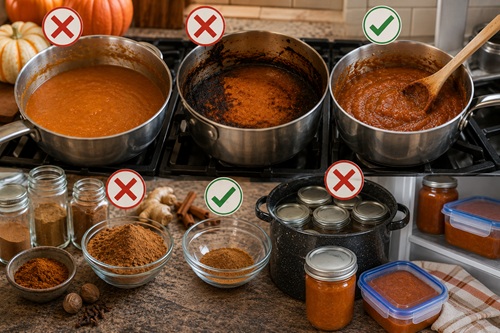
Another common mistake is overwhelming the pumpkin with too many spices. While the familiar flavors of cinnamon, ginger, and cloves are part of pumpkin butter’s appeal, they should enhance the pumpkin rather than dominate it. It is always easier to add a little more spice near the end of cooking than to correct an overly seasoned batch.
Finally, many people assume pumpkin butter can be canned like fruit jam. Because of pumpkin’s density, this is not considered a safe preservation method. Refrigeration and freezing remain the safest and most reliable options for storing homemade pumpkin butter.
A Seasonal Tradition Worth Continuing
Making pumpkin butter is about more than preparing another spread for the refrigerator. It is an opportunity to celebrate the harvest season, make good use of fresh pumpkins, and create something that can be enjoyed in dozens of different ways throughout the fall and winter. The ingredients are simple, the cooking process is straightforward, and the reward is a rich, flavorful spread that fills the kitchen with the unmistakable aroma of autumn.
Whether you grow your own pumpkins, purchase them from a local farm, or simply reach for a can of pumpkin purée, homemade pumpkin butter is a rewarding project that combines traditional cooking techniques with modern convenience. It is one of those recipes that quickly becomes a seasonal favorite, offering comfort, versatility, and homemade flavor that is difficult to match with anything found on a grocery store shelf.
© Prepping Communities. This content is for informational purposes only and not professional advice. Use at your own risk.
Terms | Privacy | Guidelines