
Introduction
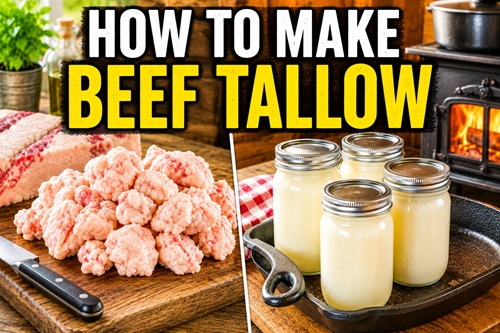
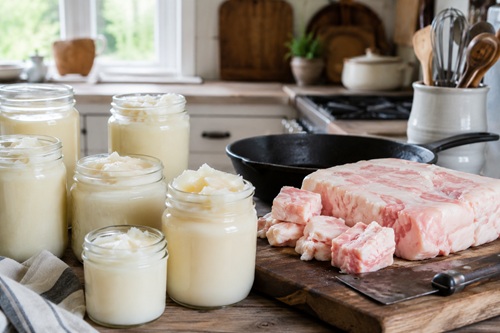
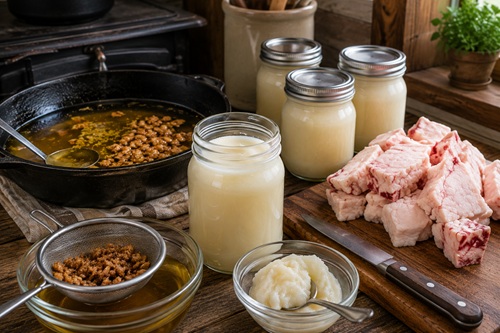
Beef tallow is one of the simplest and most useful products that can be made from a harvested animal. By slowly rendering beef fat, it can be transformed into a clean, shelf-stable cooking fat that has been valued for generations. While many people trim excess fat from meat and throw it away, that same fat can become an excellent resource for cooking, baking, seasoning cast iron, and supporting long-term food preparedness.
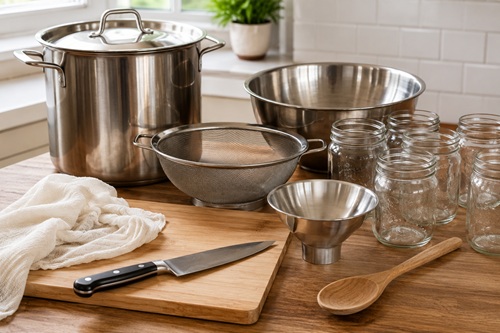
For anyone interested in reducing waste and becoming more self-reliant, learning to make beef tallow is a worthwhile skill. The process requires only a few basic kitchen tools, a source of beef fat, and patience. No specialized equipment is needed, and even a first-time attempt can produce high-quality tallow when the proper techniques are followed.
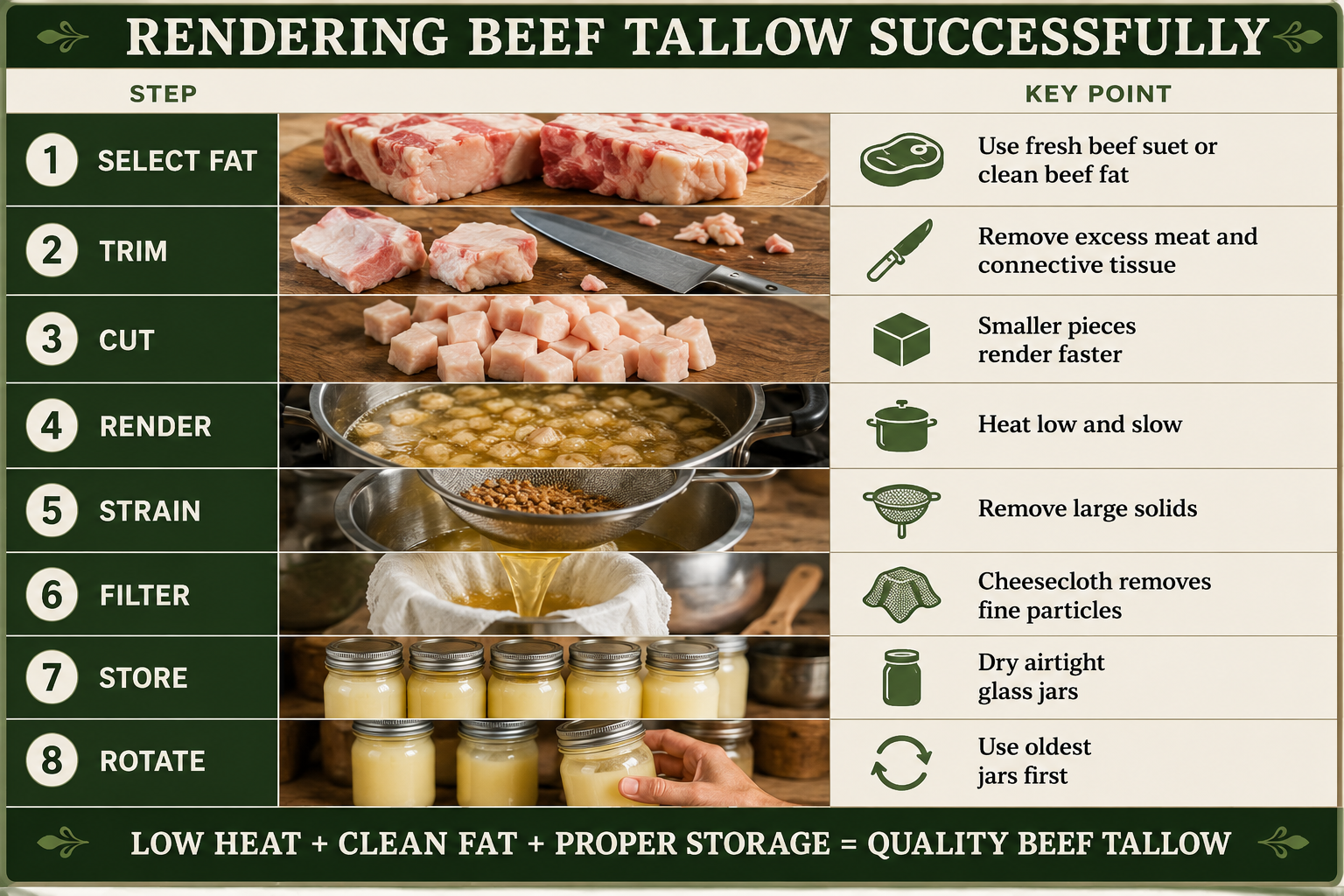
This lesson explains how to select suitable beef fat, render it correctly, filter it for long-term storage, and use it safely. By the end of the lesson, you’ll understand not only how to make beef tallow, but also how to incorporate it into your food storage and everyday cooking.
Understanding Beef Tallow
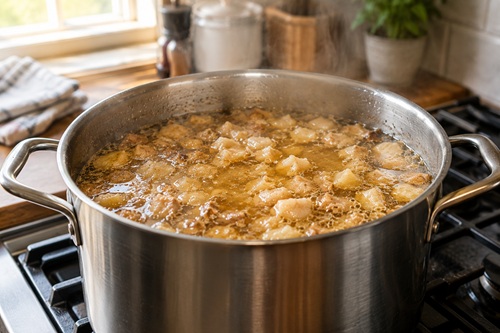
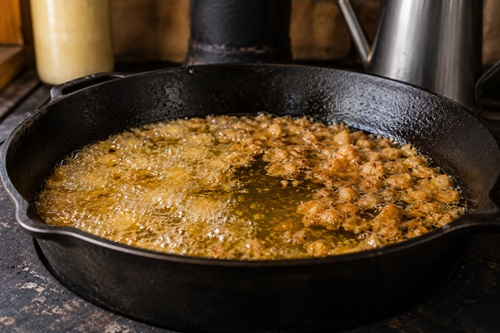
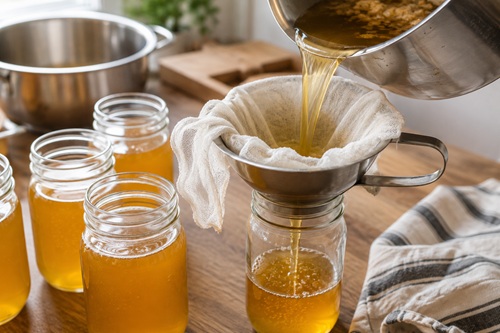
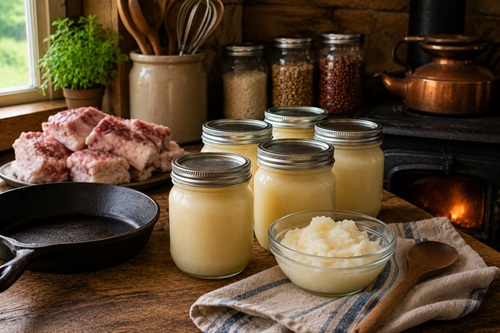
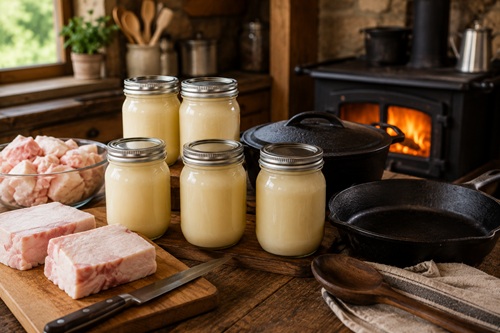
Beef tallow is purified beef fat that has been slowly heated until the solid fat melts and separates from any remaining meat, connective tissue, and moisture. Once filtered and cooled, the liquid fat hardens into a smooth, creamy-white solid that can be stored for extended periods when protected from heat, moisture, and air.
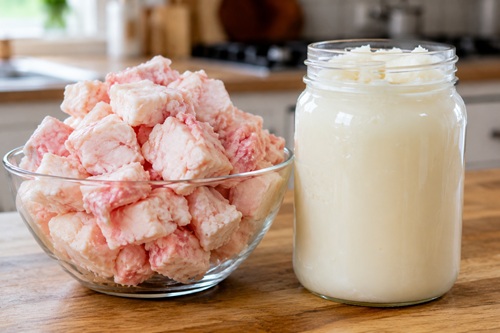
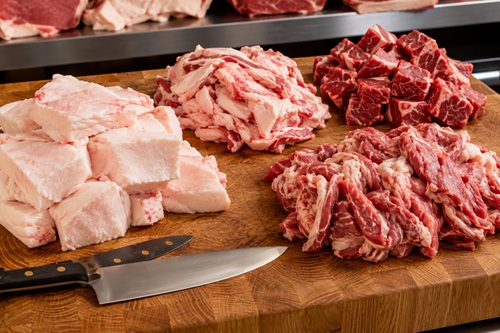
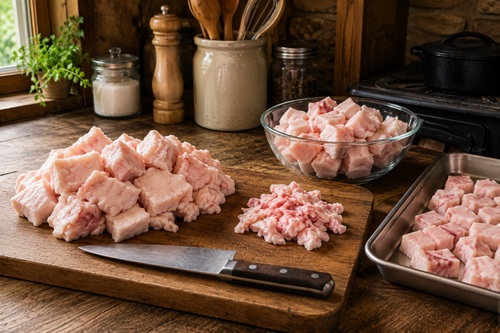
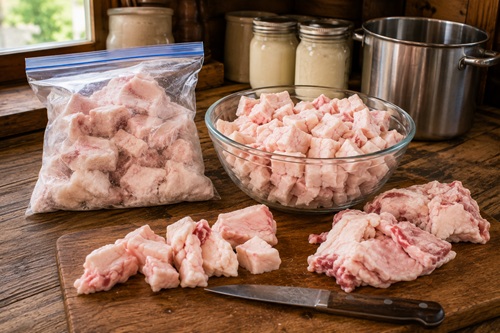
Not all beef fat is the same. The highest-quality tallow is usually made from suet, the firm fat found around the kidneys and loins of the animal. Suet contains very little meat or connective tissue, making it easier to render into a clean, mild-flavored tallow. However, trimmings from brisket, roasts, steaks, or other cuts can also be used successfully. They may require slightly more trimming and filtering, but they still produce excellent cooking fat.
It is also helpful to understand the difference between tallow and lard. Both are rendered animal fats, but tallow comes from cattle and other ruminant animals, while lard is rendered from pork fat. Although both are useful cooking fats, beef tallow has a firmer texture at room temperature and a higher smoke point, making it especially well suited for frying, roasting, and cooking over higher heat.
The quality of the finished tallow depends largely on the quality of the fat used at the beginning. Fresh fat that has been properly handled will produce a cleaner flavor, lighter color, and longer shelf life than fat that has been stored improperly or allowed to spoil. Starting with good ingredients is one of the easiest ways to produce consistently good results.
Why Preppers Value Beef Tallow
Beef tallow is more than just another cooking fat. It represents a practical way to make full use of available resources while creating a product that has many everyday and emergency uses. Every pound of fat that is rendered into tallow is one less part of the animal that goes to waste, making it an excellent example of efficient resource management.
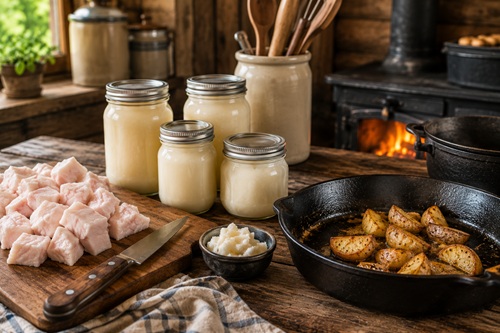
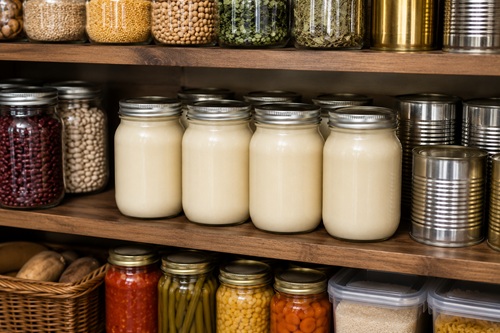
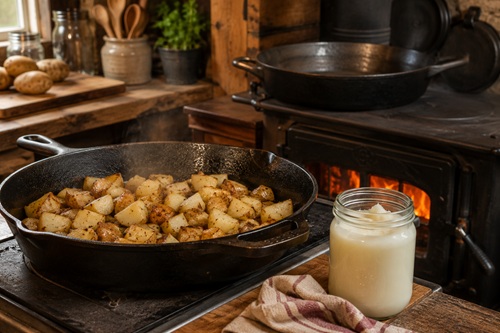
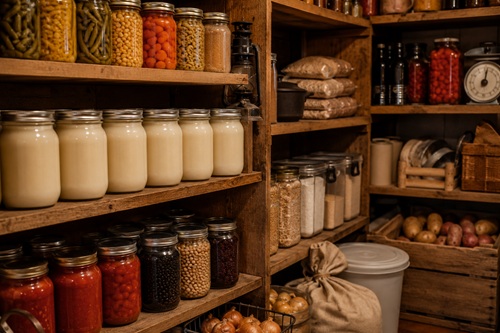
For preparedness, tallow provides flexibility. It can be used for frying foods, sautéing vegetables, roasting meat, seasoning cast-iron cookware, and adding calories to meals when other cooking oils may be unavailable. Because it remains solid at room temperature, it is easy to portion, transport, and store without the mess associated with many liquid oils.
Another advantage is that homemade tallow contains only one ingredient: beef fat. There are no preservatives, artificial flavors, or stabilizers. Knowing exactly how it was produced and what it contains gives many people greater confidence in the foods they prepare for both everyday use and emergency situations.
Finally, learning to render tallow develops another practical food preservation skill. Much like pressure canning, dehydrating, or smoking meat, rendering teaches how to extend the usefulness of food that might otherwise be discarded. Over time, mastering several of these skills builds a more resilient and self-sufficient household.
© Prepping Communities. This content is for informational purposes only and not professional advice. Use at your own risk.
Terms | Privacy | Guidelines