
Stress has become one of the most common health challenges of modern life. While short periods of stress are a normal part of life, ongoing or chronic stress can affect nearly every system in the body. Elevated stress hormones such as cortisol may contribute to fatigue, poor sleep, headaches, digestive problems, weakened immunity, elevated blood pressure, difficulty concentrating, and mood changes.
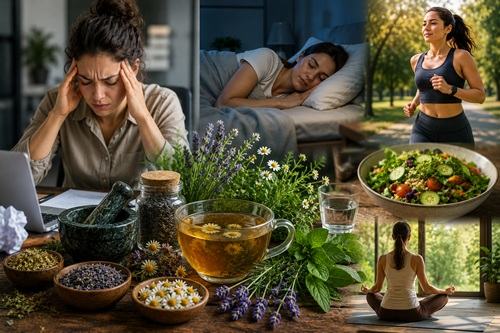
Fortunately, many healthy lifestyle habits—including adequate sleep, regular exercise, balanced nutrition, relaxation techniques, and certain medicinal herbs—may help the body better cope with everyday stress. Herbal medicine has been used for thousands of years in cultures around the world, and modern research continues to investigate how many of these traditional remedies may support emotional well-being.
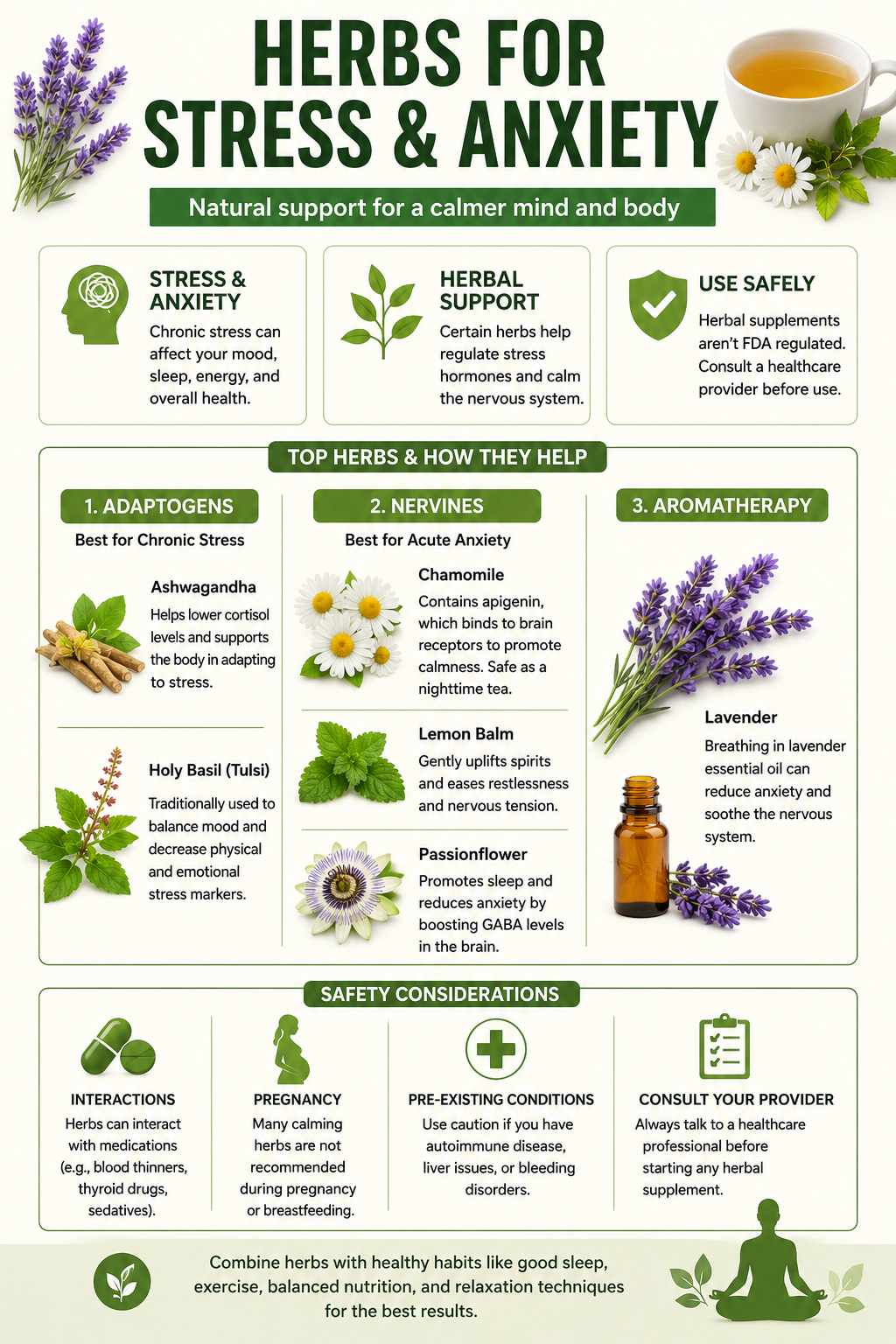
Different herbs work in different ways. Adaptogenic herbs such as ashwagandha and holy basil (tulsi) help the body adapt to ongoing physical and emotional stress by supporting healthy cortisol balance and improving resilience over time. These herbs are generally intended for long-term use rather than immediate relief. In contrast, calming nervine herbs such as chamomile, lemon balm, and passionflower work more directly on the nervous system, encouraging relaxation and helping ease feelings of nervousness, tension, and restlessness. Passionflower has been studied for its ability to support healthy GABA activity in the brain, while chamomile contains apigenin, a natural compound believed to promote calmness and restful sleep. Many people also find that simply preparing and slowly drinking a warm cup of herbal tea becomes a relaxing daily ritual that encourages the mind and body to unwind.
Aromatherapy offers another natural approach to managing stress. Lavender remains one of the best-studied essential oils for relaxation and has been shown in multiple studies to reduce feelings of anxiety and improve sleep quality for many individuals.
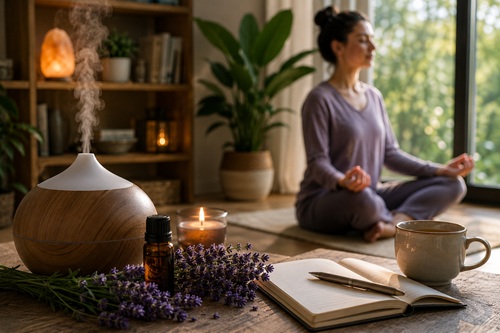
When diffused into the air or used safely in diluted massage oils, lavender may help calm the nervous system without causing significant drowsiness for most people. Combining aromatherapy with deep breathing exercises, mindfulness meditation, prayer, journaling, or spending time outdoors can further enhance its calming effects. Rather than relying on a single remedy, many people experience the greatest benefit by combining several healthy stress-management habits into a consistent daily routine.
Although herbal remedies are generally considered natural, “natural” does not always mean risk-free. Many herbs can interact with prescription medications, including blood thinners, thyroid medications, antidepressants, anti-anxiety drugs, sedatives, and medications processed by the liver. Some herbs are not recommended during pregnancy or breastfeeding, while others should be avoided by individuals with autoimmune disorders, liver disease, seizure disorders, or certain chronic health conditions. For this reason, it is always wise to consult a qualified healthcare professional before beginning any herbal supplement, especially if you have an existing medical condition or take prescription medications. Used responsibly, however, herbs can become valuable tools that complement a healthy lifestyle and help promote greater resilience, emotional balance, and overall well-being.
© Prepping Communities. This content is for informational purposes only and not professional advice. Use at your own risk.
Terms | Privacy | Guidelines