
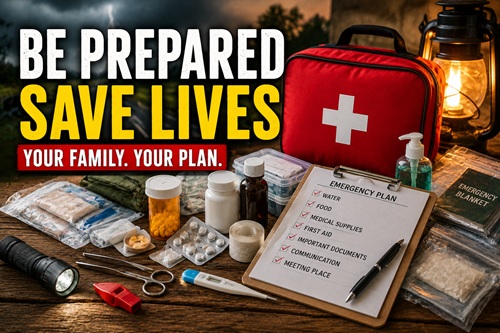
Be Ready When Professional Medical Help Isn’t Immediately Available
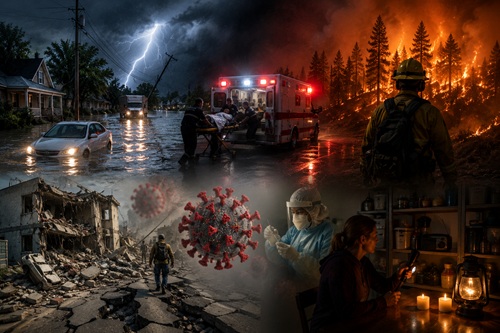
Medical emergencies rarely happen when they’re convenient. A severe storm, extended power outage, wildfire, pandemic, earthquake, or other major emergency can quickly overwhelm hospitals, emergency responders, and pharmacies. Even under normal conditions, ambulances may take valuable minutes to arrive. During large-scale disasters, those delays could become hours or even days.
Medical preparedness isn’t about replacing doctors, nurses, or emergency services. It’s about developing the knowledge, supplies, and confidence needed to care for yourself and your family until professional medical care becomes available. In many situations, simple first aid, proper wound care, hydration, infection prevention, and sound decision-making can significantly improve outcomes while preventing minor injuries from becoming serious medical emergencies.
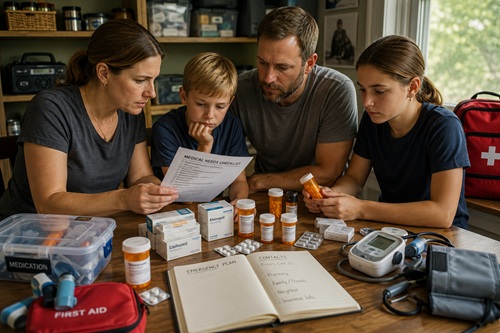
Every household should begin by understanding its own unique medical needs. Consider prescription medications, allergies, chronic health conditions, mobility limitations, vision or hearing impairments, and specialized medical equipment. Children, older adults, and individuals with ongoing medical conditions may require additional planning to ensure their needs can still be met if normal healthcare services become temporarily unavailable.
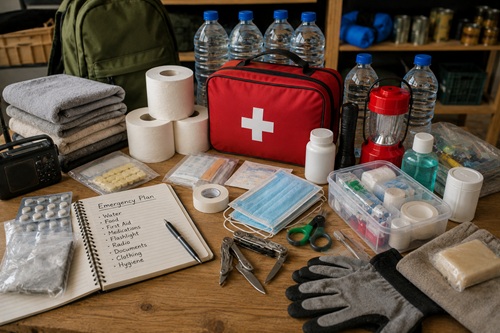
Building a well-organized medical kit is one of the most valuable preparedness investments you can make. Rather than relying on a small store-bought first aid kit, consider creating a system that includes everyday first aid supplies, trauma care items, over-the-counter medications, wound care products, personal protective equipment, thermometers, emergency reference guides, and enough commonly used supplies to care for multiple people over an extended period.
Knowledge is every bit as important as equipment. Having bandages, splints, and medications is helpful only if you know when and how to use them correctly. Learning CPR, basic first aid, bleeding control, fracture stabilization, burn treatment, and infection prevention can provide valuable skills that benefit your family long before a disaster ever occurs. Regular practice helps build confidence while reducing panic during real emergencies.
Good health before an emergency is one of the strongest forms of preparedness. Maintaining physical fitness, eating a balanced diet, staying hydrated, getting adequate sleep, managing chronic conditions, and attending routine medical appointments all contribute to greater resilience. Prevention often reduces the need for emergency treatment later.
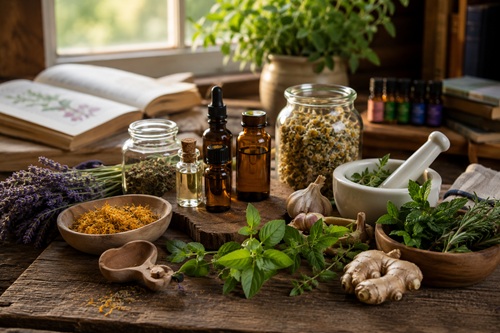
Many people also choose to learn about complementary approaches that may support overall wellness alongside conventional medicine. Nutrition, proper hygiene, herbal remedies, essential oils, relaxation techniques, and other evidence-informed wellness practices may play supportive roles in maintaining health. However, they should never replace professional medical evaluation or proven treatments for serious illness or injury. When qualified medical care is available, it should always be your first choice.
Medical preparedness also includes planning for sanitation and infection control. Clean water, handwashing supplies, disinfectants, gloves, masks, proper waste disposal, and safe food handling all help reduce the spread of illness during emergencies. Preventing disease is often easier than treating it.
Finally, remember that preparedness is built over time. You don’t need to purchase every medical supply at once or become a healthcare professional overnight. Start by expanding your first aid kit, learning one new skill, replacing expired supplies, and gradually increasing your knowledge. Every improvement strengthens your ability to care for yourself and those around you during difficult circumstances.
The worksheet that follows will help you evaluate your family’s medical needs, organize essential supplies, identify important skills to develop, and create a practical medical preparedness plan that grows with your family’s changing needs. Preparedness begins long before an emergency – it begins with the decisions you make today.
Worksheet
Design Your Medical Preparedness Plan
Personal Medical Preparedness Assessment
Name: _______________________________________
Date: ________________________________________
Part 1 – Family Medical Assessment
List everyone in your household and any important medical considerations.
| Family Member | Age | Medical Conditions | Allergies | Prescription Medications |
|---|---|---|---|---|
Additional notes:
Part 2 – Medical Risks
Which medical emergencies are most likely to affect your family?
☐ Cuts and lacerations
☐ Burns
☐ Broken bones
☐ Sprains and strains
☐ Allergic reactions
☐ Asthma
☐ Heart problems
☐ Diabetes
☐ Heat exhaustion
☐ Hypothermia
☐ Food poisoning
☐ Respiratory illness
☐ Infection
☐ Severe bleeding
☐ Other
The medical concern I should prepare for first is:
Part 3 – First Aid Supplies
Check the supplies you currently have.
Wound Care
☐ Adhesive bandages
☐ Sterile gauze
☐ Medical tape
☐ Elastic bandages
☐ Butterfly closures
☐ Antiseptic wipes
☐ Antibiotic ointment
☐ Burn dressings
Protective Equipment
☐ Medical gloves
☐ Face masks
☐ CPR face shield
☐ Eye protection
Basic Equipment
☐ Digital thermometer
☐ Tweezers
☐ Trauma shears
☐ Instant cold packs
☐ Splint
☐ Emergency blanket
☐ Blood pressure monitor
☐ Pulse oximeter
Supplies I still need:
Part 4 – Medications
Check what your household maintains.
☐ Prescription medications
☐ Pain relievers
☐ Fever reducers
☐ Allergy medication
☐ Anti-diarrheal medication
☐ Oral rehydration salts
☐ Antacid
☐ Cough medicine
☐ Cold medicine
☐ Electrolytes
☐ Vitamins
☐ Other
Do you regularly check expiration dates?
☐ Yes
☐ No
Part 5 – Medical Skills
Rate your confidence.
| Skill | Low | Medium | High |
|---|---|---|---|
| CPR | ☐ | ☐ | ☐ |
| Basic First Aid | ☐ | ☐ | ☐ |
| Severe Bleeding Control | ☐ | ☐ | ☐ |
| Burn Treatment | ☐ | ☐ | ☐ |
| Splinting Injuries | ☐ | ☐ | ☐ |
| Treating Dehydration | ☐ | ☐ | ☐ |
| Infection Prevention | ☐ | ☐ | ☐ |
Skills I want to learn:
Part 6 – Medical Information
Where is your important medical information stored?
☐ Printed copies
☐ Phone
☐ Cloud storage
☐ Emergency binder
☐ Wallet card
Do you have copies of:
☐ Health insurance information
☐ Medication list
☐ Allergy list
☐ Emergency contacts
☐ Physician information
☐ Vaccination records
☐ Blood types
Missing information:
Part 7 – Hygiene and Infection Prevention
Check the supplies available in your home.
☐ Soap
☐ Hand sanitizer
☐ Disinfectant wipes
☐ Household disinfectant
☐ Paper towels
☐ Disposable gloves
☐ Face masks
☐ Trash bags
☐ Clean water
☐ Bleach
☐ Toilet paper
Items needing restocking:
Part 8 – Emergency Medical Contacts
| Contact | Name | Phone |
|---|---|---|
| Family Doctor | ||
| Pediatrician | ||
| Pharmacy | ||
| Dentist | ||
| Hospital | ||
| Poison Centre | ||
| Emergency Contact |
Part 9 – Medical Preparedness Priorities
What improvements would make the biggest difference?
Part 10 – My 30-Day Medical Preparedness Plan
This month I will:
☐ Replace expired medications.
☐ Organize my medical supplies.
☐ Build or expand my first aid kit.
☐ Purchase additional wound care supplies.
☐ Learn CPR.
☐ Complete a first aid course.
☐ Update emergency medical records.
☐ Refill prescription medications.
☐ Organize hygiene supplies.
☐ Create a portable medical kit.
Other actions:
Part 11 – Annual Medical Review
Review your medical preparedness at least once each year.
☐ Replace expired medications
☐ Inspect first aid kits
☐ Update prescriptions
☐ Review family medical information
☐ Restock medical supplies
☐ Replace batteries in medical devices
☐ Practice emergency procedures
☐ Review emergency contacts
☐ Update insurance information
☐ Review new medical training opportunities
Notes
Final Reflection
Medical preparedness is one of the most valuable investments you can make for your family. Emergencies often happen without warning, and professional medical help may not always be immediately available. By building practical skills, maintaining organized medical supplies, practicing good hygiene, and planning for your family’s unique health needs, you greatly improve your ability to respond calmly and effectively. Every new skill you learn and every supply you add strengthens your family’s resilience and helps ensure you’re better prepared for whatever challenges may come.
© Prepping Communities. This content is for informational purposes only and not professional advice. Use at your own risk.
Terms | Privacy | Guidelines