
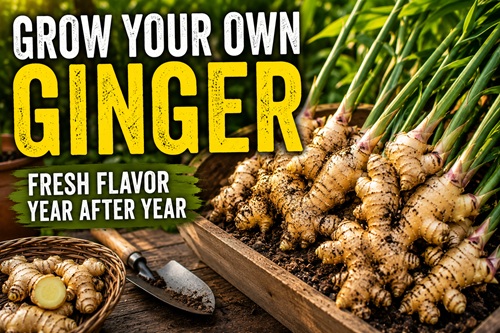
A Practical Guide for Fresh Flavor and Long-Term Preparedness
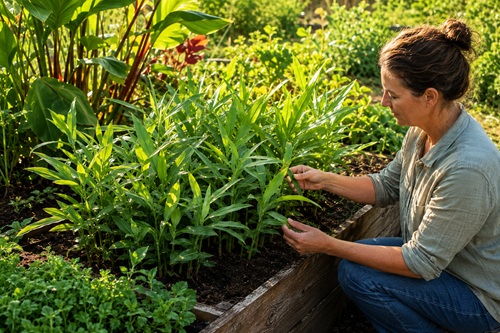
Most people buy ginger at the grocery store without ever realizing how easy it is to grow at home. A single healthy rhizome can provide fresh ginger for months and, if replanted, can continue producing year after year. Whether your goal is fresher cooking, lower grocery bills, or greater self-reliance, ginger is one of the most rewarding plants you can add to your garden.
Ginger has been valued around the world for thousands of years. Today it is best known as a flavorful ingredient in cooking, but it has also been appreciated as a traditional herbal remedy and an easy-to-store pantry staple. While it naturally grows in tropical climates, ginger can be successfully grown in many regions using containers, raised beds, or greenhouses. With a little patience and the right growing conditions, you can enjoy a steady supply of fresh ginger from your own garden year after year.
One of the greatest advantages of growing ginger is that it requires very little space while producing a surprisingly generous harvest. Unlike many annual vegetables that must be replanted from seed every spring, ginger grows from underground stems called rhizomes. Every harvest provides new planting material for the next season, allowing you to continually expand your supply without purchasing additional plants. For anyone interested in gardening, homesteading, or preparedness, this makes ginger an excellent long-term investment.
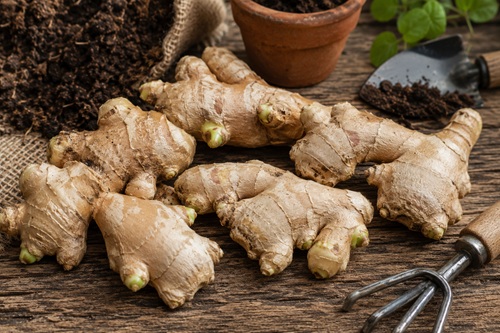
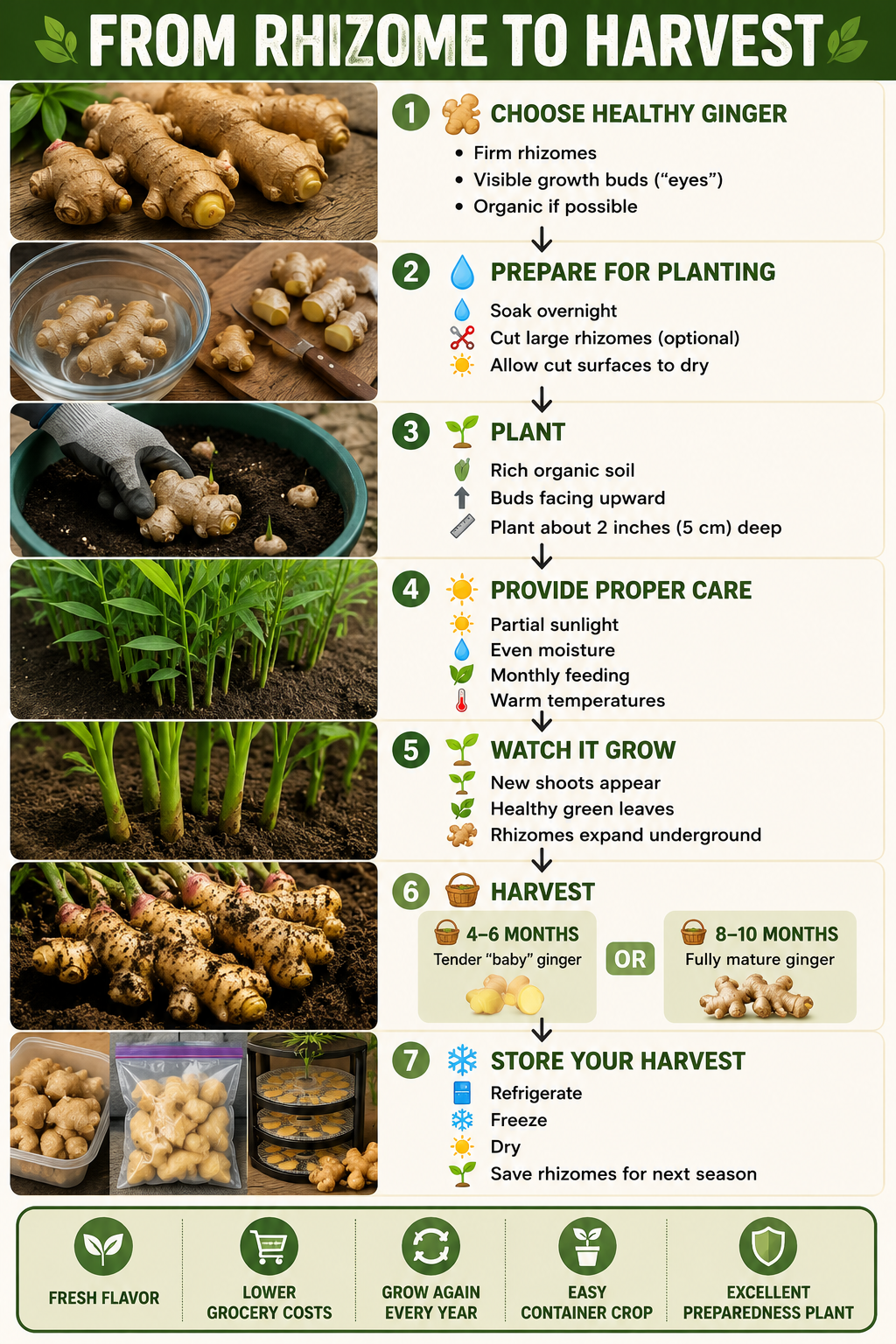
Choosing the right ginger is the first step toward success. Look for healthy, firm rhizomes with smooth skin and several visible growing buds, often called “eyes.” These small buds are where new shoots will eventually emerge. Avoid ginger that feels soft, shriveled, moldy, or damaged, as unhealthy planting stock often leads to disappointing results. Whenever possible, organic ginger is usually the better choice because it is less likely to have been treated with chemicals that inhibit sprouting during transportation and storage.
Before planting, many gardeners like to soak the rhizomes in warm water overnight to help encourage growth. Larger pieces may be divided into smaller sections, provided each section contains at least one healthy growth bud. If you cut the rhizome into pieces, allow the cut surfaces to dry for a day or two before planting. This simple step allows the wounds to callus over, reducing the chances of rot developing once the rhizomes are placed into moist soil.
Ginger thrives in rich, fertile soil that drains well while still retaining enough moisture to support steady growth. It naturally grows beneath the canopy of tropical forests where the soil is full of organic matter and remains consistently damp without becoming saturated.
Recreating these conditions in your own garden is fairly simple. Mixing compost or well-rotted manure into the soil provides valuable nutrients while improving soil structure. If your soil contains a large amount of clay, adding coarse sand or growing in raised beds or containers can greatly improve drainage.
Container gardening is actually one of the easiest ways to grow ginger successfully. Since the rhizomes spread horizontally beneath the soil surface, choose wide containers rather than deep, narrow pots. A container at least twelve inches deep with several drainage holes provides plenty of room for healthy root development. Growing ginger in containers also allows gardeners living in cooler climates to move the plants indoors before the first frost, extending the growing season considerably.
Can You Grow Ginger Where You Live?
Ginger is naturally a tropical plant, but that doesn’t mean you need to live in the tropics to grow it successfully. Gardeners in warm climates can often grow ginger outdoors throughout the growing season, while those in cooler regions can grow it in containers and simply move the plants indoors before frost arrives. With enough warmth, filtered sunlight, and consistently moist soil, ginger adapts surprisingly well to many different climates.
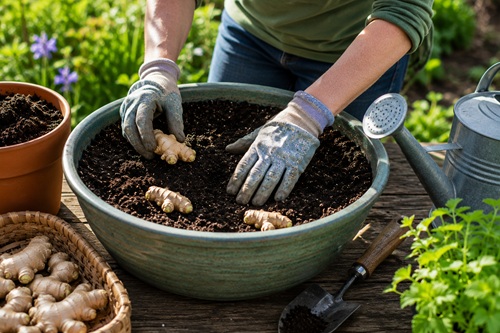
Planting ginger is straightforward. Place each rhizome horizontally beneath approximately two inches of soil with the growing buds facing upward. Water thoroughly after planting and continue keeping the soil evenly moist as the plant begins developing roots. Ginger grows slowly at first, and depending on temperature and growing conditions, it may take several weeks before the first green shoots appear above the soil. Patience during this stage is important because much of the early growth is occurring underground.
What to Expect During the Growing Season
Weeks 1–2
Rhizomes begin developing roots beneath the soil.
Weeks 3–8
The first green shoots begin emerging.
Months 3–5
Plants develop lush green foliage and steadily expand underground.
Months 4–6
Young ginger can be harvested if desired.
Months 8–10
Mature ginger reaches full size and is ready for harvesting and long-term storage.
Warm temperatures are essential for vigorous growth. Ginger performs best between 24°C and 29°C (75°F to 85°F), although it will continue growing at slightly cooler temperatures if protected from frost. It prefers bright, filtered sunlight rather than intense afternoon sun.
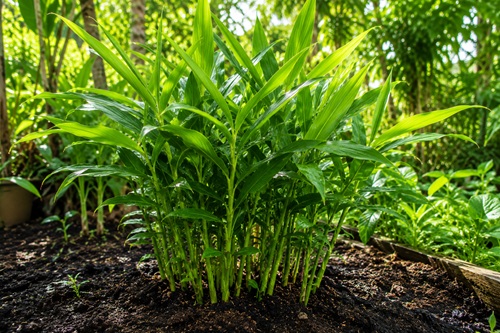
Morning sunshine followed by afternoon shade often produces excellent results. Consistent moisture is equally important, but avoid allowing water to pool around the roots, as constantly saturated soil can lead to root rot.
As the growing season progresses, ginger benefits from occasional feeding with organic fertilizers or compost tea. A balanced fertilizer supports steady growth without encouraging excessive leafy growth at the expense of the underground rhizomes. Applying fresh compost around the base of the plants during the season also helps conserve moisture while gradually releasing nutrients into the soil.
Fortunately, ginger experiences relatively few serious pest problems. Most difficulties arise from overly wet soil, poor drainage, or cool growing conditions rather than insects or diseases. Yellowing leaves often indicate excessive moisture, while slow growth usually points to temperatures that are too low. Maintaining healthy soil, good airflow, and proper watering habits will prevent the majority of common problems before they begin.
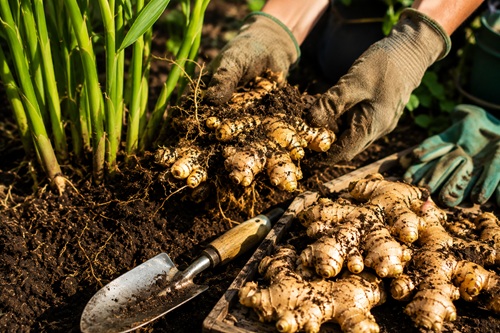
Harvesting ginger is one of the most satisfying parts of the growing process. Young ginger can often be harvested after four to six months and is prized for its mild flavor, thin skin, and tender texture. If left to mature for eight to ten months, the rhizomes develop a stronger flavor and become more fibrous, making them ideal for long-term storage and drying. As the growing season comes to an end, the leaves gradually yellow and begin dying back, signaling that the underground rhizomes have reached maturity. Carefully loosen the soil and lift the rhizomes without damaging them.
How Much Ginger Can You Expect?
The amount of ginger you harvest depends on the variety, container size, growing season, soil quality, and overall care. Under good conditions, however, a single healthy rhizome often produces several new rhizomes by harvest time. Many gardeners are pleasantly surprised by how much fresh ginger one plant can provide. By saving several of the healthiest rhizomes for replanting, your harvest can continue increasing from year to year.
Fresh ginger can be stored in several ways depending on how you plan to use it. Whole rhizomes will remain fresh for several weeks in the refrigerator, while freezing allows even longer storage with little loss of flavor.
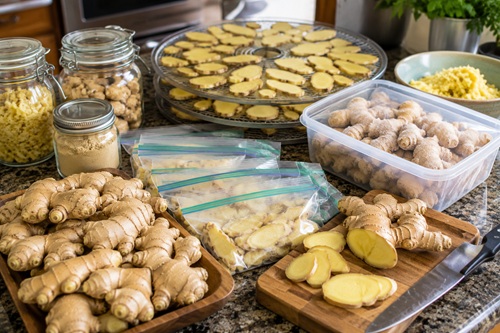
Thin slices can also be dehydrated and stored in airtight containers or ground into ginger powder for baking, herbal teas, and spice blends. Regardless of the storage method, setting aside several healthy rhizomes for replanting ensures that next year’s crop is already waiting.
From a preparedness perspective, ginger represents much more than simply another garden plant. Every successful harvest increases your ability to produce your own food while reducing dependence on outside suppliers.
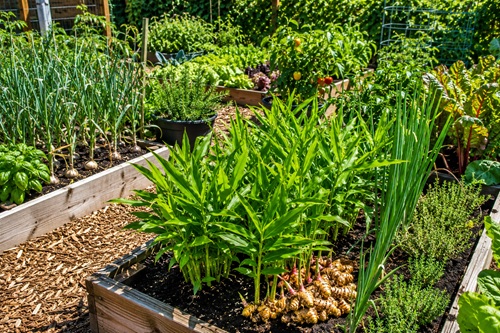
Although ginger is not a major calorie crop, it adds tremendous value through its versatility, long storage life, and wide variety of culinary uses. It complements vegetables, soups, preserves, herbal preparations, teas, baked goods, and countless everyday meals, making it a practical addition to any self-reliant garden.
Growing ginger also teaches valuable gardening skills that transfer to many other crops. Understanding soil health, moisture management, container gardening, harvesting, and propagation all strengthen your overall gardening knowledge. Over time, these skills contribute to greater confidence and resilience, allowing you to produce more of your own food regardless of changing conditions.
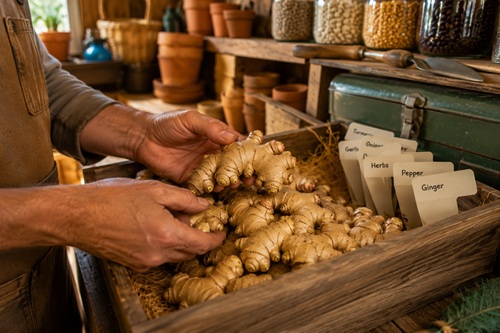
Growing your own ginger is an enjoyable project that rewards patience with a fresh supply of one of the world’s most useful spices. With only basic care, a warm growing environment, and healthy soil, even beginner gardeners can successfully cultivate ginger at home. Whether your goal is fresher ingredients, greater self-sufficiency, or simply learning a new gardening skill, ginger is an excellent plant that continues giving back long after the first harvest.
Preparedness Tips for Growing Ginger
Growing ginger is about more than producing a flavorful spice. It is another step toward building a more resilient and self-sufficient lifestyle. Every plant you successfully grow reduces your dependence on grocery stores and strengthens your gardening skills for the future.
One of the easiest ways to ensure a continuous supply is to never harvest your entire crop. Set aside several of the healthiest rhizomes specifically for next year’s planting. Over time, your ginger patch can become completely self-sustaining without requiring additional purchases. This simple habit is common among experienced gardeners and homesteaders who focus on long-term food production rather than a single season’s harvest.
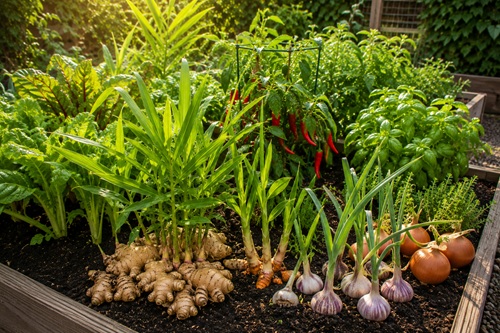
Ginger also pairs well with many other preparedness plants. Turmeric, garlic, onions, peppers, herbs, and leafy greens all thrive under similar growing conditions. Growing several of these plants together creates a productive garden that supplies fresh ingredients throughout much of the year while making efficient use of available space.
If you live in a colder climate, consider growing ginger in large containers rather than directly in the ground. Portable containers allow you to move the plants indoors before frost arrives, significantly extending the growing season. A sunny room, greenhouse, or enclosed porch can often provide enough warmth for continued growth during cooler months.
Another preparedness strategy is to preserve ginger in multiple ways. Keep some fresh for everyday cooking, freeze portions for long-term storage, dry slices for teas and baking, and grind dried ginger into powder for use as a spice. Diversifying your storage methods helps ensure that one crop can continue serving your household throughout the year.
As your gardening experience grows, consider exchanging healthy ginger rhizomes with family members, friends, or local gardening groups. Sharing planting stock not only helps others become more self-reliant but also creates additional backup sources should one crop fail.
Common Mistakes to Avoid
Although ginger is considered an easy plant to grow, several common mistakes can reduce yields or even cause plants to fail.
One of the biggest problems is overwatering. Ginger enjoys consistently moist soil, but it does not tolerate standing water. Waterlogged soil deprives the roots of oxygen and encourages rot. Good drainage is just as important as regular watering.
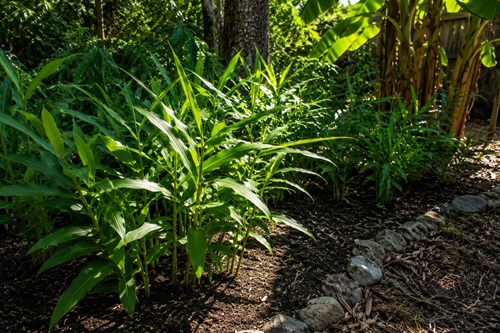
Another mistake is planting in heavy shade or intense afternoon sun. Ginger prefers filtered light similar to the conditions found beneath taller trees. Too much direct sunlight can scorch the leaves, while deep shade often slows growth considerably.
Many new gardeners also become discouraged because ginger sprouts slowly. Depending on soil temperature and growing conditions, it may take several weeks before shoots emerge. During this period the rhizome is developing roots beneath the soil, even though little appears to be happening above ground. Patience is an important part of growing ginger successfully.
Harvesting too early is another common mistake. While young ginger has a mild flavor and tender texture, allowing plants to mature fully produces much larger rhizomes with stronger flavor and better storage qualities. If your goal is long-term food production, waiting the extra few months is often worthwhile.
Finally, don’t overlook the importance of healthy soil. Rich organic matter, compost, and proper drainage will usually have a greater impact on your harvest than expensive fertilizers or specialized products. Healthy soil produces healthy plants, and healthy plants produce larger, more productive rhizomes.
Key Takeaways
Growing ginger is one of the simplest ways to add a productive and useful crop to your garden. It requires very little space, grows well in containers, and can be harvested, preserved, and replanted year after year. Even gardeners with limited experience can successfully grow ginger by providing rich soil, consistent moisture, and warm growing conditions.
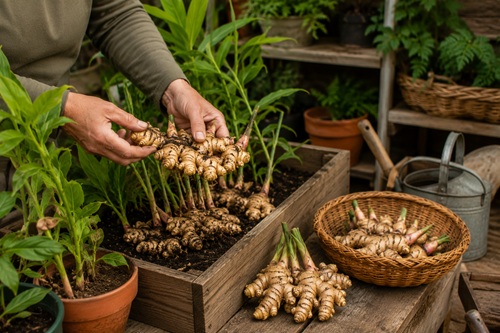
Unlike many annual vegetables that must be started from seed every season, ginger continually reproduces through its underground rhizomes. By saving part of each harvest for replanting, you create a renewable source of fresh ginger that can continue producing for many years. This makes it an excellent addition to any preparedness garden or homestead.
Whether you enjoy cooking, herbal teas, baking, or simply becoming more self-reliant, growing ginger is a skill that pays dividends well into the future. Every harvest increases your gardening knowledge while providing a flavorful crop that is difficult to match in freshness or quality from the grocery store.
Frequently Asked Questions
How long does ginger take to grow?
Ginger is a slow-growing plant. Young ginger can usually be harvested after four to six months, while fully mature rhizomes typically require eight to ten months. The exact timing depends on temperature, sunlight, and growing conditions.
Can I grow ginger indoors?
Yes. Ginger grows very well indoors if it receives adequate warmth, bright indirect light, and consistent moisture. Large containers placed near sunny windows or in sunrooms often produce excellent results.
Does ginger require full sun?
No. Ginger naturally grows beneath taller plants in tropical forests, so it prefers partial shade or filtered sunlight. Morning sun followed by afternoon shade usually produces the healthiest plants.
How often should ginger be watered?
Keep the soil consistently moist but never saturated. Allow the surface of the soil to begin drying before watering again. Proper drainage is critical because constantly wet soil can cause the rhizomes to rot.
Can I grow ginger from grocery store ginger?
Often, yes. Fresh organic ginger usually sprouts more reliably because it is less likely to have been treated with growth inhibitors. Choose firm rhizomes with visible buds for the best chance of success.
How do I know when it’s ready to harvest?
When the leaves begin turning yellow and naturally die back, the underground rhizomes have usually reached maturity. Carefully dig around the plant and harvest as much ginger as you need.
Can I leave ginger growing year after year?
In frost-free climates, ginger may continue growing as a perennial. In colder regions, gardeners often grow it in containers so it can be brought indoors during winter.
Final Thoughts
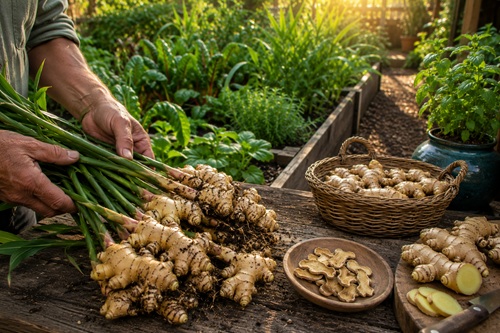
There is something especially satisfying about harvesting a crop that many people assume can only be purchased at the grocery store. Ginger proves that even exotic-looking plants can often be grown successfully with only a little knowledge and patience. Once established, it becomes a dependable addition to the garden, producing flavorful rhizomes that can be enjoyed fresh, dried, frozen, or replanted for future harvests.
For preparedness-minded families, every new gardening skill adds another layer of resilience. While ginger alone will never feed a family, it represents something much larger. It teaches propagation, soil management, food preservation, and long-term planning -skills that become increasingly valuable regardless of economic conditions or supply chain disruptions.
Whether you grow a single container on your patio or eventually dedicate an entire garden bed to medicinal and culinary herbs, ginger is an excellent place to begin. With proper care, one small rhizome can become years of harvests, proving that some of the most valuable preparedness investments start with a single healthy plant and the willingness to learn.
Growing Ginger Action Plan
This worksheet is designed to help you plan, grow, harvest, and preserve your own ginger. Complete each section as you work through the process. Your notes will help improve future harvests and allow you to refine your growing methods from year to year.
Step 1 – Define Your Goal
Why are you growing ginger? (Check all that apply.)
☐ Fresh cooking
☐ Herbal teas
☐ Baking and spices
☐ Medicinal uses
☐ Long-term preparedness
☐ Food self-sufficiency
☐ Save money
☐ Learn a new gardening skill
☐ Other: ________________________________
Step 2 – Choose a Growing Location
Where will you grow your ginger?
☐ Raised garden bed
☐ Vegetable garden
☐ Greenhouse
☐ Large container
☐ Indoor container
☐ Patio
☐ Balcony
☐ Other: ________________________________
How many plants do you plan to grow?
Step 3 – Gather Supplies
Check off each item as you obtain it.
☐ Healthy organic ginger rhizomes
☐ Compost
☐ Quality potting soil
☐ Large container (if applicable)
☐ Garden tools
☐ Watering can or hose
☐ Organic fertilizer
☐ Mulch
☐ Plant labels
☐ Gardening gloves
Additional supplies:
Step 4 – Prepare for Planting
Planting Date:
Did you soak the rhizomes overnight?
☐ Yes
☐ No
Did you allow cut surfaces to dry before planting?
☐ Yes
☐ No
Notes:
Step 5 – Planting Details
Planting Depth:
Spacing Between Plants:
Container Size:
Soil Type Used:
Step 6 – Weekly Care
Each week check the items that were completed.
☐ Checked soil moisture
☐ Watered as needed
☐ Removed weeds
☐ Applied compost or fertilizer
☐ Inspected for insects
☐ Inspected for disease
☐ Added mulch
☐ Recorded plant growth
Weekly observations:
Step 7 – Harvest
Harvest Date:
Approximate Yield:
How much was:
Used fresh __________________
Frozen _____________________
Dried ______________________
Replanted __________________
Shared _____________________
Step 8 – Evaluate Your Harvest
What worked well?
What would you improve next season?
Preparedness Notes
How many months of ginger does this harvest provide?
How many rhizomes were saved for next year’s planting?
Additional preparedness observations:
My Next Growing Season Goals
Growing Ginger Checklist
Use this checklist before, during, and after the growing season to help ensure a healthy and productive ginger harvest.
Before Planting
☐ Purchase healthy ginger rhizomes
☐ Select organic ginger if possible
☐ Choose a warm growing location
☐ Prepare rich, well-draining soil
☐ Gather containers if needed
☐ Add compost or organic matter
☐ Ensure adequate drainage
☐ Soak rhizomes overnight
☐ Allow cut pieces to dry before planting
☐ Label planting areas
Planting
☐ Plant rhizomes with buds facing upward
☐ Cover with approximately 2 inches (5 cm) of soil
☐ Water thoroughly
☐ Apply mulch if desired
☐ Record planting date
During the Growing Season
☐ Keep soil evenly moist
☐ Avoid overwatering
☐ Provide partial shade
☐ Feed monthly with organic fertilizer
☐ Watch for pests
☐ Watch for signs of disease
☐ Remove weeds
☐ Record plant growth
☐ Adjust watering during hot weather
☐ Rotate containers for even light if growing indoors
Harvest Time
☐ Wait until leaves begin yellowing
☐ Carefully dig around the rhizomes
☐ Harvest only mature ginger
☐ Clean harvested rhizomes
☐ Save healthy rhizomes for replanting
☐ Record harvest date
☐ Record harvest quantity
Storage
☐ Refrigerate fresh ginger
☐ Freeze extra rhizomes
☐ Dry slices for long-term storage
☐ Grind dried ginger into powder
☐ Label storage containers
☐ Rotate stored supplies
Preparedness Review
☐ Saved planting stock for next season
☐ Updated gardening journal
☐ Evaluated this year’s results
☐ Planned improvements
☐ Ordered additional supplies if needed
☐ Shared extra planting stock with family or friends
☐ Added ginger to long-term food production plans
Annual Gardening Notes
Planting Date: __________________________
Harvest Date: __________________________
Total Harvest: __________________________
Best Variety: __________________________
Lessons Learned:
Goals for Next Year:
Preparedness Perspective
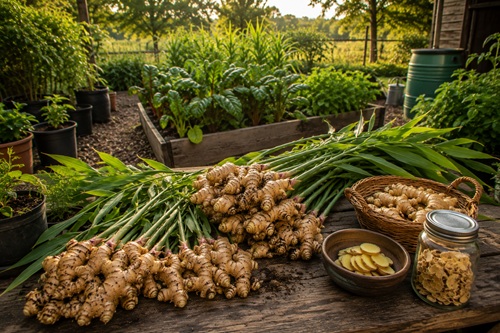
Growing ginger is about much more than producing a flavorful spice. Every successful harvest represents another step toward greater self-reliance. By learning to propagate your own plants, save planting stock, and preserve each harvest, you become less dependent on commercial suppliers and seasonal availability.
Ginger complements many other preparedness crops because it requires relatively little space, stores well, and can be replanted year after year. Whether you’re building a backyard garden, a homestead, or simply growing food in containers, ginger provides a renewable source of fresh flavor while strengthening valuable gardening skills.
Growing your own ginger won’t make you completely self-sufficient, but it represents something much bigger than a single crop. Every successful harvest teaches valuable gardening skills, reduces dependence on outside suppliers, and increases confidence in your ability to produce your own food. Whether you’re growing one container on a patio or building a full preparedness garden, ginger is one of those plants that continues rewarding you year after year. Every harvest becomes another step toward greater resilience and self-reliance.
© Prepping Communities. This content is for informational purposes only and not professional advice. Use at your own risk.
Terms | Privacy | Guidelines