

Build a Safer Home Before You Need It
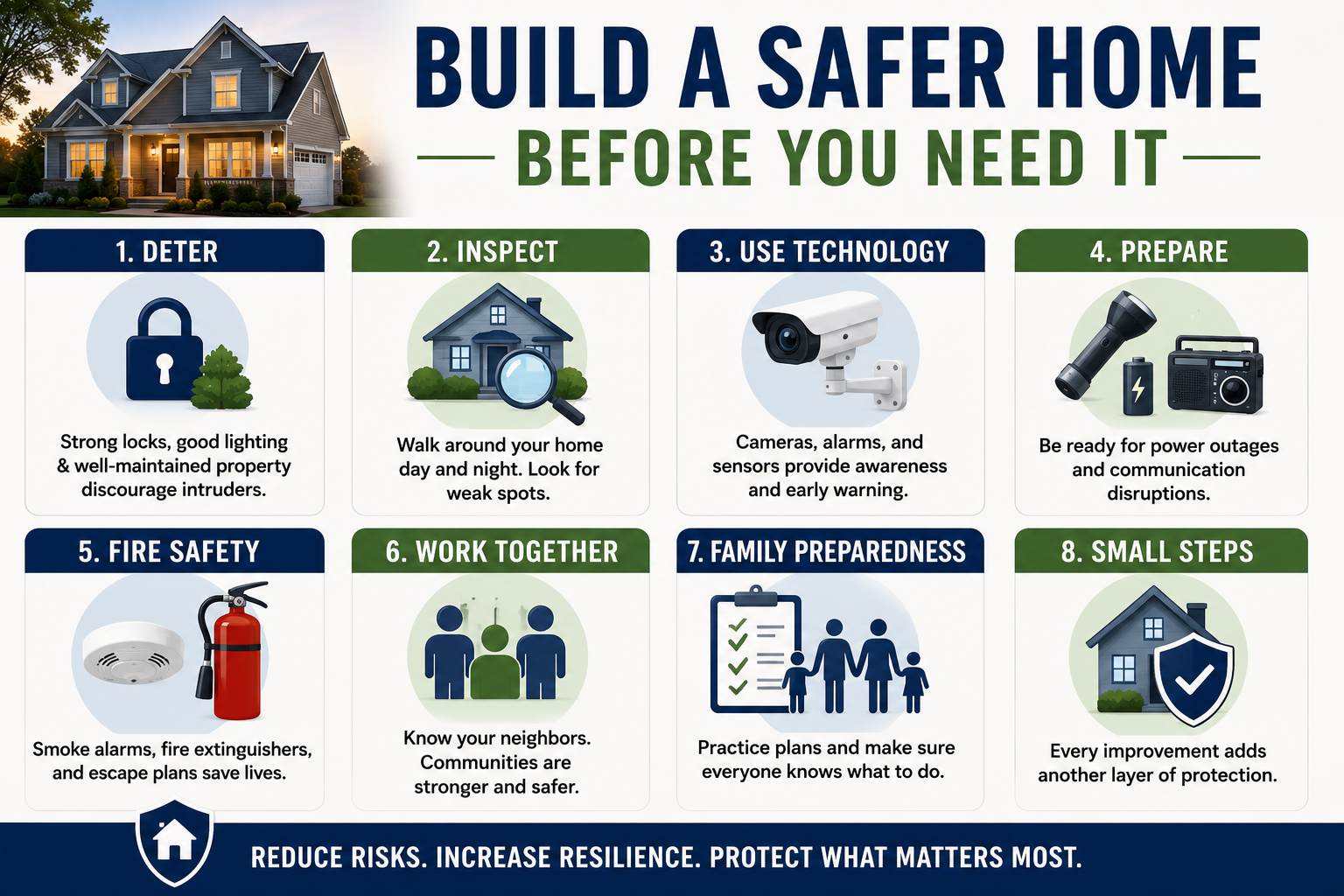
Your home is more than just a place to live – it’s where your family should feel safest. During most emergencies, whether caused by severe weather, extended power outages, natural disasters, civil unrest, or other unexpected events, remaining at home is often the safest and most practical option. The better protected your home is before an emergency occurs, the better equipped you’ll be to shelter in place with confidence.
Home protection is about much more than preventing burglaries. A secure home helps protect your family from a wide range of everyday and emergency hazards, including fire, severe weather, power failures, environmental risks, and opportunistic crime. While it’s impossible to eliminate every threat, many vulnerabilities can be reduced through thoughtful planning and simple improvements that work together to create multiple layers of protection.
The strongest home security systems begin with deterrence. Most criminals are looking for easy opportunities, not difficult ones. Well-maintained properties with solid doors, quality locks, reinforced strike plates, secure windows, motion-activated lighting, trimmed landscaping, visible address numbers, and signs of occupancy are often less attractive targets. None of these improvements need to be expensive, but together they can significantly improve your home’s overall security.
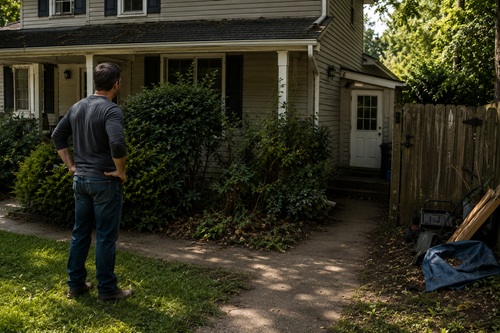
Equally important is learning to view your property through the eyes of a potential intruder. Walk around your home during both the day and at night. Look for dark corners, overgrown shrubs, unlocked gates, exposed valuables, weak entry points, or areas where someone could approach without being noticed. Regular inspections often reveal simple problems that can be corrected long before they become security concerns.
Technology can provide another valuable layer of protection. Doorbell cameras, security cameras, alarm systems, motion sensors, and smart lighting can improve awareness and provide early warning of unusual activity. However, electronic devices should never be your only line of defense. Strong physical security – reinforced doors, dependable locks, solid windows, and good outdoor lighting – continues protecting your home even during power outages or internet failures.
A complete home protection plan also prepares for situations where normal services are unavailable. Consider how you would secure your home if the electricity remained off for several days or communication systems stopped working. Battery-powered lighting, backup power sources, mechanical locks, emergency communications, and clearly defined family emergency procedures all help maintain security when modern conveniences are no longer available.
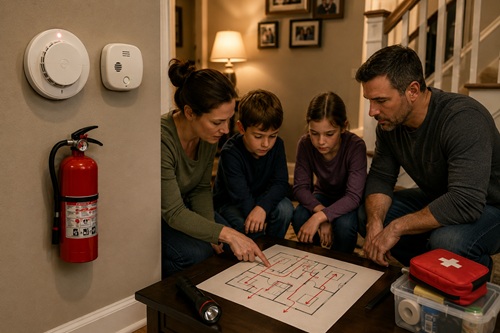
Fire prevention deserves equal attention. Smoke alarms, carbon monoxide detectors, fire extinguishers, emergency escape routes, and regular safety drills protect against emergencies that are statistically far more likely than a home invasion. Every family member should know where emergency equipment is located and understand what to do if an emergency occurs.
One of the most overlooked security measures is building strong relationships with your neighbors. Communities where people know one another naturally become safer because unusual activity is noticed more quickly, information is shared, and neighbors are more willing to help one another during emergencies. Good preparedness extends beyond property lines.
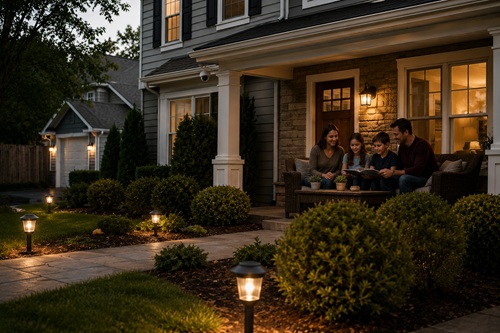
Ultimately, home protection is not about living in fear or turning your home into a fortress. It’s about reducing unnecessary risks, increasing your family’s resilience, and creating an environment where you can feel safe regardless of the challenges outside. Every improvement—whether it’s replacing a weak lock, trimming overgrown bushes, testing smoke alarms, or creating a family emergency plan—adds another layer of protection.
The worksheet that follows will help you evaluate your home’s current level of security, identify areas for improvement, prioritize upgrades, and develop a practical protection plan that grows with your family’s needs. Preparedness isn’t achieved all at once—it is built one improvement at a time.
Worksheet
Design Your Home Protection and Security Plan
Personal Home Security Assessment
Name: _______________________________________
Date: ________________________________________
Part 1 – Assess Your Risks
Every home is different. Understanding your environment is the first step toward improving security.
Which situations concern you most?
☐ Burglary
☐ Home invasion
☐ Power outages
☐ Severe weather
☐ Wildfire
☐ Flooding
☐ Civil unrest
☐ Vandalism
☐ Long-term emergencies
☐ Other
My biggest home security concern is:
Part 2 – Walk Around Your Property
Take a walk around your home during both the day and at night.
Check anything that needs improvement.
Front of Home
☐ House numbers clearly visible
☐ Porch well lit
☐ Entry door solid and secure
☐ Door lock in good condition
☐ No hiding places near entrance
Side of Home
☐ Gates lock properly
☐ Fencing in good condition
☐ Pathways well lit
☐ Landscaping trimmed
Back of Home
☐ Backyard secured
☐ Storage shed locked
☐ Equipment stored safely
☐ Exterior lighting installed
Areas needing attention:
Part 3 – Doors and Windows
Evaluate each entry point.
| Item | Yes | No |
|---|---|---|
| Solid exterior doors | ☐ | ☐ |
| Deadbolt locks installed | ☐ | ☐ |
| Strike plates reinforced | ☐ | ☐ |
| Hinges secure | ☐ | ☐ |
| Sliding doors secured | ☐ | ☐ |
| Window locks working | ☐ | ☐ |
| Basement windows secured | ☐ | ☐ |
| Garage entry secured | ☐ | ☐ |
Improvements needed:
Part 4 – Outdoor Security
Check all that apply.
☐ Motion lights
☐ Security cameras
☐ Doorbell camera
☐ Alarm system
☐ Fencing
☐ Locked gates
☐ Visible address numbers
☐ Security signs
☐ Trimmed shrubs
☐ Outdoor lighting
Other improvements:
Part 5 – Emergency Preparedness
Would your home remain secure during a prolonged power outage?
☐ Backup lighting available
☐ Flashlights accessible
☐ Extra batteries stored
☐ Generator available
☐ Backup communication devices
☐ Battery-powered radio
☐ Manual garage door release understood
☐ Mechanical keys available
Weak areas:
Part 6 – Fire and Life Safety
Check every item your home currently has.
☐ Smoke alarms
☐ Carbon monoxide detectors
☐ Fire extinguishers
☐ Family evacuation plan
☐ Escape ladder (if needed)
☐ Emergency contact list
☐ First aid kit
☐ Emergency shutoff locations known
Last smoke detector test:
Last fire extinguisher inspection:
Part 7 – Safe Room Planning
If remaining inside your home became necessary, where would your family gather?
Safe room location:
Communication method:
Emergency supplies stored there?
☐ Yes
☐ No
If yes, what supplies?
Part 8 – Neighborhood Awareness
Prepared communities are safer communities.
Do you know your neighbors?
☐ Yes
☐ Some of them
☐ No
Could they contact you during an emergency?
☐ Yes
☐ No
Neighborhood concerns:
Part 9 – Family Preparedness
Does everyone in your household know what to do during an emergency?
| Preparedness Skill | Yes | No |
|---|---|---|
| Emergency contacts | ☐ | ☐ |
| Escape routes | ☐ | ☐ |
| Fire procedures | ☐ | ☐ |
| Lockdown procedures | ☐ | ☐ |
| Safe meeting location | ☐ | ☐ |
| How to call for help | ☐ | ☐ |
Areas that need practice:
Part 10 – Priority Improvements
Identify the five improvements that will make the biggest difference.
Highest Priority
Part 11 – My 30-Day Action Plan
Over the next month I will:
☐ Inspect every exterior door.
☐ Replace weak locks.
☐ Install or repair motion lighting.
☐ Trim shrubs around windows.
☐ Test smoke alarms.
☐ Inspect fire extinguishers.
☐ Review family emergency procedures.
☐ Organize emergency supplies.
☐ Walk my property at night.
☐ Meet or reconnect with my neighbors.
Other actions:
Annual Maintenance Checklist
Review your home security at least once each year.
☐ Test smoke alarms
☐ Replace detector batteries
☐ Check door and window locks
☐ Inspect outdoor lighting
☐ Test security cameras
☐ Review emergency plans
☐ Trim landscaping
☐ Inspect fences and gates
☐ Update emergency supplies
☐ Practice family emergency drills
Notes
Final Reflection
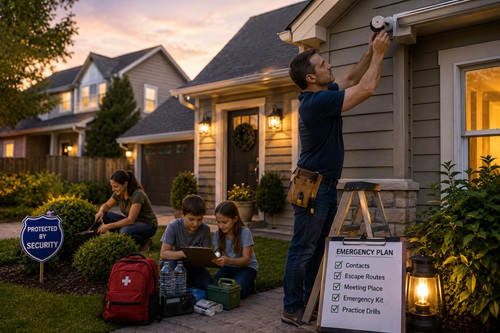
A secure home is built one improvement at a time. Most effective home protection measures are simple, affordable, and easy to maintain, but together they create multiple layers of security that discourage threats and improve your family’s safety. Regular inspections, routine maintenance, and practicing emergency procedures help ensure your home remains a place of comfort, confidence, and resilience no matter what challenges arise.
© Prepping Communities. This content is for informational purposes only and not professional advice. Use at your own risk.
Terms | Privacy | Guidelines