
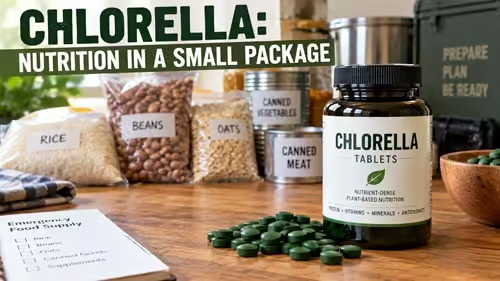
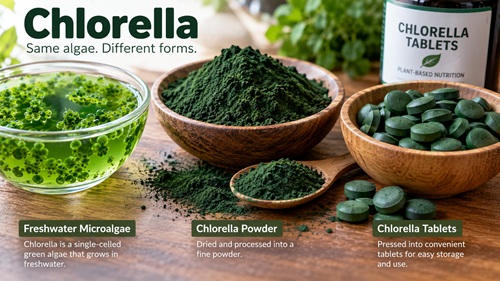
Chlorella is a freshwater microalgae commonly sold as a powder or small green tablets. What makes it interesting is the amount of nutrition contained in such a small package. It has been used as a nutritional supplement for decades and can provide protein, amino acids, iron, carotenoids and several other nutrients. From a preparedness standpoint, its compact size and simple storage requirements make it worth understanding as another possible addition to a long-term food plan.
A Surprisingly Good Source of Protein
Dried chlorella can contain roughly 50–60% protein by weight and provides all nine essential amino acids. These are called essential amino acids because the human body cannot produce them in sufficient amounts and must obtain them through food.
Protein is often associated with building muscle, but its role in the body goes much further. Amino acids are needed to maintain and repair tissues and to produce enzymes, hormones and many of the components involved in normal immune function. During a prolonged emergency, reliable protein sources could become more difficult to obtain, particularly if refrigeration is unavailable or normal food supplies are interrupted.
There is an important limitation, however. A typical serving of chlorella is only a few grams. Although a large percentage of that serving may be protein, the total amount is still relatively small. Chlorella should therefore supplement normal protein sources rather than replace foods such as beans, lentils, meat, fish, eggs, dairy products or other stored protein.
More Than Just Protein
Chlorella also contains a variety of micronutrients and naturally occurring plant compounds. Iron is one of the more notable minerals because the body needs it to produce hemoglobin, the protein in red blood cells responsible for carrying oxygen.
Chlorella also contains chlorophyll and carotenoids, including beta-carotene, along with other compounds that have antioxidant properties. Antioxidants help protect cells against oxidative damage caused by normal metabolism and environmental stresses.
Depending on the strain and how the chlorella was grown and processed, it may also provide various vitamins, minerals and small amounts of omega-3 fatty acids. The amounts can vary considerably from one product to another, however, so the nutritional label on the actual product is more useful than assuming every chlorella supplement provides the same nutrients.
Why Chlorella Is Interesting for Preparedness
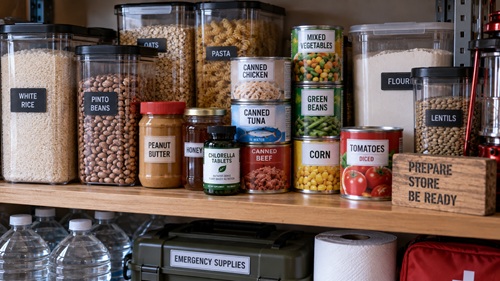
Most emergency food storage begins with calories, and that makes sense. Rice, beans, oats, pasta, flour, canned foods and other staples can provide the energy needed to get through a disruption. But a person can consume enough calories while still eating a diet that lacks variety.
This becomes more important as an emergency stretches from several days into weeks or longer. Fresh vegetables, fruit, meat, dairy products and other foods may become less available. Stored foods can keep people fed, but depending on what has been stored, the diet may become increasingly repetitive.
Chlorella provides another nutritional option without taking up much storage space. Tablets are lightweight, compact and require no cooking or preparation. When stored properly according to the manufacturer’s instructions, they generally don’t require refrigeration either. Those characteristics can be useful when space, fuel, electricity and refrigeration are limited.
Nutritional Redundancy
Preparedness works better when important needs are not dependent on a single solution. Water might have several purification methods. Electricity might have several backup sources. Food can be approached the same way.
Stored grains and other staples provide calories. Beans, canned meat and other foods provide substantial protein. Canned and dehydrated vegetables provide additional nutrients. A multivitamin or selected nutritional supplements can provide another layer. Chlorella can potentially fit into that last category.
The objective isn’t to replace real food with tablets. It is to have more than one way of maintaining adequate nutrition when normal food choices become restricted.
Storage Advantages
One of chlorella’s practical advantages is simply its size. A bottle containing many servings occupies very little space compared with most foods. That can make it useful for smaller emergency kits, vehicles, cabins, bug-out supplies or home food storage where every bit of storage space matters.
It also requires no water for preparation, no cooking fuel and no refrigeration. Those characteristics don’t make chlorella a survival food by itself, but they do make it relatively easy to incorporate into an existing preparedness plan.
As with any stored supplement, expiration dates and storage conditions still matter. Heat, moisture and direct sunlight can reduce the quality of many supplements, so chlorella should be kept sealed and stored according to the manufacturer’s directions.
Quality Matters
Not every chlorella product is necessarily equal. Because algae are grown in water, the quality of the growing environment and manufacturing process matters. Poorly controlled products can potentially contain unwanted contaminants.
Products from reputable manufacturers that provide independent or third-party testing are preferable. Testing for heavy metals and microbial contamination is particularly useful when comparing products.
Processing also matters because chlorella naturally has a tough cell wall that humans do not digest efficiently. Commercial chlorella products commonly use methods that break or disrupt this cell wall so the nutrients inside are more accessible.
A Few Things to Keep in Mind
Some people experience nausea, stomach discomfort, gas or diarrhea when they begin taking chlorella. Starting with a smaller amount and following the manufacturer’s directions can make it easier to determine how the body responds.
Chlorella can also interact with certain medications or be unsuitable for some people. Anyone taking prescription medications, particularly medications affected by vitamin K intake, or anyone with an existing medical condition should discuss regular supplementation with a doctor or pharmacist.
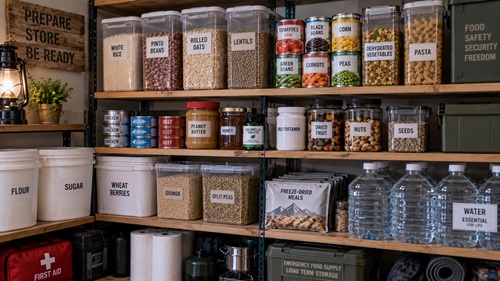
Where Chlorella Fits in a Preparedness Food Supply
Chlorella isn’t a miracle food and shouldn’t be presented as one. It won’t replace a properly planned emergency food supply, and a few tablets aren’t going to provide the calories or protein needed to sustain someone during a prolonged emergency.
Its usefulness comes from something much more practical: a relatively large variety of nutrients can be stored in a very small amount of space.
Long-term food preparedness should consider more than simply having enough calories to avoid hunger. Protein, vitamins, minerals and dietary variety matter too. Chlorella can provide one additional nutritional layer alongside properly stored food, making it an interesting option for anyone thinking beyond the first few days of an emergency.
© Prepping Communities. This content is for informational purposes only and not professional advice. Use at your own risk.
Terms | Privacy | Guidelines