
Growing Fresh Food, Practical Skills, and Long-Term Resilience
Fresh vegetables picked just minutes before dinner simply taste different. Tomatoes are sweeter, lettuce is crisper, herbs are more aromatic, and the satisfaction of eating food you’ve grown yourself is difficult to match. While many people begin gardening to enjoy fresher produce, they often discover that a backyard food garden provides far more than just vegetables. It becomes a place to learn new skills, spend time outdoors, reduce grocery costs, and build greater self-reliance.
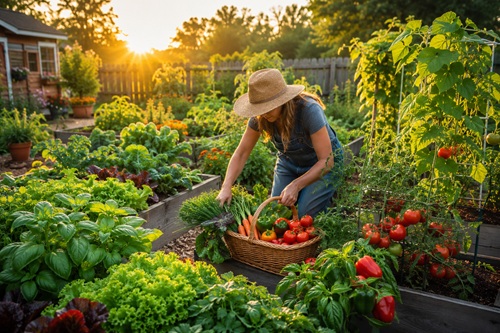
Many people assume they need a large property, expensive equipment, or years of gardening experience before they can successfully grow their own food. Fortunately, none of these are true. Productive gardens come in every size, from a few containers on an apartment balcony to several raised beds in a suburban backyard or a large homestead garden. What matters most is not the amount of space you have but how effectively you use it.
A backyard food garden is also one of the few preparedness projects that provides immediate rewards while preparing you for the future. Every tomato harvested, every head of lettuce picked, and every handful of beans gathered provides fresh, healthy food today while teaching skills that could become invaluable tomorrow. Gardening encourages planning, observation, patience, and problem-solving—qualities that strengthen resilience regardless of whether an emergency ever occurs.
Why Backyard Food Gardens Matter
Modern grocery stores make it easy to forget how food reaches our tables. Produce often travels hundreds or even thousands of miles before arriving at local supermarkets. Weather events, transportation disruptions, labor shortages, rising fuel costs, and supply chain interruptions can all affect both availability and price. While grocery stores remain an important part of everyday life, growing even a portion of your own food reduces your dependence on those outside systems.
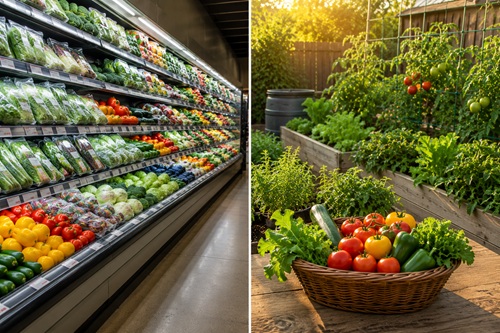
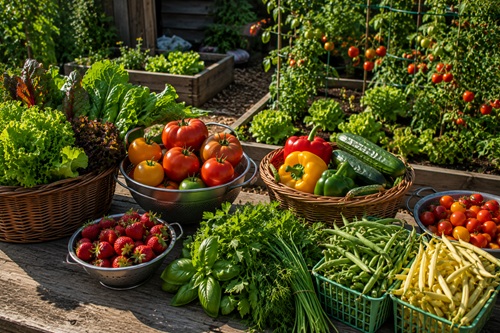
A backyard garden doesn’t have to replace the grocery store to make a meaningful difference. Even a modest harvest of tomatoes, peppers, herbs, lettuce, beans, cucumbers, squash, and root vegetables can supplement family meals throughout the growing season. Every pound of food harvested at home represents food that didn’t need to be purchased, transported, or stored elsewhere.
Gardening also reconnects people with the natural cycles that produce our food. Watching seeds germinate, flowers bloom, pollinators visit, and vegetables mature creates an appreciation for the work involved in producing healthy food. Children who participate often develop a greater interest in eating fresh vegetables while learning practical skills that can benefit them throughout their lives.
More Than Just Fresh Vegetables
Although harvesting fresh produce is one of the biggest rewards of gardening, many of its greatest benefits aren’t measured in pounds or bushels.
Gardening provides regular physical activity that strengthens muscles, improves flexibility, and encourages time outdoors. Digging, planting, watering, pruning, and harvesting keep the body moving without feeling like structured exercise. Many gardeners also find that working among plants helps reduce stress, improve concentration, and provide a welcome break from screens and daily responsibilities.
A productive garden can also improve household finances. Fresh herbs, tomatoes, peppers, salad greens, and berries are often among the more expensive produce items at grocery stores. Growing these crops at home can reduce seasonal grocery bills while providing produce that is fresher than commercially available alternatives.
Perhaps most importantly, gardening develops confidence. Every successful harvest demonstrates that food production is a skill that anyone can learn with patience and practice. As your experience grows, you’ll become better at recognizing healthy plants, improving soil, conserving water, managing pests naturally, and planning future gardens. These practical skills remain valuable regardless of changing economic conditions or supply chain disruptions.
Start Small and Build Confidence
One of the most common mistakes new gardeners make is trying to grow too much during their first season. It’s easy to become excited while browsing seed catalogs or garden centers and imagine harvesting dozens of different vegetables. However, every additional plant requires watering, weeding, monitoring, and harvesting throughout the growing season.
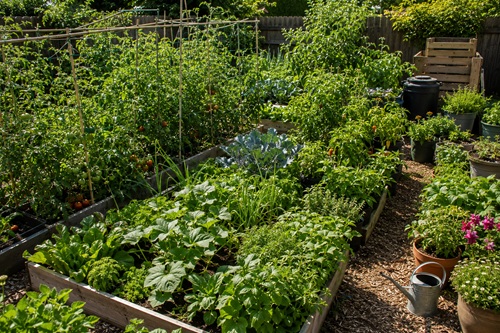
Starting with a smaller, well-maintained garden almost always produces better results than planting a large garden that becomes difficult to manage. A few raised beds, several containers, or a modest garden plot provide plenty of opportunities to learn essential gardening skills without becoming overwhelmed.
Success builds confidence. A gardener who enjoys harvesting vegetables from a small, productive garden is much more likely to expand successfully in future seasons than someone who struggles to maintain an oversized garden during their first year.
Remember that gardening is a skill developed over time. Every growing season teaches something new. Even experienced gardeners continue learning as weather patterns change, new varieties become available, and different techniques are tested. Your first garden doesn’t need to be perfect—it simply needs to get you started.
Plan Before You Plant
One of the biggest differences between successful gardens and disappointing ones often comes down to planning. Before purchasing seeds or seedlings, spend some time evaluating your available growing space and deciding what you truly want your garden to accomplish.
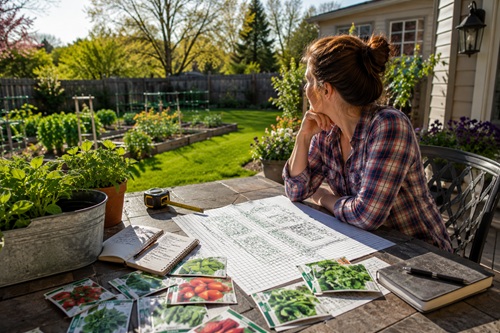
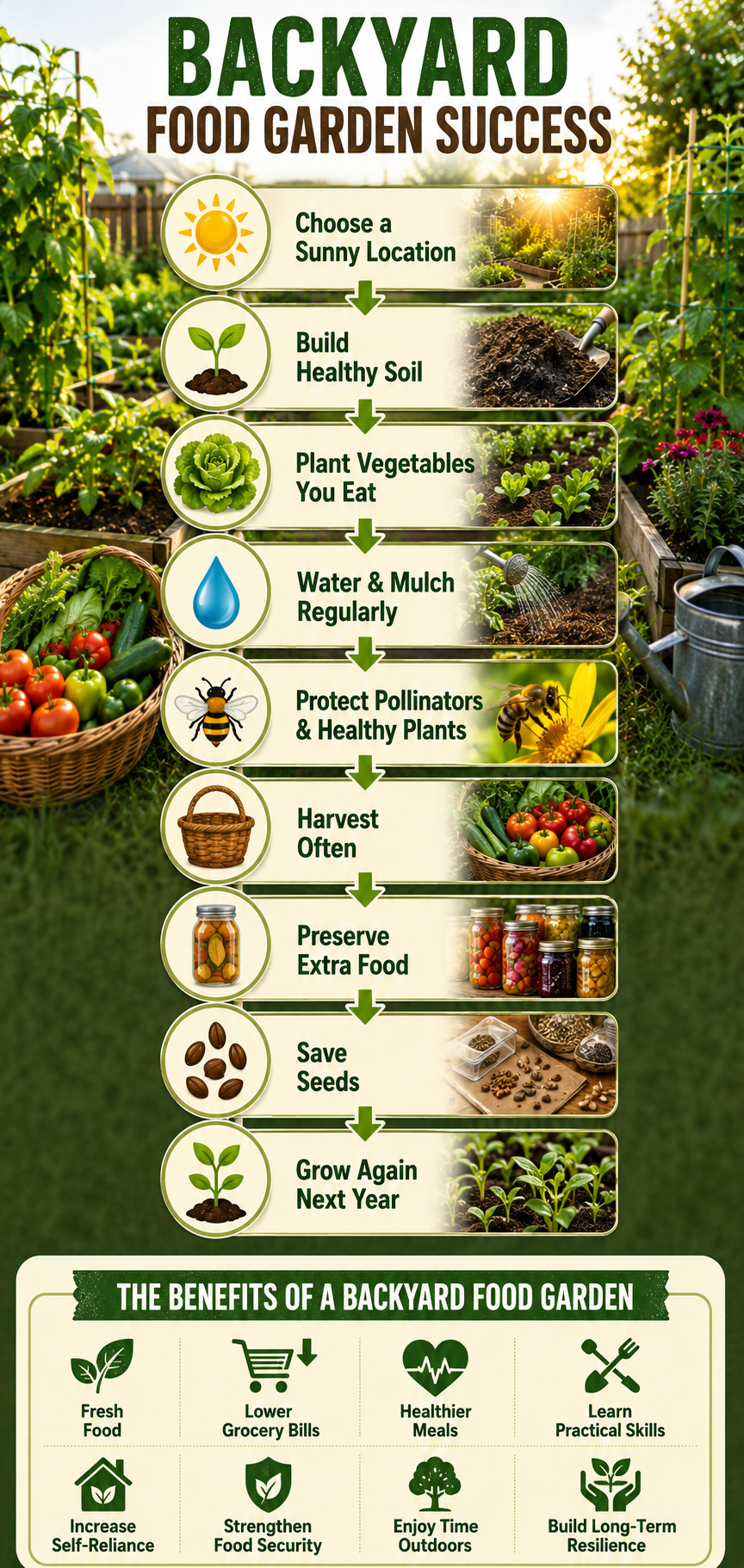
Begin by observing your yard throughout the day. Most vegetables require at least six to eight hours of direct sunlight to produce well, so identifying the sunniest locations should be your first priority. Also consider how close the garden will be to a reliable water source. A garden that is easy to reach is much more likely to receive regular care than one tucked into a distant corner of the property.
Next, think about your family’s eating habits. Instead of planting vegetables simply because they’re popular, focus on foods your household already enjoys. If your family eats tomatoes several times a week, they deserve a place in the garden. If nobody enjoys eggplant, valuable growing space may be better used for another crop.
Finally, be realistic about the amount of time you can devote to your garden. Watering, weeding, harvesting, and general maintenance all require attention throughout the season. A manageable garden that receives consistent care will nearly always outperform a larger garden that becomes neglected.
Good planning doesn’t eliminate every challenge, but it greatly improves the likelihood of a productive and enjoyable growing season.
Choosing the Best Garden Location
The location of your garden is one of the most important decisions you’ll make. Even the healthiest seeds and highest-quality soil cannot compensate for poor growing conditions. Taking a little time to evaluate your property before planting can significantly improve your harvest.
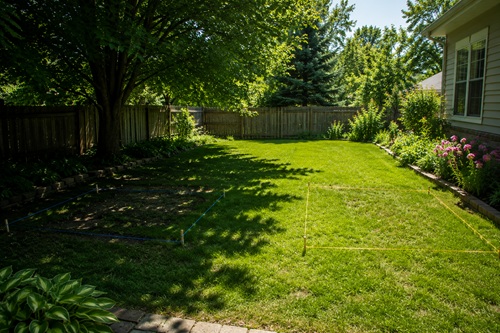
Sunlight should be your first consideration. Most vegetables perform best when they receive at least six to eight hours of direct sunlight each day. Tomatoes, peppers, squash, cucumbers, beans, and corn all require abundant sunshine to produce heavily. Leafy greens such as lettuce, spinach, and kale are somewhat more tolerant of partial shade, especially during the hottest part of summer, but they still benefit from several hours of sunlight each day.
Spend a day observing how sunlight moves across your yard. Areas that appear sunny in the morning may become shaded by trees, fences, or buildings later in the day. Identifying the sunniest location before planting helps prevent disappointment later in the season.
Water availability is another important consideration. Every garden requires regular watering, particularly during hot, dry weather. A garden located close to an outdoor faucet, rain barrel, or irrigation system will be much easier to maintain than one located far from a convenient water source. If carrying watering cans becomes a daily chore, maintaining consistent moisture quickly becomes difficult.
Good drainage is equally important. Avoid planting in low areas where water remains after heavy rain. Constantly wet soil deprives plant roots of oxygen and creates ideal conditions for root rot and fungal diseases. Healthy plants require moist soil, but they also need adequate drainage to thrive.
Finally, choose a location that encourages you to spend time in your garden. A garden visible from your kitchen window or located near a frequently used pathway serves as a daily reminder to water, harvest, and inspect your plants. The easier your garden is to access, the more attention it will naturally receive.
Build Healthy Soil First
Experienced gardeners often say they spend more time growing healthy soil than growing vegetables, and for good reason. Soil is the foundation upon which every successful garden is built. Healthy soil provides nutrients, retains moisture, supports beneficial organisms, and allows roots to grow deep and strong.
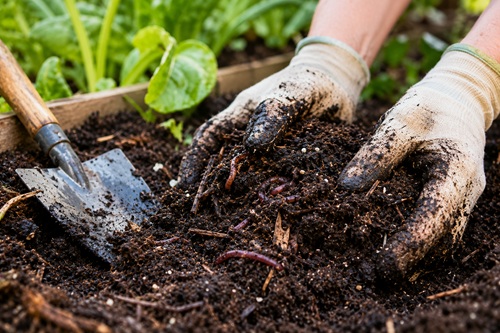
Before planting, examine your existing soil. Good garden soil should crumble easily in your hand while holding enough moisture to remain slightly damp. Heavy clay soils tend to become compacted and drain poorly, while sandy soils drain quickly and often struggle to retain nutrients. Fortunately, almost any soil can be improved over time.
Adding compost is one of the best investments you can make in your garden. Compost improves soil structure, increases organic matter, encourages beneficial microorganisms, and slowly releases nutrients as it breaks down. Whether you purchase compost or produce your own from kitchen scraps and yard waste, incorporating generous amounts into your garden before planting will benefit nearly every vegetable you grow.
Mulching is another practice that pays long-term dividends. Organic mulches such as straw, shredded leaves, grass clippings, or untreated wood chips help retain soil moisture, reduce weed growth, regulate soil temperature, and gradually improve soil quality as they decompose. A well-mulched garden generally requires less watering and less weeding throughout the growing season.
Healthy soil is not built in a single season. Every year that compost, mulch, and organic matter are added, the soil becomes richer and more productive, resulting in stronger plants and larger harvests.
Raised Beds, Traditional Gardens, or Containers?
There is no single “best” way to grow vegetables. The ideal garden depends on your available space, budget, physical abilities, and gardening goals. Fortunately, productive food gardens can be created using several different methods.
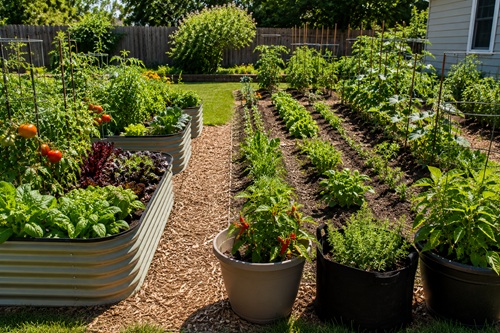
Raised beds have become increasingly popular because they offer many advantages. Since the soil is contained within a defined area, gardeners have greater control over soil quality and drainage. Raised beds warm more quickly in spring, making earlier planting possible in many regions. They are also easier to weed, reduce soil compaction caused by walking, and can be built at comfortable working heights for gardeners with mobility limitations.
Traditional in-ground gardens remain an excellent option, particularly for larger growing areas. They generally cost less to establish because existing soil is used rather than filling raised beds with purchased soil. Large crops such as pumpkins, corn, potatoes, and winter squash often perform very well in traditional gardens where space is less restricted.
Container gardening opens food production to people who have no traditional garden space at all. Patios, balconies, decks, rooftops, and even sunny driveways can become productive growing areas. Tomatoes, peppers, lettuce, herbs, beans, carrots, spinach, and many other vegetables thrive in containers when provided with adequate sunlight, quality potting soil, and consistent watering.
Many gardeners eventually combine all three methods. Raised beds may be used for vegetables, containers for herbs and specialty crops, and larger in-ground areas for crops that require more growing space.
The best garden isn’t determined by its size or design—it’s the one that fits your lifestyle and encourages you to keep growing year after year.
What Should You Grow First?
One of the most exciting parts of gardening is deciding what to plant. Seed catalogs and garden centers offer hundreds of varieties, making it tempting to try everything at once. However, successful gardeners usually begin by focusing on crops that are productive, reliable, and regularly used in their own kitchens.
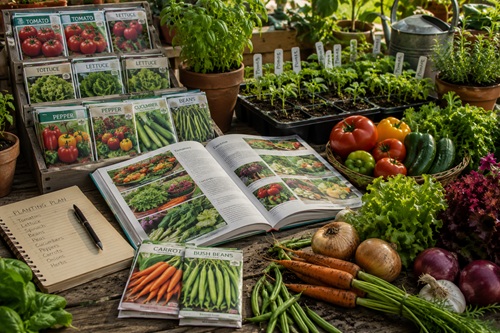
Tomatoes remain one of the most popular garden vegetables because of their versatility and exceptional flavor when harvested fresh. Leaf lettuce, spinach, kale, and other salad greens provide repeated harvests over many weeks. Green beans, peas, cucumbers, peppers, carrots, onions, garlic, zucchini, and herbs also perform well for many beginning gardeners while contributing to everyday meals.
When choosing crops, think about value rather than novelty. Fresh herbs, tomatoes, peppers, berries, and salad greens often provide significant grocery savings because they tend to be relatively expensive to purchase fresh. Meanwhile, crops your family rarely eats may occupy valuable garden space without providing much benefit.
It’s also helpful to grow a combination of quick-maturing vegetables and longer-season crops. Radishes and leaf lettuce may be ready within weeks, while tomatoes, peppers, potatoes, and winter squash require more patience but provide larger harvests later in the season.
Annuals and Perennials
Most vegetable gardens are built around annual crops—plants that complete their life cycle within a single growing season. Tomatoes, beans, cucumbers, peppers, carrots, lettuce, and corn all fall into this category and must be replanted each year.
Perennial food plants, however, continue producing for many years after becoming established. Asparagus, rhubarb, strawberries, raspberries, blueberries, grapes, fruit trees, and many culinary herbs require greater patience during establishment but reward gardeners with dependable harvests year after year.
A balanced backyard food garden often combines both types of plants. Annual vegetables provide flexibility and seasonal variety, while perennial crops create a long-term food source that requires relatively little maintenance once established.
How Much Food Can You Really Grow?
Many beginning gardeners underestimate just how productive a backyard food garden can become. A handful of raised beds or several large containers can provide fresh salads, herbs, tomatoes, peppers, beans, cucumbers, zucchini, carrots, onions, and many other vegetables throughout much of the growing season.
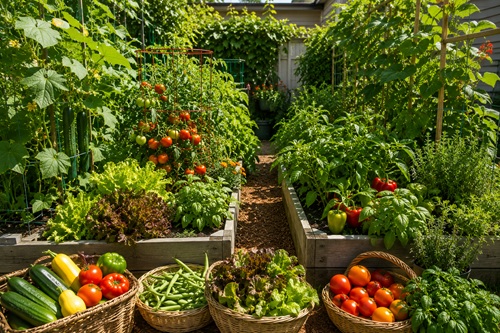
While a modest garden is unlikely to supply every meal for an entire family, it can noticeably reduce grocery purchases during peak harvest months while providing fresher, higher-quality produce than many stores can offer. More importantly, each successful harvest builds experience that allows future gardens to become larger, more efficient, and more productive.
Every season teaches valuable lessons about planting times, watering practices, pest management, crop selection, and preservation techniques. Over time, those lessons become one of the greatest harvests your garden produces.
Planting Your Garden
Once your garden beds are prepared and you’ve selected the vegetables you want to grow, it’s time for one of the most rewarding parts of gardening—planting. A little care during this stage gives your plants the best possible start and sets the foundation for a productive growing season.
Always follow the recommended planting depth and spacing for each crop. Overcrowding is one of the most common mistakes made by new gardeners. While it may seem like planting more vegetables in a small space will produce larger harvests, crowded plants compete for sunlight, water, nutrients, and airflow. This often results in weaker plants, increased disease problems, and smaller harvests.
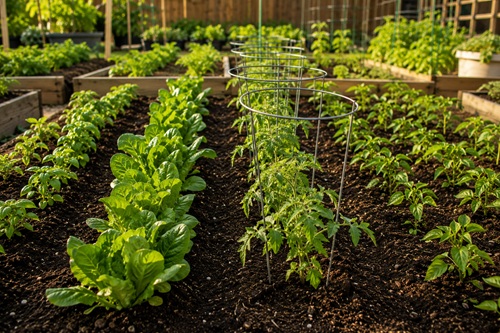
Some vegetables, such as carrots, radishes, peas, beans, and spinach, are commonly planted directly into the garden from seed. Others, including tomatoes, peppers, broccoli, cabbage, and many herbs, are often started indoors or purchased as young seedlings. Seedlings provide a head start on the growing season and can be especially helpful in regions with shorter summers.
After planting, water thoroughly to help settle the soil around the roots and eliminate air pockets. Young plants require consistent moisture while they establish themselves, but avoid saturating the soil. Damp soil encourages healthy root development, while waterlogged soil can slow growth and promote disease.
Plant labels are another simple but valuable addition to the garden. They help identify different varieties, record planting dates, and make it easier to evaluate which vegetables perform best each season.
Watering and Feeding Your Garden
Water is one of the most important ingredients for a successful garden, but more is not always better. Vegetables generally benefit from deep, thorough watering rather than frequent shallow watering. Deep watering encourages roots to grow farther into the soil where moisture remains available during hot weather.
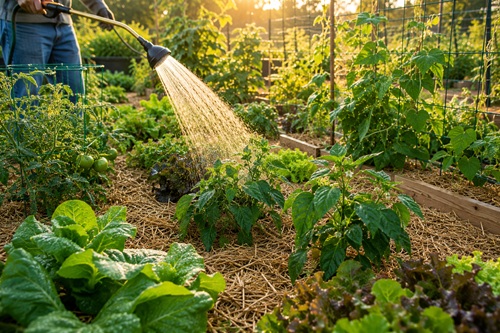
The best time to water is usually early in the morning. Cooler temperatures reduce evaporation, allowing more water to reach the roots, and leaves have time to dry before evening, reducing the risk of fungal diseases. Watering late in the evening may leave foliage damp overnight, creating favorable conditions for disease development.
Mulch helps conserve moisture by reducing evaporation from the soil surface. Organic mulches also suppress weeds and gradually improve soil quality as they decompose. During periods of extreme heat, mulch often makes the difference between plants that continue thriving and those that struggle.
Vegetables also require nutrients throughout the growing season. Compost provides a steady supply of organic nutrients while improving soil health. Additional feeding with balanced organic fertilizers or compost tea can support vigorous growth, particularly for heavy-feeding crops such as tomatoes, peppers, squash, and corn.
Healthy plants naturally resist pests and diseases better than stressed plants. Consistent watering and proper nutrition are often the simplest ways to maintain healthy, productive gardens.
Managing Weeds, Pests, and Diseases
Every gardener encounters weeds, insects, and occasional plant diseases. Rather than trying to eliminate every problem completely, successful gardeners focus on maintaining a healthy balance that keeps plants productive.
Weeds compete directly with vegetables for sunlight, water, and nutrients. Removing weeds while they are still small prevents them from becoming much larger problems later in the season. Mulching greatly reduces weed growth while making those that do appear much easier to remove.
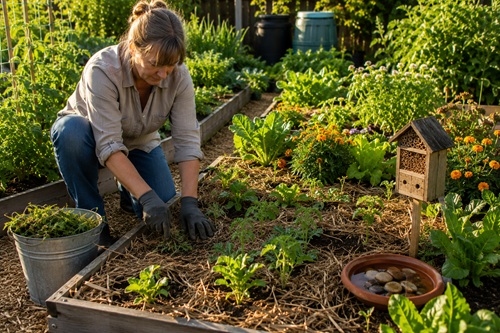
Not every insect found in the garden is harmful. Ladybugs, lacewings, bees, butterflies, praying mantises, and many other beneficial insects pollinate flowers or feed on destructive pests. Encouraging these beneficial insects through diverse plantings often reduces the need for chemical controls.
Inspect your plants regularly for signs of insect damage, discoloration, or disease. Catching problems early usually allows simple corrective actions before serious damage occurs. Good air circulation, proper spacing, healthy soil, and careful watering practices prevent many common diseases before they begin.
Whenever possible, use the least invasive solution first. Hand-picking insects, pruning affected leaves, improving airflow, or spraying plants with a strong stream of water often solves minor problems without affecting beneficial insects.
Harvest Often
Many vegetables actually produce more food when harvested regularly. Tomatoes, beans, cucumbers, peppers, zucchini, herbs, lettuce, and many other crops continue producing throughout the season as long as mature vegetables are picked promptly.
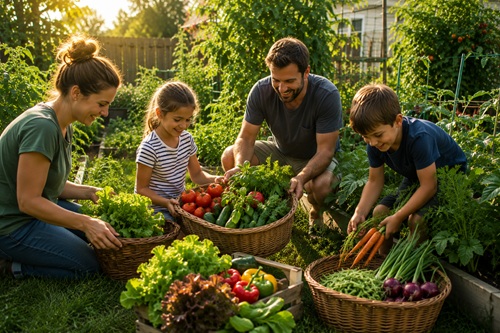
Allowing vegetables to remain on the plant too long often signals the plant that its job is complete, reducing additional production. Frequent harvesting encourages continued flowering and fruit development.
Harvest vegetables during the cooler parts of the day whenever possible. Early morning harvests generally provide the freshest produce with the highest moisture content. Handle vegetables carefully to avoid bruising and refrigerate those that require cooling soon after harvest.
One of the greatest pleasures of gardening is harvesting only what you need for each meal. Fresh-picked vegetables often retain more flavor and texture than produce that has spent days in transportation and storage.
Preserve Your Harvest
As gardens become more productive, many gardeners discover they harvest more vegetables than can be eaten immediately. Learning to preserve these extra harvests allows you to enjoy your garden long after the growing season ends.
Freezing is one of the simplest preservation methods for many vegetables, including beans, peas, corn, peppers, and herbs. Proper blanching before freezing helps preserve color, texture, and nutritional quality.
Canning remains an excellent option for tomatoes, tomato sauces, pickles, jams, and many other foods when approved food preservation methods are carefully followed. Dehydrating vegetables and herbs provides another compact storage option while preserving much of their flavor.
Root vegetables such as potatoes, onions, garlic, carrots, and beets often store well for extended periods under cool, dark, and properly ventilated conditions.
Preserving your harvest not only reduces food waste but also extends the benefits of your garden well into the colder months.
Save Seeds for Future Gardens
One of the most rewarding gardening skills is learning to save seeds from healthy plants. Many open-pollinated and heirloom vegetables produce seeds that can be collected, dried, and stored for planting the following year.
Saving seeds reduces gardening expenses while preserving varieties that have already demonstrated success in your local climate. Over time, gardeners often develop seed stocks that become increasingly well adapted to their own growing conditions.
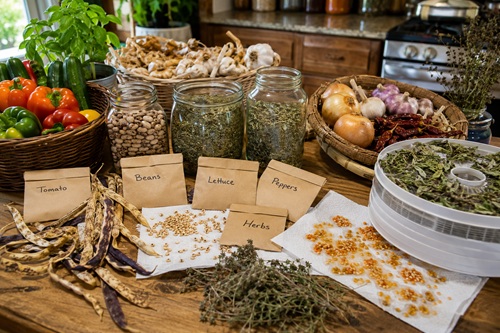
Properly dried seeds should be stored in clearly labeled envelopes or airtight containers in a cool, dark, and dry location. Recording the variety and collection date helps maintain an organized seed collection and improves future planting success.
Although hybrid varieties generally do not reproduce true to type, many heirloom vegetables reliably produce offspring with the same characteristics as the parent plant, making them excellent choices for long-term seed saving.
Gardening Is a Year-Round Activity
Many people think of gardening as something that begins in spring and ends with the final harvest in autumn. In reality, successful gardens receive attention throughout the entire year.
Winter is an ideal time to review notes from the previous season, order seeds, repair tools, and plan improvements. Spring focuses on preparing soil, planting, and establishing healthy seedlings. Summer becomes a season of watering, weeding, harvesting, and continual observation. Autumn is the time for preserving food, collecting seeds, improving soil with compost, and preparing beds for the following growing season.
Viewing gardening as a year-round process rather than a seasonal hobby leads to healthier soil, better harvests, and continual improvement from one season to the next. Every year builds upon the knowledge gained during the previous one, making each growing season more productive than the last.
Common Mistakes New Gardeners Make
Every gardener experiences setbacks from time to time. Unexpected weather, insects, plant diseases, and simple mistakes are all part of the learning process. The good news is that most gardening problems can be avoided with a little planning and regular observation.
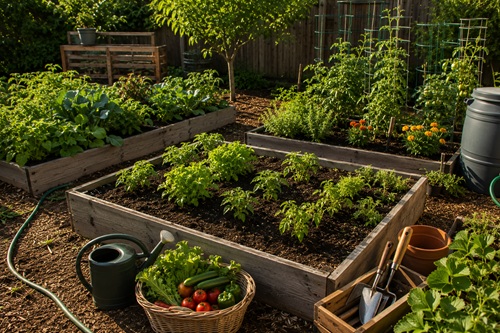
One of the most common mistakes is planting too much during the first season. It’s easy to become excited and fill every available space with vegetables, only to discover that keeping up with watering, weeding, pruning, and harvesting requires far more time than expected. Beginning with a smaller, well-maintained garden almost always produces better results than trying to manage a large one.
Another frequent mistake is planting vegetables in locations that don’t receive enough sunlight. While some leafy greens tolerate partial shade, most vegetables require at least six to eight hours of direct sunlight each day to produce healthy harvests. Plants that receive too little light often become weak, produce fewer vegetables, and are more susceptible to disease.
Improper watering is another challenge for many beginning gardeners. Both overwatering and underwatering can stress plants. Rather than watering a little every day, it’s generally better to water deeply and less frequently, encouraging roots to grow deeper into the soil where moisture remains available longer.
Ignoring soil health can also limit a garden’s potential. Fertilizers alone cannot compensate for poor soil structure. Regular additions of compost, mulch, and organic matter improve soil year after year, resulting in healthier plants and larger harvests.
Finally, don’t become discouraged by occasional failures. Even experienced gardeners lose plants to unexpected frost, insect outbreaks, wildlife, or changing weather. Every challenge provides an opportunity to learn something new. Gardening is a skill developed over many growing seasons, not mastered in a single summer.
Preparedness Perspective
A backyard food garden represents much more than a source of fresh vegetables. It is a practical investment in self-reliance that pays dividends every growing season. Every seed planted and every harvest gathered teaches valuable lessons about food production, resource management, and long-term planning.
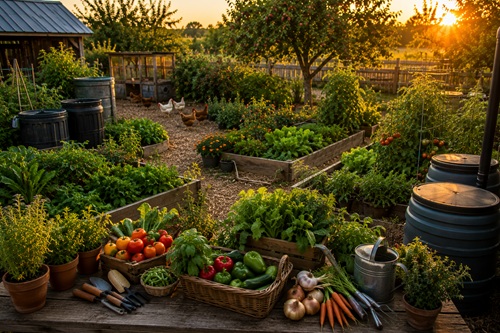
Gardening also helps reduce dependence on complex supply chains. While a backyard garden may never produce every food your family consumes, it can provide a steady supply of fresh vegetables while reducing grocery expenses during the growing season. More importantly, it develops practical skills that remain valuable regardless of changing economic conditions, transportation disruptions, or natural disasters.
Many preparedness skills begin with simple everyday activities. Composting kitchen scraps, collecting rainwater, improving soil, preserving harvests, saving seeds, and rotating crops all strengthen your ability to produce food using renewable resources. These skills become increasingly valuable over time because they continue producing benefits year after year.
Gardening also encourages long-term thinking. Every fruit tree planted today may provide harvests for decades. Every perennial herb established becomes another dependable source of food and flavor. Every successful growing season builds knowledge that can be shared with family members and passed to future generations.
Preparedness isn’t about expecting the worst. It’s about developing practical abilities before they’re needed. A backyard food garden is one of the simplest, healthiest, and most rewarding ways to begin building that resilience.
Key Takeaways
A successful backyard food garden doesn’t require a large property or years of experience. With thoughtful planning, healthy soil, and consistent care, even small gardens can produce impressive harvests while teaching valuable lifelong skills.
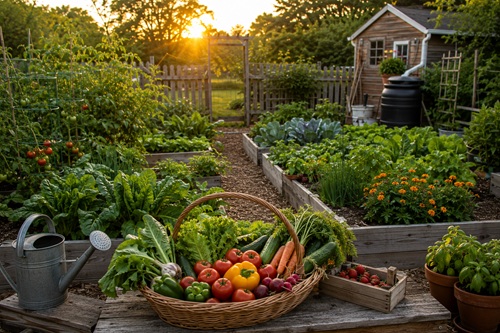
Start with a manageable garden that fits both your available space and the time you can realistically devote to maintaining it. Focus on vegetables your family enjoys eating, improve your soil every year, and don’t be afraid to experiment with new varieties as your confidence grows.
Remember that gardening is a continual learning process. Every season presents new opportunities to improve your techniques, increase production, and gain a deeper understanding of how food is grown. Over time, the knowledge you develop often becomes just as valuable as the vegetables you harvest.
Whether your goal is fresher meals, lower grocery costs, healthier living, or greater preparedness, a backyard food garden provides benefits that extend far beyond the dinner table. Every plant you grow represents another step toward greater self-reliance and a more resilient future.
Final Thoughts
Every productive garden begins with a single decision to plant something. It might be a tomato in a container, a small raised bed filled with lettuce and herbs, or a few rows of vegetables in the backyard. No matter where you begin, every season offers new opportunities to learn, improve, and enjoy the rewards of growing your own food.
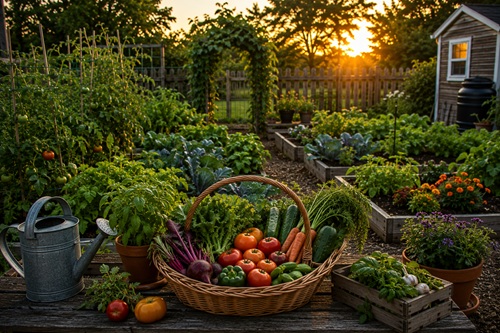
The greatest harvest from a backyard food garden isn’t measured only in pounds of vegetables. It’s measured in the confidence you gain, the practical skills you develop, and the satisfaction that comes from producing food with your own hands. Over time, those experiences become just as valuable as the harvest itself.
Whether you harvest a handful of herbs for tonight’s dinner or baskets of vegetables to preserve for winter, every successful growing season strengthens your ability to provide for yourself and your family. Gardening teaches patience, planning, adaptability, and perseverance – qualities that serve us well in everyday life as well as during unexpected challenges.
A backyard food garden is more than a place where vegetables grow. It is a place where knowledge grows, confidence grows, and resilience grows. Every seed planted today has the potential to produce not only food for tomorrow, but skills and experience that can benefit your family for years to come.
© Prepping Communities. This content is for informational purposes only and not professional advice. Use at your own risk.
Terms | Privacy | Guidelines