
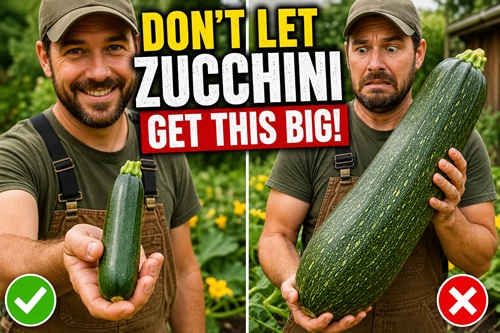
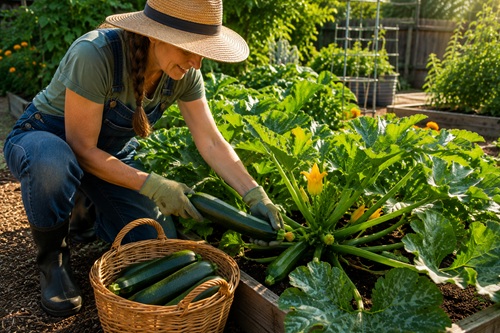
Growing zucchini is one of the most rewarding experiences in the vegetable garden. After weeks of watering, fertilizing, and watching the large yellow blossoms appear, the first fruits begin to develop almost overnight. It’s exciting to harvest your first zucchini, but knowing when to pick them is just as important as knowing how to grow them. Harvesting at the right stage makes the difference between tender, flavorful zucchini and fruit that is tough, watery, and filled with large seeds.
Many beginning gardeners assume that bigger vegetables are always better. With zucchini, however, the opposite is usually true. Smaller and medium-sized zucchini are generally sweeter, more tender, and have a much better texture. As the fruit continues to grow, the skin becomes thicker, the seeds enlarge, and the flesh loses some of its delicate flavor. Waiting only a few extra days can dramatically change the quality of your harvest.
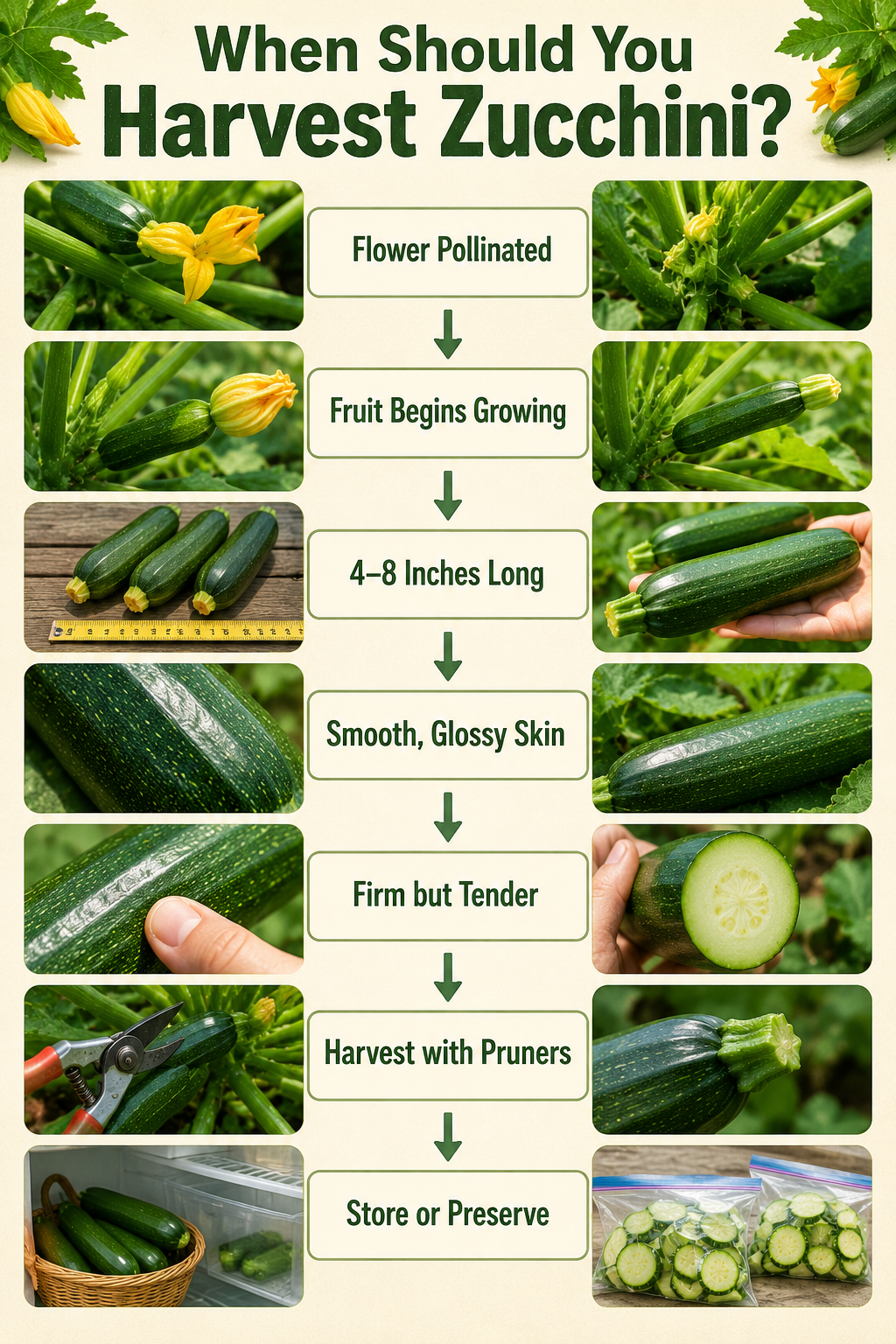
One of the reasons zucchini is so productive is that it grows incredibly fast. Once a flower has been successfully pollinated, the fruit can increase in size noticeably from one day to the next. During warm summer weather, a zucchini that seems perfect one evening may be oversized only two or three days later. For this reason, experienced gardeners often inspect their zucchini plants every day during peak production.
There isn’t a single perfect size for harvesting because personal preference plays a role. Some gardeners enjoy harvesting very young zucchini only four or five inches long because they are exceptionally tender and require very little preparation. Others prefer medium-sized fruits similar to those found in grocery stores, which provide a good balance between tenderness and yield. If you’re new to growing zucchini, try harvesting a few at different sizes and compare their flavor and texture to discover what your family enjoys most.
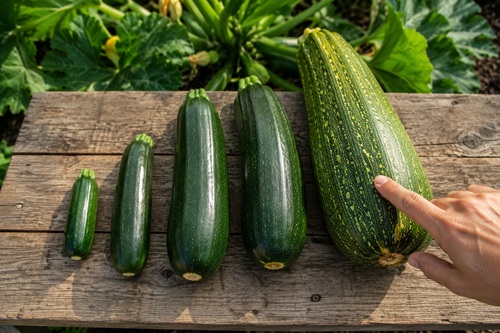
When deciding whether a zucchini is ready to harvest, look at more than just its length. The skin should appear smooth, glossy, and evenly colored. The fruit should feel firm without being hard, and the skin should still be tender enough that it can be lightly scratched with a fingernail. If the skin has become thick and difficult to pierce, the zucchini has likely passed its prime for fresh eating.
Because zucchini plants develop large leaves, fruits are often hidden beneath the foliage. It’s common for gardeners to discover several fully grown zucchini tucked away where they couldn’t easily be seen.
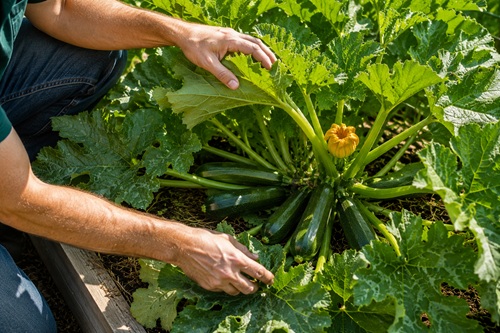
During the harvest season, gently lift the leaves and inspect the entire plant. Daily inspections not only prevent oversized zucchini but also allow you to identify insect damage, disease, or other growing problems before they become serious.
If you do happen to miss one and discover a giant zucchini, don’t assume it’s useless. Although oversized zucchini may no longer be ideal for grilling or sautéing, they are still excellent for shredding into zucchini bread, muffins, soups, casseroles, and baked dishes. Some gardeners even allow one fruit to fully mature if they plan to save seeds from open-pollinated or heirloom varieties. Otherwise, badly overgrown fruits can be added to the compost pile where they continue contributing to the garden.
New gardeners are often surprised by just how productive zucchini plants can be. Under favorable growing conditions, a single healthy plant may produce dozens of zucchini throughout the growing season. For many households, one or two plants provide more than enough fresh zucchini, with plenty left over to freeze or share with family, friends, and neighbors. Planting too many zucchini is one of the most common gardening mistakes because it’s easy to underestimate just how much one plant can produce.
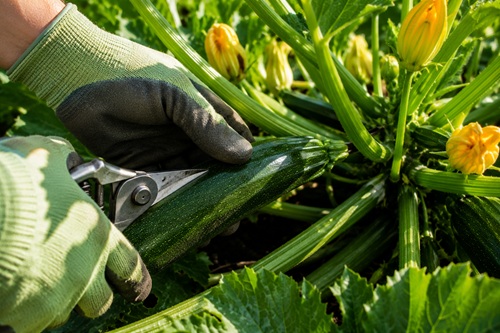
Harvesting zucchini correctly also helps keep the plant healthy. Instead of twisting or pulling the fruit from the vine, use a clean pair of garden pruners, scissors, or a sharp knife to cut the stem an inch or two above the fruit. Twisting the zucchini free can damage stems, leaves, and developing fruit. Leaving a short piece of stem attached also helps the harvested zucchini stay fresh a little longer.
After harvesting, handle the zucchini gently to avoid bruising the skin. Place the fruit in a basket or bucket and keep it in the shade if you’re continuing to work in the garden. Once indoors, avoid washing the zucchini until you’re ready to use it. Excess moisture can shorten storage life, so storing unwashed zucchini in the refrigerator’s crisper drawer usually provides the best results. Properly stored, fresh zucchini often remains in good condition for up to a week.
If your garden produces more zucchini than you can use immediately, freezing is an excellent way to preserve the harvest. Wash the zucchini, trim the ends, and slice it into your preferred size. Blanch the slices in boiling water for one to two minutes before transferring them immediately into an ice bath to stop the cooking process.
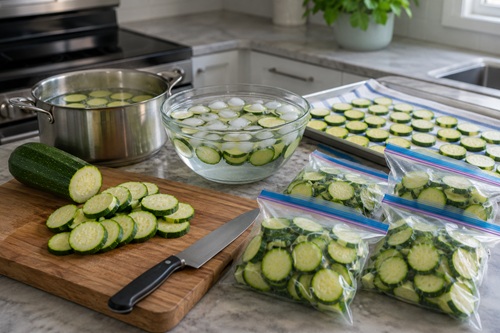
After draining and drying the slices, freeze them in a single layer before transferring them into freezer bags or airtight containers. This prevents the pieces from freezing together and makes it easier to remove only what you need later. Properly frozen zucchini maintains good quality for up to a year.
Fresh zucchini is one of the most versatile vegetables in the kitchen. It can be grilled, roasted, steamed, stir-fried, stuffed, spiralized into noodles, added to soups and casseroles, or baked into breads, muffins, cakes, and cookies. Its mild flavor allows it to blend well into countless recipes while providing excellent nutritional value throughout the growing season.
Preparedness Perspective
Learning when to harvest zucchini is about more than improving flavor – it’s about making the most of the food you grow. Regular harvesting keeps plants producing longer, reduces waste, and helps ensure that every zucchini reaches your kitchen at its peak quality.
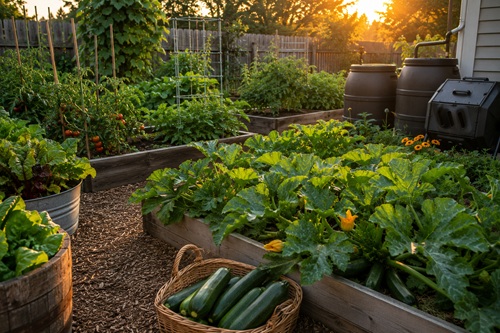
Combined with proper storage and preservation techniques, even a small zucchini patch can provide fresh vegetables for months while contributing to greater food security and self-reliance. Successful gardening isn’t just measured by how much food you grow, but by how efficiently you harvest, preserve, and use every harvest your garden provides.
© Prepping Communities. This content is for informational purposes only and not professional advice. Use at your own risk.
Terms | Privacy | Guidelines