

A Traditional Herbal Remedy Worth Understanding
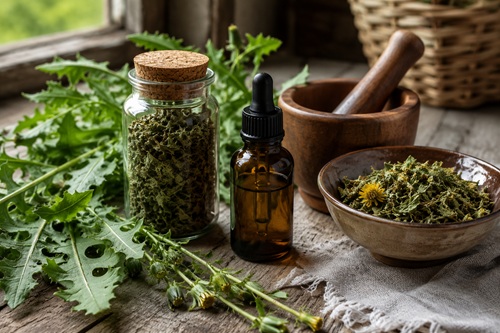
For generations, wild lettuce has been valued by herbalists as one of nature’s traditional calming plants. Sometimes referred to as “opium lettuce,” this nickname can be misleading. Wild lettuce does not contain opium or opioid compounds, nor does it produce the intense effects associated with narcotics. Instead, the plant has a long history in traditional herbal medicine, where it was commonly prepared as teas, extracts, or tinctures to promote relaxation and comfort. Today, many people continue to make wild lettuce tinctures as part of a home herbal medicine collection, appreciating both its historical significance and its potential role in supporting general wellness.
A tincture is simply a concentrated herbal extract made by soaking plant material in alcohol for an extended period. The alcohol draws out many of the plant’s beneficial compounds while also preserving them, allowing the finished tincture to remain stable for months or even years when stored properly. Because tinctures are highly concentrated, only small amounts are typically used, making them a convenient way to preserve seasonal herbs for year-round use.
The most commonly harvested species for tincture making are wild lettuce (Lactuca virosa), prickly lettuce (Lactuca serriola), and occasionally Canada lettuce (Lactuca canadensis). These plants produce a white milky latex when the stems or leaves are cut. Historically, this latex was considered the most valuable part of the plant because it contains naturally occurring compounds such as lactucin and lactucopicrin, which laboratory research suggests may have mild calming and analgesic properties. Most traditional preparations, however, use the entire aerial portion of the plant rather than collecting only the latex.
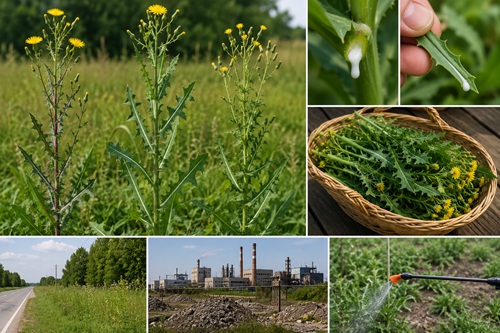
Harvesting is usually done shortly before or during flowering, when many herbalists believe the concentration of active compounds is highest. Healthy plants growing away from roadsides, industrial sites, and areas treated with pesticides should always be selected. Correct plant identification is essential, as several plants resemble wild lettuce but do not share the same traditional uses. When in doubt, consult multiple field guides or experienced foragers before harvesting any wild plant.
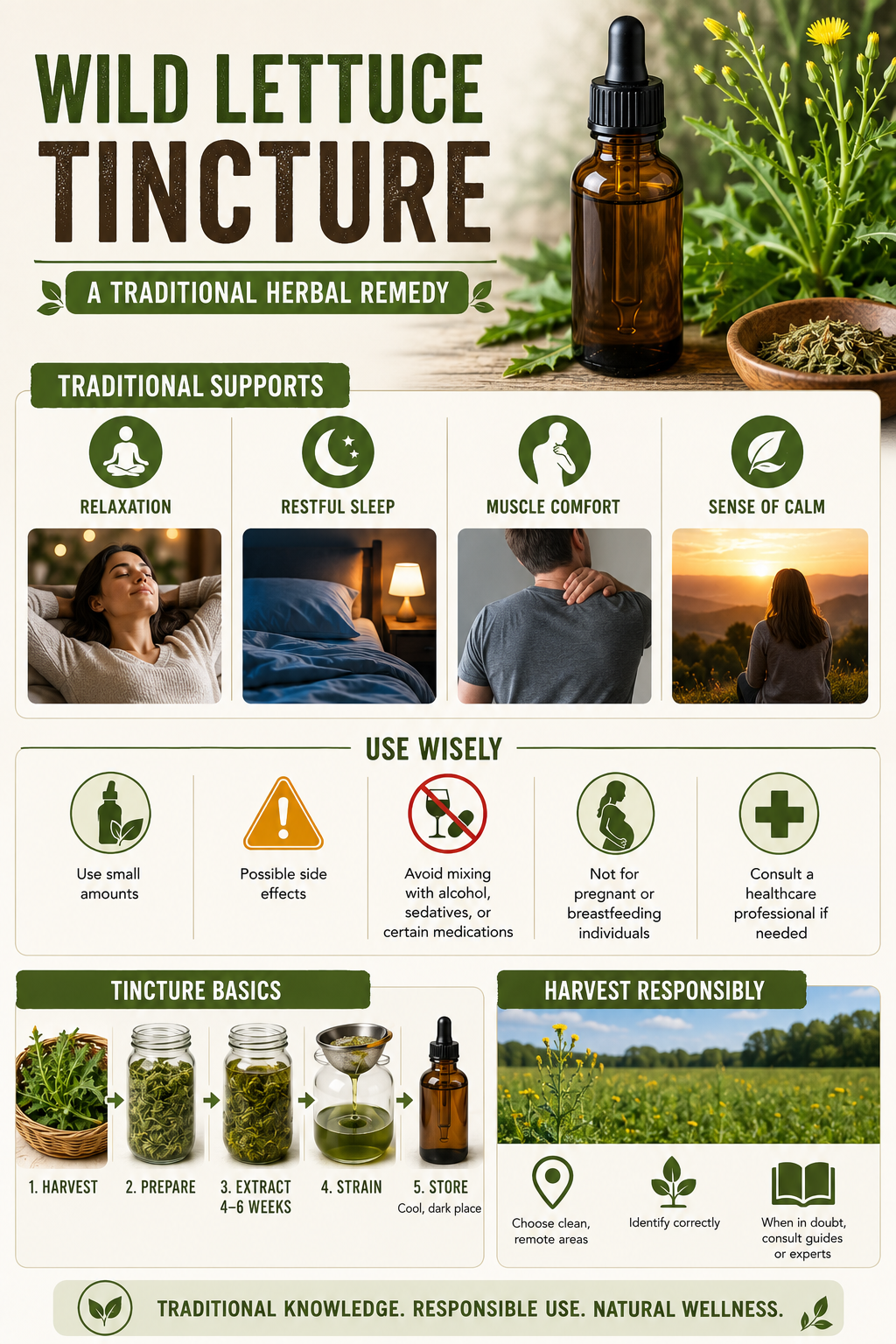
To prepare a tincture, freshly chopped leaves, stems, and flowering tops are loosely packed into a clean glass jar. High-proof alcohol, typically vodka or grain alcohol, is then poured over the plant material until everything is completely submerged. The jar is sealed tightly and stored in a cool, dark location for four to six weeks. Shaking the jar every few days helps expose fresh plant surfaces to the alcohol and encourages thorough extraction.
Once the extraction period is complete, the liquid is strained through cheesecloth or a fine mesh filter to remove the plant material. The finished tincture is transferred into dark glass dropper bottles, labeled with the contents and preparation date, and stored away from heat and sunlight. Properly prepared alcohol-based tinctures generally have an excellent shelf life, making them a practical way to preserve seasonal herbs.
Many people interested in traditional herbal medicine keep wild lettuce tincture on hand as part of a broader natural wellness toolkit. Historically, it has been used to promote relaxation, support restful sleep, ease occasional muscle discomfort, and encourage a sense of calm after physically demanding days. It is important to recognize, however, that much of this evidence comes from historical use and anecdotal reports. While some laboratory studies have identified biologically active compounds within the plant, large, high-quality clinical studies demonstrating its effectiveness in humans remain limited.

Like any herbal preparation, wild lettuce tincture should be used thoughtfully. Some individuals may experience drowsiness, dizziness, or digestive upset. It should not be combined with alcohol, sedatives, or medications that depress the central nervous system without first consulting a qualified healthcare professional. Pregnant or breastfeeding individuals and people with significant medical conditions should seek medical advice before using herbal tinctures.
For those interested in preparedness and self-reliance, learning how to identify, harvest, and preserve traditional medicinal plants can be a valuable skill. Wild lettuce tincture is one example of how common plants have been used for generations to create shelf-stable herbal preparations. Whether or not someone chooses to use it, understanding the history, preparation methods, and safety considerations helps build practical herbal knowledge that complements a well-rounded home apothecary and encourages informed decision-making when exploring traditional plant-based remedies.
Preparedness Action Plan
Identify wild lettuce growing in your local area using multiple trusted field guides before harvesting. Practice proper plant identification during different stages of growth, learn the best harvesting season, and gather the supplies needed to prepare tinctures safely. Label every finished tincture with the plant name, date prepared, alcohol strength, and source location so your herbal inventory remains organized and reliable.
Skills Learned
After completing this lesson, you should understand what wild lettuce tincture is, how it has been used in traditional herbal medicine, how to identify appropriate wild lettuce species, when to harvest the plant, the basic process of preparing an alcohol-based tincture, how to store it safely for long-term use, and the importance of recognizing both the potential benefits and the limitations of traditional herbal remedies.
© Prepping Communities. This content is for informational purposes only and not professional advice. Use at your own risk.
Terms | Privacy | Guidelines