
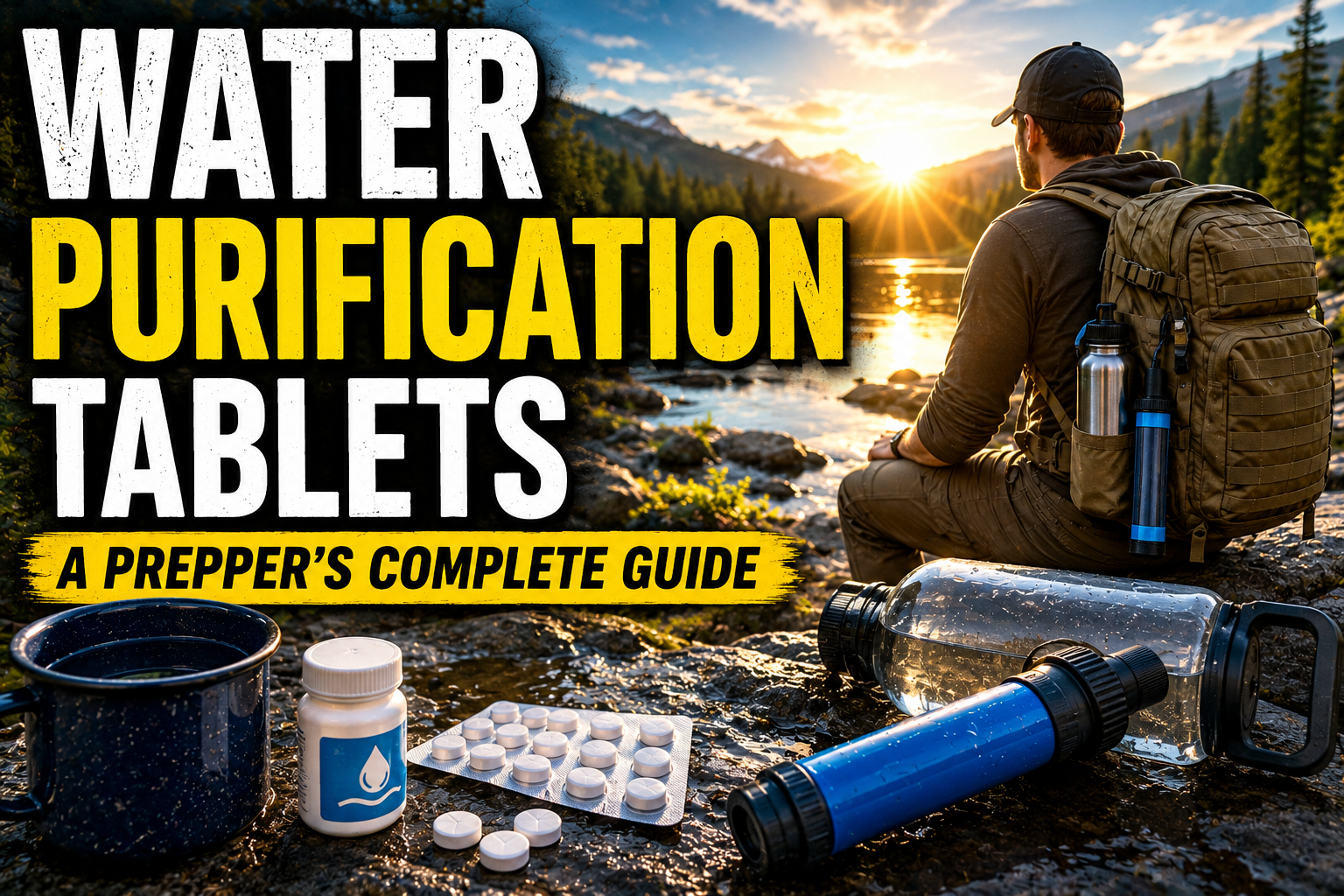
Water Purification Tablets: A Complete Preparedness Guide

Introduction
Water is one of the few necessities you simply cannot live without for very long. While food shortages may take weeks to become life-threatening, a lack of safe drinking water can become dangerous within days. That is why experienced preppers often say that water is your first survival priority.
Finding water, however, is only half the challenge. Rivers, lakes, ponds, streams, rain barrels, and even crystal-clear mountain springs can contain bacteria, viruses, and parasites capable of causing serious illness. Water that appears perfectly clean can still make you extremely sick.
Water purification tablets provide one of the easiest and most portable methods of making questionable water safer to drink. They require no electricity, no fuel, and very little space, making them an excellent addition to bug-out bags, emergency kits, vehicles, and home preparedness supplies. Although they should not be your only method of water treatment, they provide an important backup when other options are unavailable.
Understanding how they work, their limitations, and when to use them is just as important as carrying them.
Why Unsafe Water Is So Dangerous
One of the biggest mistakes people make is assuming that clear water is safe water. Unfortunately, harmful microorganisms are invisible to the naked eye. A stream that looks pure may still contain bacteria from wildlife upstream. A lake that appears calm may contain parasites introduced by animals or human activity. Even rainwater collected from a roof can become contaminated before it reaches your storage container.

Contaminated water can lead to severe diarrhea, vomiting, dehydration, stomach cramps, fever, and weakness. In a survival situation, these illnesses become far more dangerous because medical care may not be available and dehydration can quickly become life-threatening.
History has repeatedly shown that more people often become sick from contaminated water after disasters than from the disasters themselves. Floods, hurricanes, earthquakes, and other emergencies frequently damage water treatment facilities, contaminate wells, and overwhelm sanitation systems. Having the ability to purify water can literally save lives.
Fortunately, making water safer does not always require large equipment. Small chemical tablets can provide an effective method of disinfecting water when used properly.
Safe Water Isn’t Always Clean Water
People naturally judge water by what they can see. If it is clear, odorless, and flowing, it feels safe. If it is muddy or full of debris, it feels dangerous.
In reality, appearance tells you very little about whether water is actually safe to drink.
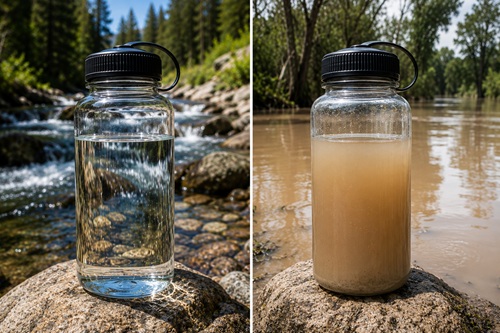
Crystal-clear water can contain millions of microscopic organisms. On the other hand, cloudy water may simply contain harmless sediment. While muddy water should always be filtered before treatment, clarity alone should never determine whether water is safe.
This is one reason experienced outdoorsmen and emergency responders rarely drink untreated natural water, regardless of how clean it appears.
The safest approach is to assume that any untreated surface water could be contaminated and purify it before drinking.
Understanding Waterborne Diseases
The purpose of water purification tablets is simple: reduce the risk of disease from microorganisms that may be present in untreated water. Although we often think of polluted water as something that looks dirty or smells unpleasant, many of the organisms responsible for serious illness are completely invisible. You cannot see them, taste them, or smell them, which is why untreated water should always be viewed with caution.
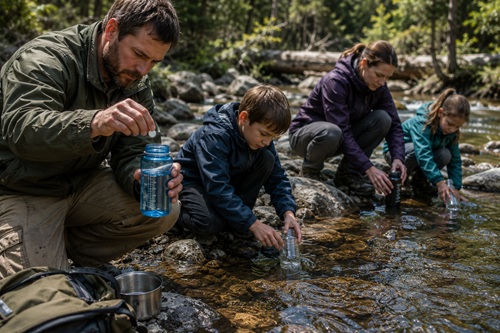
Waterborne illnesses have affected civilizations throughout history. Even today, contaminated drinking water remains one of the leading causes of illness in many parts of the world. During natural disasters, power outages, floods, or failures of municipal water systems, the risk of contamination increases significantly. Sewage systems may overflow, wells can become polluted, and runoff from surrounding areas may carry harmful microorganisms into rivers, lakes, and reservoirs.
One of the most common concerns is bacteria. Organisms such as Escherichia coli (E. coli), Salmonella, and Campylobacter can enter water supplies through animal waste, failing septic systems, or untreated sewage. These bacteria often cause severe diarrhea, stomach cramps, nausea, vomiting, and dehydration. While healthy adults may recover with proper treatment, these infections can become far more serious for young children, older adults, or anyone whose immune system is already weakened.
Viruses present another challenge. Unlike bacteria, viruses are much smaller and can easily spread through contaminated human waste. Depending on the source of contamination, viruses capable of causing hepatitis, gastroenteritis, and other illnesses may be present in untreated water. Because viruses cannot be seen and often produce no warning signs in the water itself, chemical disinfection becomes an important layer of protection.
Protozoan parasites are especially well known among hikers, campers, and backcountry travelers. Two of the most common are Giardia and Cryptosporidium. These microscopic organisms form protective cysts that allow them to survive for long periods in cold lakes and streams.
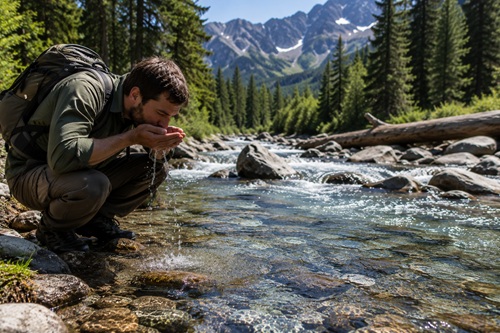
Drinking contaminated water may lead to prolonged diarrhea, abdominal cramps, fatigue, bloating, and dehydration that can last for days or even weeks. Many people assume mountain streams are naturally safe because they appear pristine, yet wildlife living upstream can introduce these parasites without leaving any visible evidence.
Parasitic worms are less common in North America but remain a concern in some parts of the world. Depending on the region and water source, untreated water may contain organisms capable of causing long-term intestinal infections and other health problems.
One important lesson for every prepper is that illness itself can quickly become a survival problem. Severe diarrhea and vomiting cause rapid fluid loss, reducing physical strength and making it difficult to think clearly or perform basic survival tasks. In a situation where medical care, medications, and clean drinking water are already limited, even a preventable stomach illness can become dangerous.
This is why experienced preppers focus on prevention rather than treatment. Spending a few extra minutes disinfecting questionable water is far easier than trying to recover from dehydration while facing an emergency. Water purification tablets, filters, and boiling all serve the same purpose—reducing the risk of illness before it has a chance to affect you.
The important takeaway is that microorganisms cannot be judged by the appearance of the water. Whether the source is a muddy pond, a clear mountain creek, or a recently flooded neighborhood, every untreated source should be evaluated carefully. Safe drinking water begins with assuming contamination is possible and taking the appropriate steps to make the water safer before taking that first drink.
How Water Purification Tablets Work
Water purification tablets may be small enough to fit in the palm of your hand, but they perform an important job. Rather than physically removing contaminants from the water, they disinfect it by using carefully measured chemicals that attack harmful microorganisms. This process makes many disease-causing organisms unable to reproduce or survive, significantly reducing the risk of waterborne illness when the tablets are used according to the manufacturer’s directions.
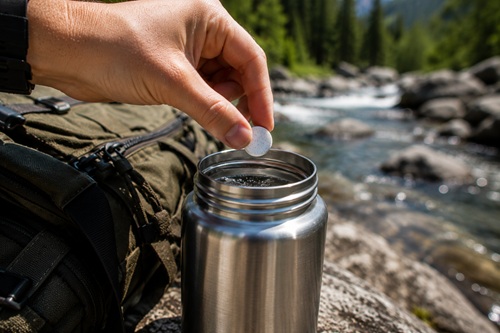
Most purification tablets work through oxidation. Without getting overly technical, oxidation is a chemical reaction that damages the outer walls, proteins, or internal structures of bacteria, viruses, and many parasites. Once these vital components are damaged, the microorganisms can no longer function normally and eventually die or become harmless. This process takes time, which is why every product includes a minimum waiting period before the water should be consumed.
The amount of time required depends on several factors. Different active ingredients work at different speeds, and environmental conditions also play a role. Cold water slows many chemical reactions, meaning purification can take considerably longer than it would in warmer temperatures. Likewise, cloudy water containing mud, algae, or organic matter can reduce the effectiveness of the disinfectant because some microorganisms may be shielded by suspended particles. This is one reason pre-filtering dirty water is strongly recommended whenever possible.
It’s also important to understand that not all purification tablets work exactly the same way. Some rely on iodine, while others use chlorine dioxide or other disinfecting compounds. Although their chemistry differs, they all share the same goal: reducing harmful microorganisms to make untreated water safer to drink. Each method has its own strengths, limitations, taste characteristics, treatment times, and storage requirements, which is why experienced preppers often familiarize themselves with several different options.
One common misconception is that adding more tablets will somehow make the water safer. In reality, using more than the recommended amount rarely provides additional benefits and may leave an unpleasant taste or expose you to unnecessarily high concentrations of disinfecting chemicals. Following the manufacturer’s instructions carefully is always the safest approach.
Another misconception is that purification tablets instantly produce safe drinking water. Unlike turning on a household faucet, chemical disinfection is a process rather than an immediate event. The waiting period is just as important as adding the tablets themselves. Drinking the water too soon may expose you to microorganisms that have not yet been fully inactivated.
Water purification tablets also have limitations. While they are excellent at reducing many biological hazards, they generally do not remove dirt, sand, leaves, chemical pollutants, heavy metals, petroleum products, pesticides, or radioactive materials. If water has been contaminated by industrial chemicals, fuel spills, agricultural runoff, or saltwater intrusion, chemical tablets alone are not enough to make it safe to drink. In those situations, additional treatment methods or an alternative water source should be sought whenever possible.
Understanding how these tablets work helps you use them more effectively. They are not magic pills that instantly fix every water problem. Instead, they are one layer of a complete water treatment strategy. Combined with good source selection, pre-filtering when necessary, proper storage, and other purification methods such as filtration or boiling, water purification tablets become an extremely valuable preparedness tool that can help protect you when clean drinking water is no longer readily available.
The Different Types of Water Purification Tablets
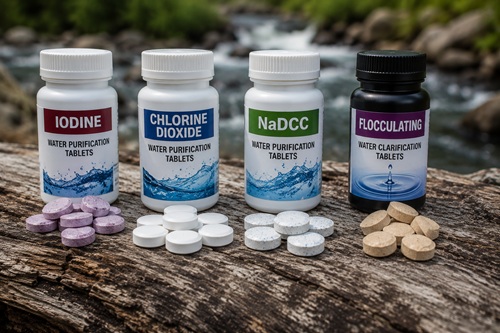
Walk into any outdoor store or browse an emergency preparedness catalog, and you’ll quickly discover that there isn’t just one type of water purification tablet. Although they all serve the same basic purpose, they use different active ingredients and each has its own strengths and limitations. Understanding these differences allows you to choose the right product for your needs instead of simply buying the first package you see.
The four most common categories are iodine-based tablets, chlorine dioxide tablets, sodium dichloroisocyanurate (NaDCC) tablets, and flocculating treatments. While all can improve the safety of questionable water when used correctly, none of them is perfect for every situation.
Iodine-Based Tablets
For decades, iodine tablets were considered the standard for portable water purification. Many military personnel, hikers, campers, and emergency responders carried them because they were inexpensive, lightweight, and easy to use. Even today, they remain a dependable emergency option and are still found in many survival kits.
Iodine works by penetrating microorganisms and disrupting essential cellular functions, preventing bacteria, viruses, and many parasites from surviving. Most products require approximately thirty minutes before the water is ready to drink, although colder water may require a longer treatment time.
One drawback is the taste. Many people notice a distinct medicinal or chemical flavor after treatment. Some manufacturers include a second neutralizing tablet that reduces the iodine taste without affecting the purification process. Others simply recommend allowing the water to stand uncovered for a short period after treatment.
Iodine also isn’t suitable for everyone. People with iodine allergies, certain thyroid conditions, or those who are pregnant should consult medical guidance before relying on iodine-treated water. While occasional emergency use is generally considered acceptable for many healthy adults, iodine is not usually recommended as a long-term everyday water treatment solution.
Despite these limitations, iodine remains popular because it is reliable, affordable, compact, and has a long shelf life when stored properly.
Chlorine Dioxide Tablets
Many preparedness experts consider chlorine dioxide to be one of the most versatile chemical water treatments available today. It provides broad protection against many bacteria, viruses, and protozoan parasites while producing far less taste and odor than iodine.
Unlike ordinary household chlorine bleach, chlorine dioxide works differently and is generally more effective against difficult organisms such as Cryptosporidium, although treatment times may be significantly longer depending on the product and water temperature.
One of the reasons chlorine dioxide has become increasingly popular is that it leaves very little aftertaste. Many users find the treated water tastes almost identical to untreated drinking water, making it easier to stay hydrated during extended use.
The primary disadvantage is patience. Although some products disinfect water within thirty minutes, others require several hours to achieve their full effectiveness against certain parasites. Reading the instructions carefully is essential because treatment times vary between manufacturers.
For many preppers, however, the combination of effectiveness, minimal taste, and long shelf life makes chlorine dioxide an excellent all-around choice.
Sodium Dichloroisocyanurate (NaDCC)
Sodium dichloroisocyanurate, often abbreviated as NaDCC, is another chlorine-based disinfectant used around the world for emergency water treatment. Although the chemical name sounds intimidating, the tablets are simple to use and have become increasingly common in humanitarian aid programs and disaster relief operations.
NaDCC tablets release chlorine gradually as they dissolve, effectively reducing many harmful bacteria and viruses while maintaining a relatively stable shelf life. They are often inexpensive, widely available, and easy to store.
Like other chlorine-based treatments, they may leave a mild chlorine taste, although most people find it less noticeable than iodine. Allowing the treated water to stand briefly before drinking can often reduce any remaining odor.
These tablets provide an effective balance between affordability, simplicity, and reliability, making them another solid option for emergency preparedness.
Flocculating Water Treatments
Some water treatment products perform two jobs instead of one. In addition to disinfecting microorganisms, they also contain ingredients that cause suspended dirt, silt, algae, and other fine particles to clump together into larger pieces. This process is called flocculation.
As these particles combine, they become heavy enough to settle toward the bottom of the container, allowing much of the sediment to be removed before drinking. Some products require pouring the treated water through a cloth or filter to remove the remaining material.
Flocculating treatments can be especially useful when dealing with muddy floodwater or heavily contaminated surface water where ordinary purification tablets alone would be less effective.
However, these products usually require additional preparation steps and longer treatment times than standard purification tablets. They are extremely useful in certain situations but are generally less convenient for everyday carry or lightweight backpacking.
Which Type Is Best?
There is no single “best” water purification tablet for every person or every emergency.
Someone assembling an ultralight backpack may prioritize weight and compact packaging. A family building long-term emergency supplies may place greater value on shelf life, treatment capacity, and ease of use. Others may choose products based on taste or the specific microorganisms they expect to encounter.
Rather than asking which tablet is the best overall, experienced preppers usually ask a different question: Which one best fits my preparedness plan?
The answer depends on where you live, how you expect to use it, the environments you travel through, and the other water treatment methods you already own. Many preparedness-minded individuals carry purification tablets as a backup while relying primarily on mechanical water filters or boiling whenever circumstances allow.
Regardless of which type you choose, the most important step is learning how to use it before an emergency occurs. Reading the instructions, practicing with safe water at home, and understanding the product’s limitations will provide far more confidence than simply storing unopened packages in a backpack and hoping you never need them.
Water Purification Tablets vs. Water Filters
One of the most common questions among new preppers is whether they should carry water purification tablets or invest in a water filter. The answer is that they serve different purposes, and neither completely replaces the other. Understanding the strengths and limitations of each method will help you build a more reliable water treatment plan.
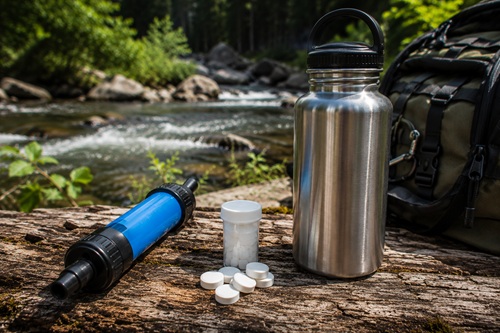
A water filter works by physically removing contaminants as water passes through a filtering element. Depending on the design, filters can remove dirt, sediment, bacteria, protozoa, and even tiny pieces of debris that make water appear cloudy. After filtration, the water often looks cleaner and tastes better because many of the particles causing discoloration and unpleasant flavors have been removed.
Water purification tablets work very differently. Instead of removing contaminants, they disinfect the water by killing or inactivating many harmful microorganisms. The water may still look exactly the same after treatment because the dirt and sediment remain, but the biological hazards have been greatly reduced.
This difference is important because a filter can improve the appearance of dirty water without necessarily eliminating every harmful microorganism. Likewise, purification tablets may disinfect the water while leaving it looking muddy or containing suspended particles. One method improves clarity, while the other focuses on biological safety.
Many experienced preppers use both methods together because each compensates for the other’s weaknesses. They begin by filtering the water to remove sediment, algae, leaves, insects, and other visible debris. Cleaner water allows chemical disinfectants to work more effectively because microorganisms are no longer hidden within suspended particles. After filtering, purification tablets provide an additional layer of protection against organisms that may remain.
Think of it as washing your hands before applying a bandage to a wound. Cleaning first allows the next step to work better.
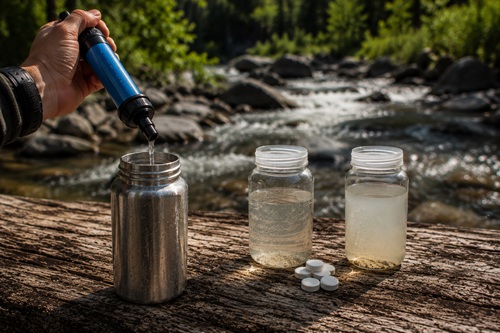
Another advantage of filters is that they begin producing drinkable water almost immediately. Once the water has passed through the filter, it can often be consumed right away if the filter is designed for that purpose. Purification tablets, on the other hand, require patience. Depending on the active ingredient and water temperature, treatment may take anywhere from thirty minutes to several hours before the water is ready to drink.
Portability is another consideration. Water purification tablets weigh almost nothing and occupy very little space. A small bottle can easily fit into a pocket, first aid kit, bug-out bag, or glove compartment. Because they have no moving parts, there is nothing to clog, freeze, crack, or break. This simplicity makes them an excellent emergency backup even for people who normally rely on filters.
Mechanical water filters, while highly effective, require maintenance. Filter elements eventually clog and must be cleaned or replaced. Some filters can become damaged if allowed to freeze after use because expanding ice crystals may create tiny cracks that reduce their effectiveness. Learning how to care for your equipment is just as important as learning how to use it.
It’s also worth remembering that not all filters are identical. Some inexpensive filters are designed to remove bacteria and protozoa but may not effectively remove viruses because viruses are much smaller than bacteria. In regions where viral contamination is a concern, adding chemical disinfection after filtration provides additional peace of mind. This layered approach is widely recommended by many outdoor professionals and emergency response organizations.
Taste is another factor that surprises many people. Water that has been filtered often tastes fresher because sediment and many naturally occurring compounds have been removed. Water treated only with purification tablets may retain the taste of the original water source along with a slight chemical flavor, depending on the product used. While this rarely affects safety, it can influence how much water people are willing to drink, especially during extended emergencies.
Neither method should be viewed as the perfect solution. Water filters excel at removing physical contaminants and improving water quality, while purification tablets provide lightweight, dependable chemical disinfection. Together they form a much stronger system than either method alone.
Preparedness is built on redundancy. If your filter becomes damaged, clogged, or lost, purification tablets can keep you going. If your tablets expire or become depleted, a quality filter can continue producing safe drinking water. Having both available greatly increases your flexibility and reduces your dependence on any single piece of equipment.
The goal is not choosing one method over the other. The goal is ensuring that no matter what emergency you face, you have more than one reliable way to produce safe drinking water.
Water Purification Tablets vs. Boiling Water
Long before commercial water purification tablets existed, people relied on one simple method to make water safer to drink—boiling it. Even today, boiling remains one of the most trusted ways to disinfect water because it requires no specialized equipment beyond a heat source and a container. However, like every purification method, it has both strengths and limitations.
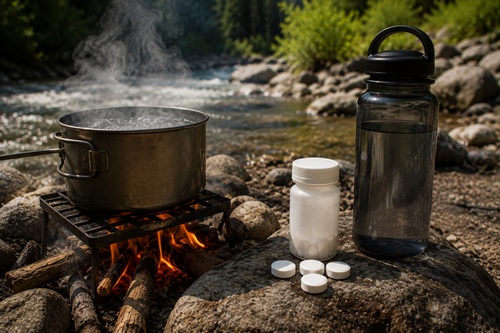
Boiling works by exposing water to temperatures high enough to destroy bacteria, viruses, and parasites. Once the water reaches a rolling boil, the heat quickly inactivates the microorganisms responsible for most waterborne illnesses. Because of its reliability, boiling is often recommended by public health agencies whenever municipal water systems become contaminated after floods, hurricanes, or other disasters.
The biggest advantage of boiling is its simplicity. If you have a pot, a fire, and enough fuel, you already have everything you need. There are no chemicals to measure, no expiration dates to worry about, and no specialized products to purchase ahead of time. Throughout history, people have relied on boiling because the basic principles never change.
Unfortunately, boiling isn’t always practical during an emergency. Producing enough heat requires fuel, and fuel may quickly become one of your most valuable resources. Firewood takes time and energy to gather, propane cylinders eventually run empty, and camping fuel canisters have limited capacity. During extended emergencies, conserving fuel becomes almost as important as finding clean water.
Time is another consideration. Although the boiling process itself is relatively quick once the water reaches temperature, collecting fuel, building a fire, heating the water, and allowing it to cool enough to drink can take considerable time. When you’re tired, cold, or constantly moving, those extra minutes matter.
Water purification tablets offer a very different approach. They require no fire, no stove, no electricity, and virtually no physical effort. Simply add the recommended amount, wait for the required treatment time, and the water is ready. For someone hiking, evacuating, or traveling on foot, carrying a small bottle of tablets is often much easier than carrying enough fuel to boil water every day.
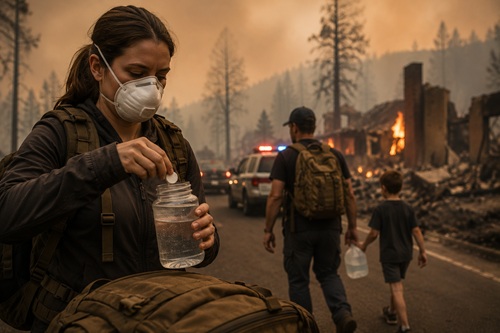
There are situations where tablets have a clear advantage. Imagine traveling during a wildfire evacuation or after a major earthquake. You may not be able to stop and build a fire safely. Smoke, weather conditions, security concerns, or local fire restrictions may make open flames impossible. In those situations, chemical purification allows you to continue moving while your water is being treated.
Boiling also has limitations that many people overlook. While it effectively destroys harmful microorganisms, it does not remove dirt, sediment, heavy metals, pesticides, petroleum products, or other chemical contaminants. If the source water contains industrial pollution or agricultural runoff, boiling may actually concentrate some contaminants as water evaporates.
The same limitation applies to purification tablets. Neither method should be viewed as a solution for chemically contaminated water. Choosing the cleanest available water source remains one of the most important survival skills you can develop.
Taste is another difference between the two methods. Freshly boiled water often tastes flat because some of the dissolved oxygen has been driven off during heating. Allowing the water to cool naturally or pouring it back and forth between clean containers can improve its taste. Purification tablets may leave a slight chemical flavor depending on the active ingredient used, although many modern products produce very little noticeable taste.
One advantage of boiling that is often overlooked is volume. If you have a large pot and an adequate fuel supply, you can purify several gallons of water at one time. This makes boiling particularly useful at a fixed location such as a home, cabin, or campsite where fuel and cookware are readily available. Water purification tablets, by comparison, are typically designed to treat one liter or one quart at a time. Purifying large amounts of water with tablets alone can become time-consuming and expensive.
For this reason, many experienced preppers use different methods depending on the situation. When staying at home with access to fuel and cookware, boiling may become the primary method of water disinfection. During travel, hiking, or evacuation, lightweight purification tablets often become the preferred backup because they require almost no equipment.
Rather than asking which method is better, it’s more useful to ask which method best fits the situation you’re facing. Preparedness is rarely about finding one perfect solution. It’s about having multiple tools available so you can adapt as conditions change.
A well-prepared individual understands the strengths of both methods and knows when each one offers the greatest advantage. By combining boiling, filtration, chemical purification, and proper water storage, you greatly reduce the chances that a single equipment failure or unexpected situation will leave you without safe drinking water.
Pre-Filtering Water Before Using Purification Tablets
One of the most overlooked steps in water purification happens before the tablet ever touches the water. While purification tablets are designed to disinfect microorganisms, they work much better when the water is as clean as possible. Removing dirt, leaves, algae, and other debris before treatment gives the disinfecting chemicals a better chance to reach the harmful organisms they are intended to destroy.
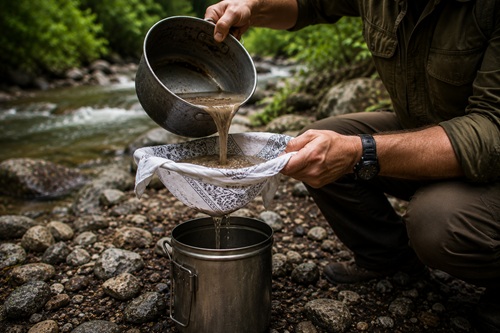
Imagine trying to disinfect a muddy floor without sweeping it first. The disinfectant may still work, but much of it is wasted on the dirt instead of the surface beneath it. The same principle applies to untreated water. Suspended particles can shield bacteria and parasites, reducing the effectiveness of the purification process.
Fortunately, pre-filtering is simple and requires very little equipment.
If the water contains visible debris, allow it to sit undisturbed for several minutes. Sand, mud, and heavier particles will gradually settle to the bottom of the container. Once this happens, carefully pour the clearer water into another clean container without disturbing the sediment. This simple step alone can dramatically improve water clarity.
After allowing the water to settle, strain it through a clean cloth, bandana, cotton T-shirt, coffee filter, or several layers of cheesecloth. These materials will not remove bacteria or viruses, but they do remove many larger particles that interfere with the disinfection process.
Many experienced campers carry a dedicated cloth specifically for this purpose. It weighs almost nothing, costs very little, and can be reused countless times after being cleaned and dried. Some people even keep a stack of inexpensive coffee filters in their emergency supplies because they are lightweight, compact, and surprisingly effective at removing fine sediment.
If you own a mechanical water filter, using it before adding purification tablets often provides the best overall results. The filter removes sediment and many microorganisms, while the chemical treatment provides an additional level of protection against organisms that may pass through or contaminants the filter is not designed to remove. This layered approach is one reason many experienced preppers rarely rely on a single purification method.
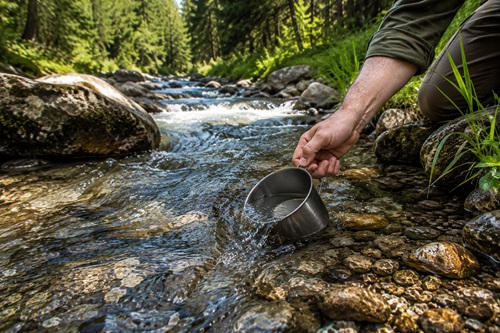
Choosing the cleanest available water source is equally important. Even without specialized equipment, you can often improve water quality simply by selecting a better source. Fast-moving streams are generally preferable to stagnant ponds. Water collected upstream from campsites, livestock, roads, or populated areas is usually a better choice than water collected downstream. Rainwater collected directly into clean containers is often cleaner than water gathered from puddles or drainage ditches.
Even within the same body of water, conditions can vary. Water near the shoreline often contains more sediment than water collected farther out. Areas where animals frequently cross the water should be avoided whenever possible, as should locations near industrial sites, agricultural runoff, or obvious pollution.
It’s important to remember that pre-filtering is not the same as purification. Straining water through cloth may make it look cleaner, but it does not make it safe to drink. Harmful bacteria, viruses, and microscopic parasites remain invisible and can easily pass through ordinary fabrics. Pre-filtering should always be viewed as the first step, followed by proper disinfection using purification tablets, boiling, or another reliable treatment method.
There may be situations where you have no choice but to work with extremely dirty water. Floodwater, muddy ponds, or water collected after storms can contain large amounts of suspended material. In these cases, taking extra time to allow sediment to settle, filtering the water several times, and then applying the appropriate chemical treatment can significantly improve both the safety and appearance of the final product.
The cleaner the water is before treatment, the more effective your purification tablets are likely to be. Spending a few extra minutes pre-filtering can improve taste, increase treatment effectiveness, and reduce the likelihood that harmful microorganisms remain protected within suspended debris.
For experienced preppers, pre-filtering isn’t an optional step—it’s simply part of producing the safest drinking water possible under difficult conditions.
Step-by-Step: Using Water Purification Tablets Correctly
Water purification tablets are designed to be simple, but using them correctly is essential. A common mistake is assuming that adding a tablet instantly makes the water safe to drink. In reality, every step—from choosing the water source to waiting the proper amount of time—plays an important role in reducing the risk of waterborne illness.
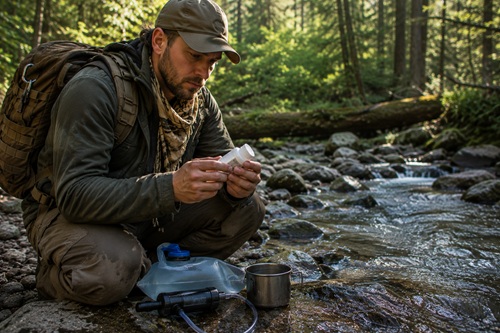
The process begins before you ever fill your bottle. Whenever possible, take a few moments to evaluate the available water sources. A fast-moving stream is generally a better option than stagnant water, and water collected upstream is usually preferable to water found near campsites, livestock, roads, or areas of heavy human activity. Even if you plan to purify the water, starting with the cleanest source available increases your chances of producing safe drinking water.
Once you’ve selected a source, collect the clearest water you can. Avoid scooping up mud, floating leaves, algae, or debris if possible. If the water is cloudy, allow it to sit undisturbed for several minutes so heavier particles settle to the bottom. Carefully pour the clearer water into another container, leaving the sediment behind. If you have a clean cloth, coffee filter, or other simple filtering material, strain the water before moving on to the next step.
Now it’s time to use the purification tablets. Every manufacturer provides instructions for the correct dosage, and these directions should always be followed. Most tablets are designed to treat a specific volume of water, often one liter or one quart. Adding too few tablets may not adequately disinfect the water, while adding extra tablets rarely improves safety and may simply leave the water with an unpleasant chemical taste.
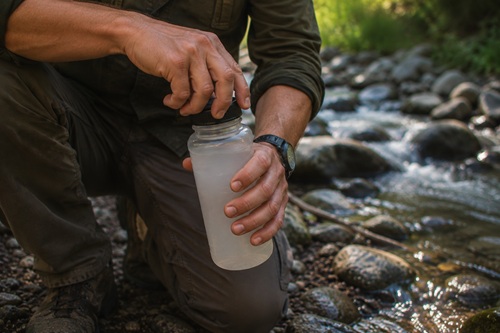
After adding the tablets, securely close the container and shake or stir it thoroughly. This helps distribute the disinfectant evenly throughout the water. Many manufacturers also recommend loosening the cap briefly after shaking so a small amount of treated water can contact the threads and inside of the cap before tightening it again. This simple step helps disinfect areas that might otherwise remain contaminated.
Perhaps the hardest part is waiting. Once the tablets have been added, the disinfectant needs time to work. Depending on the product, the water temperature, and the level of contamination, treatment may take anywhere from thirty minutes to several hours. It can be tempting to drink the water early, especially if you’re thirsty, but doing so may expose you to microorganisms that have not yet been fully inactivated. The waiting period is just as important as adding the tablets themselves.
Cold weather deserves special attention. Chemical reactions slow down as temperatures drop, meaning purification takes longer in cold water than it does in warm water. Some products require significantly longer treatment times when water temperatures approach freezing. Reading the instructions before an emergency helps eliminate guesswork when every minute counts.
Once the required treatment time has passed, the water is generally ready to drink. If you notice a slight chemical taste, don’t be alarmed. This is normal with some purification methods and usually indicates that the disinfectant has done its job. Many people find the taste less noticeable after allowing the water to stand uncovered for a few minutes or by chilling it before drinking when possible.
One often-overlooked part of the process is preventing the water from becoming contaminated again. Always store purified water in clean containers, avoid touching the inside of bottle caps or lids with dirty hands, and never pour purified water back into containers that previously held untreated water without cleaning them first. Cross-contamination can undo all of the work you’ve just completed.
Practice is just as valuable as equipment. Rather than waiting for an emergency, consider treating water during a camping trip or while hiking so you become familiar with the process. You’ll learn how long different products take, how they affect the taste of the water, and how to use them confidently before you truly need them.
Using water purification tablets is not complicated, but attention to detail matters. Choosing the best water source, pre-filtering when necessary, following the manufacturer’s instructions, allowing adequate treatment time, and preventing recontamination all work together to produce water that is significantly safer to drink. Like many preparedness skills, success comes from understanding the process before an emergency forces you to rely on it.
Factors That Affect Water Purification
Water purification tablets are designed to be simple and reliable, but no water treatment method works under every condition without some understanding of the environment. The quality of the water, its temperature, and even how you use the tablets all influence how effective they will be. Knowing what affects the purification process allows you to make better decisions when clean drinking water matters most.
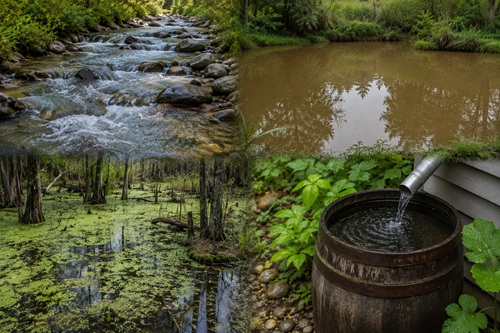
One of the biggest factors is the quality of the water itself. Clear water is generally much easier to disinfect than muddy or cloudy water. Dirt, algae, decaying leaves, and other suspended material can reduce the effectiveness of the disinfecting chemicals by shielding microorganisms from direct contact. While purification tablets can still work in cloudy water, they perform much better when the water has first been allowed to settle and any visible debris has been removed through a cloth or other simple pre-filter.
Water temperature is equally important. Cold water slows chemical reactions, which means disinfectants need more time to do their job. Water collected from snowmelt, mountain streams, or icy lakes may require significantly longer treatment times than water collected during warmer weather. This is one reason it’s important to read the manufacturer’s instructions rather than assuming every product works the same way.
Using the correct dosage is another critical step. Most purification tablets are designed to treat a specific volume of water, usually one liter or one quart. Treating more water than recommended can leave harmful microorganisms behind, while using extra tablets rarely provides additional protection and often results in a stronger chemical taste. Taking a few minutes to know the capacity of your water bottles before an emergency can prevent costly mistakes later.
Time is another factor that should never be rushed. After adding the tablets, the disinfectant needs time to neutralize harmful microorganisms. Drinking the water too soon may expose you to bacteria, viruses, or parasites that have not yet been fully inactivated. When you’re tired or thirsty, waiting can feel difficult, but patience is an important part of the purification process.
Storage conditions also affect the reliability of water purification tablets. Like many emergency supplies, they gradually lose effectiveness over time. Heat, humidity, damaged packaging, and expired products can all reduce their ability to disinfect water. Keeping tablets in their original sealed container and rotating them as part of your regular emergency supplies helps ensure they will perform as expected when needed.
The container holding the water deserves some attention as well. Purifying water inside a dirty bottle can reintroduce contamination even after the treatment is complete. Clean containers with secure lids are always preferred, and care should be taken not to touch the inside of bottle caps or openings with dirty hands.
Finally, remember that water purification tablets are designed to deal with biological contamination—not chemical pollution. They are effective against many bacteria, viruses, and parasites, but they cannot remove gasoline, pesticides, heavy metals, industrial chemicals, salt, or radioactive contaminants. If the water smells like fuel, has an oily sheen, or comes from an area affected by chemical spills or industrial runoff, finding another water source is usually the safest option.
The most effective water treatment begins long before the first tablet is added. Choosing the cleanest available source, removing sediment whenever possible, following the manufacturer’s directions, and allowing enough treatment time all work together to produce safer drinking water. Water purification tablets are an excellent preparedness tool, but like every survival skill, they work best when combined with good judgment and careful planning.
What Water Purification Tablets Cannot Do
One of the most dangerous misconceptions in preparedness is believing that water purification tablets can make any water safe to drink. While they are extremely effective at reducing many biological hazards, they are not a cure-all. Understanding their limitations is just as important as knowing how to use them.
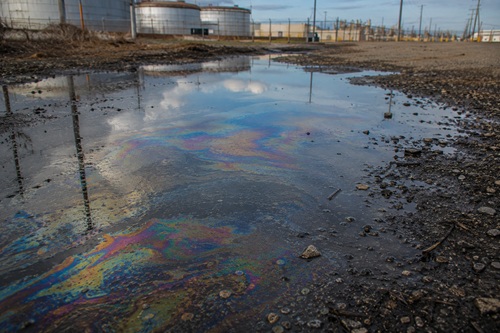
Water purification tablets are designed to disinfect microorganisms such as bacteria, viruses, and many parasites. They do this very well when used correctly, but they do not physically remove contaminants from the water. If the water contains chemicals or pollutants, those substances remain even after the treatment process is complete.
For example, purification tablets cannot remove heavy metals such as lead, mercury, or arsenic. These contaminants can enter water through mining operations, industrial sites, aging plumbing, or naturally occurring mineral deposits. Although the water may be biologically safe after treatment, it can still pose serious health risks if these contaminants are present.
Agricultural runoff is another concern. After heavy rainfall, fertilizers, herbicides, and pesticides can wash into streams, ponds, and rivers. Purification tablets are not designed to neutralize these chemicals. Likewise, they cannot remove petroleum products such as gasoline, diesel fuel, motor oil, or hydraulic fluid. If the water has an oily sheen, smells like fuel, or comes from an area affected by flooding near roads, service stations, or industrial facilities, it should be avoided whenever possible.
Saltwater presents another limitation. Some people mistakenly believe they can purify seawater using tablets. Unfortunately, chemical disinfectants do nothing to remove dissolved salt. Drinking saltwater, even after it has been disinfected, will only worsen dehydration. Producing drinking water from seawater requires desalination equipment specifically designed for that purpose.
Water purification tablets also cannot remove radioactive contamination. While this type of contamination is uncommon, it serves as another reminder that chemical disinfection and chemical decontamination are two very different things. If radioactive fallout is suspected, finding a protected water source is generally a much safer option than attempting to treat contaminated surface water.
Even naturally occurring toxins can remain after treatment. Certain lakes and ponds occasionally experience harmful algal blooms that produce toxins capable of causing serious illness. Although purification tablets may kill some of the microorganisms present, the toxins already released into the water remain. Similarly, water contaminated by decaying animal carcasses or industrial waste may contain harmful substances that chemical disinfectants cannot eliminate.
This is why choosing a good water source is always your first line of defense. No purification method can completely compensate for poor source selection. A clean mountain stream is almost always a better starting point than floodwater flowing through a city or standing water collected beside a highway. Learning to recognize potential contamination risks is one of the most valuable water skills a prepper can develop.
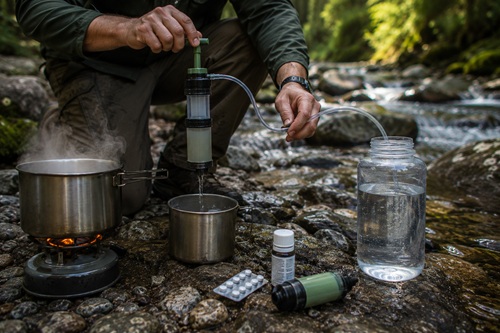
When possible, use multiple treatment methods together. Mechanical water filters can remove sediment and many physical contaminants. Activated carbon filters can improve taste and reduce some chemicals. Boiling destroys biological organisms, while purification tablets provide an additional layer of chemical disinfection. Each method addresses different risks, and together they create a much stronger water treatment system than any single method alone.
The most important lesson is this: purification tablets make questionable water safer, not perfect. They are an outstanding tool for reducing biological hazards, but they cannot transform heavily polluted water into clean drinking water. Good judgment, careful source selection, and understanding the limitations of your equipment remain just as important as carrying the tablets themselves.
Experienced preppers don’t rely on one piece of gear to solve every problem. They understand what each tool is designed to do, what it cannot do, and how to combine multiple methods to produce the safest drinking water possible under changing conditions.
Shelf Life and Proper Storage
Like any piece of emergency equipment, water purification tablets should not be treated as something you buy once and forget about. Although they generally have an excellent shelf life, they are still chemical products that gradually lose effectiveness over time. Proper storage and regular inspection help ensure they will work when you need them most.
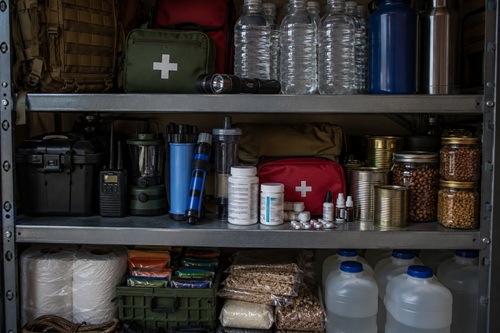
Most manufacturers package their tablets in airtight bottles, foil packets, or individually sealed blister packs to protect them from moisture and air. Keeping the tablets in their original packaging is usually the best way to maximize their usable life. Transferring them into another container may expose them to humidity or contaminants that can shorten their lifespan.
Heat is one of the biggest enemies of long-term storage. Tablets stored in a vehicle throughout the summer, an uninsulated shed, or an attic may be exposed to temperatures well above what the manufacturer intended. Over time, excessive heat can reduce the effectiveness of the active ingredients. If possible, store your primary supply in a cool, dry location inside your home where temperatures remain relatively stable throughout the year.
Moisture is another concern. Water purification tablets are designed to dissolve when they come into contact with water, so even small amounts of humidity can begin breaking them down. If a bottle has been left open, the seal is damaged, or the tablets appear soft, cracked, swollen, or crumbly, they should be replaced. Chemical products that show signs of deterioration should never be relied upon during an emergency.
Checking expiration dates should become part of your regular preparedness routine. Many preppers inspect their emergency supplies once or twice a year, replacing expired food, batteries, medications, and water purification tablets at the same time. This simple habit ensures your equipment is ready long before an emergency occurs.
One advantage of water purification tablets is that they are relatively inexpensive compared to many other preparedness items. Replacing an expired bottle every few years is a small investment considering the importance of having a dependable way to produce safe drinking water. It is far better to discover expired tablets during a routine inspection than during an evacuation or extended power outage.
If you maintain multiple emergency kits, consider distributing your supply rather than storing everything in one location. A bottle in your bug-out bag, another in your vehicle, one in your home emergency supplies, and perhaps a few individually packaged tablets in a hiking pack ensures you have access to water treatment wherever you happen to be. This approach also provides redundancy should one kit become lost or damaged.
Some people wonder whether tablets remain usable after their expiration date. While they may not suddenly stop working on that day, manufacturers can only guarantee their effectiveness up to the stated expiration when stored under recommended conditions. Since there is no practical way to determine whether older tablets still provide full disinfection, replacing them is the safest choice.
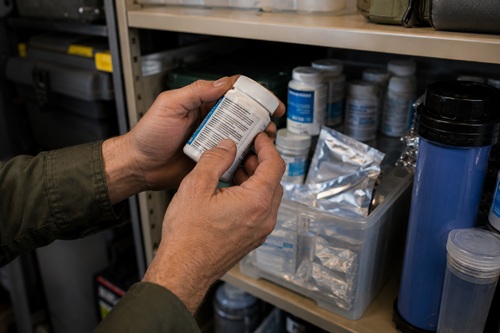
Storage also includes protecting the packaging itself. Keep bottles tightly closed, avoid crushing foil packets, and inspect containers periodically for cracks or other damage. If water or moisture has entered the packaging, replace the tablets immediately rather than taking unnecessary risks.
Just as important as storing the tablets is knowing where they are. During an emergency, you don’t want to spend valuable time searching through closets or storage bins trying to remember where you packed them. Keep them in a consistent location, label emergency kits clearly, and make sure everyone in your household knows where they can be found.
Proper storage requires very little effort, yet it greatly increases the reliability of one of your most important emergency water treatment tools. Combined with regular rotation and periodic inspections, good storage practices ensure your water purification tablets remain ready to perform whenever clean drinking water becomes difficult to find.
Common Mistakes When Using Water Purification Tablets
Water purification tablets are among the easiest emergency water treatment methods to use, yet mistakes still happen. Most of these mistakes aren’t caused by faulty equipment—they happen because people misunderstand what the tablets can do or rush through the process. Fortunately, these problems are easy to avoid once you know what to watch for.
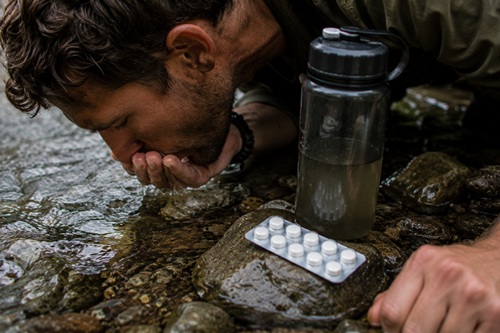
One of the most common mistakes is choosing a poor water source simply because it’s convenient. If you have several options, always select the cleanest water available. Water from a flowing stream is generally a better choice than stagnant water in a ditch or pond. Likewise, avoid collecting water downstream from farms, roads, industrial areas, or places where animals frequently gather. Starting with better-quality water gives every purification method a much better chance of success.
Another common mistake is skipping the pre-filtering step. Many people assume the tablets will “clean everything,” so they add them directly to muddy or debris-filled water. While the tablets may still disinfect much of the water, suspended dirt and organic material can reduce their effectiveness. Taking a few extra minutes to let sediment settle and straining the water through a clean cloth can significantly improve the results.
Using the wrong dosage is another frequent error. Some people try to stretch their supply by treating larger amounts of water with fewer tablets than recommended. Others assume that adding extra tablets will somehow make the water even safer. Neither approach is advisable. Manufacturers carefully determine the proper dosage based on the amount of water being treated. Following those directions provides the best balance between safety and effectiveness.
Perhaps the hardest mistake to avoid is impatience. After adding the tablets, many people are tempted to drink the water before the recommended waiting period has passed, especially if they are hot, tired, or dehydrated. Unfortunately, the disinfecting chemicals need time to neutralize harmful microorganisms. Drinking the water too early may leave you exposed to the very organisms you were trying to eliminate.
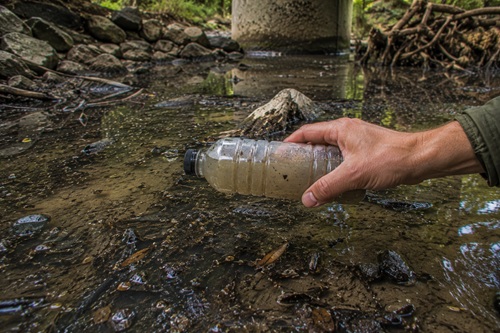
Another mistake is assuming purification tablets improve poor-quality water in every way. While they reduce many biological hazards, they do not remove mud, improve cloudy water, eliminate chemical pollution, or remove heavy metals. If the water has an oily film, smells like fuel, or appears contaminated by industrial or agricultural runoff, purification tablets alone are not enough. Finding another water source is usually the safest decision.
People also forget that clean water can become contaminated again after treatment. Touching the inside of a bottle cap with dirty hands, pouring purified water back into an unwashed container, or dipping dirty utensils into stored drinking water can all reintroduce harmful microorganisms. Good hygiene and careful handling are just as important as the purification process itself.
Another overlooked mistake is failing to inspect emergency supplies. Water purification tablets have a long shelf life, but they don’t last forever. Tablets that are expired, exposed to moisture, or stored in excessive heat may no longer perform as expected. Checking expiration dates during your regular emergency supply inspections helps ensure they’re ready when needed.
Some people make the mistake of relying entirely on purification tablets as their only water treatment method. While they are an excellent backup, preparedness is built on redundancy. A quality water filter, the ability to boil water, stored drinking water, and purification tablets each solve different problems. Having several methods available gives you far more flexibility when conditions change.
Finally, one of the biggest mistakes happens long before an emergency begins—never practicing. Many people purchase water purification tablets, toss them into a backpack, and assume they’ll figure them out later. An actual emergency is the worst time to read instructions for the first time. Using them during a camping trip, hike, or training exercise builds confidence and helps you understand exactly how they work before your safety depends on them.
Water purification tablets are simple, dependable, and highly effective when used correctly. Most mistakes can be avoided by slowing down, following the instructions, and remembering that the tablets are only one part of a complete water treatment strategy. Good source selection, careful handling, and a little practice will do just as much to protect your health as the tablets themselves.
Building a Complete Water Purification Plan
Owning a bottle of water purification tablets is a good start, but true preparedness goes much further than that. Safe drinking water should never depend on a single piece of equipment or one purification method. Every system has strengths, weaknesses, and limitations. If one fails, another should be ready to take its place.
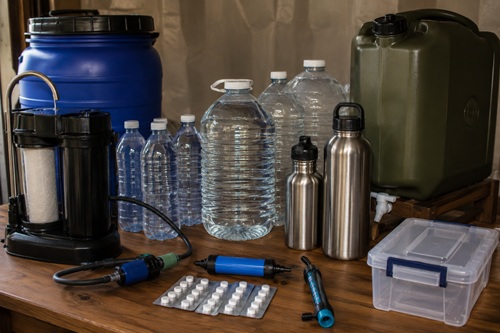
This concept is known as redundancy, and it is one of the foundations of preparedness. Rather than asking, “What’s the best way to purify water?” experienced preppers ask, “How many different ways can I make water safe?” That simple shift in thinking creates a far more resilient emergency plan.
The first layer of any good water plan is stored drinking water. Water you already have is always better than water you need to find. Keeping an emergency supply at home provides immediate access to safe drinking water during power outages, storms, or other short-term emergencies. Depending on your available space, this may range from a few cases of bottled water to larger food-grade storage barrels designed for long-term use.
Eventually, however, stored water runs out. That’s when finding additional water becomes necessary. Every prepper should know the water sources available near their home, workplace, and common travel routes. Rivers, lakes, ponds, springs, rainwater collection systems, and even swimming pools may become valuable resources depending on the situation. Of course, each source presents its own challenges, which is why treatment becomes so important.
Mechanical filtration should be another part of your plan. A quality water filter removes sediment and many disease-causing organisms while improving the appearance and taste of the water. Filters are often the fastest option when treating relatively clear water and can produce large quantities without introducing chemical flavors.
Water purification tablets provide an excellent backup to filtration. Because they weigh very little and require no moving parts, they are ideal for bug-out bags, vehicle emergency kits, hiking packs, and travel. Even if your primary filter becomes clogged, damaged, or lost, a small bottle of tablets can continue providing a dependable method of disinfecting water.
Boiling remains another dependable option, especially when you’re staying in one location and have access to cookware and fuel. It has been used successfully for centuries and requires no specialized equipment beyond a heat source. Although boiling consumes fuel and takes time, it remains one of the most trusted methods of destroying harmful microorganisms.
Some preppers also include rainwater harvesting as part of their long-term preparedness strategy. Rainwater can provide a valuable renewable source of water when collected properly using clean gutters, storage tanks, and food-grade containers. While rainwater often requires treatment before drinking, it can greatly reduce dependence on outside water supplies during extended emergencies.
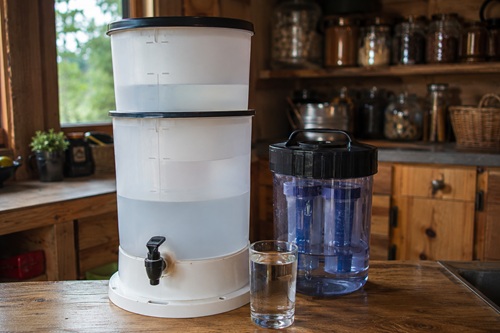
For larger families or long-term situations, gravity-fed filtration systems offer another practical solution. These systems can process several gallons of water at a time with very little effort, making them well suited for home preparedness. While they are less portable than small backpacking filters, they can supply a household with a steady source of drinking water during prolonged emergencies.
Just as important as producing clean water is storing it safely afterward. Clean containers with tight-fitting lids help prevent recontamination. Labeling treated water, rotating stored supplies, and keeping containers out of direct sunlight all contribute to maintaining water quality over time.
It’s also wise to distribute your equipment instead of storing everything in one location. Keep water purification tablets in your bug-out bag, your vehicle, and your home emergency supplies. Store additional filters where they’ll be needed most. If one kit becomes inaccessible, you’ll still have other options available.
Training is another part of your water plan that is often overlooked. The best equipment in the world has little value if you’ve never used it. Practice filtering water during camping trips. Try using purification tablets before they become an emergency necessity. Learn how your equipment works, how long treatment takes, and how much water it can realistically produce each day. Experience builds confidence, and confidence reduces mistakes when conditions become stressful.
Perhaps the most important lesson is that flexibility matters. Every emergency is different. A weekend power outage requires a different approach than a month-long evacuation or a backcountry survival situation. The more purification methods you understand, the easier it becomes to adapt as circumstances change.
Preparedness isn’t about finding the perfect water purification product. It’s about building a system that continues working even when one part of it fails. Stored water, good source selection, filtration, chemical purification, boiling, and proper storage all support one another. Together they provide something far more valuable than any single product can offer—the confidence that you can continue providing safe drinking water for yourself and your family, regardless of what tomorrow brings.
Choosing the Right Water Purification Tablets
Walk into an outdoor store or search online for water purification tablets, and you’ll quickly discover there are dozens of options available. Different brands advertise faster treatment times, better taste, longer shelf lives, or broader protection against microorganisms. With so many choices, it’s easy to assume the most expensive product must also be the best. In reality, the right choice depends on how you plan to use it.
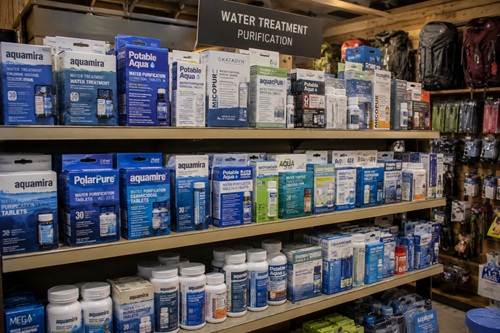
Rather than focusing on brand names, it’s more useful to understand the features that actually matter. Once you know what to look for, comparing different products becomes much easier.
One of the first things to consider is what the tablets are designed to protect against. Most products are highly effective against bacteria, while others also provide protection against viruses and protozoan parasites. Depending on where you live, where you travel, and the types of emergencies you’re preparing for, this may influence which product best fits your needs. Always read the product information carefully so you understand exactly what it is intended to treat.
Treatment time is another important consideration. Some purification tablets can produce drinkable water relatively quickly, while others require significantly longer, particularly when treating cold water or targeting more resistant organisms. If you expect to spend time hiking, hunting, or traveling where you’ll frequently need water throughout the day, a shorter treatment time may be worth considering. On the other hand, if the tablets are simply part of your home emergency supplies, waiting a little longer may not be a major concern.
Taste is something many first-time users overlook. Some disinfectants leave very little noticeable flavor, while others produce a stronger chemical taste. Although taste has no bearing on whether the water is safe, it can influence how much people are willing to drink. Staying properly hydrated during an emergency is essential, so choosing a product with a taste you find acceptable can make a real difference.
Shelf life is another feature worth paying attention to. Emergency supplies often sit unused for years before they’re needed. Products with longer shelf lives generally require less frequent replacement and are often a better choice for long-term storage. Regardless of the manufacturer’s stated shelf life, remember that proper storage remains essential. Heat, moisture, and damaged packaging can shorten the useful life of almost any product.
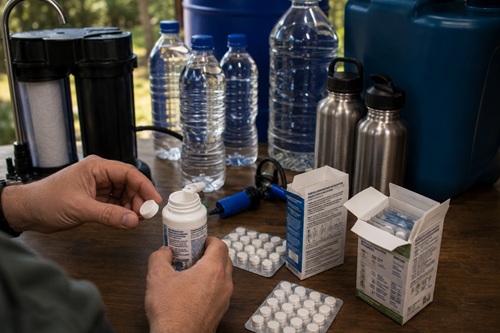
The amount of water a package can treat is another useful comparison. Two products with similar prices may purify very different amounts of water. Looking at the cost per liter rather than simply the purchase price provides a much better picture of overall value. For someone building long-term emergency supplies for an entire family, treatment capacity may be just as important as the initial purchase price.
Packaging is another factor that deserves consideration. Some tablets are individually sealed, while others are packaged together in small bottles. Individually wrapped tablets offer excellent protection from moisture and make it easy to divide them among several emergency kits. Bottled tablets are often more economical and convenient for home storage but may be slightly less practical if you want to distribute them throughout multiple bags or vehicles.
Weight and size become increasingly important if you expect to carry your supplies over long distances. Backpackers, hunters, and bug-out planners often prioritize lightweight gear that occupies very little space. Fortunately, most purification tablets weigh only a few ounces, making them one of the easiest emergency supplies to carry.
Ease of use is another consideration that shouldn’t be overlooked. Some products require only dropping a tablet into the water and waiting. Others involve multiple steps or separate neutralizing tablets to improve taste. Neither approach is necessarily better, but simpler products may be easier to use during stressful situations or by family members who have little experience with emergency water treatment.
Before making a purchase, spend a few minutes reading the manufacturer’s instructions. Look for information about recommended water volume, treatment times, storage recommendations, expiration dates, and any precautions for individuals with specific medical conditions. Understanding these details before an emergency helps eliminate confusion when time matters most.
One of the best ways to evaluate any purification tablet is to practice with it. Treat a bottle of drinking water during a camping trip or weekend hike. Pay attention to how easy it is to use, how long the process takes, and whether the taste is acceptable to you and your family. That experience is far more valuable than simply reading product descriptions or online reviews.
In the end, there is no perfect water purification tablet for every prepper or every situation. The best choice is the one that fits your emergency plan, works well with your other water treatment methods, and gives you confidence that you can produce safe drinking water whenever the need arises. Knowledge, preparation, and practice will always matter more than the name printed on the package.
Real-World Survival Scenarios
Reading about water purification is valuable, but actually thinking through realistic situations is where the knowledge becomes practical. Emergencies rarely unfold exactly as we imagine, and no two situations are ever identical. The better you understand when and how to use water purification tablets, the more useful they become.

The following examples aren’t meant to predict the future. Instead, they demonstrate how water purification tablets fit into a larger preparedness plan under different circumstances.
Scenario 1: A Multi-Day Power Outage
A severe ice storm has knocked out electricity across your region. The municipal water system is still functioning, but local officials issue a boil-water advisory because the treatment plant lost power for several hours.
Since you already have stored drinking water, there is no immediate concern. Over the next several days, however, your supply begins to shrink. Rather than using valuable fuel to boil every gallon of water, you use water purification tablets for drinking water while reserving your propane for cooking and heating.
In this situation, the tablets reduce your dependence on fuel while allowing you to stretch your emergency supplies much further.
Scenario 2: Evacuating on Foot
A wildfire is spreading rapidly toward your community, forcing an evacuation. Roads are congested, fuel stations are closed, and you eventually continue on foot carrying only what fits inside your backpack.
Along the route you find several streams and ponds. Although the water appears clean, you know better than to drink it untreated. After collecting the clearest water available, you filter it through a cloth, add purification tablets, and continue walking while the treatment works.
Instead of stopping to build a fire or carrying large amounts of water, you remain mobile while still maintaining access to safe drinking water.
Scenario 3: Flooding After a Major Storm
Heavy rainfall has flooded roads, overwhelmed storm drains, and contaminated many local water sources. Standing water is everywhere, but much of it contains sewage, chemicals, fuel, and other pollutants washed in by floodwaters.
Even though you have water purification tablets, you recognize their limitations. Rather than attempting to purify floodwater, you collect rainwater in clean containers and use stored water whenever possible. You understand that purification tablets disinfect microorganisms but cannot remove chemical contamination.
Knowing what not to drink is every bit as important as knowing how to purify water.
Scenario 4: Vehicle Breakdown in a Remote Area
While traveling through a remote region, your vehicle breaks down many miles from the nearest town. Temperatures are warm, and your bottled water is running low.
Fortunately, your emergency vehicle kit includes purification tablets and a small metal container. A nearby creek provides a dependable source of water. After selecting the clearest location, pre-filtering the water through a clean cloth, and treating it according to the instructions, you are able to remain hydrated while waiting for assistance.
A small bottle of tablets, forgotten in your emergency kit for years, suddenly becomes one of your most valuable supplies.
Scenario 5: Extended Camping or Hunting Trip
A multi-day hunting trip takes longer than expected due to poor weather. Your planned water supply is nearly exhausted, but several streams cross the area.
Rather than carrying several extra gallons of water from the start, you rely on your water filter as your primary treatment method and keep purification tablets as a backup. If your filter becomes clogged, damaged, or lost, you still have another dependable way to disinfect drinking water.
Redundancy is what turns a minor inconvenience into a manageable problem instead of a survival emergency.
Scenario 6: Long-Term Sheltering at Home
An extended regional emergency has disrupted normal services for several weeks. Grocery stores remain closed, fuel is limited, and public utilities are operating only intermittently.
Your stored drinking water provided an excellent start, but you planned for more than just the first few days. Rainwater collection barrels now provide an additional source of water for washing, gardening, and, after proper treatment, drinking.
Some days you boil water using a wood stove. Other days you use your gravity filter. When you need a lightweight backup or want to conserve fuel, water purification tablets become another valuable tool in your overall water plan.
Because you prepared multiple ways to produce safe drinking water, you are able to adapt as conditions change instead of depending on a single solution.
The Lesson Behind Every Scenario
Every emergency is different. Some situations require speed, while others reward patience. Sometimes fuel is plentiful. Other times it becomes one of your most valuable resources. Weather changes, available water sources change, and your equipment may not always work exactly as planned.
The common thread through every scenario is flexibility.
Preparedness is rarely about finding the perfect piece of gear. It’s about understanding your options and knowing when each one offers the greatest advantage. Water purification tablets are not designed to replace filters, boiling, or stored water. They are another layer of protection that expands your ability to adapt when circumstances become unpredictable.
The more methods you understand before an emergency begins, the more confidence you’ll have when it’s time to put those skills into practice.
Preparedness Perspective
It’s easy to think of water purification tablets as just another item to check off your preparedness list. Buy a bottle, toss it into a backpack, and hope you never need it. While that’s certainly better than having nothing at all, preparedness is about much more than collecting gear.

The real value of water purification tablets isn’t the tablets themselves—it’s what they represent. They give you options.
When clean drinking water is no longer coming from the tap, having multiple ways to produce safe water gives you flexibility. If your water filter breaks, the tablets can take over. If you’re low on fuel and can’t boil water, the tablets become another solution. If you’re traveling light and every ounce matters, a small bottle of tablets can provide days or even weeks of emergency water treatment while taking up almost no space.
This is one of the core principles of preparedness: avoid relying on a single point of failure.
The same mindset applies throughout preparedness. You don’t keep one flashlight—you keep backups. You don’t rely on one source of food—you diversify. You don’t depend entirely on the electrical grid—you prepare for outages. Water should be viewed the same way. The more ways you can safely collect, store, filter, disinfect, and transport water, the more resilient you become.
It’s also worth remembering that knowledge is just as important as equipment. Someone who understands how to locate good water sources, recognize contamination risks, and properly use purification methods is often better prepared than someone with thousands of dollars’ worth of gear they’ve never practiced using. Equipment can be lost, damaged, or forgotten. Skills stay with you.
Preparedness is rarely about dramatic survival situations. More often, it’s about dealing with ordinary disruptions that become inconvenient because people weren’t ready. A broken water main, a severe storm, a wildfire evacuation, or a prolonged power outage can all interrupt access to safe drinking water. Having the knowledge and equipment to solve that problem calmly is what preparedness is all about.
Another lesson worth remembering is that every emergency is different. During one event, boiling may be the best solution because fuel is readily available. During another, a lightweight water filter might be the obvious choice. In yet another situation, water purification tablets may become your most valuable resource because they’re compact, dependable, and require no electricity or fuel. There is rarely one perfect answer. The ability to adapt is often more valuable than the equipment itself.
Many experienced preppers eventually realize that preparedness isn’t about fear—it’s about reducing dependence. Every new skill you learn and every capability you add gives you one less problem to worry about during an emergency. Water purification is one of those foundational skills because every person, every day, depends on safe drinking water.
If there’s one lesson to take away from this guide, it’s this: don’t wait until an emergency to learn how you’ll produce clean water. Practice with your equipment, understand its strengths and limitations, and build a system with multiple layers of protection. Safe drinking water isn’t something you want to figure out after the taps stop running.
The goal has never been to own the “best” water purification tablet. The goal is to develop the knowledge, confidence, and flexibility to keep yourself and your family supplied with safe drinking water regardless of the circumstances. That’s what real preparedness looks like.
Key Takeaways
Water is one of the few resources you cannot live without, making the ability to produce safe drinking water one of the most valuable preparedness skills you can develop. Whether you’re facing a short-term power outage, an evacuation, or a long-term emergency, having several reliable ways to purify water greatly increases your ability to adapt.
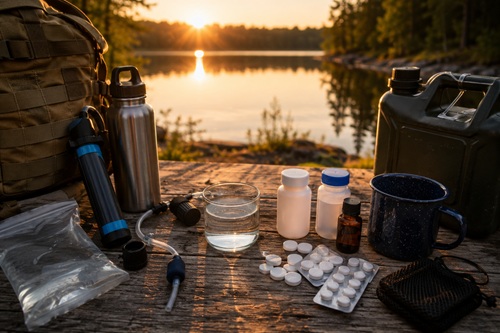
Water purification tablets are an excellent addition to any emergency kit because they are lightweight, compact, inexpensive, and require no electricity or fuel. When used according to the manufacturer’s instructions, they provide an effective way to reduce many harmful bacteria, viruses, and parasites that may be present in untreated water.
At the same time, it’s important to understand their limitations. Purification tablets are designed to disinfect biological contaminants, but they cannot remove chemicals, heavy metals, salt, fuel, pesticides, or other forms of pollution. Choosing the cleanest available water source will always be one of the most important steps in producing safe drinking water.
Proper technique matters just as much as the tablets themselves. Pre-filtering cloudy water, using the correct dosage, allowing enough treatment time, and storing purified water in clean containers all improve the overall effectiveness of the process. Small details often make the difference between simply treating water and treating it correctly.
Preparedness is built on layers rather than single solutions. Stored drinking water, rainwater collection, mechanical filtration, boiling, and chemical purification each have strengths and weaknesses. Combining several methods creates a much more reliable system than relying on any one approach alone.
Finally, remember that equipment alone doesn’t make someone prepared. Practice using your water purification tablets before you need them. Learn where reliable water sources are located near your home, understand how your equipment works, and build the confidence that comes from experience. The time to learn these skills is long before an emergency arrives.
Remember
- Always choose the cleanest water source available.
- Pre-filter cloudy water whenever possible.
- Follow the manufacturer’s directions exactly.
- Allow the full treatment time before drinking.
- Store tablets properly and replace them before they expire.
- Never rely on a single method of water purification.
- Practice your water treatment skills before an emergency.
- Safe water is one of the foundations of long-term preparedness.
The goal isn’t simply to own water purification tablets. The goal is to understand how and when to use them as part of a complete water preparedness plan. When you combine good knowledge with dependable equipment and practical experience, you’ll be prepared to provide safe drinking water for yourself and your family in almost any situation.
© Prepping Communities. This content is for informational purposes only and not professional advice. Use at your own risk.
Terms | Privacy | Guidelines