
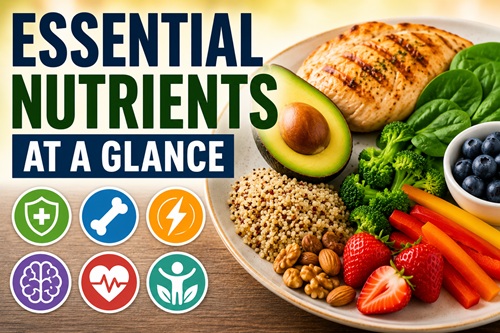
Vitamins and minerals are essential nutrients that help your body function properly every day. While carbohydrates, fats, and proteins provide energy and building blocks for the body, vitamins and minerals support thousands of chemical processes that keep your organs, muscles, bones, nerves, and immune system working efficiently.
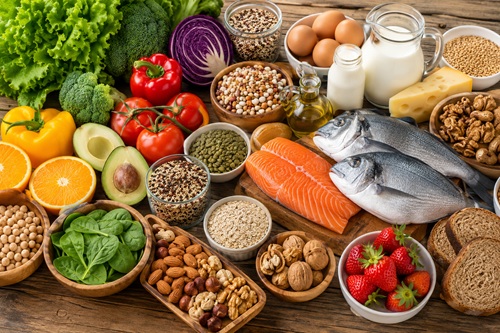
Many people think about vitamins only when they become sick, but these nutrients play an important role long before illness develops. They help your body produce energy from food, repair damaged tissues, strengthen bones, regulate hormones, support brain function, maintain healthy skin, and protect cells from damage caused by normal metabolism and environmental stress.

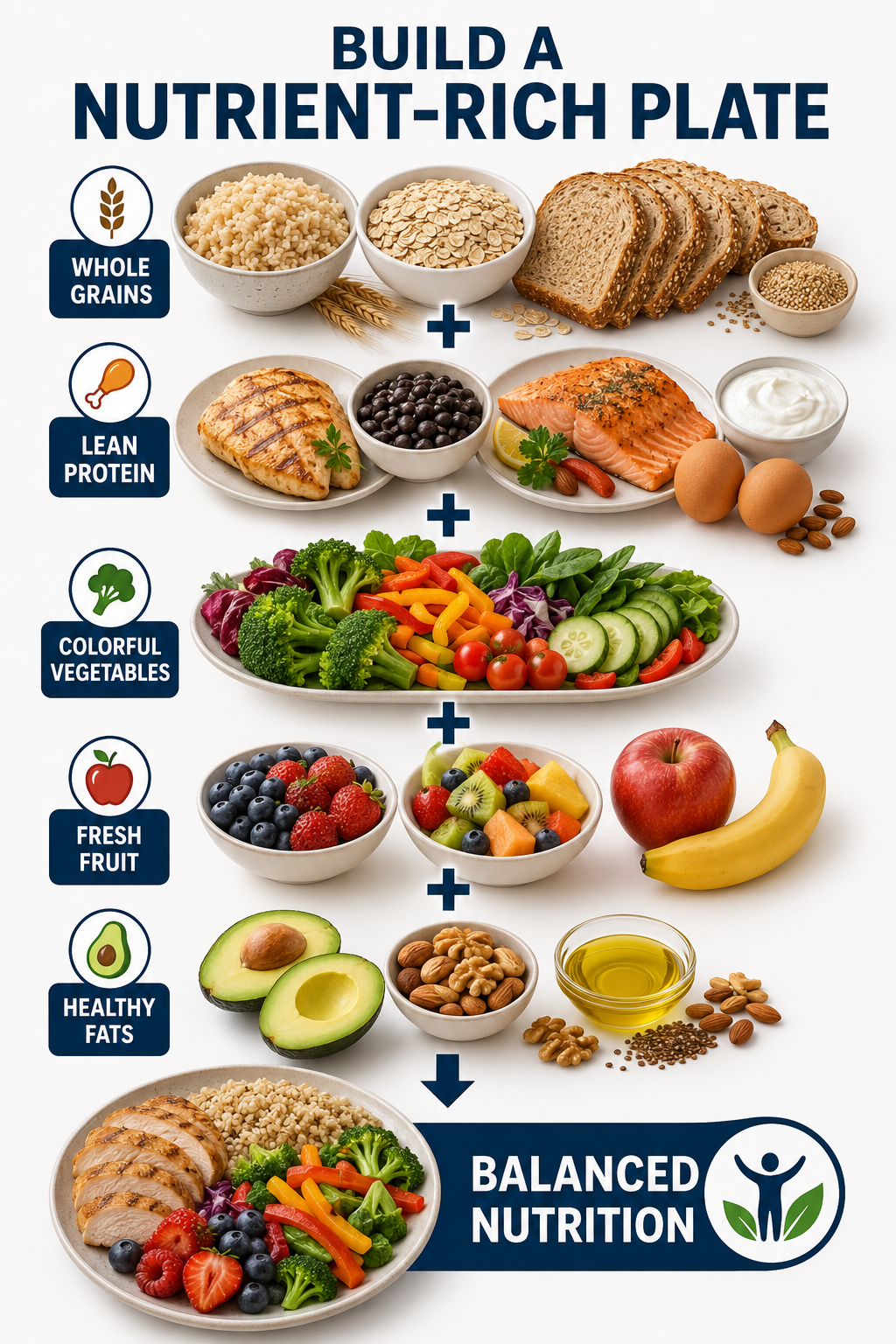
A balanced diet containing fruits, vegetables, whole grains, lean proteins, dairy products, legumes, nuts, and seeds is usually the best source of these nutrients. However, understanding what each vitamin and mineral does can help you make better food choices and recognize why dietary variety is so important.
Vitamin A
Vitamin A is well known for supporting healthy vision, particularly in low-light conditions, but its benefits extend much further. 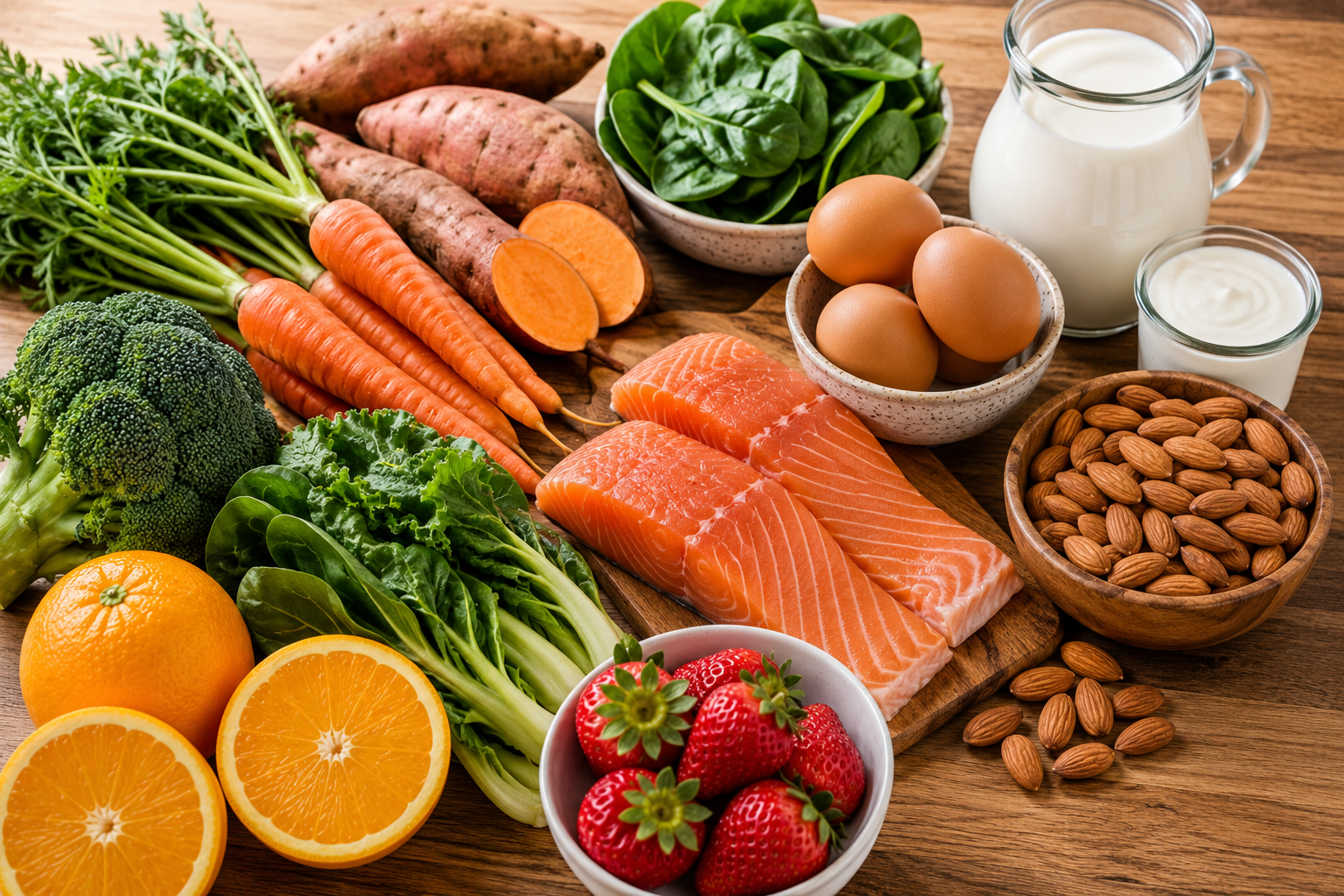 It contributes to a healthy immune system, supports normal skin and tissue repair, and plays an important role in growth and cell development.
Common food sources include carrots, sweet potatoes, spinach, kale, liver, eggs, and dairy products.
Vitamin C
Vitamin C supports immune function and helps the body produce collagen, an important protein used in skin, blood vessels, cartilage, and connective tissue. It also acts as an antioxidant that helps protect cells from damage.
Good sources include oranges, strawberries, kiwi, bell peppers, broccoli, tomatoes, and Brussels sprouts.
Vitamin D
Vitamin D helps the body absorb calcium and phosphorus, making it essential for strong bones and teeth. It also contributes to muscle function and supports a healthy immune system.
Your body naturally produces Vitamin D when skin is exposed to sunlight, while fatty fish, egg yolks, fortified milk, and fortified cereals also provide dietary sources.
Vitamin E
Vitamin E is a powerful antioxidant that protects cells from damage caused by free radicals. It also supports immune function and contributes to healthy skin, hair, and blood vessels.
Foods rich in Vitamin E include almonds, sunflower seeds, spinach, avocados, peanuts, and vegetable oils.
Vitamin K
Vitamin K is best known for its role in normal blood clotting, but it is equally important for maintaining healthy bones.
Excellent food sources include kale, spinach, broccoli, Brussels sprouts, cabbage, and other leafy green vegetables.
The B Vitamins
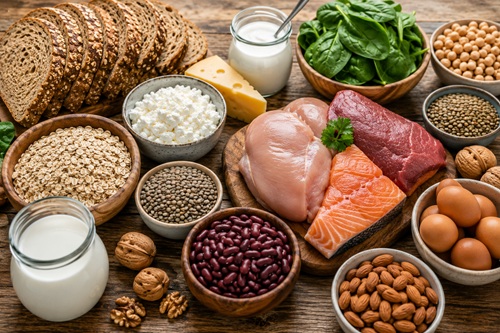
The B vitamins work together to convert food into energy while supporting the nervous system, brain function, red blood cell production, and healthy metabolism.
This group includes:
- Vitamin B1 (Thiamine)
- Vitamin B2 (Riboflavin)
- Vitamin B3 (Niacin)
- Vitamin B5 (Pantothenic Acid)
- Vitamin B6
- Vitamin B7 (Biotin)
- Vitamin B9 (Folate)
- Vitamin B12
Whole grains, meat, poultry, fish, eggs, dairy products, beans, leafy greens, and nuts all provide various B vitamins.
Calcium
Calcium is the primary mineral responsible for building and maintaining strong bones and teeth. 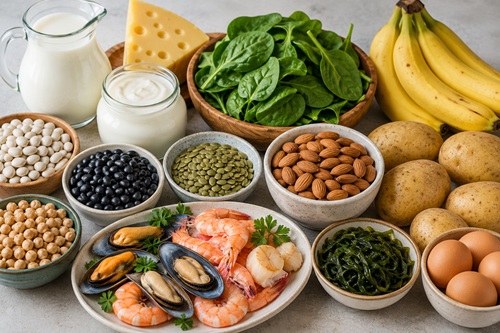 It also supports muscle contractions, nerve signaling, blood clotting, and heart function.
Dairy products, fortified plant milks, leafy greens, sardines, and tofu are excellent calcium sources.
Iron
Iron allows red blood cells to carry oxygen throughout the body. Without enough iron, fatigue and reduced physical performance may occur.
Red meat, poultry, seafood, beans, lentils, spinach, pumpkin seeds, and fortified cereals are common dietary sources.
Magnesium
Magnesium participates in hundreds of chemical reactions throughout the body. It supports muscle relaxation, nerve function, heart rhythm, blood sugar regulation, and healthy bones.
Good sources include almonds, pumpkin seeds, spinach, black beans, whole grains, and dark chocolate.
Zinc
Zinc supports immune function, wound healing, cell growth, and normal taste and smell. It also contributes to healthy skin and reproductive health.
Foods containing zinc include beef, shellfish, poultry, dairy products, beans, nuts, and seeds.
Selenium
Selenium acts as an antioxidant while 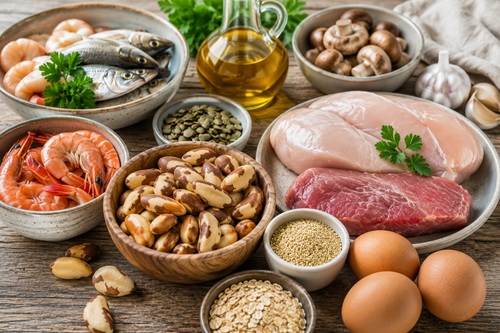 supporting thyroid function and immune health.
Brazil nuts are one of the richest sources, along with seafood, eggs, poultry, and whole grains.
Potassium
Potassium helps regulate fluid balance, supports muscle contractions, nerve signals, and contributes to healthy blood pressure.
Bananas, potatoes, oranges, tomatoes, beans, yogurt, spinach, and avocados all provide potassium.
Iodine
Iodine is essential for normal thyroid hormone production, which regulates metabolism and energy use.
Seafood, dairy products, eggs, and iodized salt are among the most common sources.
Other Important Trace Minerals
Although required in much smaller amounts, several trace minerals remain essential for good health.
Copper supports iron metabolism and red blood cell formation. Manganese assists with bone formation and metabolism. Chromium helps regulate blood sugar metabolism. Molybdenum supports important enzyme functions, while boron contributes to bone health. Other trace minerals such as cobalt and vanadium continue to be studied for their roles in normal human health.
Getting Nutrients Naturally

For most healthy people, the best approach is obtaining vitamins and minerals through a balanced, varied diet rather than relying entirely on supplements. Whole foods provide fiber, healthy fats, protein, antioxidants, and thousands of naturally occurring plant compounds that work together to support overall health.
Supplements may be helpful in certain situations, but they should complement – not replace -a nutritious diet.
Preparedness Perspective
For preparedness-minded families, nutrition is about more than simply storing calories. Long-term food supplies should include a variety of foods that provide essential vitamins and minerals to help maintain health during extended emergencies.
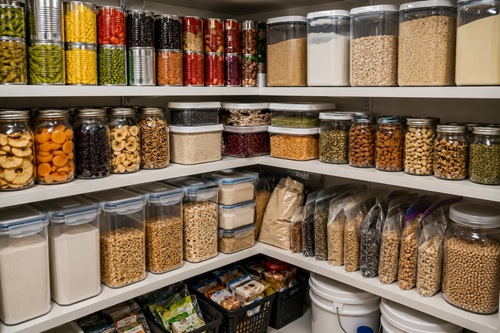
When building a food storage pantry, include canned vegetables, dried beans, whole grains, powdered milk, nuts, seeds, dehydrated fruits, and other nutrient-rich foods. A well-balanced emergency food supply supports energy, immunity, and overall health far better than relying on highly processed foods alone.
Key Takeaways
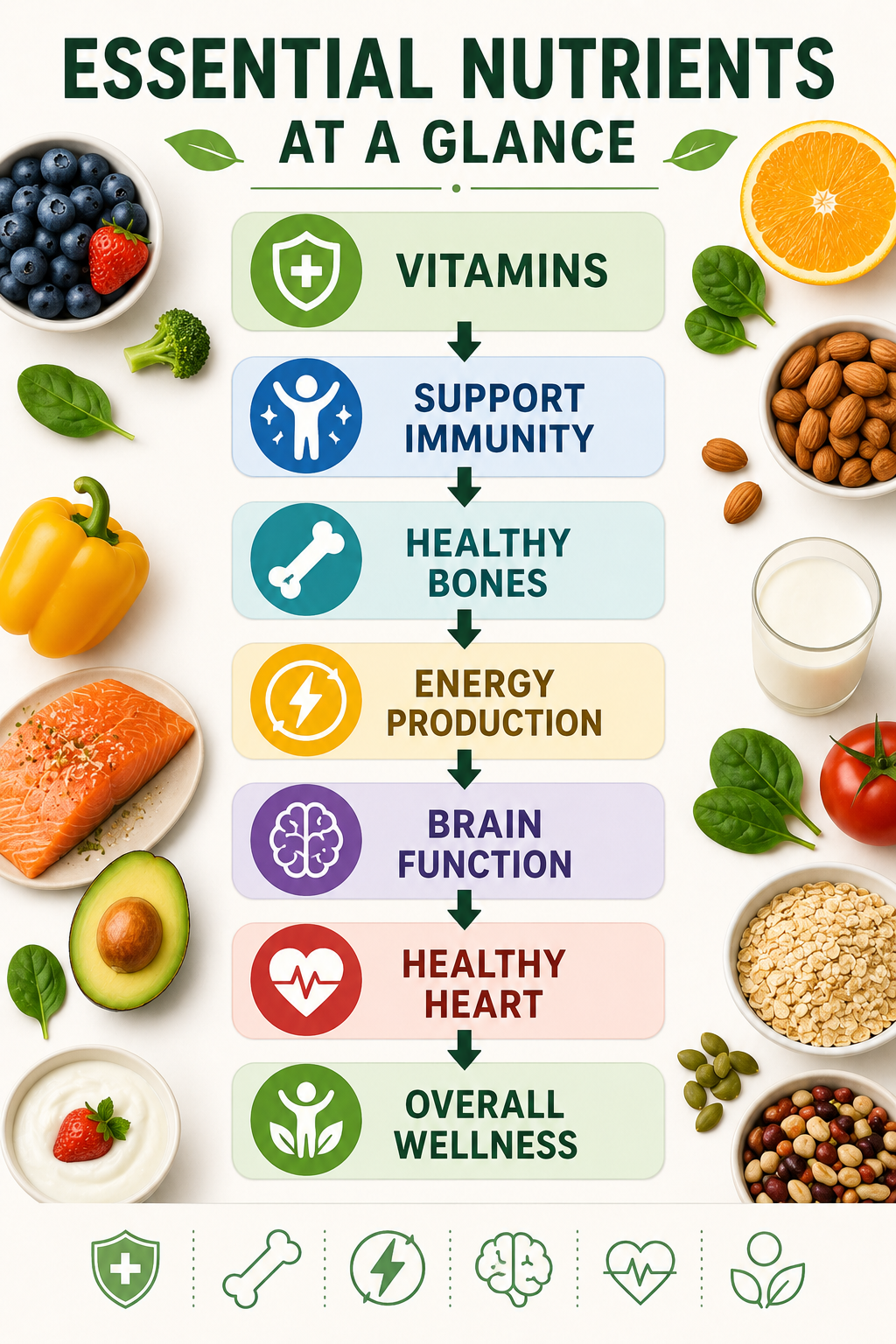
Vitamins and minerals support nearly every function in the human body, from producing energy and maintaining strong bones to supporting brain function and strengthening the immune system. While each nutrient has its own unique role, they work together to keep the body functioning properly.

Eating a wide variety of nutritious foods remains the simplest and most effective way to obtain these essential nutrients. Whether you’re focused on everyday wellness or long-term preparedness, understanding the importance of vitamins and minerals can help you make healthier food choices for yourself and your family.
© Prepping Communities. This content is for informational purposes only and not professional advice. Use at your own risk.
Terms | Privacy | Guidelines