
Introduction
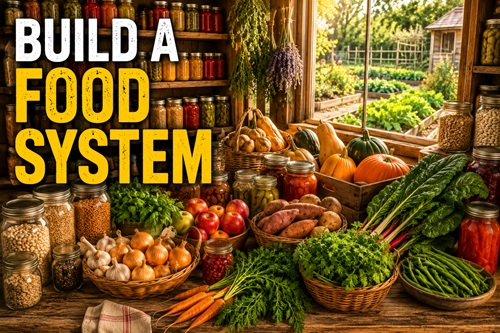
Food preparedness is often associated with shelves full of canned goods, buckets of grains, freeze-dried meals, and emergency rations. While these supplies certainly have their place, they represent only one part of a truly resilient food system. Throughout history, people survived without supermarkets, refrigeration, electricity, or global supply chains because they understood something many of us have forgotten: food security is not created by what you own – it is created by what you know.
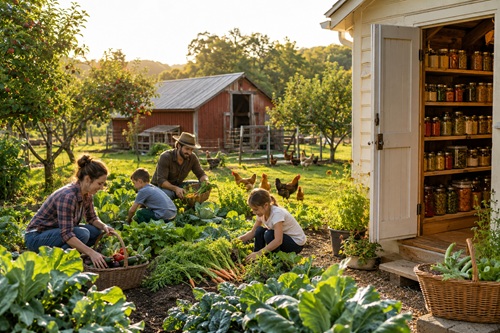
For thousands of years, communities around the world developed practical food systems that allowed them to survive harsh winters, droughts, crop failures, poor harvests, and long periods without outside assistance. They learned which crops produced the most food for the least amount of effort, which wild plants could safely supplement their diets, how to preserve seasonal harvests without electricity, and how to store food so it remained edible for months or even years. Most importantly, they viewed food as a continuous cycle rather than a single event. Every growing season prepared them for the next one, and every harvest created opportunities to produce even more food in the future.
Modern preparedness benefits greatly from these same principles. Technology has given us remarkable tools, but it has not changed the basic realities of producing, preserving, and storing food. Gardens still require healthy soil. Harvests still need to be preserved before they spoil. Seeds still need to be saved. Water is still essential, and knowledge continues to be one of the most valuable preparedness resources anyone can possess.
The purpose of this guide is not to encourage readers to abandon modern conveniences or attempt to live exactly as previous generations did. Instead, it explores the timeless ideas that allowed traditional communities to remain food secure and shows how those same principles can strengthen a modern preparedness plan. Whether you live in an apartment with a small balcony, a suburban home with raised garden beds, or a rural homestead, these concepts can help you build a food system that becomes more productive, more efficient, and more resilient with every passing year.
As you read through this guide, try to look beyond individual techniques and focus on the bigger picture. Successful food preparedness is not built around one garden, one pantry, or one preservation method. It is built by combining many different skills into a system where each part supports the others. That way, if one source of food becomes unavailable, several others remain ready to take its place.
Food Security Starts Long Before an Emergency
When most people think about emergency food, they picture buying supplies and putting them on a shelf. That is certainly an important step, but it is only the beginning. A pantry full of food provides security for a limited period of time. Eventually those shelves become empty unless they can be replenished. True food preparedness begins long before an emergency because it focuses not only on storing food but also on creating reliable ways to replace it.
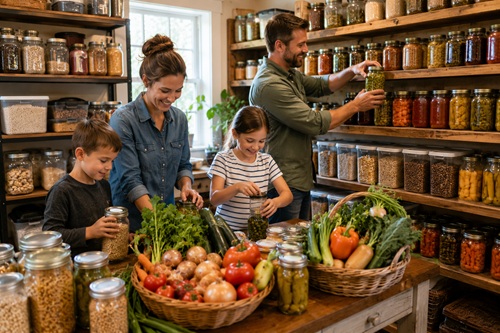
Traditional communities rarely depended on a single source of food. Instead, they built complete food systems that produced nourishment throughout the entire year. Gardens supplied vegetables during the growing season. Fruit trees and berry bushes produced dependable harvests every year. Livestock converted grass and grain into meat, milk, eggs, and fat. Rivers, lakes, and forests provided fish, game, nuts, berries, and edible plants that supplemented cultivated crops. Whenever food became abundant, families immediately began preserving the surplus so it would remain available long after the harvest had ended. Every part of the system worked together, reducing the risk that a single poor harvest or difficult season would leave people without enough to eat.
This layered approach remains just as valuable today. A well-stocked pantry provides immediate security while your garden is growing. Fresh vegetables reduce grocery expenses during the summer, while preserved harvests continue feeding your family through autumn and winter. Fruit trees may require several years before producing significant harvests, but once established they often provide food for decades. Learning to identify a handful of edible wild plants adds another layer of resilience, while cooking from basic ingredients allows simple foods to become nutritious, satisfying meals.
One of the easiest ways to understand this concept is to think about a single tomato plant. Most people see a basket of fresh tomatoes ready to eat. A preparedness-minded person sees much more. Those tomatoes can become pasta sauce, salsa, soup, canned tomatoes, tomato powder, dehydrated slices, juice, ketchup, and seeds for next year’s garden. The remaining plant material can be composted to improve the soil for future harvests. One crop produces multiple food products while simultaneously helping support next year’s garden. The harvest becomes part of an ongoing cycle rather than a single meal.
This same way of thinking applies to nearly every preparedness activity. Growing potatoes is useful, but knowing how to cure them for storage, save seed potatoes, prepare dozens of meals from them, and preserve excess harvests makes them far more valuable. 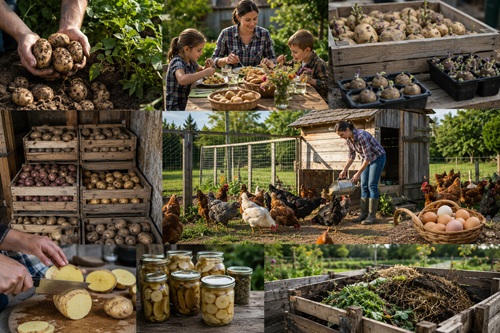 Keeping chickens provides eggs, but understanding feed production, flock health, breeding, and manure composting transforms a small flock into an ongoing food resource. Practical skills multiply the value of every harvest because they allow you to make full use of what you produce instead of depending on constant replacement from outside sources.
Building a resilient food system does not happen in a single growing season. It develops gradually as each new skill builds upon the last. One year you may learn to grow vegetables successfully. The following year you begin preserving your harvest. Later you add composting, seed saving, fruit trees, or rainwater collection. Over time these individual skills become connected, creating a food system that grows stronger, more productive, and more sustainable every year.
Preparedness Perspective
Preparedness is often measured by the amount of food stored on a shelf, but lasting food security is measured by something much greater—the ability to continually produce, preserve, store, and prepare food regardless of changing circumstances. Supplies eventually run out. Practical skills continue producing value for the rest of your life.
Grow Calories, Not Just Vegetables
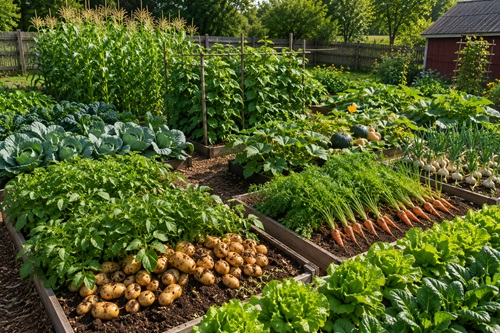
One of the biggest mistakes beginning preparedness gardeners make is assuming that every vegetable contributes equally to food security. While nearly every homegrown crop has value, some provide far more nutrition, calories, and long-term usefulness than others. A beautiful garden filled with lettuce, radishes, and herbs may produce excellent salads throughout the summer, but it will not provide enough energy to feed a family for very long. Preparedness gardening requires looking beyond appearance and asking a much more practical question: Which crops will continue feeding my family when grocery stores are no longer an option?
This does not mean you should stop growing fresh vegetables. Leafy greens, herbs, and salad crops provide important vitamins, minerals, and variety that contribute to a healthy diet. They grow quickly, improve meal quality, and are enjoyable to harvest throughout the season. The mistake occurs when these crops occupy most of the available garden space while calorie-dense foods receive very little attention. In a preparedness garden, nutrition and calories must work together.
History consistently demonstrates that successful societies relied on staple crops capable of producing large amounts of food in relatively small areas. Potatoes, dry beans, corn, winter squash, sweet potatoes, peas, and grains became dietary foundations because they supplied dependable calories while storing well after harvest. These crops were not chosen because they were fashionable or unusual. They were grown because they worked. Generation after generation depended on them because they could produce reliable harvests, withstand varying weather conditions, and provide nourishment long after the growing season had ended.
Potatoes remain one of the finest preparedness crops ever grown. A relatively small planting can produce an impressive harvest, and the potatoes themselves are rich in carbohydrates, vitamins, minerals, and dietary fiber. When cured and stored properly, they remain edible for many months without requiring freezing or canning. Their versatility in the kitchen is equally impressive. Potatoes can be baked, boiled, fried, mashed, dehydrated, canned, or added to soups and stews, making them one of the most useful foods any preparedness garden can produce.
Dry beans deserve equal attention. Besides supplying protein, they are among the longest-lasting foods available when thoroughly dried and stored correctly. Beans combine well with many staple foods, require relatively little processing after drying, and provide excellent nutritional value. They also improve garden soil by naturally adding nitrogen, making them beneficial not only as a food crop but also as part of a healthy gardening system.
Winter squash is another remarkable preparedness crop that often receives less attention than it deserves. 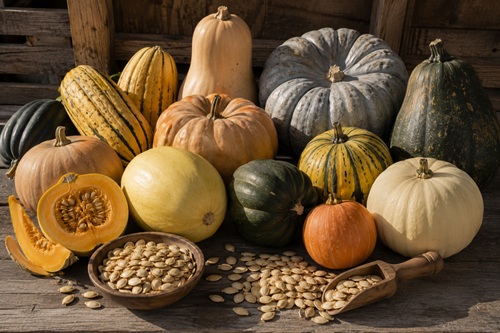 Unlike many vegetables that spoil quickly after harvest, winter squash develops a thick protective rind that naturally extends its storage life. Properly cured squash can often remain fresh for several months while providing valuable vitamins, minerals, and calories throughout the colder seasons. The edible seeds offer an additional source of healthy fats and protein, ensuring that very little of the harvest goes to waste.
Corn has served as one of humanity’s great staple foods for thousands of years because it combines high yields with excellent storage potential. Dried kernels can be stored for extended periods, ground into meal or flour, cooked whole, or used as animal feed. When combined with beans and squash, corn forms part of one of the most successful companion planting systems ever developed, illustrating how food production and soil management can work together naturally.
While calorie-producing crops deserve priority, preparedness gardens should also include vegetables that contribute important nutrients and improve the quality of everyday meals. Cabbage, carrots, onions, garlic, beets, kale, spinach, tomatoes, peppers, and herbs all play valuable roles. Many of these crops preserve exceptionally well through drying, fermentation, canning, or root cellaring, allowing them to continue supporting your family’s diet long after harvest.
A useful exercise when planning your garden is to divide crops into three simple categories. First are foods that provide substantial calories, such as potatoes, beans, corn, and winter squash. Second are foods that supply essential vitamins and minerals, including leafy greens, carrots, tomatoes, peppers, and herbs. Finally, consider foods that improve flavor and variety, such as onions, garlic, herbs, and spices. A balanced preparedness garden contains all three categories, ensuring that your harvest provides not only enough food but also enjoyable, nutritious meals.
Another consideration is the amount of work required to produce each crop. Some vegetables require constant harvesting, staking, pruning, watering, or pest management, while others grow with relatively little attention once established. 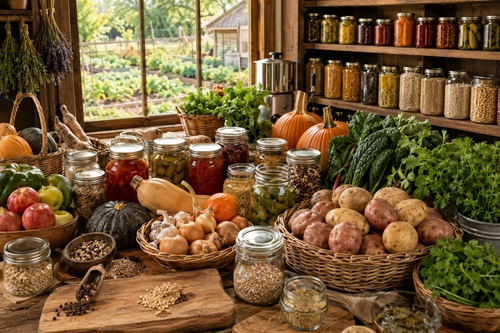 When planning a preparedness garden, efficiency matters. Crops that consistently produce high yields with modest effort often provide greater long-term value than crops requiring constant maintenance.
As your gardening experience grows, begin asking yourself a different question every season. Instead of asking, “What vegetables do I want to grow?” ask, “Which crops will make the greatest contribution to my family’s long-term food security?” That simple shift in thinking changes the way you evaluate every square foot of garden space and helps transform an ordinary vegetable garden into a dependable source of resilience.
Preparedness Perspective
A preparedness garden should do more than produce fresh vegetables for summer meals. It should provide calories, nutrition, storage potential, and dependable harvests that continue feeding your family throughout the year. By prioritizing crops that are productive, versatile, and naturally suited for long-term storage, you create a garden that supports both everyday living and long-term preparedness.
Don’t Overlook Forgotten Survival Crops
Walk through the produce section of most grocery stores and you’ll see the same vegetables repeated year after year. Tomatoes, lettuce, cucumbers, carrots, broccoli, onions, peppers, and potatoes dominate modern diets because they are easy to grow commercially, transport well, and appeal to a wide range of consumers. While these are all valuable foods, history reminds us that they represent only a small fraction of the plants that have sustained people throughout the centuries.
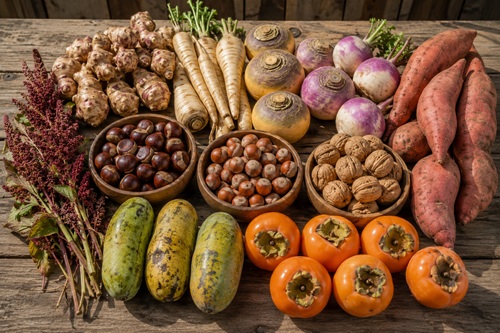
Traditional communities grew and gathered many foods that have largely disappeared from modern gardens, not because they lacked value, but because industrial agriculture favored crops that were easier to mass produce and ship. For anyone interested in preparedness, many of these forgotten foods deserve another look because they often combine hardiness, excellent nutrition, long storage life, and minimal maintenance.
One remarkable example is the Jerusalem artichoke, also known as the sunchoke. Despite its name, it is not related to the globe artichoke. Instead, it is a member of the sunflower family that produces edible underground tubers. Once established, Jerusalem artichokes are incredibly productive, tolerate poor soils, survive cold winters, and return year after year with little attention. The tubers can be harvested throughout the winter in many climates, effectively turning the ground itself into a natural food storage system.
Parsnips are another crop that deserves far more attention. Unlike many vegetables, parsnips actually become sweeter after exposure to freezing temperatures. Many gardeners intentionally leave them in the ground until late autumn or even early winter before harvesting them. They store well, provide complex carbohydrates, and add rich flavor to soups, stews, and roasted vegetable dishes.
Turnips and rutabagas have fed families for centuries because they are dependable, productive, and exceptionally easy to store. While they may not receive the same attention as potatoes, these root crops tolerate cool weather remarkably well and often continue growing after many summer vegetables have finished producing. Properly stored, they remain usable for months and provide welcome variety during the winter.
Sweet potatoes offer another excellent preparedness crop in regions with longer growing seasons. 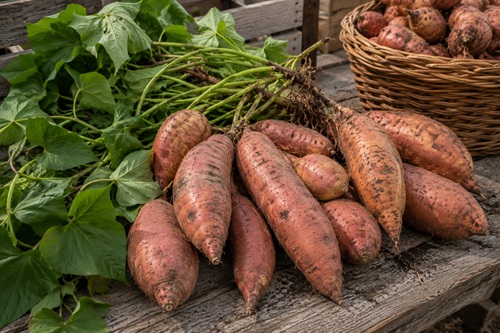 Besides producing nutrient-rich tubers, the young leaves are also edible, giving gardeners two useful harvests from a single planting. When cured correctly after harvest, sweet potatoes store for many months while remaining one of the most versatile foods in the pantry.
Ancient grains such as amaranth also deserve consideration. Although many people grow amaranth as an ornamental flower, it produces thousands of tiny edible seeds that are rich in protein, minerals, and dietary fiber. The young leaves are also edible, making the plant useful throughout much of the growing season. Amaranth tolerates heat and drought better than many common vegetables, making it especially attractive in areas with challenging growing conditions.
Some of the most nutritious foods are often dismissed simply because they grow as weeds. Lamb’s quarters, purslane, chickweed, and dandelion have been eaten safely by countless generations and frequently contain impressive amounts of vitamins and minerals. While they should never replace cultivated crops, learning to recognize these common edible plants can significantly expand your available food supply while reducing unnecessary weeding in the garden.
Nut-producing trees represent one of the most overlooked long-term investments in preparedness. Unlike annual vegetables that require planting every spring, chestnuts, hazelnuts, walnuts, hickories, and pecans may continue producing harvests for decades once established. Although they require patience during their early years, they eventually become dependable sources of calories, healthy fats, and protein with relatively little annual maintenance.
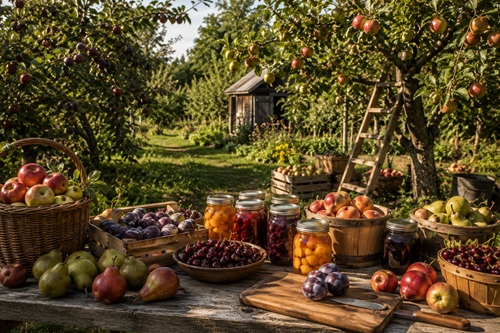
Fruit trees provide similar long-term value. Apples, pears, plums, cherries, and hardy peaches not only produce fresh fruit but also supply food that can be dried, canned, frozen, fermented, or turned into preserves. A mature orchard often becomes more productive with age, making it one of the few preparedness investments that continues increasing in value over time.
When selecting crops for your property, try to balance annual vegetables with perennial food sources. Annual gardens provide flexibility because you can change varieties each year, while perennial plants continue producing with much less effort after they become established. Together they create a more balanced and resilient food system that requires less work while producing more food over the long term.
Preparedness gardening is not simply about growing what everyone else grows. It is about carefully selecting crops that provide dependable nutrition, store well, require reasonable maintenance, and continue producing under a variety of conditions. Sometimes the best preparedness crops are not the newest varieties but the older ones that have quietly sustained families for generations.
Preparedness Perspective
Modern grocery stores offer convenience, but they also narrow our view of what food can be. Expanding your garden to include forgotten survival crops increases diversity, improves resilience, and often introduces plants that are easier to grow and better suited for long-term food security than many of today’s most popular vegetables. The more diverse your food system becomes, the better prepared you will be for whatever challenges lie ahead.
Fat Was Often More Valuable Than Meat
Ask most people what they would prioritize after a long-term emergency, and the answer is almost always protein. While protein is certainly important, history tells a different story. For much of human history, fat was often considered the most valuable part of an animal. Hunters, homesteaders, and traditional societies understood that calories were difficult to obtain, especially during winter, and fat provided more than twice the energy of either protein or carbohydrates. A single pound of rendered animal fat contains thousands of calories, making it one of the most concentrated food sources available.
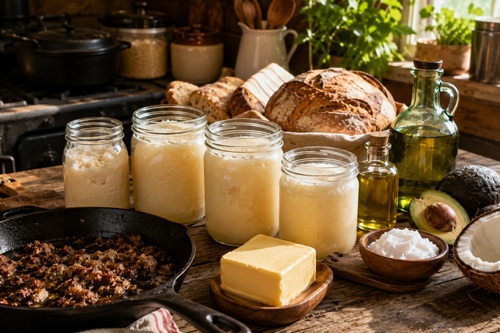
This historical perspective changes the way we think about preparedness. Modern grocery stores offer an abundance of lean meats because refrigeration, transportation, and year-round food production make fat readily available from countless other sources. Traditional communities did not have that luxury. Every bit of usable fat was carefully collected, rendered, and stored because it represented cooking fuel, nutrition, and long-term food security all at once.
Rendering animal fat is a simple process that has been practiced for centuries. Beef fat becomes tallow, while pork fat becomes lard. During rendering, raw fat is slowly heated until the moisture evaporates and the pure fat separates from connective tissue. Once strained and cooled, properly rendered fat becomes remarkably stable when stored in airtight containers away from heat and direct sunlight. Before modern cooking oils became widely available, these traditional fats were everyday kitchen staples.
Beyond their impressive calorie content, rendered fats are incredibly versatile. They can be used for frying, roasting, baking, sautéing vegetables, making biscuits and pastries, seasoning cast iron cookware, and even producing candles or soap. Few food products serve so many different purposes. This versatility made rendered fat an essential household resource rather than simply another ingredient.
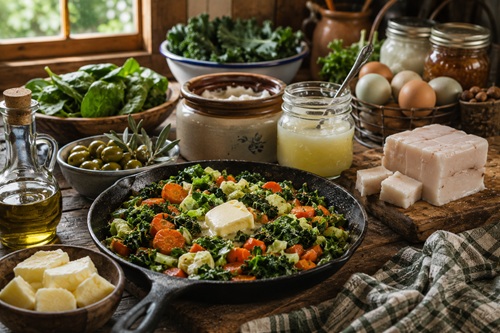
Healthy fats also play an important role in the body’s ability to absorb certain vitamins. Vitamins A, D, E, and K are all fat-soluble, meaning they require dietary fat for proper absorption. Without enough healthy fat in the diet, even nutritious vegetables may not provide their full nutritional benefit. This is one reason traditional diets often combined vegetables with butter, lard, olive oil, or other natural fats.
Preparedness planning should include more than animal fats alone. Olive oil, coconut oil, avocado oil, ghee, butter, and other stable fats each offer different advantages depending on climate, storage conditions, and intended use. Some oils remain liquid at room temperature, while others become solid. Some tolerate high cooking temperatures exceptionally well, while others are better suited for salad dressings or low-temperature cooking. Understanding these differences helps you build a more balanced and useful pantry.
It is also important to recognize that not every fat stores equally well. Highly refined vegetable oils often have shorter shelf lives than many people realize, particularly after opening. Exposure to oxygen, heat, and light gradually causes oils to become rancid, affecting both flavor and nutritional quality. Rotating cooking oils regularly and storing them properly should become part of every preparedness routine.
Nuts and seeds represent another valuable source of healthy fats. Walnuts, hazelnuts, pecans, sunflower seeds, pumpkin seeds, and flaxseed all provide calories, protein, minerals, and oils that contribute to a balanced diet. 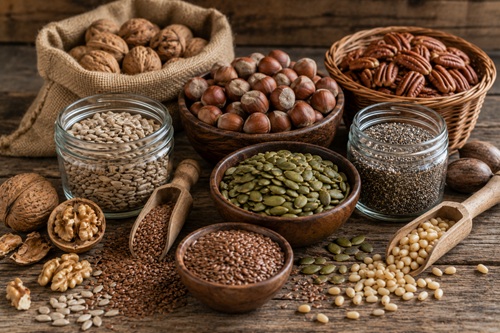 Although whole nuts generally store longer than extracted oils, they should still be protected from excessive heat and moisture. Properly stored, they become an excellent addition to long-term food reserves.
For those who raise livestock or hunt, learning to render and store animal fat is one of the most practical preparedness skills available. It allows you to make full use of the harvest while significantly increasing the amount of usable food produced from every animal. Even households that do not process their own meat benefit from understanding the importance of healthy fats and maintaining a diverse supply of stable cooking oils.
When evaluating your pantry, avoid thinking only about protein and carbohydrates. Calories matter. Cooking versatility matters. Nutrient absorption matters. Fat quietly supports all three, making it one of the most overlooked components of long-term food preparedness.
Food Is More Than Calories
While calories are essential for survival, successful food systems have always provided much more than energy alone. Traditional communities understood that meals needed to nourish the body, satisfy hunger, and provide enough variety that families would continue eating well throughout the year. Living on one or two staple foods might provide enough calories to survive, but it often results in nutritional deficiencies, food fatigue, and declining morale.
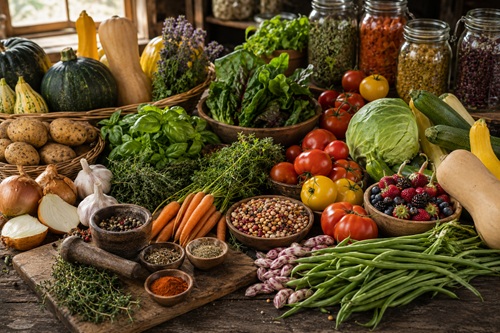
This is one reason herbs, spices, onions, garlic, and other flavoring ingredients have remained important throughout history. Although they contribute relatively few calories, they transform simple ingredients into enjoyable meals. A pot of beans seasoned with garlic, herbs, onions, and spices becomes far more appealing than plain beans alone. Small additions like these encourage people to continue eating stored foods instead of becoming discouraged by repetitive meals.
Color also matters more than many people realize. Deep green leafy vegetables, orange root crops, purple berries, red tomatoes, yellow squash, and white onions each contribute different vitamins, minerals, antioxidants, and plant compounds. Growing and storing a wide variety of foods naturally improves nutritional diversity while making meals more attractive.
Preparedness gardens should therefore include more than survival staples. Alongside potatoes, beans, and winter squash, make room for herbs, leafy greens, tomatoes, peppers, carrots, cabbage, berries, and other nutrient-rich foods. These crops may not always provide the greatest number of calories, but they contribute significantly to long-term health while making everyday meals far more enjoyable.
Traditional food systems rarely relied on a single “superfood.” Instead, they emphasized balance. Staple crops supplied energy, vegetables provided essential nutrients, fruits offered seasonal variety, and fats improved both nutrition and flavor. Together these foods created diets that were not only capable of sustaining life but also supporting healthy, productive communities for generations.
Preparedness Perspective
When building your food system, remember that survival is only the first goal. Long-term preparedness also requires maintaining health, energy, and morale. A resilient pantry contains calorie-dense staples, healthy fats, nutrient-rich vegetables, fruits, herbs, and seasonings that work together to create balanced meals your family will actually enjoy eating, even during difficult times.
Preservation Is Where the Real Harvest Begins
Growing a successful garden is rewarding, but experienced gardeners know that harvesting vegetables is only the halfway point. The true challenge begins once baskets start filling with tomatoes, beans, cucumbers, squash, herbs, berries, and other produce. Without a preservation plan, weeks or even months of hard work can spoil in only a few days. Throughout history, successful food producers understood that preservation was not an optional task – it was simply part of harvesting.
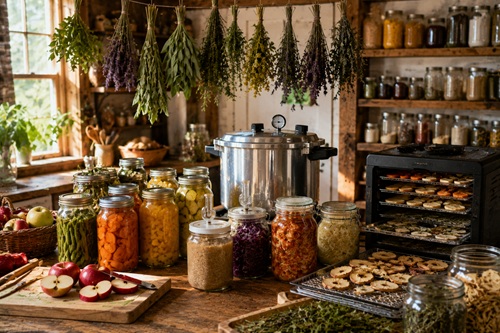
One of the biggest differences between modern consumers and traditional food producers is that previous generations planned for preservation before they planted a single seed. They selected crops that stored well, gathered the equipment they would need months in advance, and understood exactly how each harvest would be preserved. Today’s prepper should adopt the same mindset. Before planting your garden, ask yourself how you intend to preserve each crop. If you harvest fifty pounds of tomatoes, will you can them, dehydrate them, freeze them, or turn them into sauce? If your apple tree produces more fruit than your family can eat, will you dry it, make applesauce, press cider, or store whole apples? Thinking ahead prevents waste and helps you make better planting decisions.
Drying remains one of the oldest and simplest preservation methods ever developed. By removing moisture, bacteria, molds, and yeasts have far less opportunity to grow, allowing many foods to remain edible for months or even years. Herbs, mushrooms, apples, berries, peppers, onions, tomatoes, beans, and many other foods dry exceptionally well. Once completely dry, they require very little storage space and no electricity to remain preserved.
Although drying is straightforward, success depends on doing it properly. Foods should be sliced into uniform pieces so they dry evenly. Good air circulation is essential, and temperatures should remain low enough to preserve quality while still removing moisture efficiently. Most importantly, food must be completely dry before storage. Even a small amount of remaining moisture can encourage mold and spoil an entire batch. Once dried, foods should be stored in airtight containers away from light, heat, and humidity.
Canning offers another excellent preservation method and allows many foods to remain shelf stable for years when processed correctly. 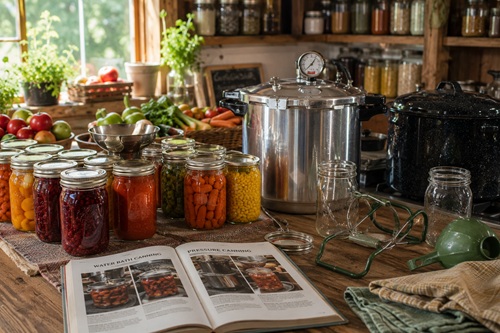 High-acid foods such as fruits, jams, jellies, pickles, and many tomato products can usually be preserved using water-bath canning. Low-acid foods—including vegetables, meat, poultry, seafood, soups, and beans—must always be pressure canned using approved procedures. Understanding this difference is essential because improper canning can create serious food safety risks. Investing time in learning safe canning practices is one of the most valuable preparedness skills you can develop.
Freezing provides another convenient option, especially for vegetables that do not can well. Many foods retain excellent flavor and texture when properly blanched, packaged, and frozen. However, freezers depend on electricity. While they are extremely useful during normal times, preparedness planning should include preservation methods that continue working even during extended power outages.
Fermentation has quietly sustained communities around the world for thousands of years. Instead of preventing microbial activity, fermentation encourages beneficial bacteria to preserve food naturally. Sauerkraut, kimchi, fermented pickles, yogurt, kefir, sourdough bread, and many traditional beverages all rely on this remarkable process. Besides extending shelf life, fermentation often improves flavor and may increase the availability of certain nutrients. It is one of the few preservation methods that actually transforms food into something entirely new.
Smoking remains one of the most respected preservation skills among hunters, anglers, and homesteaders. Properly smoked meat and fish not only develop outstanding flavor but also remain usable far longer than fresh products. Cold smoking and hot smoking serve different purposes, and both require careful attention to food safety. Learning these techniques before you depend on them is far easier than trying to master them during an emergency.
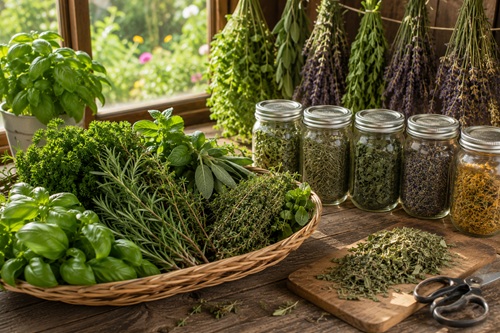
Preservation is not limited to fruits, vegetables, and meat. Herbs deserve special attention because they are among the easiest foods to preserve while providing tremendous value throughout the year. Drying basil, oregano, thyme, rosemary, parsley, sage, mint, dill, and other herbs allows you to enjoy fresh garden flavors long after the growing season has ended. Herbs also improve otherwise simple meals, making long-term food storage far more enjoyable.
One mistake many beginners make is relying on a single preservation method. A better approach is to match the preservation technique to the food itself. Tomatoes might become pasta sauce, salsa, tomato powder, canned tomatoes, dehydrated slices, and frozen soup base. Apples can be eaten fresh, dried into chips, canned as applesauce, frozen for baking, or fermented into cider vinegar. Beans may be pressure canned for convenience while also drying a portion for long-term storage. Diversifying preservation methods spreads risk while providing greater flexibility in the kitchen.
Another often-overlooked benefit of home preservation is reducing waste. Garden harvests rarely arrive in convenient quantities. One week may produce only a few tomatoes, while the following week yields several overflowing baskets. Preservation allows you to capture these periods of abundance instead of watching excess food spoil. Every jar on the pantry shelf represents food that was rescued, preserved, and made available for future meals.
Finally, remember that preservation is a skill developed through practice. Your first batch of canned vegetables or dehydrated fruit may not be perfect, and that is perfectly normal. Every season brings new opportunities to improve your techniques, experiment with different recipes, and refine your storage methods. Like gardening itself, successful food preservation rewards patience, consistency, and a willingness to keep learning.
Preparedness Perspective
A successful harvest is measured not by how much food comes out of the garden, but by how much food is still nourishing your family six months later. Preservation transforms seasonal abundance into year-round food security. Every preservation method you master increases your independence, reduces waste, saves money, and strengthens the resilience of your entire preparedness plan.
Learn to Think Seasonally Instead of Shopping Daily
Modern grocery stores have largely disconnected us from the natural rhythm of food production. If you want strawberries in January, tomatoes in February, or apples in June, they are usually available somewhere in the world. While this convenience is remarkable, it also makes it easy to forget that every food has a natural season when it grows, matures, and is harvested.
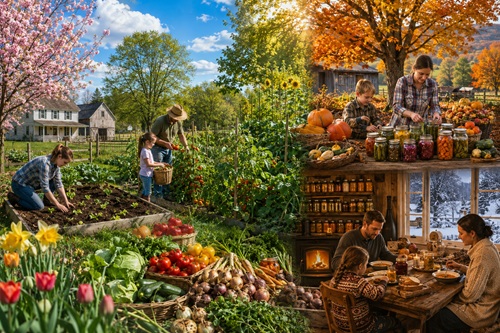
Traditional food systems followed these seasonal cycles because they had no alternative. Every season had a purpose, and understanding those purposes allowed families to remain food secure throughout the entire year. Rather than reacting to food shortages, they prepared months in advance by anticipating what each season would provide.
Spring was a time of renewal and preparation. Gardens were planted, fruit trees began flowering, livestock gave birth to their young, and fresh greens appeared after the long winter. Although food stores from the previous year were often running low, the landscape slowly began producing new sources of nutrition. Early greens, herbs, wild onions, asparagus, and many edible plants helped bridge the gap until larger harvests arrived.
Summer was the season of production. Gardens expanded rapidly, berries ripened, herbs reached their peak, and vegetables matured one after another. Families worked hard to maintain crops, irrigate gardens, control weeds, and begin preserving the earliest harvests. Fresh food became plentiful, but experienced growers already understood that abundance would not last forever.
Autumn became the busiest season of the year. This was harvest time. Root vegetables were lifted from the ground, apples and pears filled baskets, squash and pumpkins were cured for storage, grains were gathered, beans were dried, and herbs were hung to dry. 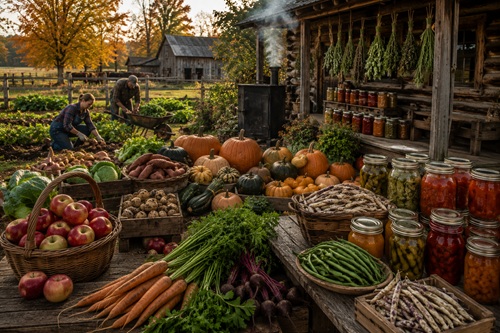 Smokehouses became active, canning jars filled pantry shelves, root cellars were stocked, and every available hour was spent preparing for the coming winter. Nothing was wasted because everyone understood that the work completed during autumn would determine how comfortably the family lived until spring.
Winter was a season of management rather than production. Stored potatoes, onions, squash, dried beans, preserved meats, canned vegetables, and fermented foods became daily staples. Gardens rested beneath snow or cold temperatures while families repaired tools, planned next year’s garden, ordered seeds, sharpened equipment, and reflected on what had worked well during the previous growing season. Winter was not idle time; it was preparation for another cycle.
Modern preppers benefit from following these same seasonal patterns even if they purchase most of their food from grocery stores. Spring is an excellent time to expand the garden, repair raised beds, improve soil, and plant fruit trees. Summer offers opportunities to freeze berries, dry herbs, and begin preserving vegetables. Autumn is ideal for purchasing local produce in bulk, pressure canning soups and vegetables, storing root crops, and building pantry reserves while prices are often at their lowest. Winter provides time to inventory supplies, improve gardening knowledge, maintain equipment, and prepare for another productive growing season.
Thinking seasonally also encourages smarter purchasing decisions. Buying fruits and vegetables when they are locally abundant often results in better quality at lower prices. This is the perfect time to preserve food because both availability and affordability are working in your favor. Instead of paying premium prices throughout the year, preparedness-minded families take advantage of seasonal abundance whenever possible.
Another benefit of seasonal thinking is that it naturally spreads the workload. Trying to learn gardening, canning, dehydrating, seed saving, composting, and food storage all at once can quickly become overwhelming. By focusing on the activities that naturally belong to each season, learning becomes far more manageable and enjoyable.
Many experienced gardeners keep a yearly preparedness calendar that reminds them when to start seeds indoors, transplant vegetables, fertilize fruit trees, rotate pantry supplies, clean storage areas, inspect root cellars, harvest herbs, preserve vegetables, and order next year’s seeds. Over time, these activities become routine, creating a preparedness lifestyle rather than a series of emergency projects.
Nature operates in cycles, and successful food systems have always respected those cycles. Rather than trying to fight the seasons, preparedness teaches us to work with them. When we understand what each season offers, we become better gardeners, better food preservers, and ultimately better prepared for whatever challenges the future may bring.
Preparedness Perspective
Preparedness is not something you do once and forget. It is a year-round cycle of planning, growing, harvesting, preserving, storing, and learning. By aligning your food system with the natural rhythm of the seasons, every year becomes another opportunity to strengthen your family’s long-term food security.
Build a Food System, Not Just a Food Supply
One of the most important lessons history teaches us is that resilient communities never relied on a single solution to feed themselves. Their security did not come from one large harvest, one successful hunting season, or one well-stocked pantry. Instead, they developed food systems made up of many smaller parts that worked together. If one part struggled, the others helped compensate. This diversity made their communities far more adaptable to changing weather, poor harvests, disease, or other unexpected hardships.
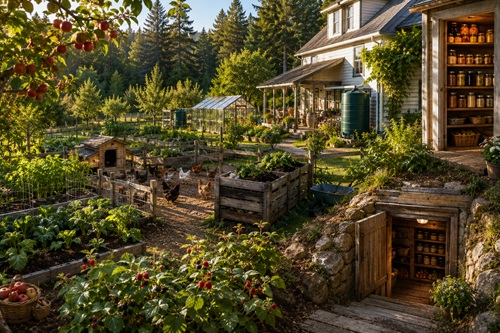
Modern preparedness should follow the same principle.
Many people begin preparing by filling shelves with canned goods and long-term storage foods. While this is an excellent first step, it should never become the entire preparedness plan. Every stored food has a shelf life. Eventually it must be rotated, replaced, or replenished. A resilient food system goes much further by creating multiple ways to continue producing food instead of relying entirely on what has already been stored.
Think of your preparedness as a collection of connected layers, each strengthening the next.
A well-organized pantry provides immediate food security for everyday life and short-term emergencies. A productive vegetable garden supplies fresh produce throughout the growing season while reducing grocery costs. Fruit trees and berry bushes provide dependable harvests year after year with relatively little maintenance once established. Herbs add flavor to meals while also serving culinary, medicinal, and preservation purposes. Chickens produce eggs and fertilizer for the garden. Compost returns nutrients to the soil, improving future harvests. Rainwater collection helps reduce dependence on municipal water for irrigation. Food preservation extends the usefulness of every successful harvest, allowing summer abundance to become winter meals.
Individually, each of these projects provides value. Together, they become something much more powerful—a food system capable of adapting as circumstances change.
One of the greatest strengths of a layered food system is flexibility. Imagine that a severe storm damages your vegetable garden during midsummer. A pantry filled with preserved foods immediately bridges the gap while remaining crops continue growing. If drought reduces fruit production one year, frozen berries from the previous season, canned fruit, and dried apples continue supplying your family. If grocery prices increase dramatically, homegrown vegetables, stored staples, and preserved foods reduce the financial impact. No single setback becomes a crisis because your food security does not depend upon a single source.
This approach also makes preparedness more affordable. Many people believe they must purchase years’ worth of emergency food all at once, which can be expensive and discouraging. Building a food system allows improvements to happen gradually. One year you may expand your pantry. The next year you add raised garden beds. Later you plant berry bushes, begin composting, learn pressure canning, or establish a small orchard. Each improvement builds upon the previous ones, creating steady progress without overwhelming your budget or schedule.
Knowledge is what connects all of these layers together. Knowing when to plant, how to improve soil, how to preserve vegetables, how to recognize spoilage, how to rotate stored food, and how to prepare simple meals from basic ingredients transforms individual projects into a complete preparedness strategy. Without those skills, even the best equipment and largest pantry eventually become less effective.
It is also important to build a food system that matches your lifestyle rather than someone else’s. A family living in an apartment will develop different solutions than someone living on a rural acreage. 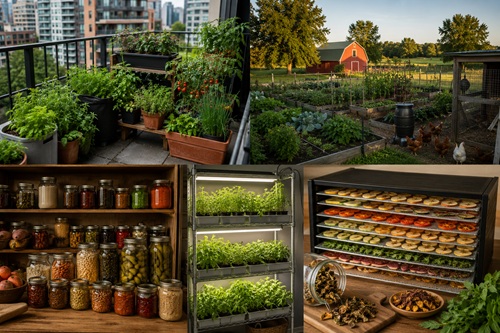 Container gardens, balcony herbs, community gardens, dehydrators, and rotating pantry supplies may be the perfect approach for one household, while another family may focus on orchards, livestock, root cellars, and larger gardens. There is no single model that fits everyone. The strongest preparedness plans are those that grow naturally from the resources, climate, and opportunities available where you live.
As your experience grows, your confidence grows with it. Gardening becomes easier because you understand your soil. Food preservation becomes routine because you have practiced it many times. Harvest planning becomes more efficient because you know what your family actually eats. Every season teaches new lessons, and those lessons gradually become one of your greatest preparedness assets.
A resilient food system is never truly finished. Gardens evolve, skills improve, new crops are added, better preservation techniques are learned, and each year presents new opportunities to become more self-reliant. That continual improvement is what transforms preparedness from a collection of supplies into a sustainable way of living.
Preparedness Perspective
Preparedness is not measured by how much food you can store once. It is measured by how well you can continue producing, preserving, storing, and replacing that food year after year. The strongest food systems are built gradually, strengthened continuously, and supported by practical skills that remain valuable for a lifetime.
Key Takeaways
Food preparedness is about much more than filling shelves with emergency supplies. Lasting food security comes from understanding how food is produced, preserved, stored, and renewed over time. The most resilient households have always relied on multiple food sources rather than depending on a single solution, and that principle remains just as valuable today.
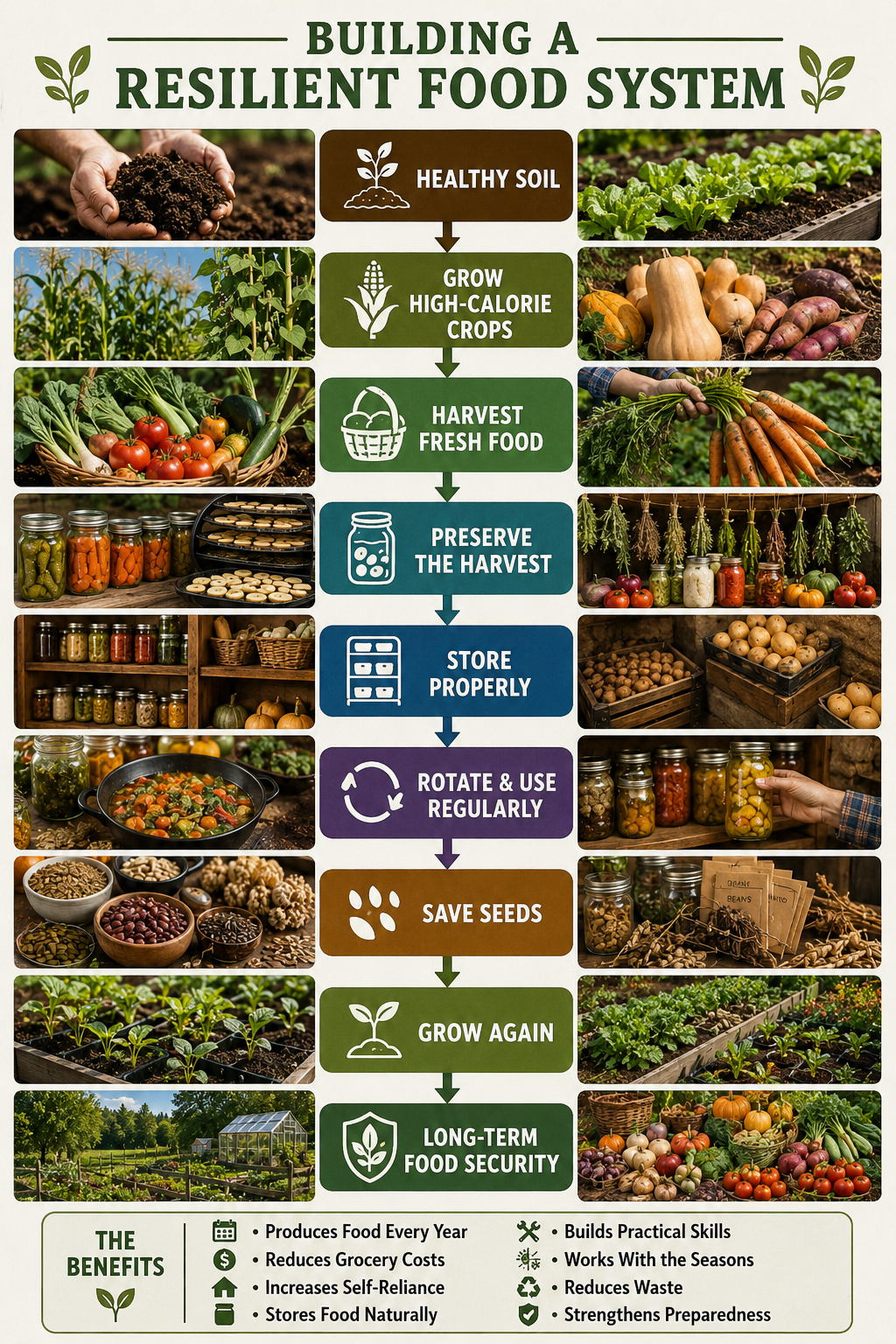
Building a preparedness food system does not happen overnight. It grows one skill at a time. Every garden planted, every harvest preserved, every pantry organized, every fruit tree established, and every new technique learned adds another layer of resilience. Small improvements made consistently over many years often produce far greater results than trying to accomplish everything at once.
Perhaps the greatest lesson shared by traditional food systems is that knowledge creates independence. Supplies can be consumed, equipment can wear out, and circumstances can change unexpectedly, but practical skills continue providing value throughout your life. Learning how to grow nutritious food, preserve seasonal harvests, store supplies properly, and work with the natural rhythms of the seasons gives you something that cannot be purchased or taken away.
Whether your goal is reducing grocery costs, becoming more self-reliant, preparing for emergencies, or simply living closer to the source of your food, the principles in this guide provide a practical foundation. Start with one improvement, master it, and then build upon it. Over time, those individual skills will grow into a resilient food system capable of supporting your family through both everyday life and unexpected challenges.
Preparedness is ultimately about confidence. When you understand how to produce, preserve, and protect one of life’s most essential resources, you are no longer relying solely on circumstances beyond your control. You are building the knowledge and capability to provide for yourself and those you care about, season after season and year after year.
© Prepping Communities. This content is for informational purposes only and not professional advice. Use at your own risk.
Terms | Privacy | Guidelines