
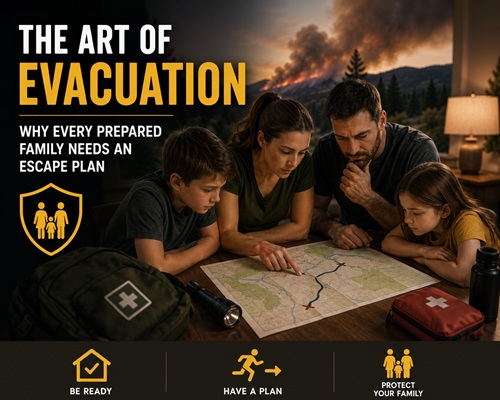
Most preparedness discussions focus on supplies, food storage, water filtration, emergency communications, and self-sufficiency. While these topics are important, there is another preparedness skill that often receives far less attention: knowing when and how to leave.
Evacuation is one of the most stressful situations a family can face. Emergencies rarely provide perfect information or plenty of warning. Whether the threat is a wildfire, flood, severe storm, industrial accident, hazardous materials incident, prolonged power outage, or another unexpected event, families may find themselves making important decisions under pressure.
The reality is simple: if leaving becomes necessary, the time to create a plan has already passed.
A well-designed evacuation plan reduces confusion, shortens response time, and helps families move from danger to safety with greater confidence and less stress.
 Understanding Evacuation Planning
Evacuation planning is not about panic. It is about options.
Prepared individuals understand that every emergency is different. Some situations may require sheltering in place, while others demand immediate relocation. The challenge is recognizing which situation you are facing before valuable time is lost.
Many people assume they will know exactly what to do when a disaster occurs. History has shown otherwise. During emergencies, emotions run high, information can be incomplete, and transportation systems often become overwhelmed.
Planning ahead allows important decisions to be made when emotions are calm rather than during a crisis.
Emergencies That May Require Evacuation
When people think about evacuation, they often picture hurricanes or wildfires. While these are certainly common reasons people leave their homes, many other situations can create the same need.
Examples include:
- Wildfires
- Flooding
- Hurricanes and tropical storms
- Tornado outbreaks
- Chemical spills
- Hazardous material incidents
- Dam failures
- Gas leaks
- Extended utility outages
- Civil unrest
- Severe winter storms
- Earthquakes
- Infrastructure failures
The specific risks vary depending on where you live. Someone living near a river may focus heavily on flooding, while someone living in a forested region may prioritize wildfire planning.
Understanding the most likely threats in your area helps shape an effective evacuation strategy.
Establishing Your Personal “Go Signals”
One of the most overlooked aspects of preparedness is determining what conditions will trigger an evacuation.
Without pre-established criteria, families often waste valuable time debating whether they should stay or leave.
Consider developing a list of situations that would automatically move your family into evacuation mode.
Examples may include:
- Mandatory evacuation orders
- Wildfires within a predetermined distance
- Rising floodwaters threatening access routes
- Dangerous air quality conditions
- Structural damage to the home
- Extended utility outages during extreme weather
- Hazardous material incidents nearby
- Threats to public safety
The exact triggers will vary from family to family.
The goal is to remove uncertainty and hesitation when every minute matters.
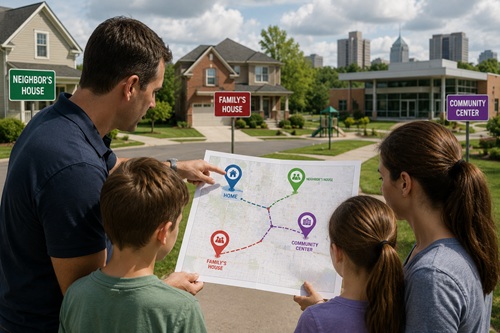 Choosing Multiple Safe Destinations
Leaving home is only part of the equation.
Knowing where to go is equally important.
Many people assume they will simply drive somewhere safe when an emergency occurs. Unfortunately, thousands of other people may have the same idea.
Prepared families identify multiple destinations before an emergency ever happens.
Consider maintaining three possible options:
Primary Destination
A trusted friend or family member outside the immediate danger zone.
Secondary Destination
A hotel, motel, campground, or temporary lodging location.
Emergency Destination
A more distant location if regional conditions continue to worsen.
Ideally, these destinations should be located in different directions from your home. A flood, wildfire, road closure, or infrastructure failure can easily make one route inaccessible.
Having multiple options provides flexibility when circumstances change.
Mapping Your Escape Routes
The shortest route is not always the best route.
Major highways often become heavily congested during large-scale evacuations. Traffic accidents, road closures, fuel shortages, and construction can quickly turn a simple drive into a lengthy ordeal.
Preparedness-minded families should identify:
- Primary evacuation routes
- Secondary routes
- Rural bypass roads
- Alternate bridge crossings
- Fuel locations along the route
- Emergency rest stops
- Hospitals and medical facilities
It is wise to physically drive these routes periodically.
Roads change. Construction projects appear. New developments create traffic bottlenecks.
Paper maps should also be part of every evacuation plan.
GPS devices and smartphones are useful tools, but they rely on infrastructure that may not always be available.
Knowing how to navigate without technology remains an important preparedness skill.
Building Effective Bug-Out Bags
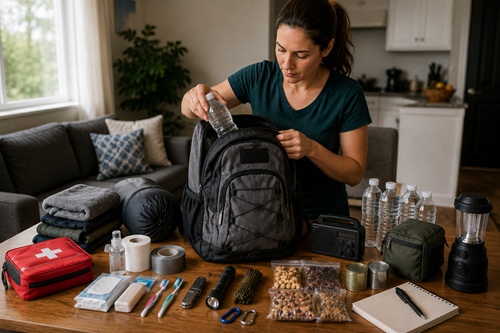
A bug-out bag should support mobility, not create unnecessary burden.
Every family member should have a bag tailored to their age, health requirements, and responsibilities.
Basic items may include:
- Weather-appropriate clothing
- Rain gear
- Sturdy footwear
- Water containers
- Water purification supplies
- Emergency food
- Flashlight
- Batteries
- First aid supplies
- Personal medications
- Copies of identification
- Emergency contact information
- Cash
- Hygiene supplies
- Power banks
- Charging cables
Children should carry lighter loads but can still be assigned responsibility for their own essentials.
For younger children, including a familiar comfort item can help reduce stress during a difficult situation.
Important Documents and Records
Many families focus heavily on survival gear while overlooking critical paperwork.
Losing access to important documents can create major challenges after an evacuation.
Consider maintaining waterproof copies of:
- Driver’s licenses
- Passports
- Birth certificates
- Insurance policies
- Property records
- Medical records
- Emergency contact information
- Vehicle registrations
- Financial account information
Digital backups stored on encrypted flash drives can provide additional protection.
The goal is to preserve access to important information even if your home becomes inaccessible.
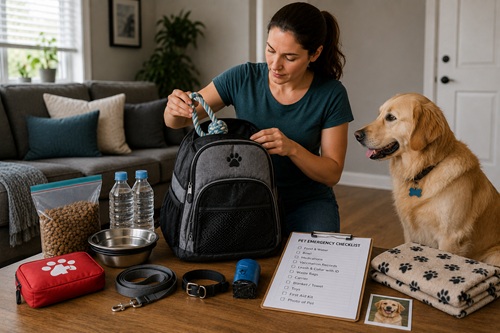 Planning for Pets
Pets are family members, and they require their own evacuation planning.
Unfortunately, many people do not think about pet logistics until the emergency is already underway.
Prepared pet owners should maintain:
- Pet carriers
- Leashes and harnesses
- Food supplies
- Water containers
- Veterinary records
- Vaccination records
- Identification tags
- Comfort items
- Waste disposal supplies
Practice loading pets into carriers before an emergency occurs.
Animals often react differently during stressful situations, and familiarity can make the process much easier.
Vehicle Readiness Matters
An evacuation plan is only useful if transportation is available.
When severe weather or other threats are forecast, consider:
- Keeping fuel tanks topped off
- Checking tire condition
- Verifying spare tire availability
- Testing vehicle batteries
- Carrying emergency repair supplies
- Maintaining roadside emergency kits
Transportation failures have stranded many families during disasters.
Basic vehicle preparedness significantly improves mobility and flexibility.
Preparing Your Home Before Leaving
When time allows, securing your home before departure can help reduce potential damage.
Actions may include:
- Shutting off utilities when appropriate
- Securing doors and windows
- Storing outdoor equipment
- Protecting important valuables
- Unplugging electronics
- Activating security systems
Every emergency is different, and priorities should always be based on safety.
No property is worth risking your life.
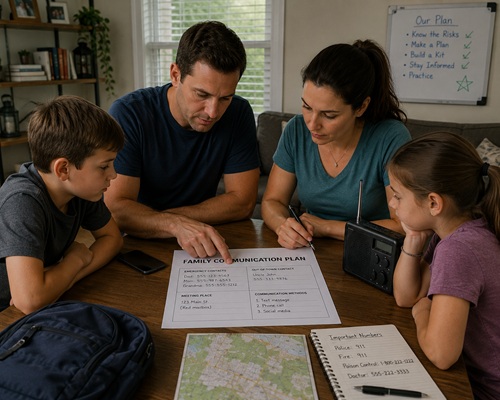 Family Communication Plans
One challenge many families overlook is communication.
Cell networks can become overloaded during emergencies, making communication difficult.
Families should establish:
- Emergency contact lists
- Out-of-area contact persons
- Meeting locations
- Check-in procedures
- Alternative communication methods
Everyone should know how to reconnect if family members become separated.
Simple plans often work best.
Conducting Evacuation Drills
A plan that exists only on paper is untested.
Regular practice helps identify weaknesses before they become problems.
Consider conducting annual evacuation exercises.
Measure:
- How long it takes to leave
- What items are forgotten
- Vehicle loading efficiency
- Family communication effectiveness
- Pet handling procedures
Even a simple practice drill can reveal significant gaps in preparedness.
The goal is not perfection.
The goal is improvement.
Common Evacuation Mistakes
Many evacuation problems are predictable.
Common mistakes include:
- Waiting too long to leave
- Failing to monitor conditions
- Relying on a single route
- Forgetting medications
- Running low on fuel
- Ignoring pet needs
- Failing to secure important documents
- Overpacking unnecessary items
Awareness of these mistakes helps families avoid repeating them.
When Leaving Becomes the Best Option
Nobody likes to think about abandoning their home, even temporarily. Most people naturally want to stay put and hope conditions improve.
The problem is that emergencies don’t always give us the luxury of time. Roads become congested, fuel can become difficult to find, and information is often incomplete or conflicting. What seems like a manageable situation can change quickly.
The families who tend to navigate evacuations most successfully are often the ones who made their decisions before the emergency began. They know where they are going, what they are taking, how they are getting there, and what needs to happen before they leave.
You may never need to use your evacuation plan, and hopefully you never will. However, if the day comes when staying is no longer the safest option, having a plan can make a difficult situation far more manageable.
Preparedness is not about expecting disaster around every corner. It is about recognizing that emergencies happen and taking reasonable steps to ensure your family can respond effectively if they do.
When an evacuation order is issued or conditions begin to deteriorate, that is not the time to decide where to go or what to take. Those decisions should already be made. The more planning that happens beforehand, the more attention can be focused on what matters most: keeping yourself and your family safe.
© Prepping Communities. This content is for informational purposes only and not professional advice. Use at your own risk.
Terms | Privacy | Guidelines