
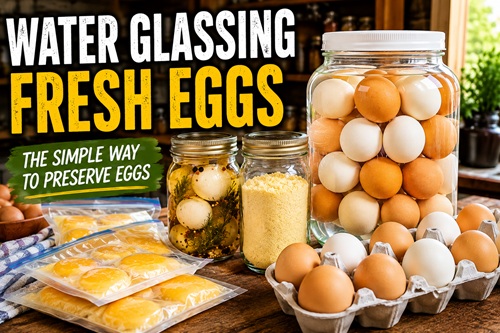
Fresh eggs are one of the most versatile foods you can have on hand. They provide high-quality protein, are useful in countless recipes, and can be eaten for breakfast, lunch, dinner, or baking. If you raise chickens, buy eggs directly from a local farm, or occasionally find yourself with more eggs than you can use before they age, preserving them for later use can help reduce waste while extending your food supply.
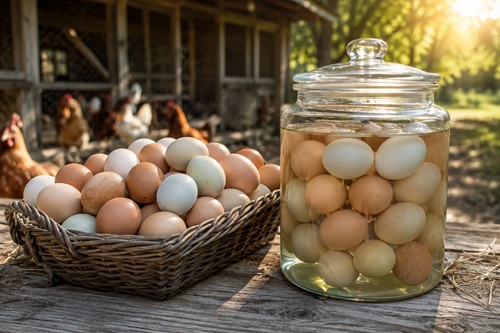
One traditional preservation method that has been used for well over a century is water glassing. Before refrigeration became common, many households relied on this simple technique to keep fresh eggs usable through the winter months when laying hens naturally produced fewer eggs. Today, many homesteaders and preparedness-minded families are once again using this method as a practical way to store surplus eggs during periods of peak production.
Why Preserve Eggs?
Fresh eggs have a naturally protective outer coating called the bloom or cuticle. This invisible layer helps seal the tiny pores in the shell, reducing moisture loss and slowing the movement of bacteria and air into the egg. As eggs age, this protective coating gradually wears away, making the shell more porous and allowing quality to decline over time.
Water glassing works by creating an additional protective barrier over the shell. By sealing many of the shell’s microscopic pores, the preservation solution greatly slows the natural aging process and helps the egg retain moisture for much longer than normal storage alone.
For people who raise backyard chickens, this can be especially valuable. Egg production often peaks during the warmer months when daylight hours are longer, while production commonly slows during late fall and winter. Preserving surplus eggs during periods of abundance helps provide a more consistent supply throughout the year.
Choosing the Right Eggs
Successful water glassing begins with selecting the freshest eggs possible. Ideally, eggs should be collected the same day they are preserved or within 24 hours of being laid. The fresher the egg, the better the results are likely to be.
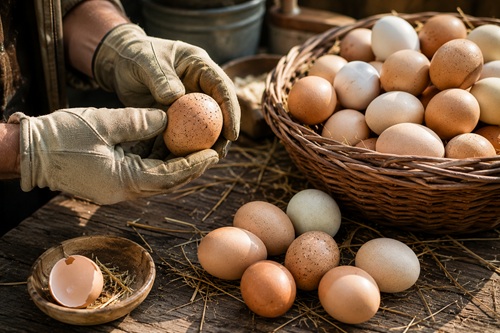
Only clean, uncracked eggs should be used. Small bits of loose dirt can usually be brushed away gently with a dry cloth or soft brush. Avoid washing the eggs before preservation because washing removes the natural bloom that helps protect the shell. If an egg is heavily soiled, cracked, or has a damaged shell, it is better to refrigerate and use it soon rather than preserve it.
Commercial grocery store eggs are generally not recommended for water glassing. In many countries, including the United States, eggs are washed before sale, which removes the protective bloom. They have also typically spent several days in storage and refrigeration before reaching consumers. While practices vary by country, farm-fresh unwashed eggs consistently provide the best results.
What Is Water Glass?
Water glass is another name for a solution made from sodium silicate, a compound that has been used for many industrial and household purposes for generations. It has been used as a sealant, adhesive, and preservative, but one of its best-known traditional uses is preserving fresh eggs.
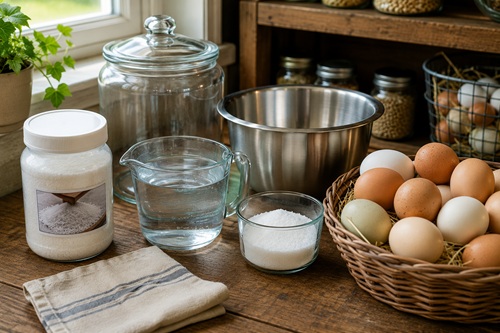
When mixed correctly with clean water, the solution surrounds each egg and helps seal the shell, greatly slowing the exchange of air and moisture that normally occurs during storage.
Food-grade sodium silicate should always be used when preserving eggs intended for consumption.
Equipment You’ll Need
The process requires very little equipment. A clean food-safe container such as a ceramic crock, glass jar, or food-grade plastic bucket works well. You’ll also need food-grade sodium silicate, clean drinking water, fresh unwashed eggs, measuring containers, and a lid that keeps dust and debris out while allowing the eggs to remain undisturbed during storage.
Choose a container large enough so the eggs can remain completely submerged throughout the storage period.
Preparing the Solution
Always follow the mixing instructions provided with the food-grade sodium silicate product you purchase, as concentrations may vary slightly between manufacturers.
A commonly referenced traditional mixture uses approximately one part liquid sodium silicate to eleven parts clean water, creating a solution that is strong enough to coat and protect the eggs without becoming excessively concentrated.
Mix the solution thoroughly before adding it to the storage container.
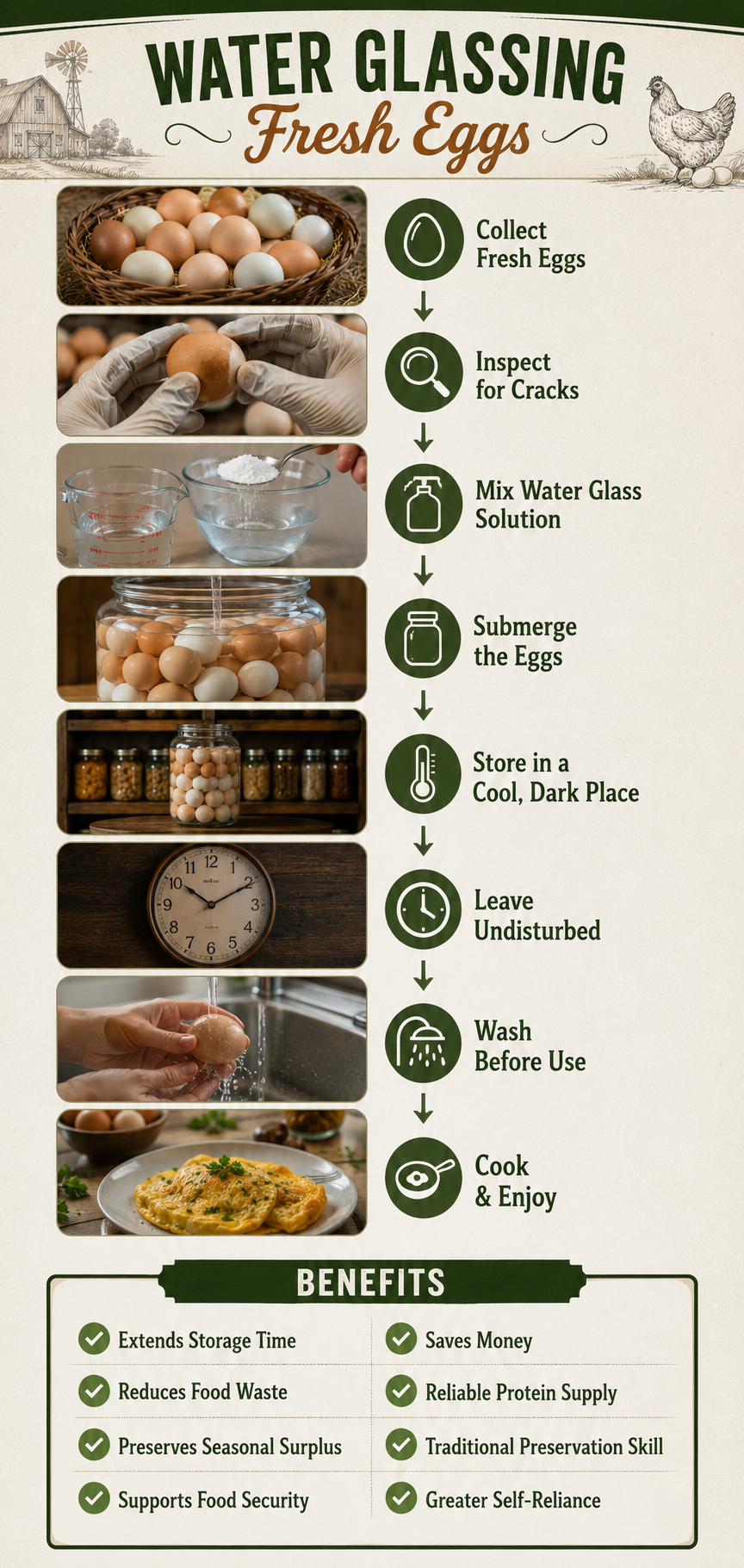
How to Water Glass Eggs
Begin by placing the eggs carefully into the container. Many people prefer positioning them with the pointed end facing downward, although the most important consideration is avoiding cracked shells during handling.
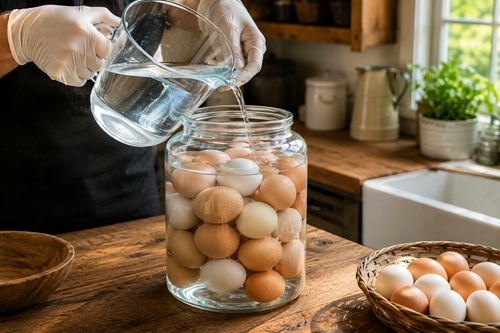
Once the eggs are in place, slowly pour the prepared sodium silicate solution over them until every egg is completely submerged. Maintain at least two inches (5 cm) of solution above the top layer of eggs to ensure they remain covered throughout storage.
Seal the container with a lid and move it to a cool, dark location where temperatures remain relatively stable. Avoid areas exposed to direct sunlight, freezing temperatures, or excessive heat.
Once stored, the eggs should remain undisturbed until needed.
Using Preserved Eggs
When you’re ready to use preserved eggs, remove only the number you need. Rinse each egg thoroughly under clean running water to remove any remaining sodium silicate solution before cracking it open.
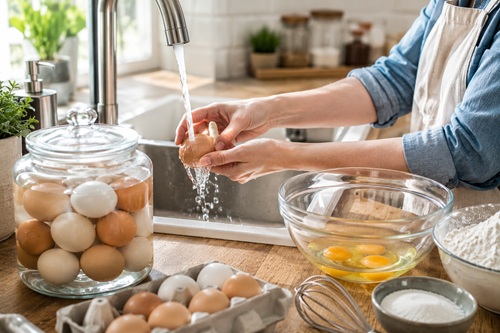
As with any egg, inspect it carefully after cracking. The egg white should appear normal, and there should be no unusual odors or discoloration. If an egg appears questionable for any reason, discard it.
Many people successfully use water-glassed eggs for frying, scrambling, baking, and general cooking.
Safety Considerations
Food preservation should always be approached carefully. Only food-grade sodium silicate products intended for preservation should be used. Keep the solution away from children and pets, and avoid contact with your eyes or prolonged skin exposure. Wearing gloves and eye protection while mixing the solution is a sensible precaution.
Use only clean containers, fresh drinking water, and sound eggs. Never attempt to preserve cracked, leaking, or damaged eggs, as they are much more likely to spoil during storage.
How Long Do Water-Glassed Eggs Last?
The exact storage life depends on several factors, including the freshness of the eggs, storage temperature, cleanliness, and preparation methods. Many homesteaders report successfully storing eggs for many months, often long enough to bridge the gap between peak summer laying and reduced winter production.
Rather than focusing on achieving the longest possible storage time, most people find this method valuable because it helps preserve seasonal abundance for future household use.
Other Ways to Preserve Eggs
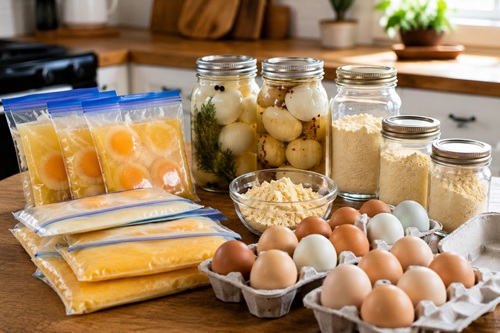
Water glassing is only one option for extending the usefulness of fresh eggs. Freezing beaten eggs, dehydrating cooked eggs, freeze-drying, and pickling hard-boiled eggs are also popular preservation methods. Each technique has advantages depending on available equipment, storage space, and intended use.
For many homesteaders, combining several preservation methods provides the greatest flexibility throughout the year.
Preparedness Perspective
Food preservation is about making the most of times of abundance. When egg production is high, preserving part of the harvest helps reduce waste and provides a reliable source of protein during seasons when fresh eggs may be less available or more expensive.

Water glassing is one of many traditional skills that demonstrates how simple knowledge and careful planning can extend the usefulness of everyday foods. Whether you raise your own chickens or have access to a dependable source of fresh farm eggs, learning preservation techniques like this adds another valuable layer of long-term food preparedness and self-reliance.
© Prepping Communities. This content is for informational purposes only and not professional advice. Use at your own risk.
Terms | Privacy | Guidelines