
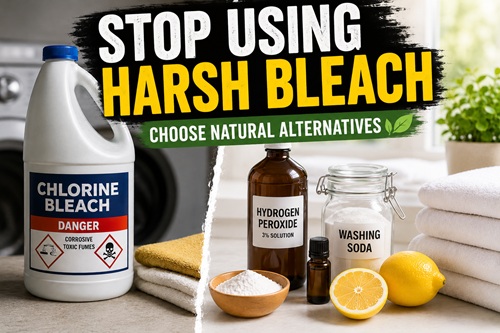
Many households rely on chlorine bleach for whitening laundry, removing stains, and disinfecting surfaces. While bleach can be effective, it is also a strong chemical that must be handled carefully. Its fumes can irritate the eyes and respiratory system, accidental mixing with other household cleaners can create dangerous gases, and improper use may damage fabrics, surfaces, or septic systems. For these reasons, many people are looking for gentler alternatives that still provide excellent cleaning performance.
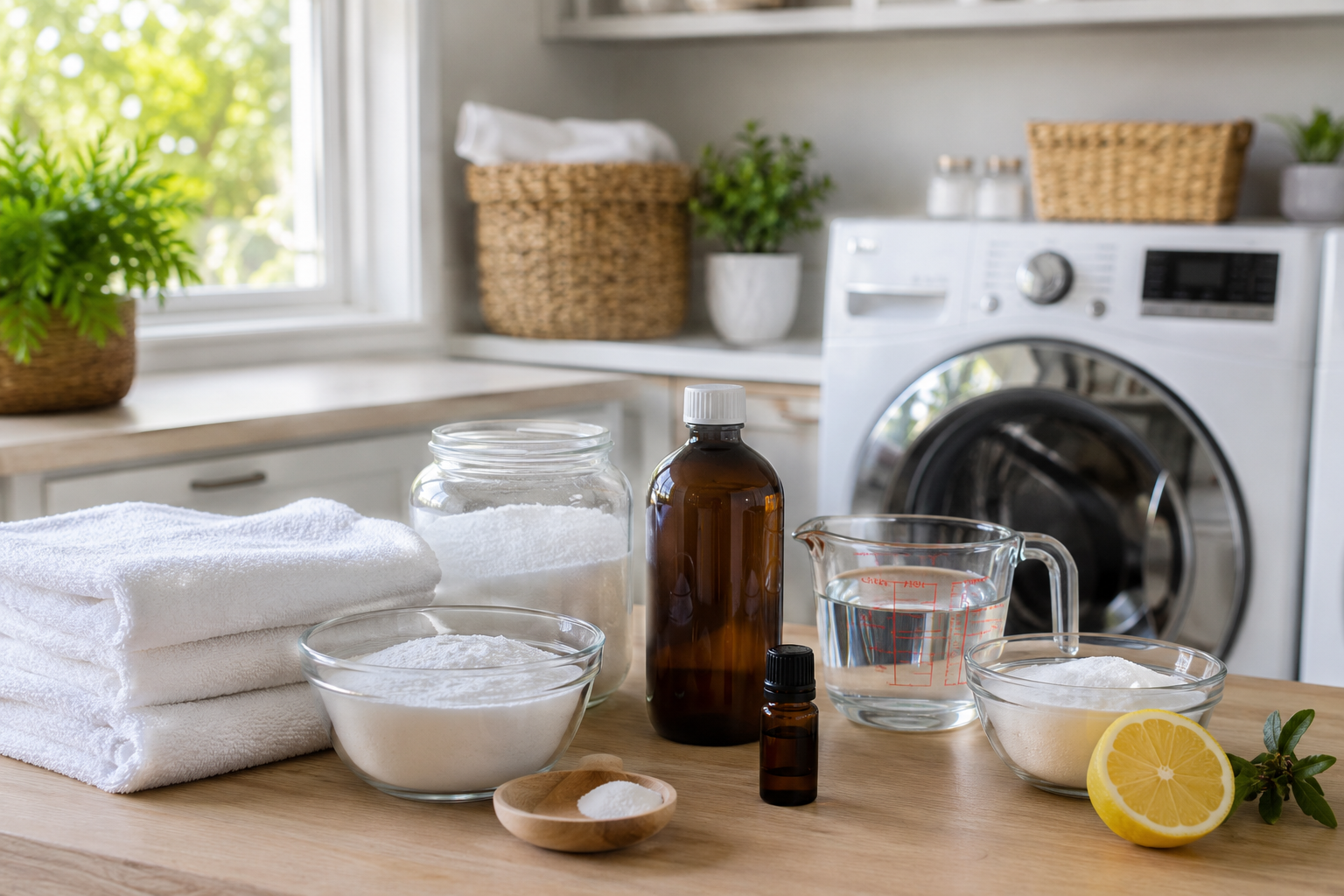
Natural bleach alternatives do not rely on chlorine to whiten fabrics or remove stains. Instead, they use ingredients that release oxygen or create conditions that help lift dirt, break down stains, and brighten fabrics. While these alternatives may not work as quickly as commercial bleach in every situation, they are often safer for regular household use and are less likely to damage clothing or contribute harsh chemical odors inside the home.
Why Consider a Natural Alternative?
| Feature | Chlorine Bleach | Natural Alternative |
|---|---|---|
| Whitens Laundry | ✓ Excellent | ✓ Very Good |
| Removes Stains | ✓ Excellent | ✓ Very Good |
| Strong Odor | ✓ Yes | ✗ Minimal |
| Septic Friendly | ✗ Limited | ✓ Better Choice |
| Fabric Friendly | ✗ May Damage | ✓ Gentler |
| Leaves Chlorine Residue | ✓ Yes | ✗ No |
For many families, reducing exposure to harsh cleaning chemicals is an important part of maintaining a healthier home. A natural bleach alternative can help whiten white fabrics, brighten dingy laundry, remove many common household stains, and deodorize clothing without the strong smell associated with chlorine bleach.
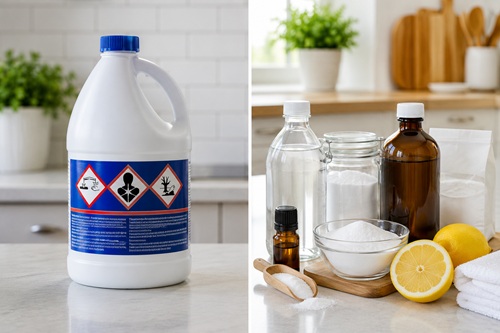
Another advantage is compatibility with septic systems. Heavy use of chlorine bleach may disrupt the beneficial bacteria that help septic systems function properly. Oxygen-based cleaning solutions generally have a much smaller impact, making them a popular choice for homes that rely on private septic systems.
Natural alternatives are also useful for people who have asthma, chemical sensitivities, or simply prefer using products with fewer harsh ingredients whenever practical.
How Oxygen-Based Whitening Works
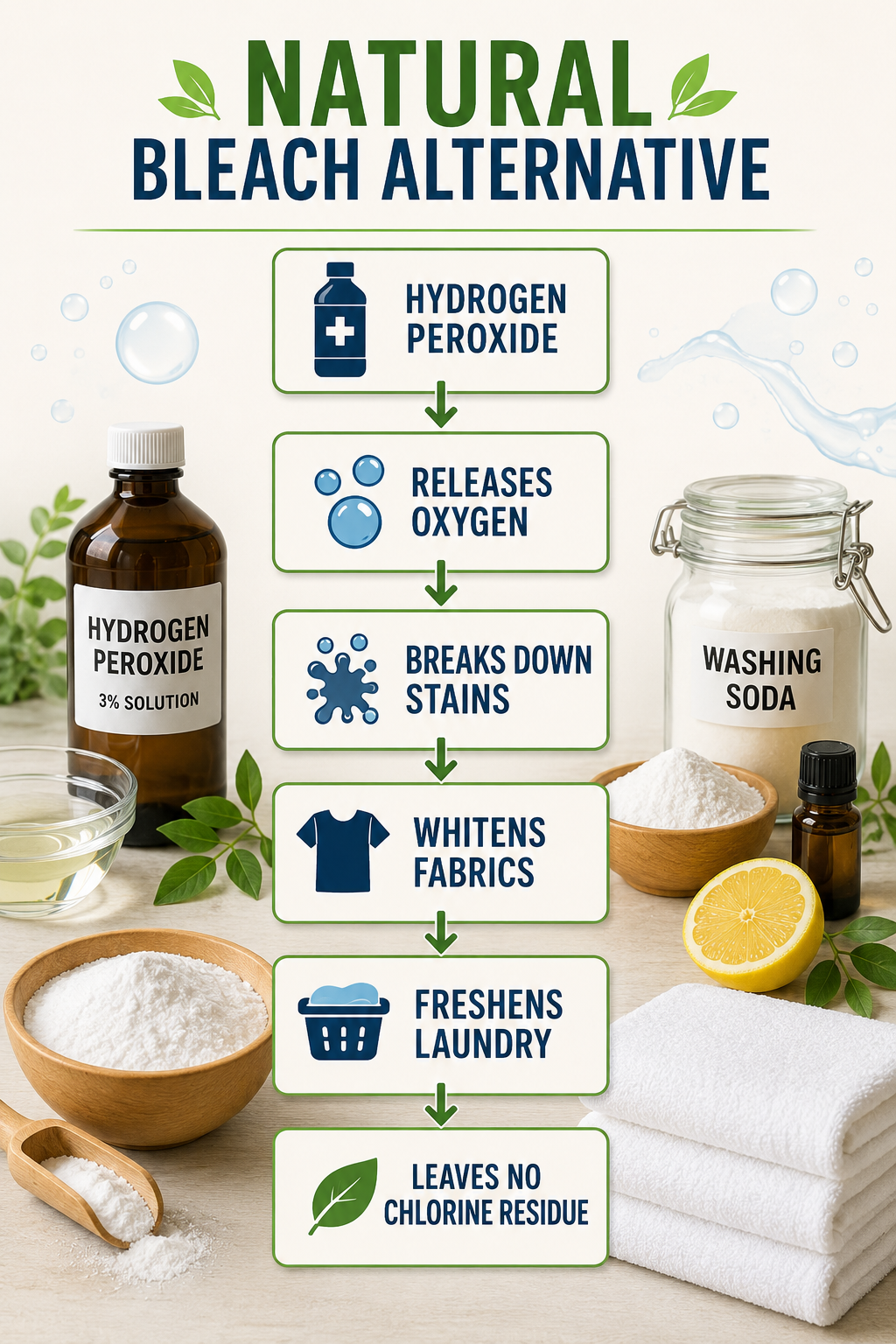
Most natural bleach alternatives rely on hydrogen peroxide as their primary whitening ingredient. Hydrogen peroxide works by releasing oxygen molecules that help break apart many organic stains, including food spills, grass stains, body oils, and other common discoloration found in laundry.
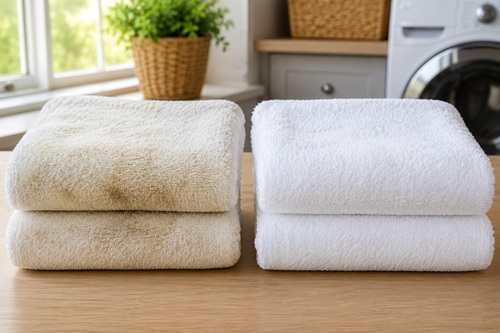
Unlike chlorine bleach, hydrogen peroxide breaks down into water and oxygen after use, leaving little residue behind. This makes it a popular ingredient in many environmentally friendly household cleaners.
Although hydrogen peroxide can brighten many fabrics, it generally works more gradually than chlorine bleach. Extremely stained items may require soaking or repeated treatments to achieve the desired results.
A Simple Natural Bleach Alternative
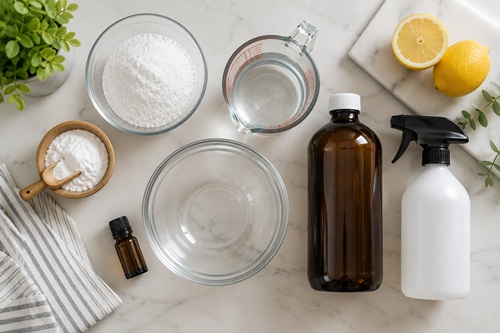
One effective homemade oxygen-based whitening solution uses only a few common household ingredients.
Ingredients
- 2 cups of 3% hydrogen peroxide
- 1 cup of water
- 15–20 drops of lemon essential oil (optional)
- 1 tablespoon washing soda (optional for extra cleaning power)
Mix the ingredients in a clean opaque spray bottle or storage container. Because hydrogen peroxide slowly breaks down when exposed to light, storing the mixture in a dark container helps preserve its effectiveness.
Shake gently before each use.
How to Use It
For laundry, add approximately one-half to one cup of the solution to a load of white or colorfast clothing. For heavily stained items, allow the fabric to soak for 30 to 60 minutes before washing.
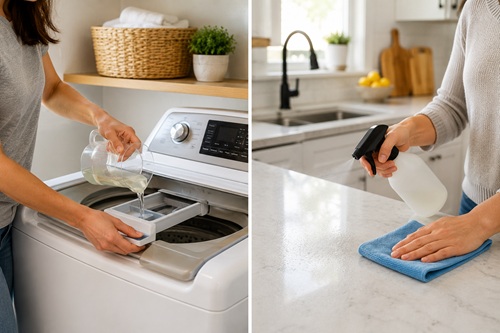
For household cleaning, spray the solution onto washable surfaces, allow it to remain for several minutes, then wipe clean with a damp cloth. Always test the solution on an inconspicuous area first, particularly when cleaning painted, finished, or delicate surfaces.
Although many people use homemade cleaning solutions successfully, remember that homemade mixtures may not provide the same level of disinfection required in healthcare or food-processing environments.
Ingredients That Improve Cleaning Performance
Several common household ingredients can enhance natural cleaning solutions when used appropriately.
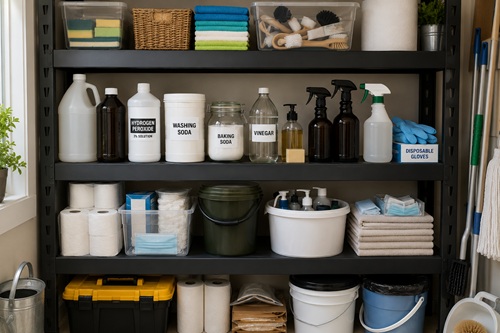
Washing Soda increases the alkalinity of the water, helping loosen grease, body oils, and stubborn stains while improving the effectiveness of detergents.
Baking Soda helps neutralize odors, gently scrubs surfaces, and boosts general cleaning performance. It is especially useful for laundry and kitchen cleaning.
Lemon Essential Oil contributes a fresh citrus scent and contains natural compounds that may assist with breaking down grease and grime. Many people enjoy its pleasant fragrance as an alternative to the strong odor of chlorine bleach.
Tea Tree Essential Oil is commonly used in homemade cleaners because of its natural antimicrobial properties. Only a few drops are needed when preparing household cleaning solutions.
Important Safety Tips
Even natural cleaning products should be handled responsibly. Hydrogen peroxide can irritate the eyes and skin, so avoid direct contact and wear gloves if you have sensitive skin. Essential oils should always be used according to the manufacturer’s recommendations and kept out of reach of children and pets.
Never mix chlorine bleach with ammonia, vinegar, or other household cleaners, as dangerous gases may be produced. Likewise, avoid combining homemade cleaning products unless you understand how the ingredients interact.
Store homemade cleaners in clearly labeled containers away from heat, direct sunlight, and children.
Natural Bleach Isn’t Always the Right Choice
Natural bleach alternatives perform well for many everyday cleaning tasks, but they are not a perfect replacement for every application. Situations involving mold remediation, sewage contamination, flood cleanup, or serious biological hazards may require stronger disinfectants recommended by local health authorities.
Knowing the strengths and limitations of each cleaning product allows you to choose the safest and most effective option for the task at hand.
Preparedness Perspective
Cleaning supplies are an often-overlooked part of emergency preparedness. During supply chain disruptions or natural disasters, commercial cleaning products may become difficult to find or unexpectedly expensive. Understanding how to safely prepare simple household cleaners from commonly available ingredients increases your ability to maintain sanitation when normal supplies are limited.
Natural bleach alternatives should not replace every disinfectant in your preparedness supplies, but they provide an excellent everyday option for whitening laundry, removing stains, freshening fabrics, and reducing dependence on harsh chemicals. Building practical household skills alongside maintaining a well-stocked supply cabinet strengthens both self-reliance and long-term preparedness.
© Prepping Communities. This content is for informational purposes only and not professional advice. Use at your own risk.
Terms | Privacy | Guidelines