

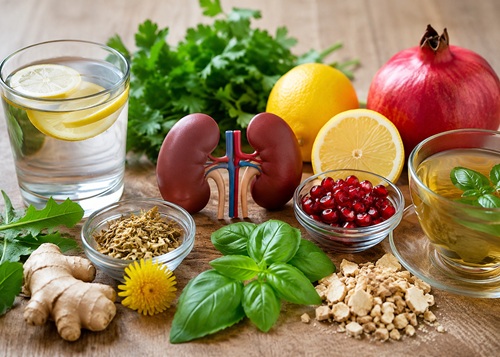
Kidney stones are a common and often painful condition that develops when certain minerals and salts become concentrated in the urine and form hard deposits. These stones can range in size from tiny grains to much larger masses capable of causing severe discomfort as they move through the urinary tract. Dehydration is one of the leading risk factors, but diet, genetics, certain medical conditions, and some medications can also contribute to stone formation.
Anyone experiencing severe flank pain, fever, chills, persistent vomiting, or blood in the urine should seek medical evaluation. Kidney stones may require medical treatment, and home remedies should never replace professional care when symptoms are severe. However, healthy lifestyle choices may help support kidney function, reduce the risk of future stones, and complement medical advice.
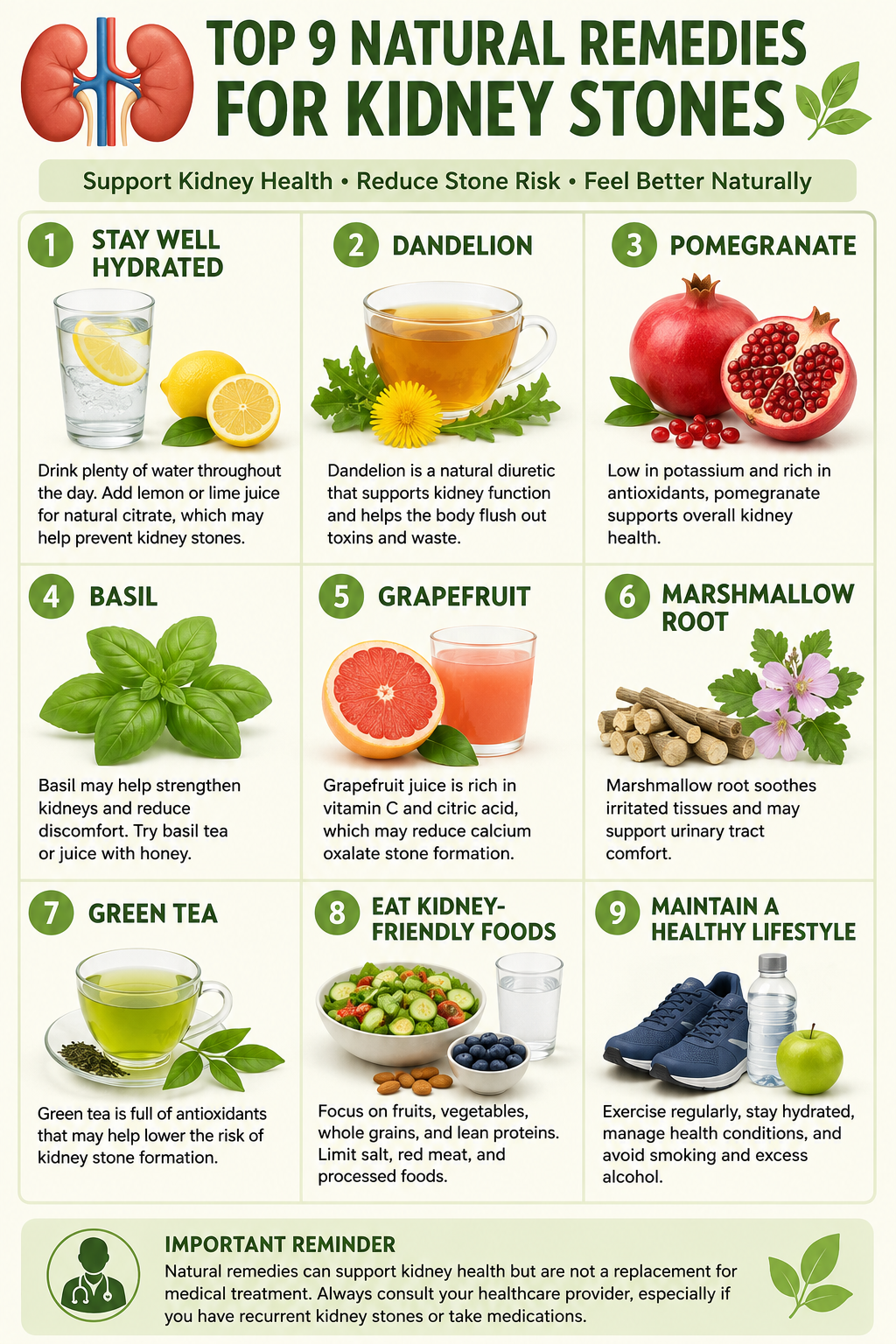
1. Stay Well Hydrated
Drinking enough water is one of the most effective ways to help reduce the risk of kidney stones. Proper hydration dilutes the minerals in urine that can otherwise crystallize and form stones.

While individual needs vary based on climate, activity level, and health, many people benefit from drinking enough water to produce pale yellow urine throughout the day.
Some research also suggests that citrus fruits, particularly lemons and limes, contain citrate, a natural compound that may help reduce the formation of certain types of calcium-based kidney stones.
2. Include More Citrus Foods
Citrus fruits such as lemons, limes, and oranges contain natural citrate, which may help reduce crystal formation in some individuals. Adding fresh lemon or lime juice to water is an easy way to increase citrate intake while encouraging greater daily hydration.
3. Consider Dandelion
Dandelion has traditionally been used as an herbal tonic that supports normal kidney and urinary function. It also has mild natural diuretic properties that may encourage healthy urine production. Although many people enjoy dandelion tea, anyone with gallbladder disease or who takes certain medications should consult a healthcare provider before using herbal supplements.
4. Enjoy Pomegranates
Pomegranates provide antioxidants and beneficial plant compounds that support overall health. They can be a nutritious addition to a balanced diet and may help support normal kidney function as part of an overall healthy eating plan.
5. Basil as a Traditional Herbal Remedy
Fresh basil has long been used in traditional herbal medicine. It contains antioxidants and anti-inflammatory compounds that may support general wellness. Whether added to meals or brewed into herbal tea, basil can be an enjoyable part of a kidney-friendly diet.
6. Marshmallow Root
Marshmallow root has traditionally been used to soothe irritated tissues because of its naturally occurring mucilage.
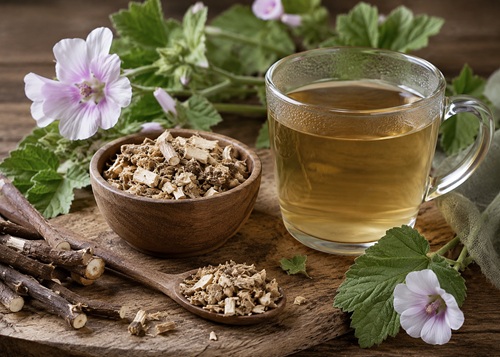
Some herbal practitioners recommend it to support urinary tract comfort, although scientific evidence remains limited. Individuals should consult their healthcare provider before using herbal products, especially if taking prescription medications.
7. Drink Green Tea in Moderation
Green tea contains natural antioxidants that support overall health. Some research has explored its possible role in reducing oxidative stress associated with kidney stone formation, although more studies are needed. Choosing unsweetened green tea can be a healthy beverage option as part of good hydration.
8. Maintain a Kidney-Friendly Diet

A balanced diet plays an important role in kidney health. Reducing excessive sodium intake helps decrease the amount of calcium excreted in urine, which may lower the risk of certain kidney stones. Eating plenty of vegetables, fruits, whole grains, and moderate amounts of lean protein supports overall health while limiting highly processed foods may benefit the kidneys.
It is important to remember that not all kidney stones are the same. Dietary recommendations can differ depending on the type of stone present. Anyone with recurrent kidney stones should work with their healthcare provider to determine the most appropriate dietary approach.
9. Maintain a Healthy Lifestyle
Regular physical activity, maintaining a healthy body weight, staying hydrated, and following medical advice all contribute to healthier kidneys. Limiting excessive alcohol consumption, avoiding tobacco products, and managing conditions such as diabetes or high blood pressure also reduce stress on the kidneys over time.
Final Thoughts
Natural approaches can support healthy kidney function and may help reduce the risk of certain kidney stones, but they are not substitutes for professional medical care. Persistent pain, urinary symptoms, fever, or suspected kidney stones should always be evaluated by a healthcare professional. Combining adequate hydration, healthy nutrition, regular exercise, and appropriate medical guidance offers the best long-term strategy for maintaining healthy kidneys and lowering the risk of future stone formation.
© Prepping Communities. This content is for informational purposes only and not professional advice. Use at your own risk.
Terms | Privacy | Guidelines