
Introduction
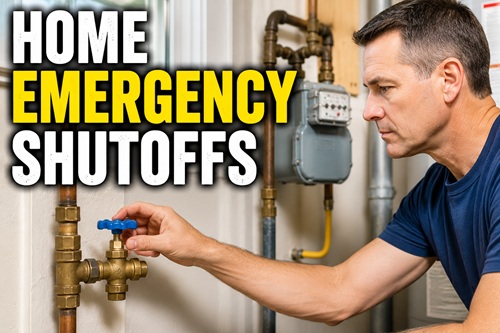
Every homeowner hopes they never have to deal with a burst water pipe, leaking water heater, broken washing machine hose, or damaged gas line. Unfortunately, these situations occur every day, often without warning. In many cases, the difference between a minor inconvenience and thousands of dollars in property damage comes down to one simple thing—knowing how to quickly shut off your home’s utilities. A few minutes of preparation today can prevent hours of cleanup and expensive repairs tomorrow.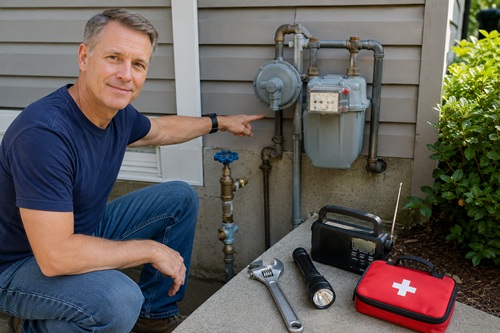
Many people live in the same home for years without ever locating the main water shutoff valve or natural gas shutoff. During an emergency, precious time is often lost searching for valves, tools, or instruction manuals while water continues pouring into the home or the smell of gas grows stronger. Learning where these shutoffs are located before an emergency occurs is one of the simplest preparedness skills every homeowner should possess.
This guide explains how residential water and gas systems work, where shutoff valves are commonly located, when they should be used, and the safety precautions every homeowner should understand. You’ll also learn how to prepare your family so everyone knows what to do if an emergency ever happens. Preparedness isn’t just about storing food and supplies—it’s also about protecting the home you’ve worked so hard to build.
Why Utility Shutoffs Matter
Water and natural gas are among the most useful services in any home, yet they also have the potential to cause significant damage when something goes wrong. A burst pipe can flood an entire room within minutes, soaking drywall, flooring, furniture, and personal belongings. Even a slow leak behind a wall can lead to mold growth and costly structural repairs before anyone notices there is a problem.
Natural gas presents an entirely different type of risk. Although modern gas systems are extremely safe when properly maintained, damaged gas lines or leaking appliances require immediate attention. Knowing how to recognize a problem and understanding when to leave the area and contact your gas utility can help protect both your family and your property.
Many emergencies that require shutting off utilities are not major disasters. A failed water heater, frozen pipe, cracked washing machine hose, or plumbing repair may all require shutting off water temporarily. Likewise, replacing a gas appliance or responding to a suspected leak may require isolating part of the gas system. Understanding these procedures before they’re needed removes much of the stress during an already difficult situation.
Understanding Your Home’s Water System
Every home’s plumbing system begins with a single water supply entering the building from either a municipal water system or a private well. From there, water is distributed throughout the house to sinks, showers, toilets, appliances, outdoor faucets, and the water heater. Although the plumbing may appear complicated, nearly every home has a single main shutoff valve capable of stopping water flow to the entire house.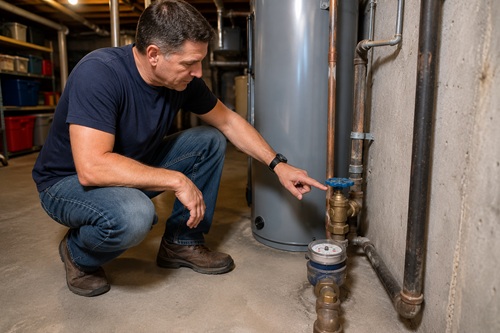
Most plumbing fixtures also have individual shutoff valves located nearby. These smaller valves allow homeowners to repair or replace a single fixture without shutting off water to the rest of the house. Learning the difference between a local shutoff and the main shutoff provides flexibility during repairs and emergencies. If a toilet begins leaking, for example, turning off the valve behind the toilet may solve the problem without interrupting water service to the entire home.
Understanding how water flows through your home also helps you identify potential trouble spots. Washing machine hoses, water heaters, under-sink supply lines, refrigerators with ice makers, and outdoor hose connections are among the most common sources of household water leaks. Regular inspection of these areas can prevent many emergencies before they begin.
Finding the Main Water Shutoff Valve
One of the first preparedness tasks every homeowner should complete is locating the main water shutoff valve. During a burst pipe or major plumbing failure, every second matters, and knowing exactly where the valve is located allows you to stop the flow of water quickly. In many homes, the valve is found near the point where the main water line enters the house. Depending on the age and design of the home, this may be in a basement, crawl space, utility room, garage, or mechanical room.
Some municipalities also install an exterior shutoff valve near the street that can stop water to the entire property. While homeowners rarely need to operate this valve, it’s useful to know where it is located. Once you’ve identified both the interior and exterior shutoffs, make sure they remain accessible. Avoid storing boxes, shelving, or heavy equipment in front of the valves, and consider placing a small label nearby so family members can locate them quickly if needed.
It’s also worthwhile to test the valve periodically to ensure it still operates smoothly. Valves that remain untouched for many years may become stiff or difficult to turn. If you’re unsure how to test or maintain the valve, consult a licensed plumber during your next service visit.
Shutting Off Individual Fixtures
Not every plumbing problem requires shutting off water to the entire house. In fact, many repairs can be completed simply by closing the shutoff valve serving the affected fixture. Toilets, sinks, washing machines, dishwashers, refrigerators with ice makers, and many water heaters have individual valves that allow maintenance without disrupting water service elsewhere in the home.
Knowing where these valves are located can save considerable time and inconvenience. If a faucet begins leaking or a toilet won’t stop running, shutting off the local valve immediately prevents additional water from being wasted while repairs are arranged. These smaller shutoffs are also valuable when replacing fixtures or installing new appliances.
As part of your annual home maintenance routine, inspect these valves to ensure they remain accessible and operate properly. A valve that cannot be turned during an emergency offers little protection when it’s needed most.
Understanding Your Home’s Water Heater
Your water heater is one of the most common sources of unexpected water damage. Most homeowners rarely think about it until something goes wrong, but a leaking water heater can release dozens of gallons of water into your home before anyone notices. In addition to damaging floors and walls, a leaking tank can ruin nearby furniture, storage boxes, appliances, and personal belongings.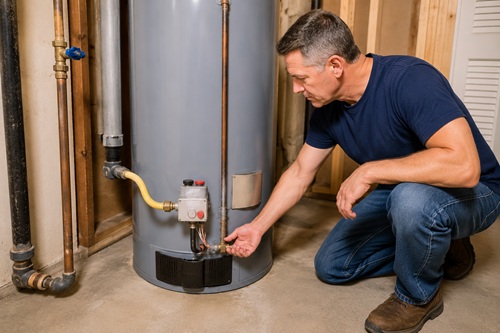
Every homeowner should know where the cold-water supply valve to the water heater is located. Closing this valve stops additional water from entering the tank, preventing the leak from becoming worse while you determine the cause of the problem. If the water heater is gas-fired, the fuel supply should also be turned off according to the manufacturer’s instructions. Electric water heaters should have power disconnected at the circuit breaker before repairs or replacement are attempted.
Water heaters don’t always fail dramatically. Small leaks, rust-colored water, unusual noises, or moisture around the base of the tank often provide early warning signs that replacement may soon be necessary. Periodically inspecting your water heater can help identify problems before they become emergencies.
When Should You Shut Off Your Water?
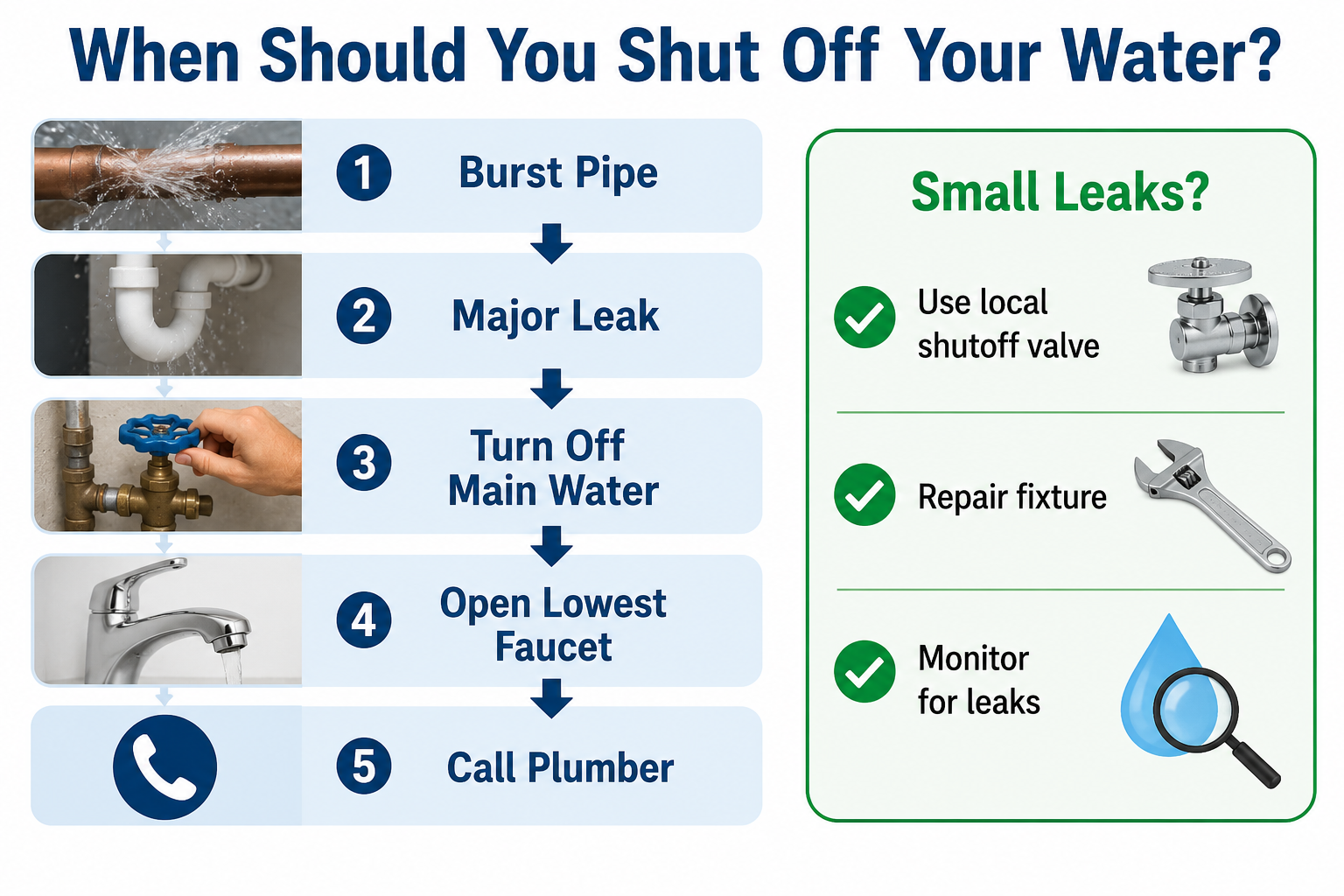
One of the most common questions homeowners ask is whether they should immediately shut off the main water supply whenever they discover a leak. The answer depends on the situation. Small leaks that can be isolated to a single fixture usually only require shutting off that fixture’s local valve. However, if water is flowing freely from a burst pipe or damaged appliance, shutting off the main water valve is often the fastest way to prevent extensive damage.
Many preparedness experts also recommend shutting off the main water supply before leaving home for an extended vacation. While this isn’t necessary for every overnight trip, turning off the water during longer absences can provide peace of mind by preventing an unnoticed leak from causing thousands of dollars in damage while no one is home.
After shutting off the main water supply, open a faucet on the lowest level of the house to relieve pressure in the plumbing system. This allows remaining water to drain safely and reduces pressure that could contribute to additional leaks.
Understanding Your Home’s Natural Gas System
Many homes rely on natural gas or propane to power essential appliances such as furnaces, water heaters, kitchen ranges, fireplaces, and clothes dryers. Under normal conditions these systems operate safely for many years with very little maintenance. However, if a gas line is damaged or an appliance begins leaking, knowing how to respond becomes extremely important.
Unlike water leaks, gas leaks present a different type of hazard. Natural gas is highly flammable and should always be treated with caution. Utility companies intentionally add a chemical called mercaptan to natural gas, giving it the distinctive odor of rotten eggs. This strong smell is designed to alert homeowners that something may be wrong long before dangerous concentrations develop.
Every member of the household should recognize this odor and understand that it should never be ignored. If you suspect a gas leak, leave the building immediately, move to a safe location, and contact your gas utility or emergency services. Do not operate light switches, garage door openers, or any electrical devices inside the home, as even a small spark could ignite accumulated gas.
Locating the Main Gas Shutoff Valve
Most residential natural gas systems include a main shutoff valve located near the gas meter outside the home. Depending on your utility company and local building practices, the appearance of the valve may vary slightly, but its purpose remains the same: stopping the flow of natural gas into the house during a serious emergency.
Take time to locate your gas meter before an emergency occurs. Familiarize yourself with the position of the shutoff valve and determine what tool is required to operate it. Many homeowners keep an adjustable wrench or dedicated gas shutoff tool in an easily accessible location near the meter. The goal is not to encourage unnecessary operation of the valve, but rather to ensure you know where it is should emergency responders instruct you to shut off the gas.
Never force a valve that appears damaged, corroded, or difficult to move. If you have concerns about the condition of your gas meter or shutoff valve, contact your utility provider for assistance.
Important Gas Safety Considerations
Unlike turning off a water valve, shutting off the main natural gas supply may require professional assistance before service can safely be restored. Many utility companies recommend that only qualified technicians restore gas service after the main valve has been closed. This allows the system to be inspected for leaks and ensures appliances are relit or restarted correctly.
Gas appliances often have specific procedures for relighting pilot lights or restarting electronic ignition systems. Furnaces, water heaters, fireplaces, and kitchen ranges may all have different operating instructions depending on their manufacturer and model. Keeping appliance manuals organized in a safe location can make restarting equipment much easier after maintenance or an emergency.
If you are ever uncertain about the safety of a gas appliance, do not guess. Contact your gas utility or a qualified technician. When dealing with natural gas, caution is always the safest approach.
Essential Tools Every Home Should Have
Preparedness isn’t just about knowing what to do—it also means having the proper tools available when they’re needed. Fortunately, the equipment required for basic home emergencies is inexpensive and takes up very little storage space.
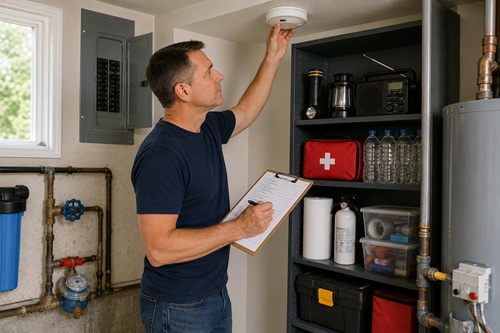
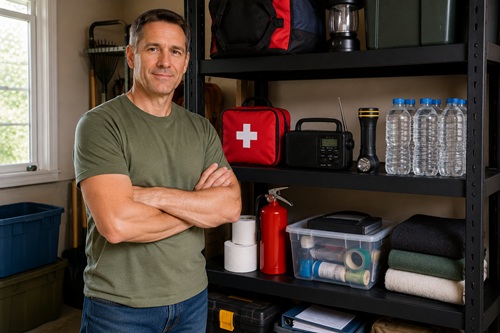
An adjustable wrench is useful for operating certain shutoff valves, while a quality flashlight or headlamp allows you to work safely if the power is out. Heavy-duty work gloves help protect your hands from broken glass, sharp metal, and splintered wood during cleanup. A fully stocked first aid kit, portable fire extinguisher, battery-powered emergency radio, and extra batteries should also be part of every home’s emergency supplies.
Carbon monoxide detectors deserve special mention. Because carbon monoxide is colorless and odorless, properly functioning detectors provide critical early warning if fuel-burning appliances malfunction. Test these detectors regularly and replace batteries according to the manufacturer’s recommendations.
Preparing Your Family Before an Emergency
Knowing where utility shutoffs are located shouldn’t be information known only by one person in the household. Every responsible adult should understand where the main water valve, gas meter, electrical panel, and emergency tools are located. Older children can also learn to identify these locations, even if an adult will ultimately operate the valves.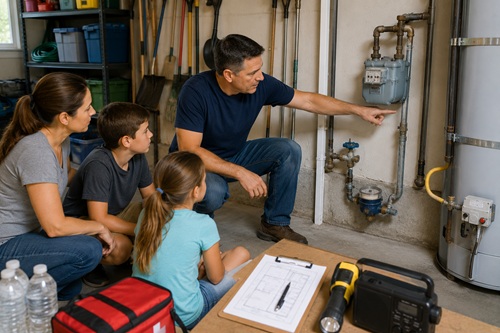
Consider walking through your home together once or twice each year. Show family members the location of important shutoffs, explain what each one controls, and review when they should—or should not—be used. This simple exercise builds confidence and helps reduce panic if an emergency ever occurs.
Preparedness also includes keeping emergency phone numbers readily available. Post contact information for your gas utility, water utility, insurance company, trusted plumber, and emergency services in an easy-to-find location. During a stressful situation, having these numbers immediately available can save valuable time.
© Prepping Communities. This content is for informational purposes only and not professional advice. Use at your own risk.
Terms | Privacy | Guidelines