
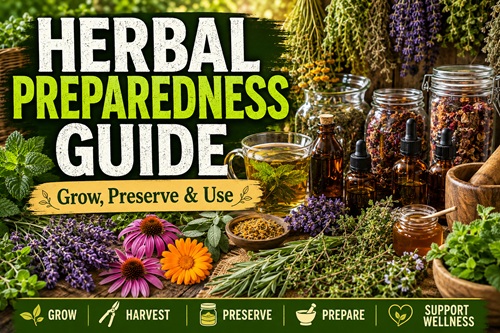
Introduction
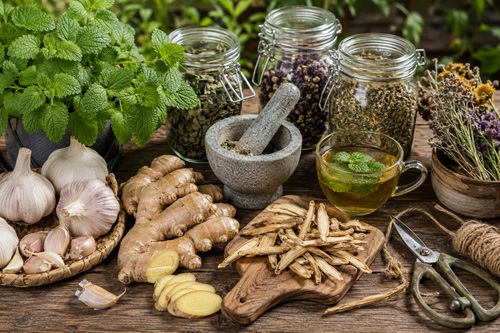
Long before modern pharmaceuticals were developed, people relied on plants to help care for themselves during periods of illness. Every culture developed its own traditions of herbal medicine using the plants that grew naturally in their region. Some herbs were valued for soothing coughs or reducing fever, while others were prized because they appeared to help people recover more quickly from seasonal illnesses. Although modern medicine has dramatically improved the treatment of infectious diseases, interest in medicinal herbs continues to grow as researchers investigate many of the naturally occurring compounds found within these traditional plants.
Today, scientists recognize that numerous herbs contain biologically active compounds capable of influencing bacteria, fungi, inflammation, and even certain viruses under laboratory conditions. Researchers continue to study these natural substances to better understand how they interact with viruses, support immune function, and influence the body’s natural defense mechanisms. While these findings are encouraging, laboratory results do not necessarily translate into proven treatments for human disease, and herbal remedies should never replace professional medical care when serious illness develops.
For preparedness-minded individuals, however, learning about medicinal herbs offers benefits that extend far beyond treating illness. Many antiviral herbs are also excellent culinary plants, making them useful additions to any garden even during normal times. Most can be grown at home with minimal equipment, harvested using simple techniques, dried for long-term storage, and preserved without refrigeration. This makes them particularly attractive for anyone interested in increasing household self-reliance or reducing dependence on commercial supply chains.
Building an herbal medicine cabinet does not require becoming an herbalist overnight. Like learning first aid, food preservation, or gardening, herbal preparedness is a skill that develops over time through study and experience. Beginning with a handful of well-understood plants allows you to gain confidence while developing practical knowledge that may prove valuable for years to come.
It is also important to recognize that no single herb is a cure-all. Each plant contains a unique combination of naturally occurring compounds, and each has strengths, limitations, and appropriate uses. Some herbs are traditionally valued for supporting immune function before illness develops, while others have historically been used to ease symptoms or promote recovery. Understanding these differences is one of the foundations of responsible herbal preparedness.
This guide introduces several of the best-known herbs that have traditionally been associated with antiviral activity. For each herb, we’ll examine its historical use, what modern research has discovered, practical methods of preparation, and why it deserves consideration as part of a well-rounded preparedness plan. Along the way, we’ll also discuss proper harvesting, storage, safety considerations, and simple ways to begin building a home herbal toolkit that can serve your family for years to come.
Why Herbal Knowledge Belongs in Every Preparedness Plan
Preparedness is often associated with food storage, emergency water supplies, generators, and medical kits. While these remain essential components of emergency planning, knowledge itself is one of the most valuable resources a person can possess. Supplies can be consumed, damaged, or lost, but practical skills continue providing value long after physical resources have been exhausted.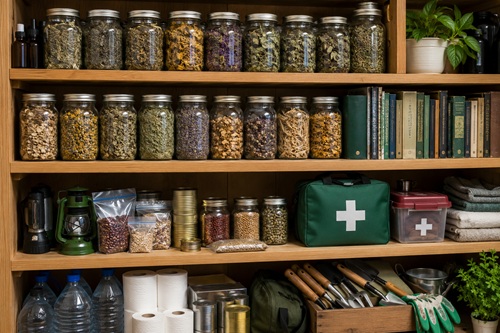
Medicinal plants represent an excellent example of knowledge-based preparedness. Unlike many emergency supplies that eventually expire, herbs can often be grown repeatedly from seed, harvested year after year, and preserved using simple techniques. Many medicinal herbs are hardy perennial plants that require relatively little maintenance once established, making them excellent long-term investments for homesteads, rural properties, and even small backyard gardens.
Another advantage of herbal preparedness is versatility. Several of the herbs discussed in this guide serve multiple purposes around the home. Garlic and ginger are common cooking ingredients found in kitchens worldwide. Lemon balm produces a pleasant herbal tea while attracting beneficial pollinators to the garden. Rosemary, sage, thyme, and oregano not only flavor meals but have long histories of traditional medicinal use. This ability to serve both culinary and wellness roles makes medicinal herbs practical additions to everyday life rather than supplies that remain untouched until an emergency occurs.
Herbal knowledge also encourages greater awareness of the natural world. Learning to identify plants, understand their growing requirements, recognize proper harvest times, and preserve them effectively builds skills that complement gardening, foraging, and self-sufficiency. These abilities contribute to a more resilient lifestyle by helping reduce dependence on outside resources while increasing confidence in one’s ability to care for family members during challenging situations.
Finally, herbal preparedness encourages a balanced mindset. Responsible preparedness is not about rejecting modern medicine or assuming that natural remedies can solve every problem. Instead, it recognizes that combining traditional knowledge with evidence-based medical care creates more options during both everyday life and emergencies. Herbs should be viewed as one tool among many—valuable for supporting wellness and expanding self-reliance, while understanding that serious illnesses still require appropriate professional medical evaluation and treatment.
Lemon Balm: A Gentle Herb with Remarkable Traditional Antiviral Potential
Among the many medicinal herbs grown throughout the world, lemon balm (Melissa officinalis) has earned a reputation as one of the safest, easiest, and most versatile plants for both beginning gardeners and experienced herbalists. A member of the mint family, lemon balm is recognized by its bright green leaves and pleasant citrus fragrance, which is released whenever the leaves are gently crushed. Native to the Mediterranean region but now cultivated across much of the world, this hardy perennial has been used in traditional herbal medicine for more than two thousand years.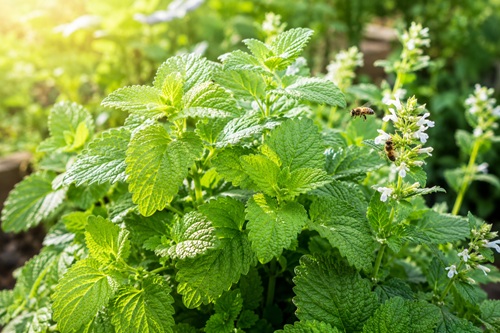
Historically, lemon balm was valued for far more than its refreshing aroma. Ancient Greek and Roman physicians described it as a calming herb that promoted restful sleep, eased nervous tension, and supported digestion. Medieval monasteries cultivated lemon balm extensively in their medicinal gardens, where monks prepared herbal teas, tinctures, and infused oils for a variety of everyday ailments. By the Middle Ages, lemon balm had become one of Europe’s most respected household medicinal herbs and was commonly included in preparations intended to support recovery during seasonal illnesses.
Modern scientific research has helped explain why lemon balm has remained popular for centuries. The leaves contain numerous naturally occurring compounds, including rosmarinic acid, flavonoids, polyphenols, and essential oils that have demonstrated antioxidant, anti-inflammatory, and antimicrobial activity in laboratory studies. Researchers have also investigated lemon balm extracts for their antiviral properties, particularly against herpes simplex viruses. Laboratory experiments suggest that certain compounds found in lemon balm may interfere with viral attachment or replication under controlled conditions. While these findings are encouraging, they should not be interpreted as proof that lemon balm can prevent or cure viral diseases in people without further clinical evidence.
Beyond its potential antiviral properties, lemon balm offers several additional benefits that make it attractive for preparedness. Many people appreciate its calming effects, particularly during periods of stress, anxiety, or difficulty sleeping. Emotional well-being often receives little attention during emergency planning, yet prolonged disasters frequently place tremendous psychological strain on families. A simple cup of warm lemon balm tea can become part of a comforting evening routine when normal life has been disrupted.
From a gardening perspective, lemon balm is remarkably forgiving. It tolerates a wide range of soil conditions, grows well in containers or garden beds, and often returns year after year with minimal care. Once established, a single plant can produce abundant foliage throughout the growing season. Because the leaves may be harvested several times each year, lemon balm provides an ongoing source of fresh herbal material while requiring relatively little maintenance.
Harvesting lemon balm is straightforward. The leaves contain their highest concentration of aromatic oils shortly before the plant flowers, making this an ideal time to gather stems for drying. Harvesting during the late morning, after dew has evaporated but before the heat of the afternoon, helps preserve the plant’s natural oils. The stems can be tied into small bundles and hung upside down in a warm, well-ventilated location away from direct sunlight. Once completely dry, the leaves should be removed from the stems and stored in airtight glass jars, protected from heat, moisture, and light. Properly dried lemon balm generally maintains good quality for approximately one year.
Lemon balm is one of the simplest herbs to prepare for everyday use. Fresh or dried leaves can be steeped in hot water to produce a pleasant herbal tea with a mild citrus flavor. Some herbalists also prepare alcohol-based tinctures for longer shelf life or infuse the leaves into carrier oils for topical applications. Fresh leaves are sometimes added directly to salads, fruit dishes, or cold beverages, providing both flavor and aroma. Because of its gentle nature, lemon balm has become a favorite introduction to herbal medicine for many people beginning their preparedness journey.
Although lemon balm is considered safe for most healthy adults when used in normal culinary or traditional herbal amounts, it is still important to use it responsibly. Individuals taking medications for thyroid disorders or certain sedatives should consult a qualified healthcare professional before using concentrated herbal preparations. As with any medicinal plant, introducing small amounts first allows the body to be monitored for unexpected sensitivities or allergic reactions.
Perhaps the greatest strength of lemon balm is its combination of simplicity and versatility. It is easy to grow, pleasant to consume, useful in the kitchen, attractive to pollinating insects, and supported by a long history of traditional herbal use. Whether enjoyed as a relaxing evening tea, included in a medicinal herb garden, or carefully dried for long-term storage, lemon balm represents an excellent first step toward building a practical herbal preparedness program.
Garlic: One of Nature’s Most Studied Medicinal Plants
If there is one plant that deserves a permanent place in every preparedness garden, it is garlic. Few herbs have influenced human history as profoundly as this humble member of the onion family. For thousands of years, garlic has been valued not only as a flavorful cooking ingredient but also as a medicinal plant used by civilizations across Europe, Asia, Africa, and the Middle East. Ancient Egyptian records describe garlic being provided to workers building the pyramids, while Greek physicians, Roman soldiers, Chinese healers, and Ayurvedic practitioners all recognized its importance as both food and medicine.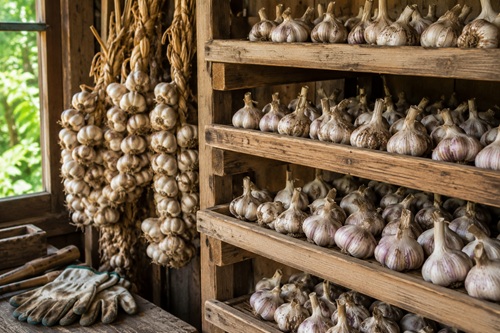
Unlike many medicinal herbs that have remained largely within traditional healing systems, garlic has become one of the most extensively studied plants in modern scientific research. Much of this interest centers on sulfur-containing compounds, particularly allicin, which forms when fresh garlic cloves are crushed or chopped. Laboratory studies have demonstrated that these compounds possess antibacterial, antifungal, antioxidant, and antiviral activity under controlled conditions. Researchers continue investigating how these natural substances may interact with microorganisms and influence the body’s immune response.
Garlic has traditionally been used during seasonal illnesses involving the respiratory system, and many cultures continue to prepare homemade remedies using fresh garlic combined with honey, lemon, or warm broths. While these traditional preparations remain popular, it is important to recognize that their long history of use does not necessarily establish clinical effectiveness against viral infections. Instead, garlic should be viewed as a nutritious food with biologically active compounds that may support overall health while complementing—not replacing—appropriate medical care.
For preparedness purposes, garlic offers advantages that extend far beyond its medicinal reputation. It is one of the easiest crops to grow, requires little specialized equipment, and stores exceptionally well after harvest. Once properly cured, whole garlic bulbs can often remain usable for many months when kept in a cool, dry, well-ventilated location. This long storage life makes garlic particularly valuable during periods when fresh produce may be difficult to obtain.
Garlic is also remarkably versatile in the kitchen. Fresh cloves enhance soups, stews, roasted vegetables, meats, sauces, and countless other meals while contributing important nutrients and flavor. Dehydrated garlic flakes and garlic powder provide additional storage options for long-term emergency pantries, while garlic-infused honey has become a traditional home preparation used by many herbal enthusiasts during cold and flu season. Because garlic serves everyday culinary purposes as well as traditional wellness applications, it rarely goes to waste—a valuable characteristic for any preparedness supply.
Growing garlic is well within the abilities of even novice gardeners. Individual cloves are typically planted in the fall or early spring, depending on climate, and require relatively little maintenance beyond occasional watering and weed control. Several months later, each planted clove develops into a complete bulb containing multiple new cloves, making garlic one of the easiest crops to multiply over time. A modest garden bed can produce an impressive harvest capable of supplying both the kitchen and the herbal pantry throughout much of the year.
Harvesting garlic at the proper time is important for maximizing storage life. Most gardeners wait until the lower leaves begin turning brown while several upper leaves remain green. After carefully lifting the bulbs from the soil, they are cured by hanging or spreading them in a dry, shaded location with good airflow for several weeks. This curing process allows the outer skins to dry and protects the bulbs during long-term storage.
Although garlic is generally considered safe when consumed as food, concentrated supplements or large medicinal quantities are not appropriate for everyone. Garlic may interact with blood-thinning medications and can increase bleeding risk before surgery. Some individuals also experience digestive discomfort when consuming large amounts of raw garlic. As with all herbal preparations, moderation and informed use remain essential.
Few plants combine practicality, nutritional value, ease of cultivation, and traditional medicinal history as effectively as garlic. For anyone building a preparedness garden, garlic represents one of the most valuable crops available—equally at home in the kitchen, the pantry, and the home apothecary.
Ginger: A Time-Tested Root for Wellness and Preparedness
Few medicinal plants are as widely recognized or as universally appreciated as ginger (Zingiber officinale). Although often associated with cooking, ginger has served as both a food and a traditional remedy for thousands of years. Historical records show that it was highly valued throughout ancient China, India, the Middle East, and later Europe, where it became one of the world’s most important spice crops. Today, ginger continues to be used around the globe for its distinctive flavor, digestive benefits, and long history of supporting overall wellness.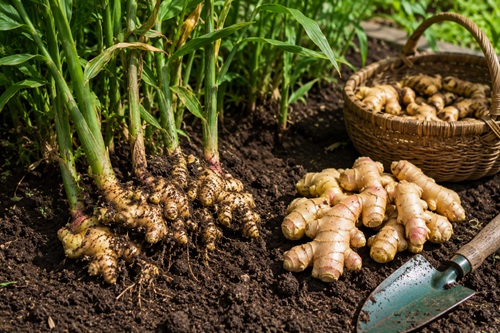
Unlike leafy herbs that are harvested above ground, ginger is actually the underground stem, or rhizome, of the plant. This thick, knobby root stores energy and contains numerous naturally occurring compounds that contribute to both its flavor and its medicinal reputation. Researchers have identified compounds such as gingerols, shogaols, and zingerone as some of the primary biologically active substances responsible for ginger’s antioxidant and anti-inflammatory properties. Laboratory studies have also investigated these compounds for antiviral activity against several viruses, although much of this research remains in experimental settings.
Traditionally, ginger has been used to ease nausea, soothe upset stomachs, improve circulation, warm the body during cold weather, and support recovery from seasonal illnesses. Warm ginger tea has long been a household remedy in many cultures during cold and flu season, while fresh ginger is frequently added to soups, broths, and herbal beverages. Its pleasant spicy flavor makes it one of the easiest medicinal plants to incorporate into everyday meals, allowing families to enjoy its benefits year-round rather than only during times of illness.
From a preparedness standpoint, ginger offers several practical advantages. Fresh ginger stores surprisingly well when kept cool and dry, often lasting several weeks in a refrigerator. It also freezes exceptionally well without significant loss of quality, allowing larger quantities to be preserved for future use. Dried ginger root and powdered ginger have even longer shelf lives, making them excellent additions to emergency food storage. Because ginger is useful in cooking, baking, beverages, and traditional herbal preparations, maintaining a supply rarely results in waste.
Growing ginger requires more patience than many common garden herbs, but it can be rewarding for those living in suitable climates or with access to greenhouse space. Ginger thrives in warm temperatures, rich soil, and partial shade. In cooler regions, many gardeners successfully grow ginger in containers that can be moved indoors during colder months. Although the growing season is relatively long, the plant requires little maintenance once established and can often be harvested gradually as needed.
Preparing ginger for traditional use is remarkably simple. Fresh slices may be steeped in hot water to produce a warming herbal tea, often enhanced with honey or lemon. Freshly grated ginger is commonly added to stir-fries, soups, marinades, and baked goods, while dried ginger powder provides a convenient long-term pantry ingredient. Some herbalists also prepare tinctures, syrups, or infused honeys using fresh ginger to extend its shelf life and versatility.
One characteristic that makes ginger especially valuable during emergencies is its ability to support hydration. During periods of illness, drinking warm fluids often becomes an important part of maintaining comfort and adequate fluid intake. Ginger tea not only provides warmth but may also encourage individuals experiencing mild nausea or reduced appetite to continue drinking fluids. While this should never replace appropriate medical care for severe illness or dehydration, it illustrates how a simple kitchen ingredient can serve multiple supportive roles.
Although ginger is considered safe for most people when consumed in food, concentrated supplements or large medicinal amounts should be used thoughtfully. Some individuals taking blood-thinning medications or certain heart medications should consult a healthcare provider before regularly using concentrated ginger supplements. Mild digestive irritation or heartburn may also occur in sensitive individuals when large amounts are consumed.
For preparedness enthusiasts, ginger represents an ideal combination of practicality and versatility. It enhances meals, stores well, preserves easily, supports a variety of traditional wellness practices, and remains one of the most thoroughly researched medicinal spices in the world. Whether enjoyed as a comforting tea, incorporated into everyday cooking, or carefully preserved for long-term storage, ginger deserves a permanent place in both the kitchen and the preparedness pantry.
Astragalus: A Traditional Herb for Long-Term Immune Support
Astragalus (Astragalus membranaceus) may not be as familiar to many home gardeners as garlic or ginger, yet it has been one of the foundational herbs of Traditional Chinese Medicine for more than two thousand years. Unlike herbs that are commonly used only after illness develops, astragalus has traditionally been valued as a tonic herb—one intended to strengthen the body’s resilience over time rather than provide immediate symptom relief. Its long history of use has made it one of the most respected plants for supporting overall vitality and maintaining a healthy immune system.
The medicinal portion of the plant is its long, fibrous root, which is typically harvested after several years of growth. Traditional herbal practitioners have long believed that astragalus helps strengthen what is often described as the body’s natural defensive energy. While this traditional concept differs from modern medical terminology, contemporary researchers have become increasingly interested in how compounds found within astragalus may influence immune function and inflammatory responses.
Modern studies have identified numerous biologically active compounds within astragalus, including polysaccharides, flavonoids, saponins, and astragalosides. Laboratory and animal research suggests that some of these compounds may help regulate immune cell activity, reduce oxidative stress, and influence inflammatory pathways. Researchers have also explored potential antiviral effects against several viruses in experimental settings. While these findings continue to generate scientific interest, additional high-quality human clinical studies are needed before definitive conclusions can be made regarding specific antiviral applications.
One feature that distinguishes astragalus from many other medicinal herbs is the way it has traditionally been used. Rather than waiting until illness develops, herbalists often recommend astragalus during periods of general wellness to help maintain immune health. It is commonly added to soups, broths, and slow-cooked meals, allowing the root to simmer for extended periods while gradually releasing its constituents. This culinary approach makes astragalus particularly appealing for preparedness because it can become part of everyday nutrition rather than something reserved exclusively for emergencies.
From a preparedness perspective, astragalus offers several practical benefits. The dried root has an exceptionally long shelf life when stored properly in airtight containers away from moisture and direct sunlight. Because the root is commonly sliced before drying, it is easy to measure and incorporate into homemade broths or herbal decoctions. A small supply can remain useful for years, making it an excellent addition to a long-term medicinal pantry.
Growing astragalus requires patience but relatively little specialized care. The plant prefers well-drained soil and full sun, producing deep taproots that are typically harvested after three or four growing seasons. While this longer growing period may discourage some gardeners, the reward is a substantial harvest of medicinal roots capable of providing years of use. Once established, astragalus is a hardy perennial in many climates and can become a dependable part of a medicinal herb garden.
Traditional preparation usually involves creating a decoction rather than a simple tea. Because the active constituents are concentrated within the woody root, slices are gently simmered in water for thirty to sixty minutes before the liquid is strained and consumed. The root itself is often removed before serving, although it may also remain in soups during cooking to impart both flavor and traditional medicinal value.
Astragalus is generally considered well tolerated for most healthy adults when used appropriately. However, individuals with autoimmune disorders, those taking immunosuppressive medications, or anyone receiving specialized medical treatment should consult their healthcare provider before using concentrated astragalus preparations. As with all medicinal herbs, responsible use includes understanding potential interactions and recognizing that herbal remedies should complement—not replace—professional medical advice.
Perhaps the greatest strength of astragalus lies in its philosophy of prevention rather than reaction. Preparedness is built on reducing vulnerability before problems occur, and astragalus reflects that same mindset. By emphasizing long-term wellness, resilience, and consistent self-care, this remarkable herb serves as a reminder that preparedness extends beyond stockpiling supplies—it also includes investing in the health and strength of the people those supplies are meant to protect.
Additional Antiviral Herbs Worth Knowing
While lemon balm, garlic, ginger, and astragalus form an excellent foundation for an herbal preparedness program, they represent only a small portion of the many plants that have been traditionally used to support health during seasonal illnesses. Throughout history, cultures around the world developed extensive knowledge of local medicinal plants, often discovering that different herbs served different purposes. Some were valued for supporting the immune system before illness developed, while others were used to soothe sore throats, calm coughs, reduce congestion, or promote recovery during periods of weakness.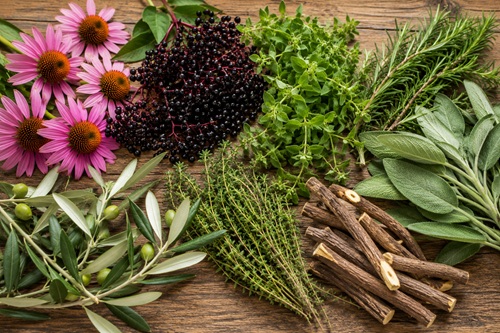
Modern scientific research continues to investigate many of these traditional herbs, identifying naturally occurring compounds with antiviral, antibacterial, antifungal, antioxidant, or anti-inflammatory activity in laboratory studies. Although research varies considerably from one plant to another, many of these herbs remain valuable additions to a preparedness garden because they often provide multiple benefits beyond their traditional antiviral reputation. Several are culinary herbs, many attract pollinators, and nearly all can be dried and stored for extended periods.
One of the best-known medicinal herbs is echinacea (Echinacea purpurea), a flowering plant native to North America that was widely used by Indigenous peoples long before European settlement. Today, echinacea remains one of the most extensively researched herbs for immune support. Rather than directly attacking viruses, it is generally believed to work by influencing certain aspects of the body’s immune response. Many people choose to use echinacea at the first signs of a seasonal illness, and it is commonly available as teas, capsules, tinctures, and dried herbal preparations. Its attractive purple flowers also make it an excellent addition to pollinator gardens while providing medicinal value.
Another highly respected herb is elderberry (Sambucus nigra), whose dark purple berries have been used in traditional European medicine for centuries. Elderberry has become increasingly popular because laboratory research has investigated its effects on influenza viruses and other respiratory pathogens. Elderberry syrup is perhaps the best-known preparation, although teas, lozenges, and dried berries are also widely available. It is important to remember that only properly prepared berries and flowers should be consumed, as raw berries and other parts of the plant contain naturally occurring compounds that can cause digestive upset if not correctly processed.
Olive leaf has also attracted significant scientific interest. Long associated with traditional Mediterranean medicine, olive leaves contain naturally occurring compounds such as oleuropein and hydroxytyrosol that have demonstrated antimicrobial properties in laboratory research. Herbal preparations made from olive leaves are commonly sold as capsules, tinctures, and teas. In addition to their traditional use during seasonal illnesses, olive leaf preparations are often valued for their antioxidant properties and their role in supporting overall wellness.
Several common kitchen herbs also deserve recognition. Oregano and thyme are best known as flavorful seasonings, yet both contain aromatic oils that researchers have extensively studied. Oregano contains compounds such as carvacrol and thymol, while thyme is naturally rich in thymol, one of its primary active constituents. Laboratory studies have demonstrated antimicrobial activity for these compounds against a variety of microorganisms. Although adding oregano or thyme to meals should not be viewed as medical treatment, their dual role as culinary herbs and traditional medicinal plants makes them exceptionally practical additions to any preparedness garden.
Licorice root has been used in traditional Chinese, Middle Eastern, and European herbal medicine for thousands of years. Its primary active compound, glycyrrhizin, has demonstrated antiviral activity in laboratory settings against several viruses. Traditionally, licorice root has also been used to soothe sore throats, calm coughs, and support respiratory comfort. However, licorice deserves particular respect because prolonged use or excessive amounts may affect blood pressure, potassium levels, and certain medications. Individuals with hypertension, kidney disease, or heart conditions should consult a healthcare professional before using concentrated licorice preparations.
Another herb receiving increasing attention is andrographis (Andrographis paniculata), often called the “King of Bitters.” Used for centuries throughout Asia, andrographis has traditionally been associated with immune support and seasonal wellness. Modern research has investigated its potential effects on several respiratory illnesses, leading to growing scientific interest. As its nickname suggests, however, the herb possesses an intensely bitter flavor that many people find unpleasant when consumed as a tea. For this reason, capsules have become one of the most popular methods of use.
Many other plants continue to be investigated for their antiviral potential. Holy basil (also known as tulsi), sage, rosemary, peppermint, cat’s claw, calendula, bee balm, and even green tea all contain compounds that researchers continue studying for their effects on microorganisms and immune function. Each contributes to a growing body of scientific knowledge that increasingly validates portions of traditional herbal medicine while also highlighting the need for continued research.
One important lesson emerges from studying these herbs collectively: no single plant appears to do everything. Each herb contains a unique mixture of phytochemicals that interact with the body in different ways. This diversity explains why experienced herbalists often emphasize maintaining a varied medicinal garden rather than relying heavily on one “miracle” herb. A collection of complementary plants provides greater flexibility, supports biodiversity, and allows each herb to contribute its own strengths.
From a preparedness standpoint, diversity also increases resilience. Weather, pests, disease, or changing growing conditions may affect individual plants differently from year to year. Growing several medicinal herbs helps ensure that if one crop performs poorly, others may still thrive. This mirrors one of the central principles of preparedness: avoid depending entirely on any single resource whenever practical alternatives exist.
Growing Your Own Medicinal Herb Garden
One of the greatest advantages of herbal preparedness is that many medicinal plants are surprisingly easy to cultivate. Unlike prescription medications that must be purchased and periodically replaced, herbs can often be propagated, harvested, dried, and replanted for years with relatively little expense. A modest medicinal garden can provide an ongoing source of useful plants while also reducing dependence on commercial suppliers.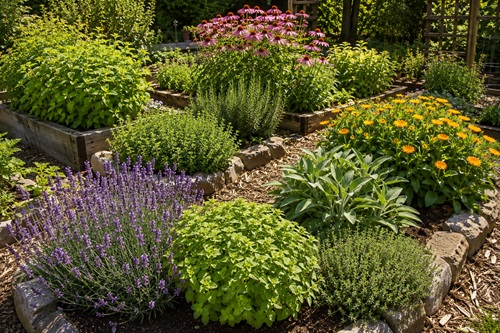
Fortunately, many antiviral herbs grow well in ordinary backyard gardens. Lemon balm, oregano, thyme, sage, rosemary, echinacea, peppermint, bee balm, and calendula are hardy plants that require little specialized care once established. Garlic can be planted annually with excellent results, while ginger grows well in containers or greenhouses in cooler climates. Even small urban gardens, balconies, or patios can support several medicinal herbs using raised beds or large containers.
When planning a preparedness herb garden, selecting plants that serve multiple purposes is often the most efficient approach. Culinary herbs provide daily value while remaining available for traditional herbal preparations when needed. Plants that attract pollinators also improve vegetable production and contribute to a healthier garden ecosystem. Many medicinal herbs produce attractive flowers, making them useful ornamental plants as well.
Healthy soil remains one of the most important factors influencing medicinal plant quality. Rich organic matter, adequate drainage, and consistent moisture help plants develop vigorous growth and produce the aromatic compounds that contribute to their traditional medicinal value. Regular composting, mulching, and avoiding unnecessary chemical pesticides can improve both soil health and plant resilience over time.
Harvest timing also plays a significant role in preserving herbal quality. Leafy herbs are generally harvested before flowering, when aromatic oils are often most concentrated. Flowers should typically be collected shortly after opening, while roots are usually harvested during late autumn after the plant’s energy has returned underground. Paying attention to these natural growth cycles helps maximize both flavor and traditional medicinal quality.
Perhaps the greatest reward of maintaining a medicinal herb garden extends beyond the herbs themselves. Gardening teaches observation, patience, self-reliance, and a deeper appreciation for natural cycles. Each growing season builds experience that cannot be purchased, gradually increasing confidence and preparedness while creating a renewable source of valuable household resources.
Harvesting, Drying, and Storing Medicinal Herbs
Growing medicinal herbs is only the first step. Preserving them correctly is equally important if you want them available throughout the year. Proper harvesting, drying, and storage help protect the natural compounds that give herbs their characteristic aroma, flavor, and traditional medicinal value. Fortunately, these skills require very little specialized equipment and can be learned by almost anyone.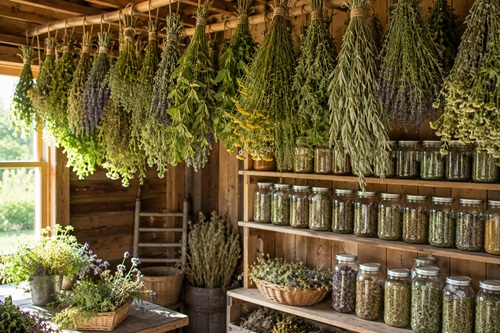
Most leafy herbs are best harvested during the morning after the dew has completely evaporated but before the hottest part of the day. At this point, the plants are well hydrated and many of their aromatic oils remain concentrated within the leaves. Flowers should generally be collected soon after they fully open, while roots are typically harvested during late autumn after the plant has finished its growing season. Harvesting at the proper time helps maximize quality while allowing many perennial herbs to continue producing throughout the season.
Once harvested, herbs should be inspected carefully and any damaged, diseased, or insect-infested material removed. Washing is usually unnecessary unless the plants are visibly dirty. Excess moisture can slow drying and increase the risk of mold. If rinsing is required, the herbs should be gently dried with clean towels before being prepared for storage.
Air drying remains one of the oldest and most effective preservation methods. Small bundles of stems can be tied together and hung upside down in a warm, dry location with good air circulation. Direct sunlight should be avoided because prolonged exposure may reduce color, aroma, and some naturally occurring compounds. Depending on humidity levels and the type of herb, drying usually requires one to three weeks. Herbs are ready for storage when the leaves crumble easily between your fingers and stems snap cleanly instead of bending.
Food dehydrators provide another excellent option, particularly in humid climates where air drying may take longer. Low temperatures are generally preferred to help preserve aromatic oils and delicate plant compounds. Regardless of the drying method, patience is worthwhile. Herbs that retain excess moisture are far more likely to develop mold during storage.
Once fully dried, herbs should be transferred to airtight glass jars or food-grade containers. Clear jars are perfectly acceptable if they are stored inside dark cupboards where they remain protected from light. Each container should be labeled with the herb’s name and harvest date. Even experienced herbalists can mistake dried herbs for one another, making accurate labeling an essential part of long-term organization.
Although many dried herbs remain usable for several years, their aroma and flavor gradually decline over time. Replacing stored herbs every year or two helps maintain the highest quality while ensuring that your emergency herbal supplies remain fresh. Older herbs need not be discarded immediately; they may still be useful in cooking, composting, or other non-medicinal applications while newer harvests replenish your preparedness pantry.
Proper storage also protects the time and effort invested in growing medicinal plants. A well-organized herbal cabinet becomes an extension of the preparedness pantry, allowing useful plants to remain available long after the growing season has ended.
Simple Ways to Prepare Medicinal Herbs
One of the greatest strengths of herbal preparedness is that most traditional preparations require only basic kitchen equipment. Throughout history, families prepared effective herbal remedies without specialized laboratories or expensive machinery. While modern extraction techniques have become more sophisticated, many traditional methods remain practical for everyday preparedness.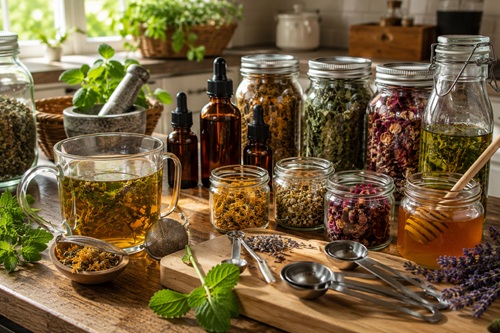
Herbal tea, technically known as an infusion, is perhaps the simplest preparation. Fresh or dried leaves and flowers are placed into a cup or teapot before hot water is poured over them. Covering the container while the herbs steep helps retain aromatic oils that might otherwise escape with the steam. After approximately ten to fifteen minutes, the herbs are strained and the tea is ready to drink. Lemon balm, peppermint, thyme, sage, and many flowering herbs are commonly prepared this way.
Roots, bark, seeds, and other tougher plant materials usually require a stronger extraction known as a decoction. Instead of simply pouring hot water over the herbs, these harder materials are gently simmered for thirty minutes or longer. This process allows more of the plant’s natural compounds to dissolve into the water. Ginger, astragalus root, and licorice root are often prepared using this method.
Tinctures provide another valuable option for long-term preparedness. A tincture is created by soaking herbs in alcohol or vegetable glycerin for several weeks, allowing the liquid to extract and preserve many of the plant’s active constituents. Properly prepared tinctures often have shelf lives measured in years, making them attractive additions to emergency supplies. Although they require more preparation time, they occupy very little storage space while remaining convenient to use.
Infused oils represent another traditional preparation intended primarily for external use. Herbs are allowed to steep in carrier oils such as olive oil over several weeks, producing oils that may later be incorporated into salves, balms, massage oils, or skin-care products. Calendula, lavender, and lemon balm are commonly used in infused oils because of their traditional association with skin comfort.
Many herbalists also prepare syrups by combining herbal infusions with honey. Elderberry syrup is perhaps the best-known example, although ginger, thyme, and other herbs are frequently prepared in similar ways. Honey contributes sweetness while also helping preserve the finished product when properly refrigerated.
Choosing the right preparation depends upon both the herb being used and the intended purpose. Some plants release their constituents readily in hot water, while others require longer extraction or different solvents. Learning these basic preparation methods greatly expands the usefulness of any medicinal herb garden while requiring only simple household equipment.
Safety Considerations
One of the most common misconceptions surrounding herbal medicine is the belief that natural automatically means safe. In reality, medicinal plants contain powerful biologically active compounds that deserve the same respect given to pharmaceutical medications. Used appropriately, herbs can become valuable tools for supporting wellness. Used carelessly, however, they may produce unwanted side effects or interact with existing medical conditions and prescription medications.
Correct plant identification should always be the first priority. Many beneficial herbs have poisonous look-alikes, particularly when foraging in the wild. Unless you are completely confident in your identification skills, purchasing seeds or plants from reputable nurseries is far safer than collecting unfamiliar plants from natural environments.
Individuals taking prescription medications should carefully research possible herb-drug interactions before adding concentrated herbal preparations to their routines. Garlic, licorice root, St. John’s wort, and several other herbs are known to interact with certain medications. Likewise, pregnant or breastfeeding women, young children, older adults, and individuals with chronic medical conditions should seek guidance from qualified healthcare professionals before regularly using medicinal herbs.
Quality also matters. Herbs grown in contaminated soil or exposed to pesticides may contain undesirable substances. Purchasing herbs from reputable suppliers—or better yet, growing your own—provides greater confidence regarding quality and purity. Proper drying and storage are equally important, as moldy herbs should never be consumed.
It is also wise to remember that herbal remedies are generally intended to support the body’s normal functions rather than provide immediate cures for serious illness. Persistent high fever, difficulty breathing, severe dehydration, chest pain, altered mental status, or rapidly worsening symptoms require prompt medical evaluation regardless of what herbal preparations may be available.
Preparedness is built on having multiple options available. Herbs complement food storage, sanitation, clean water, vaccinations when appropriate, modern medicine, and professional healthcare. They should be viewed as one component of a comprehensive preparedness strategy rather than a replacement for evidence-based medical treatment.
Key Takeaways
Medicinal herbs have supported human health for thousands of years and continue to attract scientific interest because of the remarkable variety of naturally occurring compounds they contain. Although researchers are still working to fully understand many of these plants, traditional knowledge combined with modern research provides valuable insights into how herbs may contribute to overall wellness and preparedness. Herbs such as lemon balm, garlic, ginger, astragalus, echinacea, elderberry, olive leaf, oregano, thyme, and others each offer unique characteristics that make them worthy additions to a preparedness garden.
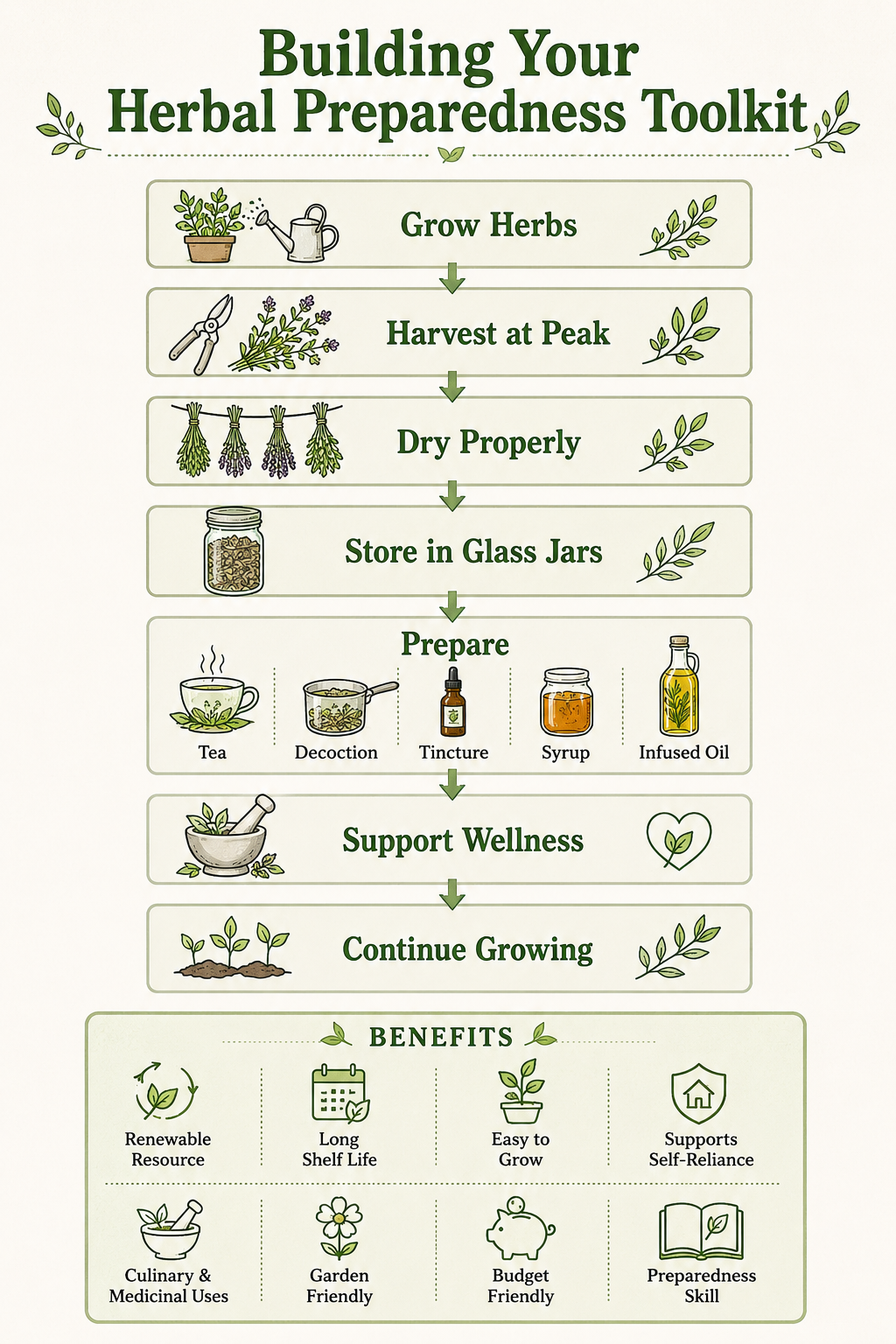
Perhaps the greatest advantage of herbal preparedness is that it builds renewable skills rather than dependence on disposable supplies. Learning to grow medicinal plants, harvest them at the proper time, preserve them correctly, and prepare them safely creates knowledge that remains useful throughout a lifetime. Unlike many emergency resources that eventually expire or must be replaced, gardening skills and herbal knowledge continue growing through experience.
Preparedness has always been about increasing resilience. Food storage, clean water, first aid training, gardening, and medicinal herbs all contribute to that goal in different ways. By combining traditional herbal wisdom with modern scientific understanding and responsible medical care, you create a balanced approach that provides more options during both everyday life and unexpected emergencies. A small medicinal herb garden may never replace a pharmacy, but it can become an important part of a thoughtful, self-reliant preparedness plan that serves your family for years to come.
© Prepping Communities. This content is for informational purposes only and not professional advice. Use at your own risk.
Terms | Privacy | Guidelines