
Building a Resilient Home for Long-Term Grid Disruptions
Introduction
Modern life depends on electricity far more than most people realize. Nearly every essential service we rely on—including communications, transportation, banking, healthcare, food distribution, water treatment, and emergency response—depends on electronic systems functioning properly. Most of the time these systems work so reliably that we rarely think about them. However, when they fail, even temporarily, everyday life can become significantly more difficult.
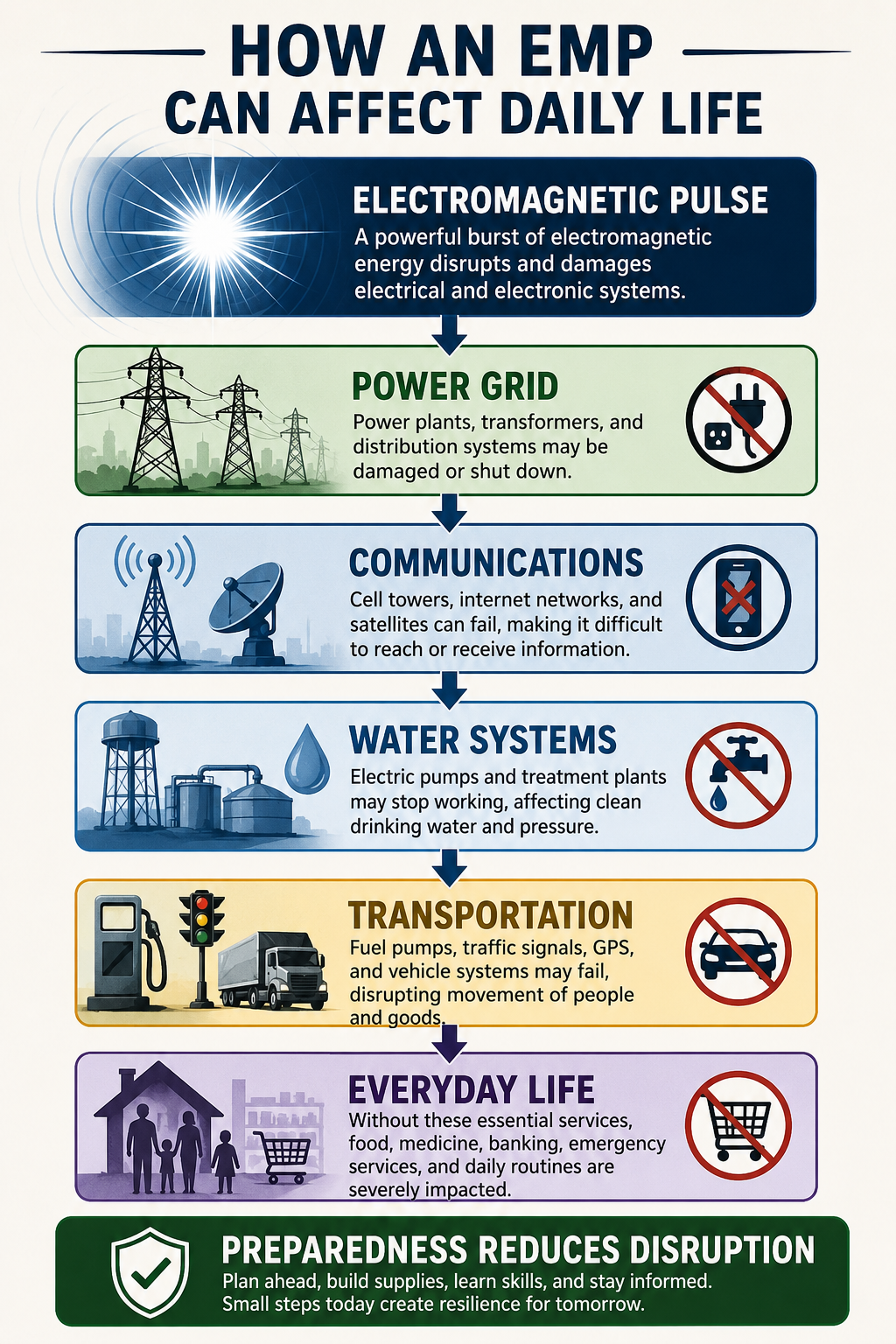
One event capable of disrupting electronic infrastructure is an electromagnetic pulse, commonly known as an EMP. While EMPs receive considerable attention in preparedness circles, they are often misunderstood. Movies and sensational headlines frequently portray them as instant civilization-ending events, while other people dismiss them entirely as science fiction. The truth lies somewhere between these extremes. Understanding what an EMP is, what it can realistically affect, and how to prepare responsibly allows families to make informed decisions rather than reacting to fear or misinformation.
Preparedness is not about predicting exactly what will happen or when it might occur. It is about recognizing that unexpected events—whether natural or man-made—can interrupt normal services and choosing to become more resilient before problems arise. Many of the preparations that improve your readiness for an EMP also strengthen your ability to handle severe storms, extended power outages, cyberattacks, earthquakes, hurricanes, ice storms, and other emergencies. In that sense, preparing for an EMP is really preparing for a wide range of disruptions that could affect your family.
This guide focuses on practical preparedness. Rather than encouraging panic buying or unrealistic survival scenarios, it explains the basic science behind electromagnetic pulses, examines how modern infrastructure depends on electricity, and outlines practical steps every household can take to reduce vulnerability. Whether your goal is becoming better prepared for natural disasters or simply increasing your family’s self-reliance, the principles discussed here provide a strong foundation for long-term resilience.
What Is an Electromagnetic Pulse?
An electromagnetic pulse is a brief but extremely powerful burst of electromagnetic energy capable of inducing electrical currents in conductive materials. Depending on its strength and the systems affected, an EMP can interfere with or permanently damage electronic equipment. Unlike many disasters that cause visible destruction, an EMP may leave buildings, roads, and landscapes appearing largely unchanged while silently disrupting the technology that keeps modern society operating.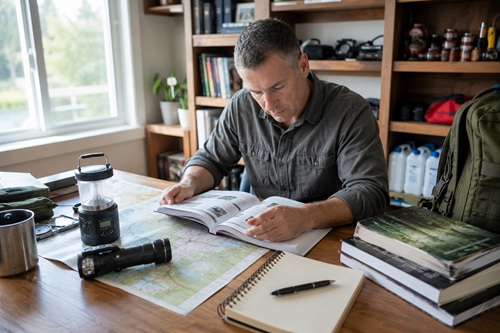
Electronic devices contain delicate components designed to operate within very specific voltage ranges. When exposed to an intense electromagnetic pulse, electrical currents can be induced into wiring, antennas, transmission lines, and electronic circuits. If those currents exceed what the equipment was designed to tolerate, components may fail instantly or suffer damage that becomes apparent only later.
The effects of an EMP vary considerably depending on many factors. The strength of the pulse, the distance from the source, the design of the electronic equipment, the amount of connected wiring, and even local geography can influence the outcome. Some devices may continue functioning normally, while others may experience temporary interruptions or permanent damage. Because outcomes are difficult to predict, preparedness focuses on reducing risk rather than assuming every electronic device will automatically fail.
It is also important to recognize that not every power outage or equipment failure involves an EMP. Severe weather, equipment malfunctions, cyber incidents, and physical damage to infrastructure occur much more frequently. Many preparedness measures recommended for EMP scenarios also improve readiness for these more common emergencies, making them worthwhile regardless of whether an electromagnetic event ever occurs.
The Three Types of EMP Events
Although the term “EMP” is often used broadly, several different types of electromagnetic events can produce similar effects. Understanding these differences helps place the risk into proper perspective while avoiding many of the misconceptions commonly found online.
One possible source is a high-altitude nuclear detonation. In this scenario, a nuclear device explodes far above the Earth’s surface, producing an electromagnetic pulse capable of affecting large geographic areas. Unlike a ground-level nuclear explosion, the primary concern over much of the affected region would not necessarily be blast damage but rather disruption of electrical and electronic systems. Such an event remains a serious national security concern, although it is considered a low-probability, high-impact scenario.
A second category involves non-nuclear electromagnetic devices. These systems use conventional technology to generate localized electromagnetic pulses intended to disrupt nearby electronics. Because they generally affect much smaller areas than high-altitude events, they are more relevant to specific facilities or targeted infrastructure rather than entire countries. Their potential effects depend greatly on the type of device used, its power, and its proximity to vulnerable equipment.
The third category involves geomagnetic disturbances caused by solar activity. Occasionally, the Sun releases enormous amounts of charged particles that interact with Earth’s magnetic field. During especially powerful solar storms, these interactions can induce electrical currents in long conductors such as power transmission lines, pipelines, and communication cables. Unlike nuclear-generated EMPs, solar storms primarily threaten large-scale electrical infrastructure rather than small electronic devices. Nevertheless, they have the potential to disrupt power systems across extensive regions.
Each of these scenarios differs in both likelihood and potential impact, but they share one important lesson: modern society depends heavily on complex electrical infrastructure. Improving household resilience helps reduce vulnerability regardless of the specific cause of a prolonged disruption.
Why Modern Society Is So Dependent on Electricity
Electricity powers far more than lights and household appliances. Nearly every critical system supporting modern life depends on continuous electrical service and electronic controls. Water treatment plants use electric pumps to move and purify drinking water. Fuel stations require electricity to operate pumps and process electronic payments. Grocery stores depend on refrigeration systems, computerized inventory management, and regular deliveries coordinated through digital logistics networks.
Healthcare facilities rely on sophisticated medical equipment, electronic records, communications systems, and climate-controlled environments to provide patient care. Financial institutions process millions of electronic transactions every day, while transportation networks depend on computerized traffic management, navigation systems, signaling equipment, and fuel distribution. Even agricultural production increasingly relies on automated machinery, computerized irrigation systems, and complex supply chains that coordinate the movement of food from farms to consumers.
This interconnectedness creates tremendous efficiency during normal times but also introduces vulnerabilities when multiple systems fail simultaneously. Problems affecting one sector often cascade into others. For example, prolonged electrical outages may interrupt fuel deliveries, which then affect transportation, grocery distribution, emergency services, and manufacturing. Understanding these relationships helps explain why preparedness extends beyond simply storing food or purchasing emergency equipment.
Fortunately, households are not powerless in the face of these challenges. By identifying the services they rely on most and developing practical alternatives wherever possible, families can greatly improve their ability to remain safe and comfortable during extended disruptions.
Protecting Your Most Important Electronics
One of the first questions people ask when learning about electromagnetic pulse preparedness is whether every electronic device will immediately stop working after an EMP. The honest answer is that nobody can predict exactly how individual devices would respond. The effects depend on many factors, including the strength of the pulse, the design of the equipment, whether it is connected to long conductors such as power lines or antennas, and even its location at the time of the event. Rather than assuming everything will fail or believing nothing will happen, preparedness focuses on reducing unnecessary risk.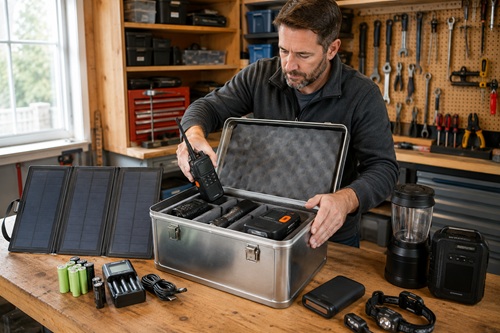
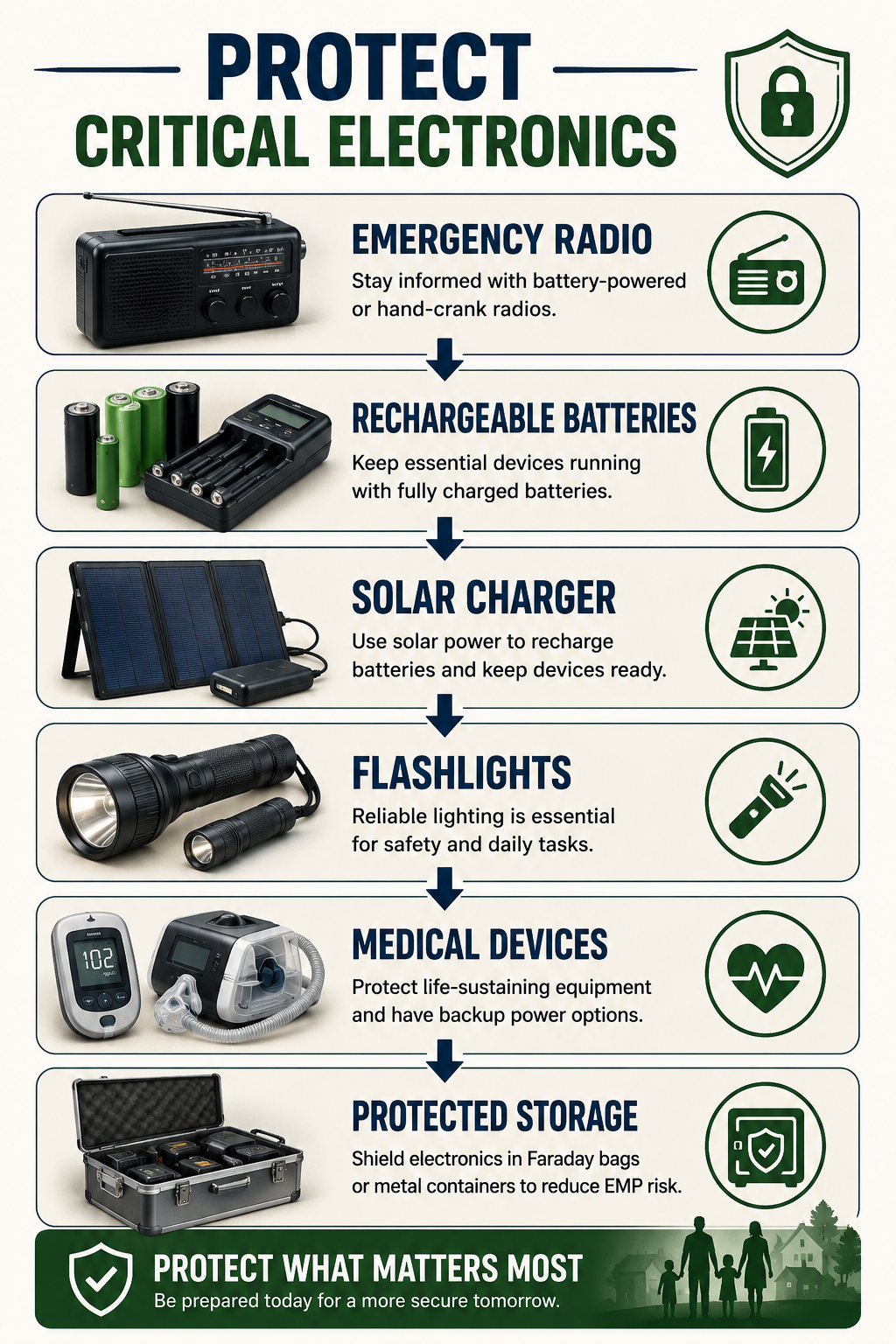
For most households, it makes sense to identify the electronic devices that would be most difficult or impossible to replace during a prolonged emergency. Communication equipment, emergency radios, portable solar charging systems, rechargeable batteries, flashlights, medical equipment, and backup storage devices often provide far greater long-term value than everyday entertainment electronics. By deciding in advance which items are truly essential, families can focus their preparedness efforts where they matter most.
Many preparedness enthusiasts choose to store critical electronics inside conductive containers commonly referred to as Faraday enclosures. These containers are designed to reduce the amount of electromagnetic energy that reaches the equipment inside. Commercial products are available, but many people also build simple protective containers using metal cabinets, ammunition cans, or other conductive enclosures that have been properly insulated to prevent electronics from touching the metal surfaces. While no protective system can guarantee success under every possible circumstance, properly constructed enclosures may significantly reduce the risk of damage.
Even if you decide not to store electronics inside protective enclosures, redundancy remains one of the most valuable preparedness principles. Having multiple methods of performing essential tasks greatly improves resilience. Printed maps continue working without batteries. Paper notebooks preserve important information regardless of electrical conditions. Mechanical watches, hand-operated tools, and non-electronic measuring devices often remain fully functional when electronic alternatives become unavailable. Building layers of backup options reduces dependence on any single technology.
Another practical consideration is replacement rather than protection. Some households purchase inexpensive backup radios, flashlights, chargers, or small electronic devices specifically for emergency storage. Because these items remain unused most of the time, they often stay in excellent condition while providing peace of mind should they ever become necessary. Regardless of which approach you choose, planning ahead is far easier than attempting to locate replacement equipment after an emergency has already begun.
Water Security During Extended Power Outages
Few resources become more important than clean drinking water during any prolonged emergency. Although grocery stores often receive the most attention when people prepare for disasters, municipal water systems depend on complex infrastructure that requires electricity, computerized controls, treatment facilities, pumping stations, and regular maintenance. When electrical systems experience prolonged disruptions, water service may become unreliable or unavailable depending on local conditions.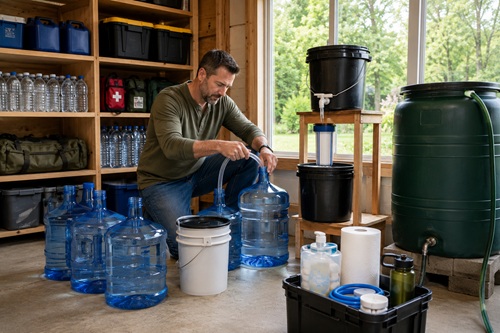
Every household should begin by storing an emergency supply of drinking water. The exact amount depends on family size, climate, activity level, and available storage space, but most emergency management agencies recommend maintaining enough water for several days at a minimum. Many preparedness-minded families choose to store considerably more whenever practical because water is required not only for drinking but also for cooking, hygiene, sanitation, and basic household cleaning.
Storage alone should never be the only strategy. Eventually every stored supply runs low, making alternative water sources equally important. Rainwater collection systems, private wells, nearby lakes, rivers, ponds, and natural springs may all provide additional water depending on where you live. However, water obtained from these sources should always be considered potentially contaminated until properly treated. Filtration systems, chemical purification methods, boiling, and ultraviolet treatment each have advantages and limitations, and many households choose to keep multiple purification methods available.
Water conservation also becomes increasingly important during long-term emergencies. Simple habits such as reusing lightly used water for cleaning, repairing household leaks promptly, and practicing efficient cooking methods help extend available supplies. Even families with substantial water storage benefit from learning conservation techniques before they become necessary.
Many people focus entirely on drinking water while overlooking sanitation. Washing hands, cleaning dishes, flushing toilets, and maintaining personal hygiene all require water. Planning for these everyday needs helps reduce the spread of illness while making extended emergencies significantly more manageable.
Food Storage for Long-Term Grid Disruptions
A well-planned food supply is one of the foundations of preparedness, regardless of whether the emergency is caused by an EMP, a natural disaster, or an extended power outage. Food provides much more than calories. It supports physical health, reduces stress, and helps maintain a sense of normal routine during uncertain times. When grocery stores become inaccessible or supply chains are interrupted, the meals already stored in your home become one of your most valuable resources.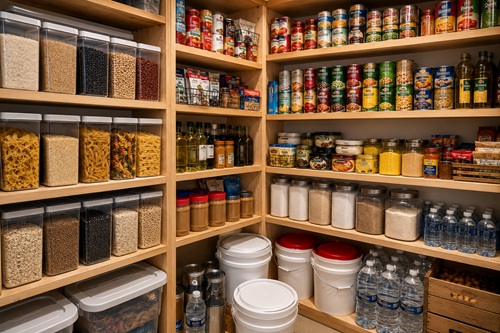
One of the best approaches to emergency food storage is to build your pantry around foods your family already eats. Purchasing unfamiliar foods simply because they have a long shelf life often leads to wasted money and unnecessary frustration. During an emergency, people naturally gravitate toward familiar meals that provide comfort as well as nutrition. By storing ingredients you regularly use, rotating them through everyday cooking, and replacing them as needed, your emergency pantry becomes part of your normal household rather than a forgotten collection of supplies hidden in a closet.
A balanced pantry should contain a variety of foods that work together. Grains such as rice, oats, pasta, and flour provide energy and serve as the foundation for many meals. Protein sources including beans, lentils, canned meats, peanut butter, and nuts help maintain strength and keep people feeling satisfied. Fruits and vegetables contribute important vitamins and minerals, while cooking oils, herbs, spices, and baking ingredients add flavor and make simple meals far more enjoyable. Water remains the most important item of all, since even the best food supply cannot be used without adequate hydration.
Preparing food during a prolonged outage also deserves careful consideration. Many pantry staples require cooking, which means having a reliable source of heat becomes just as important as storing the food itself. Camping stoves, propane burners, outdoor grills, rocket stoves, wood stoves, and solar ovens each have advantages depending on your environment and available fuel. Whatever cooking method you choose, it should be used safely and practiced before an emergency occurs. Familiarity with your equipment reduces mistakes and helps conserve valuable fuel when supplies may be difficult to replace.
Fuel planning is often overlooked by new preppers. A family may have several months’ worth of food but only enough propane or firewood for a few weeks of cooking. Estimating how much fuel your household actually uses under normal conditions provides a much more realistic understanding of your long-term preparedness. Learning recipes that require minimal cooking or one-pot meals can also reduce fuel consumption while simplifying cleanup.
Maintaining a Comfortable and Safe Home
Power outages affect far more than lights and appliances. Depending on the season, they can quickly make homes uncomfortably cold or dangerously hot. Preparing your home to remain livable without electricity is an important part of any long-term preparedness plan and benefits families facing winter storms, hurricanes, wildfires, or other disasters just as much as those considering EMP scenarios.
During colder months, retaining heat becomes the primary objective. Improving insulation, sealing air leaks around windows and doors, and using heavy curtains can significantly reduce heat loss without consuming additional fuel. Many families choose to concentrate daily activities into one or two rooms rather than attempting to heat the entire house. This approach conserves fuel while creating a more comfortable living space. Warm clothing, quality sleeping bags, layered bedding, and extra blankets all contribute to maintaining body temperature even if indoor temperatures begin to drop.
Heating alternatives should be selected carefully and used according to the manufacturer’s safety recommendations. Wood stoves remain one of the most dependable long-term heating solutions where they are practical, while properly ventilated kerosene or propane heaters may provide temporary heat in some situations. Regardless of the heating method, functioning smoke detectors and carbon monoxide detectors are essential. Every household member should understand safe operating procedures before an emergency occurs.
Summer presents different challenges. Although heat is often less immediately dangerous than severe cold, prolonged exposure to high temperatures can quickly lead to dehydration and heat-related illnesses. Keeping window coverings closed during the hottest part of the day, improving natural ventilation during cooler evening hours, staying well hydrated, and reducing unnecessary physical activity all help maintain comfort. Shade trees, awnings, reflective window coverings, and good airflow can dramatically improve indoor conditions without relying on air conditioning.
The goal is not to recreate every modern convenience but rather to maintain a safe, healthy, and functional living environment until normal services return or alternative solutions become available.
Communication When Modern Networks Fail
Communication is one of the first capabilities many people lose during widespread emergencies. Cell phones may remain fully charged, but without functioning cellular towers or internet infrastructure they become far less useful. Preparing alternative communication methods allows families to stay informed, coordinate with loved ones, and receive important emergency information when conventional systems are unavailable.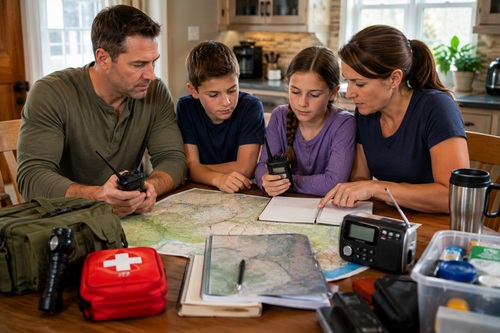
One of the simplest and most effective preparedness steps is creating a written communication plan. Every family should know where to meet if separated, who serves as an out-of-town emergency contact, and how to communicate if local networks are unavailable. Printing important phone numbers, addresses, maps, and meeting locations ensures this information remains available even if electronic devices become unusable.
Battery-powered or hand-crank emergency radios provide access to weather information and official emergency broadcasts. Amateur radio operators can communicate over much greater distances without relying on commercial infrastructure, making amateur radio an increasingly popular preparedness skill. Even families who choose not to pursue radio licensing benefit from understanding what communication resources exist within their community.
Communication also extends beyond technology. Strong relationships with neighbors often become one of the most valuable preparedness assets during prolonged emergencies. Sharing information, checking on vulnerable residents, pooling resources, and working together frequently accomplish far more than any single household could achieve alone. Communities that know one another before disasters generally recover more quickly afterward.
Medical Preparedness During a Long-Term Grid Failure
When most people think about emergency preparedness, they often picture food, water, and flashlights. Medical preparedness, however, deserves equal attention because even relatively minor injuries can become serious when healthcare services are disrupted. Hospitals, pharmacies, clinics, and emergency medical services all depend heavily on electricity, communications, transportation, and supply chains. During a prolonged grid failure, obtaining routine medical care may become significantly more difficult than many people expect.
Every household should maintain a well-stocked first aid kit designed to treat common injuries such as cuts, burns, sprains, blisters, insect bites, and minor illnesses. Basic supplies including adhesive bandages, sterile gauze, medical tape, antiseptic wipes, antibiotic ointment, burn dressings, elastic bandages, tweezers, scissors, disposable gloves, and over-the-counter medications should be inspected regularly and replaced before they expire. The goal is not to replace professional medical care but to provide the ability to safely manage routine health issues until proper treatment becomes available.
Prescription medications require additional planning. Individuals who depend on daily medications should speak with their healthcare providers about maintaining an emergency reserve whenever possible. Medical devices that rely on electricity, including oxygen concentrators, CPAP machines, powered mobility equipment, and refrigerated medications such as insulin, deserve careful consideration as part of a broader preparedness plan. Identifying alternative power sources or backup storage methods before an emergency occurs can greatly reduce stress during an actual disruption.
Knowledge remains one of the most valuable medical resources available. Learning basic first aid, CPR, wound care, and emergency response skills requires relatively little investment while providing benefits that extend far beyond EMP preparedness. Unlike equipment, practical skills cannot be lost, stolen, or used up. The more capable you become, the better prepared you are to care for yourself, your family, and possibly your neighbors during emergencies.
Sanitation and Hygiene Cannot Be Overlooked
One of the greatest threats following any prolonged disruption is not necessarily hunger or cold—it is poor sanitation. Throughout history, disease outbreaks have often claimed more lives than the disasters themselves. Maintaining good hygiene becomes increasingly important when running water, waste disposal, and regular garbage collection are interrupted.
Handwashing remains one of the simplest and most effective methods of preventing illness. Even when water supplies are limited, families should prioritize proper hand hygiene before preparing food, after using temporary toilet facilities, and after treating injuries. Soap, alcohol-based hand sanitizer, disposable gloves, disinfectants, paper towels, and household cleaning supplies all deserve a place in every emergency supply inventory.
Waste management also requires advance planning. If municipal sewer systems become unavailable, households may need temporary alternatives that safely isolate human waste while protecting water sources from contamination. Understanding basic sanitation principles before they become necessary can prevent serious health problems later. The same applies to food preparation areas, dishes, cooking utensils, and food storage containers, all of which should remain as clean as possible to reduce the risk of foodborne illness.
Personal hygiene contributes to both physical health and emotional well-being. Toothbrushes, toothpaste, soap, shampoo, feminine hygiene products, diapers, toilet paper, and other everyday necessities are frequently overlooked because they are so familiar. Yet during prolonged emergencies, these simple items quickly become essential. Maintaining normal hygiene routines whenever possible helps preserve morale while reducing the spread of illness throughout the household.
Transportation Without Modern Infrastructure
Transportation becomes much more complicated when fuel supplies, traffic management systems, and vehicle repair services are disrupted. Even if personal vehicles remain operational, gasoline and diesel fuel may become difficult to obtain, and electronic payment systems at service stations may no longer function. Understanding how your family would travel under these conditions is an important part of long-term preparedness planning.
The first step is reducing unnecessary travel whenever possible. A well-prepared household stores enough food, water, medications, and everyday supplies to avoid making emergency trips during hazardous conditions. Remaining safely at home often becomes the best option until transportation systems stabilize.
For situations where travel is necessary, maintaining multiple transportation options provides flexibility. Bicycles require no fuel, are relatively easy to repair, and allow significantly faster travel than walking while carrying useful amounts of equipment. Comfortable walking shoes, backpacks, and paper maps also deserve consideration because electronic navigation systems may be unavailable. Families should become familiar with multiple routes to important destinations rather than relying solely on GPS navigation.
Vehicle maintenance becomes even more important during uncertain times. Regularly servicing your vehicle, keeping tires properly inflated, maintaining adequate fuel whenever possible, and carrying basic emergency supplies improve reliability regardless of the type of emergency. Simple preparations completed during normal times often prevent much larger problems later.
Practical Skills Become More Valuable Than Equipment
Emergency supplies are important, but skills often prove even more valuable because they continue serving you throughout your lifetime. Equipment can wear out, become damaged, or eventually be consumed, while knowledge grows stronger with practice. Investing time in learning practical skills provides lasting benefits regardless of whether an EMP or any other disaster ever occurs.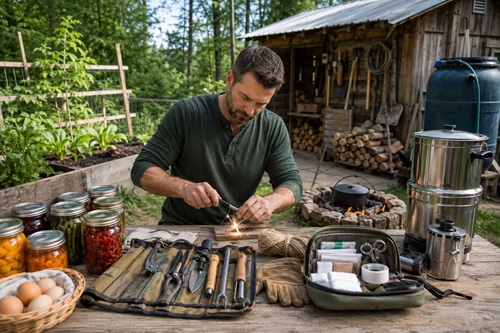
Cooking from basic ingredients is one of the most useful preparedness skills. Families who regularly prepare meals using rice, beans, flour, vegetables, and simple pantry staples adapt much more easily when convenience foods become unavailable. Likewise, learning to bake bread, preserve food through canning or dehydration, safely purify water, start fires using multiple methods, perform basic home repairs, and maintain essential tools all increase household resilience.
Gardening and food production also deserve attention. Even a small vegetable garden provides valuable experience while supplementing stored food supplies with fresh produce. Composting, seed saving, and understanding seasonal growing cycles further strengthen long-term self-reliance. Although no garden replaces a well-stocked pantry, developing these skills creates additional layers of security.
Problem-solving may be the most important preparedness skill of all. Emergencies rarely unfold exactly as expected. Families who remain calm, adapt to changing circumstances, communicate effectively, and work together often overcome challenges more successfully than those possessing larger quantities of equipment but less practical experience.
Preparedness Is Stronger When Communities Work Together
Preparedness is often portrayed as an individual pursuit, yet history consistently demonstrates that communities recover more successfully than isolated households. Strong neighborhoods where people know one another, share skills, exchange information, and assist during emergencies are generally more resilient than those where everyone attempts to manage every problem alone.
Building relationships before an emergency occurs is one of the simplest preparedness activities available. Introducing yourself to neighbors, participating in community organizations, attending local emergency preparedness events, or volunteering with local groups creates connections that may prove invaluable during future emergencies. These relationships often provide access to additional knowledge, equipment, experience, and emotional support when challenges arise.
Every household has unique strengths. One neighbor may possess medical training, another mechanical experience, another gardening knowledge, while someone else may have communications expertise. Working together allows communities to solve problems far more effectively than individuals acting independently. Preparedness is not about isolation—it is about strengthening both your household and the community around you.
© Prepping Communities. This content is for informational purposes only and not professional advice. Use at your own risk.
Terms | Privacy | Guidelines