
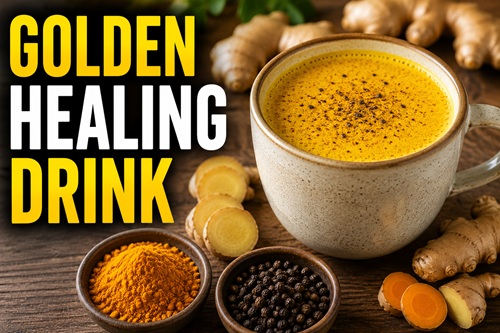
A Traditional Blend That May Help Support Inflammation and Overall Wellness
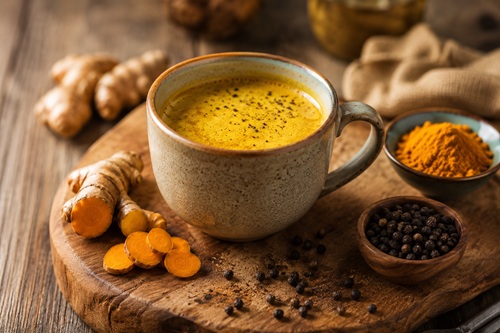
For centuries, cultures throughout Asia have prepared warm drinks using turmeric and ginger as part of traditional wellness practices. Today, modern research is helping scientists better understand why these ingredients have remained popular for generations. While no beverage can cure chronic disease, combining turmeric, ginger, and black pepper creates a flavorful drink that may help support the body’s natural response to inflammation when enjoyed as part of a healthy lifestyle.
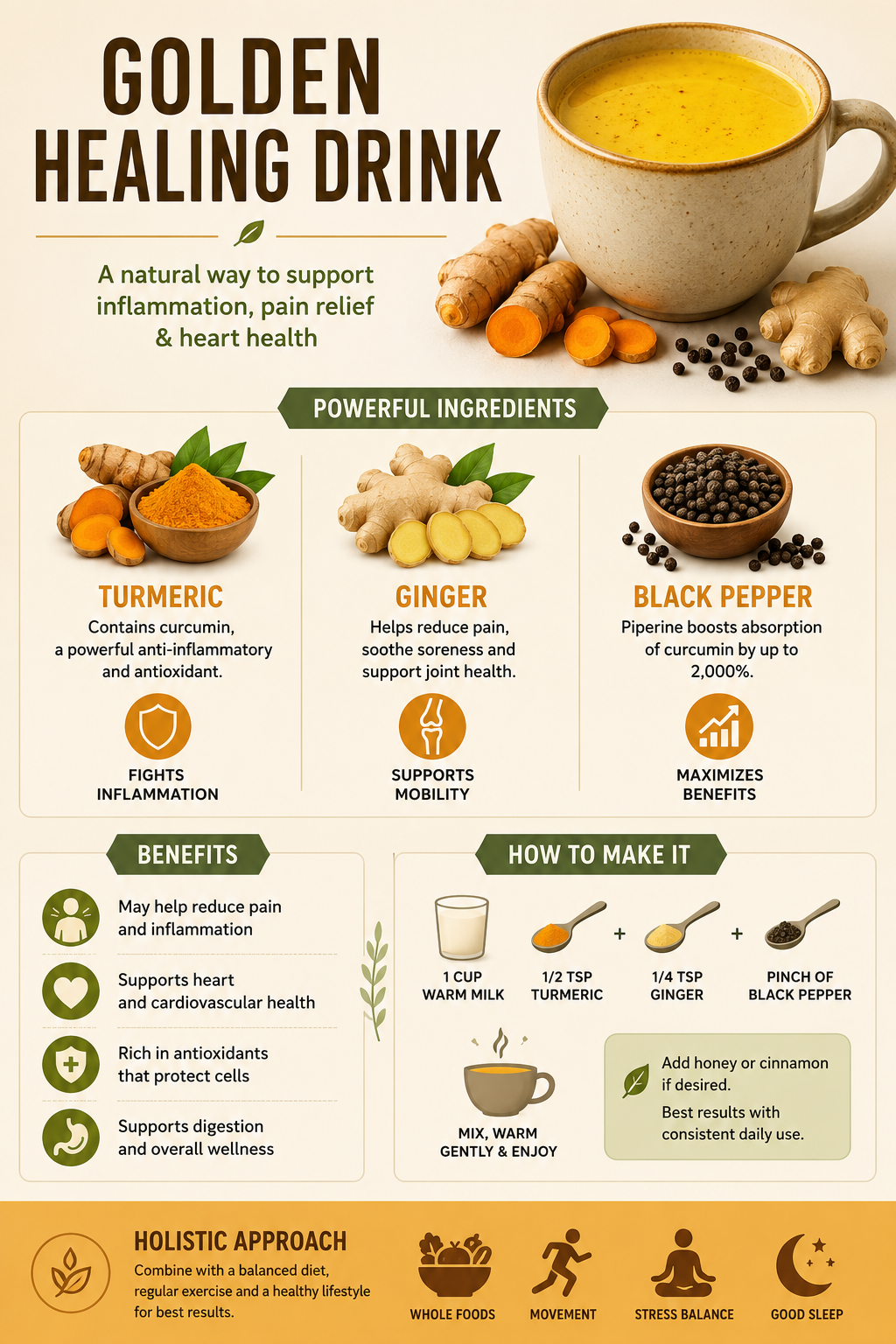
Turmeric is the star ingredient in this golden drink. It contains a naturally occurring compound called curcumin, which has been widely studied for its antioxidant and anti-inflammatory properties. Laboratory and clinical research suggests that curcumin may help reduce certain inflammatory processes in the body. Because chronic inflammation is associated with conditions such as arthritis, cardiovascular disease, and metabolic disorders, researchers continue to investigate curcumin’s potential role in supporting overall health.
Ginger complements turmeric by contributing its own collection of beneficial plant compounds, including gingerols and shogaols. These naturally occurring substances have been studied for their ability to support normal inflammatory responses, reduce occasional muscle soreness after exercise, and aid digestion. Many people also find ginger soothing for nausea and stomach discomfort, making it a versatile addition to both food and beverages.
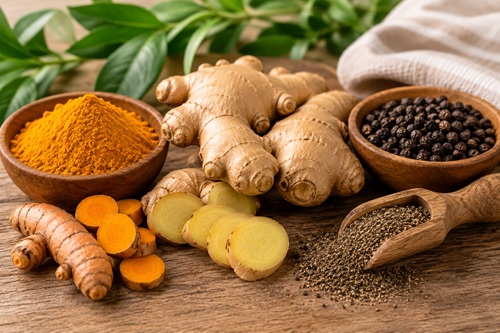
One small but important ingredient is black pepper. It contains piperine, a natural compound that significantly improves the body’s ability to absorb curcumin. Without black pepper, only a small amount of curcumin is absorbed during digestion. Adding even a pinch of freshly ground black pepper can greatly increase its availability, allowing the body to make better use of turmeric’s beneficial compounds.
Together, these three ingredients create a drink that is rich in antioxidants. Antioxidants help protect cells from oxidative stress caused by unstable molecules known as free radicals. Although oxidative stress is a normal part of life, excessive amounts may contribute to aging and chronic disease. Consuming antioxidant-rich foods as part of a balanced diet is one way to support long-term health.
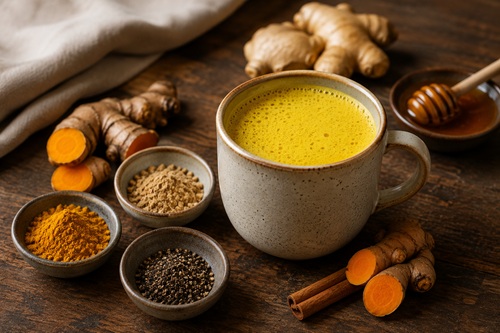
Many people enjoy preparing this beverage with warm milk or an unsweetened plant-based alternative. A simple recipe includes one cup of warm milk, one-half teaspoon of turmeric, one-quarter teaspoon of ground ginger, and a small pinch of black pepper. Honey or cinnamon may be added for flavor if desired. Warming the ingredients gently rather than boiling them helps preserve both taste and aroma.
While this traditional drink is generally considered safe for most healthy adults when consumed in moderate amounts, it is not appropriate for everyone. Individuals taking blood-thinning medications, those with gallbladder disease, kidney stone concerns, or anyone who is pregnant should consult a healthcare professional before consuming large amounts of turmeric or ginger. Natural products can still interact with medications or existing medical conditions.
The greatest benefits are likely to come when this beverage is combined with other healthy habits rather than relied upon as a stand-alone remedy. Regular physical activity, adequate sleep, stress management, and a diet rich in fruits, vegetables, whole grains, healthy fats, and lean proteins remain the foundation of long-term wellness.
Preparedness Perspective
From a preparedness standpoint, turmeric, ginger, black pepper, and powdered milk are inexpensive pantry staples with long shelf lives when stored properly. They serve multiple purposes beyond cooking, making them practical ingredients to include in a well-rounded food storage program. Learning how to prepare nutritious beverages from simple shelf-stable ingredients can provide both comfort and nutritional variety during emergencies while making good use of foods already kept in long-term storage.
© Prepping Communities. This content is for informational purposes only and not professional advice. Use at your own risk.
Terms | Privacy | Guidelines