

Sinus congestion can make even simple daily activities uncomfortable. Pressure around the eyes and cheeks, a stuffy nose, headaches, reduced sense of smell, and thick nasal drainage are all common symptoms when the tissues lining the sinuses become inflamed. In many cases, this inflammation develops during or after a viral cold, while allergies, environmental irritants, or bacterial infections may also contribute.
Acute sinus inflammation usually improves within a few weeks as the underlying illness resolves. Chronic sinusitis, however, lasts much longer and may require medical evaluation to identify contributing factors such as allergies, nasal polyps, or structural issues within the nasal passages. Understanding the difference between these conditions helps determine when home care is appropriate and when professional medical advice is needed.
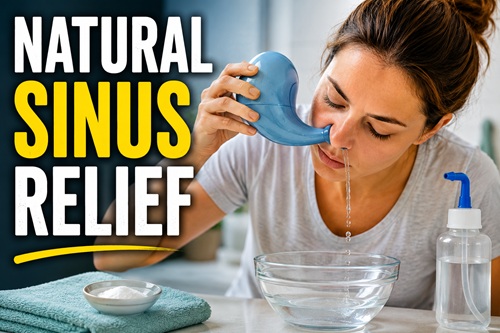
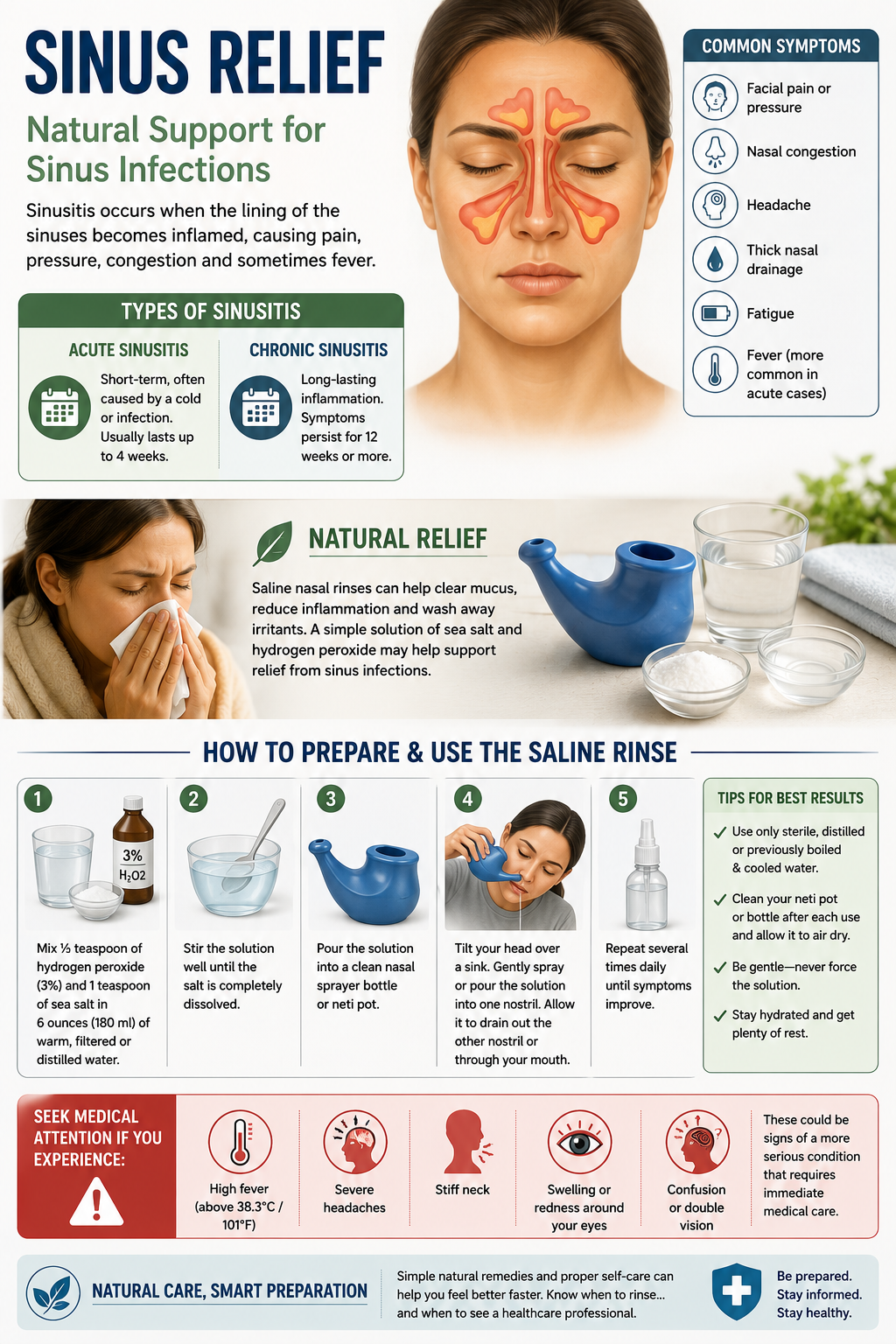
One of the safest and most widely recommended home treatments is saline nasal irrigation. Using a sterile saline solution can help loosen thick mucus, wash away allergens and irritants, and keep the nasal passages moist. Many people find relief by using a squeeze bottle or neti pot specifically designed for nasal irrigation. It is important to use only sterile, distilled, or previously boiled and cooled water to prepare the solution, following the manufacturer’s instructions carefully.
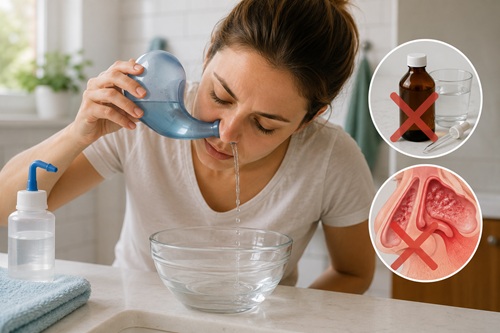
You may encounter online claims suggesting that adding substances such as hydrogen peroxide to a nasal rinse can improve results. However, major medical organizations generally do not recommend placing hydrogen peroxide or other disinfectants inside the nasal passages. The delicate lining of the nose can become irritated or damaged by solutions that are too concentrated or not intended for nasal use. For most people, a properly prepared saline rinse provides effective symptom relief without the additional risk of irritation.
Other simple measures can also help ease congestion. Drinking plenty of fluids helps thin mucus, while warm showers or inhaling steam from a bowl of hot water may temporarily reduce nasal blockage. Running a cool-mist humidifier can add moisture to dry indoor air, especially during winter months. Getting adequate rest also gives the body’s immune system the opportunity to fight the infection more effectively.
If symptoms continue for more than ten days without improvement, become significantly worse after initially getting better, or are accompanied by a high fever, severe facial swelling, vision changes, persistent vomiting, confusion, or a stiff neck, medical attention should be sought promptly. These symptoms may indicate complications or a condition that requires professional treatment.
Preparedness Perspective
During cold and flu season, it is useful to keep supplies on hand that can help manage common respiratory illnesses. Saline packets, distilled water, tissues, thermometers, humidifiers, and basic over-the-counter medications can make caring for yourself or your family much easier when illness strikes. Learning safe, evidence-based home care techniques before they are needed is an important part of preparedness and can help you respond confidently to common health problems while knowing when it is time to seek medical care.
© Prepping Communities. This content is for informational purposes only and not professional advice. Use at your own risk.
Terms | Privacy | Guidelines