
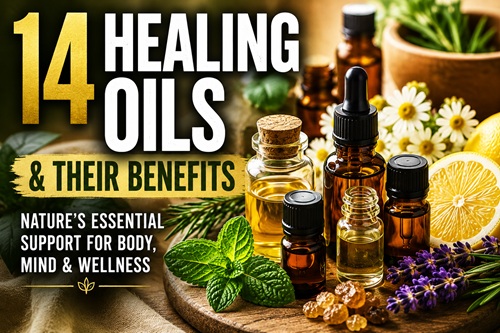
Essential oils have been used for centuries in many cultures as part of traditional wellness practices. Extracted from flowers, leaves, bark, roots, fruits, and resins, these highly concentrated plant oils contain naturally occurring compounds that give each plant its characteristic aroma and many of its traditional uses. While modern scientific research continues to investigate their properties, many people use essential oils today to promote relaxation, support general well-being, freshen living spaces, or complement a healthy lifestyle. Understanding the unique characteristics of different oils allows individuals to choose those that best suit their personal needs and preferences.
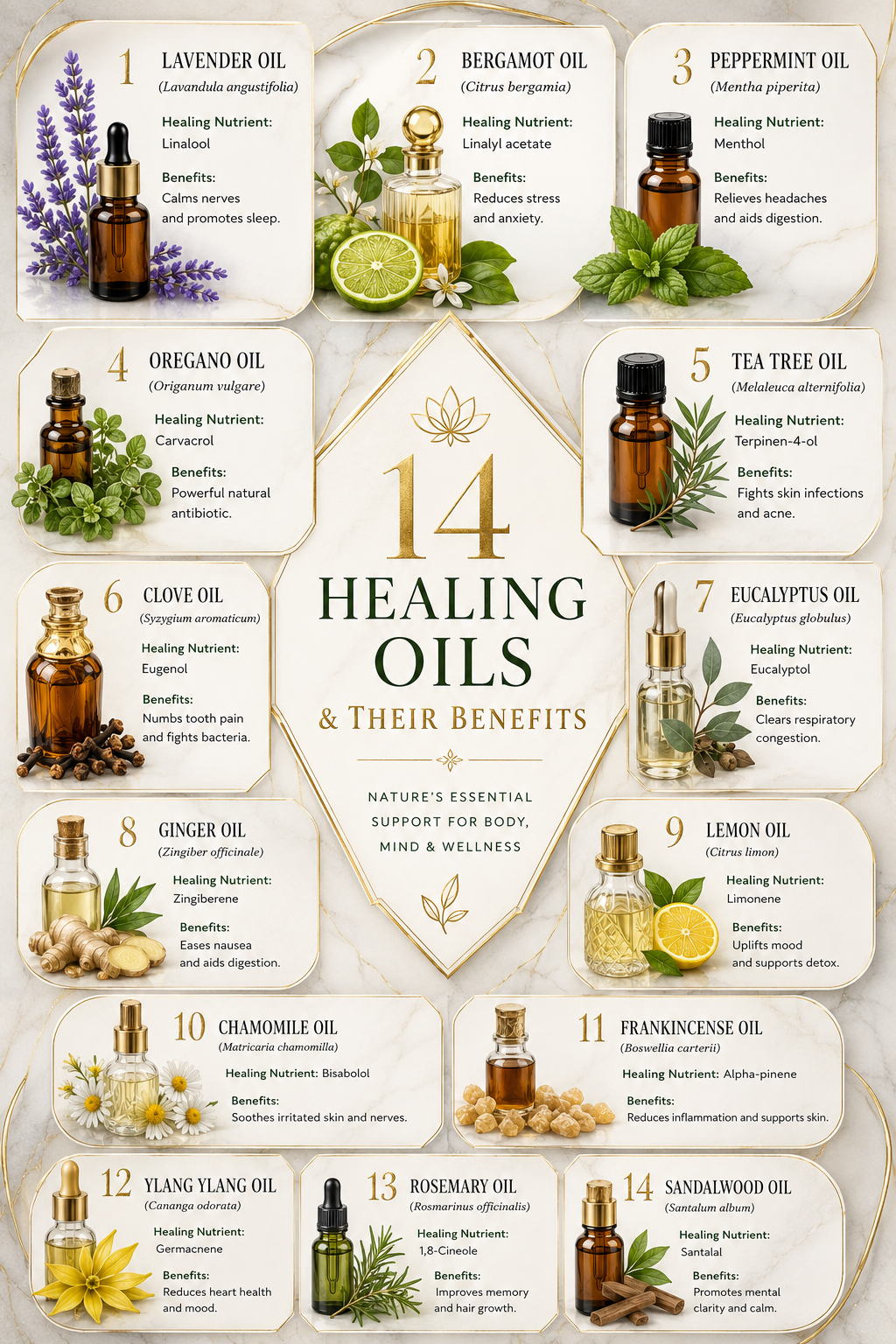
Each essential oil contains its own combination of naturally occurring chemical compounds, often referred to as its primary active constituents. For example, lavender oil is rich in linalool, peppermint contains menthol, tea tree oil contains terpinen-4-ol, and oregano oil is well known for its carvacrol content. These compounds contribute to the distinctive aroma of each oil while also being associated with many of their traditional applications. Although the infographic highlights one primary compound for simplicity, most essential oils contain dozens or even hundreds of naturally occurring constituents that work together to create their unique characteristics.
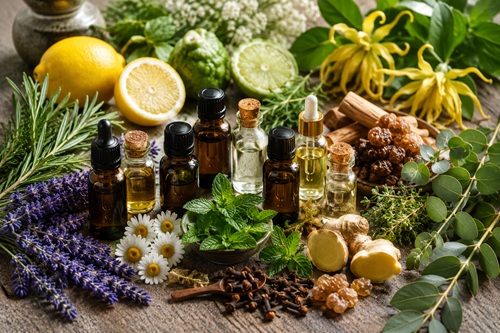
The oils featured in this infographic demonstrate the remarkable diversity found in nature. Lavender and chamomile are commonly chosen to encourage relaxation and support restful sleep, while peppermint and ginger are frequently used to ease digestive discomfort and feelings of nausea. Tea tree, oregano, and clove oils have long histories of traditional use for cleansing and supporting healthy skin because of their natural antimicrobial properties. Eucalyptus is widely appreciated for its refreshing aroma during seasonal congestion, while lemon, bergamot, rosemary, frankincense, sandalwood, and ylang ylang are often selected to promote positive mood, mental clarity, emotional balance, or support healthy skin as part of everyday wellness routines.
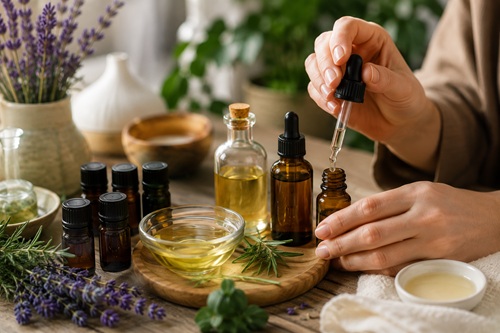
Because essential oils are highly concentrated, they should always be used carefully. Many oils require dilution with a suitable carrier oil before applying them to the skin, and some can cause irritation or allergic reactions if used improperly. Certain citrus oils may also increase sensitivity to sunlight after topical application. Essential oils should never be ingested unless specifically directed by a qualified healthcare professional with expertise in their safe use. Pregnant individuals, young children, and people with certain medical conditions should consult a healthcare provider before incorporating essential oils into their wellness routine.
When used responsibly, essential oils can become a valuable addition to a preparedness-minded household as well as everyday life. Properly stored in tightly sealed dark glass bottles and protected from excessive heat and sunlight, many oils maintain their quality for extended periods. Whether used for aromatherapy, massage, skin care, household cleaning, or creating a calming environment during stressful situations, these natural plant extracts offer a versatile way to incorporate traditional botanical knowledge into modern living. While they should not replace professional medical treatment when it is needed, essential oils can serve as useful complementary tools that support comfort, relaxation, and overall well-being.
© Prepping Communities. This content is for informational purposes only and not professional advice. Use at your own risk.
Terms | Privacy | Guidelines