
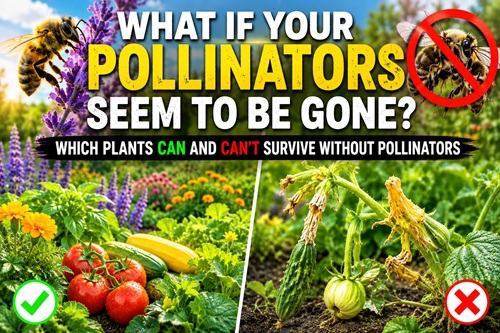
Learn how pollination supports food production, recognize the early signs of declining pollinator activity, identify which crops depend on insect pollination, understand why pollinators sometimes disappear, and apply practical techniques to restore healthy pollinator populations while improving the long-term resilience of your garden.
Introduction
For many beginning gardeners, one of the most confusing experiences occurs when healthy-looking plants produce very little food. Seedlings emerge on schedule, leaves remain green, flowers bloom across the garden, yet the expected harvest never arrives. Blossoms simply dry up and fall to the ground, tiny fruits stop growing after only a few days, and vegetables that should have been plentiful become surprisingly scarce. Because the plants appear healthy, many people assume they have a fertilizer problem, a watering problem, or poor soil. In reality, the missing ingredient may not be in the soil at all. It may be the insects that quietly perform one of the most important jobs in nature.
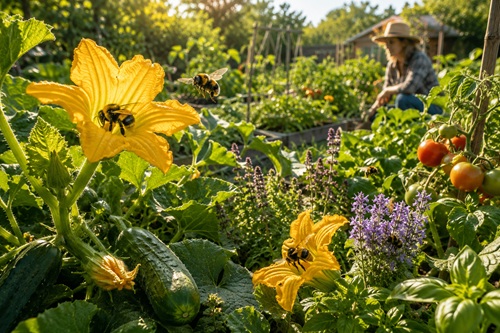
Pollinators often go unnoticed because they work without drawing much attention to themselves. A bee moving from flower to flower may appear insignificant, yet that simple movement transfers pollen that allows many fruits and vegetables to develop properly.
Without that transfer, countless flowers never become food. Understanding this relationship changes the way a gardener views an entire property. A successful garden is not simply a collection of plants. It is an ecosystem where insects, birds, flowering plants, weather, and healthy soil all work together to produce reliable harvests.
Many preparedness-minded gardeners eventually experience a season where pollinator activity suddenly seems lower than usual. A familiar buzzing sound disappears. Bumblebees that once visited every day become rare. Butterflies seem absent, and flowers receive few visitors throughout the day. This often leads people to wonder whether something they changed caused the problem. Perhaps a flowering tree was removed, new landscaping replaced wildflowers, or nearby construction disturbed natural habitat. These questions are worth investigating because pollinator populations respond quickly to changes in their environment. Understanding why they leave is the first step toward encouraging them to return.
This lesson explains how pollination works, why pollinators sometimes disappear, how to recognize the warning signs before a harvest is lost, and what practical steps can restore a healthy balance. More importantly, it teaches why pollinators should be viewed as one of the most valuable long-term resources on any preparedness property.
Understanding How Pollination Really Works
One of the biggest misconceptions among new gardeners is believing that every flower automatically becomes a fruit or vegetable. In reality, flowers are simply the plant’s reproductive structures. Before a cucumber, squash, apple, or blueberry can develop, pollen must first be transferred from the male part of the flower to the female part. Only after successful pollination does the plant begin investing energy into producing fruit and seeds. If pollination never occurs, the flower has served no biological purpose and is usually shed by the plant. Understanding this simple process explains why healthy-looking plants sometimes produce disappointing harvests despite receiving adequate water, fertilizer, and sunlight.
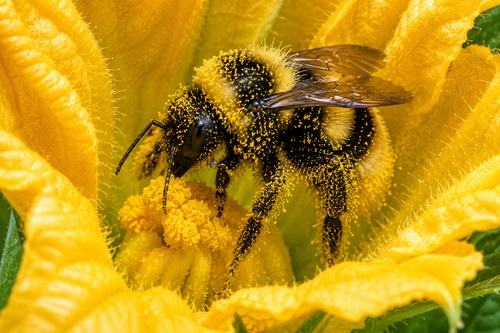
Pollination occurs in several different ways depending on the species of plant. Some rely primarily on insects, while others depend on wind to move pollen. A smaller number can pollinate themselves without assistance, although even many self-pollinating plants produce better harvests when insects or wind help distribute pollen more effectively. Recognizing which method each crop uses is an important preparedness skill because it allows gardeners to identify which parts of their food supply are most vulnerable if pollinator numbers decline.
Insect-pollinated plants have evolved remarkable relationships with bees, butterflies, hoverflies, beetles, moths, and even hummingbirds. Flowers produce bright colors, attractive scents, nectar, and pollen specifically to encourage repeated visits from these animals. Each visitor unintentionally carries pollen from one blossom to another while collecting food for itself. This mutually beneficial relationship has developed over millions of years, with both plants and pollinators becoming increasingly specialized. A healthy garden therefore depends on supporting not only vegetables but also the insects that make vegetable production possible.
Wind-pollinated plants use a completely different strategy. Instead of attracting insects, they produce enormous quantities of lightweight pollen that drifts through the air until it lands on another flower. Corn is a familiar example. Every tassel at the top of the plant releases pollen that falls onto the silks growing from developing ears below.
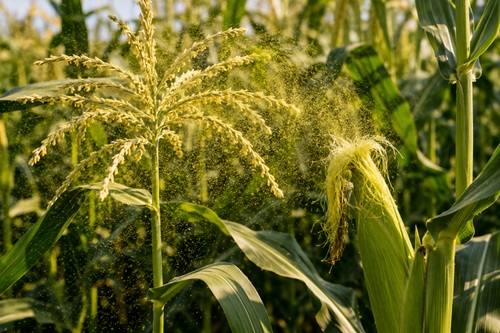
Because wind pollination is far less precise than insect pollination, these plants compensate by producing much larger quantities of pollen. Understanding this difference helps gardeners recognize why some crops continue producing normally even when few bees are visible.
Many common garden vegetables occupy a middle ground between these two extremes. Tomatoes, peppers, peas, and beans are considered self-pollinating because each flower contains both male and female reproductive parts. However, that does not mean insects are unimportant. Bumblebees, for example, perform a behavior known as “buzz pollination,” vibrating the flower at a specific frequency that shakes pollen loose far more effectively than wind alone. As a result, gardens with active bee populations often produce larger harvests, more uniform fruit, and higher yields even among crops that technically pollinate themselves.
For preparedness gardeners, understanding these different pollination methods provides valuable flexibility during difficult seasons. If pollinator populations temporarily decline, crops that depend heavily on insects may require hand pollination or additional habitat improvements, while self-pollinating and wind-pollinated vegetables continue supplying dependable harvests. Planning a resilient garden therefore means selecting a diverse mix of crops rather than relying entirely on species that require abundant insect activity. Diversity reduces risk, increases reliability, and makes the overall food production system far more resilient when environmental conditions change.
Why Pollinators Matter More Than Most Gardeners Realize
Many beginning gardeners view bees simply as visitors that occasionally land on flowers. In reality, pollinators function as an essential part of the food production system itself. A garden can contain fertile soil, abundant sunshine, healthy plants, and sufficient water, yet still produce disappointing harvests if pollination is inadequate. Pollinators are not an optional addition to a productive garden – they are one of the biological systems that allow many crops to reproduce successfully. Recognizing their importance changes the way gardeners manage their property, shifting attention from individual plants toward creating an environment that supports the entire ecosystem.
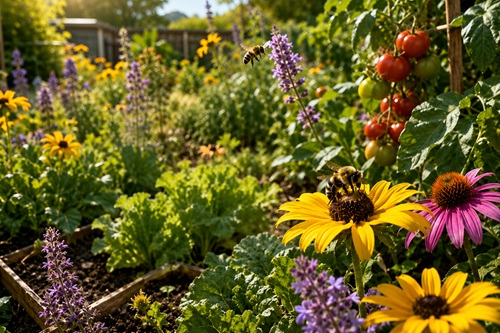
The economic value of pollinators is enormous. Around the world, insects contribute to the production of countless fruits, vegetables, berries, nuts, and seed crops that humans depend upon every day. Commercial farmers often transport managed honeybee colonies into orchards and crop fields because they understand that pollination directly affects yield and profitability. Home gardeners benefit from the same natural processes without necessarily recognizing them. Every bee that visits a blossom represents work that would otherwise need to be performed manually or might not occur at all.
Pollination also influences food quality, not just quantity. Fruits that receive complete pollination often develop into larger, more symmetrical, and better-shaped produce with improved seed development. Strawberries become fuller, cucumbers grow straighter, apples develop more evenly, and squash reaches its normal size. Poor pollination frequently results in misshapen vegetables, partially developed fruit, or blossoms that fall before producing anything useful. These symptoms are often mistaken for disease or nutrient deficiencies when the real issue lies in insufficient pollen transfer.
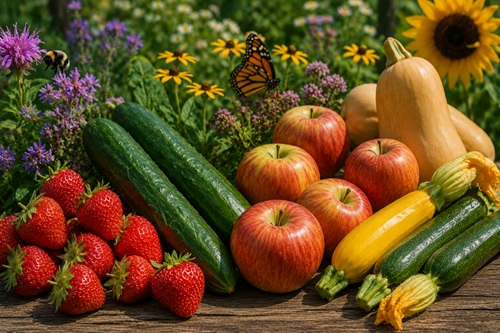
From a preparedness perspective, pollinators should be viewed as renewable partners in food production rather than wild insects that simply happen to visit the garden. Healthy pollinator populations increase harvest reliability without requiring electricity, fuel, manufactured equipment, or ongoing expense. They represent a natural resource that works continuously throughout the growing season, provided their habitat remains healthy. Protecting and encouraging these populations is therefore an investment in long-term food security rather than simply improving this year’s garden.
During widespread emergencies, pollinators become even more valuable. Supply chain disruptions, rising food prices, or limited access to commercial agriculture increase the importance of home food production. A resilient preparedness garden depends not only on stored seeds and fertile soil but also on maintaining the biological relationships that allow those seeds to become productive crops. Understanding the role of pollinators before they become scarce enables gardeners to recognize problems early and respond before an entire growing season is lost.
How to Tell If Your Pollinators Have Disappeared
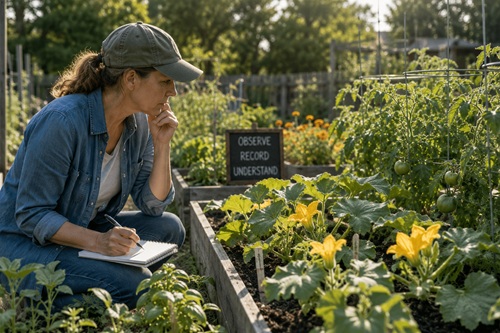
One of the first lessons every preparedness gardener should learn is that poor pollination is often mistaken for entirely different problems. Plants that fail to produce fruit are frequently blamed on poor soil, insufficient fertilizer, improper watering, or unfavorable weather. While these factors certainly influence plant health, they are not always responsible for disappointing harvests. Before making changes to irrigation, applying additional fertilizer, or replacing plants, it is important to determine whether pollination is actually occurring. Careful observation often reveals the true cause and prevents unnecessary work or expense.
The simplest way to evaluate pollinator activity is to spend time quietly observing the garden during the middle of a warm, calm day when flowers are fully open. Rather than walking through the garden while performing chores, stop for ten or fifteen minutes and simply watch. Healthy pollinator populations are usually easy to recognize once attention is focused on them. Bumblebees move deliberately from blossom to blossom collecting nectar and pollen. Honeybees often work continuously throughout the day. Hoverflies resemble small bees but hover almost motionless before landing. Butterflies, solitary native bees, beetles, and even hummingbirds may also visit flowering plants depending on the region. A productive garden should feel alive with movement rather than strangely quiet.
The absence of pollinators becomes easier to recognize when compared to previous seasons. If a garden once buzzed with insect activity but now remains almost silent despite abundant flowers, something in the surrounding environment may have changed. Pollinator populations naturally fluctuate throughout the year and vary with weather conditions, but a noticeable and prolonged decline deserves investigation. Observing the garden at different times of day over several consecutive days provides a much more accurate picture than relying on a single brief visit, since different pollinators are active under different weather conditions and temperatures.
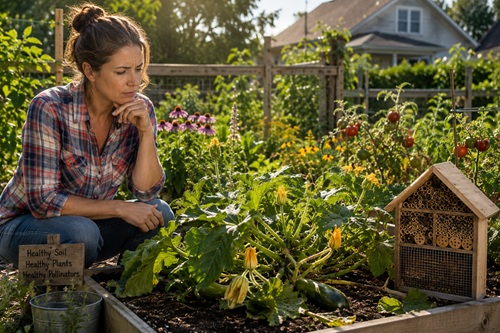
The plants themselves often provide the earliest warning signs that pollination is failing. Blossoms may open normally before dropping to the ground without producing fruit. Tiny cucumbers or squash may begin developing only to turn yellow and shrivel within a few days.
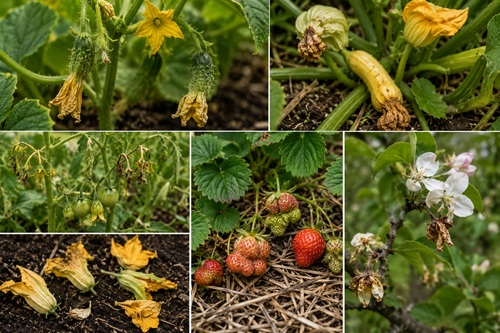
Tomatoes may produce fewer fruit clusters than expected, while strawberries remain small or develop uneven shapes. Apple trees may flower beautifully in spring yet produce very few apples by summer. These symptoms frequently appear long before gardeners realize that insect activity has declined, making the plants themselves valuable indicators of pollination success.
It is also important to distinguish between temporary and long-term pollinator shortages. Heavy rain, unusually cold temperatures, strong winds, or prolonged heat can significantly reduce bee activity for several days without indicating a permanent problem. Bees avoid flying during unfavorable weather because doing so wastes energy and increases the risk of injury or death. Once conditions improve, normal activity often resumes. Evaluating pollinator populations over several weeks rather than a single afternoon helps separate temporary weather-related changes from more significant habitat problems.
Keeping a simple garden journal can make these observations far more useful over time. Recording the dates when different plants begin flowering, noting which insects visit them, and comparing harvests from one season to the next creates a valuable record that reveals trends which might otherwise go unnoticed. Many experienced gardeners discover that they remember general impressions but forget important details from previous years. A written record transforms casual observations into practical information that supports better decisions and helps identify changes before they significantly affect food production.
Understanding how to evaluate pollinator activity is an important preparedness skill because it allows gardeners to diagnose problems before attempting solutions. Rather than guessing why harvests have declined, careful observation provides evidence that guides effective action. This approach saves time, avoids unnecessary expenses, and builds confidence by replacing assumptions with informed decisions. Like every other preparedness skill, successful gardening begins with accurately understanding the problem before attempting to solve it.
Why Pollinators Sometimes Leave
One of the most common assumptions among new gardeners is that pollinators simply disappear for no apparent reason. In reality, bees and other pollinating insects are constantly making decisions about where they can find the greatest reward for the least amount of effort. They are not loyal to a particular garden, nor do they remain in one location simply because they were present the previous year. Every day they search the surrounding landscape for reliable food sources, nesting sites, water, and shelter. If those resources become limited, they naturally shift their activity elsewhere. Understanding this behavior helps explain why pollinator numbers can change dramatically from one season to the next.
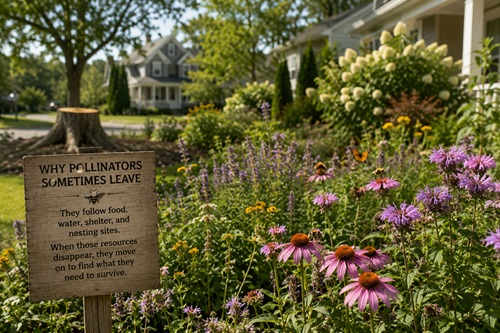
Changes to the landscape are often one of the biggest reasons pollinator activity declines. A single mature flowering tree can provide thousands of blossoms over a relatively short period, supplying an enormous amount of nectar and pollen for local bee populations. Removing that tree may not seem significant from a homeowner’s perspective, but from the perspective of nearby pollinators, an important food source has suddenly disappeared. If another property offers a richer and more reliable supply of flowers, many insects simply begin spending more time there. They have not abandoned the area out of preference or instinctive loyalty; they have simply followed the available food.
This is why many gardeners notice changes after removing ornamental shrubs, mowing large areas of flowering clover, clearing wildflower patches, or replacing diverse vegetation with lawns, gravel, or decorative landscaping. Individually, each change may appear minor, but together they reduce the continuous supply of nectar and pollen that pollinators depend upon throughout the growing season. A garden filled with vegetables may actually provide very little food for bees if few plants are flowering at the right times. Pollinators require a succession of blooms from early spring until autumn, not just a brief burst of flowers during midsummer.
Weather also plays a major role in pollinator populations. Late frosts can destroy early blossoms that emerging bees depend upon after winter. Prolonged cold, heavy rain, drought, wildfire smoke, and extended heat waves all reduce normal foraging activity. In some years these environmental conditions temporarily lower insect numbers without causing lasting damage.
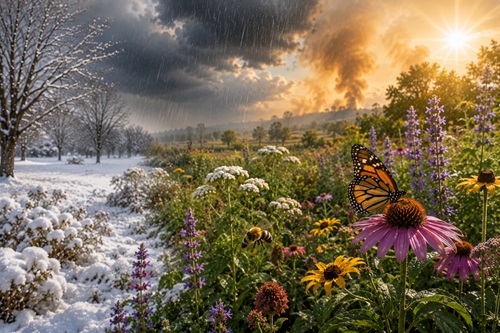
In other cases, repeated poor seasons can weaken local populations over several years. Understanding these natural fluctuations prevents gardeners from assuming that every decline is caused by something they personally did.
Human activity can further influence pollinator health in less obvious ways. Broad-spectrum insecticides may kill beneficial insects along with garden pests. Excessively tidy landscapes remove dead wood, hollow stems, brush piles, and patches of bare soil that many native bees require for nesting. Even bright outdoor lighting can interfere with nocturnal pollinators such as moths, which play an important role in pollinating certain flowering plants. A productive preparedness garden therefore extends beyond growing vegetables; it includes maintaining the habitat that allows beneficial insects to thrive year after year.
Perhaps the most encouraging lesson is that pollinator decline is often reversible. Once the reasons for reduced activity are understood, many gardens can be restored by improving habitat, increasing the diversity of flowering plants, reducing unnecessary pesticide use, and providing reliable food sources throughout the growing season. Pollinators naturally return to areas that consistently meet their needs. Rather than viewing their absence as a permanent loss, preparedness gardeners should see it as an opportunity to rebuild a healthier and more resilient ecosystem that supports both wildlife and long-term food production.
What If Your Pollinators Seem to Be Gone?
One of the most unsettling experiences for any gardener is walking through a garden that once buzzed with activity and finding it strangely quiet. Flowers continue to bloom, yet very few bees visit them. Butterflies seem absent, familiar bumblebees no longer appear, and blossoms remain untouched throughout much of the day. For preparedness gardeners who understand how important pollinators are to food production, this sudden absence can be alarming. However, the first and most important step is to avoid assuming the worst. Pollinator activity naturally changes throughout the growing season, and a temporary decline does not always indicate a long-term problem.
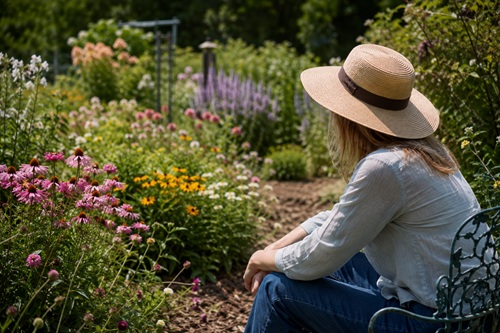
The best response is careful observation rather than immediate action. Spend several days watching the garden instead of relying on a single brief inspection. Choose warm, calm days when temperatures are comfortable and flowers are fully open. Mid-morning through early afternoon is generally the most active period for many pollinating insects. Rather than walking quickly through the garden while performing other chores, sit quietly nearby for fifteen or twenty minutes and simply watch. Often, insects begin visiting flowers once the disturbance of human activity has passed. Repeating these observations over several days provides a much more accurate picture than judging pollinator activity from a single visit.
Weather is one of the most common reasons pollinators temporarily appear to disappear. Honeybees and many native bees reduce their activity during cool temperatures, heavy rain, strong winds, prolonged drought, and periods of extreme heat. Wildfire smoke can also interfere with normal foraging behavior by reducing visibility and altering the scent trails pollinators use to locate flowers. During unfavorable conditions, many insects simply remain sheltered until the weather improves. Once temperatures moderate and winds decrease, activity often returns to normal without any intervention from the gardener.
It is also important to remember that honeybees are only one part of a much larger pollinator community. Many gardeners naturally look for honeybees because they are familiar and easy to recognize, yet they represent only a fraction of the insects responsible for pollination.
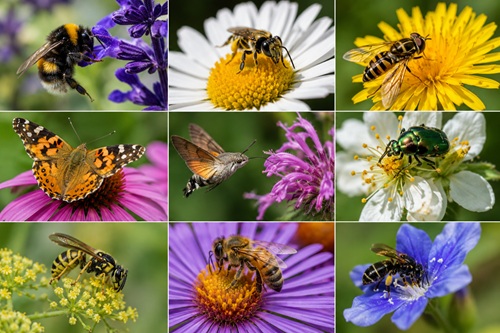
Native bumblebees, solitary bees, hoverflies, butterflies, moths, beetles, and even certain wasps all contribute to moving pollen between flowers. Some species are active only during specific times of day, while others emerge only during certain parts of the growing season. A garden that appears to have few honeybees may still receive excellent pollination from native insects that are easily overlooked.
Comparing the current season with previous years can also provide valuable clues. Has the garden always attracted large numbers of pollinators, or has activity gradually declined over several seasons? Have flowering shrubs, fruit trees, hedgerows, or patches of native vegetation been removed nearby? Has new construction disturbed natural habitat? Even relatively small changes in the surrounding landscape can reduce available nesting sites or food sources, encouraging pollinators to forage elsewhere. Looking beyond the boundaries of the garden often explains changes that initially seem mysterious.
Flower availability should also be evaluated carefully. Pollinators do not remain in one location simply because flowers are present. They constantly search for the greatest concentration of nectar and pollen available. If nearby fields, orchards, flowering trees, or wildflower meadows are blooming heavily, many insects may temporarily spend more time there before returning later in the season. Likewise, a garden containing only a few flowering plants may struggle to hold pollinators for long periods because it does not provide enough food to support them consistently.
Human activity in the surrounding area may also influence pollinator numbers. If neighbors have recently applied broad-spectrum insecticides, sprayed flowering weeds, or treated ornamental plants while they were in bloom, beneficial insects may temporarily avoid the area or suffer population declines. Even mosquito control programs or agricultural spraying several kilometers away can sometimes affect local pollinator activity. While gardeners cannot control every factor in the surrounding landscape, being aware of these influences helps explain changes that might otherwise seem unrelated to the garden itself.
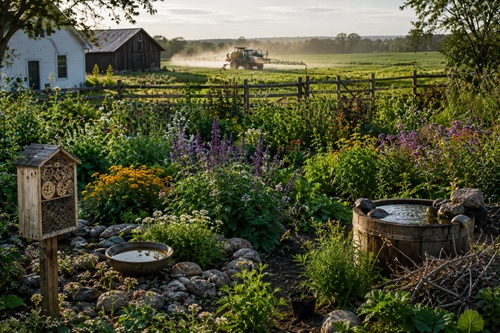
Once observations suggest that pollinator numbers truly are lower than normal, it is time to begin taking practical steps rather than waiting for harvests to decline. Increasing the diversity of flowering plants, providing clean water sources, protecting nesting habitat, and reducing unnecessary pesticide use all encourage pollinators to return over time. These improvements may not produce immediate results, but they strengthen the long-term health of the entire ecosystem and often lead to steadily increasing pollinator activity over the following seasons.
At the same time, preparedness gardeners should protect the current year’s harvest by focusing extra attention on crops that depend most heavily on insect pollination. Cucumbers, squash, pumpkins, melons, watermelons, many fruit trees, and numerous berry crops deserve close observation while they are flowering. If blossoms begin dropping without producing fruit or young fruits start shriveling shortly after forming, hand pollination can often prevent significant crop losses. Learning this technique before it becomes absolutely necessary allows gardeners to respond quickly while natural pollinator populations recover.
Perhaps the most important lesson is that pollinator decline should be viewed as a signal rather than a disaster. Healthy ecosystems constantly change in response to weather, habitat, and seasonal conditions. Careful observation allows gardeners to recognize these changes early and respond before they significantly affect food production. By understanding the possible causes, evaluating the evidence systematically, and taking practical action when necessary, preparedness gardeners transform uncertainty into informed decision-making. Like every other aspect of preparedness, success comes not from eliminating every problem but from recognizing challenges early and responding before they become emergencies.
Which Plants Can Produce Food Without Pollinators?
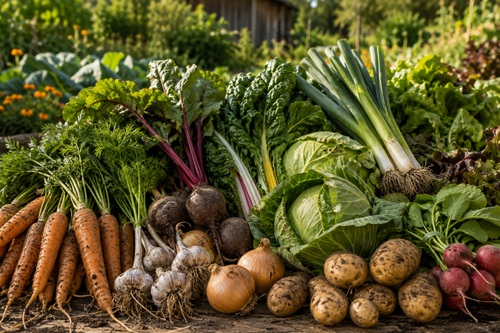
One of the advantages of understanding pollination is that it allows gardeners to choose crops more strategically. Not every edible plant depends on bees or other insects to produce food. Some vegetables are harvested for their leaves, roots, or underground storage organs rather than their fruit, while others are capable of pollinating themselves with little or no outside assistance. For preparedness gardeners, this distinction is important because it reduces the risk of depending entirely on crops that require abundant pollinator activity. A resilient food garden contains a mixture of both pollinator-dependent and pollinator-independent plants, ensuring that some harvest can still be expected even during seasons when insect populations are unusually low.
Leafy vegetables are among the most dependable crops because pollination is unnecessary for the portion that people actually eat. Lettuce, spinach, kale, Swiss chard, cabbage, mustard greens, and many herbs can all produce excellent harvests without a single flower being pollinated. Although these plants eventually flower to produce seed, gardeners typically harvest the leaves long before this stage occurs. Their productivity depends primarily on healthy soil, adequate moisture, and favorable growing conditions rather than insect activity. Including a variety of leafy vegetables provides a reliable source of fresh food regardless of pollinator numbers.
Root crops offer another dependable category for preparedness gardens. Carrots, beets, radishes, turnips, parsnips, onions, garlic, and potatoes develop edible underground structures that form independently of pollination during their first growing season. Pollination becomes important only if the goal is to produce seed for future planting. For gardeners focused on producing food rather than saving seed, these crops remain highly reliable even when pollinator populations fluctuate. Their ability to store well after harvest also makes them valuable additions to long-term preparedness planning.
Several popular garden vegetables are classified as self-pollinating, meaning each flower contains both male and female reproductive structures. Tomatoes, peppers, peas, and most beans fall into this category. These plants can often produce satisfactory harvests without insect assistance because pollen may be transferred naturally through wind or slight movement of the plant. However, it is important to understand that “self-pollinating” does not necessarily mean “independent of pollinators.” Bumblebees, in particular, greatly improve tomato production through a process known as buzz pollination, vibrating flowers in a way that releases pollen more effectively. Gardens with active pollinators frequently produce larger harvests and better-quality fruit even among self-pollinating crops.
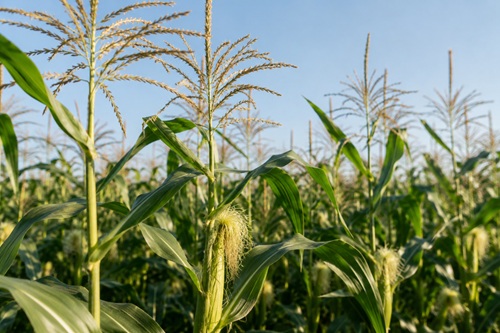
Corn represents another unique example because it relies primarily on wind rather than insects. Pollen produced by the tassels at the top of each plant falls onto the silks emerging from developing ears. Since this process depends on pollen drifting through the air, gardeners improve pollination by planting corn in blocks rather than long single rows. Grouping plants closely together increases the likelihood that pollen will reach neighboring ears, resulting in fuller kernels and more productive harvests. Understanding wind pollination helps explain why corn often continues producing normally even when bee activity appears limited.
For preparedness planning, these crops form an important foundation because they provide a dependable food supply regardless of seasonal fluctuations in pollinator populations. They should not replace insect-pollinated crops but rather complement them. A well-designed preparedness garden spreads risk across multiple pollination methods, ensuring that no single environmental problem dramatically reduces the overall harvest. Diversity is one of the strongest forms of resilience, and choosing crops with different pollination requirements is one practical way to build that resilience into the garden itself.
Which Plants Depend Heavily on Pollinators?
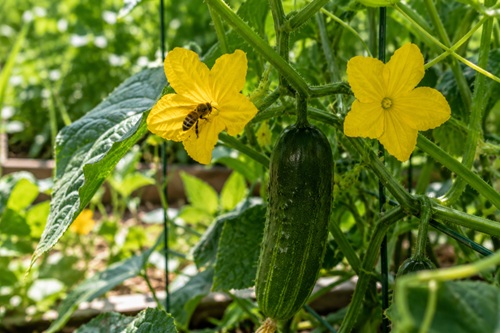
While many vegetables can produce food with little assistance from insects, others rely almost entirely on successful pollination. These crops invest significant energy into producing large, colorful flowers specifically to attract pollinators. Without repeated visits from bees and other insects, many blossoms never develop into mature fruit. Understanding which plants are most dependent on pollinators allows gardeners to monitor them more closely and respond quickly if pollinator activity begins to decline
Members of the squash family are among the best examples of insect-dependent crops. Cucumbers, pumpkins, zucchini, summer squash, winter squash, gourds, and melons all produce separate male and female flowers on the same plant. Pollen must be physically transferred from the male flower to the female flower before fruit begins developing. If this transfer does not occur, the tiny fruit behind the female blossom usually turns yellow, stops growing, and eventually falls from the plant. Many beginning gardeners mistake this for disease when it is often simply incomplete pollination.
Fruit trees also depend heavily on pollinators during their short flowering period each spring. Apples, pears, cherries, plums, peaches, apricots, and many other orchard crops require bees and other insects to move pollen between blossoms. A tree covered in spectacular flowers may appear destined for a bumper crop, yet without sufficient pollinator activity, only a small percentage of those blossoms may produce fruit. Because flowering lasts only a short time, poor weather or low pollinator numbers during this critical period can significantly reduce the year’s harvest.
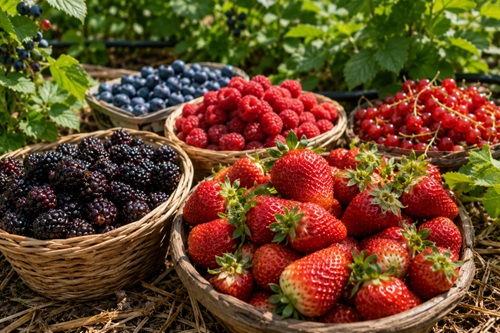
Berry-producing plants vary in their dependence on pollinators, but many benefit greatly from regular insect visits. Blueberries, raspberries, blackberries, strawberries, currants, gooseberries, and numerous native berries produce larger, more uniform, and higher-quality fruit when pollination is complete. Strawberries provide a particularly good example because each tiny seed on the surface represents an individual pollination event. Poor pollination often produces misshapen berries because some portions of the fruit develop normally while others do not.
Many flowering herbs and seed crops also rely on pollinators, particularly when gardeners intend to save seed for future planting. Herbs such as basil, dill, fennel, coriander, oregano, thyme, sage, and many others attract a wide variety of beneficial insects once allowed to flower. Although gardeners often harvest these plants before flowering, permitting a portion of the crop to bloom not only supports pollinator populations but also provides seed for future growing seasons. This creates a valuable cycle in which healthy pollinator populations improve seed production, while flowering herbs help sustain those same pollinators.
Understanding which crops are highly dependent on insect pollination allows preparedness gardeners to prioritize both observation and intervention. These plants deserve closer attention during flowering because they provide the earliest indication that pollinator numbers may be declining. By recognizing the crops most at risk, gardeners can respond with habitat improvements or hand pollination before an entire season’s harvest is affected. This knowledge transforms pollinator management from guesswork into a practical preparedness skill that directly supports long-term food security.
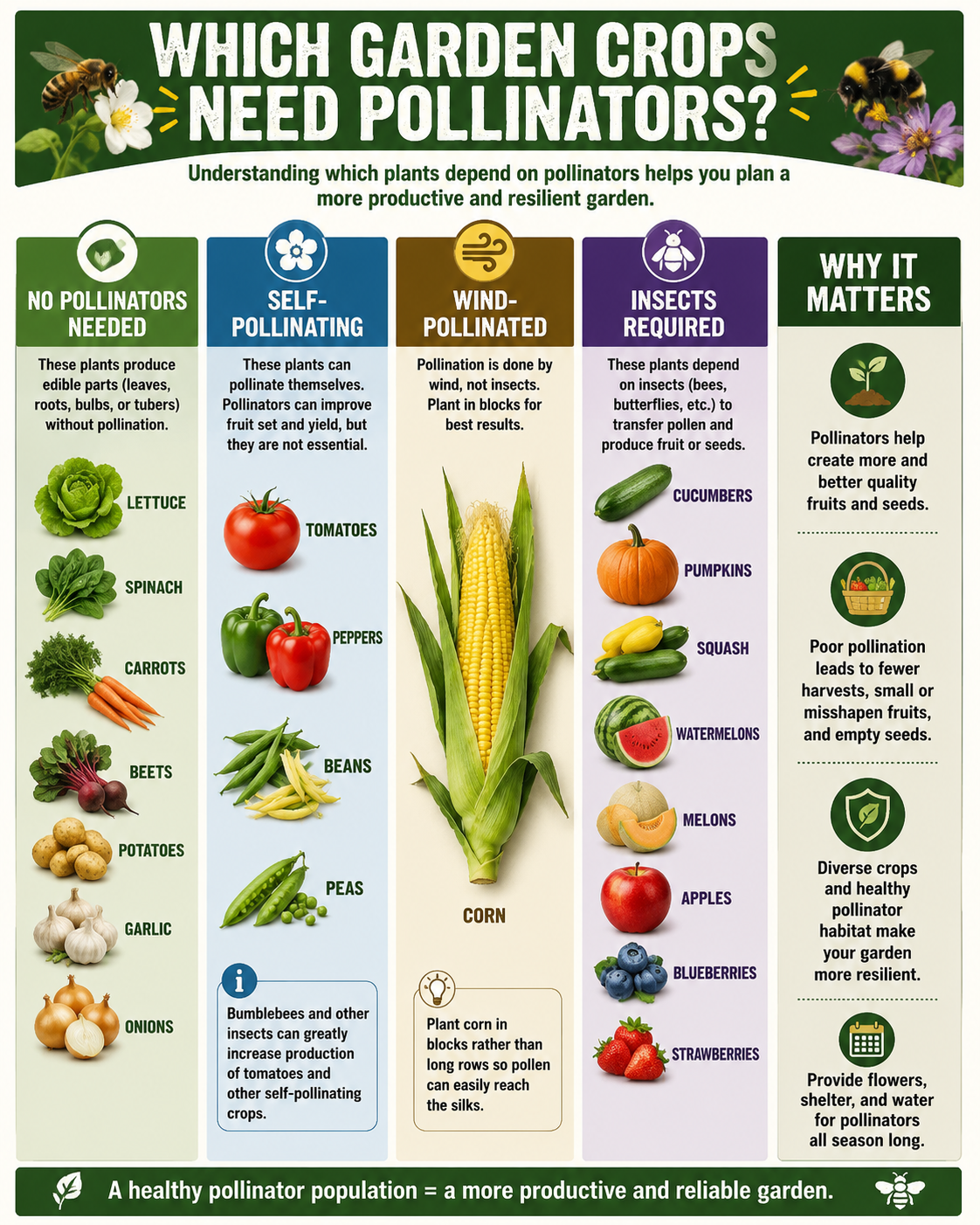
Preparedness Pollination Reference Guide
One of the easiest ways to improve the resilience of a preparedness garden is to understand how different crops reproduce. Some vegetables continue producing food regardless of pollinator activity, while others depend almost entirely on bees and other beneficial insects. This quick-reference guide summarizes the primary pollination method for many common garden crops and highlights the potential impact if pollinator populations decline. Use it when planning your garden, evaluating harvest risks, or deciding which crops may require closer observation or hand pollination.
| Crop | Primary Pollination Method | If Pollinators Decline |
|---|---|---|
| Lettuce | None (Leaf Crop) | Harvest unaffected |
| Spinach | None (Leaf Crop) | Harvest unaffected |
| Kale | None (Leaf Crop) | Harvest unaffected |
| Swiss Chard | None (Leaf Crop) | Harvest unaffected |
| Cabbage | None (Leaf Crop) | Harvest unaffected |
| Collards | None (Leaf Crop) | Harvest unaffected |
| Potatoes | None (Tuber Crop) | Harvest unaffected |
| Garlic | None (Bulb Crop) | Harvest unaffected |
| Onions | None (Bulb Crop) | Harvest unaffected |
| Carrots | Root Crop | Root harvest unaffected (pollination only needed for seed) |
| Beets | Root Crop | Root harvest unaffected (pollination only needed for seed) |
| Radishes | Root Crop | Root harvest unaffected (pollination only needed for seed) |
| Turnips | Root Crop | Root harvest unaffected (pollination only needed for seed) |
| Parsnips | Root Crop | Root harvest unaffected (pollination only needed for seed) |
| Tomatoes | Self-Pollinating | Usually produce well, although bees improve yields |
| Peppers | Self-Pollinating | Usually produce well, although bees improve yields |
| Peas | Self-Pollinating | Little impact |
| Beans | Self-Pollinating | Little impact |
| Corn | Wind Pollinated | Plant in blocks to maximize pollination |
| Cucumbers | Insect Pollinated | Heavy crop losses possible without pollination |
| Squash | Insect Pollinated | Heavy crop losses possible |
| Zucchini | Insect Pollinated | Heavy crop losses possible |
| Pumpkins | Insect Pollinated | Heavy crop losses possible |
| Gourds | Insect Pollinated | Heavy crop losses possible |
| Cantaloupe | Insect Pollinated | Heavy crop losses possible |
| Honeydew | Insect Pollinated | Heavy crop losses possible |
| Watermelon | Insect Pollinated | Heavy crop losses possible |
| Apples | Insect Pollinated | Significant harvest reduction possible |
| Pears | Insect Pollinated | Significant harvest reduction possible |
| Cherries | Insect Pollinated | Significant harvest reduction possible |
| Plums | Insect Pollinated | Significant harvest reduction possible |
| Peaches | Insect Pollinated | Significant harvest reduction possible |
| Apricots | Insect Pollinated | Significant harvest reduction possible |
| Blueberries | Insect Pollinated | Smaller, lower-quality harvests |
| Strawberries | Insect Pollinated | Misshapen fruit and reduced production |
| Raspberries | Insect Pollinated | Reduced berry production |
| Blackberries | Insect Pollinated | Reduced berry production |
| Currants | Insect Pollinated | Reduced production |
| Gooseberries | Insect Pollinated | Reduced production |
Preparedness Tip
No preparedness garden should rely entirely on one type of pollination. The most resilient gardens include a balanced combination of leafy vegetables, root crops, self-pollinating vegetables, wind-pollinated crops, and insect-pollinated fruits and vegetables. This diversity ensures that even if pollinator populations decline during one season, a substantial portion of the garden can continue producing food. Like every other aspect of preparedness, redundancy reduces risk and increases long-term reliability.
What Happens When Pollination Fails?
Many gardeners do not recognize the signs of poor pollination until weeks after the problem has already occurred. Flowers are temporary structures, and once their brief opportunity for pollination passes, the plant cannot simply “try again” indefinitely. Each blossom represents a limited window during which pollen must successfully reach the female reproductive structures. If that window closes without successful pollination, the flower usually dies and falls away. Understanding what failed pollination looks like allows gardeners to diagnose problems early enough to protect much of the remaining harvest.
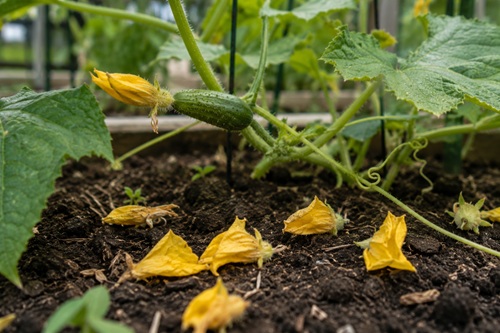
One of the most common symptoms is blossom drop. Healthy-looking flowers open normally, remain on the plant for several days, and then simply fall to the ground without producing any fruit. This is particularly noticeable on cucumbers, squash, melons, peppers, and fruit trees. While blossom drop can occasionally result from temperature extremes or water stress, widespread flower loss during otherwise favorable growing conditions often points toward insufficient pollination. Observing the pattern helps distinguish between environmental stress and pollination problems.
Another common indicator is the appearance of tiny fruits that stop developing shortly after they form. Many gardeners become excited when they notice miniature cucumbers, pumpkins, or squash beginning to grow, only to watch them turn yellow, shrivel, and die within a few days. In most cases, these young fruits were never fully pollinated. The plant initially begins developing them, but once it recognizes that insufficient fertilization has occurred, it redirects its energy toward producing new flowers instead of wasting valuable resources on fruit that cannot mature properly.
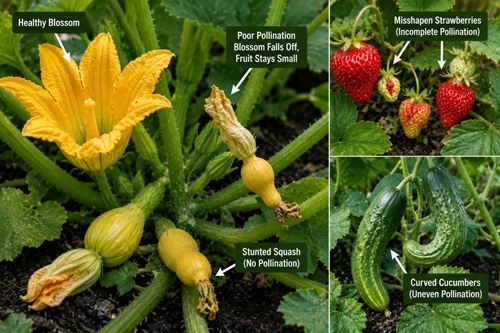
Poor pollination also affects the quality of fruits that do reach maturity. Strawberries may develop unusual shapes with flattened or undeveloped sections because only part of the flower was successfully pollinated. Apples may become smaller than normal or develop asymmetrical growth. Cucumbers can curve dramatically instead of growing straight, while pumpkins and squash may remain undersized despite otherwise healthy vines. These abnormalities often confuse beginning gardeners because the plants appear vigorous, yet the harvest fails to meet expectations. In reality, the plant is revealing exactly how successful, or unsuccessful pollination was during flowering.
Seed production provides another clue. Fruits that contain few or poorly developed seeds often experienced incomplete pollination. Since successful seed formation triggers the hormones responsible for continued fruit growth, inadequate pollination frequently results in smaller fruit with fewer viable seeds.
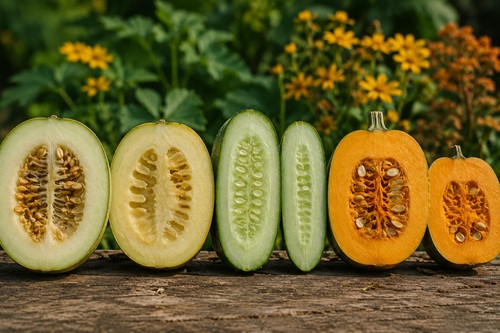
This becomes particularly important for preparedness gardeners who intend to save seeds for future growing seasons. Healthy pollinator populations contribute not only to larger harvests but also to stronger, more viable seed for long-term self-sufficiency.
It is equally important to recognize that poor pollination is not always caused by a complete absence of pollinators. Sometimes there are simply too few insects to visit every flower during the peak blooming period. A single squash plant, for example, may produce dozens of flowers over several weeks. If only a handful receive adequate pollination, the harvest will still be disappointing even though bees were occasionally observed in the garden. This is why increasing pollinator diversity and abundance often improves yields far more than simply attracting one or two additional honeybees.
The encouraging news is that pollination failures are often correctable once they are recognized. Unlike many plant diseases or insect infestations that spread rapidly and permanently damage crops, pollination problems can frequently be addressed during the same growing season. By identifying the symptoms early, gardeners can begin attracting additional pollinators, improve flowering habitat, or perform hand pollination before the remaining blossoms are lost. Learning to recognize these warning signs transforms disappointment into an opportunity for timely action and improved harvests.
How to Hand-Pollinate Your Garden When Pollinators Are Scarce
Every preparedness gardener should know how to hand-pollinate important crops. While restoring healthy pollinator populations should always be the long-term goal, there are situations where immediate action is needed. Extended periods of cold or rainy weather, temporary declines in bee activity, greenhouse growing, or unexpected habitat changes can all reduce natural pollination. Hand pollination allows gardeners to step in and perform the same basic task that insects normally accomplish, often saving an entire harvest with only a few minutes of work each day.
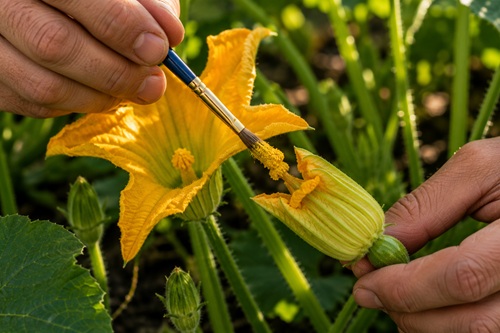
The first step is learning to recognize male and female flowers. Squash, pumpkins, cucumbers, melons, and many gourds produce separate blossoms for each sex. Male flowers grow on long, thin stems and contain pollen-covered structures in their centers. Female flowers are easily identified by the small immature fruit located directly behind the blossom. Unless pollen from a male flower reaches the female flower, that tiny fruit will eventually stop growing and die. Once gardeners understand this difference, the pollination process becomes surprisingly simple.
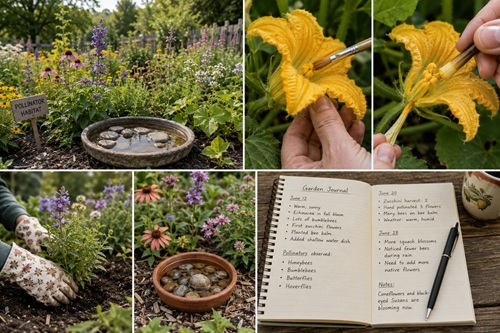
The most direct method involves picking a freshly opened male flower early in the morning, gently removing its petals, and exposing the pollen-covered center. This pollen can then be lightly brushed against the center of an open female flower, ensuring that pollen reaches the receptive surface. A single male flower often contains enough pollen to fertilize several female flowers. Because pollen remains viable for only a limited time, this process works best during the morning hours when blossoms are newly opened and temperatures remain relatively cool.
A small artist’s paintbrush or cotton swab can also be used to transfer pollen between flowers without removing them from the plant. This method is especially useful for delicate blossoms or when pollinating multiple plants. Gently touching the pollen inside one flower before brushing it onto another mimics the movement of a visiting bee.
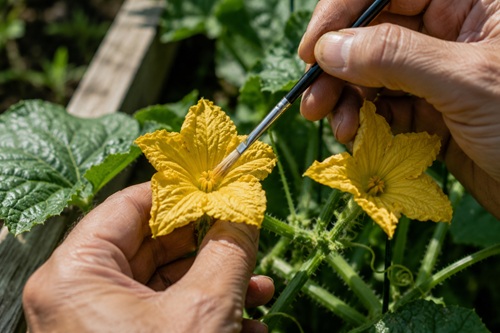
The process requires patience rather than strength, as excessive handling can damage the flowers. After only a few attempts, most gardeners become comfortable identifying flowers and transferring pollen efficiently.
Tomatoes require a slightly different approach because each flower contains both male and female reproductive structures. Instead of transferring pollen between separate flowers, the goal is simply to loosen pollen within the blossom. Bumblebees accomplish this naturally through buzz pollination by vibrating their flight muscles at a specific frequency. Gardeners can imitate this effect by gently tapping flower clusters, lightly shaking the plant, or using the back of an electric toothbrush against the flower stem for a few seconds. This vibration releases pollen and often significantly improves fruit production.
Hand pollination should be viewed as an emergency preparedness skill rather than a permanent substitute for healthy pollinator populations. Performing the work manually is practical for home gardens but becomes increasingly difficult as the number of plants grows. The long-term objective should always be creating an environment where bees, butterflies, hoverflies, and other beneficial insects naturally perform this work every day. Nevertheless, knowing how to pollinate crops by hand provides valuable insurance during difficult seasons and ensures that temporary declines in pollinator activity do not result in the complete loss of a harvest.
By learning this simple technique before it becomes necessary, preparedness gardeners add another practical skill to their self-sufficiency toolkit. Like food preservation, seed saving, or water purification, hand pollination represents a low-cost capability that can produce significant benefits when normal natural systems are temporarily disrupted. Knowledge often replaces equipment, and in this case, a few minutes of careful observation and gentle work can make the difference between an abundant harvest and empty garden beds.
How to Bring Pollinators Back to Your Property
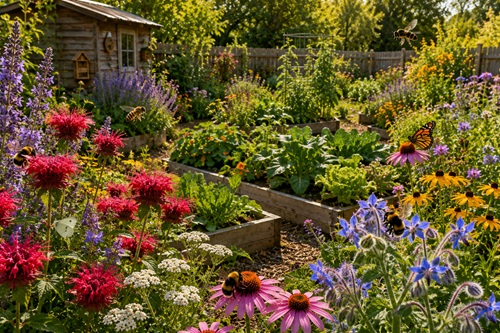
One of the most encouraging aspects of pollinator conservation is that many declining populations can recover surprisingly quickly when suitable habitat is restored. Unlike rebuilding damaged soil, which may take years, attracting pollinators often begins within a single growing season if their basic needs are met. The goal is not to lure bees to a single flower bed but to create an environment that consistently provides food, water, shelter, and safe nesting sites throughout the year. Pollinators return because the habitat supports their survival, not because individual plants are especially attractive.
Food is the first requirement. Many gardens produce an abundance of flowers for only a few weeks before long periods pass with little nectar or pollen available. Pollinators, however, remain active for months and require a continuous food supply from early spring until late autumn. A property that offers blossoms only during midsummer forces insects to search elsewhere during the rest of the season. By planting a succession of flowering species that bloom at different times, gardeners create a dependable food source that encourages pollinators to establish themselves nearby instead of merely passing through.
Early spring is especially important because many native bees emerge from winter when relatively few plants are flowering. Willows, fruit trees, serviceberries, currants, crocuses, lungwort, and native wildflowers often provide the first significant nectar and pollen of the year. These early blooms help queens establish new colonies and give solitary bees the energy needed to begin nesting. Without adequate spring forage, pollinator populations may remain small throughout the rest of the growing season regardless of how many flowers appear later.
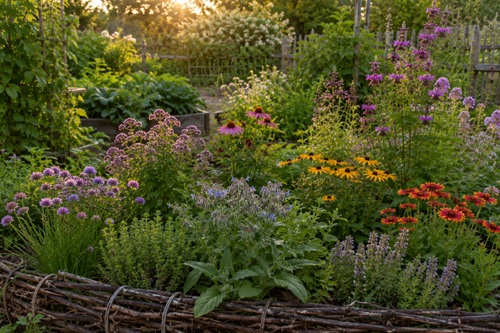
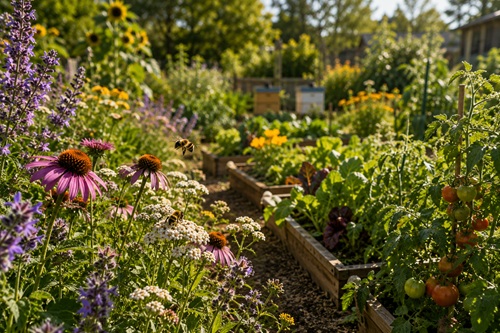
Summer should provide the greatest diversity of flowering plants. Herbs such as thyme, oregano, basil, sage, and chives become excellent nectar sources when allowed to flower. Native species including bee balm, wild bergamot, yarrow, blanket flower, coneflower, black-eyed Susan, borage, phacelia, and clover support a remarkable variety of beneficial insects. Rather than concentrating all flowers in one ornamental bed, distributing them throughout the vegetable garden encourages pollinators to naturally visit food crops while searching for nectar.
Late-season flowers are equally valuable but are frequently overlooked. As autumn approaches, many pollinators must build energy reserves before winter or produce the next generation that will overwinter. Goldenrod, asters, sedum, sunflowers, and late-blooming native plants provide some of the final nectar sources available each year. Eliminating these plants too early deprives insects of an important food supply during one of the most critical periods of their life cycle. Allowing late flowers to remain until frost strengthens local pollinator populations and improves the likelihood that they will return the following spring.
Flower diversity is generally more important than planting large numbers of a single species. Different insects possess different tongue lengths, feeding behaviors, and preferences for flower shape, color, and bloom time. A diverse planting supports honeybees, bumblebees, solitary bees, butterflies, hoverflies, moths, and numerous other beneficial insects simultaneously. Biodiversity also provides insurance against weather fluctuations because if one plant flowers poorly during a difficult season, others may continue supplying nectar and pollen.
Seasonal Pollination Calendar
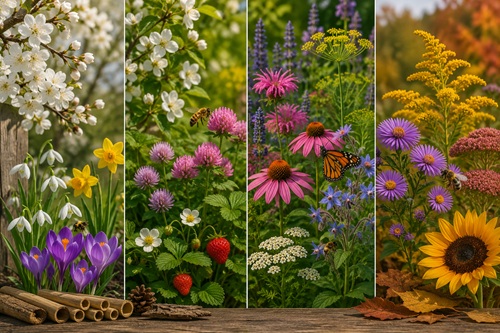
One of the easiest ways to support healthy pollinator populations is to ensure that nectar and pollen are available throughout the entire growing season rather than during only a few weeks. Different pollinators emerge at different times of year, and each depends on flowering plants that bloom during its active season. By planning for continuous blooms from early spring through late autumn, gardeners create a dependable food source that encourages pollinators to remain nearby instead of moving elsewhere in search of forage. The following seasonal guide provides examples of flowering plants that help support pollinators throughout the growing season.
| Season | Pollinators Need | Recommended Flowering Plants | Preparedness Benefit |
|---|---|---|---|
| Early Spring | Energy after winter, colony establishment, early nesting | Willows, crocus, snowdrops, lungwort, fruit trees, serviceberry, currants, maple blossoms, native wildflowers | Helps queens establish colonies and supports emerging native bees before vegetable gardens begin flowering. |
| Late Spring | Continuous nectar and pollen as pollinator populations expand | Apples, pears, cherries, plums, strawberries, clover, chives, flowering herbs | Supports pollinators during fruit tree flowering while increasing orchard pollination. |
| Summer | Peak nectar demand during maximum pollinator activity | Bee balm, borage, oregano, thyme, basil, sage, dill, yarrow, blanket flower, coneflower, black-eyed Susan, phacelia, vegetables in bloom | Provides the greatest diversity of nectar sources while encouraging pollinators to visit vegetable crops throughout the garden. |
| Late Summer | Sustaining large pollinator populations through the hottest part of the season | Sunflowers, zinnias, cosmos, echinacea, lavender, flowering vegetables and herbs | Maintains strong pollinator activity during peak vegetable production and supports the next generation of beneficial insects. |
| Autumn | Building winter food reserves and supporting late-season pollinators | Goldenrod, asters, sedum, late sunflowers, native fall wildflowers | Allows pollinators to store energy for winter, improving the likelihood of healthy populations returning the following spring. |
Preparedness Tip
Avoid creating gardens that bloom all at once and then provide little food for the remainder of the growing season. Pollinators require a continuous succession of flowering plants from early spring until frost. Even a small property can provide valuable habitat by ensuring that at least a few plants are flowering during every stage of the growing season. A steady supply of nectar and pollen encourages pollinators to establish themselves nearby, creating more reliable pollination and more dependable harvests year after year.
Providing Shelter and Nesting Habitat
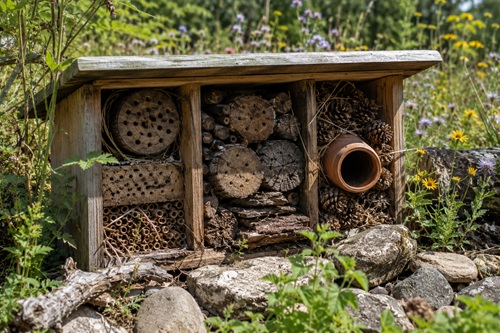
Food alone is not enough to maintain healthy pollinator populations. Every pollinator also requires safe places to reproduce, shelter from harsh weather, and survive the winter. Modern landscapes often provide abundant lawns and ornamental gardens but very few nesting sites. As properties become increasingly tidy and manicured, many beneficial insects lose the habitat they have depended upon for thousands of years. Preparedness gardeners should therefore think beyond flowers and consider the complete life cycle of the insects they hope to attract.
Many people assume that all bees live in large hives similar to honeybees. In reality, the majority of native bee species are solitary insects that never form colonies. Each female constructs her own nest, gathers pollen, lays eggs, and seals each developing larva within an individual chamber. Some excavate tunnels in bare soil, while others nest inside hollow plant stems, abandoned beetle holes, rotting logs, or small cavities in dead wood. Protecting these natural nesting sites often has a greater long-term impact than purchasing commercially produced bee houses.
Leaving small patches of exposed, undisturbed soil can greatly benefit ground-nesting bees. Thick landscape fabric, heavy mulch, paving stones, and expansive lawns eliminate many natural nesting opportunities. A sunny, well-drained area with minimal disturbance allows numerous native bee species to establish nests within easy flying distance of the garden. Although these insects are rarely noticed, they quietly pollinate crops throughout the growing season and seldom pose any threat to people because solitary bees are generally non-aggressive.
Dead wood and hollow stems also provide valuable habitat. Rather than removing every dead branch, gardeners can safely leave selected logs or standing snags in appropriate areas of the property where they will not create hazards. Perennial flower stems may also be left standing through winter instead of being cut immediately after flowering. Many solitary bees and beneficial insects use these hollow stems for nesting or overwintering. Delaying cleanup until spring allows developing insects to complete their life cycle before habitat is removed.
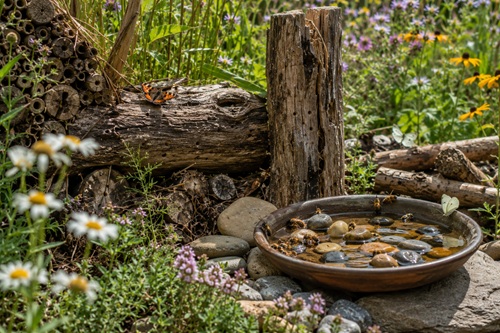
Water is another surprisingly important resource. Pollinators need regular access to moisture, especially during hot weather. A shallow dish filled with clean water and containing small stones, gravel, or floating corks provides safe landing places that prevent insects from drowning. Birdbaths can serve the same purpose when rocks or sticks are added to create secure footing. During dry summers, these simple water sources often become gathering places for bees and butterflies that would otherwise be forced to travel long distances in search of moisture.
A healthy preparedness property is therefore more than a productive vegetable garden. It is a functioning ecosystem where flowering plants, nesting habitat, water sources, and undisturbed natural areas work together to support the countless small creatures that make food production possible. By creating habitat instead of simply planting flowers, gardeners encourage pollinator populations to remain year after year, providing a long-term foundation for reliable harvests rather than a temporary seasonal improvement.
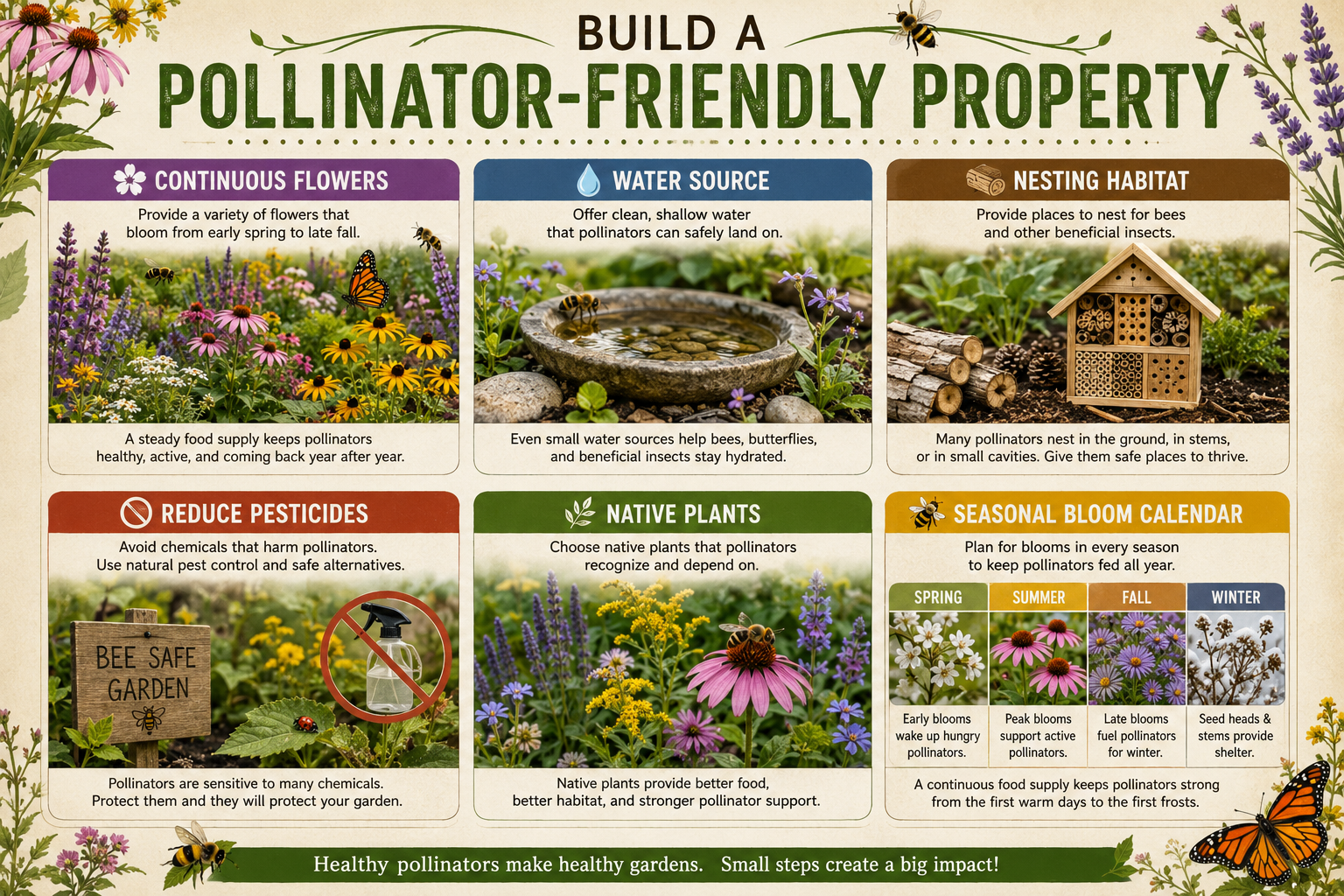
Common Mistakes That Accidentally Drive Pollinators Away
Many gardeners unintentionally reduce pollinator activity despite having the best of intentions. They fertilize regularly, water consistently, remove weeds, and keep the property neat, believing these practices create the ideal growing environment. While these efforts often benefit vegetables, they can sometimes eliminate many of the natural resources pollinators require. Recognizing these unintended consequences is one of the easiest ways to improve pollinator habitat because small changes in management often produce noticeable improvements without requiring additional expense.
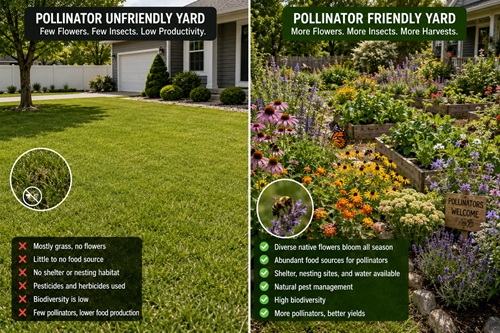
One of the most common mistakes is creating a landscape that flowers only for a short period. A fruit tree may bloom spectacularly for two weeks in spring, followed by a vegetable garden that produces flowers during midsummer, yet there may be little available food before or after those periods. Pollinators cannot survive on brief bursts of nectar. They require a continuous sequence of flowering plants throughout the growing season. When long gaps occur between blooming periods, insects are forced to leave in search of more dependable food sources. Designing the property so that something is always in bloom encourages pollinators to remain nearby instead of simply visiting temporarily.
Excessive use of pesticides is another major contributor to declining pollinator populations. Even products intended to target specific garden pests can unintentionally affect beneficial insects if applied while flowers are open. Bees visiting recently treated blossoms may be exposed to chemicals directly or carry contaminated pollen back to developing larvae. In many cases, gardeners treat plants as a precaution rather than in response to an actual infestation. Integrated pest management, careful monitoring, and treating only when necessary often reduce pest problems while minimizing harm to pollinators and other beneficial insects.
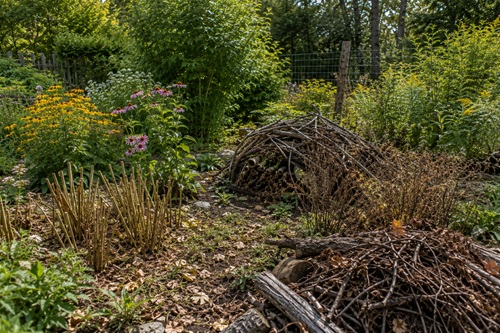
An overly tidy landscape can also remove valuable habitat. Many preparedness gardeners naturally appreciate order and organization, but wildlife often depends on features that appear untidy to people. Hollow stems, fallen branches, brush piles, patches of bare soil, and small areas of native vegetation all provide nesting and overwintering sites for countless beneficial insects. Removing every dead plant each autumn, trimming every shrub immediately after flowering, or clearing every natural area may leave pollinators with few places to reproduce or survive the winter. Maintaining a balance between order and natural habitat creates a healthier ecosystem without sacrificing the appearance of the property.
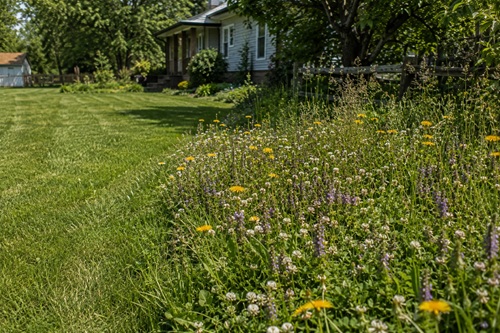
Large areas of closely mowed lawn contribute surprisingly little to pollinator health. While lawns serve practical purposes around homes, they produce relatively little nectar or pollen compared to flowering plants. Even allowing small sections of clover, self-heal, dandelions, or native wildflowers to bloom can dramatically increase available food for bees during parts of the growing season. Many homeowners now designate small pollinator zones where grass is cut less frequently, providing valuable forage while maintaining the overall appearance of the property.
Outdoor lighting is another factor that is often overlooked. Many moth species serve as important nighttime pollinators, visiting flowers after bees have returned to their nests. Bright exterior lighting can interfere with their navigation, disrupt feeding patterns, and reduce nighttime pollination of certain plants. Using downward-facing fixtures, motion-activated lights, or warmer-colored bulbs minimizes unnecessary disturbance while still providing adequate security around the home.
Perhaps the most important lesson is that successful pollinator conservation depends on viewing the property as an interconnected ecosystem rather than simply a vegetable garden. Every decision—from mowing schedules and landscaping choices to pesticide use and seasonal cleanup—affects the insects that support food production. Small improvements made consistently over time often produce greater long-term benefits than dramatic one-time changes. By understanding how everyday gardening practices influence pollinator health, preparedness gardeners can create properties that remain productive, resilient, and increasingly self-sustaining year after year.
Pollinator Preparedness: A Long-Term Food Security Strategy
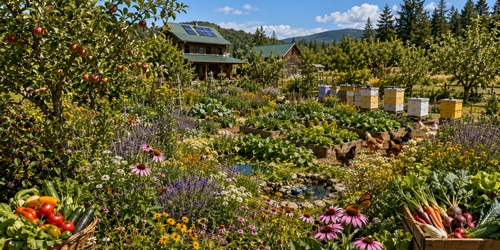
Preparedness is often associated with stored food, emergency supplies, and backup equipment, yet one of the most valuable long-term resources cannot be stored on a shelf. Healthy pollinator populations represent a renewable asset that contributes to food production every growing season without consuming fuel, electricity, or manufactured materials. Unlike many preparedness supplies that gradually diminish with use, pollinators replenish themselves when their habitat remains healthy. Protecting them should therefore be viewed as an investment in future harvests rather than simply an environmental concern.
A resilient food production system relies on diversity. Gardeners who grow only one or two crops face greater risk from pests, disease, weather, or pollination failures than those cultivating a wide variety of plants. The same principle applies to pollinators. Honeybees receive most of the public attention, yet native bumblebees, solitary bees, hoverflies, butterflies, moths, beetles, and even certain wasps all contribute to pollination. Encouraging a diverse community of beneficial insects creates redundancy within the ecosystem, ensuring that if one species experiences a poor year, others continue performing the work necessary to support food production.
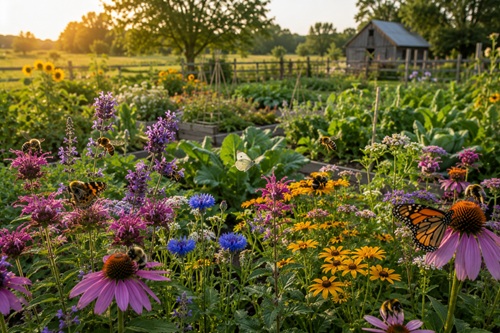
Preparedness gardeners should also think several years into the future rather than focusing solely on the current growing season. Trees planted today may become major nectar sources within a decade. Native flowering shrubs mature into dependable habitat that supports generations of pollinators. Wildflower meadows improve with age as perennial species become established. Every improvement made now increases the long-term resilience of the property while reducing future maintenance. Building pollinator habitat follows the same philosophy as planting an orchard or improving soil—it is an investment whose greatest rewards are realized over time.
Learning to observe pollinator activity should become part of every gardener’s seasonal routine. Just as gardeners monitor rainfall, soil moisture, frost dates, and plant health, they should also notice which insects are visiting flowers, when activity increases or declines, and which plants receive the greatest attention. These observations reveal valuable information about the health of the surrounding ecosystem and often provide early warning of environmental changes that could influence future harvests. Careful observation develops experience that no book or guide can fully replace.
Perhaps the greatest preparedness lesson is understanding that successful food production depends on working with natural systems rather than attempting to replace them. Pollinators have supported plant reproduction for millions of years, long before modern agriculture existed. By creating conditions that allow these natural relationships to flourish, gardeners reduce the amount of work they must perform themselves. Nature becomes a partner rather than an obstacle, producing healthier gardens that require fewer interventions while yielding more reliable harvests.
A preparedness garden should never be judged solely by the number of vegetables growing in its beds. Its true strength lies in the health of the entire ecosystem that surrounds those crops. Birds controlling insects, healthy soil organisms recycling nutrients, earthworms improving soil structure, and pollinators moving tirelessly from flower to flower all contribute to long-term resilience. Understanding these connections transforms gardening from simply growing food into building a sustainable system capable of supporting a family through changing conditions for many years to come.
A preparedness garden should never depend entirely on one pollination strategy. Gardens that combine leafy vegetables, root crops, self-pollinating vegetables, wind-pollinated crops, and insect-pollinated fruits are naturally more resilient. Even if pollinator numbers decline during one season, much of the garden can continue producing food. Rather than hoping every crop succeeds under every condition, preparedness gardening is about reducing risk through diversity. The more ways your garden can produce food, the more dependable your harvest becomes regardless of changing environmental conditions.
Preparedness Action Plan
Knowledge becomes valuable only when it is applied. Use this action plan to evaluate your own property, identify potential pollination problems before they reduce your harvest, and begin building a healthier, more resilient ecosystem that supports long-term food production.
Step 1: Observe Your Garden
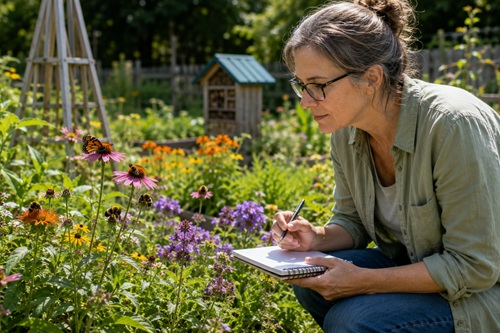
Choose a warm, calm day when flowers are fully open and spend at least 15 to 20 minutes quietly observing your garden. Resist the urge to weed or water during this time. Simply watch which insects visit flowers, how frequently they appear, and which plants receive the most activity. Repeat this observation several times over the course of a week. These simple observations provide a baseline that will help you recognize changes in pollinator populations from one season to the next.
Step 2: Identify Your Crops
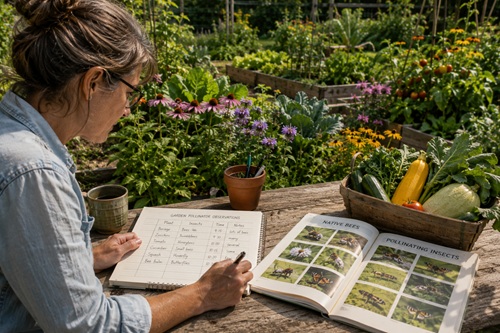
Make a list of every fruit, vegetable, herb, and berry growing on your property. For each plant, determine whether it is self-pollinating, wind-pollinated, or primarily dependent on insect pollination. Understanding which crops rely most heavily on pollinators allows you to focus your attention where declining pollinator numbers could have the greatest impact on your food production.
Step 3: Inspect Flowers and Developing Fruit
Closely examine blossoms and newly developing fruit throughout your garden. Watch for blossoms that drop without setting fruit, tiny cucumbers or squash that stop growing and turn yellow, misshapen berries, poorly filled corn ears, or unusually low fruit production despite healthy plants. These early warning signs often reveal pollination problems long before harvest time.
Step 4: Evaluate Pollinator Habitat
Walk around your entire property and honestly assess whether it provides everything pollinators need throughout the growing season. Ask yourself whether something is flowering from early spring through late autumn. Look for available water sources, nesting habitat such as bare soil or dead wood, and areas where beneficial insects can shelter safely. Also identify anything that may discourage pollinators, including excessive lawn, unnecessary pesticide use, or the recent removal of flowering shrubs or trees.
Step 5: Improve One Area This Season
Choose one practical improvement that can be completed this growing season. Plant several native flowering species, allow herbs to bloom, create a shallow water source with stones for landing, reduce pesticide applications, leave a small patch of natural habitat undisturbed, or establish a dedicated pollinator bed. Small improvements made consistently over time often produce greater long-term results than attempting to redesign the entire property at once.
Step 6: Practice Hand Pollination
Do not wait until a poor harvest forces you to learn this skill. Practice identifying male and female flowers on squash, cucumbers, pumpkins, or melons, and hand-pollinate several blossoms using a small paintbrush or by transferring pollen directly from a male flower. Learning the technique before it becomes necessary builds confidence and ensures you can respond quickly if natural pollination declines.
Step 7: Keep a Seasonal Garden Journal
Record flowering dates, pollinator activity, weather conditions, harvest success, and any changes you make to the property. Over several growing seasons, these notes become one of your most valuable gardening resources. Patterns that are difficult to recognize from memory become obvious when written down, allowing you to make better-informed decisions and continuously improve your preparedness garden.
Preparedness Challenge
By the end of this growing season, strive to identify at least 10 different pollinator species visiting your property, establish three or more flowering plants that bloom during different seasons, learn to hand-pollinate at least one crop, and create one permanent pollinator habitat that will continue supporting beneficial insects for years to come. Every improvement strengthens not only this year’s harvest but the long-term resilience of your entire food production system.
Skills Learned
After completing this lesson, you should be able to explain how pollination works, distinguish between self-pollinating, wind-pollinated, and insect-pollinated crops, recognize the early warning signs of pollination failure, identify common reasons pollinators leave an area, evaluate your property for pollinator habitat, perform basic hand pollination when necessary, and develop a long-term strategy for attracting and maintaining healthy pollinator populations. More importantly, you should understand that pollinators are not simply visitors to the garden—they are an essential part of a resilient food production system and a valuable preparedness resource that deserves to be protected, encouraged, and managed with the same care as the garden itself.
Final Thoughts
Healthy gardens are built on far more than fertile soil, quality seeds, and regular watering. Every successful harvest depends on countless natural relationships working together behind the scenes. Pollinators are among the most important of these partners, quietly transferring pollen from flower to flower and making the production of many fruits, vegetables, berries, and seeds possible. Although their work often goes unnoticed, its absence becomes immediately apparent when harvests begin to decline despite otherwise healthy plants.
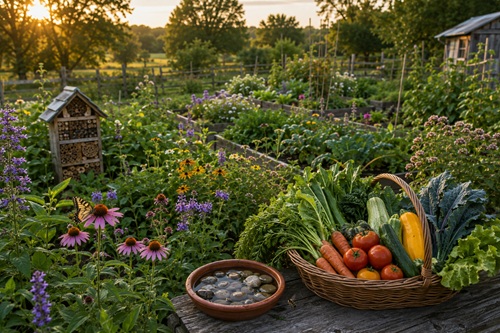
One of the greatest advantages of understanding pollination is that it allows gardeners to solve problems before an entire growing season is lost. Rather than assuming poor harvests are caused by fertilizer, watering, or disease, experienced gardeners first evaluate pollinator activity and the surrounding habitat. This systematic approach leads to better decisions, fewer unnecessary expenses, and more consistent food production over time. Observation becomes one of the most valuable gardening tools because it reveals problems while there is still time to correct them.
Preparedness gardening is about reducing dependence on outside systems by creating a resilient food production environment at home. That resilience comes not only from storing seeds and improving soil but also from protecting the insects, birds, and wildlife that naturally support the garden. Every flowering plant added, every pesticide application avoided, every nesting site preserved, and every season spent learning from careful observation strengthens the entire ecosystem. These improvements continue producing benefits year after year with very little additional effort.
Perhaps the most important lesson is that pollinators are not simply visitors passing through the garden. They are essential partners in food production. A garden rich in pollinators is often healthier, more productive, and more reliable than one that depends entirely on human intervention. By learning how pollination works, recognizing the signs of declining pollinator activity, and creating an environment where beneficial insects can thrive, gardeners build a more dependable harvest while increasing the long-term sustainability of their preparedness plans.
Frequently Asked Pollination Questions
Can I pollinate tomatoes simply by shaking the plant?
Yes. Tomatoes are self-pollinating, meaning each flower contains both male and female reproductive structures. In many home gardens, gently shaking the plant or lightly tapping flower clusters every day or two during flowering is often enough to release pollen within the blossom. Commercial greenhouse growers frequently use vibration to improve fruit production. Bumblebees naturally accomplish the same task through a behavior known as buzz pollination, vibrating the flower at a specific frequency that releases pollen more effectively. While shaking the plant can improve fruit set, healthy bee populations generally produce larger, more consistent harvests.
Do bees work during the rain?
Usually not. Most bees remain inside their nests during heavy rain because wet wings make flying difficult and increase the risk of injury. Strong winds, cold temperatures, and prolonged storms also reduce pollinator activity. Once warm, dry weather returns, bees generally resume normal foraging. A few days of poor weather rarely cause lasting problems, but extended periods of unfavorable conditions during peak flowering can reduce pollination and lower harvests.
Why do my squash flowers keep falling off?
Squash naturally produces many more male flowers than female flowers, especially early in the season. It is therefore normal to see some blossoms open, wither, and fall without producing fruit. However, if female flowers also begin dropping or tiny squash turn yellow and shrivel shortly after forming, incomplete pollination is often the cause. During periods of low pollinator activity, hand pollination can usually correct the problem and restore normal fruit development.
Do butterflies pollinate vegetable gardens?
Yes, although they are generally less efficient pollinators than bees. Butterflies visit flowers while feeding on nectar and often transfer pollen between blossoms as they move through the garden. Their long feeding tubes allow them to reach nectar in flowers that some bees cannot access. While butterflies contribute to pollination, bees, especially bumblebees and many native solitary bees, perform the majority of pollination for most vegetable crops.
Can one honeybee hive pollinate an entire neighborhood?
Sometimes, but not always. Honeybees can travel several kilometers while foraging, but successful pollination depends on many factors, including colony strength, weather, competing flower sources, and the number of crops in bloom. Native pollinators often perform much of the work close to home because many species forage only a few hundred metres from their nests. A healthy garden benefits from a diverse community of pollinators rather than depending on honeybees alone.
Will planting more flowers attract pollinators immediately?
Sometimes, but long-term success requires more than flowers alone. Pollinators also need clean water, safe nesting sites, shelter from harsh weather, and a continuous supply of blooms from spring through autumn. Some improvements may attract additional insects within weeks, while establishing stable local populations often takes several growing seasons. Consistent habitat improvement generally produces the most reliable long-term results.
Are all bees capable of stinging?
No. Many native bees are solitary and rarely sting unless handled or trapped. Unlike honeybees, they do not defend large colonies or stores of honey. Bumblebees are also generally gentle and prefer to avoid confrontation. Understanding the behavior of beneficial insects often helps reduce unnecessary fear and encourages gardeners to create habitat that supports them.
Should I remove flowers after vegetables begin producing fruit?
Not necessarily. Allowing herbs, wildflowers, and flowering companion plants to continue blooming provides nectar and pollen that support pollinators throughout the growing season. Continuous flowering encourages beneficial insects to remain nearby, improving pollination of later crops while also supporting the next generation of pollinators.
Can I still have a productive garden if pollinator numbers decline?
Yes, provided the garden is planned with resilience in mind. Growing a mixture of leafy vegetables, root crops, self-pollinating vegetables, wind-pollinated crops, and insect-pollinated fruits spreads the risk across multiple pollination strategies. If pollinator activity declines during one season, much of the garden can still produce food while habitat improvements and hand pollination help protect more vulnerable crops.
© Prepping Communities. This content is for informational purposes only and not professional advice. Use at your own risk.
Terms | Privacy | Guidelines