
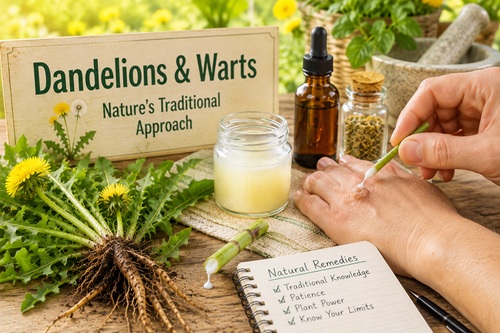
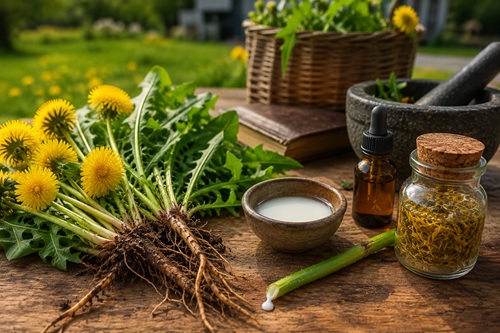
For most people, dandelions are simply another weed that appears every spring. They are pulled from lawns, sprayed with herbicides, or mowed without a second thought. Yet for generations, this common plant has been valued as a traditional medicinal herb with a wide range of practical uses. In addition to providing edible leaves, flowers, and roots, dandelions have long been used in folk medicine to support skin health, digestion, and overall wellness. One traditional use that continues to attract interest is the application of fresh dandelion sap to common warts.
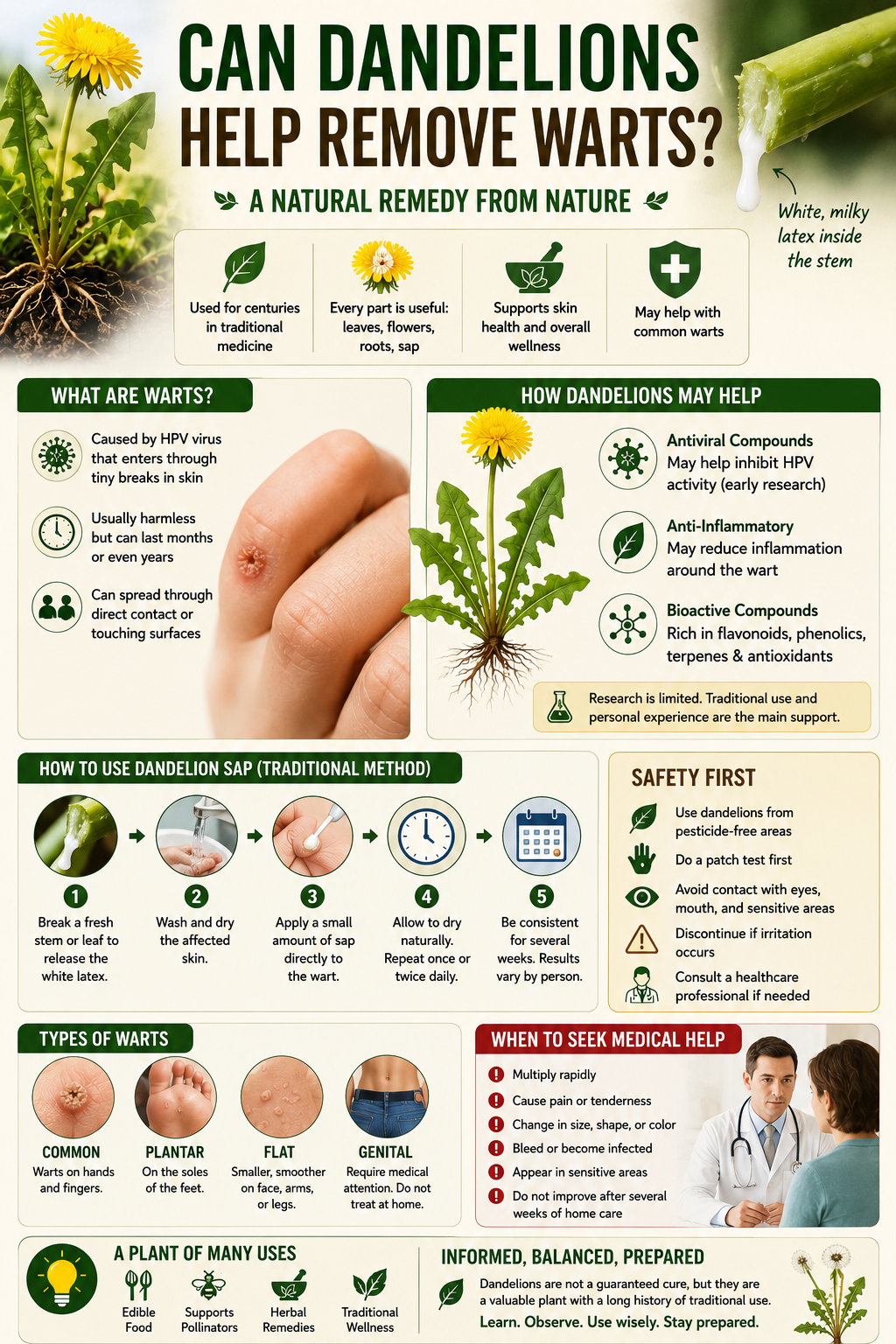
Warts are small, rough skin growths caused by certain strains of the human papillomavirus (HPV). The virus enters through tiny breaks in the skin and causes cells in the outer layer to multiply more rapidly than normal, creating the raised growth recognized as a wart. Although most common warts are harmless, they can persist for months or even years before disappearing naturally. They may also spread to nearby areas of the skin or to other people through direct contact.
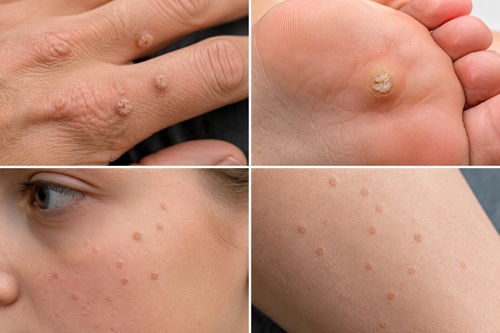
Several types of warts exist, each with slightly different characteristics. Common warts typically appear on the hands and fingers with a rough, grainy surface. Plantar warts develop on the soles of the feet, where body weight often pushes them inward, making them painful to walk on. Flat warts are smaller and smoother and commonly develop on the face, arms, or legs. While most everyday warts are not considered dangerous, any wart that changes rapidly, becomes painful, bleeds repeatedly, or appears in sensitive areas should be evaluated by a healthcare professional.
One of the reasons dandelions became associated with wart treatment is the white, milky latex found inside their stems and leaves. When a stem is broken, this sticky sap quickly appears. Traditional herbal medicine has used this latex for generations as a topical application for common warts. The sap contains numerous naturally occurring plant compounds, including terpenes, polyphenols, flavonoids, and other phytochemicals that researchers continue to study for their biological activity.
Although modern scientific research remains limited, laboratory studies have shown that certain compounds found in dandelions possess antioxidant, anti-inflammatory, and antimicrobial properties. Some early research suggests that these compounds may also demonstrate antiviral activity under laboratory conditions. However, there is currently insufficient clinical evidence to conclude that dandelion sap reliably removes warts in people or eliminates the HPV virus responsible for them. Most support for this remedy comes from traditional use and personal experience rather than large controlled medical studies.
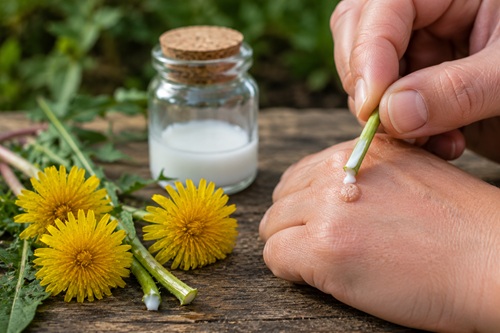
Those who choose to try this traditional remedy generally use only the fresh white latex from a newly broken dandelion stem. After washing and drying the affected area, a small amount of the sap is applied directly onto the wart and allowed to dry naturally. This process is often repeated once or twice each day over several weeks. As with many natural remedies, any results tend to occur gradually rather than immediately, and some individuals may notice no improvement at all.
Consistency has always been considered important in traditional herbal practices. Many historical remedies were applied daily for extended periods while allowing the body’s own healing processes to work. Even so, it is important to recognize that common warts sometimes disappear on their own as the immune system eventually suppresses the virus. Because of this natural healing process, it can be difficult to determine whether a particular remedy caused the wart to disappear or whether it would have resolved without treatment.
Before applying fresh dandelion latex, a simple patch test is recommended. Some individuals may experience skin irritation or allergic reactions, particularly those who are sensitive to plants in the daisy family, which includes ragweed, chrysanthemums, and marigolds. If redness, itching, swelling, or increased irritation develops, the application should be discontinued immediately. The sap should also be kept away from the eyes, mouth, and other sensitive tissues.
Preparedness-minded individuals often appreciate learning about traditional plant uses because they demonstrate how ordinary wild plants served multiple purposes before modern pharmacies existed. Dandelions illustrate this principle particularly well. They can provide nutritious food, support pollinating insects, contribute to herbal preparations, and offer a variety of traditional folk remedies. Understanding these historical uses builds practical knowledge while encouraging a greater appreciation for the natural resources that often grow unnoticed around us.
It is equally important to recognize the limits of traditional remedies. Natural treatments should never replace appropriate medical care when a skin condition appears unusual, spreads rapidly, becomes painful, or shows signs of infection. Likewise, genital warts and other growths affecting sensitive areas require professional medical evaluation and should not be treated with home remedies.
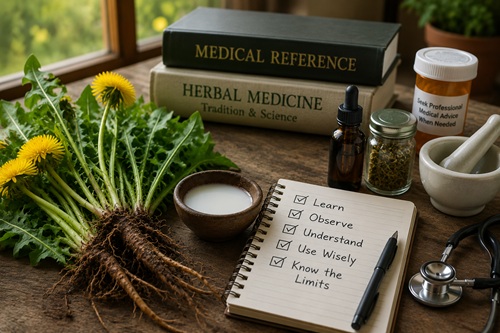
From a preparedness perspective, learning about plants like dandelion is less about finding miracle cures and more about expanding practical knowledge. A resilient lifestyle includes understanding both modern medicine and traditional plant-based practices while recognizing the strengths and limitations of each. Dandelions may not eliminate every wart, and current scientific evidence does not confirm them as a proven treatment, but their long history in traditional herbal medicine makes them an interesting example of how common plants have served people for generations.
The best preparedness approach is one of informed balance. Learn to identify useful plants correctly, understand what scientific evidence supports, recognize where traditional knowledge fills historical gaps, and know when professional medical care is necessary. By combining practical skills with evidence-based decision-making, you build greater confidence and self-reliance without relying on unsupported claims or unrealistic expectations.
© Prepping Communities. This content is for informational purposes only and not professional advice. Use at your own risk.
Terms | Privacy | Guidelines