
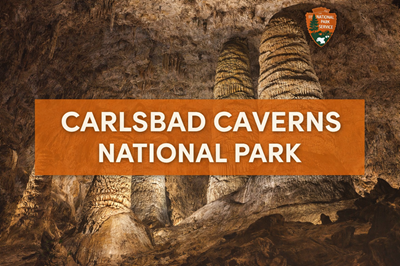
The PDF is an informative overview of Carlsbad Caverns National Park, presenting a collection of key facts, statistics, and historical milestones that highlight the park’s significance. It serves as both an educational resource and a quick-reference guide, giving readers a clear understanding of the park’s size, geology, ecosystems, and unique underground features. The document combines data with visual elements, including images of cave formations and desert landscapes, to provide a well-rounded snapshot of this remarkable location.
The first page of the PDF focuses on the park’s physical characteristics and natural features. Located in southeastern New Mexico, the park spans over 46,000 acres and includes more than 120 known caves, a number that continues to grow as exploration advances. It highlights major cave systems such as Lechuguilla Cave, one of the longest and deepest caves in the world, and Carlsbad Cavern, which contains the Big Room—described as the largest readily accessible cave chamber in North America. The document also outlines the surrounding surface environment, noting the Chihuahuan Desert ecosystem and its diversity of plant and animal life, including over 750 plant species and hundreds of bird, mammal, and reptile species.
The brochure also emphasizes the park’s wildlife, particularly its bat populations. As noted in the wildlife section on page 1, Carlsbad Caverns is home to 17 species of bats, with a massive colony of Brazilian free-tailed bats numbering in the hundreds of thousands. This makes the park not only a geological wonder but also an important biological habitat. Additional visitor information is included, such as scenic drives, hiking trails, and picnic areas, along with notes that backcountry trails are minimally maintained and lack dependable water sources—an important consideration for anyone exploring beyond developed areas.
The second page provides a historical timeline, tracing human interaction with the caves from prehistoric inhabitants to modern conservation efforts. It details early exploration, guano mining operations in the early 1900s, and the eventual establishment of the park as a national monument in 1923 and a national park in 1930. Key developments such as the installation of lighting, construction of visitor infrastructure, and scientific discoveries in Lechuguilla Cave are also highlighted. The timeline shows how the park evolved from a little-known natural feature into a globally recognized site, including its designation as a UNESCO World Heritage Site.
Overall, this PDF presents Carlsbad Caverns as a place of extraordinary geological depth, ecological diversity, and historical importance. It not only showcases the scale and beauty of the cave systems but also provides context on how they have been explored, protected, and shared with the public over time.
© Prepping Communities. This content is for informational purposes only and not professional advice. Use at your own risk.
Terms | Privacy | Guidelines