
Winter Survival In Your Car is a practical winter emergency preparedness guide published by the Minnesota Department of Public Safety Homeland Security and Emergency Management division. The booklet focuses on helping drivers survive dangerous winter weather conditions while traveling in snow, ice, and extreme cold. The guide explains how winter weather affects both vehicles and people, including reduced battery performance, thickened lubricants, frozen tires, and the life-threatening dangers of exposure and hypothermia. Throughout the document, the emphasis remains on preparation, calm decision-making, visibility, and staying with the vehicle during severe winter emergencies.
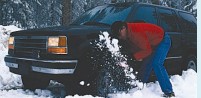
The publication strongly encourages planning before travel by monitoring weather reports, preparing the vehicle for winter conditions, dressing appropriately, carrying emergency supplies, and informing others about travel routes and destinations. One of the most important recommendations is to remain inside the vehicle if stranded during a storm because the vehicle provides shelter and is much easier for rescuers to locate than a person traveling on foot. The guide also explains how overexertion during extreme cold can increase the risk of injury or heart attack, especially while shoveling snow or attempting to push a stuck vehicle.
Several sections focus on survival techniques for stranded motorists. The booklet explains how carbon monoxide poisoning can occur if snow blocks the vehicle’s exhaust system and advises drivers to ensure the exhaust pipe remains clear before running the engine. It also provides methods for conserving body heat without fuel, including loosening tight clothing, moving limbs to maintain circulation, huddling together, and avoiding sweat buildup that can accelerate heat loss. Additional survival advice includes displaying visible markers for rescuers, conserving battery power, using dome lights for visibility at night, and maintaining awareness while waiting for assistance.
The second half of the guide covers winter driving techniques and emergency survival kits. Drivers are taught how to increase following distances on icy roads, steer into skids, avoid sudden braking, and safely navigate slippery conditions. The booklet also provides a recommended winter survival kit checklist that includes candles, matches, blankets, tools, snacks, sand or cat litter for traction, booster cables, flares, flashlights, extra clothing, and emergency signaling devices. Emergency communication procedures are explained as well, including how to contact 911 and what information to provide rescuers if stranded. Overall, the document serves as a concise but highly practical winter travel preparedness guide for drivers operating in harsh winter climates.
Minnesota Department of Public Safety Homeland Security and Emergency Management
© Prepping Communities. This content is for informational purposes only and not professional advice. Use at your own risk.
Terms | Privacy | Guidelines