
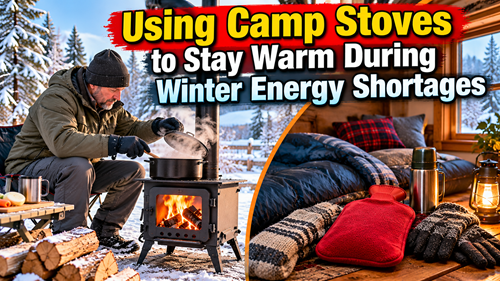
Losing electricity during winter is inconvenient, but losing the ability to heat your home can quickly become a serious emergency. When temperatures outside are below freezing, a house gradually loses the warmth stored in its walls, floors, furniture, and indoor air. How quickly that happens depends on the building’s insulation, outdoor temperature, wind exposure, and other conditions. Some homes may remain reasonably comfortable for quite some time, while others can become dangerously cold much sooner. If the outage continues for several days, even a well-insulated home may eventually become too cold to occupy safely without an alternative source of heat.
Imagine waking up during a winter storm to discover that the electricity has been off for several hours and your heating system has stopped working. The weather forecast suggests the outage could last five days. Your electric stove is useless, the refrigerator is no longer running, and the indoor temperature has already begun falling. You have stored food, blankets, and perhaps a generator or portable power station, but you don’t know how long your available energy will last. What happens if the generator runs out of fuel, the batteries become depleted, or the weather makes it impossible to leave your property?
This is where a camp stove can become a useful part of your emergency preparations. It won’t heat your house, and ordinary camping stoves must never be used indoors as makeshift heaters, but it can provide a way to prepare hot meals, heat water, and conserve electricity that would otherwise be used for cooking. If you have a suitable outdoor wood-burning stove and a supply of dry firewood, you may also benefit from temporary radiant warmth while tending the stove. More importantly, the stove can help you accomplish essential tasks without consuming the limited energy needed for other purposes.
The important thing to understand is that staying warm during a winter outage involves two different challenges. The first is producing heat, and the second is preventing your body from losing the heat it already generates. A camp stove can help with the first challenge in limited ways, but clothing, bedding, insulation, shelter, and safe heating arrangements are what make the second challenge manageable. A household that understands this difference is in a much better position than one that simply owns a stove and assumes it will be enough.
What to Do When Your Home Begins Losing Heat
The first priority during a winter heating failure is not to rush outside and light a stove. It is to assess how quickly your home is cooling and begin preserving the warmth already inside. Close exterior doors and windows, draw curtains or blinds, and reduce unnecessary movement between the house and outdoors. If the home has several rooms, consider concentrating household activities in one suitable living area rather than attempting to keep every room equally comfortable. Closing doors to unused rooms can reduce the area being occupied, although you should avoid interfering with required ventilation, plumbing protection, or other building safety requirements.
Place a thermometer in the room where everyone will spend most of their time. Rather than guessing how cold the house feels, monitor the actual temperature and how quickly it is falling. Record the temperature periodically, particularly as evening approaches, because the rate of cooling can help determine whether your current arrangements are sufficient. There is no single indoor temperature that guarantees safety for everyone, and infants, older adults, and people with certain medical conditions may require warmer conditions than healthy adults. If the temperature is approaching a level that is unsafe for anyone in the household, arrangements for an approved heating source or relocation should begin before conditions deteriorate further.
Next, concentrate on retaining body heat. Dress in several loose, dry layers, including insulating clothing and a wind-resistant outer layer when needed. Warm socks and insulated footwear make a noticeable difference because cold floors draw heat away from the body. Avoid becoming sweaty while working, since damp clothing can increase heat loss once activity stops. Changing into dry clothing before bedtime is particularly important, even if the clothing being removed does not feel especially wet.
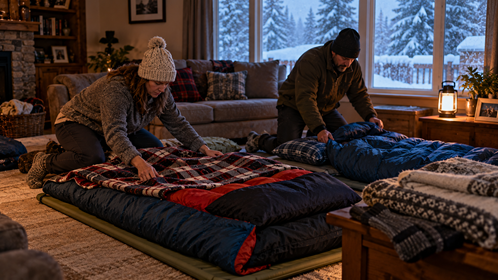
Bedding deserves just as much attention as clothing. A sleeping bag rated for the expected conditions, combined with an insulated sleeping pad, can help reduce heat loss while resting. The sleeping pad is particularly important because blankets compressed beneath the body provide much less insulation than people often expect. A mattress or insulated pad separates the body from a cold floor and helps preserve warmth through the night. Several lighter blankets may also provide flexibility because layers can be adjusted as conditions change.
Some households may find it useful to establish a smaller sleeping area where family members can remain together and share available bedding and insulation. The objective is not to create an airtight enclosure or attempt to heat the space with an improvised flame, but to reduce exposure to drafts and cold surfaces. Any temporary arrangement must preserve safe ventilation and allow occupants to leave quickly if necessary. These preparations should begin while the house is still relatively warm, rather than waiting until everyone is already shivering.
How a Camp Stove Can Help During the First Day Without Heat
Once the household has taken steps to conserve indoor warmth, a camp stove can support the next part of the emergency plan. Suppose the family has a portable wood-burning camp stove and a small supply of seasoned firewood. Instead of using valuable generator fuel to operate an electric cooking appliance, they can prepare food outdoors. A pot of soup, stew, or another simple meal can provide nourishment without drawing electricity from their backup power system. This may be particularly useful when the generator is needed for essential medical equipment, communications, or other important electrical loads.
While the stove is operating, additional water can be heated for washing or filling a suitable hot-water bottle. This makes better use of the fuel already being burned and reduces the need to light another fire later. A household might also prepare enough food for more than one meal, provided it has a safe way to cool and store the leftovers. During an extended outage, food safety becomes important because refrigeration may be unavailable. Perishable food should not simply be left at room temperature until the next meal.
A purpose-made hot-water bottle can be particularly useful during a winter outage. When filled according to its manufacturer’s instructions, protected by a suitable cover, and placed inside bedding, it can provide localized warmth for a period of time. It should not be filled with boiling water unless the manufacturer explicitly permits it, and it should never be placed directly against bare skin. Hot-water bottles must also be checked for leaks, deterioration, or other damage before use. They are especially useful for warming bedding before someone gets into it, but they should not be treated as a substitute for adequate insulation or safe indoor temperatures.
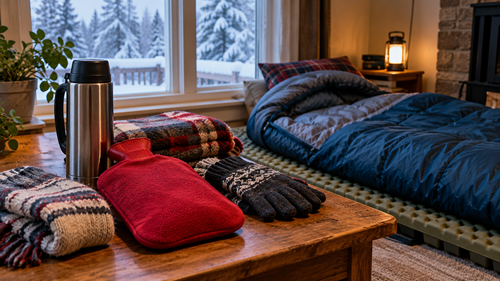
This is one of the simplest ways a camp stove can contribute to personal warmth without being brought indoors. However, hot food, warm drinks, and hot-water bottles cannot compensate for a dangerously cold home. They are supporting measures that work alongside adequate clothing, insulation, and a safe shelter or heating plan.
Preparing a Safe Outdoor Cooking and Warming Area
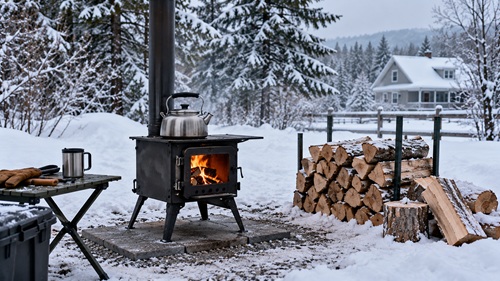
If a camp stove is going to be part of your winter emergency preparations, it is worth spending some time deciding exactly where and how you would use it before the power goes out. A backyard, rural property, or established campsite may provide a suitable location, but the stove needs to be positioned on firm, level, noncombustible ground with enough clearance from buildings, fences, vegetation, stored firewood, and anything else that could catch fire. Winter conditions can make this more difficult than expected because snow may conceal uneven ground, ice can make surfaces slippery, and strong winds can carry smoke or sparks toward nearby structures. Preparing the area in advance, keeping appropriate fire-extinguishing equipment nearby, and making sure everyone understands how to operate the stove safely can prevent a relatively simple cooking task from becoming another emergency.
One mistake people sometimes make is trying to enclose an outdoor stove to capture more of its heat. It might seem reasonable to put the stove beneath a tarp, inside a partially enclosed shelter, or in a garage with the door open, especially when temperatures are well below freezing. Unfortunately, these arrangements can create serious fire and carbon monoxide hazards. Ordinary camp stoves are intended for outdoor use and should never be brought inside a house, garage, vehicle, or regular camping tent to provide warmth. Even a partially enclosed space can allow dangerous combustion gases to accumulate, and nearby materials can ignite from radiant heat or escaping sparks. A better approach is to keep the stove in a suitably open outdoor location while protecting yourself from the weather with appropriate winter clothing, insulated boots, and a dry place to stand or sit. Any windbreak must remain outside the stove’s required safety clearances and must not restrict ventilation.
There is also the practical question of whether the stove can be used during the worst weather. Cooking outdoors on a calm winter afternoon is very different from trying to maintain a fire during heavy snowfall, freezing rain, or strong winds. During severe conditions, the effort required to operate the stove may expose someone to more cold than the temporary warmth is worth. This is why a household should not rely entirely on an outdoor stove for its emergency cooking needs. Keeping some ready-to-eat food, safe drinking water, and meals that require little or no preparation provides another option when going outside becomes impractical. The stove remains valuable, but it should be used when conditions permit rather than becoming something the household must depend on regardless of the weather.
Using Wood, Coal, and Other Fuels During an Energy Shortage
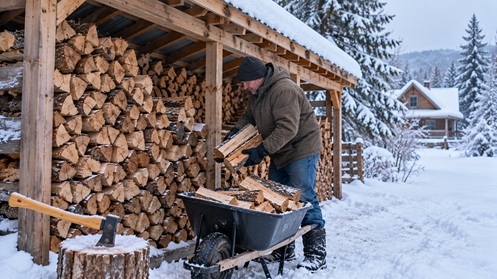
Firewood offers an advantage that many other fuels cannot provide. In regions where it is legally and sustainably available, wood can be collected, prepared, dried, and stored before winter. This gives households some independence from commercial fuel deliveries, which may become unreliable during severe storms or broader energy shortages. However, not all firewood performs equally well. Freshly cut or damp wood contains moisture that must be evaporated before the wood can burn efficiently. This wastes heat, makes fires harder to maintain, and increases smoke production. Properly seasoned wood, generally with a moisture content around 20 percent or less, is a much better choice for emergency use.
The size of the wood also affects how efficiently a stove operates. Small rocket stoves and twig-burning camp stoves are designed to burn relatively small pieces of wood, making them useful for boiling water or cooking simple meals without consuming large logs. Larger outdoor wood stoves can accept bigger pieces and may produce more sustained heat, but they also require more fuel. The objective during an energy shortage should be to produce enough heat for the task rather than maintaining a large fire simply because fuel is available. Learning how much wood is required to prepare a meal or boil several litres of water can help a household estimate how long its stored supply might last.
Coal is another possible fuel in areas where it is commonly available, although it requires more careful consideration. Coal has a high energy density and can provide sustained heat in an appliance specifically designed for coal combustion. Some traditional multifuel stoves are equipped with grates, ash pans, and airflow controls that allow them to burn approved types of coal as well as wood. An ordinary wood-burning camp stove should never be assumed capable of burning coal. Coal can produce different combustion temperatures and requires different airflow arrangements, and using it in unsuitable equipment can damage the stove or create dangerous conditions. Coal also produces pollutants and potentially hazardous ash, so local regulations and safe handling requirements must be considered.
Charcoal may seem like a convenient alternative because it is widely used for outdoor cooking, but it presents a particularly serious carbon monoxide risk. Charcoal must never be burned inside a house, tent, garage, vehicle, or other enclosed space, even if a door or window is open. The same general caution applies to ordinary propane, butane, and liquid-fuel camping stoves. These appliances should be used outdoors according to their manufacturers’ instructions and should not be treated as indoor space heaters.
Propane can be especially useful when a household needs to prepare food quickly without gathering or tending firewood. It generally performs better than butane in freezing conditions, although cylinder temperature and equipment design can still affect performance. Butane becomes increasingly difficult to use around freezing because its vapor pressure drops substantially. Liquid-fuel backpacking stoves may offer another cold-weather cooking option when operated with the fuels specifically approved by their manufacturers. The important preparedness lesson is that different fuels have different strengths, and knowing which equipment works under winter conditions is more useful than simply owning several stoves.
How Much Fuel Would You Actually Need?
One of the easiest mistakes to make when preparing for a winter energy shortage is assuming that a small supply of firewood or a few propane cylinders will last longer than they actually will. Fuel consumption depends on the type of stove, outdoor temperature, wind, fuel quality, and the amount of cooking or water heating required. A small stove used to boil water twice a day may consume relatively little fuel, while a larger stove operated for several hours can use considerably more. The only reliable way to understand your own requirements is to test the equipment under conditions similar to those you might experience during an emergency.
A practical exercise is to prepare a normal family meal outdoors using the stove and fuel you already have. If you are burning wood, weigh or otherwise measure the amount used before lighting the fire and record how much remains afterward. If you are using propane, consult the manufacturer’s fuel-consumption information or measure consumption using a suitable method that does not interfere with the cylinder or its safety systems. Record how long the stove operated, what you cooked, how much water you heated, and whether wind or cold temperatures affected its performance. Repeating the exercise several times will give you a more realistic estimate than relying on a single test.
Suppose your household discovers that preparing meals and heating essential water consumes approximately two kilograms of dry firewood per day under the conditions tested. Over five days, that would require roughly ten kilograms of wood for those particular tasks. Adding a reasonable reserve for less efficient burning, additional water heating, or unexpected needs would provide some flexibility. This is only an example, not a recommended universal fuel allowance. Another stove or household might consume substantially more or less, and fuel needs for continuous space heating would be entirely different.
The same principle applies to propane and other stored fuels. Rather than guessing how many days a cylinder will last, calculate its expected operating time from the stove’s consumption rate and then compare that figure with your anticipated daily use. Remember that cold weather can affect fuel delivery and stove performance, and that a reserve should be maintained for unexpected circumstances. A household that knows its actual fuel consumption can make informed decisions about when to use the stove, when to conserve fuel, and whether additional supplies are needed before winter.
A Five-Day Winter Power Outage: Putting the Plan Into Practice
Consider a household facing five days without electricity during freezing weather. On the first day, the family discovers that its heating system is no longer operating and the utility provider cannot provide a reliable restoration time. Rather than immediately using every available backup resource, they begin by preserving indoor warmth, closing unused rooms where appropriate, preparing suitable clothing and bedding, and monitoring the temperature in their main living area. They also check their stored drinking water, food supplies, and available fuel. Before evening, they establish whether their home can remain safe overnight and identify where they could relocate if temperatures continue falling.
If outdoor conditions permit, the camp stove is used to prepare a substantial meal and heat water. The family takes advantage of the same cooking session to prepare suitable hot-water bottles for later use, reducing the amount of fuel required throughout the day. The generator or battery power station is reserved for equipment that genuinely requires electricity. This arrangement helps conserve limited energy, although it does not eliminate the need for a safe indoor heating plan.
By the second day, the household has a better understanding of how quickly the building is cooling and how much fuel is being consumed. The family continues monitoring indoor conditions and adjusts its plans accordingly. Meals are organized to reduce unnecessary stove operation, and outdoor cooking is limited to periods when the weather allows it to be done safely. Dry clothing, adequate food, insulated bedding, and warm drinks help maintain comfort, but the household does not assume that these measures alone will prevent hypothermia if the indoor environment becomes dangerously cold.
On the third day, the weather changes. Strong winds begin blowing across the property, making it difficult to operate the outdoor stove safely. Some of the firewood has also become damp because the household’s storage area was not adequately protected. The family now has to rely on ready-to-eat food and stored drinking water while reconsidering its remaining fuel supply. This is the kind of complication that can turn a manageable emergency into a more difficult situation. It also demonstrates why a household should never depend entirely on one stove, one fuel source, or favorable weather conditions.
By the fourth day, the family may face a difficult decision. If indoor temperatures are still manageable and everyone remains safe, they may be able to continue using their existing arrangements while preparing for another cold night. If the house is becoming too cold, however, the availability of firewood or a functioning camp stove is no reason to remain. The family should relocate to a properly heated location before cold exposure becomes an emergency. The objective is not to prove that they can remain at home without electricity, but to protect everyone in the household.
By the fifth day, the value of preparation becomes clear. A household that has practiced using its stove, measured fuel consumption, prepared suitable bedding, and established an alternative shelter plan is far better equipped to make decisions than one that has simply stored a camping stove in the garage. Even if the power returns sooner than expected, the experience demonstrates which parts of the household’s preparedness plan work and which need improvement.
Recognizing When Cold Exposure Becomes Dangerous
One of the most important parts of winter preparedness is recognizing when cold exposure is becoming a medical emergency. Persistent shivering, unusual fatigue, clumsiness, poor coordination, confusion, and slurred speech can all be warning signs of hypothermia. As the condition becomes more severe, a person may stop shivering, become increasingly confused, or lose consciousness. These symptoms require urgent medical attention. If hypothermia is suspected, contact emergency services, move the person to a warmer environment when it is safe to do so, remove wet clothing, and insulate them while following emergency medical guidance. Do not assume that someone is safe simply because they say they feel warm or no longer appear to be shivering.
Cold exposure can also affect judgment. Someone who has been working outside in freezing conditions may become tired or confused without recognizing the seriousness of the situation. This makes it important for household members to check on one another, especially when people are operating equipment outdoors or spending long periods in an unheated building. Children, older adults, and people with certain health conditions may be more vulnerable to cold-related illness and may require earlier relocation to a properly heated environment.
Knowing When to Stay and When to Leave
A winter emergency plan should include a clear understanding of when remaining at home is no longer safe. That decision depends on more than the temperature outside. The actual conditions inside the building, how quickly the home is cooling, the health and needs of everyone living there, and the availability of safe heating all need to be considered. A well-insulated home may retain warmth for a considerable period, while another building exposed to strong winds and freezing temperatures may become uncomfortable much sooner. Rather than waiting until everyone is exhausted or struggling to stay warm, households should monitor indoor conditions and consider how those conditions are likely to change over the next several hours or days.
One thing that is easy to overlook is that the best time to leave may be while the home still feels reasonably comfortable. If the weather forecast predicts worsening conditions, roads are expected to become impassable, or the household has no dependable way to maintain safe indoor temperatures, leaving early may be considerably safer than waiting. This is particularly important when infants, older adults, or people with medical conditions are present. A household that delays its decision until temperatures become dangerously low may discover that travel has become difficult or impossible. Planning ahead means recognizing these circumstances before they develop into an immediate emergency.
Before winter arrives, identify at least one alternative heated location where the household could go if its home became unsafe. This might be the home of a friend or relative, a community emergency shelter, or another suitable building. Consider how you would travel there during severe weather, particularly if roads become covered in snow or ice, public transportation is interrupted, or fuel supplies are limited. A location that is only a short distance away under normal conditions may become difficult to reach during a major storm. Knowing the route, having an alternative if the primary route becomes unavailable, and keeping essential supplies ready can make relocation considerably easier. If travel is already dangerous, contact local emergency services or emergency management authorities for guidance rather than attempting an unsafe journey.
Recognizing the warning signs of cold-related illness is equally important. Persistent shivering, unusual fatigue, poor coordination, confusion, and slurred speech may indicate developing hypothermia, although severe cases may occur without obvious shivering. Suspected hypothermia requires urgent medical attention. Move the person gently into a warmer environment when safe, replace wet clothing with dry insulation, and seek emergency medical assistance. The ability to prepare hot meals or heat water outdoors should never be mistaken for adequate protection against serious cold exposure.
Ultimately, the decision to remain at home should be based on whether the household can continue meeting everyone’s essential needs safely, not simply on whether emergency equipment is still functioning. A camp stove may have plenty of fuel remaining, but that does not mean the building is suitable for continued occupation. Good preparedness involves knowing when available resources are helping and recognizing when it is time to use a safer alternative.
Testing Your Winter Preparedness Before an Emergency
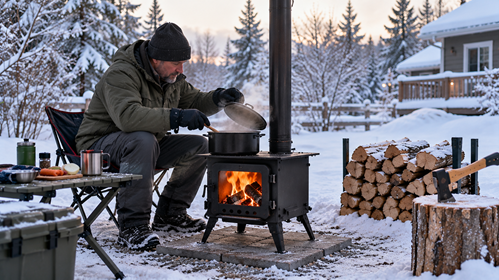
One of the most effective ways to determine whether your household is prepared for a winter energy shortage is to practice using your emergency equipment under ordinary, controlled conditions. Choose a cold day when the weather is safe and prepare a normal family meal without using household electricity. Use the camp stove, fuel, cooking utensils, and water supplies that would actually be available during an outage. Pay attention to how long the meal takes to prepare, how much fuel is consumed, and whether the equipment is practical to operate while wearing winter clothing. You may discover that your firewood is too large for the stove, your cooking pots are unsuitable, or the outdoor location becomes difficult to use when the wind changes direction. These are relatively simple problems to correct before an emergency, but they can become serious obstacles when electricity and heating are unavailable.
Once the cooking exercise is complete, examine how your household would retain body heat if the heating system stopped working. Look at the winter clothing, sleeping bags, blankets, insulated sleeping pads, and other equipment already available. Consider whether everyone has suitable protection for the temperatures normally experienced in your region and whether the sleeping arrangements would remain comfortable through several cold nights. A sleeping bag designed for mild summer camping may offer little protection during freezing weather, particularly when placed directly on a cold floor. Rather than deliberately allowing your home to become dangerously cold, assess the insulation and suitability of your equipment while maintaining normal safe indoor conditions. The purpose is to discover weaknesses, not to expose anyone to unnecessary risk.
The exercise becomes more revealing when you introduce a realistic complication. Imagine that strong winds make the outdoor stove unsafe to operate, the stored firewood turns out to be damp, or the household uses more propane than expected. Would you still be able to prepare food, obtain safe drinking water, and maintain adequate warmth? What if someone in the household became ill or needed a consistently heated environment? Working through these situations can reveal dependencies that are easy to overlook when everything is functioning normally. A household may have enough fuel for several days of cooking but no suitable food that can be eaten without heating, or it may have excellent camping equipment but no realistic alternative location if the home becomes too cold.
It is also worth examining how limited electricity would be allocated during an outage. A generator or battery power station might be needed for communication equipment, essential medical devices, or other critical systems, while the camp stove takes over outdoor cooking and water heating when conditions permit. Consider how long the available electrical reserves would last and which activities could be reduced or postponed. The goal is to understand how different resources support one another rather than expecting a single piece of equipment to meet every need. If the camp stove cannot be used, the household should still have a workable plan for food, water, and safe shelter.
The most important part of the exercise comes afterward, when you examine what you discovered. Rather than simply deciding that the test went well or that additional supplies might be useful, identify what worked reliably, what failed or was missing, and what needs to be corrected before winter. For example, you might discover that your wood stove prepares meals without electricity, but your stored firewood would last only two days and you have no alternative cooking method during severe weather. That tells you something specific about your preparedness. You have a functioning stove, but you do not yet have a dependable five-day cooking plan.
Use those findings to decide which improvements deserve attention first. A shortage of dry firewood may be inconvenient, but having no safe way to maintain adequate indoor warmth or relocate a vulnerable household member could have much more serious consequences. Address the weaknesses that threaten health and safety before concentrating on less essential conveniences. Once the most important problems have been corrected, repeat the relevant parts of the exercise to confirm that the improvements actually work. This turns a simple equipment test into a practical measure of household preparedness.
Downloadable Winter Camp Stove & Emergency Heating Preparedness Checklist
Before the next winter storm or energy shortage, take a few minutes to assess whether your household is actually prepared. This printable checklist will help you review your camp stove, available fuel, outdoor cooking arrangements, winter clothing, insulated bedding, and alternative heating and shelter plans. Use it to identify missing supplies, equipment that needs attention, and weaknesses that should be corrected before an emergency occurs.
Preparedness Action Plan
Begin by reviewing what your household already has and comparing those resources with the problems identified during your preparedness exercise. If the camp stove works reliably but fuel supplies are inadequate, establish a realistic reserve based on measured consumption. If the outdoor cooking location is exposed to dangerous winds or cannot be used during heavy snowfall, determine whether a safer location is available and prepare food that can be eaten without cooking when conditions prevent stove use. If essential cooking equipment is missing or damaged, correct those problems before relying on the stove during an emergency.
Give the greatest attention to weaknesses that could prevent your household from remaining safe without normal heating. Inadequate winter bedding, insufficient protection from cold floors, the absence of a reliable way to monitor indoor temperatures, or uncertainty about where to relocate should take priority over equipment that merely improves convenience. Make sure any backup heating arrangement is approved for its intended location and that ordinary camp stoves are never used as improvised indoor heaters.
Five-Day Winter Heating Emergency Preparedness Worksheet
Knowing what equipment you have is only the beginning. The next step is to determine whether those supplies and arrangements would actually support your household through an extended winter heating failure. This printable worksheet helps you work through a five-day emergency, calculate how long your stored fuel may last, evaluate your backup electricity and sleeping arrangements, and consider what would happen if your camp stove became unusable or indoor temperatures became unsafe. Use the results to identify your three most important preparedness improvements and establish target dates for completing them.
Once the most serious weaknesses have been identified, choose a manageable number of improvements and complete them before the next period of severe winter weather. Rather than leaving improvements for another day, establish a realistic deadline for correcting each important weakness and revisit your preparations afterward to confirm that the problem has been resolved. Record what has been corrected and what still requires attention. A household does not become better prepared simply by accumulating more equipment; it becomes better prepared when essential needs can be met safely and there is a workable alternative when the original plan fails.
Finally, make sure everyone in the household understands the arrangements. Knowing where supplies are stored, how emergency cooking equipment is operated, which resources need to be conserved, and when relocation becomes necessary should not depend on one person’s availability. The objective is to develop a plan that can be followed under difficult conditions, even when the household is tired, cold, or dealing with several problems at once.
Key Takeaways
A camp stove is most valuable during a winter energy shortage when it forms part of a broader emergency plan. Its ability to prepare meals and heat water without electricity can help preserve generator fuel, battery capacity, and other limited resources for tasks that genuinely require them. This flexibility becomes increasingly important as an outage continues, particularly when the time needed to restore normal services is uncertain.
There is also an important difference between having access to heat and being protected from the cold. A camp stove may provide temporary radiant warmth outdoors, but it cannot safely replace a home’s heating system. Retaining body heat, maintaining suitable shelter conditions, and recognizing when those conditions are deteriorating are separate preparedness challenges. Understanding that distinction helps prevent the dangerous assumption that a functioning stove automatically means a household can remain safe through a prolonged winter outage.
Another important lesson is that preparedness must account for changing circumstances. A stove that works perfectly on a calm afternoon may be unusable during a severe storm. A fuel supply that seems adequate for occasional cooking may be exhausted much sooner when additional water heating becomes necessary. Practicing before an emergency helps reveal these limitations and provides an opportunity to correct them while normal resources are still available.
The most useful preparedness exercise is one that produces a clear result. Knowing what worked, what failed, and what needs to be improved gives a household something practical to act upon. It also helps distinguish between equipment ownership and actual readiness. A dependable emergency plan is not measured by how many supplies have been accumulated, but by whether those supplies can meet essential needs under realistic conditions.
A camp stove can help you cook, heat water, and conserve energy when the power goes out, but it cannot keep your household safe on its own. That depends on the preparations you’ve made around it and whether those preparations still work when conditions change. Before the next winter storm, consider what would happen if your home lost heat for five days, your stored fuel began running low, and the weather prevented you from cooking outside. If you cannot confidently explain how everyone in your household would remain safe, you’ve just identified where your preparedness work needs to begin.
© Prepping Communities. This content is for informational purposes only and not professional advice. Use at your own risk.
Terms | Privacy | Guidelines